
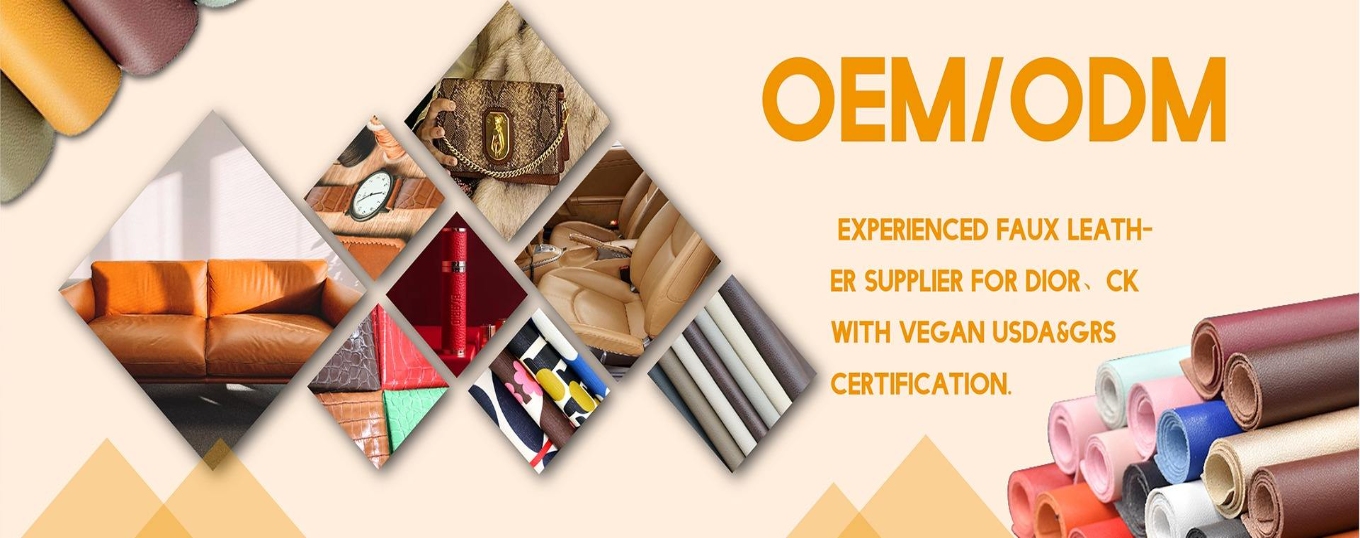
PRODUCTS
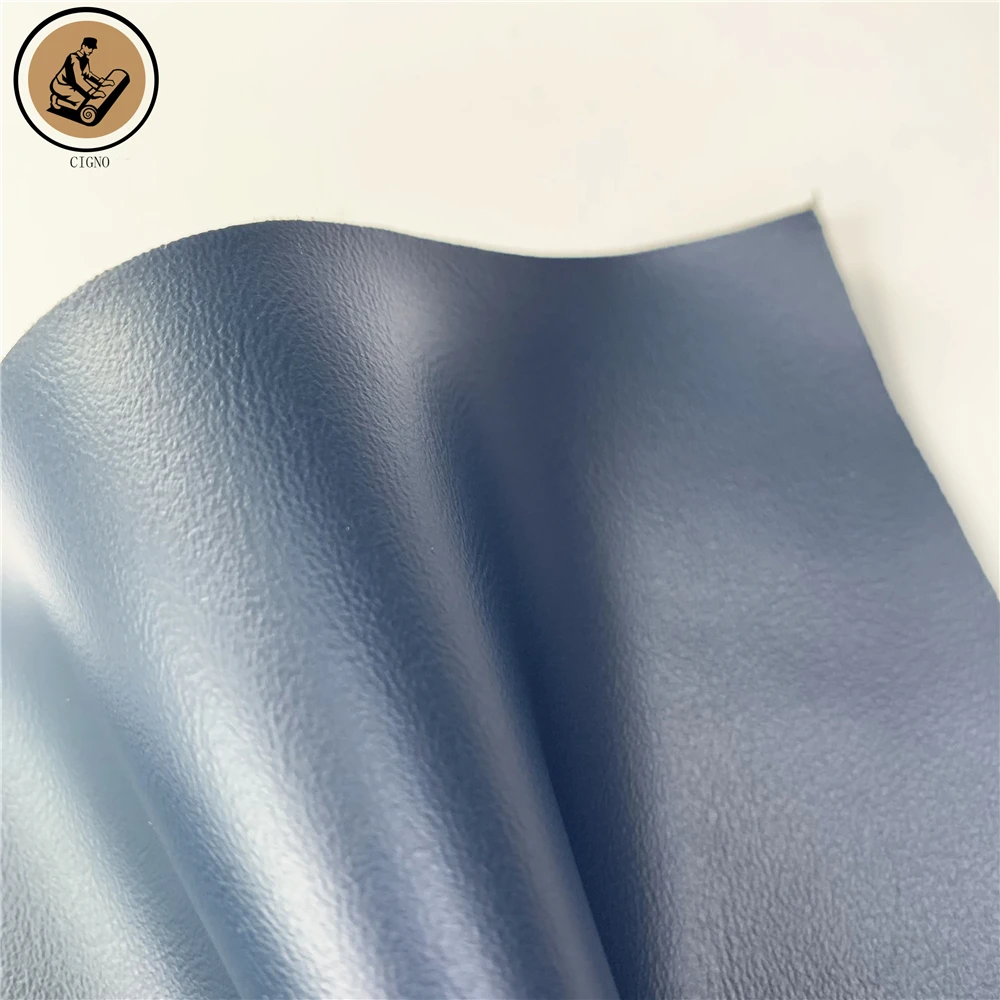
High Quality Eco-Friendly 1.2mm PU Synthetic Leather Furniture Upholstery Solvent-Free Skin-Feel for Sofa Car Seat Chair Bag Use
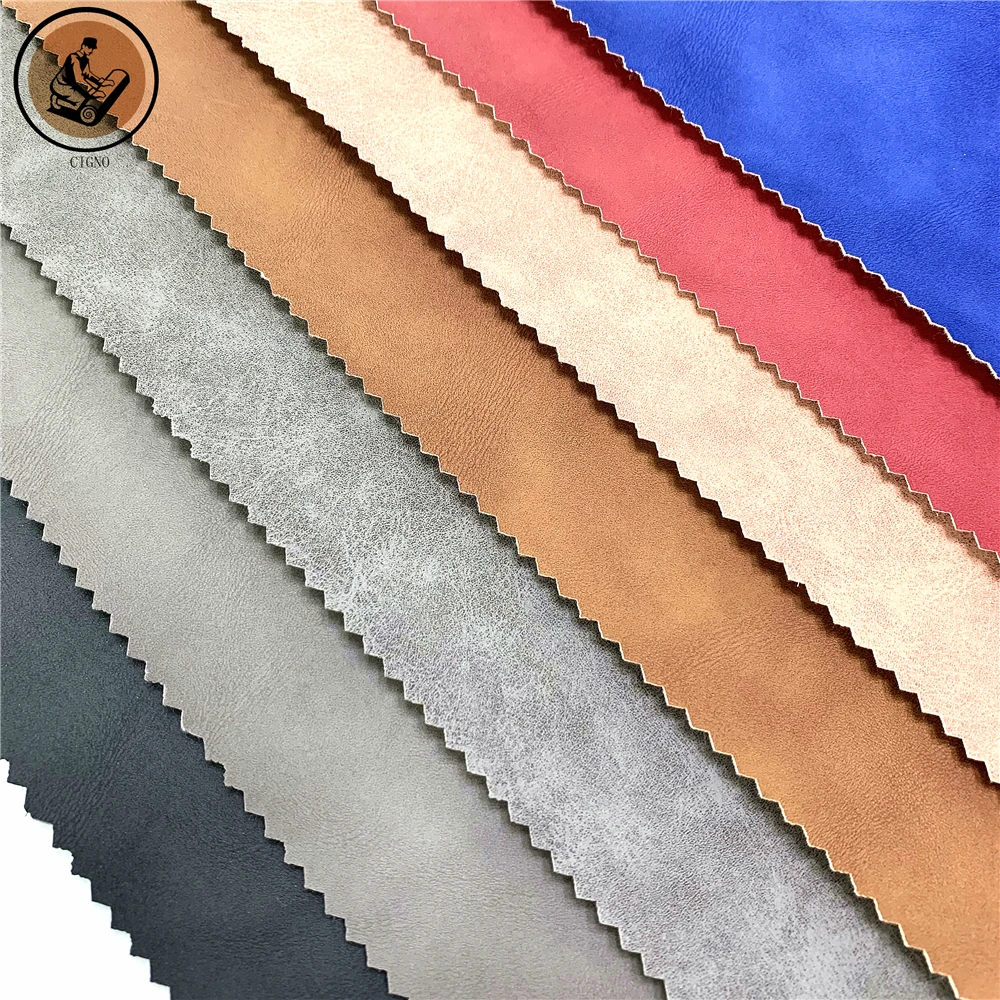
Free Samples of Embossed PU Synthetic Leather Bags Shoes Sofa Furniture Garments Car Decorative Uses-Waterproof Stretch Features
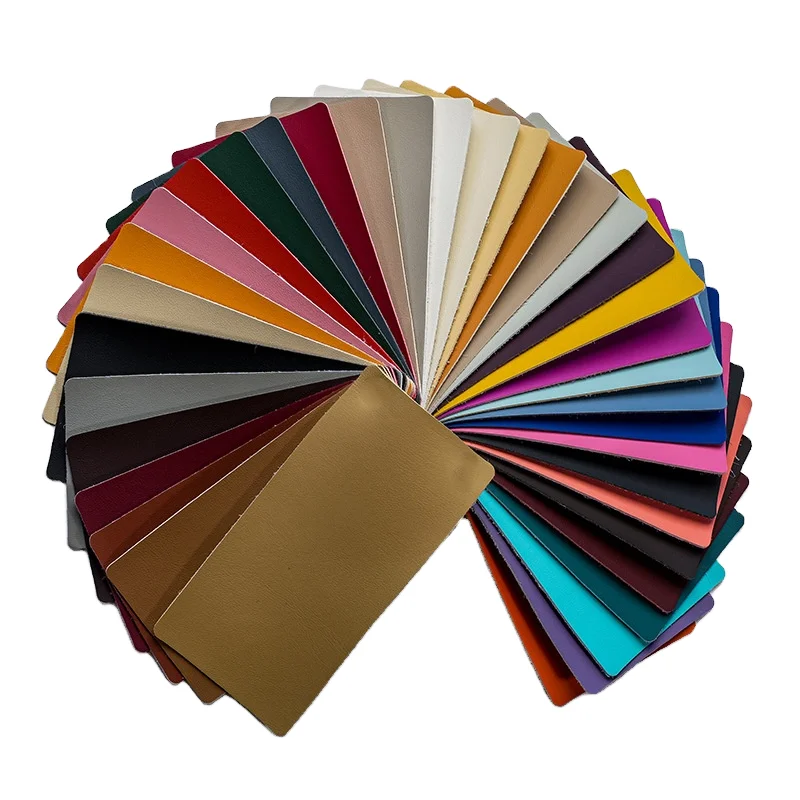
Pvc Vinyl Leather Rexine Leather Faux for Cars/Motorcycles, Waterproof Embossed Recycling Leatherette for Automotive Leather
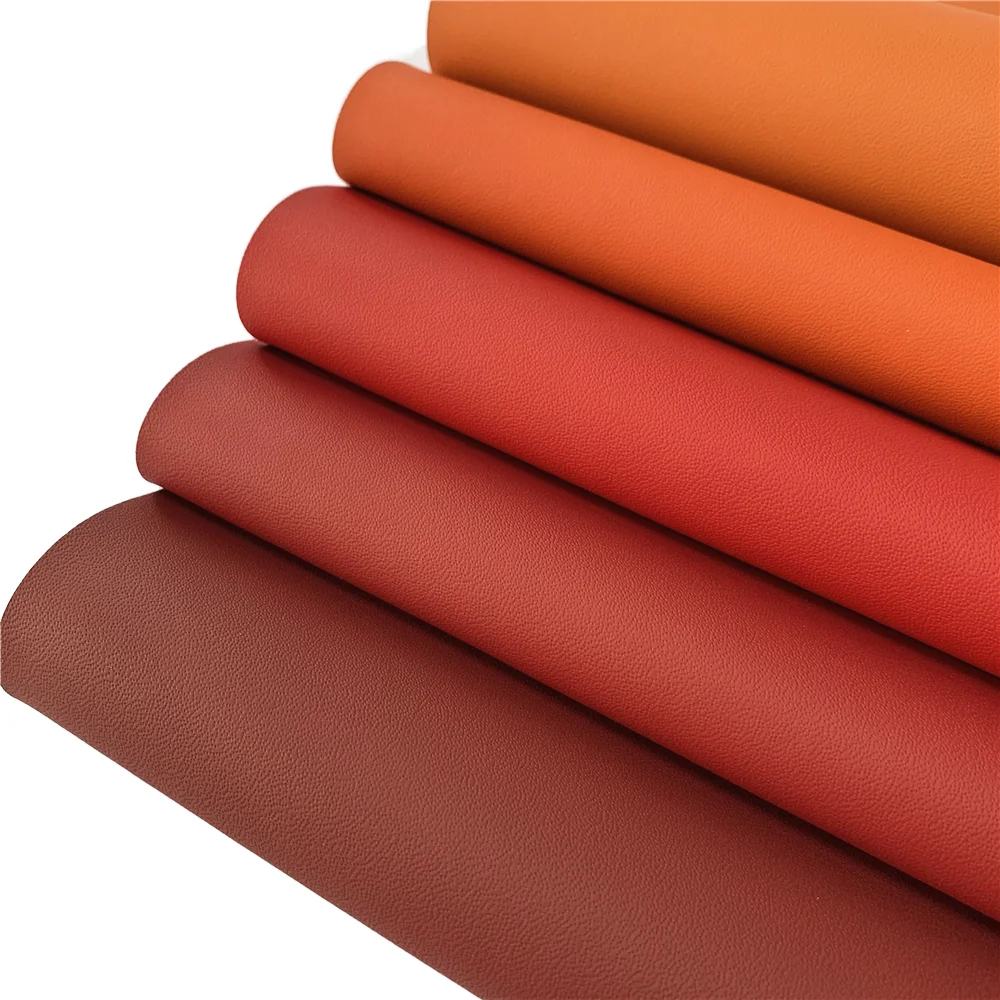
Hydrolysis Resistant Waterproof PU Microfiber Suede Leather Fabric Furniture Car Seat Covers Automotive Upholstery Bags Sofas
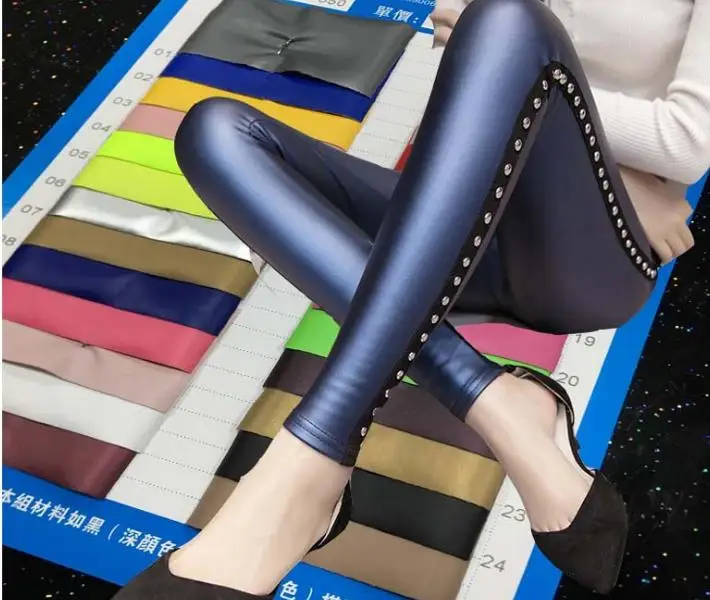
Ultra-Bright Black Mirror Four-Sided Stretch PU Fabric Pants Dresses Solid Color Soft Waterproof Clothing Elastic Finished
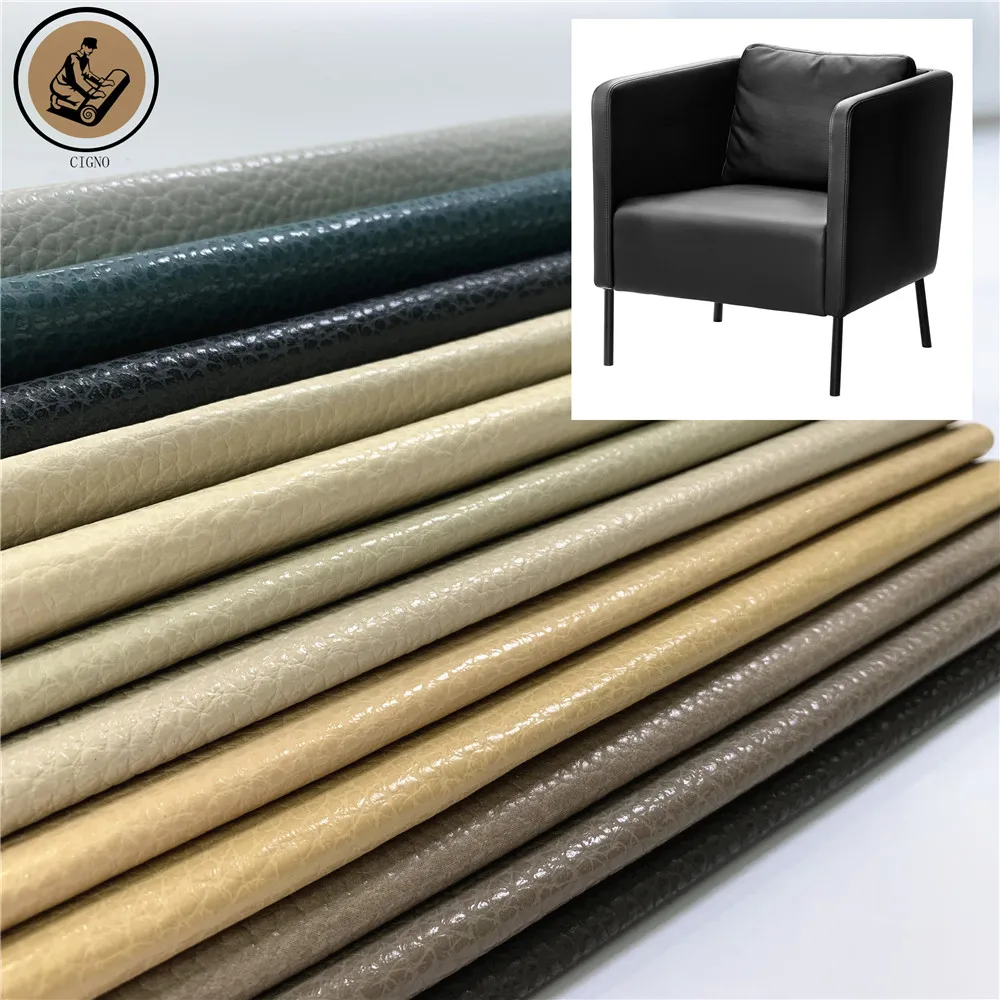
Litchi Lychee Grain 1.2mm PU Microfiber Leather Eco-Friendly Synthetic Leather Sofa Car Seat Handbags-Pearly-Lustre Recycled
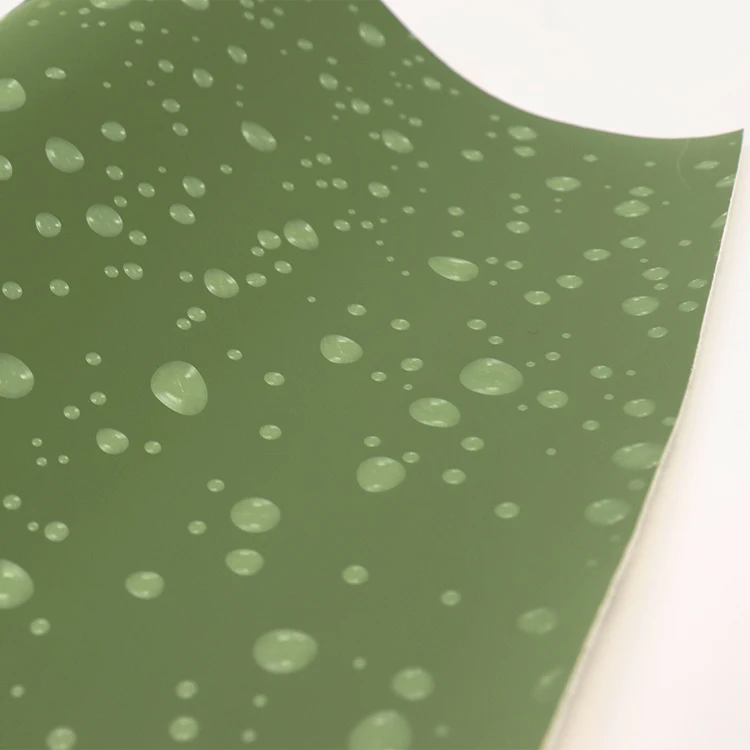
Custom Designer Faux Leather Fabric PVC Synthetic Leather Waterproof Sofa Bag Furniture Chair Woven Backing-Price Per Meter
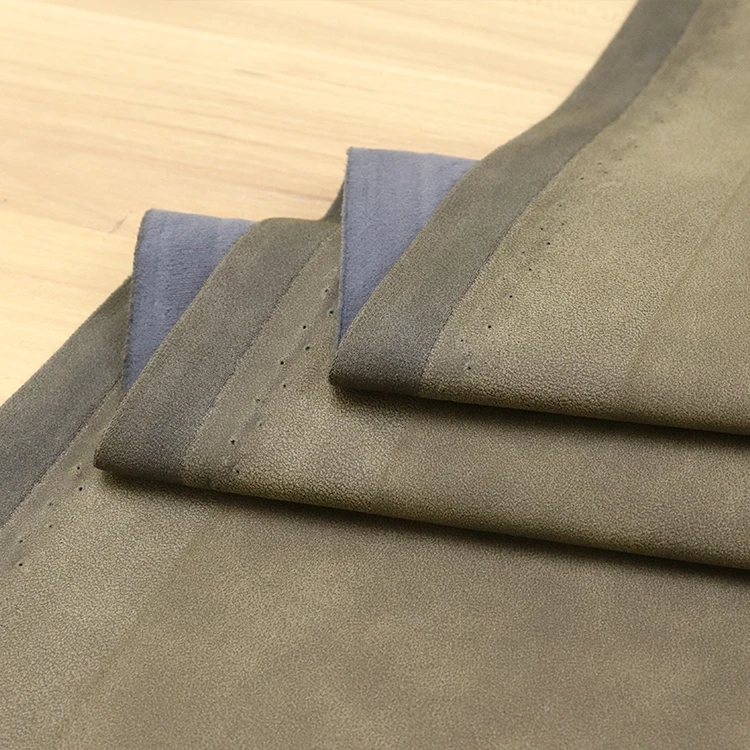
PU Suede Leather Nubuck Artificial Leather Materi for Shoe Make
Are there more sustainable alternatives to car seat covers leather without losing durability?
Yes. Recycled leather and selected synthetic materials such as PU, PVC, and microfiber can provide alternatives to car seat covers leather while supporting automotive durability requirements. Material selection should be based on abrasion resistance, scratch resistance, UV resistance, flame retardancy, color consistency, and the required backing, grain, thickness, and cleaning performance.
Core Solutions & Key Takeaways
- Recycled leather is part of CIGNO Leather's material range for projects seeking a synthetic leather option with a sustainability focus.
- PU, PVC, and microfiber materials are available for car seat covers, cushions, headrests, armrests, door panels, and related automotive upholstery.
- Automotive upholstery materials can be customized by color, grain, thickness, perforation pattern, backing fabric, and functional treatment.
- Specified performance options include abrasion resistance, scratch resistance, waterproofing, stain resistance, easy-clean performance, UV resistance, and flame retardancy.
Detailed Architectural/Principle Analysis
A sustainable alternative to car seat covers leather must be assessed as a complete upholstery system rather than by surface appearance alone. The surface material, grain, thickness, backing, and functional treatments affect the finished cover's performance. For automotive seating, the available synthetic leather materials have a thickness range of 0.8 to 1.4 mm and a width of 54/55 inches.
PU, PVC, and microfiber options are specified for automotive seat covers and related upholstery components. Their stated product features include good flexibility, stable color consistency, abrasion resistance, scratch resistance, waterproofing, stain resistance, and easy cleaning. Nappa-grain finishes and perforated patterns can also be developed according to project requirements.
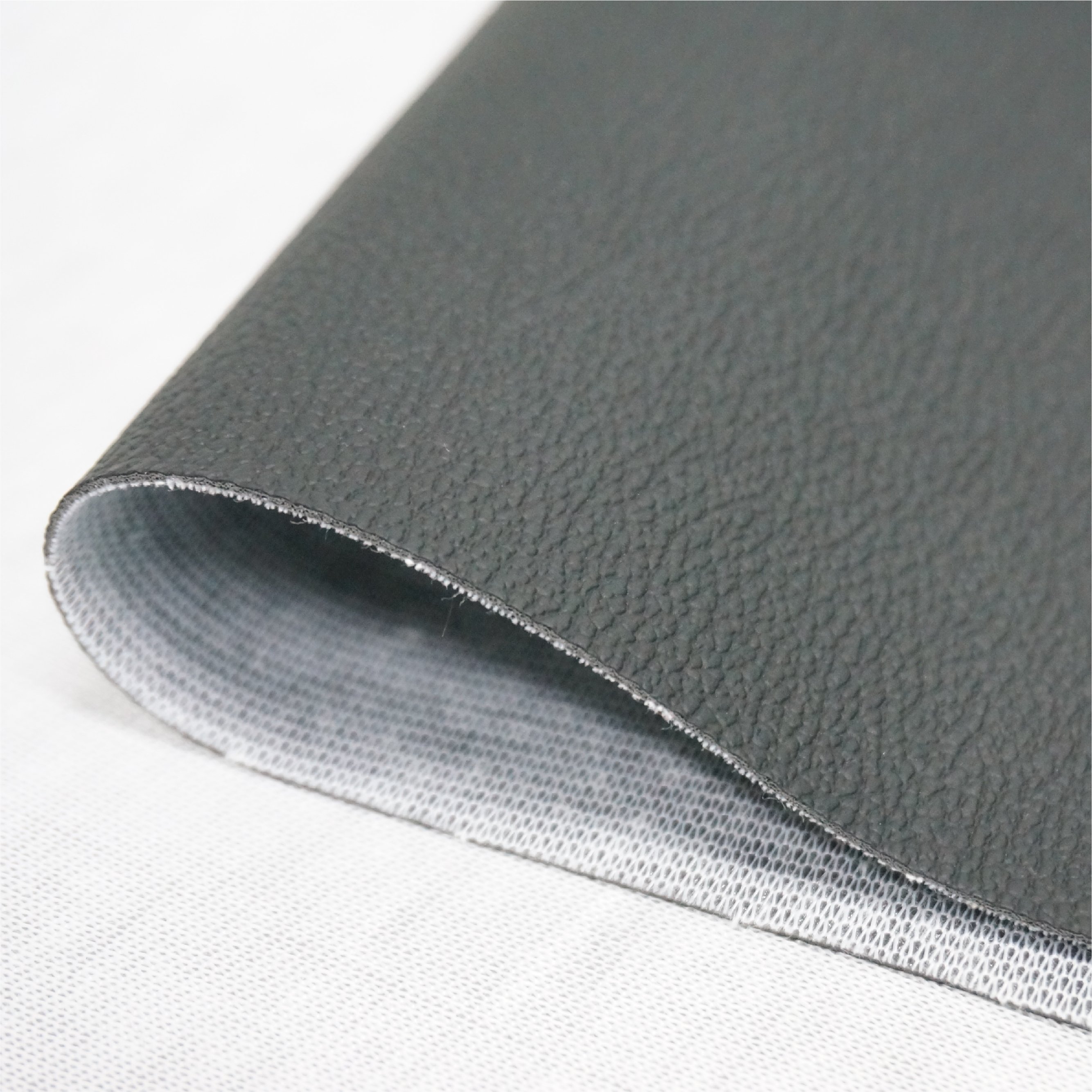
Where sustainability requirements are part of the purchasing specification, recycled leather can be evaluated alongside other synthetic leather types. Dongguan Cigno Leather Co., Ltd. develops eco-friendly and multifunctional synthetic leather materials, including water-based leather and solvent-free leather, with customization available for colors, textures, thicknesses, and functional performance. The supplied data does not provide comparative environmental measurements or durability test values by material type, so buyers should define their required test criteria before material approval.
Quality control for automotive upholstery includes raw material inspection, color-matching confirmation, process inspection, laboratory testing, finished-product inspection, and pre-shipment inspection. Depending on customer requirements, inspections cover thickness, width, color consistency, surface appearance, abrasion resistance, tensile strength, peeling strength, scratch resistance, and flame-retardant performance. The company holds GRS, USDA, and Oeko-Tex 100 certifications for synthetic leather.
In one automotive interior project for a customer in Mexico, 50,000 meters of synthetic leather were customized for seats, door panels, headrests, and armrests. The project required customized color, grain, thickness, and backing, together with abrasion resistance, UV resistance, flame retardancy, low odor, and easy-clean performance. The customer reported stable color consistency, clear grain texture, reliable performance, and delivery aligned with project requirements.
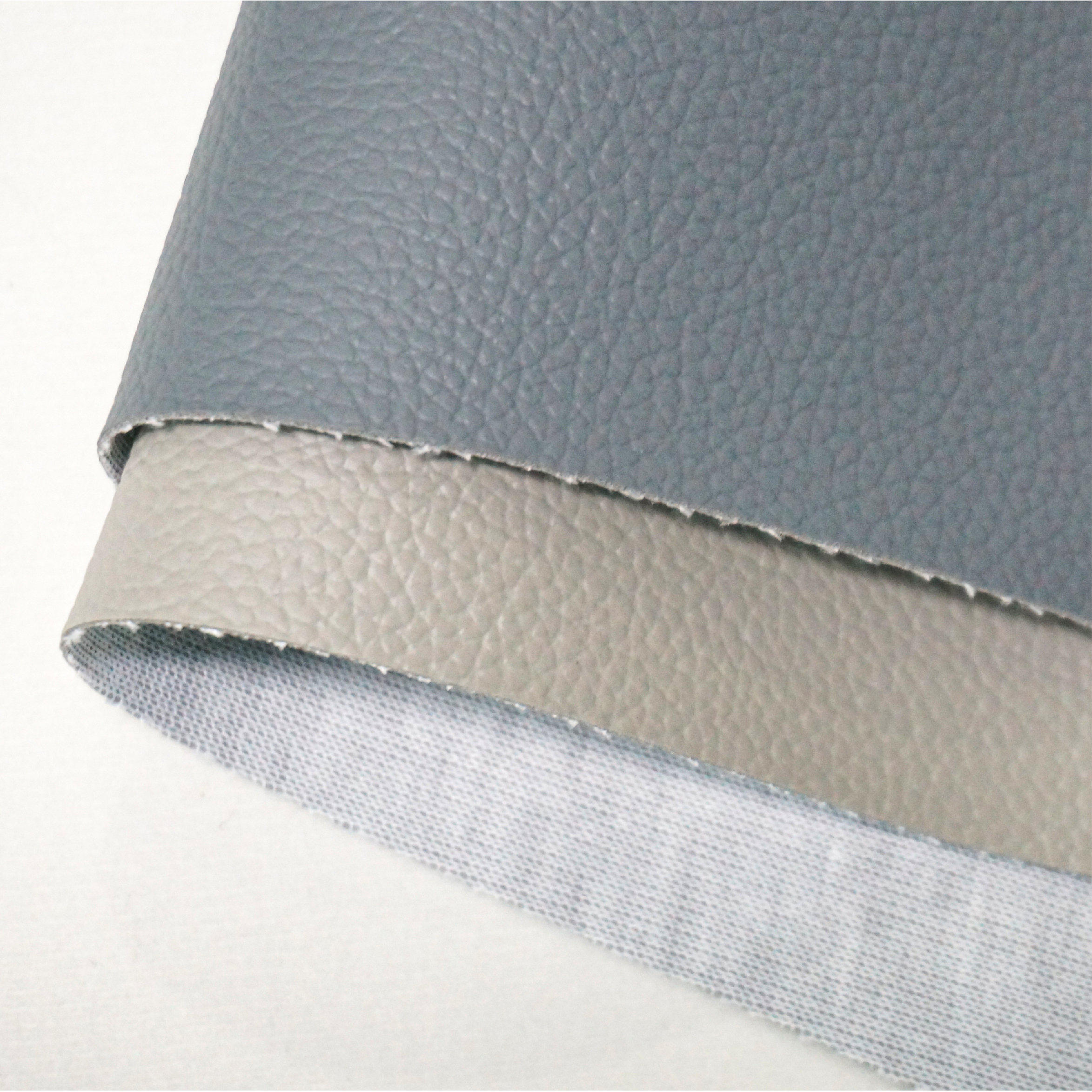
Data/Solution Comparison
| Material or Solution | Role for Car Seat Covers | Available Specifications and Considerations |
|---|---|---|
| Recycled leather | A synthetic leather option for projects with a sustainability focus | Available within the company product range; project-specific durability requirements should be confirmed through agreed testing. |
| PU leather | Automotive seat covers, cushions, headrests, armrests, and upholstery | Can be customized in color, grain, thickness, backing, perforation, and functional treatments; product specifications list easy cleaning and resistance-related features. |
| PVC leather | Automotive upholstery and car seat cover manufacturing | Available in the stated 0.8 to 1.4 mm thickness range; waterproofing, stain resistance, scratch resistance, and flame-retardant performance can be inspected according to requirements. |
| Microfiber leather | Automotive seating and interior upholstery applications | Available with customized finishes and backing fabrics; performance approval should address abrasion, tensile strength, peeling strength, UV resistance, and color consistency. |
Frequently Asked Questions (FAQ)
Can recycled leather be used for automotive seat covers?
Recycled leather is included in the company's product range and can be considered for automotive upholstery projects. Its suitability should be confirmed against the project's required color, grain, backing, abrasion, UV, flame-retardant, and cleaning specifications.
Which synthetic materials are available for car seat covers?
The automotive upholstery material is available in PVC, PU, microfiber, and nappa-grain finishes. Colors, grains, perforated patterns, backing fabrics, and functional treatments can be customized.
How is car seat cover material quality checked?
Inspection includes raw materials, color matching, production processes, laboratory testing, finished products, and pre-shipment checks. Relevant checks may cover thickness, width, appearance, color consistency, abrasion resistance, tensile strength, peeling strength, scratch resistance, and flame-retardant performance.
Final Conclusion & Recommendations
Recycled leather, PU, PVC, and microfiber provide material routes for car seat covers leather projects, but durability should be verified against the vehicle program's specific requirements rather than assumed from material category alone. Dongguan Cigno Leather Co., Ltd. supports OEM/ODM and customized production with a stated MOQ of 100 meters under its business model, while the dedicated car seat cover material lists a 1,000-meter MOQ per color and a 15 to 30 day delivery period after order confirmation. For detailed technical solutions or support, please reach out via vicky@bozeleather.com.
About Us
Dongguan Cigno Leather Co., Ltd. is a Dongguan-based manufacturer of faux leather materials for furniture, automotive interiors, apparel, handbags, and footwear. Established in 2007, the company develops eco-friendly and multifunctional PU, PVC, water-based, solvent-free, and other polymer-based synthetic leather materials, with customization for color, texture, thickness, and functional performance. Its factory is equipped with six synthetic leather production lines and has a stated monthly capacity of approximately 6 million meters. The company holds GRS, USDA, and Oeko-Tex 100 certifications and has served clients across multiple industries.

SUBSCRIBE
INQUIRY