PRODUCTS
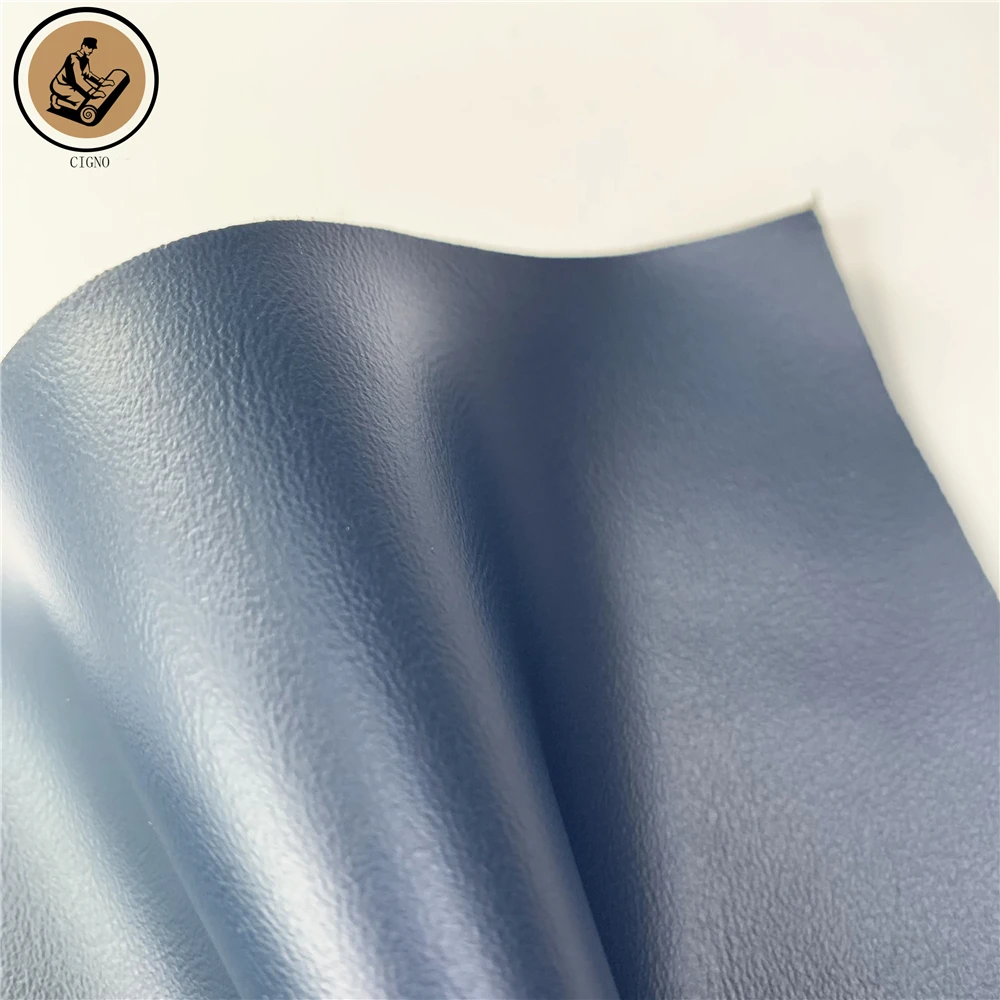
High Quality Eco-Friendly 1.2mm PU Synthetic Leather Furniture Upholstery Solvent-Free Skin-Feel for Sofa Car Seat Chair Bag Use
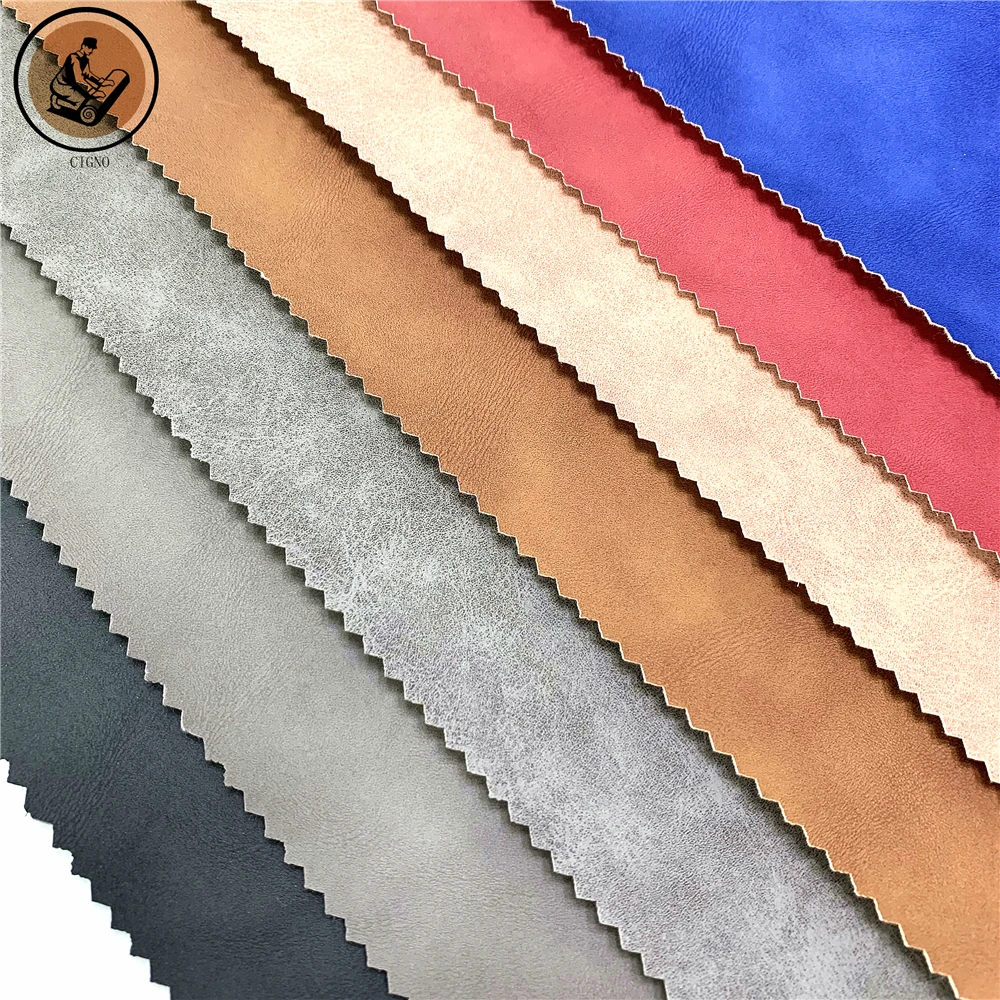
Free Samples of Embossed PU Synthetic Leather Bags Shoes Sofa Furniture Garments Car Decorative Uses-Waterproof Stretch Features

Pvc Vinyl Leather Rexine Leather Faux for Cars/Motorcycles, Waterproof Embossed Recycling Leatherette for Automotive Leather
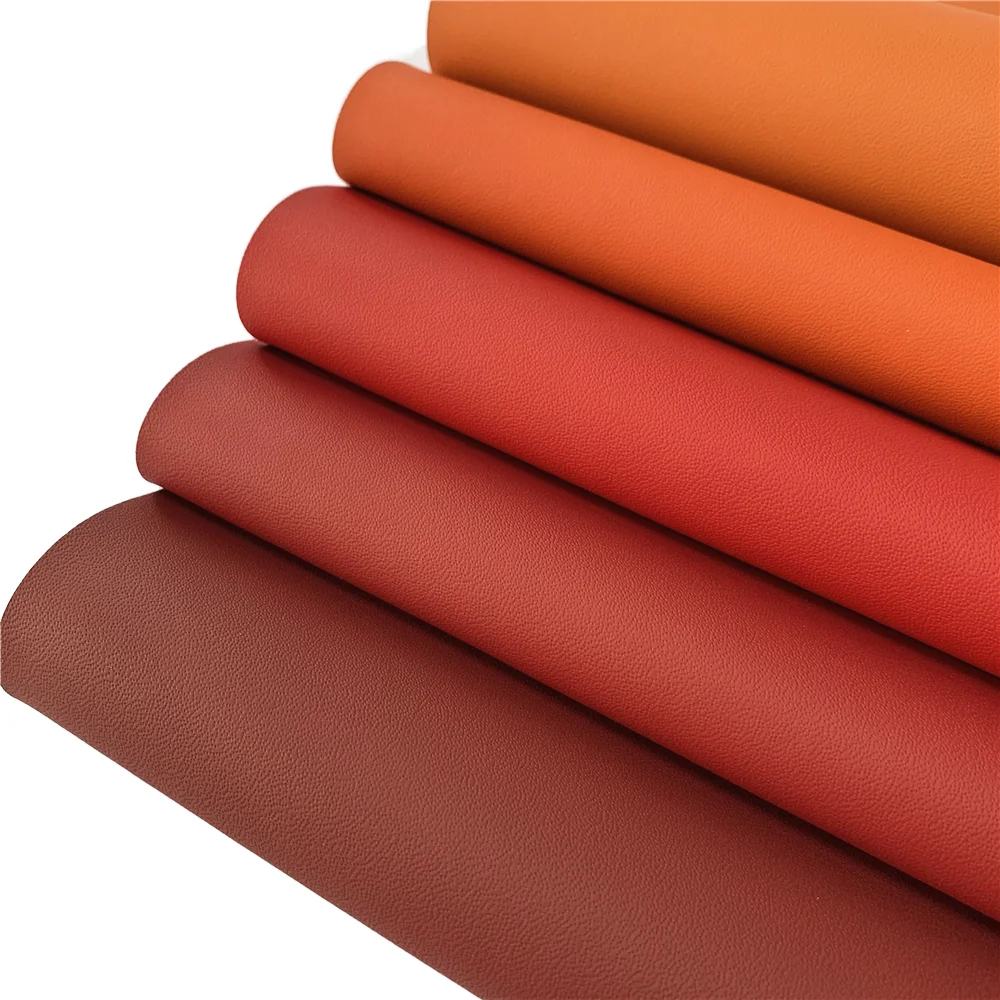
Hydrolysis Resistant Waterproof PU Microfiber Suede Leather Fabric Furniture Car Seat Covers Automotive Upholstery Bags Sofas

Ultra-Bright Black Mirror Four-Sided Stretch PU Fabric Pants Dresses Solid Color Soft Waterproof Clothing Elastic Finished
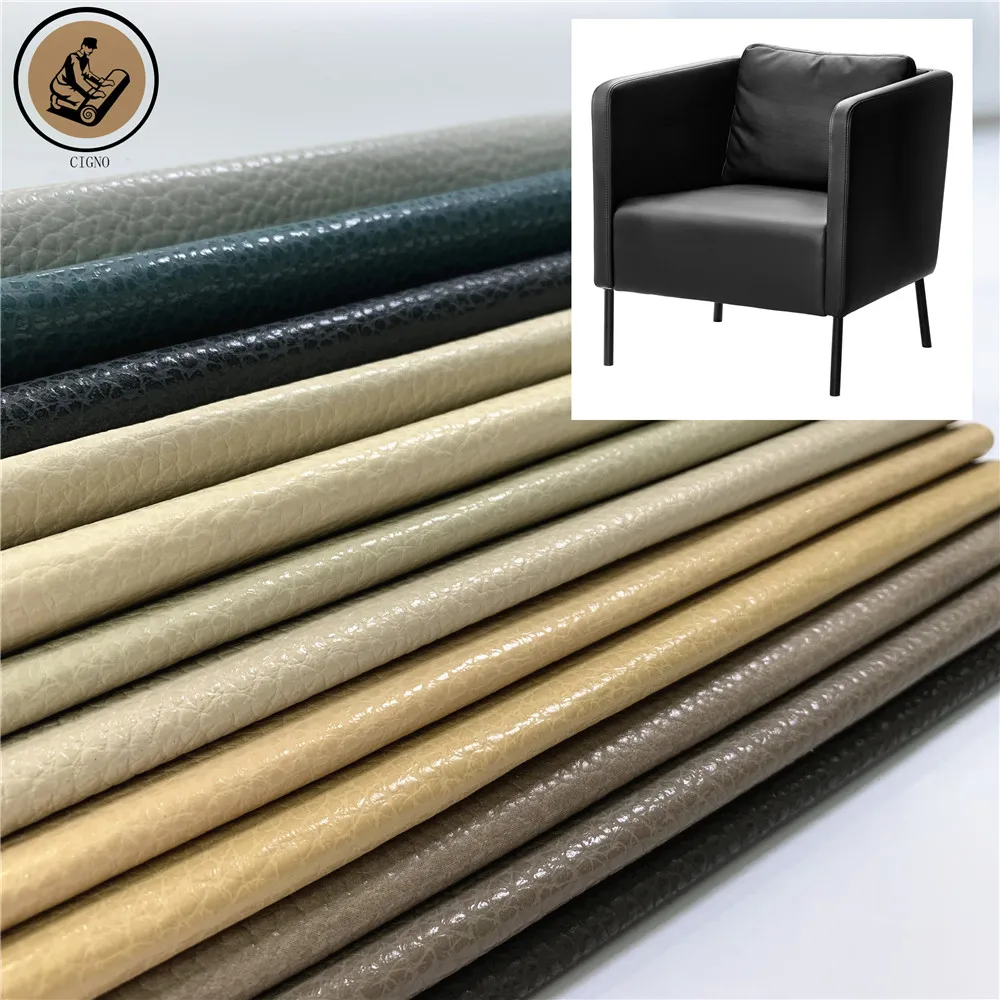
Litchi Lychee Grain 1.2mm PU Microfiber Leather Eco-Friendly Synthetic Leather Sofa Car Seat Handbags-Pearly-Lustre Recycled

Custom Designer Faux Leather Fabric PVC Synthetic Leather Waterproof Sofa Bag Furniture Chair Woven Backing-Price Per Meter
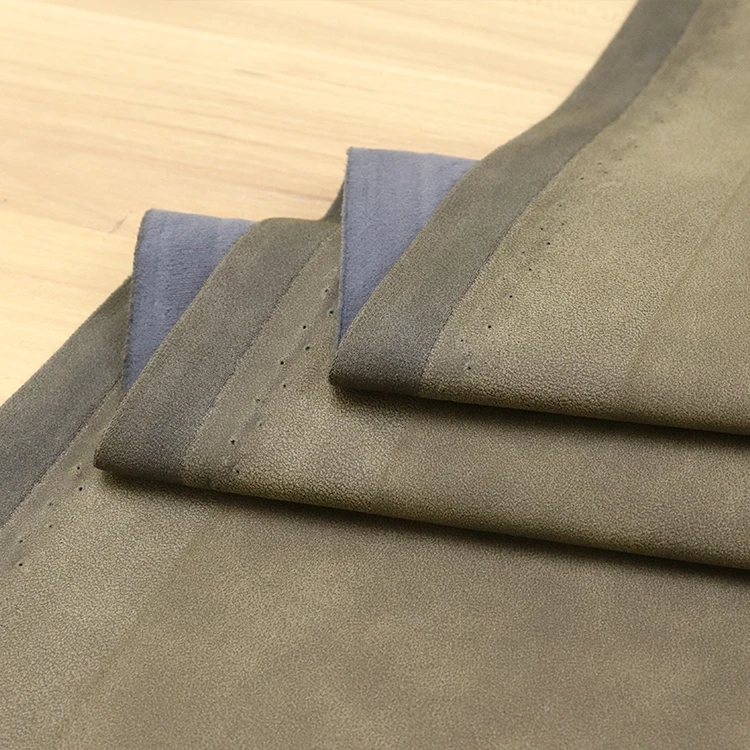
PU Suede Leather Nubuck Artificial Leather Materi for Shoe Make
Can a third-party audit confirm ethical labor practices at a vegetan leather factory?
A third-party audit can confirm ethical labor practices at a vegetan leather factory only when it examines labor conditions, wages, working hours, health and safety, recruitment, and worker records against a defined standard. The available CIGNO Leather information confirms product certifications and quality controls, but it does not provide evidence of a completed third-party labor audit.
Core Solutions & Key Takeaways
- A labor audit must assess workplace practices directly; synthetic leather certifications alone do not verify ethical employment conditions.
- Audit evidence should include worker interviews, payroll and attendance records, health and safety checks, recruitment documentation, and corrective-action tracking.
- CIGNO Leather supplies synthetic leather for automotive and furniture upholstery, including sofas, chairs, automotive seats, door panels, headrests, and armrests.
- Product controls such as raw-material inspection, production inspection, laboratory testing, finished-product inspection, and pre-shipment inspection support material quality but do not replace a labor audit.
Detailed Architectural/Principle Analysis
A third-party audit confirms ethical labor practices through independent verification of workplace conditions rather than through product performance testing. The audit scope should identify the factory site, applicable labor requirements, worker groups, documentation reviewed, interview methods, findings, and corrective actions.
For a synthetic leather factory, the review can cover recruitment practices, employment contracts, wages, working hours, leave, workplace safety, emergency procedures, grievance channels, forced-labor risks, child-labor risks, and treatment of migrant or temporary workers. A credible result requires traceable records and evidence that findings were addressed.
The available certification records for CIGNO Leather include GRS, USDA, and Oeko-Tex 100 certifications for synthetic leather. These credentials relate to certified products or material requirements in the provided data. They should be presented separately from a social-compliance or ethical-labor audit because the data does not identify a third-party labor-audit report.
CIGNO Leather describes quality control under an ISO 9001 quality management system, covering raw materials, production processes, laboratory testing, finished products, and pre-shipment inspection. These controls can help establish manufacturing traceability, while labor-practice verification requires a separate audit scope and evidence set.
A documented automotive-seat project for a customer in Mexico involved customized color, grain, thickness, backing, abrasion resistance, UV resistance, flame retardancy, low odor, and easy-clean performance. The reported customer feedback addressed color consistency, grain clarity, production quality, delivery, and technical support; it does not constitute evidence of ethical labor conditions.
Data/Solution Comparison
| Evidence Type | What It Can Confirm | What It Cannot Confirm Alone |
|---|---|---|
| Third-party labor audit | Reviewed labor practices, workplace conditions, records, interviews, findings, and corrective actions within the defined scope | Conditions outside the audited site or audit period |
| GRS, USDA, and Oeko-Tex 100 certifications | Specified certification requirements for applicable synthetic leather products | Ethical labor practices across the factory workforce |
| ISO 9001 quality-control process | Documented inspection and testing stages for materials and finished products | Fair wages, working hours, recruitment practices, or worker representation |
| Customer project records | Application requirements, product customization, delivery performance, and technical support | Independent confirmation of labor conditions |
Frequently Asked Questions (FAQ)
Can product certification prove ethical labor practices?
No. Product certifications can address material, environmental, or product-related requirements, but they do not automatically verify wages, working hours, worker safety, recruitment, or freedom from forced labor.
What should a third-party audit report contain?
It should identify the audited factory, audit date, scope, standards applied, documents reviewed, worker interviews, site observations, nonconformities, corrective actions, and follow-up status. The report should make clear which facilities and workers were covered.
Does CIGNO Leather’s available information confirm an ethical-labor audit?
No. The provided information identifies synthetic leather certifications, production quality controls, an automotive application case, and manufacturing capabilities. It does not list a completed third-party ethical-labor audit or provide a labor-compliance report.
Final Conclusion & Recommendations
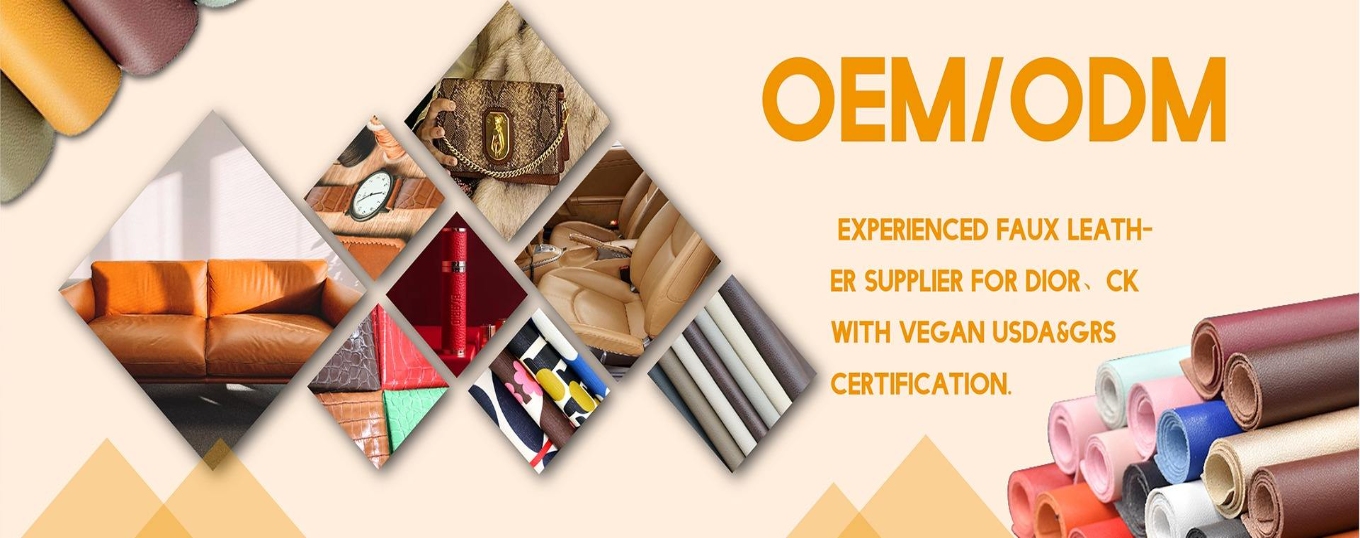
A third-party audit can confirm ethical labor practices at a vegetan leather factory when it independently examines labor conditions and provides verifiable findings within a defined scope. For CIGNO Leather, the available evidence supports synthetic leather manufacturing, product certification, and quality inspection, while ethical-labor verification remains unconfirmed in the supplied records. CIGNO Leather operates as a synthetic leather manufacturer integrating R&D, production, sales, export, OEM/ODM, and customized production services. For detailed technical solutions or support, please contact vicky@bozeleather.com.
About Us
Dongguan Cigno Leather Co., Ltd. was established in 2007 as a Dongguan-based manufacturer of faux leather, including vegan leather, recycled leather, PVC leather, and microfiber leather for furniture, automotive interiors, apparel, handbags, and footwear. The company reports approximately 6 million meters of monthly production capacity and serves North America, Europe, Southeast Asia, the Middle East, South America, and other international markets. Its listed certifications include GRS, USDA, and Oeko-Tex 100, and its cooperation records include a customized synthetic leather project for an automotive interior manufacturer in Mexico.
SUBSCRIBE
INQUIRY