
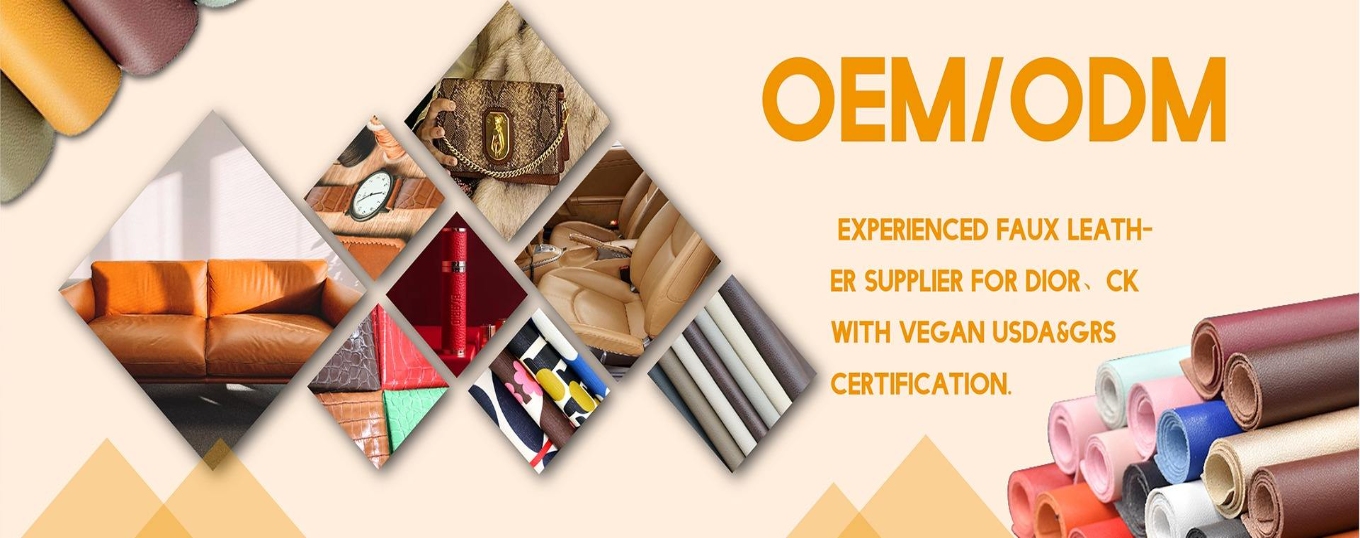
PRODUCTS
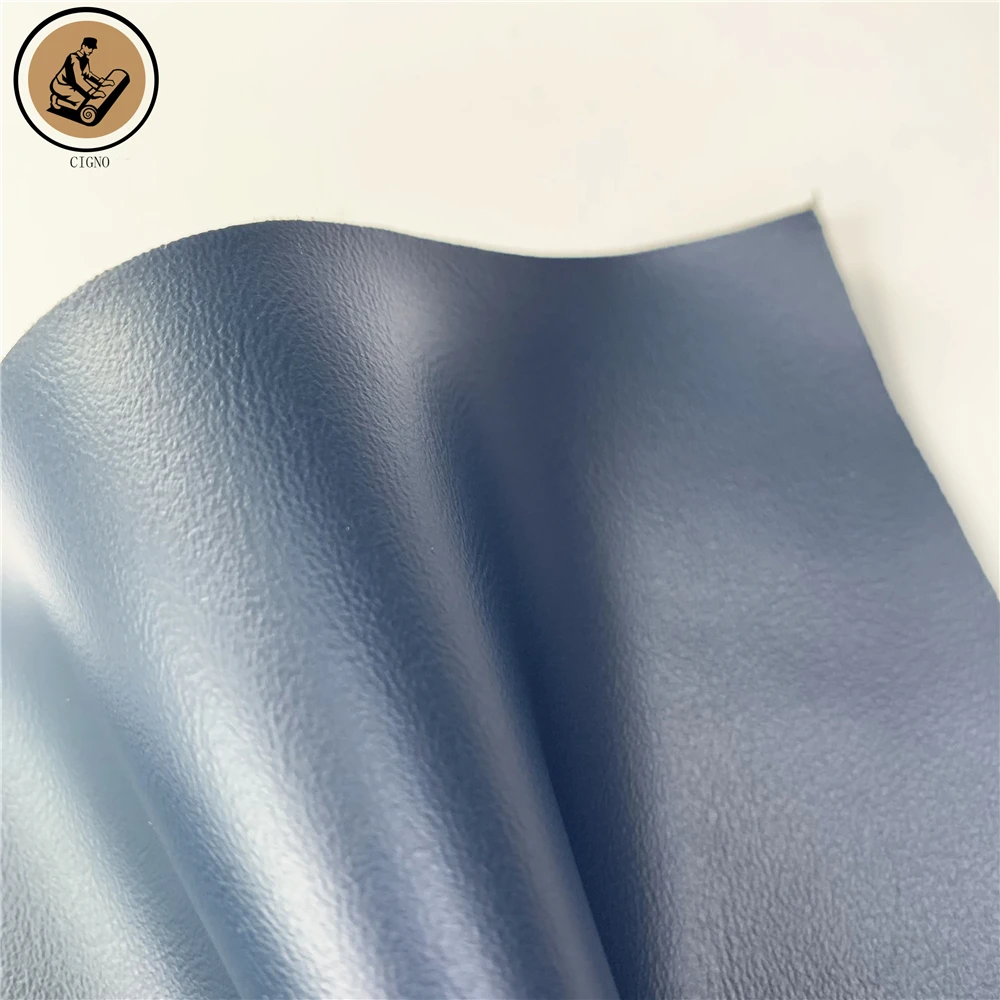
High Quality Eco-Friendly 1.2mm PU Synthetic Leather Furniture Upholstery Solvent-Free Skin-Feel for Sofa Car Seat Chair Bag Use
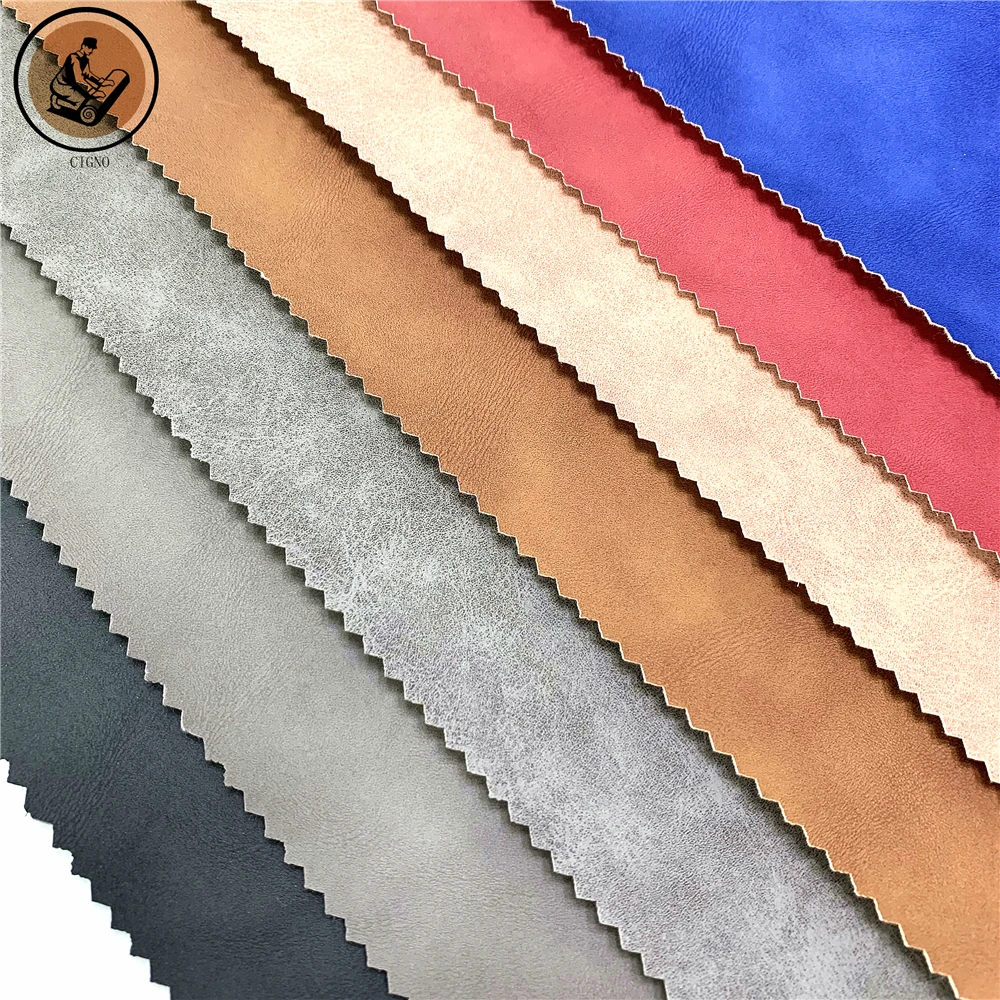
Free Samples of Embossed PU Synthetic Leather Bags Shoes Sofa Furniture Garments Car Decorative Uses-Waterproof Stretch Features

Pvc Vinyl Leather Rexine Leather Faux for Cars/Motorcycles, Waterproof Embossed Recycling Leatherette for Automotive Leather
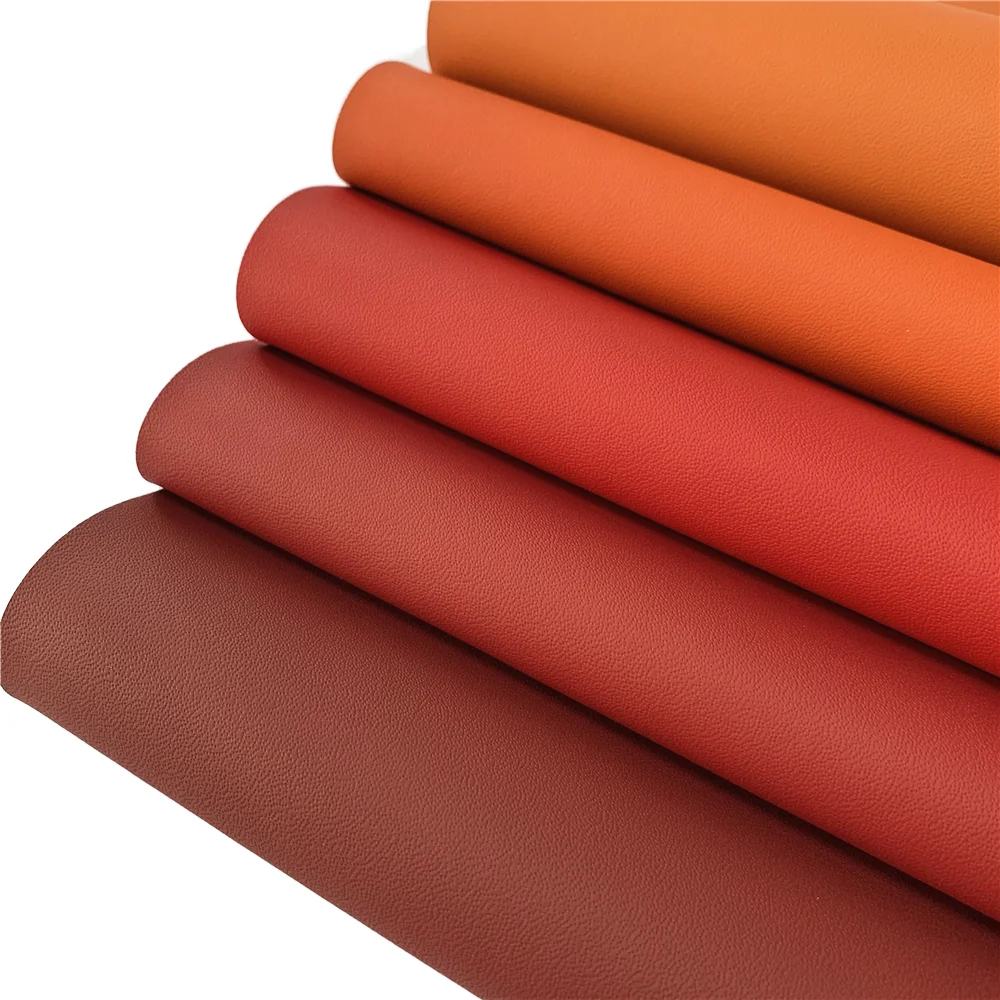
Hydrolysis Resistant Waterproof PU Microfiber Suede Leather Fabric Furniture Car Seat Covers Automotive Upholstery Bags Sofas
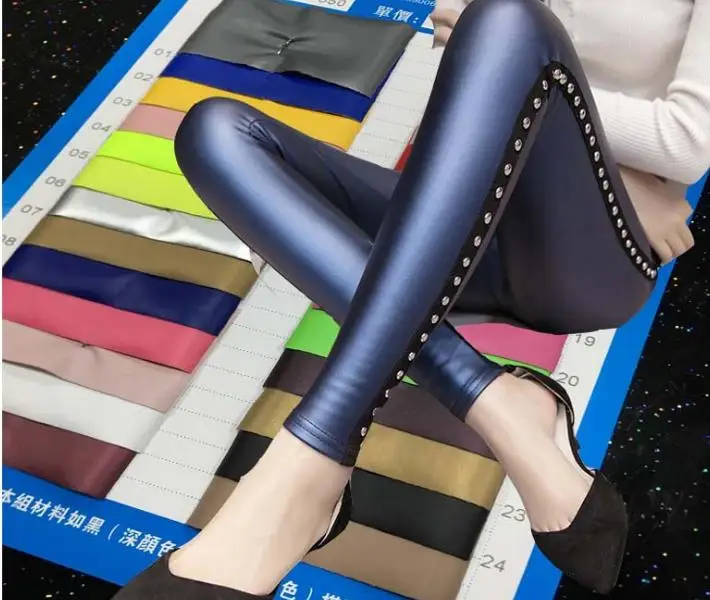
Ultra-Bright Black Mirror Four-Sided Stretch PU Fabric Pants Dresses Solid Color Soft Waterproof Clothing Elastic Finished
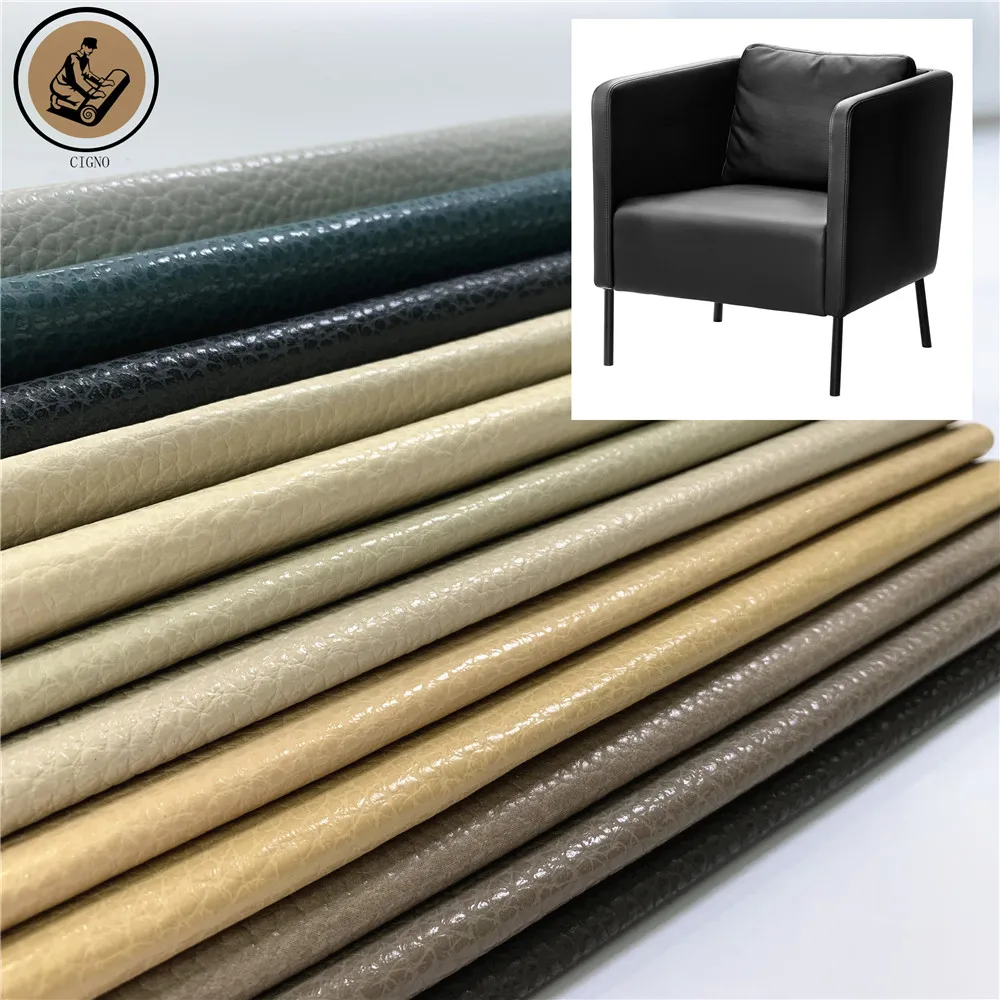
Litchi Lychee Grain 1.2mm PU Microfiber Leather Eco-Friendly Synthetic Leather Sofa Car Seat Handbags-Pearly-Lustre Recycled
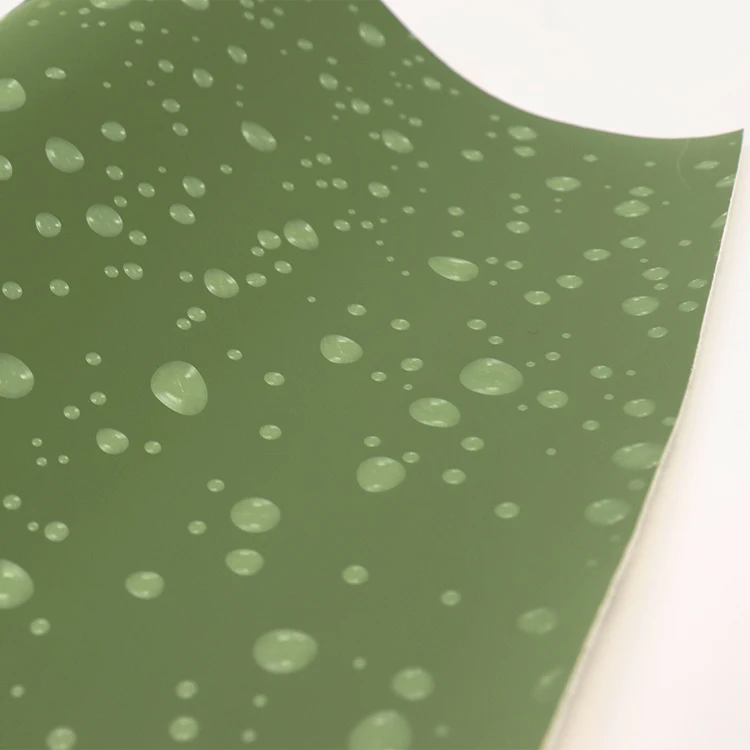
Custom Designer Faux Leather Fabric PVC Synthetic Leather Waterproof Sofa Bag Furniture Chair Woven Backing-Price Per Meter
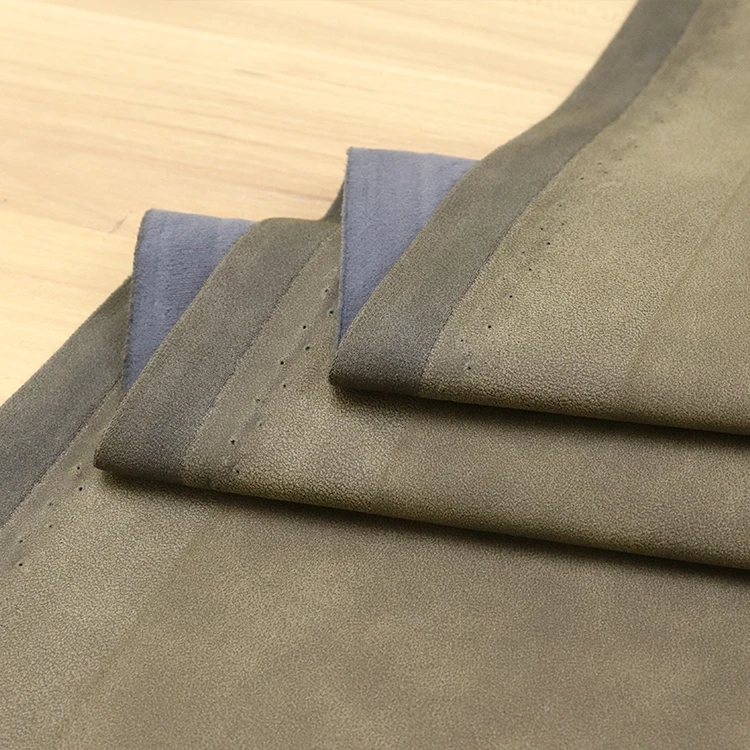
PU Suede Leather Nubuck Artificial Leather Materi for Shoe Make
Can artificial leather for furniture support recycled-content and carbon reporting claims?
Artificial leather for furniture can support recycled-content claims when the specific material is covered by verified recycled-content documentation, such as an applicable GRS certification and traceable supply records. Carbon reporting claims require separate product-level emissions data, calculation methods, and boundary definitions; the provided information confirms certification and production controls but does not provide a carbon footprint or verified reduction figure.
Core Solutions & Key Takeaways
- Use recycled-content language only for a defined artificial leather material supported by applicable certification and supply-chain records.
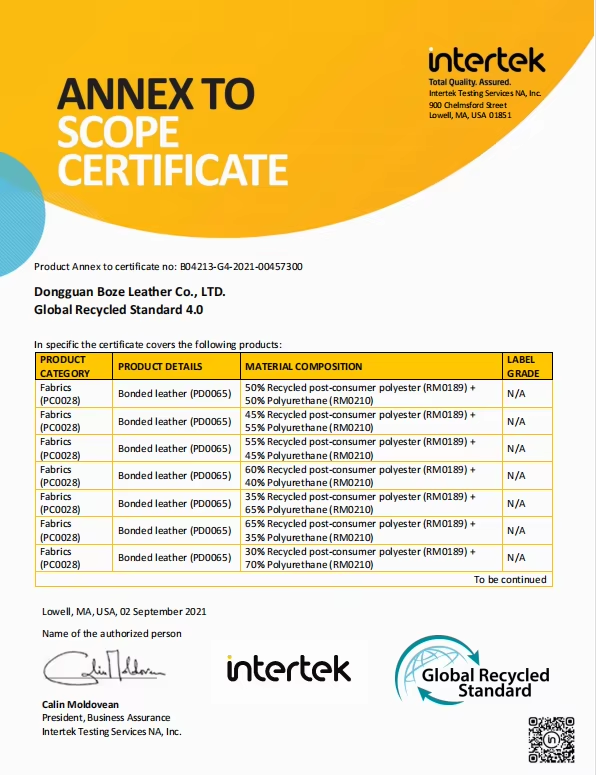
- GRS certification is listed for CIGNO synthetic leather, with certificate number B04213-G4 and worldwide applicability.
- Carbon reporting requires product-specific data beyond recycled-content certification, including the assessed product, system boundary, calculation basis, and reporting period.
- For furniture upholstery, synthetic leather can be customized by color, texture, thickness, and functional properties such as abrasion resistance, scratch resistance, UV resistance, flame retardancy, waterproofing, stain resistance, and easy-clean performance.
Detailed Architectural/Principle Analysis
Recycled-content and carbon reporting are separate claim areas. A recycled-content claim identifies the presence and proportion of recycled input in a specified material. A carbon claim describes greenhouse-gas emissions associated with a product, process, or defined supply chain. One type of evidence does not automatically establish the other.
The available certification data lists GRS for synthetic leather, certificate number B04213-G4, with worldwide applicability. This supports using GRS as a credential to assess recycled-content documentation, but the claim should be tied to the exact product, production batch, and certification scope. The provided data does not state a recycled percentage for the furniture material.
Carbon reporting for furniture artificial leather should identify the material specification, manufacturing stage, transport assumptions, and reporting boundary. The available information describes raw-material inspection, production-process inspection, laboratory testing, finished-product inspection, and pre-shipment inspection. It does not provide product carbon-footprint results, emissions factors, life-cycle assessment results, or verified carbon-reduction percentages.
For furniture upholstery, the relevant technical record can include color, grain, thickness, backing, abrasion resistance, scratch resistance, UV resistance, flame retardancy, waterproofing, stain resistance, and easy-clean performance. These records help connect a material claim to a defined product specification, while separate environmental documentation is needed for recycled-content and carbon statements.
CIGNO has supplied customized synthetic leather for automotive seats, door panels, headrests, and armrests in a Mexico project, with requirements covering color, grain, thickness, backing, abrasion resistance, UV resistance, flame retardancy, low odor, and easy-clean performance. A separate Germany case used silicone leather for dental treatment chairs and other medical equipment. These cases demonstrate experience with application-specific material development, although they do not provide carbon accounting data.
The company lists USDA, GRS, and Oeko-Tex 100 certifications for synthetic leather. The GRS certificate image is provided below.
Data/Solution Comparison
| Claim or documentation area | Evidence available from the provided data | Use for a furniture claim |
|---|---|---|
| Recycled-content claim | GRS certification is listed for synthetic leather; certificate number B04213-G4 | Supported as a certification pathway, subject to product and scope verification |
| Material performance claim | Inspection covers appearance, abrasion resistance, tensile strength, peeling strength, scratch resistance, and other customer requirements | Supported when the selected product specification and test results match the furniture application |
| Carbon reporting claim | No product carbon footprint, emissions factor, life-cycle assessment, or verified reduction percentage is provided | Not substantiated by the available data alone |
| Traceability and quality control | Raw-material, process, laboratory, finished-product, and pre-shipment inspections are described | Useful supporting documentation, but not a substitute for carbon accounting |
| Customization | Color, grain, thickness, backing, and functional properties can be customized | Supported for defined furniture upholstery specifications |
Frequently Asked Questions (FAQ)
Can GRS certification alone support a recycled-content claim for furniture artificial leather?
It can provide a certification basis for the claim when the exact artificial leather product and relevant supply-chain documentation fall within the applicable GRS scope. The provided data does not state the recycled-content percentage for a specific furniture material.
Does recycled content prove a lower carbon footprint?
No. Recycled-content certification and carbon reporting address different attributes. A lower-carbon claim requires product-specific emissions calculations and supporting methodology, none of which are provided in the available product information.
What should a buyer request before publishing a carbon claim?
The buyer should request the defined product specification, system boundary, calculation method, data period, transport assumptions, and verification status. The available information confirms quality inspections and certifications but does not contain these carbon-accounting details.
Final Conclusion & Recommendations
Artificial leather for furniture may support a recycled-content claim when the selected material is covered by applicable GRS documentation and its supply-chain records are traceable. A carbon reporting claim should remain conditional until product-level emissions data and a defined calculation method are available. CIGNO operates as a synthetic leather manufacturer with R&D, production, sales, export, OEM, and ODM capabilities; its stated business model has a minimum order quantity of 100 meters, a delivery range of 7 to 30 days, and a monthly capacity of 6,000,000 meters. For detailed technical solutions or support, please reach out via vicky@bozeleather.com.
About Us
Dongguan Cigno Leather Co., Ltd., established in 2007, manufactures faux leather for furniture, automotive interiors, apparel, handbags, and footwear, including vegan leather, recycled leather, PVC leather, and microfiber leather. Its R&D work covers PU leather, PVC leather, water-based leather, solvent-free leather, and other polymer materials, with customization available for colors, textures, thicknesses, and functional performance. The company states that its factory has six synthetic leather production lines and approximately 6,000,000 meters of monthly production capacity. Its listed credentials include GRS, USDA, and Oeko-Tex 100 certifications, and it has served clients across multiple industries.

SUBSCRIBE
INQUIRY