
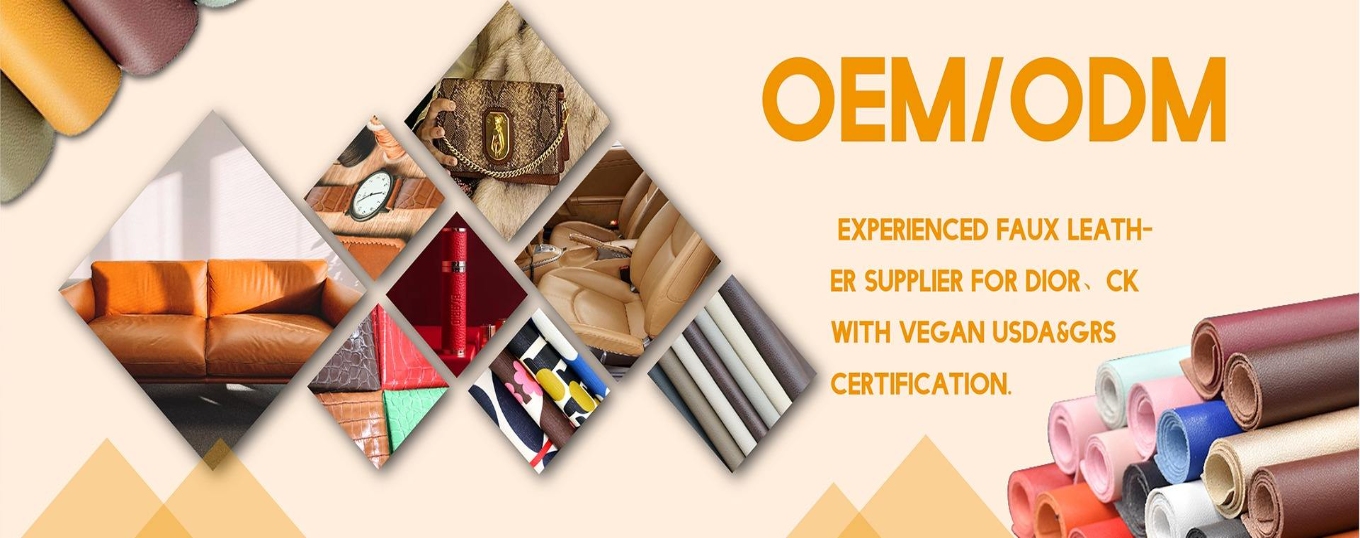
PRODUCTS
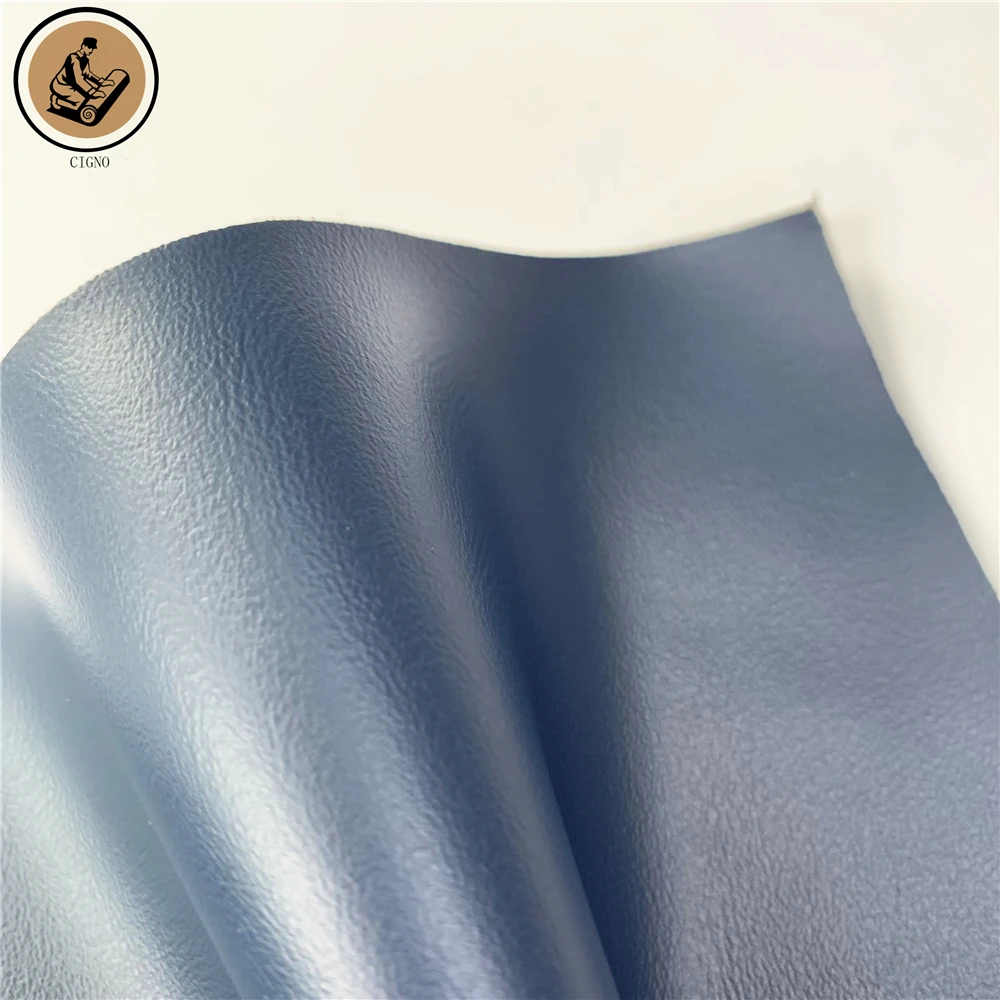
High Quality Eco-Friendly 1.2mm PU Synthetic Leather Furniture Upholstery Solvent-Free Skin-Feel for Sofa Car Seat Chair Bag Use
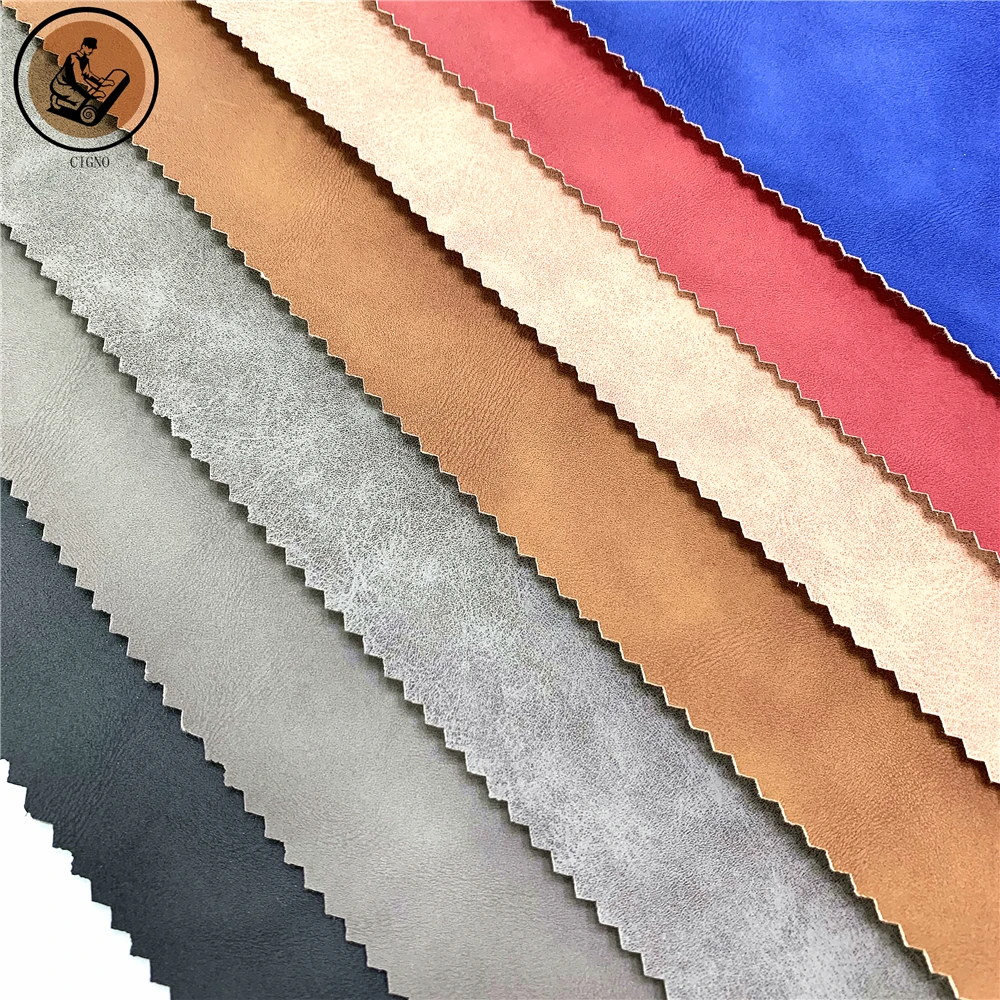
Free Samples of Embossed PU Synthetic Leather Bags Shoes Sofa Furniture Garments Car Decorative Uses-Waterproof Stretch Features
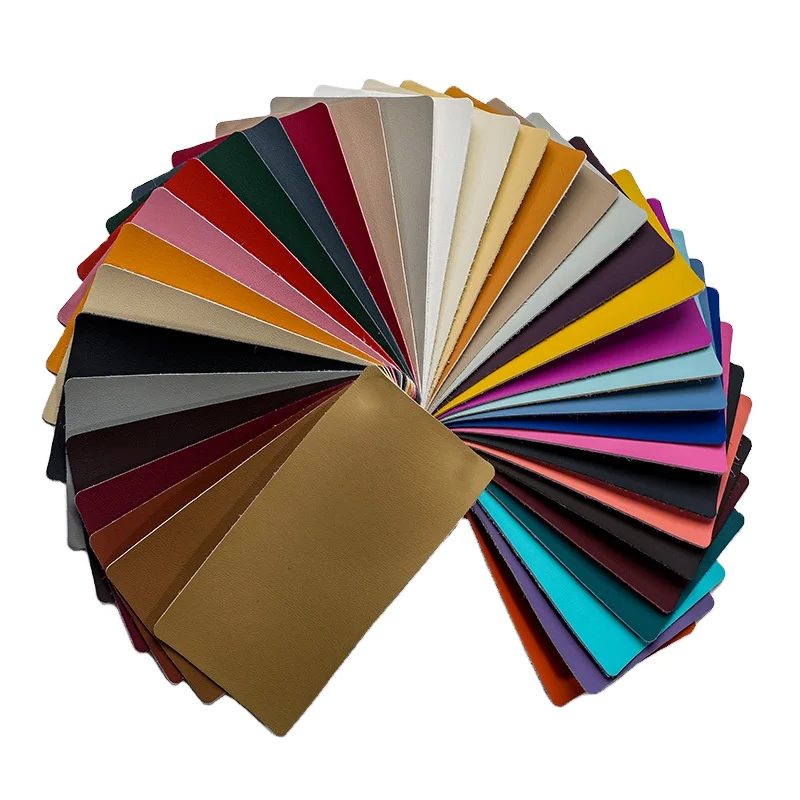
Pvc Vinyl Leather Rexine Leather Faux for Cars/Motorcycles, Waterproof Embossed Recycling Leatherette for Automotive Leather
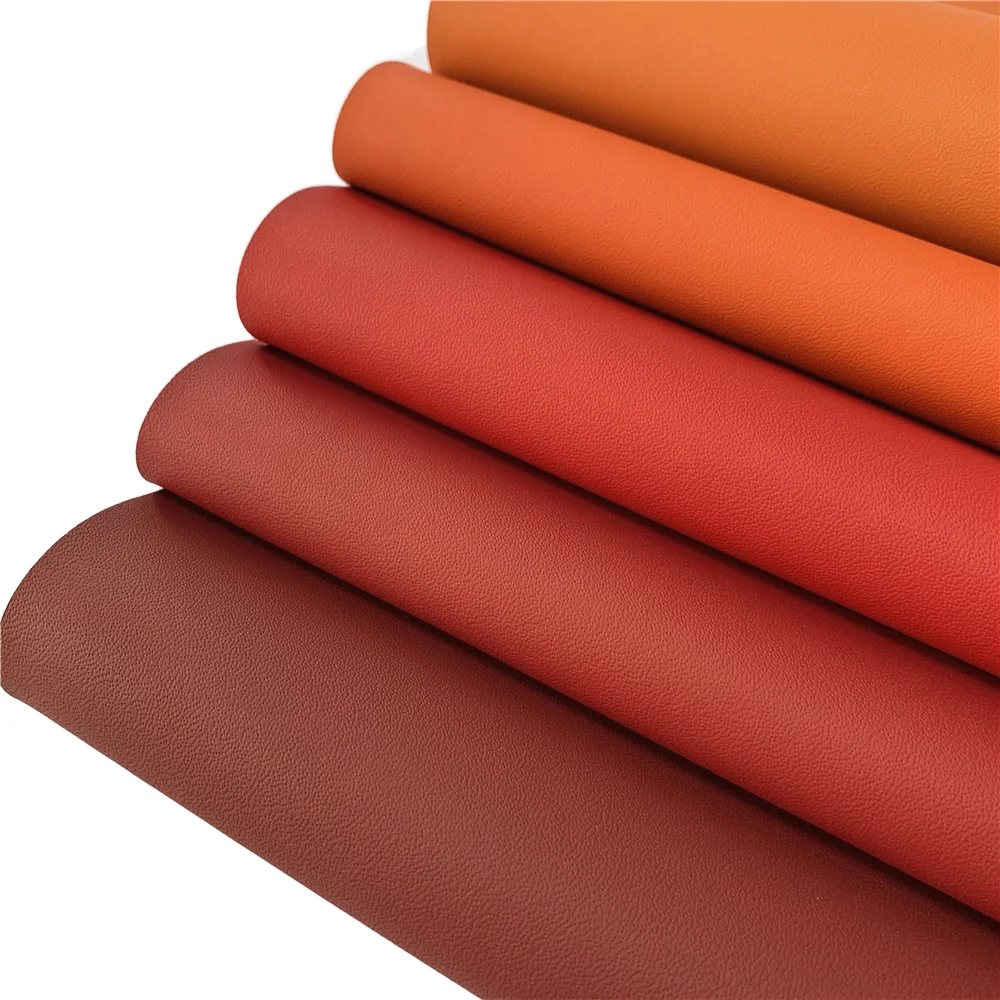
Hydrolysis Resistant Waterproof PU Microfiber Suede Leather Fabric Furniture Car Seat Covers Automotive Upholstery Bags Sofas
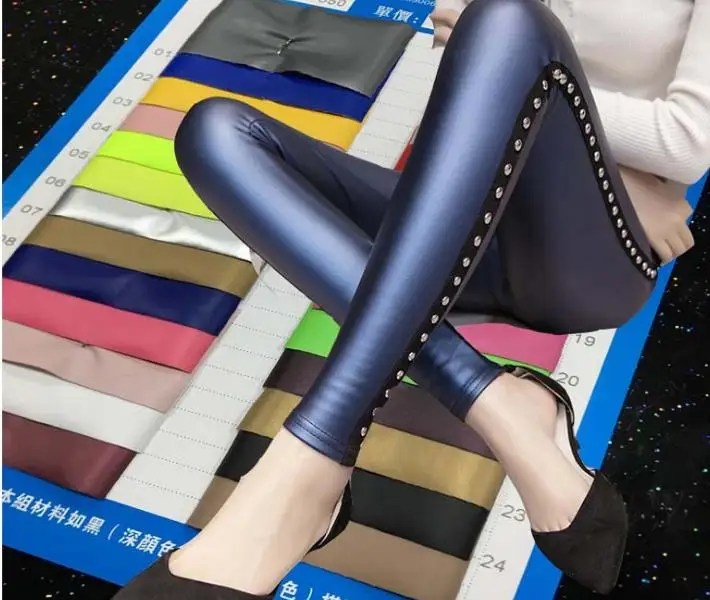
Ultra-Bright Black Mirror Four-Sided Stretch PU Fabric Pants Dresses Solid Color Soft Waterproof Clothing Elastic Finished
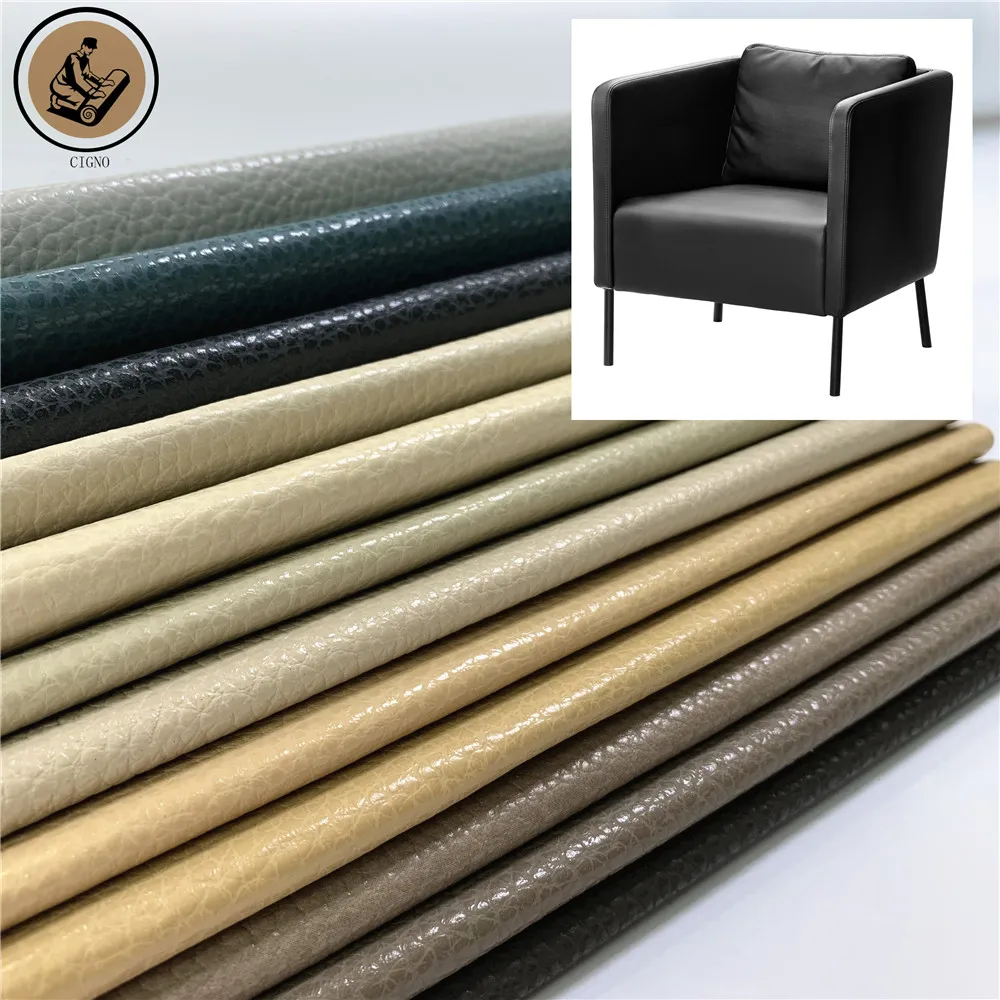
Litchi Lychee Grain 1.2mm PU Microfiber Leather Eco-Friendly Synthetic Leather Sofa Car Seat Handbags-Pearly-Lustre Recycled
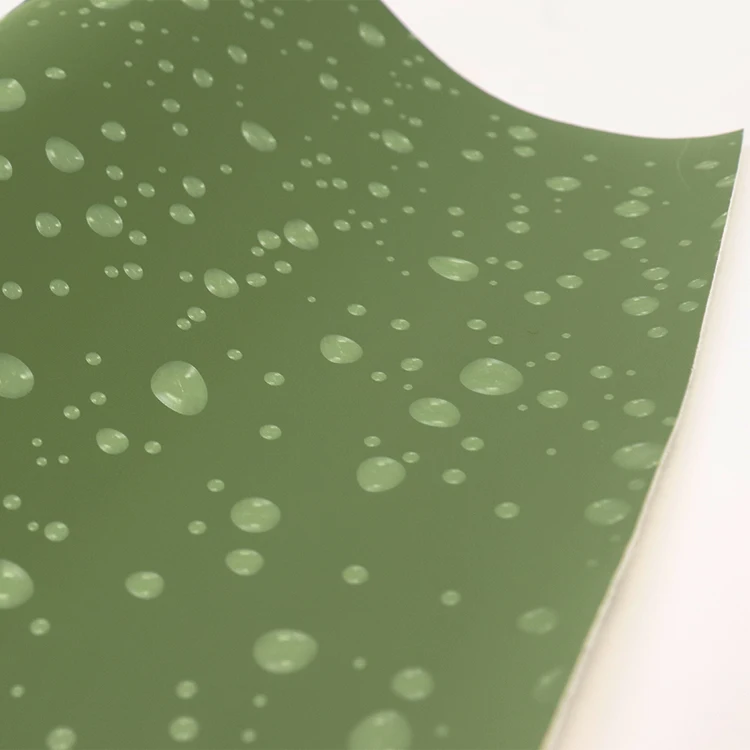
Custom Designer Faux Leather Fabric PVC Synthetic Leather Waterproof Sofa Bag Furniture Chair Woven Backing-Price Per Meter
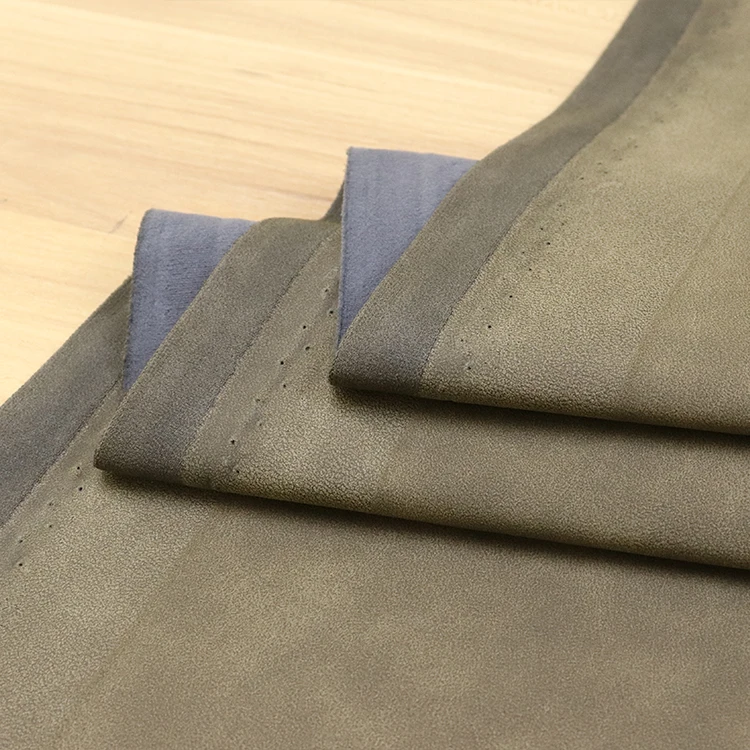
PU Suede Leather Nubuck Artificial Leather Materi for Shoe Make
Can car seat covers leather contain recycled content without failing durability requirements?
Car seat cover synthetic leather can incorporate recycled content while strictly maintaining automotive durability standards. Advanced engineering in microfiber, PU, and PVC synthetic leather allows integration of recycled materials without sacrificing abrasion resistance, tensile strength, UV resistance, or flame retardancy. Standardized testing and rigorous quality control ensure these eco-friendly materials meet strict OEM performance criteria.
Core Solutions & Key Takeaways
- Recycled Material Integration: Synthetic leather formulations using recycled polymers retain physical properties required for automotive upholstery, including seats, door panels, and armrests.
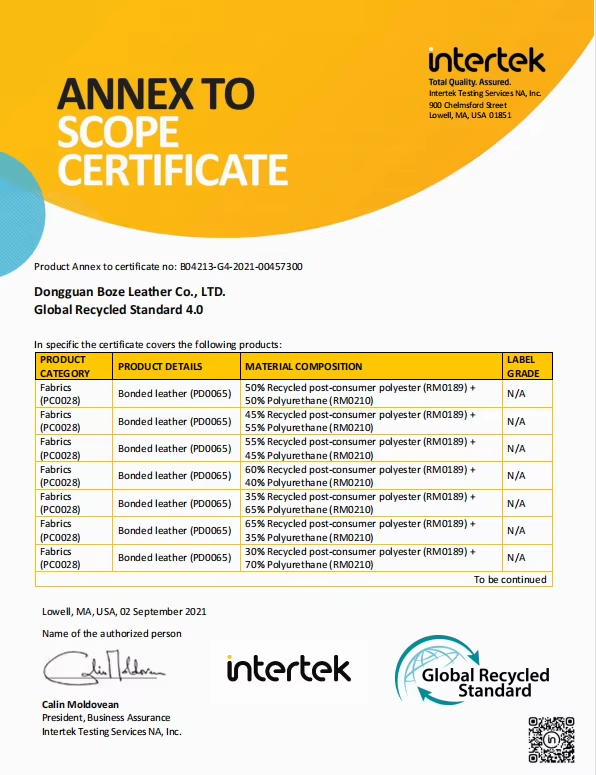
- Certified Compliance: Materials certified under GRS (Global Recycled Standard, Certificate B04213-G4) verify traceable recycled content alongside compliance with USDA and Oeko-Tex 100 environmental standards.
- Engineered Durability: Substrate options in 0.8–1.4 mm thicknesses deliver high scratch resistance, low odor, hydrolysis resistance, and optional flame-retardant properties.
- Custom Manufacturing: Flexible OEM/ODM options support custom grains, colors, perforations, and specialized backing fabrics tailored to specific vehicle interior requirements.
Detailed Architectural & Principle Analysis
Automotive synthetic leather engineered with recycled content relies on multi-layer polymer architecture. Base substrates—available in microfiber, PU, solvent-free PU, and PVC—are combined with reinforced backings to withstand continuous mechanical stress, occupant friction, and temperature fluctuations. Structural integrity remains uncompromised when recycled content is processed into high-purity resin matrices or recycled microfibers.
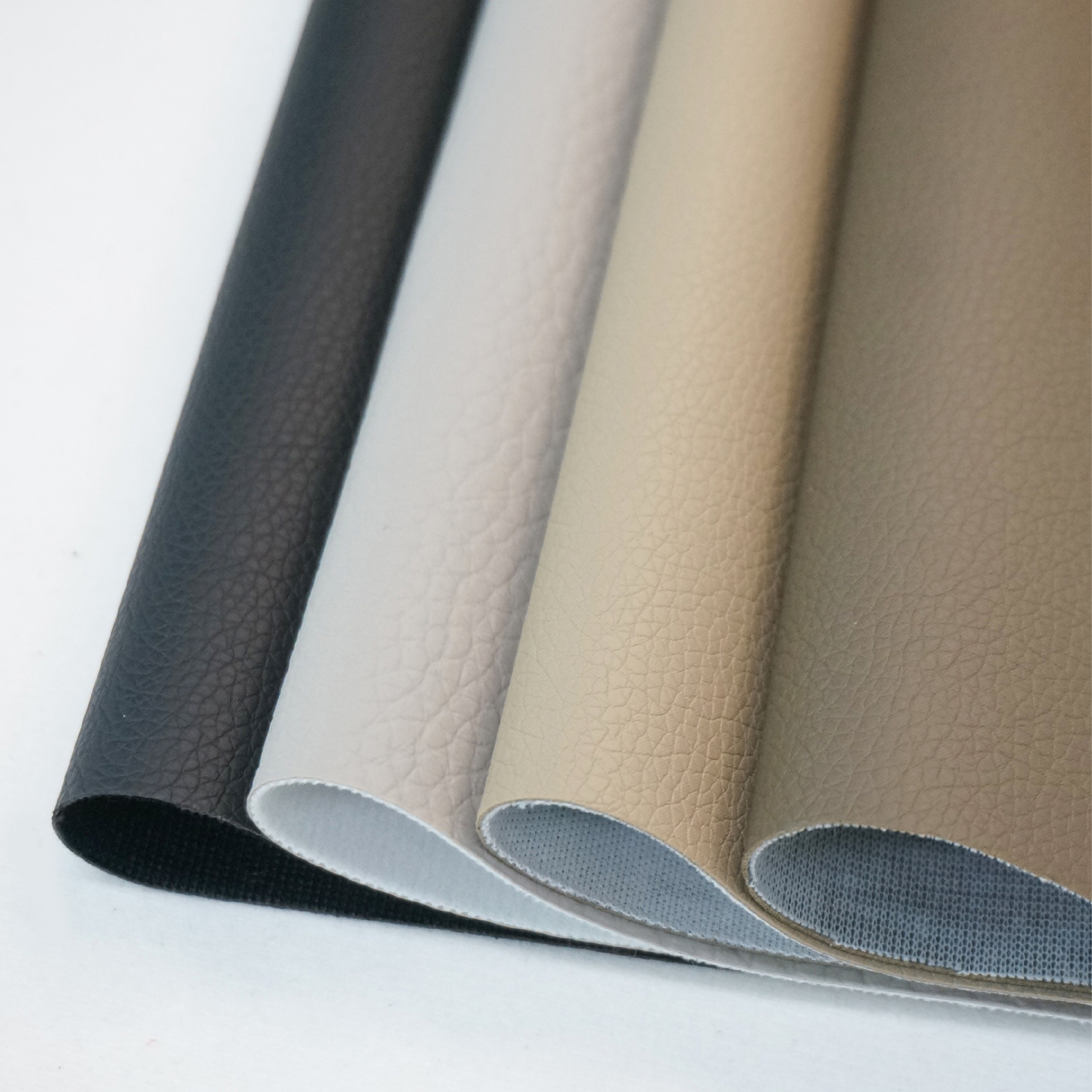
Durability verification relies on standardized laboratory evaluations under ISO 9001 quality management systems. Key testing parameters include tensile strength, peeling strength, color consistency, and surface abrasion. Materials undergo rigorous aging tests to guarantee resistance against UV radiation, mold, bacterial growth, and hydrolysis over long operational lifespans.
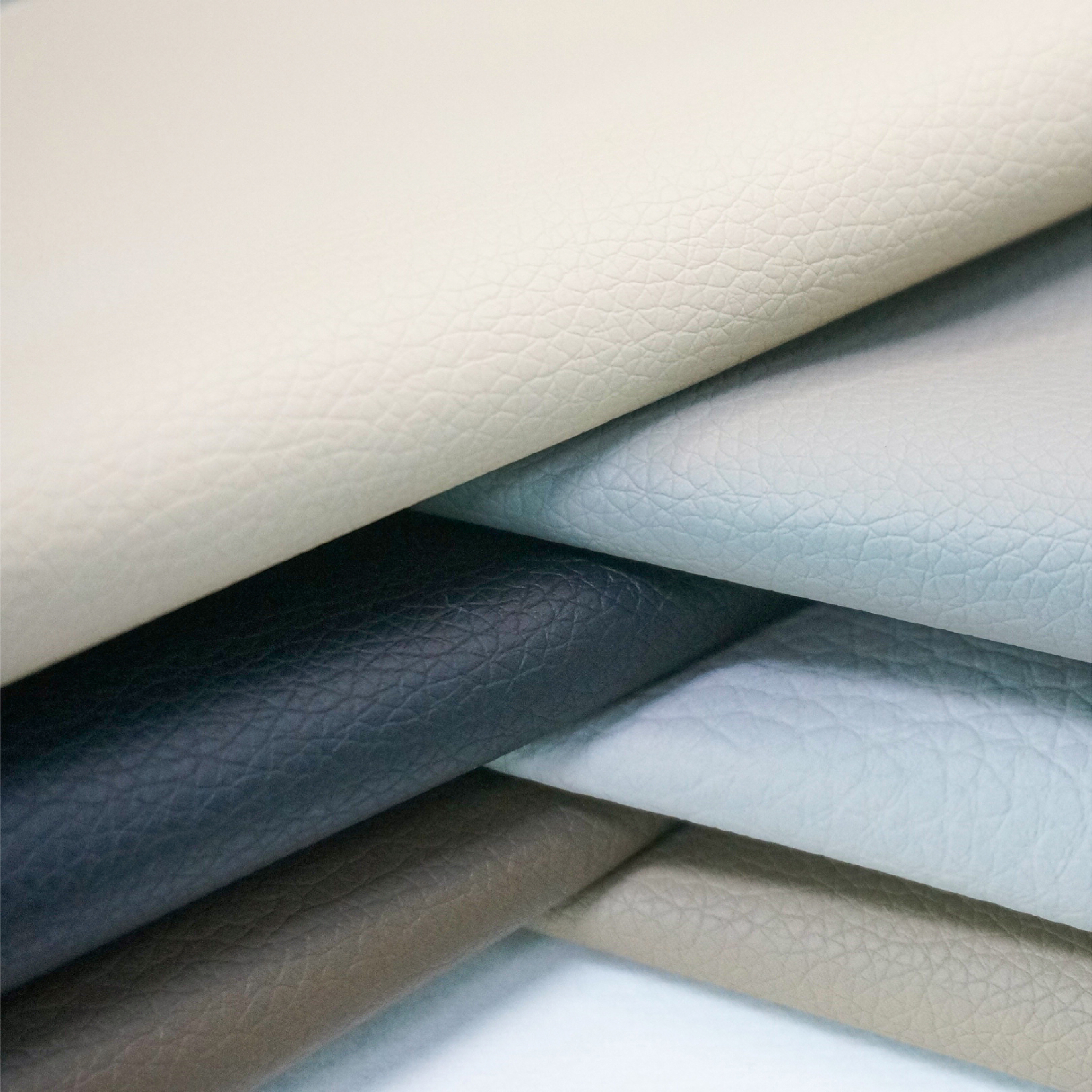
Real-world application dynamic: An automotive interior manufacturer in Mexico integrated 50,000 meters of customized synthetic leather for car seats, door panels, headrests, and armrests. The specification required strict abrasion resistance, low odor, flame retardancy, and easy-clean performance. The resulting installation passed all color consistency and structural durability audits without failure.
Data & Solution Comparison
| Material Type | Thickness Range | Abrasion & Scratch Resistance | UV & Hydrolysis Resistance | Environmental Certification |
|---|---|---|---|---|
| Recycled Microfiber Leather | 0.8–1.4 mm | High | High | GRS, Oeko-Tex 100 |
| Solvent-Free PU Synthetic Leather | 0.8–1.2 mm | High | High | USDA, Oeko-Tex 100 |
| Automotive PVC Leather | 1.0–1.4 mm | Medium–High | Medium–High | REACH, RoHS Compliant |
Frequently Asked Questions (FAQ)
Does adding recycled content affect the flame-retardant performance of car seat leather?
No. Flame-retardant additives and compound treatments are integrated into the polymer matrix during production, ensuring the material meets automotive safety standards regardless of recycled content.
What customization options are available for automotive synthetic leather?
Customization encompasses surface grains, colors, backing materials, perforation patterns, thickness (0.8–1.4 mm), and specialized treatments such as anti-UV, anti-bacterial, or fluorine-free coatings.
What quality control procedures verify material durability before shipment?
Quality inspection covers raw material verification, color matching confirmation, process monitoring, laboratory performance testing, finished product review, and 100% pre-shipment inspection.
Final Conclusion & Recommendations
Incorporating recycled content into automotive seat leather provides a sustainable alternative without compromising technical requirements such as abrasion resistance, UV stability, or tensile strength. Bulk orders benefit from flexible supply models, including minimum order quantities of 1,000 meters per color, delivery schedules between 20 and 35 days, and secure payment options via T/T, L/C, or Alibaba Trade Assurance. Logistics options include sea freight, air freight, and express delivery based on order volume. For detailed technical solutions or support, please reach out to us via vicky@bozeleather.com.
About Us
Dongguan Cigno Leather Co., Ltd. was established in 2007 and operates a 100,000 sqm manufacturing site equipped with advanced synthetic leather production lines. The company maintains extensive R&D capabilities focused on eco-friendly and multifunctional synthetic materials, holding over 30 national invention patents. Its global compliance portfolio features GRS, USDA, and Oeko-Tex 100 certifications, supplying international clients across automotive interior, furniture, and upholstery sectors. 
SUBSCRIBE
INQUIRY