
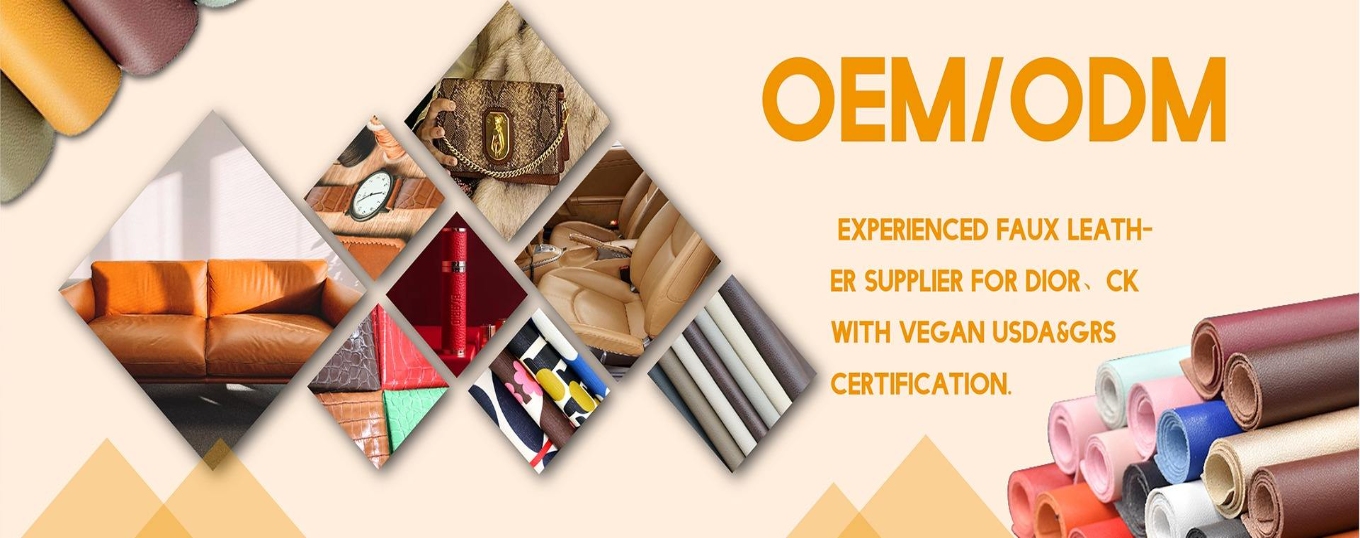
PRODUCTS
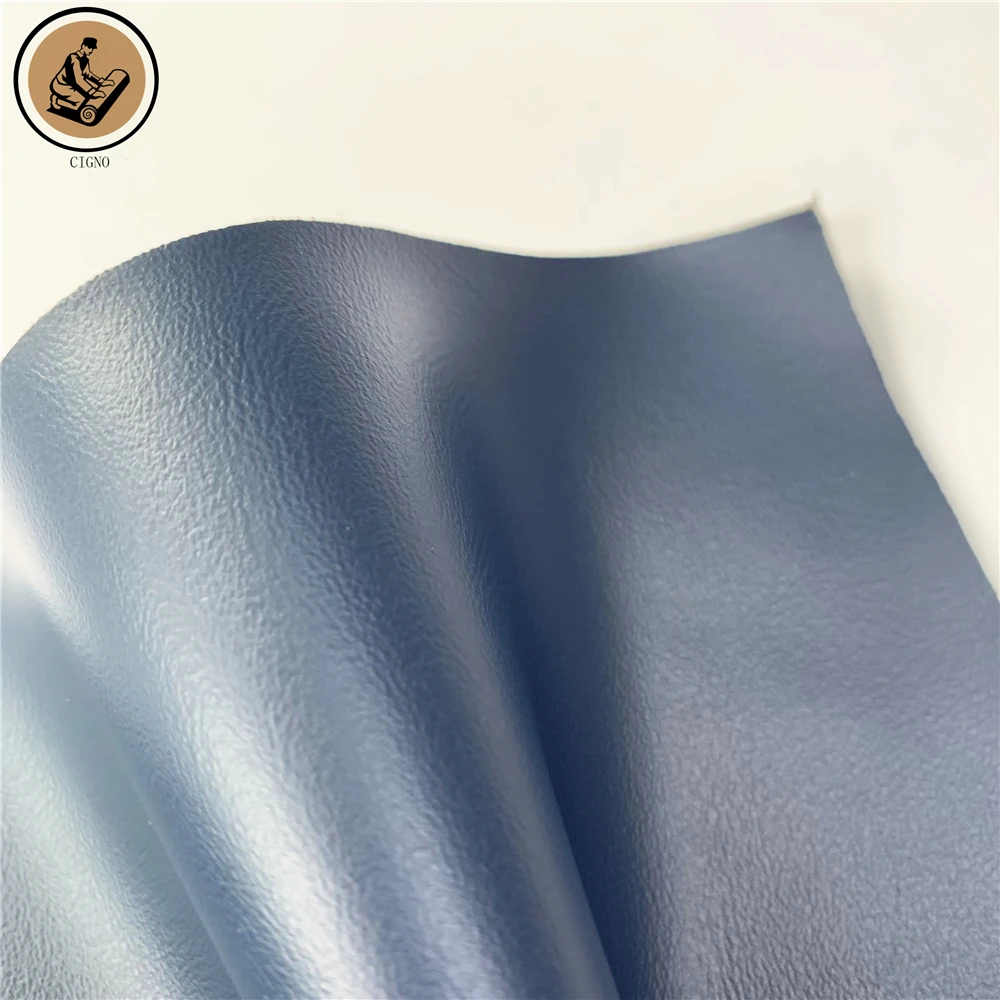
High Quality Eco-Friendly 1.2mm PU Synthetic Leather Furniture Upholstery Solvent-Free Skin-Feel for Sofa Car Seat Chair Bag Use
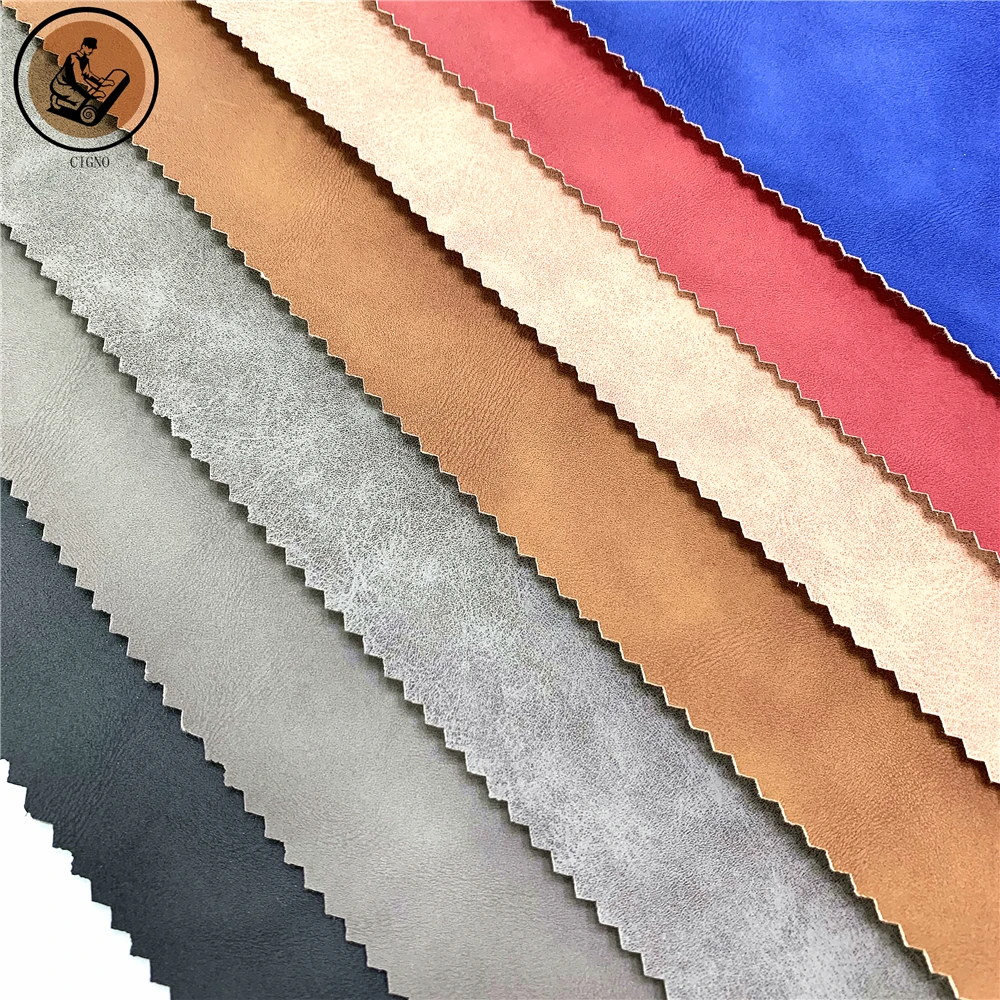
Free Samples of Embossed PU Synthetic Leather Bags Shoes Sofa Furniture Garments Car Decorative Uses-Waterproof Stretch Features
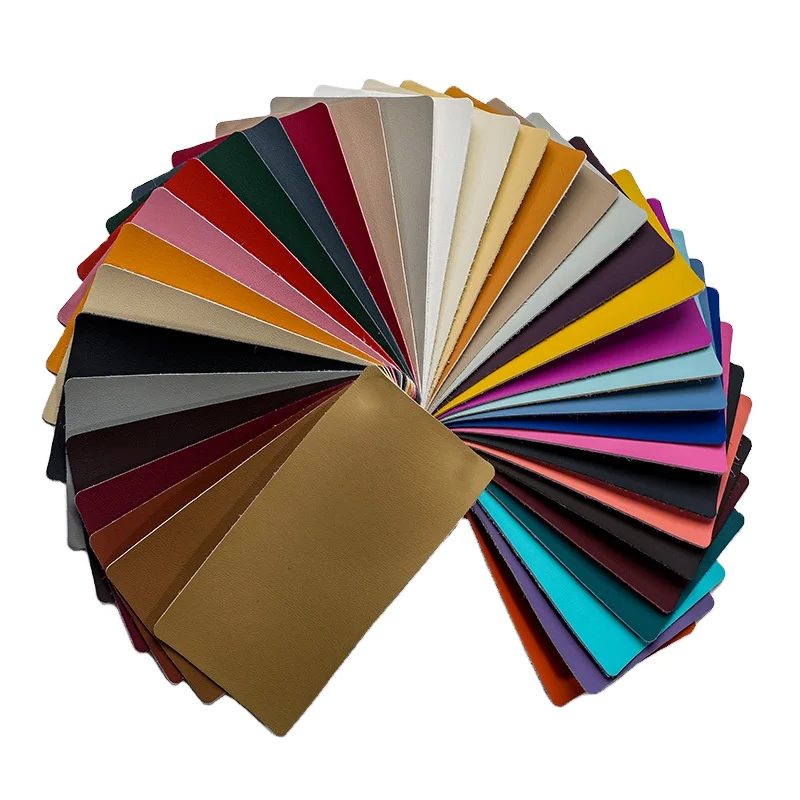
Pvc Vinyl Leather Rexine Leather Faux for Cars/Motorcycles, Waterproof Embossed Recycling Leatherette for Automotive Leather
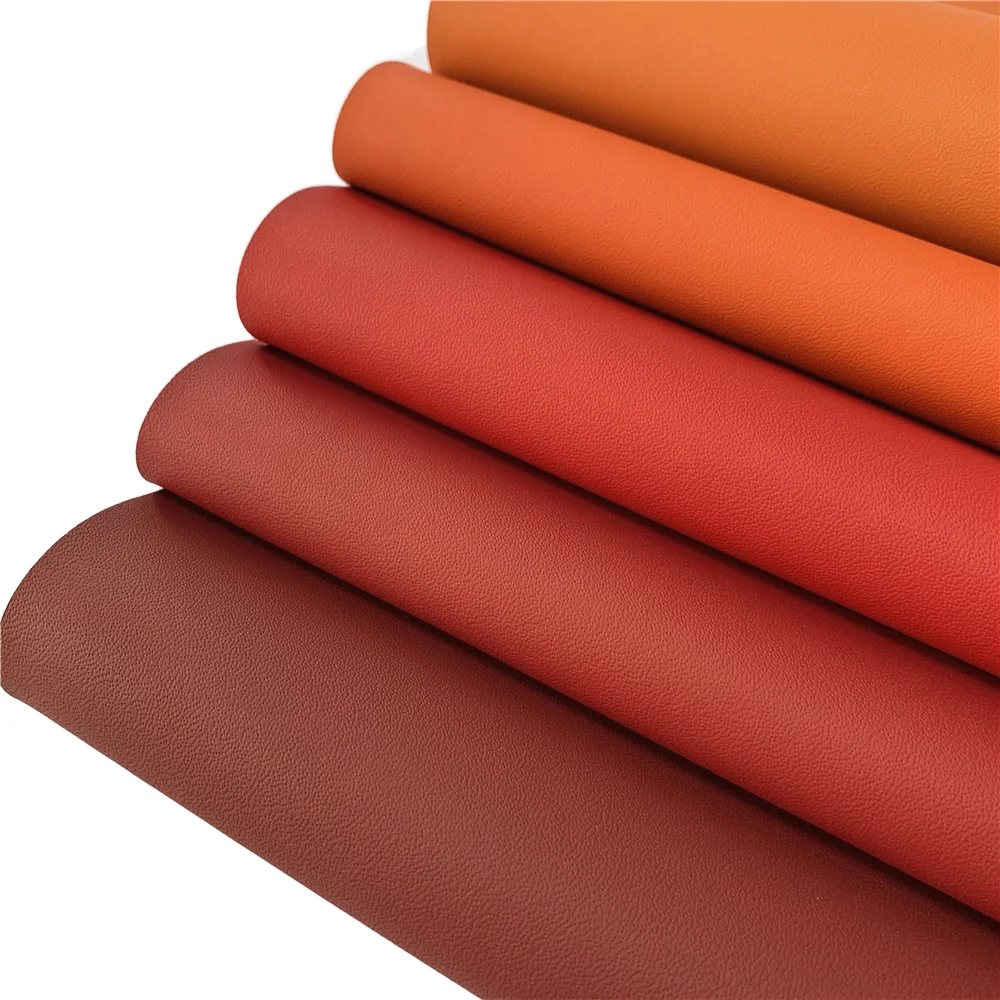
Hydrolysis Resistant Waterproof PU Microfiber Suede Leather Fabric Furniture Car Seat Covers Automotive Upholstery Bags Sofas
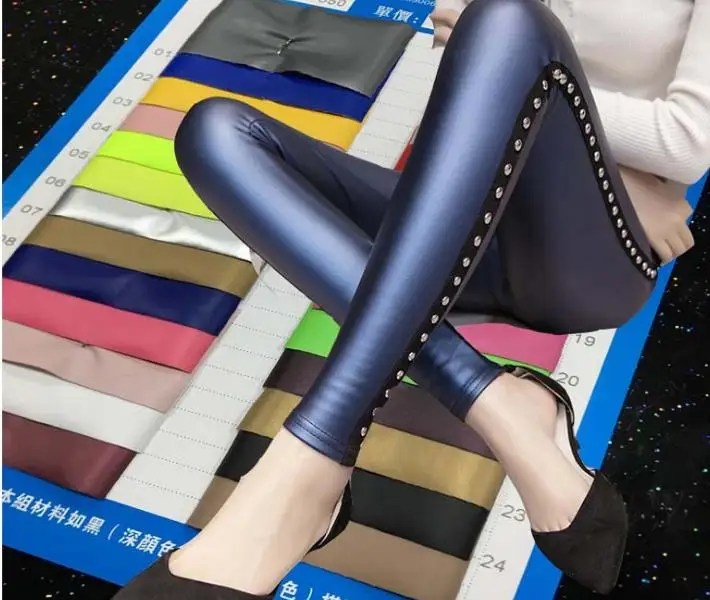
Ultra-Bright Black Mirror Four-Sided Stretch PU Fabric Pants Dresses Solid Color Soft Waterproof Clothing Elastic Finished
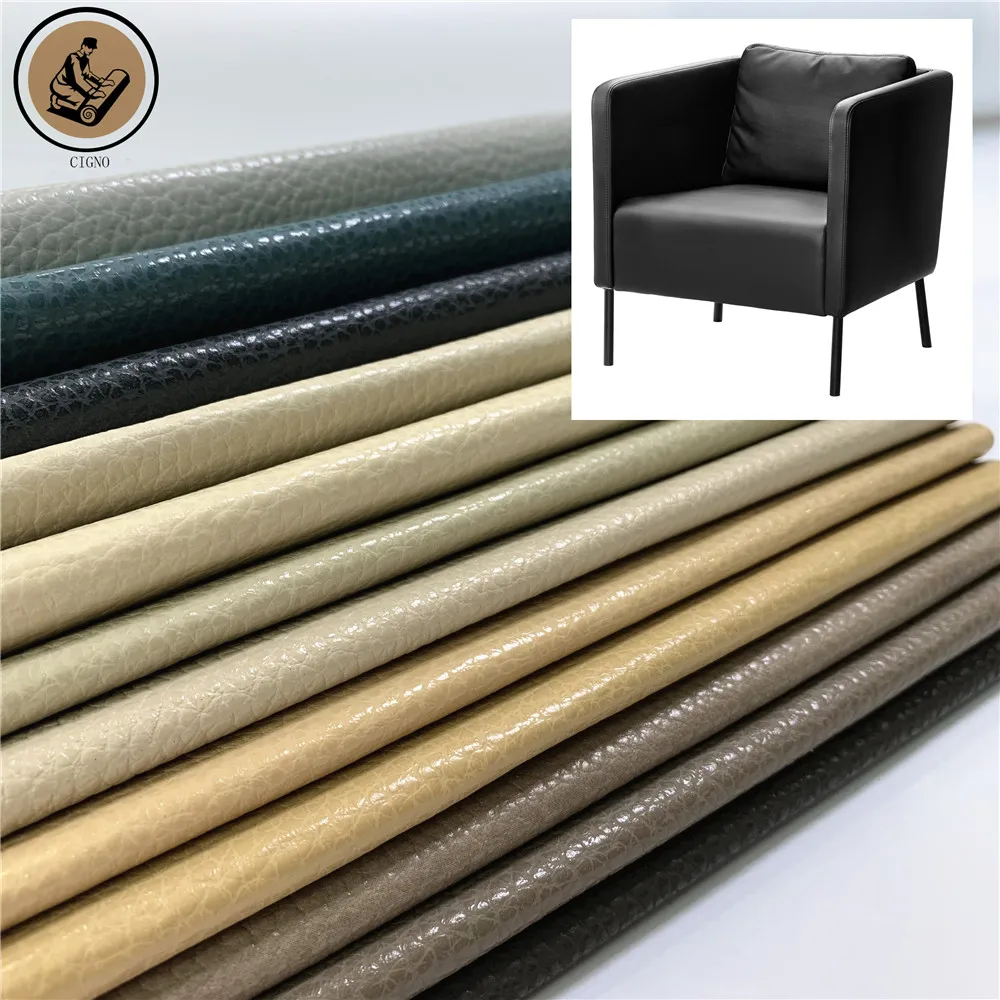
Litchi Lychee Grain 1.2mm PU Microfiber Leather Eco-Friendly Synthetic Leather Sofa Car Seat Handbags-Pearly-Lustre Recycled
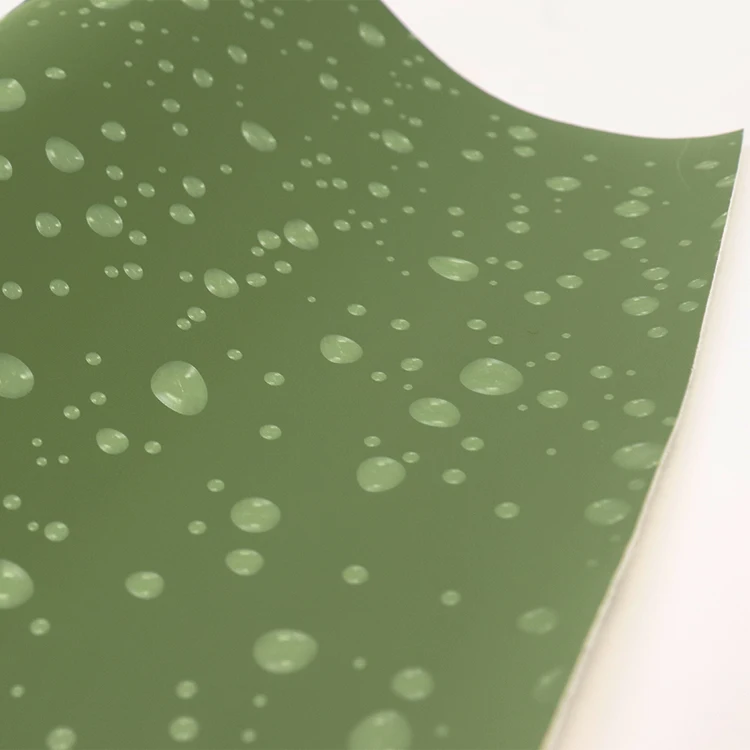
Custom Designer Faux Leather Fabric PVC Synthetic Leather Waterproof Sofa Bag Furniture Chair Woven Backing-Price Per Meter
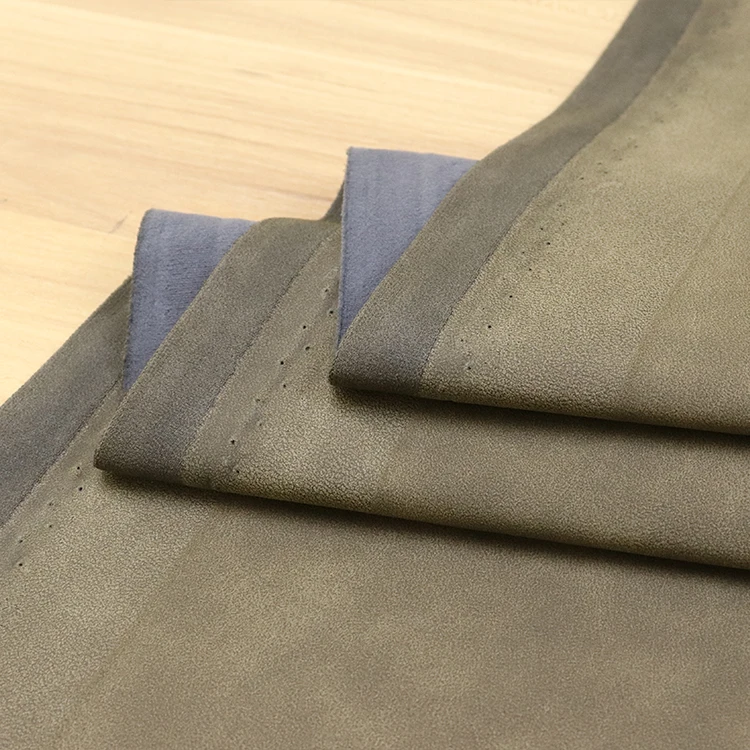
PU Suede Leather Nubuck Artificial Leather Materi for Shoe Make
Can synthetic leather prototypes reveal production issues such as uneven coating or weak bonding?
Yes, synthetic leather prototypes effectively reveal manufacturing defects, including uneven coating thickness, poor adhesion, and weak backing bond strength, prior to mass production. Prototyping allows manufacturers to conduct critical performance evaluations, such as peeling strength and tensile testing, ensuring structural integrity and surface uniformity before scaling volume output.
Core Solutions & Key Takeaways
- Early defect detection: Prototypes identify surface imperfections like uneven PVC coating or poor substrate layer adhesion during initial sample development.
- Performance validation: Physical prototype testing checks essential metrics such as peeling strength, tensile strength, flame retardancy, and UV resistance under standardized quality control protocols.
- Customized material optimization: Adjusting backing options (knitted fabric or non-woven fabric) and coating thickness (0.8–1.4 mm) resolves weak bonding issues prior to full-scale production runs.
- Application testing: Real-world prototyping supports specific requirements for automotive seat covers, door panels, headrests, armrests, and furniture upholstery applications.
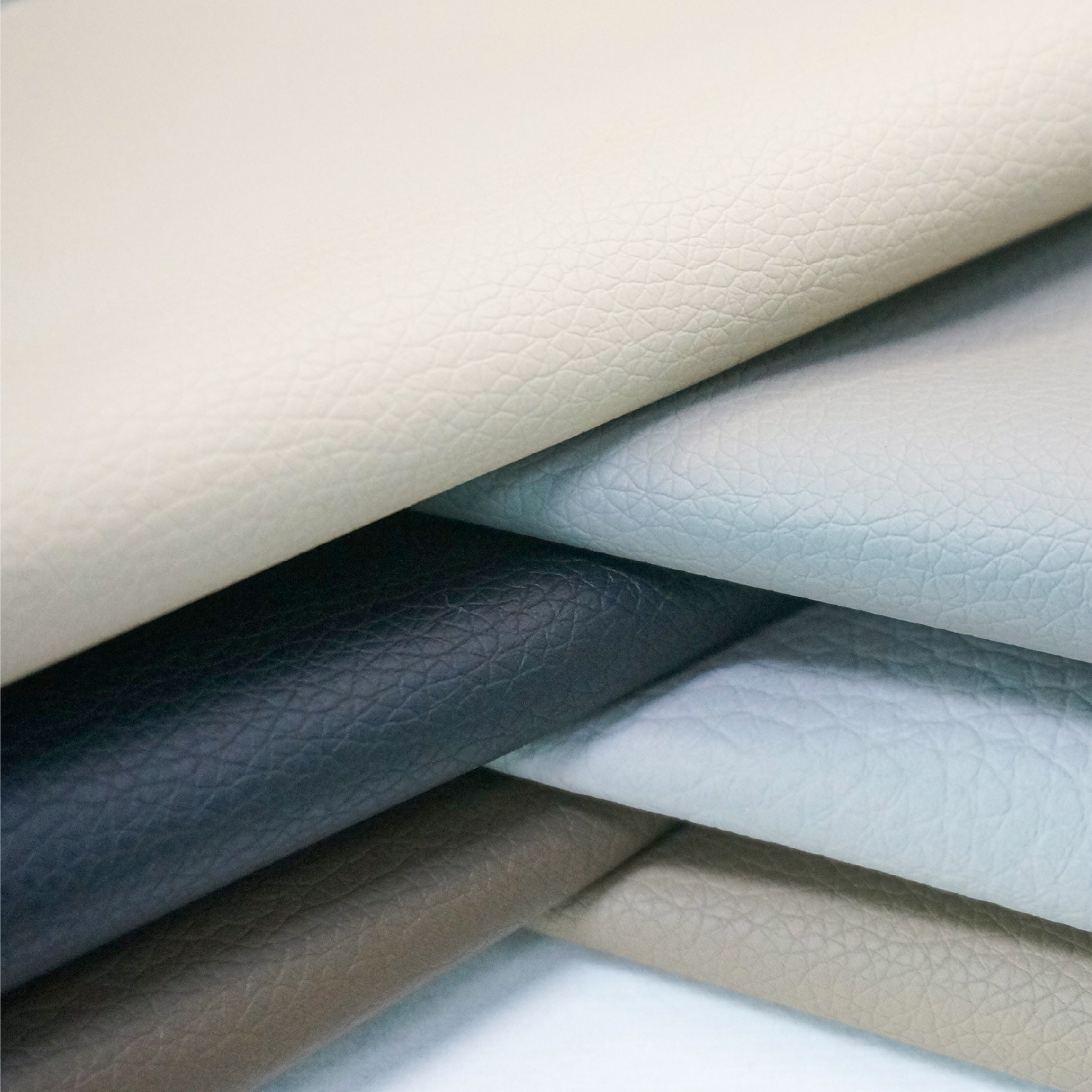
Detailed Architectural/Principle Analysis
Manufacturing synthetic leather—such as PVC leather used in automotive seats and furniture—requires balancing polymer topcoat application with backing fabric integration. Dongguan Cigno Leather Co., Ltd. utilizes 6 advanced synthetic leather production lines and testing equipment to inspect raw materials, color consistency, and layer adhesion. During prototype development, laboratory stress tests expose defects like coating delamination or insufficient tensile strength before high-volume manufacturing begins.
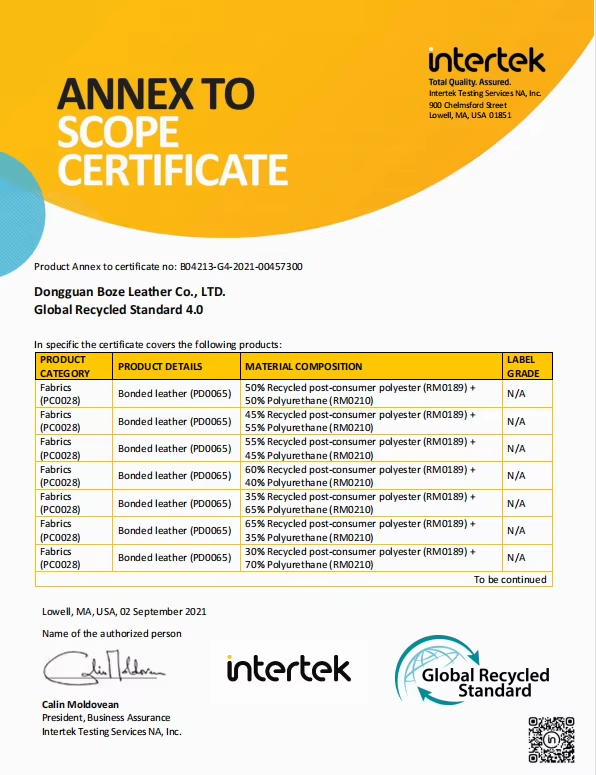
Rigorous quality inspection routines under ISO 9001 quality management systems verify key physical parameters. Certifications such as GRS, USDA, and Oeko-Tex 100 confirm material compliance and environmental performance standards. In a project involving an automotive interior manufacturer in Mexico, 50,000 meters of customized synthetic leather were developed for vehicle seats, door panels, headrests, and armrests. Prototype sampling verified exact grain consistency, backing bond stability, abrasion resistance, and low odor characteristics to satisfy strict client specifications.
Data/Solution Comparison
| Parameter / Defect Evaluated | Prototype Testing Focus | Mass Production Impact Without Prototype | Solution / Capability Standard |
|---|---|---|---|
| Coating Uniformity | Microscopic thickness check (0.8–1.4 mm) | Uneven surface texture and premature coating wear | In-process quality control and line calibration |
| Backing Layer Bonding | Tensile strength and peeling strength testing | Delamination under mechanical stress in vehicle interiors | Custom knitted or non-woven backing selection |
| Functional Performance | UV resistance, flame retardancy, and low odor testing | Material failure under environmental exposure | Laboratory testing under ISO 9001 and certified standards |
Frequently Asked Questions (FAQ)
What defects are most frequently detected during synthetic leather prototyping?
Prototypes reveal coating thickness variations, poor adhesion between the PVC topcoat and backing fabric, grain misalignment, and low peeling strength under stress testing.
How long does sample development and prototype production take?
Standard prototype preparation and sample development require between 7 to 30 days depending on custom color matching, grain embossing, backing choices, and functional specification requirements.
What backing materials prevent weak bonding in automotive synthetic leather?
Engineered backing options include knitted fabric, non-woven fabric, or specialized composite backings customized to meet target peeling strength and tensile requirements.
Final Conclusion & Recommendations
Prototype testing remains a key phase for identifying coating irregularities and weak substrate bonding prior to bulk order production. Operating with a monthly production capacity of 6,000,000 meters and strict quality inspection controls, manufacturers mitigate production defects through systematic sample validation. Logistics support covers sea freight, air freight, and express delivery under flexible payment methods including T/T bank transfer, L/C, and Alibaba Trade Assurance. For detailed technical solutions or support, please reach out to us via vicky@bozeleather.com.
About Us
Dongguan Cigno Leather Co., Ltd. is a synthetic leather manufacturer specializing in high-quality faux leather established in 2007. Operating a 100,000 sqm facility equipped with 6 production lines, the company holds over 30 national invention patents alongside international certifications such as GRS, USDA, and Oeko-Tex 100. Supplying global clients across automotive interior, furniture, footwear, and luggage industries, the company provides customized synthetic leather solutions engineered for high performance and durability.

SUBSCRIBE
INQUIRY