
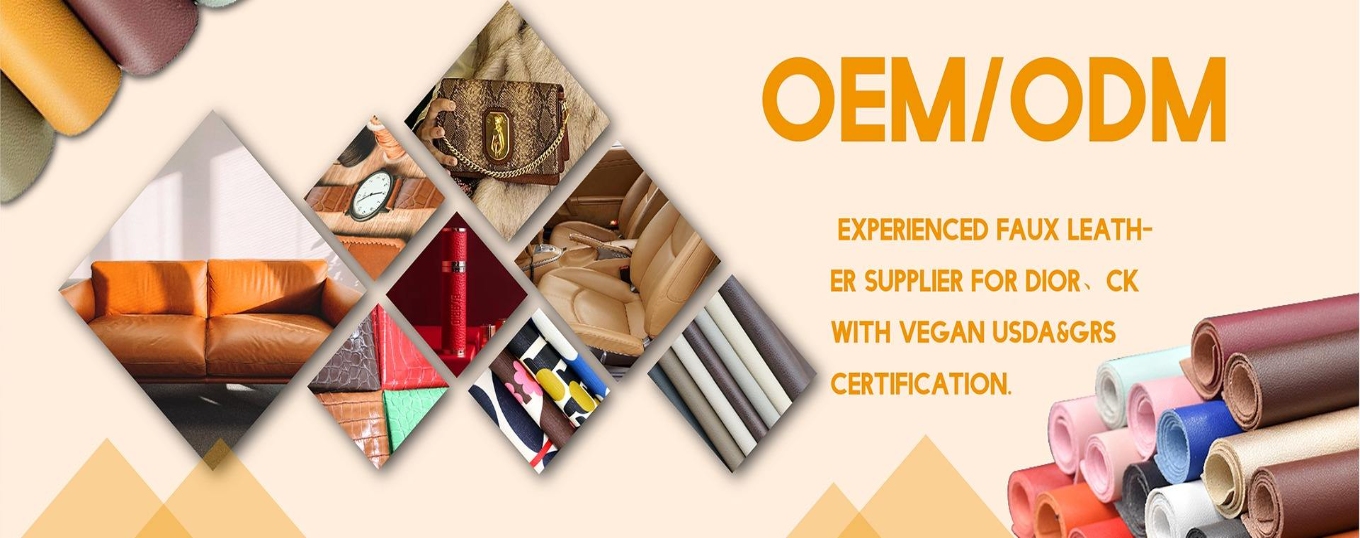
PRODUCTS
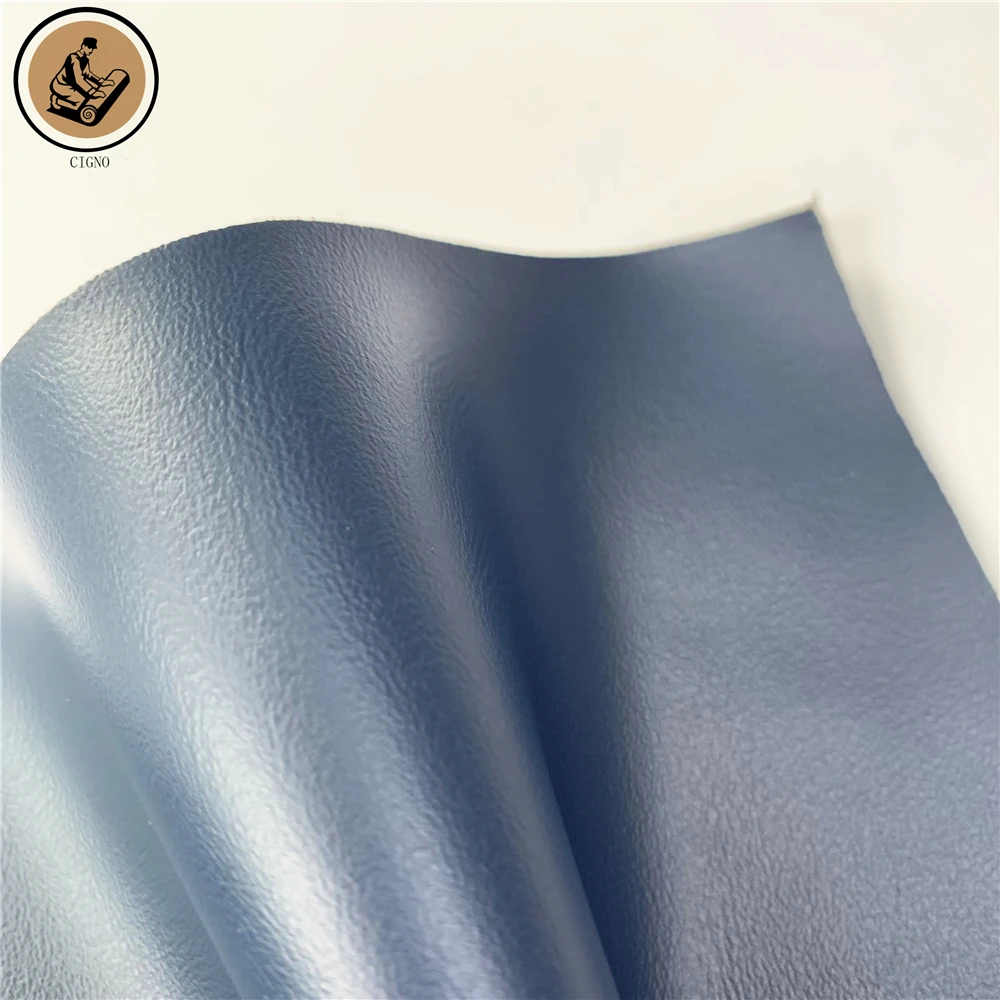
High Quality Eco-Friendly 1.2mm PU Synthetic Leather Furniture Upholstery Solvent-Free Skin-Feel for Sofa Car Seat Chair Bag Use
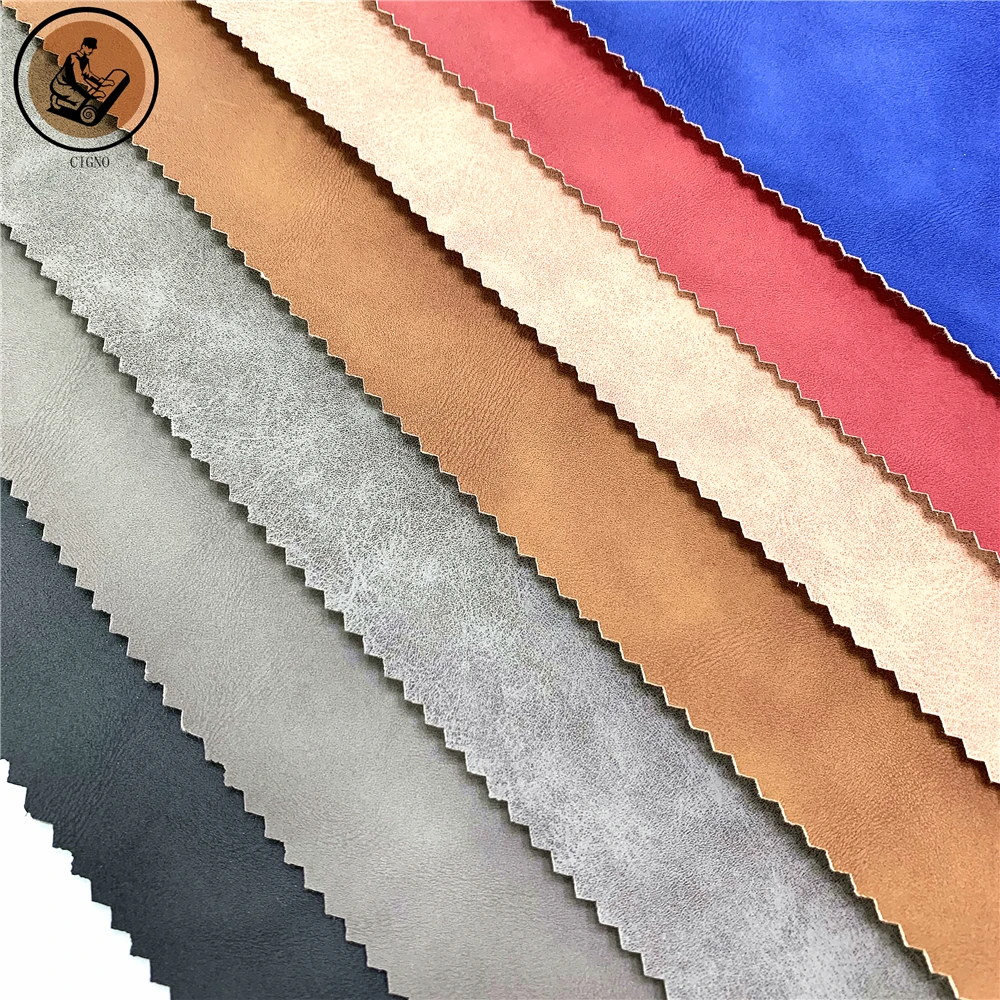
Free Samples of Embossed PU Synthetic Leather Bags Shoes Sofa Furniture Garments Car Decorative Uses-Waterproof Stretch Features
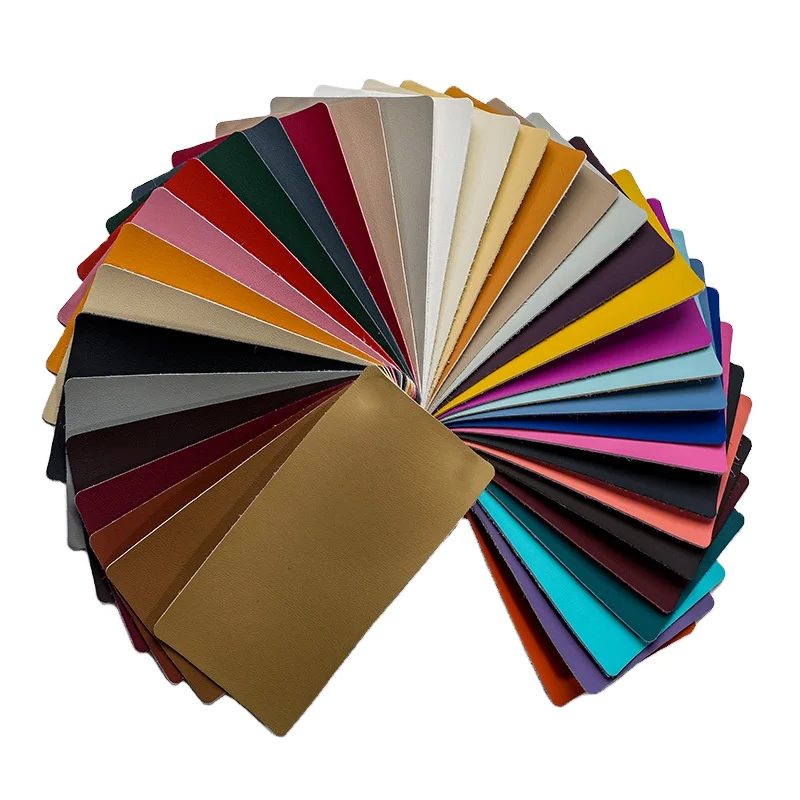
Pvc Vinyl Leather Rexine Leather Faux for Cars/Motorcycles, Waterproof Embossed Recycling Leatherette for Automotive Leather
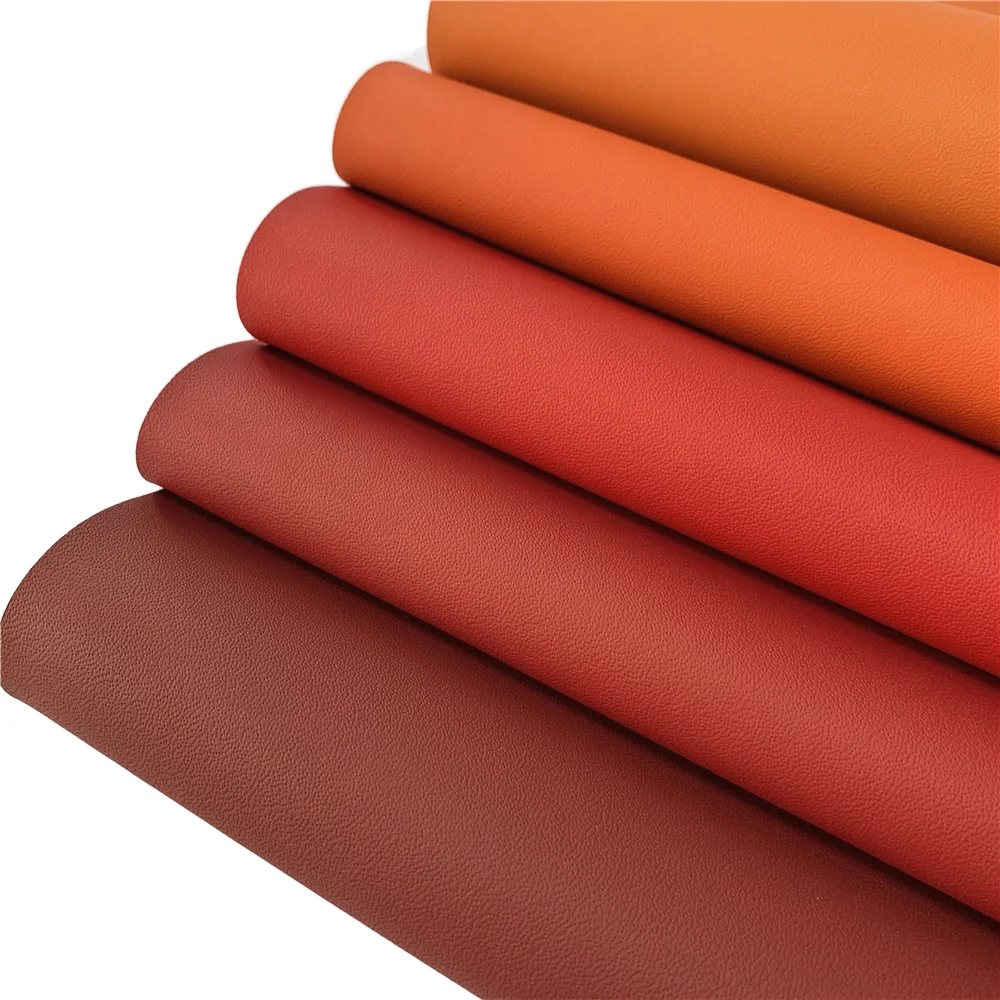
Hydrolysis Resistant Waterproof PU Microfiber Suede Leather Fabric Furniture Car Seat Covers Automotive Upholstery Bags Sofas
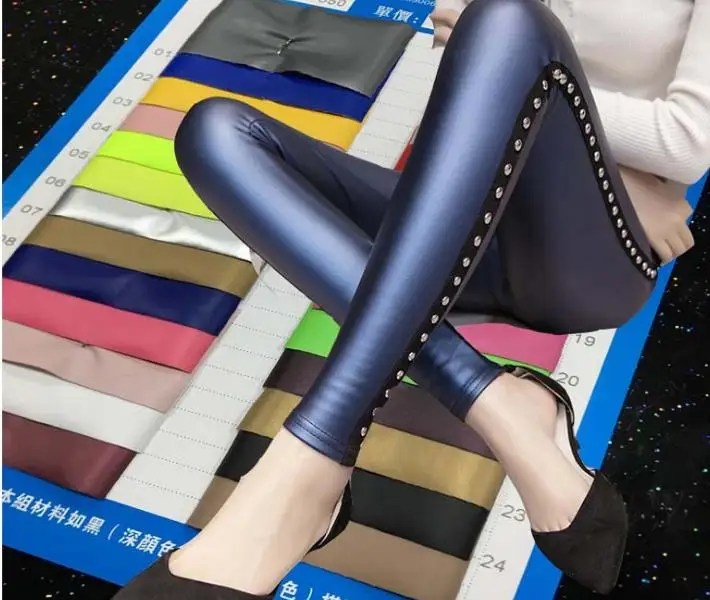
Ultra-Bright Black Mirror Four-Sided Stretch PU Fabric Pants Dresses Solid Color Soft Waterproof Clothing Elastic Finished
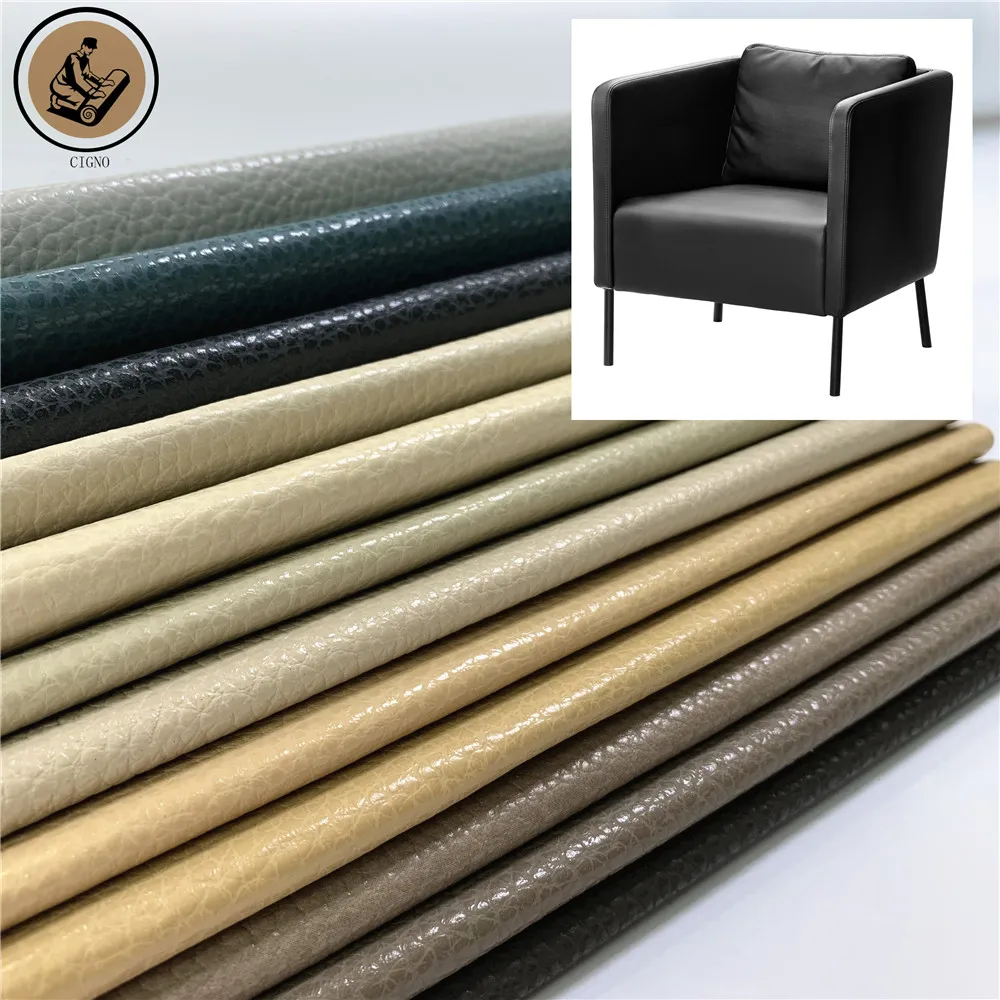
Litchi Lychee Grain 1.2mm PU Microfiber Leather Eco-Friendly Synthetic Leather Sofa Car Seat Handbags-Pearly-Lustre Recycled
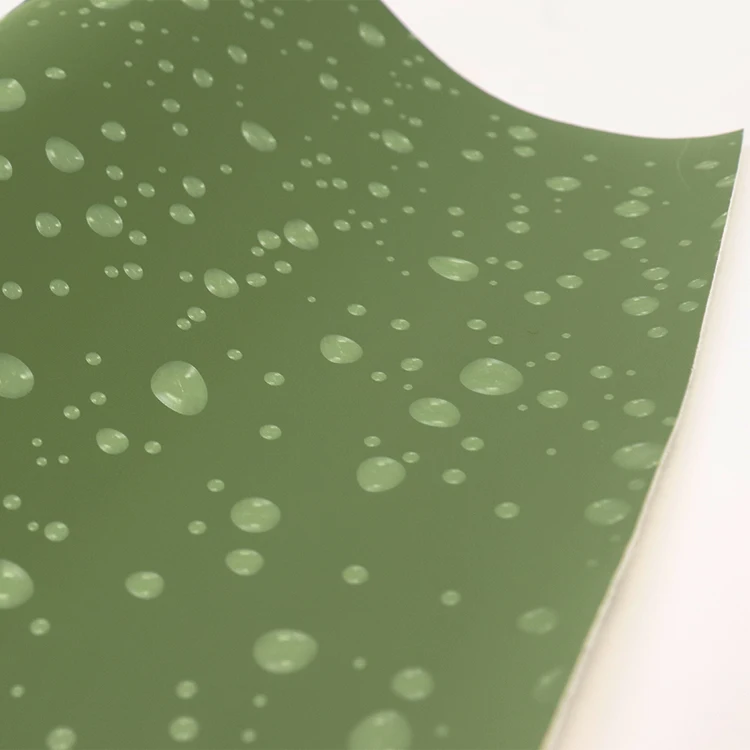
Custom Designer Faux Leather Fabric PVC Synthetic Leather Waterproof Sofa Bag Furniture Chair Woven Backing-Price Per Meter
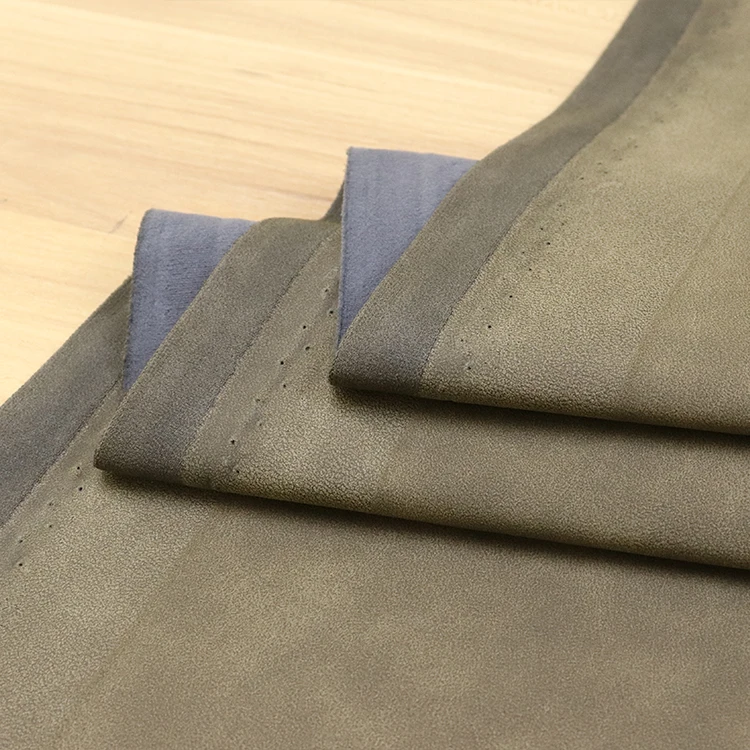
PU Suede Leather Nubuck Artificial Leather Materi for Shoe Make
Can we import this vegetan leather into the US without customs hold-ups?
Yes, you can import this vegan leather into the US without customs hold-ups by ensuring proper compliance documentation. US Customs and Border Protection (CBP) requires clear proof of non-animal origin, accurate Harmonized System (HS) classification, and compliance with environmental and safety standards. Providing recognized international certifications like GRS, USDA, and Oeko-Tex 100 ensures a smooth clearance process.
Core Solutions & Key Takeaways
- Verify Non-Animal Origin: Ensure all shipping documents clearly declare the material as synthetic, polyurethane (PU), or microfiber to prevent identity verification delays at US ports.
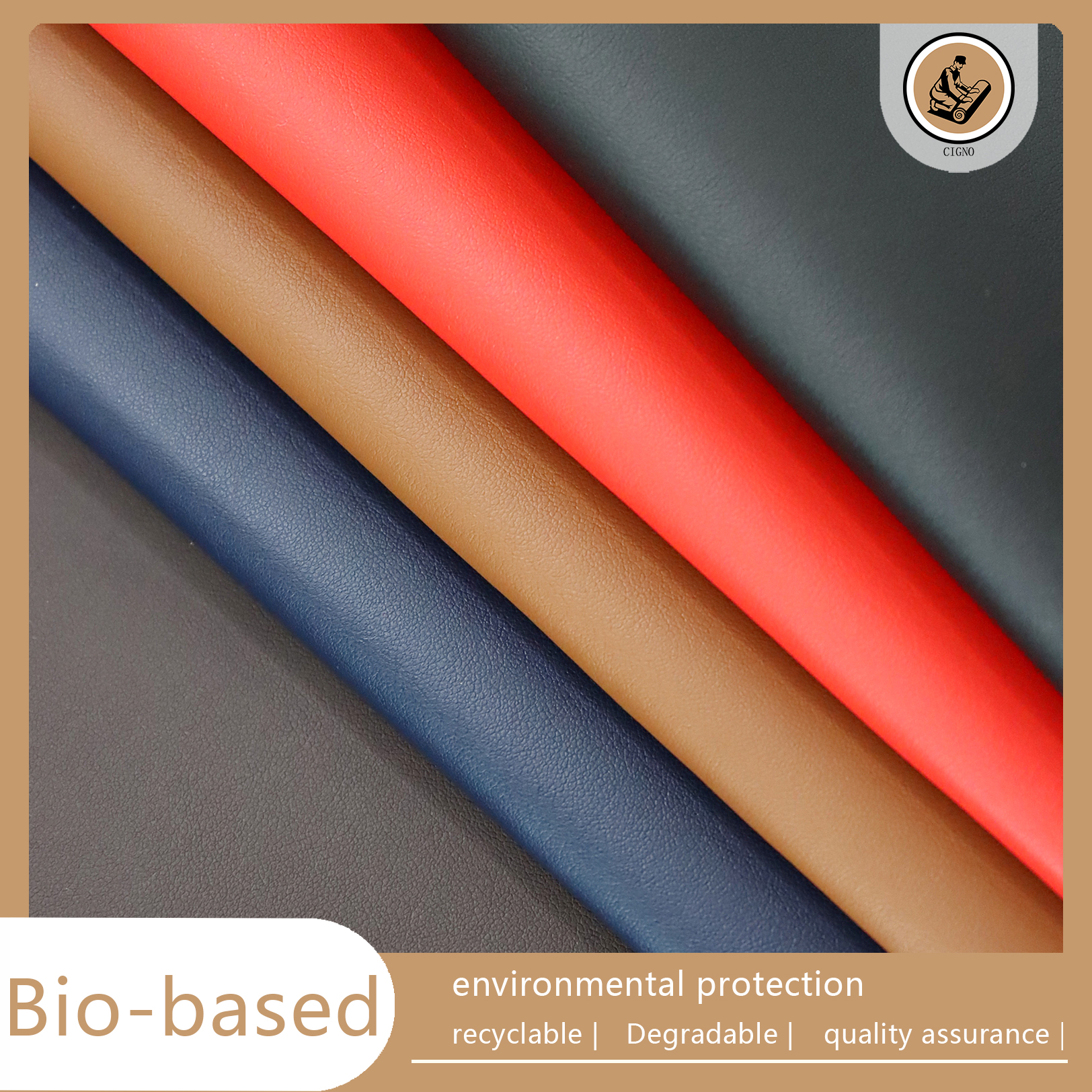
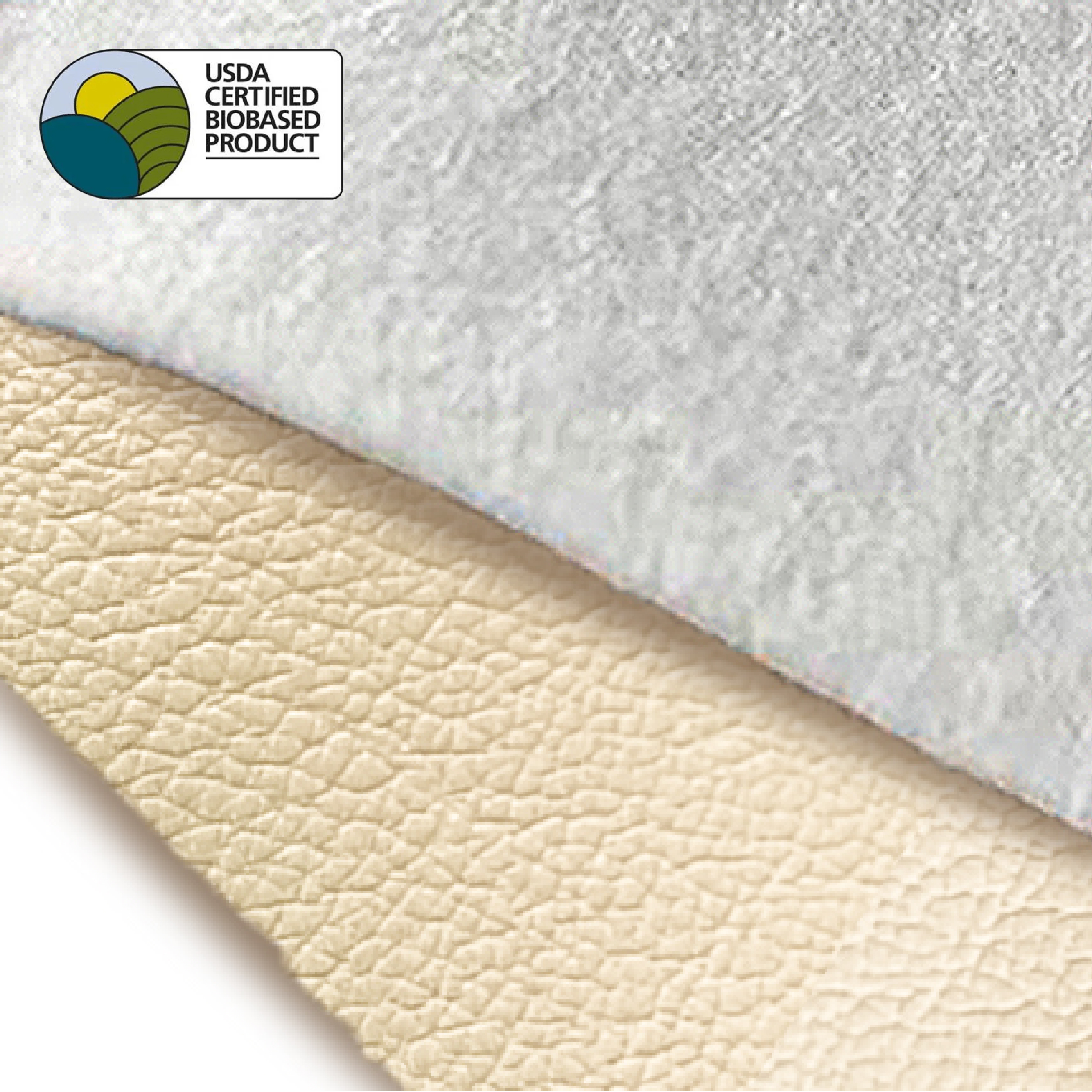
- Leverage Global Certifications: Presenting USDA BioPreferred, Global Recycled Standard (GRS), and Oeko-Tex Standard 100 credentials proactively satisfies US import safety and sustainability standards.
- Prepare Complete Test Reports: Maintain active test documentation for chemical safety, including REACH, RoHS, fluorine-free, and flame-retardant properties to meet state-specific regulations like California Proposition 65.
- Utilize Experienced Export Partners: Work with manufacturers who have established shipping channels to North America and understand US customs clearance requirements.
Detailed Architectural/Principle Analysis
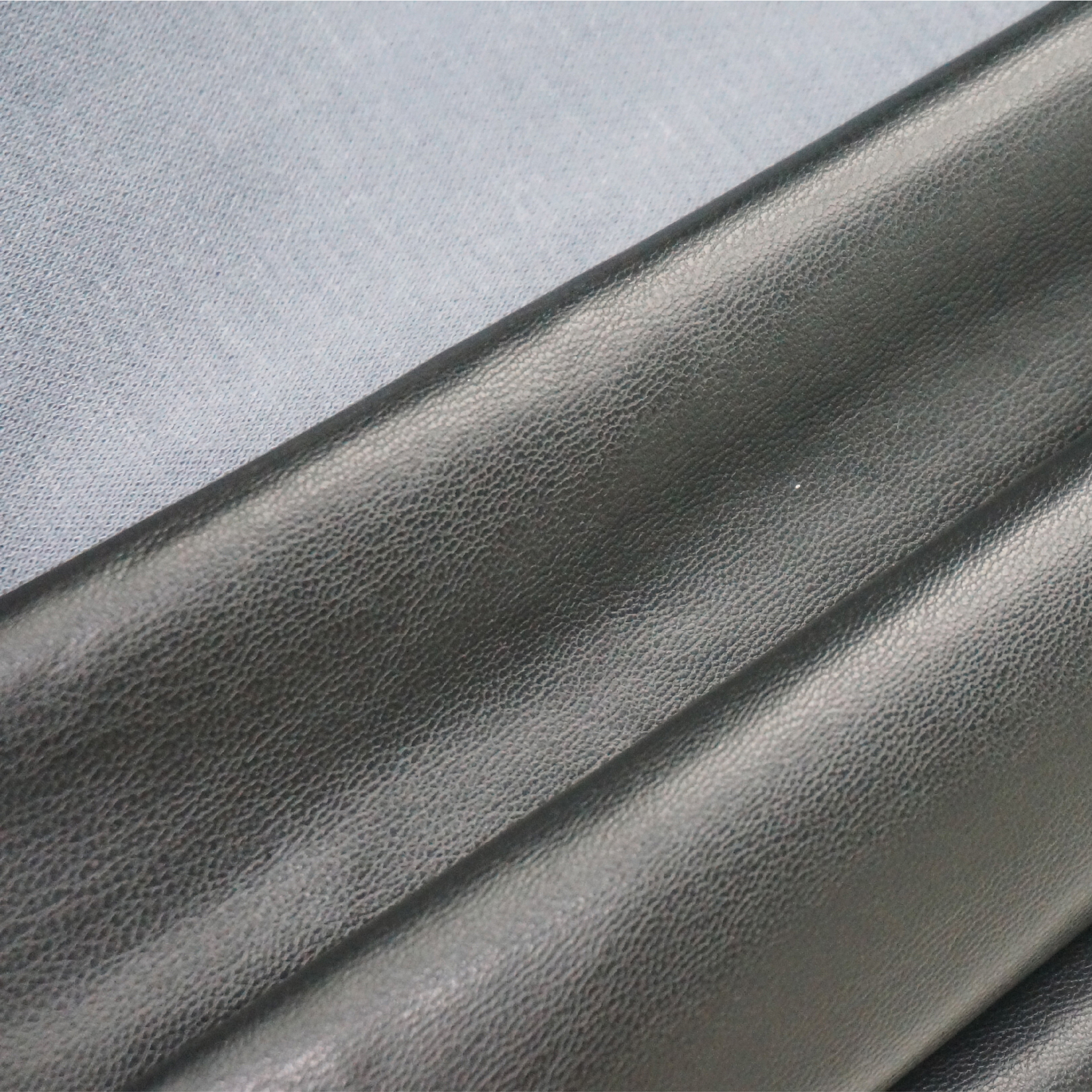
Importing synthetic materials into the United States requires strict adherence to customs regulations to avoid costly inspections or holds. The primary cause of customs delays for alternative leather products is the ambiguity in material classification. Under US CBP guidelines, importers must declare the precise composition of the synthetic leather. The vegan leather for bags produced by Dongguan Cigno Leather Co., Ltd. is manufactured from entirely animal-free synthetic polymers, including polyurethane (PU), microfiber, and water-based or bio-based resins. Explicitly stating these chemical compositions on the commercial invoice and bill of lading prevents customs officials from holding shipments for animal-product verification testing.
Furthermore, compliance with environmental and consumer safety laws is highly scrutinized at US ports of entry. Materials must meet federal standards enforced by the Environmental Protection Agency (EPA) and the Consumer Product Safety Commission (CPSC). By utilizing materials that hold GRS (Certificate B04213-G4), USDA (Certificate 521076632086130490), and Oeko-Tex 100 (Certificate SH015 120749) certifications, importers can readily prove that the synthetic leather is free from restricted hazardous substances. These certifications demonstrate compliance with international standards, facilitating faster customs processing.
Real-world logistics coordination also minimizes customs risks. For example, a recent shipment of 50,000 meters of customized synthetic leather for automotive interior applications was successfully cleared and delivered to Mexico, demonstrating the manufacturer's capability in navigating North American import-export frameworks. This experience ensures that paperwork, including the country of origin declarations, commercial invoices, and packing lists, is prepared accurately prior to arrival at the port.
Data/Solution Comparison
| Material Type | US Customs Classification (HS Code Category) | Required Compliance Documentation | Customs Hold Risk Level |
|---|---|---|---|
| Bio-Based / PU Vegan Leather | Plastic / Synthetic Resins | USDA Bio-based certificate, GRS certification, REACH/RoHS test reports | Low |
| Microfiber Leather | Non-woven Textile / Polyurethane | Oeko-Tex 100, physical properties test reports (tensile, abrasion) | Low |
| Genuine Leather / Animal Hide | Hides and Skins (Raw/Tanned) | USDA APHIS veterinary certificates, conservation declarations (CITES) | High |
Frequently Asked Questions (FAQ)
What is the minimum order quantity (MOQ) for importing this vegan leather to the US?
The minimum order quantity for the custom vegan leather for bags ranges from 500 to 1,000 meters per color, while general synthetic leather orders under standard business terms require a minimum of 100 meters.
How long does the shipping and customs clearance process take for US imports?
The production and delivery time frame is between 15 to 30 days after order confirmation. Depending on the chosen shipping method (Sea Freight, Air Freight, or Express), transit and customs clearance typically add 7 to 30 days.
Are these vegan leather materials compliant with California Proposition 65?
Yes, the materials are manufactured to meet strict international standards, with available test reports confirming they are fluorine-free, heavy metal-free, and compliant with REACH and RoHS guidelines, which align with California Proposition 65 requirements.
Final Conclusion & Recommendations
To achieve a seamless US customs clearance process for vegan leather imports, source materials from certified manufacturers who provide comprehensive certification portfolios including GRS, USDA, and Oeko-Tex 100. Standardize all commercial invoices to declare the material clearly as "synthetic polyurethane leather" to prevent misclassification as animal-derived hide. Partnering with an experienced exporter ensures that all necessary quality inspections—covering raw materials, color matching, and physical properties—are completed and documented prior to shipment. For detailed technical solutions or support, please reach out to us via vicky@bozeleather.com.
About Us
Dongguan Cigno Leather Co., Ltd., established in 2007, is a professional manufacturer specializing in high-quality faux leather based in Dongguan, China. The company operates a factory area of 100,000 sqm and maintains a dedicated team focusing on eco-friendly and multifunctional synthetic leather materials. Holding globally recognized USDA, GRS, and Oeko-Tex 100 certifications, we supply reliable materials to clients across North America, Europe, and other international markets, serving over 200 global brands.

SUBSCRIBE
INQUIRY