
PRODUCTS
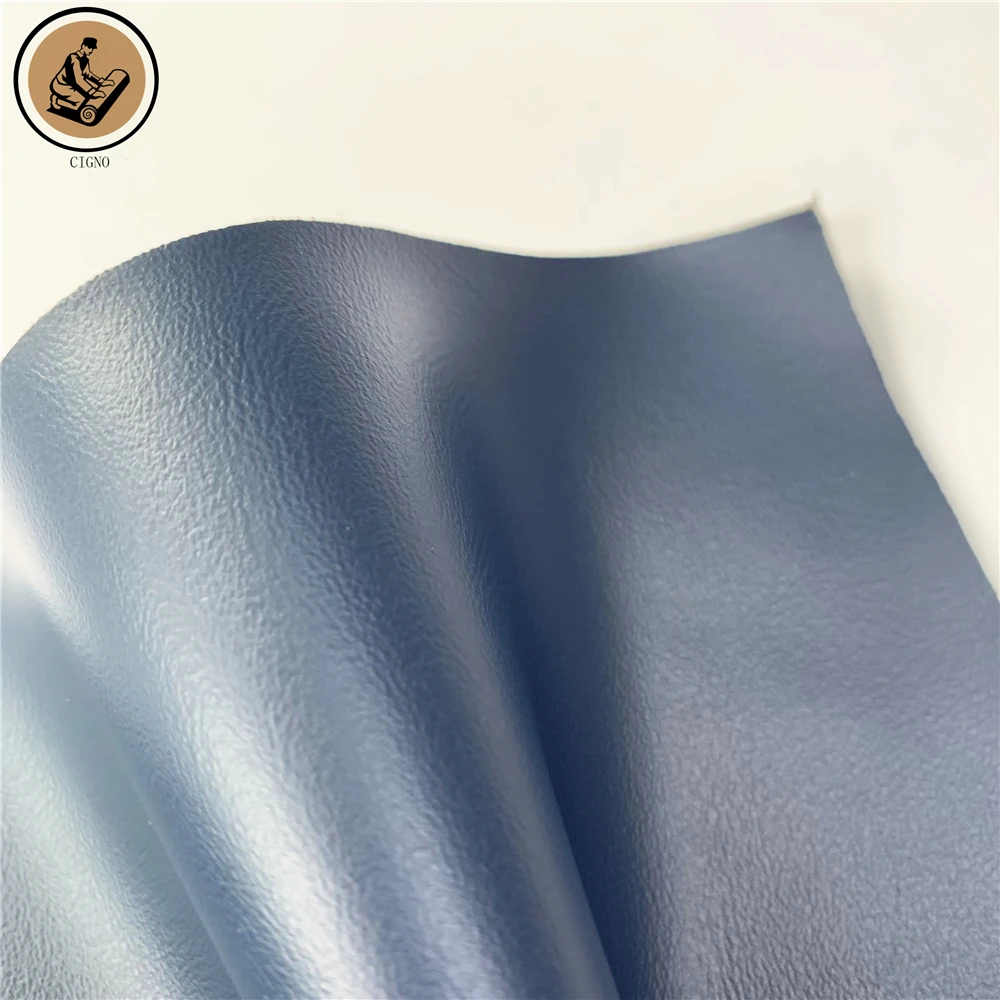
High Quality Eco-Friendly 1.2mm PU Synthetic Leather Furniture Upholstery Solvent-Free Skin-Feel for Sofa Car Seat Chair Bag Use
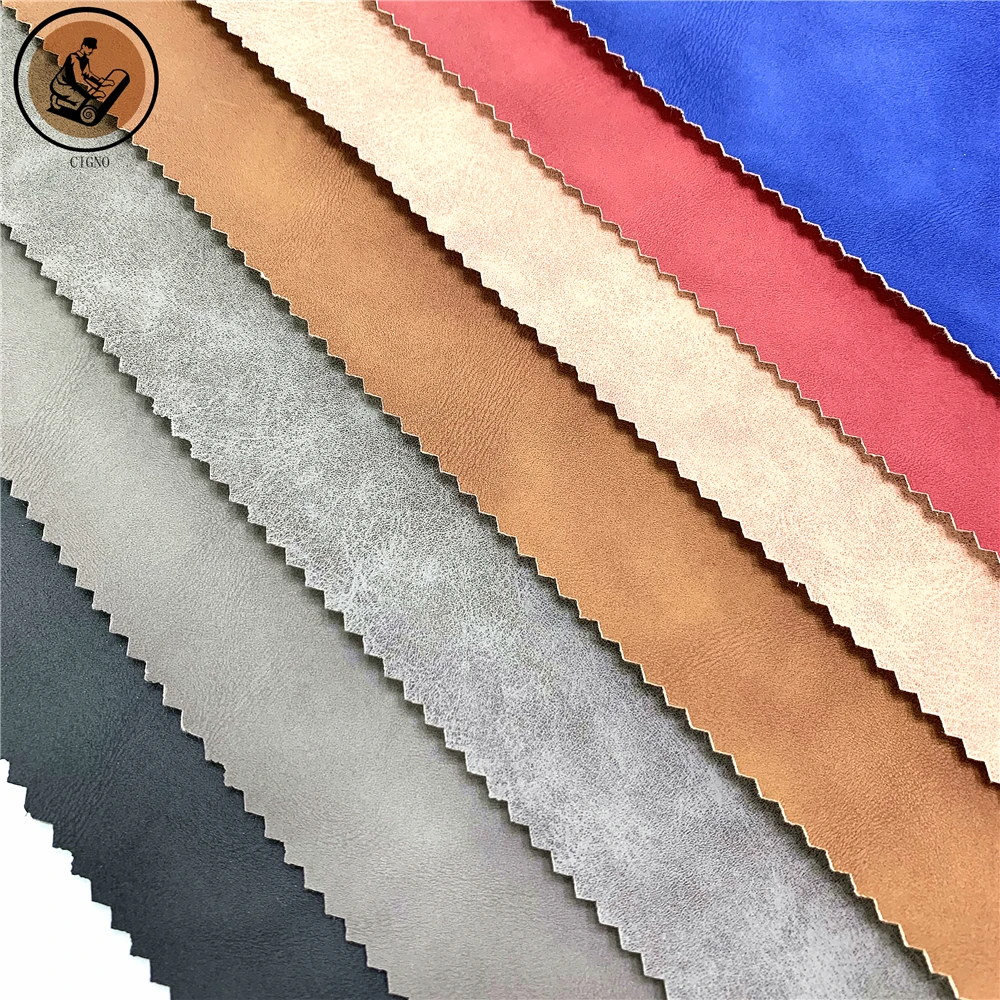
Free Samples of Embossed PU Synthetic Leather Bags Shoes Sofa Furniture Garments Car Decorative Uses-Waterproof Stretch Features
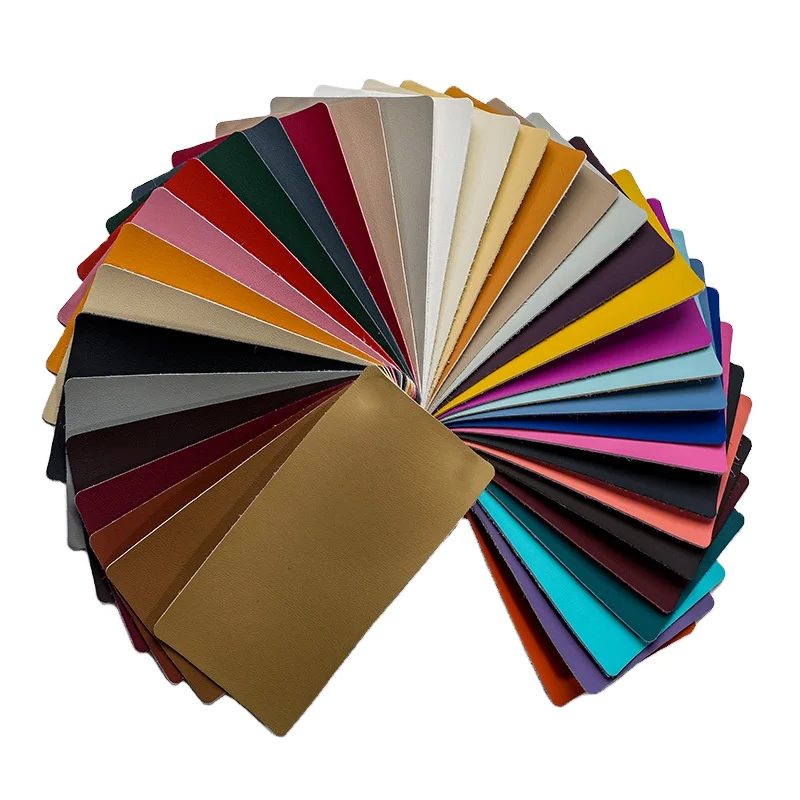
Pvc Vinyl Leather Rexine Leather Faux for Cars/Motorcycles, Waterproof Embossed Recycling Leatherette for Automotive Leather
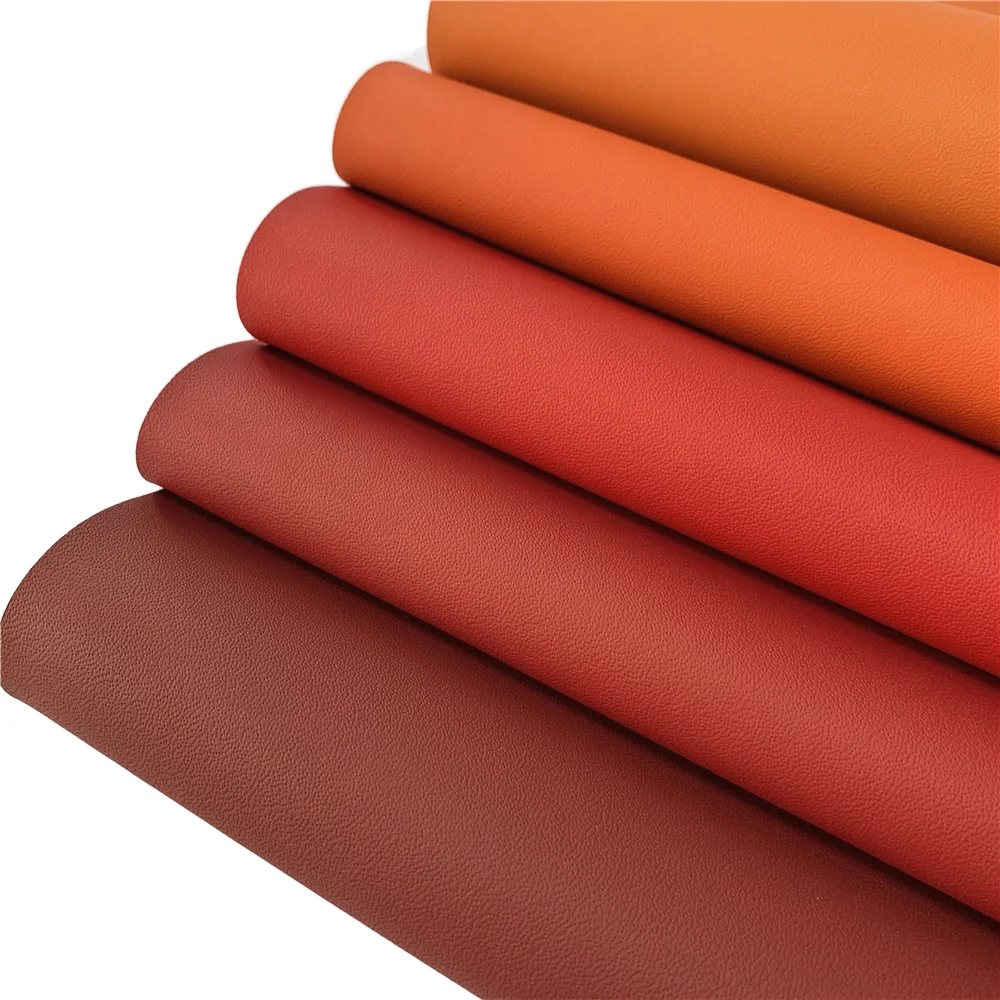
Hydrolysis Resistant Waterproof PU Microfiber Suede Leather Fabric Furniture Car Seat Covers Automotive Upholstery Bags Sofas
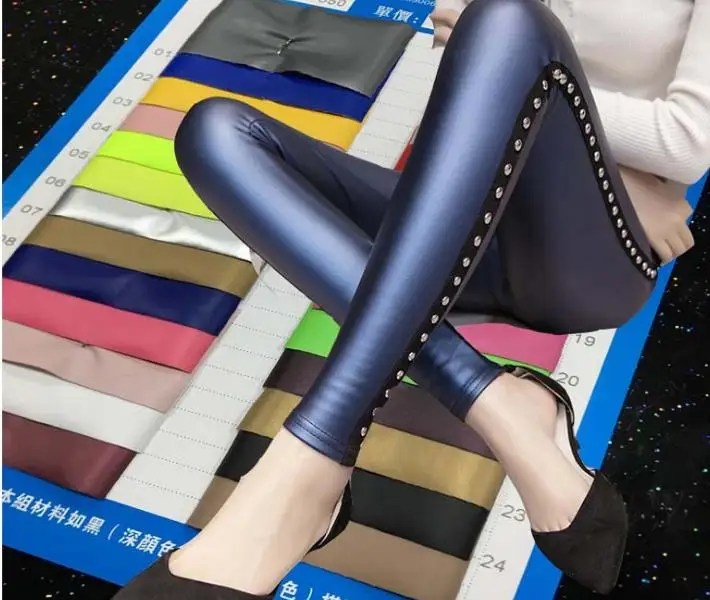
Ultra-Bright Black Mirror Four-Sided Stretch PU Fabric Pants Dresses Solid Color Soft Waterproof Clothing Elastic Finished
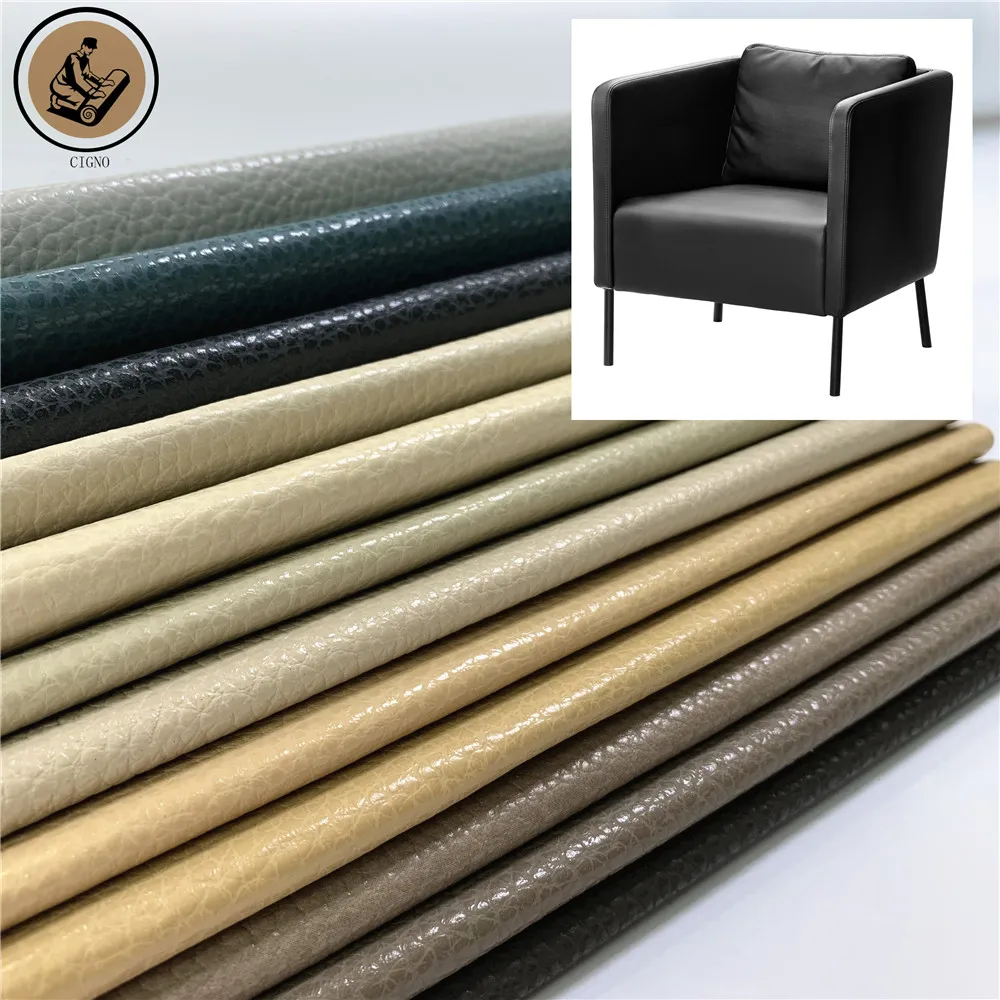
Litchi Lychee Grain 1.2mm PU Microfiber Leather Eco-Friendly Synthetic Leather Sofa Car Seat Handbags-Pearly-Lustre Recycled
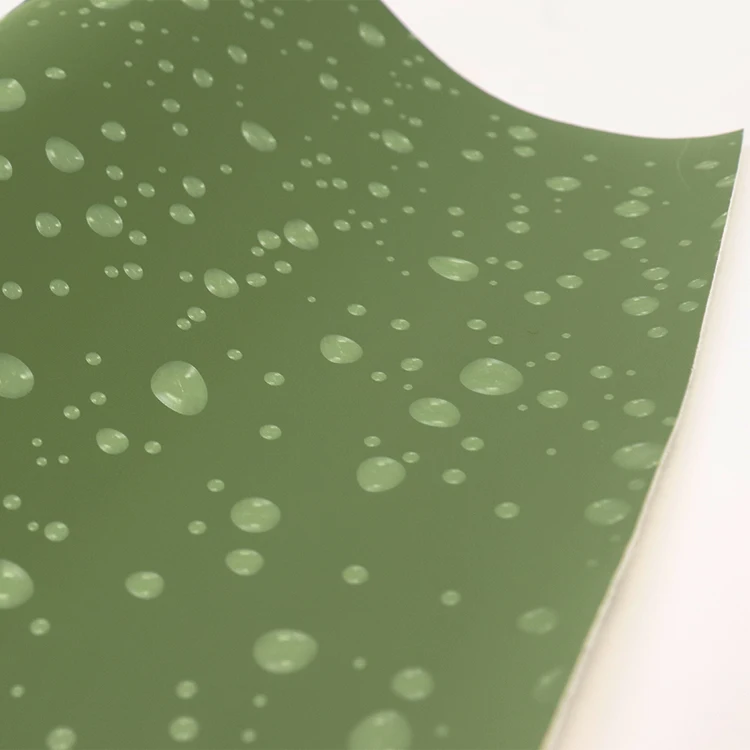
Custom Designer Faux Leather Fabric PVC Synthetic Leather Waterproof Sofa Bag Furniture Chair Woven Backing-Price Per Meter
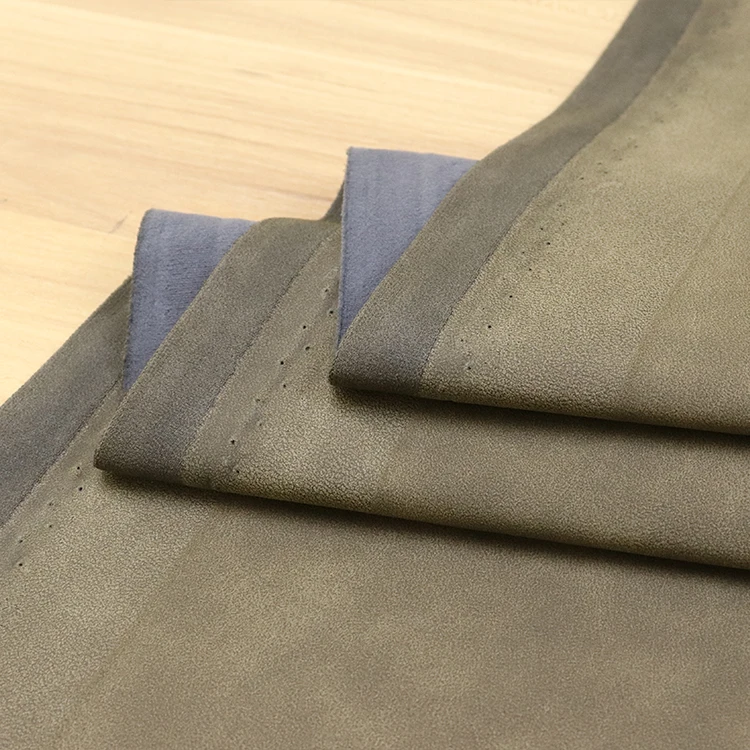
PU Suede Leather Nubuck Artificial Leather Materi for Shoe Make
Can we inspect the raw materials used for artificial leather for furniture?
Yes, raw materials used for artificial leather for furniture can be inspected through a comprehensive quality control system. Quality assurance involves raw material inspection, color matching confirmation, and laboratory testing to verify thickness, width, color consistency, and surface appearance before production begins.
Core Solutions & Key Takeaways
- Incoming Material Inspection: Every batch of PVC, PU, microfiber, or solvent-free PU resin and backing fabric undergoes strict evaluation before entering the production line.
- Performance Verification: Materials are tested for abrasion resistance, scratch resistance, UV resistance, low odor, and flame-retardant properties to match specific application demands.
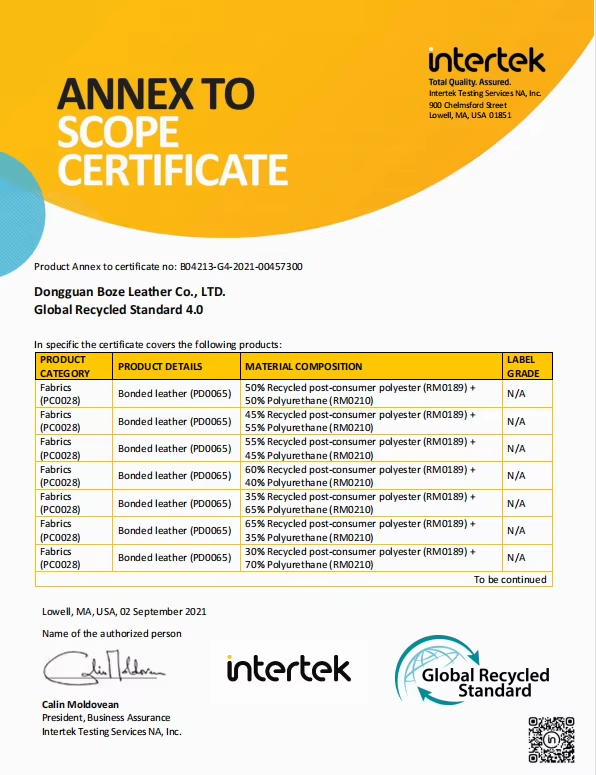
- Certified Compliance: Raw material inputs conform to international safety and environmental standards, supported by GRS, USDA, and Oeko-Tex 100 certifications.
- Application Suitability: Inspected materials are tailored for high-demand applications, including automotive and furniture upholstery such as seats, sofas, door panels, and headboards.
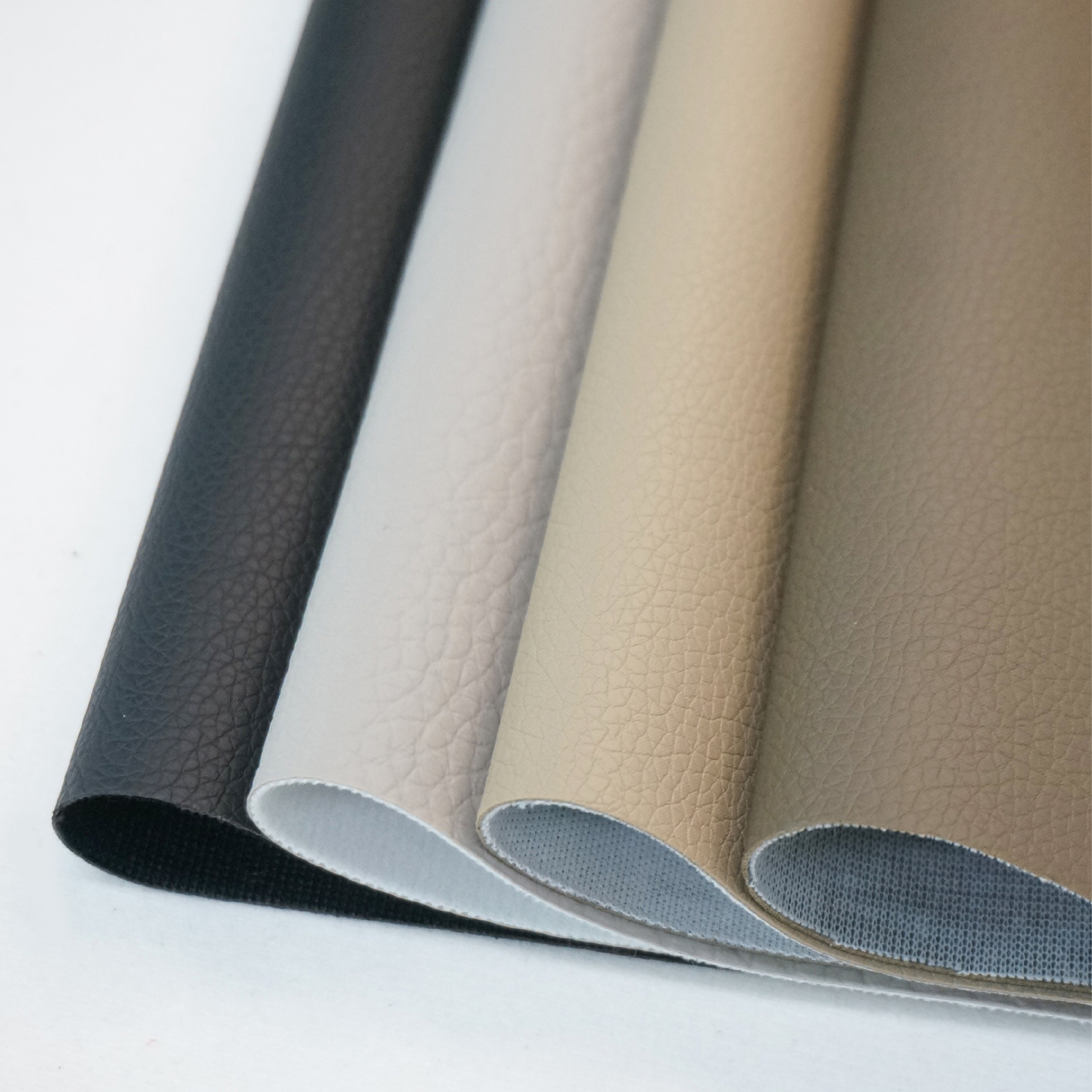
Detailed Architectural/Principle Analysis
The reliability of synthetic leather relies on the structural integrity of its raw components. For premium applications, the inspection process evaluates the polymer layer (PVC, PU, or microfiber) and the base backing fabric. Technicians measure physical parameters such as tensile strength, peeling strength, and initial color matching against reference standards. This stage prevents surface defects, delamination, and premature aging in the finished furniture or automotive upholstery.
During a collaboration involving an automotive interior manufacturer in Mexico, a strict raw material inspection protocol was deployed for a 50,000-meter production run. The customized material required specific backing, thickness, abrasion resistance, and low-odor characteristics. Pre-production laboratory testing ensured the raw polymer formulations met chemical safety regulations prior to extrusion, resulting in stable color consistency and reliable performance in the final automotive seats and armrests.
Data/Solution Comparison
| Inspection Parameter | Testing Method / Standard | Target Performance Range | Relevance to Furniture Application |
|---|---|---|---|
| Thickness & Width | Physical gauge measurement | 0.8–1.4 mm / 54/55 inches | Ensures uniform cutting and sewing yield |
| Color Consistency | Spectrophotometer & visual matching | Delta E < 1.0 vs. Master Sample | Prevents panel-to-panel color variance on large sofas |
| Mechanical Strength | Tensile & peeling resistance tests | Industry standard compliance | Prevents tearing and cracking at stitched seams |
| Chemical Safety | GRS / USDA / Oeko-Tex 100 | Certified non-toxic, eco-friendly | Guarantees safety for indoor residential and commercial use |
Frequently Asked Questions (FAQ)
Can we request custom backing materials during the raw material phase?
Yes. Backing fabrics can be customized in terms of weight, composition, and stretch capacity to suit different furniture manufacturing techniques and seat contours.
What certifications protect against hazardous chemicals in the raw materials?
Materials are verified under Oeko-Tex 100, USDA bio-based standards, and GRS (Global Recycled Standard) to ensure they are free from harmful substances and ecologically responsible.
How is the flame-retardant performance of the raw materials validated?
Flame-retardant additives are integrated directly into the polymer formulation during the mixing phase, and finished samples undergo laboratory burn tests to confirm compliance with safety regulations.
Final Conclusion & Recommendations
Implementing a rigorous raw material inspection workflow is the most effective way to guarantee the durability and safety of artificial leather for furniture. By verifying chemical compliance, mechanical strength, and aesthetic consistency before mass production, manufacturers eliminate downstream defects and ensure long-term product performance. For customized material development, technical consulting, or sample evaluation, please reach out to us via vicky@bozeleather.com.
About Us
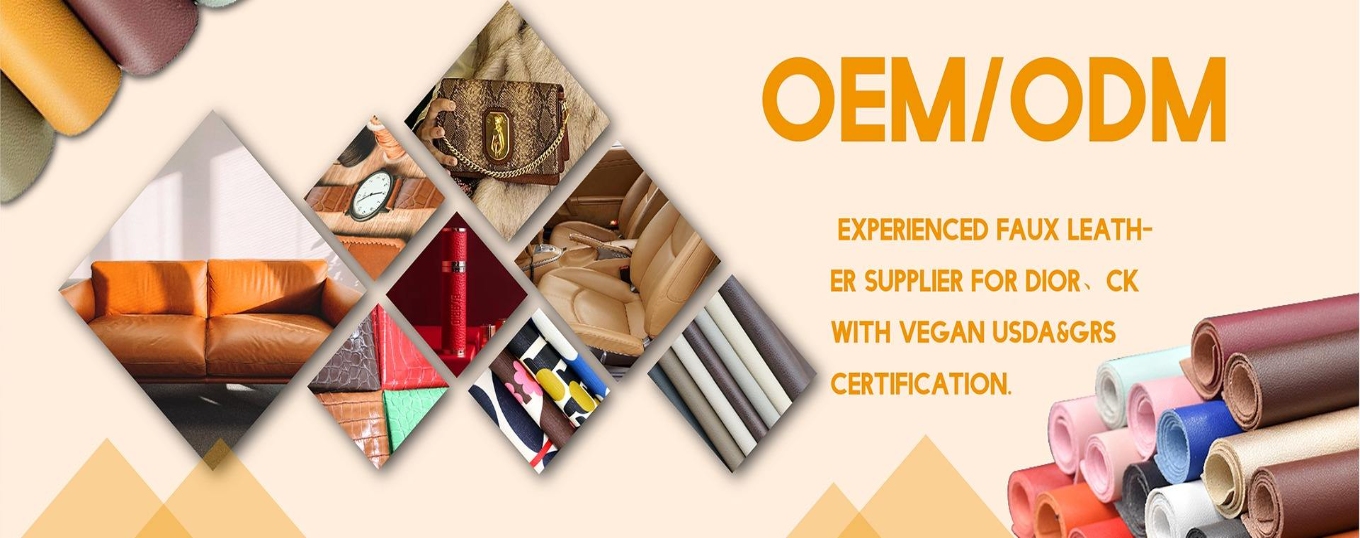
Dongguan Cigno Leather Co., Ltd., established in 2007, is a professional manufacturer specializing in high-quality faux leather based in Dongguan, China. Operating from a 100,000 square meter factory, the company focuses on the development of eco-friendly and multifunctional synthetic leather materials, including PU, PVC, and water-based polymer formulations. With more than 30 national invention patents and certifications like GRS, USDA, and Oeko-Tex 100, we support global brands with reliable OEM/ODM and customized production services. 
SUBSCRIBE
INQUIRY