
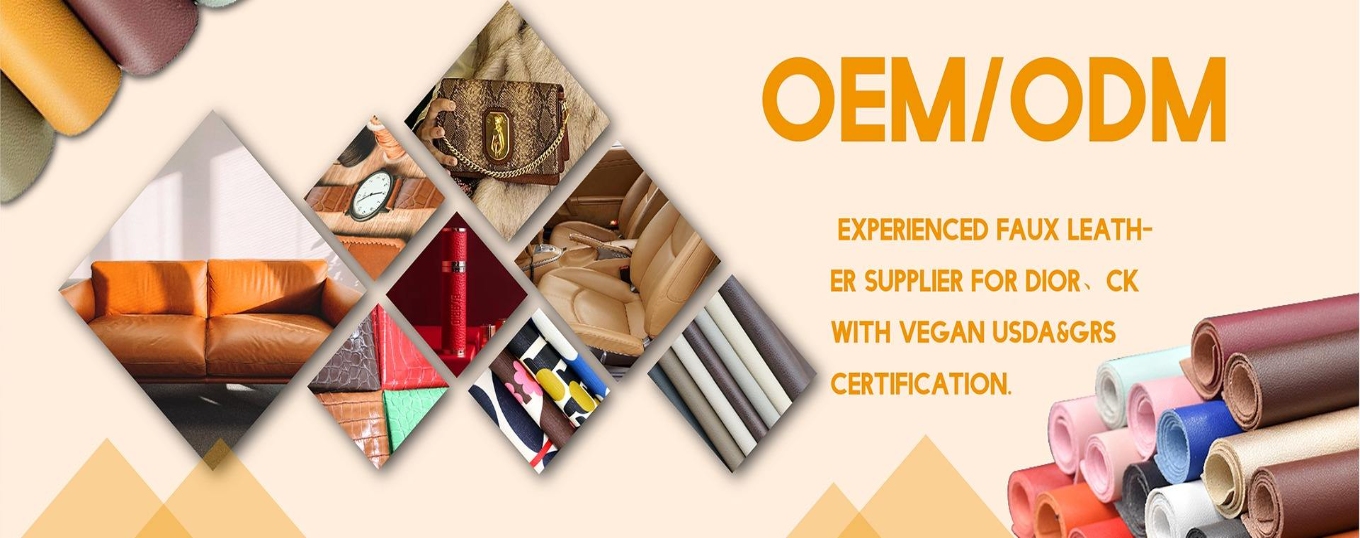
PRODUCTS
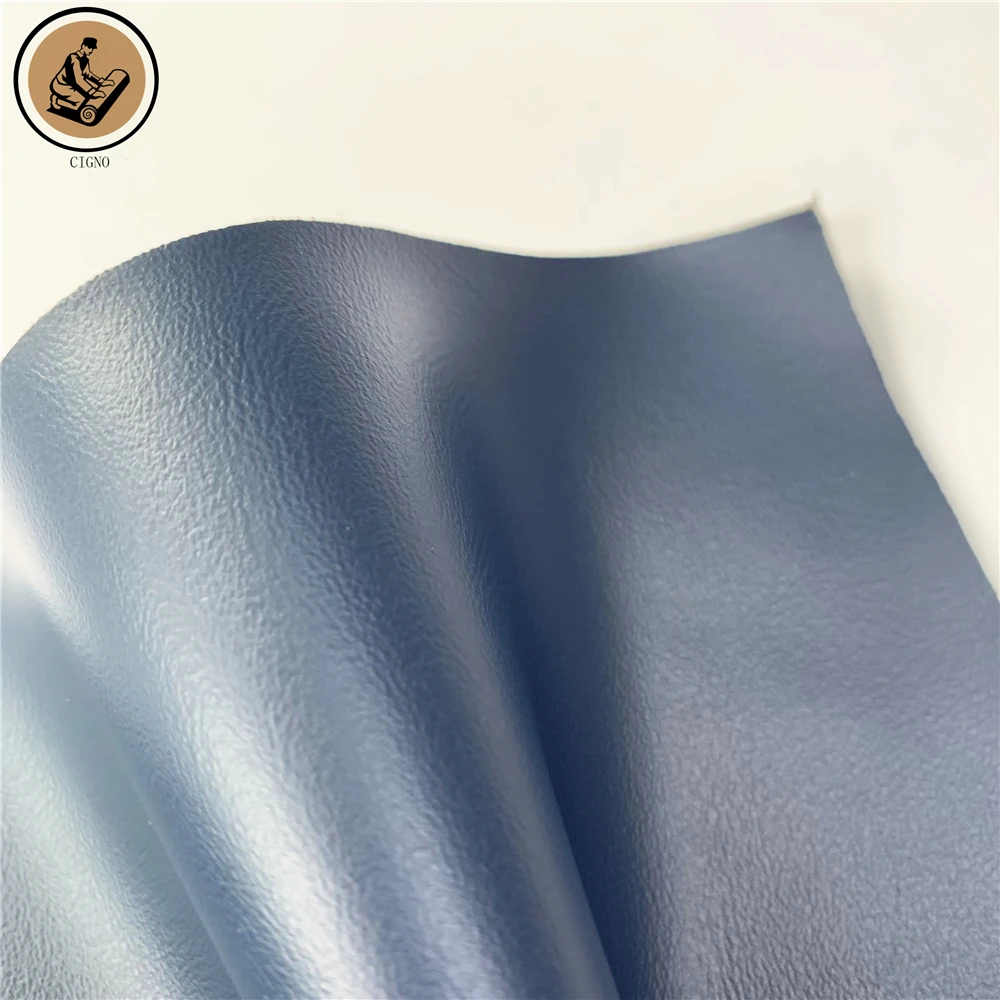
High Quality Eco-Friendly 1.2mm PU Synthetic Leather Furniture Upholstery Solvent-Free Skin-Feel for Sofa Car Seat Chair Bag Use
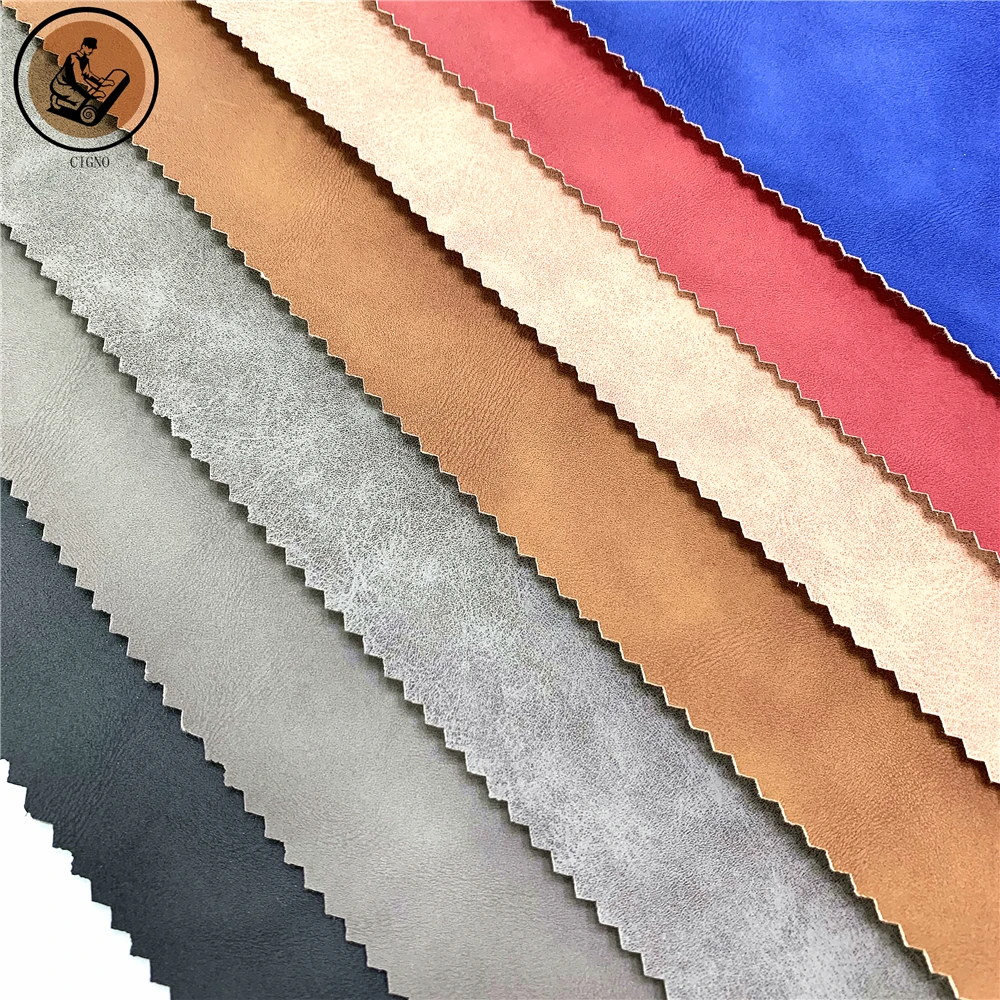
Free Samples of Embossed PU Synthetic Leather Bags Shoes Sofa Furniture Garments Car Decorative Uses-Waterproof Stretch Features
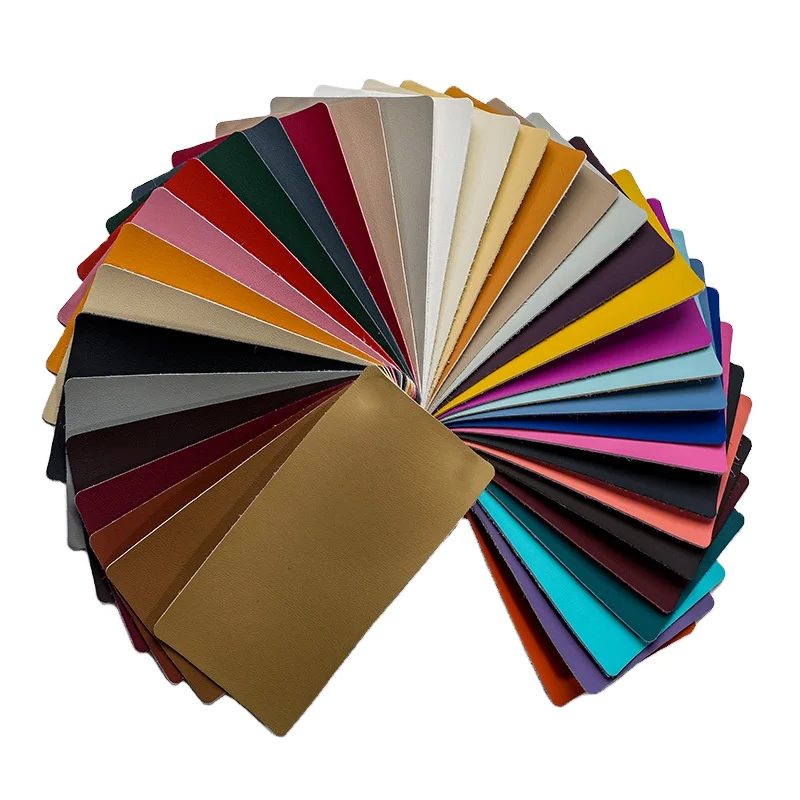
Pvc Vinyl Leather Rexine Leather Faux for Cars/Motorcycles, Waterproof Embossed Recycling Leatherette for Automotive Leather
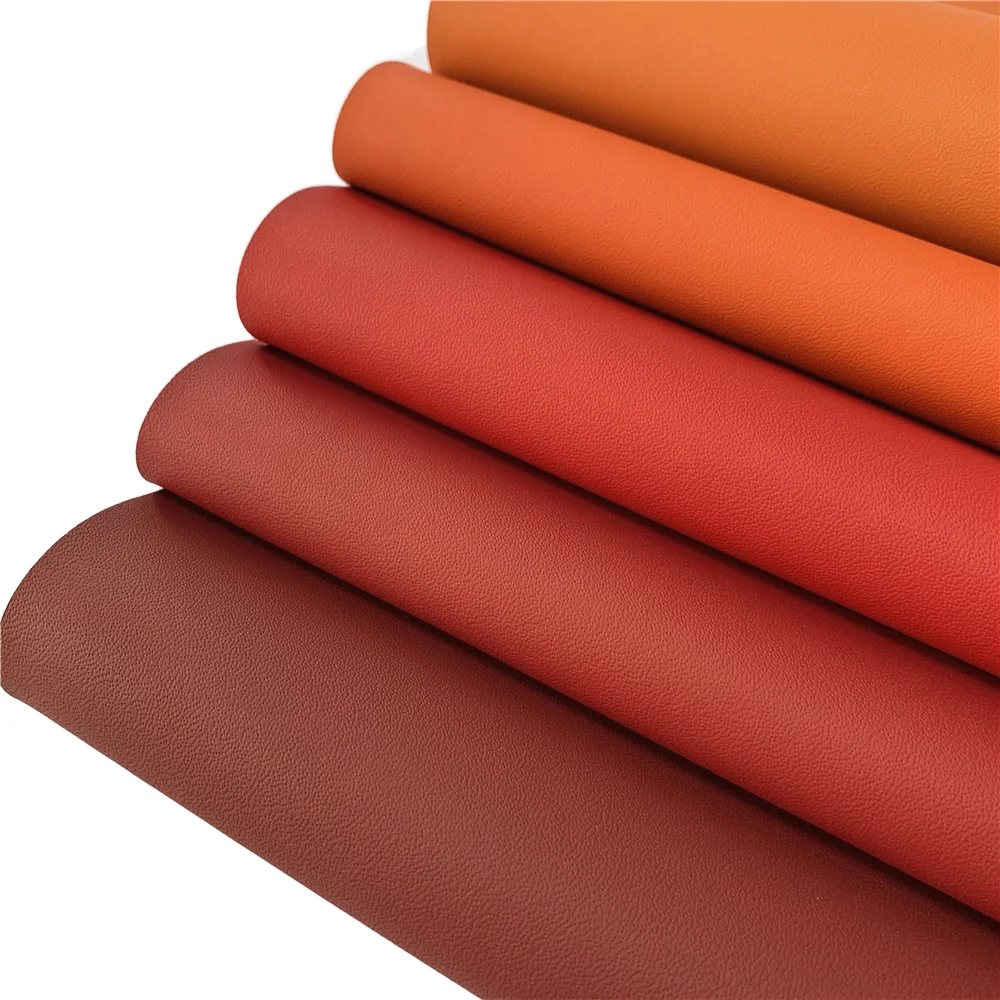
Hydrolysis Resistant Waterproof PU Microfiber Suede Leather Fabric Furniture Car Seat Covers Automotive Upholstery Bags Sofas
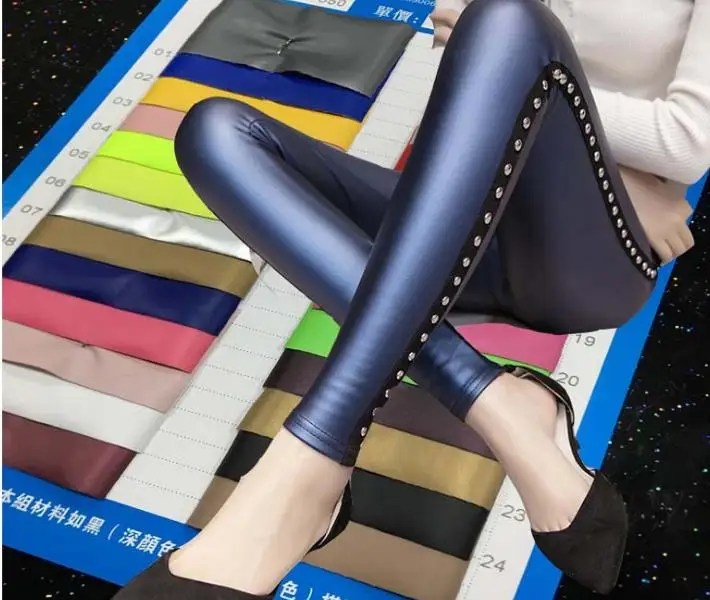
Ultra-Bright Black Mirror Four-Sided Stretch PU Fabric Pants Dresses Solid Color Soft Waterproof Clothing Elastic Finished
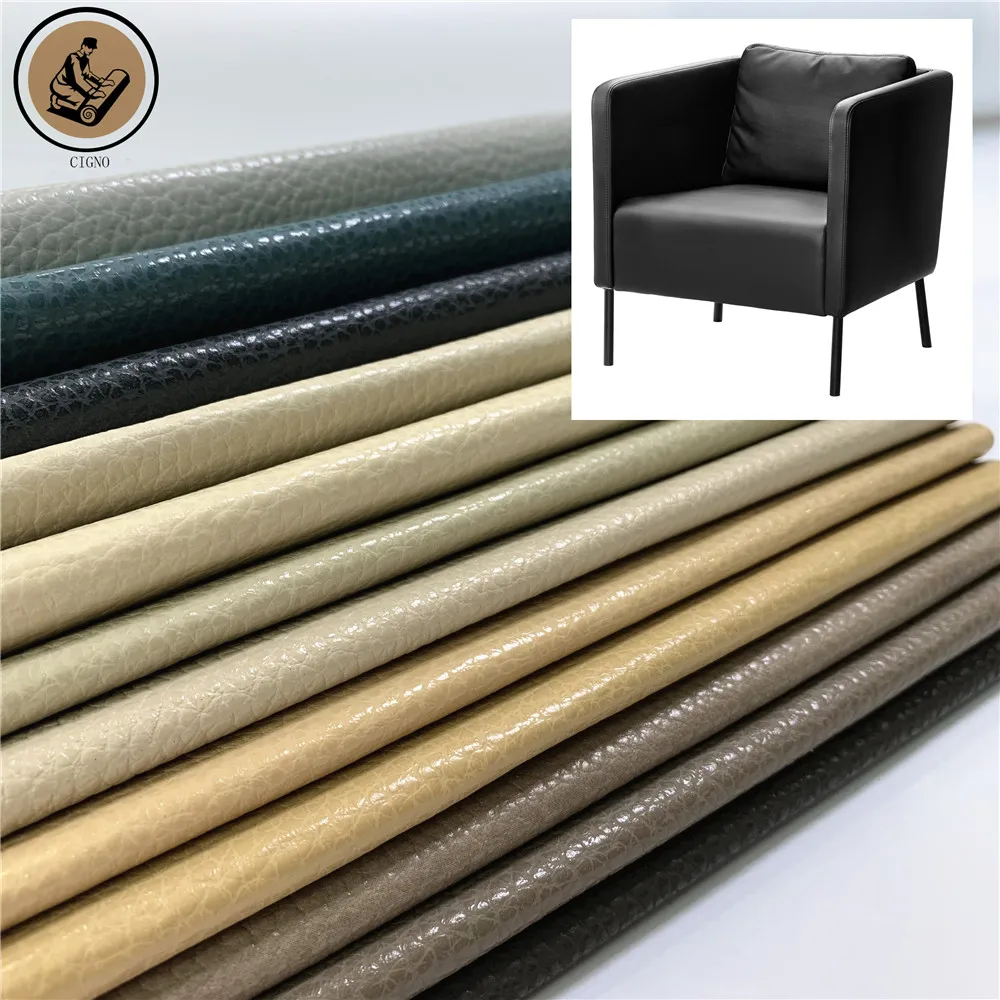
Litchi Lychee Grain 1.2mm PU Microfiber Leather Eco-Friendly Synthetic Leather Sofa Car Seat Handbags-Pearly-Lustre Recycled
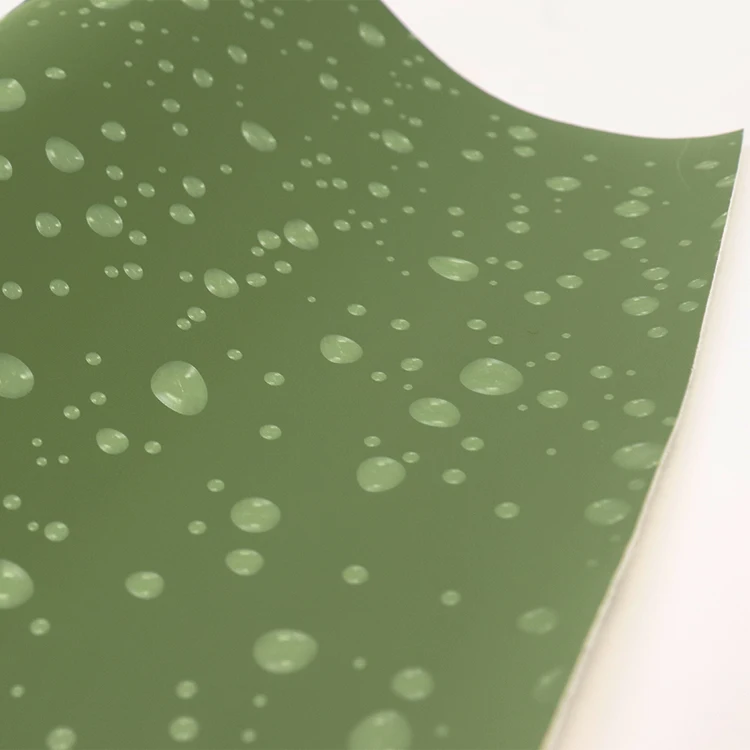
Custom Designer Faux Leather Fabric PVC Synthetic Leather Waterproof Sofa Bag Furniture Chair Woven Backing-Price Per Meter
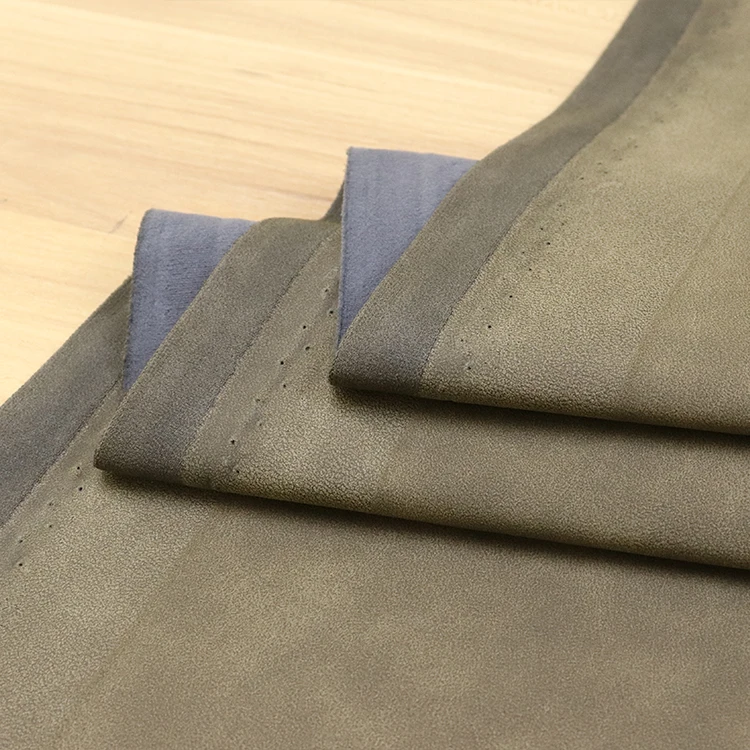
PU Suede Leather Nubuck Artificial Leather Materi for Shoe Make
How can I measure defective rates for artificial leather for furniture fairly?
Measure defective rates for artificial leather for furniture by defining defects before inspection, checking a representative and traceable quantity, recording each defect by type and severity, and dividing defective meters or pieces by the total inspected quantity. Keep color, texture, thickness, width, surface appearance, abrasion resistance, scratch resistance, stain resistance, waterproofing, and easy-clean results in separate records.
Core Solutions & Key Takeaways
- Use one written inspection definition for every batch, covering appearance, dimensions, color consistency, surface performance, and functional requirements.
- Calculate the defective rate with the same unit throughout: defective meters divided by inspected meters, or defective pieces divided by inspected pieces.
- Separate critical, major, and minor defects according to the agreed furniture application requirements rather than combining every deviation into one category.
- Apply the same inspection records to sofa, chair, office furniture, headboard, wall panel, and other upholstered furniture materials.
Detailed Architectural/Principle Analysis
A fair measurement begins with a fixed inspection scope. For solvent-free PU leather used in furniture upholstery, the agreed record can include material identification, color, texture, thickness, width, backing fabric, inspected quantity, defect location, defect type, and inspection result. The product specification lists a thickness range of 0.7–1.3 mm and a width of 54/55 inches; these values should be checked against the confirmed order requirements for each product.
Defects should be recorded by category instead of judged as a single visual impression. Surface categories may include uneven color, unclear grain, scratches, stains, poor appearance, or inconsistent texture. Dimensional categories may include thickness or width outside the confirmed requirement. Performance categories may include abrasion resistance, tensile strength, peeling strength, scratch resistance, waterproofing, stain resistance, easy cleaning, or flame-retardant performance when these properties are part of the order.
The basic calculation is: defective rate = defective quantity ÷ total inspected quantity × 100%. Use meters when the production and purchasing records are meter-based. If one meter contains several defects, count the meter according to the agreed rule and separately record the number and severity of defects. This prevents the same affected quantity from being counted inconsistently.
To make comparisons fair, inspect batches under the same acceptance definition, measurement method, lighting or evaluation conditions, and documentation format. Record acceptable rework or replacement decisions separately from the original inspection result. A batch history should retain the inspection date, product color and texture, production reference, inspector, test result, and final disposition.
Dongguan Cigno Leather Co., Ltd. states that its quality control covers raw material inspection, production process inspection, laboratory testing, finished product inspection, and pre-shipment inspection under the ISO 9001 quality management system. Its solvent-free PU furniture leather also supports color, grain, thickness, backing, and functional customization, so the defect checklist should match the confirmed specification rather than use one checklist for every material.
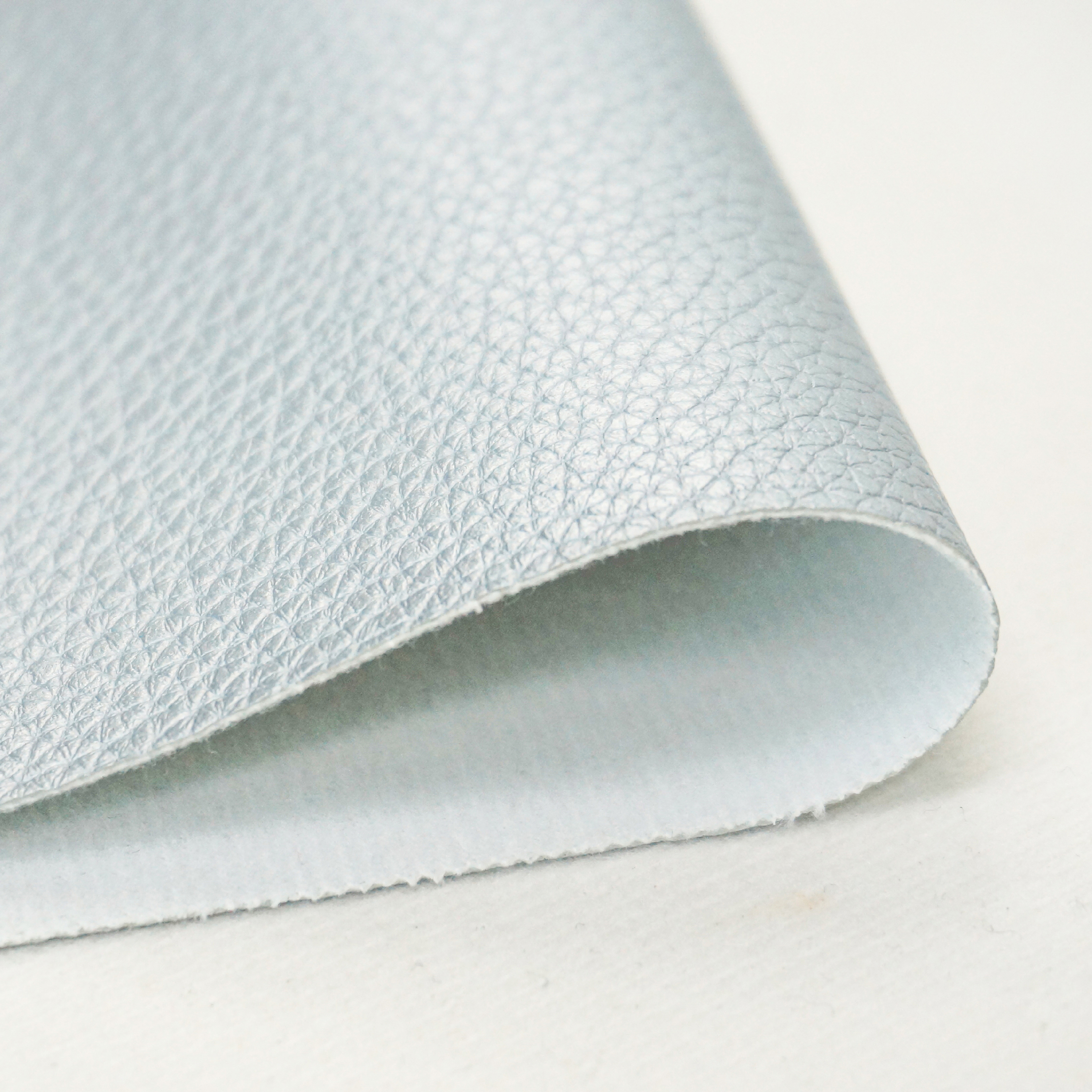
The company has a cooperation case involving customized synthetic leather for automotive seats, door panels, headrests, and armrests in Mexico. The project required checks for color, grain, thickness, abrasion resistance, UV resistance, flame retardancy, low odor, and easy cleaning. The reported result included stable color consistency, clear grain texture, and delivery that met the project requirements. These categories provide a practical reference for separating appearance and performance defects, although furniture projects require their own confirmed criteria.
GRS, USDA, and Oeko-Tex 100 certifications are listed for the company’s synthetic leather. These certifications support product and supplier documentation, but they do not replace the batch-specific defective-rate calculation. The calculation must remain linked to the furniture order specification and inspection record.
Data/Solution Comparison
| Measurement approach | Recommended use | Fairness control |
|---|---|---|
| Meter-based defective rate | Bulk upholstery orders recorded in meters | Use defective meters divided by inspected meters |
| Piece-based defective rate | Cut panels, samples, or individually controlled furniture components | Use the same piece definition and defect rule across batches |
| Category-based defect record | Color, grain, thickness, width, surface, and performance evaluation | Report each defect category separately before calculating the overall rate |
| Specification-linked inspection | Customized colors, textures, thicknesses, backing fabrics, and treatments | Compare results with the confirmed order requirements |
Frequently Asked Questions (FAQ)
Should defective rates for furniture leather be calculated by meters or pieces?
Use the unit that matches the purchasing and production record. Meter-based calculation suits upholstery material supplied by length, while piece-based calculation suits individually controlled panels or components. Do not mix the two units in one rate.
Which defects should be included in the calculation?
Include deviations that fail the confirmed requirements, such as color inconsistency, unclear grain, scratches, stains, incorrect thickness or width, and failed abrasion, scratch, tensile, peeling, waterproofing, easy-clean, or flame-retardant requirements when specified.
How can a buyer and supplier avoid different defect-rate results?
Agree on the defect definitions, inspection unit, severity categories, test requirements, record format, and final disposition before production inspection. Both parties should retain the same batch references and test results.
Final Conclusion & Recommendations
A defensible defective rate for artificial leather for furniture requires a fixed denominator, written defect categories, order-specific acceptance criteria, and traceable inspection records. Dongguan Cigno Leather Co., Ltd. operates as a synthetic leather manufacturer integrating R&D, production, sales, export, OEM, ODM, and customized production services, with a stated minimum order quantity of 100 meters for its business model and a monthly capacity of 6,000,000 meters. For detailed technical solutions or support, please reach out via vicky@bozeleather.com.
About Us
Dongguan Cigno Leather Co., Ltd. was established in 2007 and manufactures faux leather in Dongguan, China, including vegan leather, recycled leather, PVC leather, and microfiber leather for furniture, automotive interiors, apparel, handbags, and footwear. The company states that its factory has six synthetic leather production lines, more than 20 supporting production and testing equipment sets, and approximately 6 million meters of monthly production capacity. Its listed certifications include GRS, USDA, and Oeko-Tex 100, and its cooperation cases show service to clients across multiple industries.

SUBSCRIBE
INQUIRY