
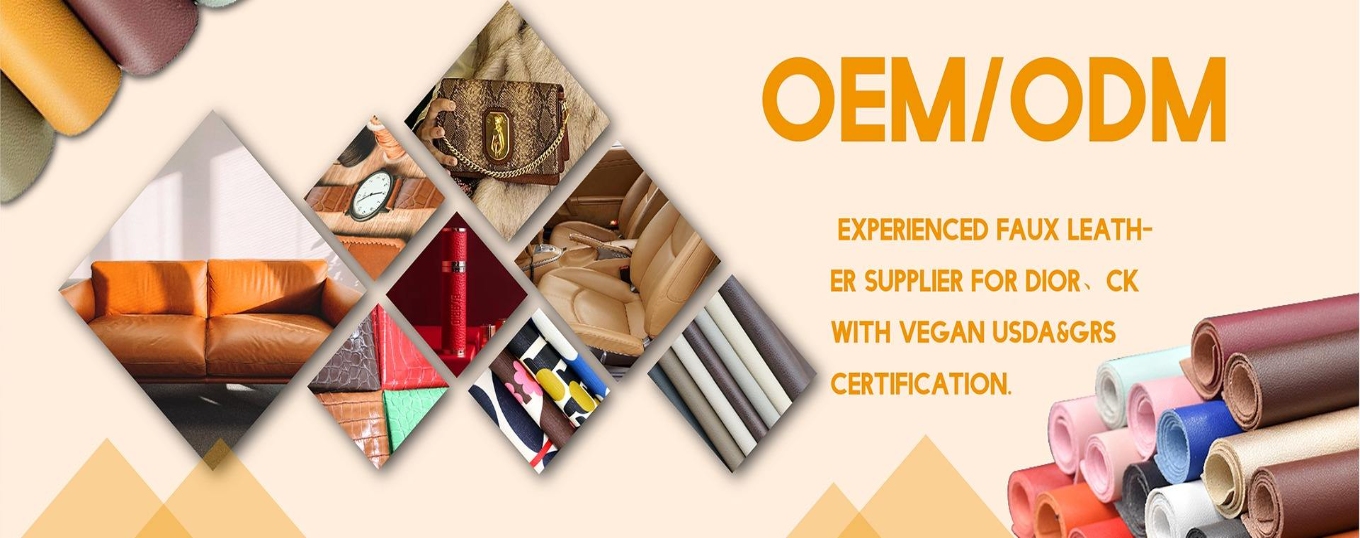
PRODUCTS
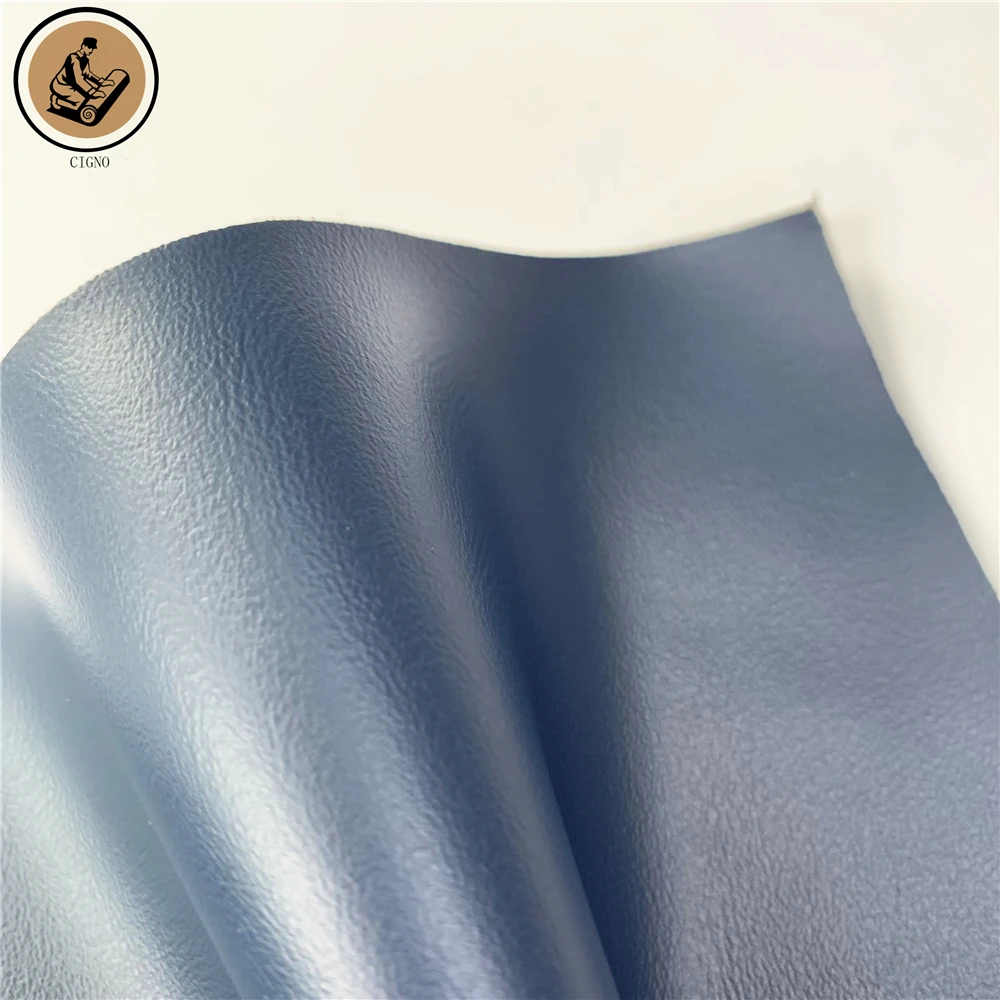
High Quality Eco-Friendly 1.2mm PU Synthetic Leather Furniture Upholstery Solvent-Free Skin-Feel for Sofa Car Seat Chair Bag Use
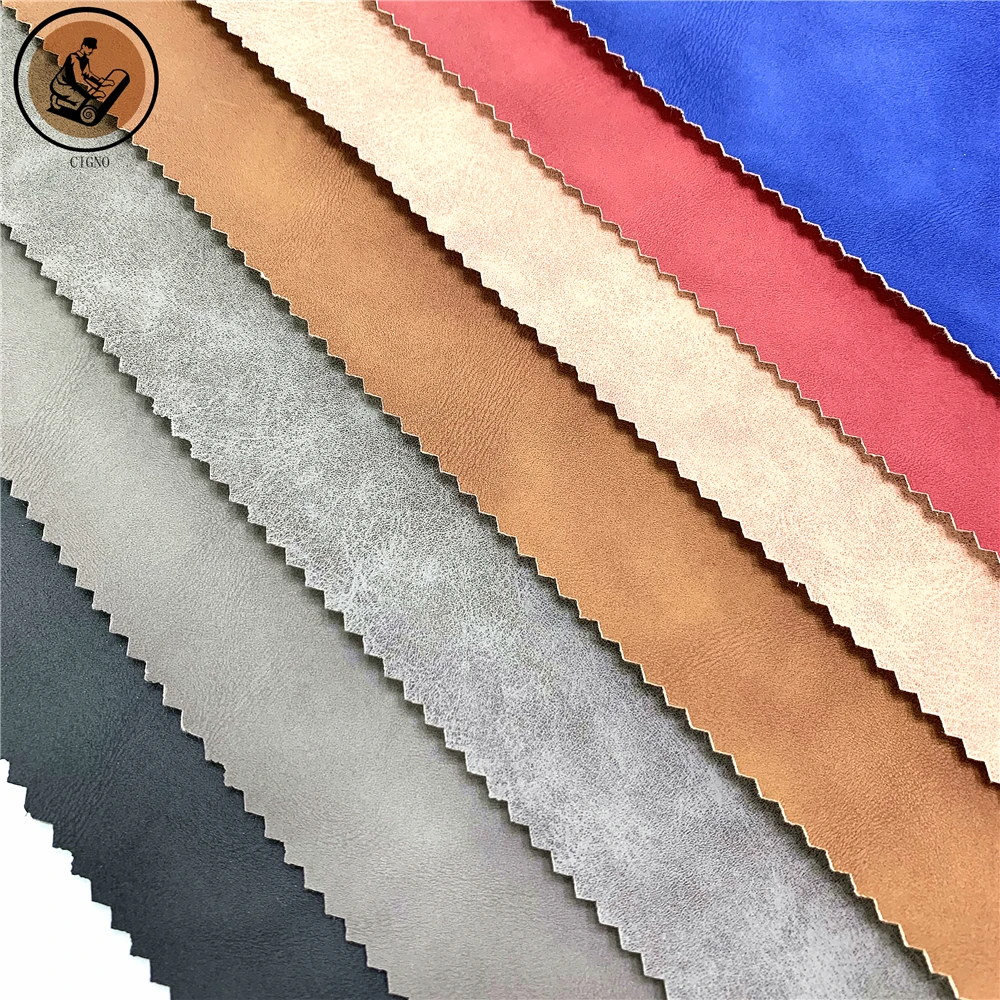
Free Samples of Embossed PU Synthetic Leather Bags Shoes Sofa Furniture Garments Car Decorative Uses-Waterproof Stretch Features
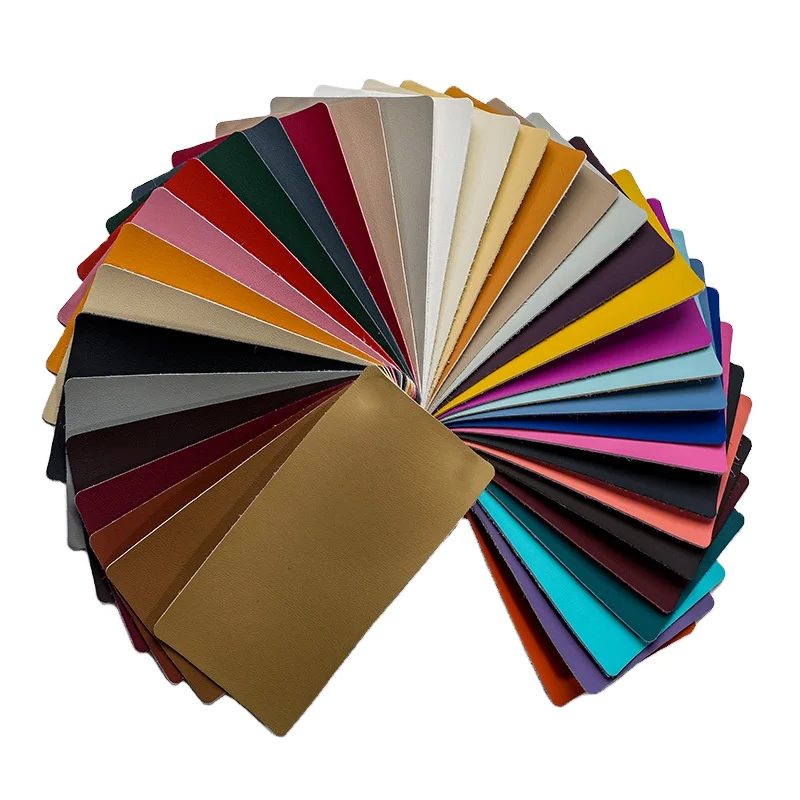
Pvc Vinyl Leather Rexine Leather Faux for Cars/Motorcycles, Waterproof Embossed Recycling Leatherette for Automotive Leather
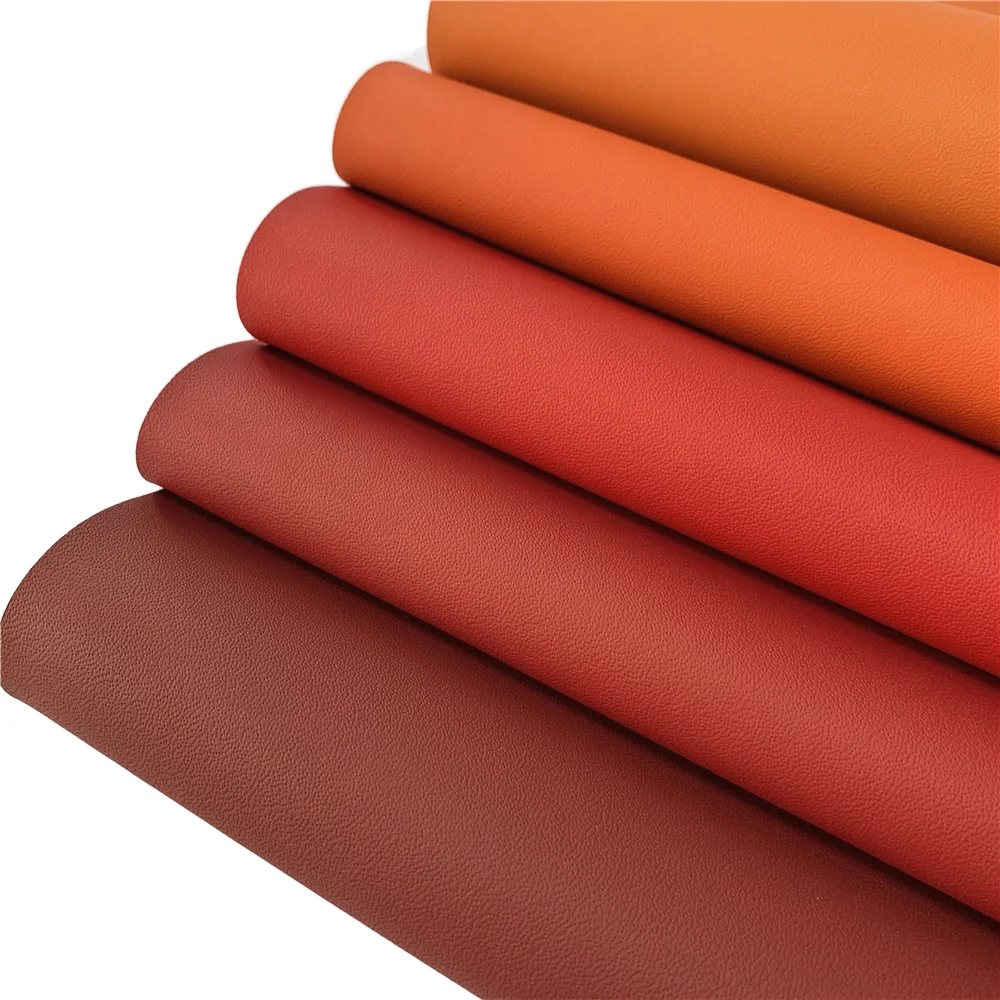
Hydrolysis Resistant Waterproof PU Microfiber Suede Leather Fabric Furniture Car Seat Covers Automotive Upholstery Bags Sofas
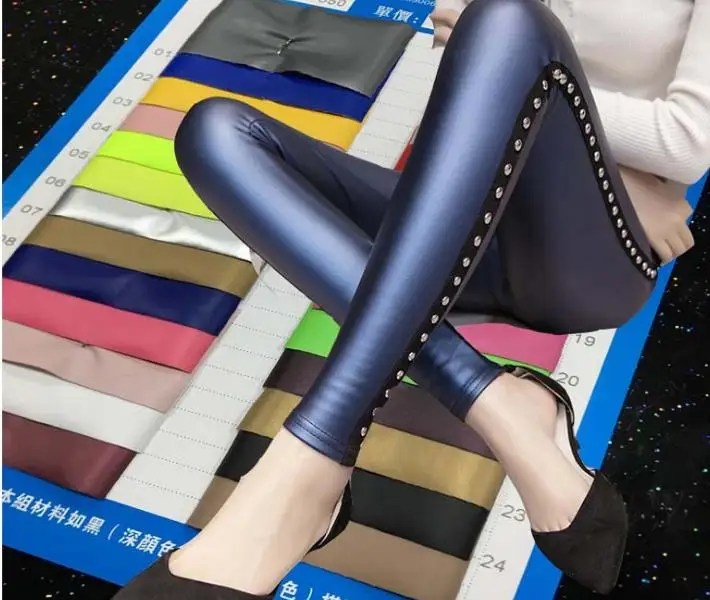
Ultra-Bright Black Mirror Four-Sided Stretch PU Fabric Pants Dresses Solid Color Soft Waterproof Clothing Elastic Finished
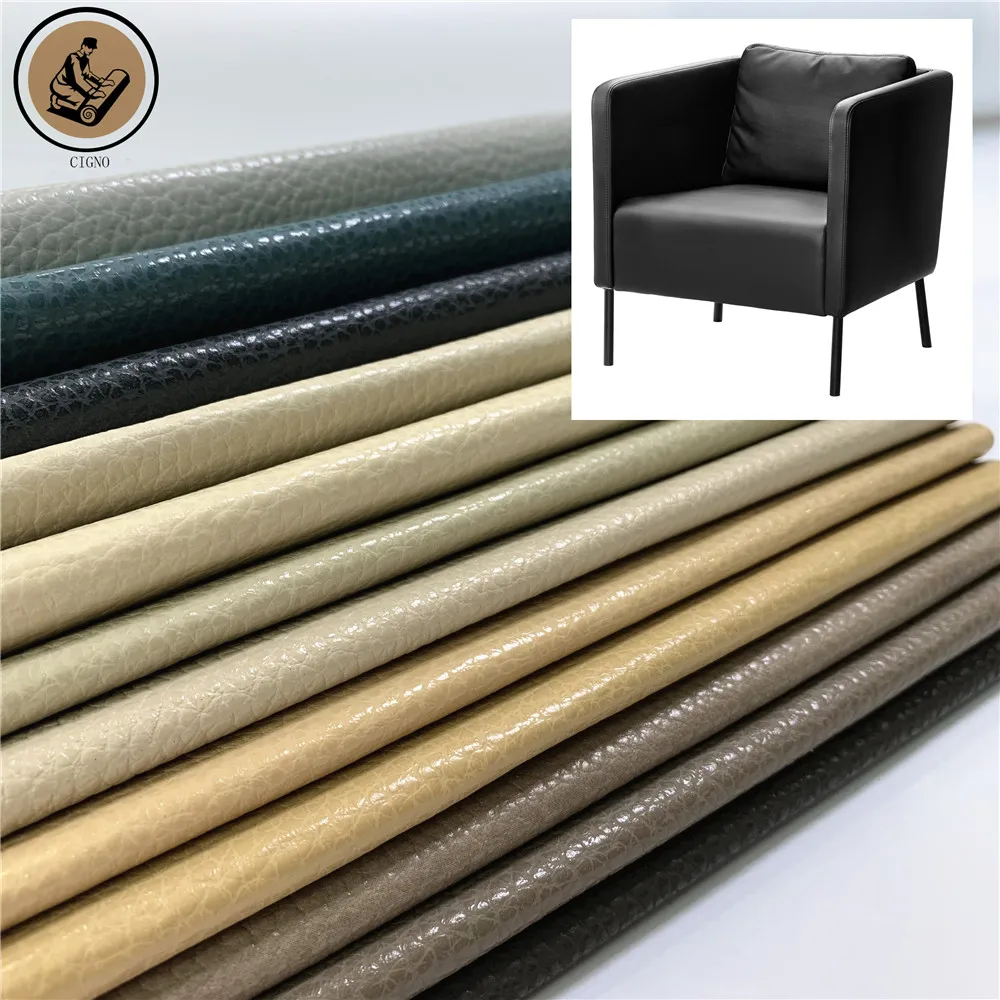
Litchi Lychee Grain 1.2mm PU Microfiber Leather Eco-Friendly Synthetic Leather Sofa Car Seat Handbags-Pearly-Lustre Recycled
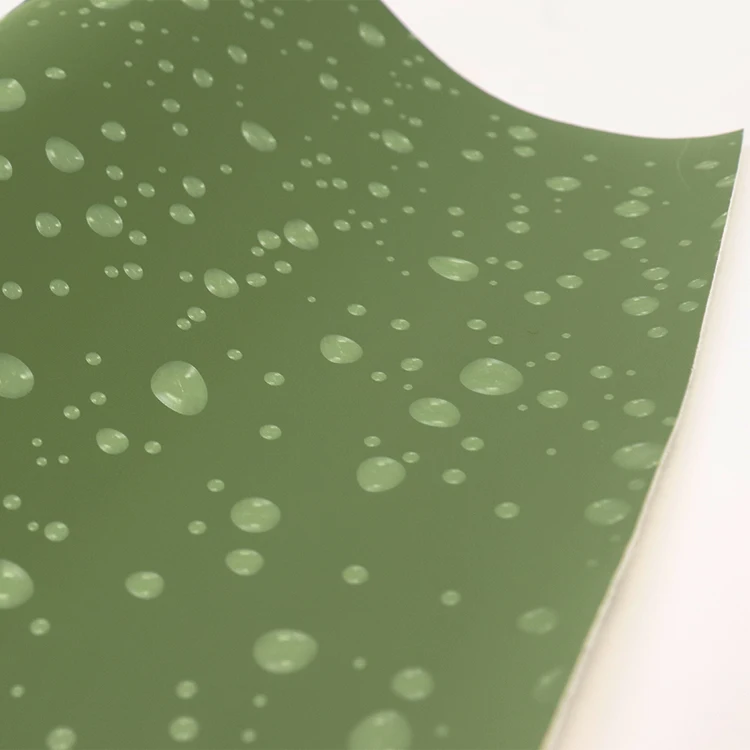
Custom Designer Faux Leather Fabric PVC Synthetic Leather Waterproof Sofa Bag Furniture Chair Woven Backing-Price Per Meter
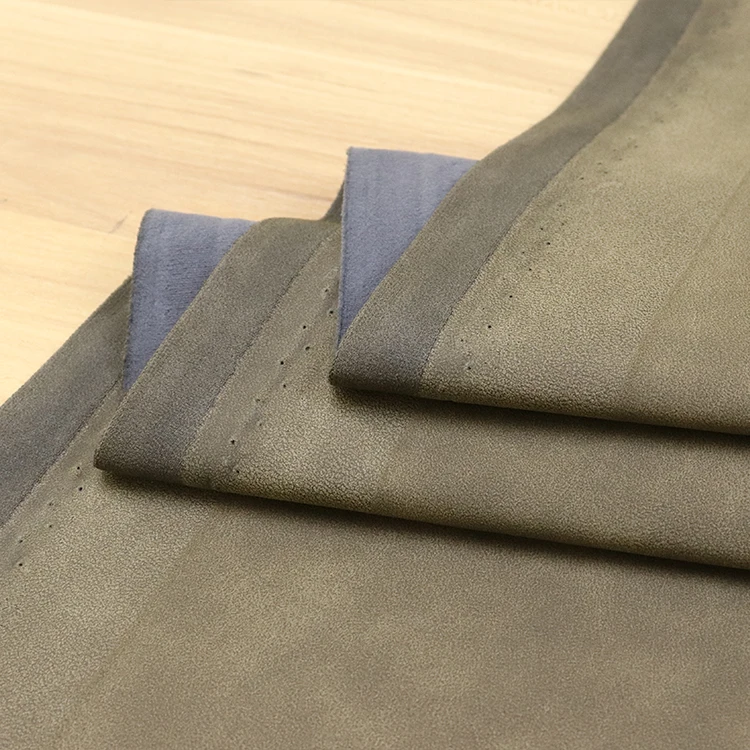
PU Suede Leather Nubuck Artificial Leather Materi for Shoe Make
How can I negotiate synthetic leather pricing without sacrificing thickness or surface quality?
Negotiating synthetic leather pricing while preserving thickness and surface quality requires leveraging volume commitments, optimizing substrate choices, and selecting standardized grain patterns. Buyers reduce unit costs by standardizing backing fabrics, negotiating base polymer formulations without altering topcoat specifications, and aligning order quantities with factory production runs to minimize setup surcharges.
Core Solutions & Key Takeaways
- Substrate Optimization: Standardize base non-woven or microfiber backing fabrics to lower material overhead while keeping specified surface thickness (0.8–1.4 mm) intact.
- Volume Scaling & MOQ Alignment: Consolidate colorways to meet minimum order requirements (1000 meters per color) and leverage high monthly plant output for tiered pricing discounts.
- Texture & Coating Selection: Select existing factory embossing rollers instead of custom molds to eliminate tooling fees while retaining premium tactile aesthetics.
- Performance Specificity: Request targeted functional treatments—such as flame retardancy, UV resistance, or hydrolysis resistance—only for specific end-use application scenarios like automotive seats or furniture upholstery.
Detailed Architectural/Principle Analysis
Cost negotiations for synthetic materials require an understanding of how raw material inputs, backing substrates, and surface finishing processes drive unit pricing. Sourcing engineers working with synthetic leather manufacturers like Dongguan Cigno Leather Co., Ltd. achieve price reductions by strategically adjusting hidden cost variables rather than compromising physical attributes like total thickness, tensile strength, or surface abrasion resistance.
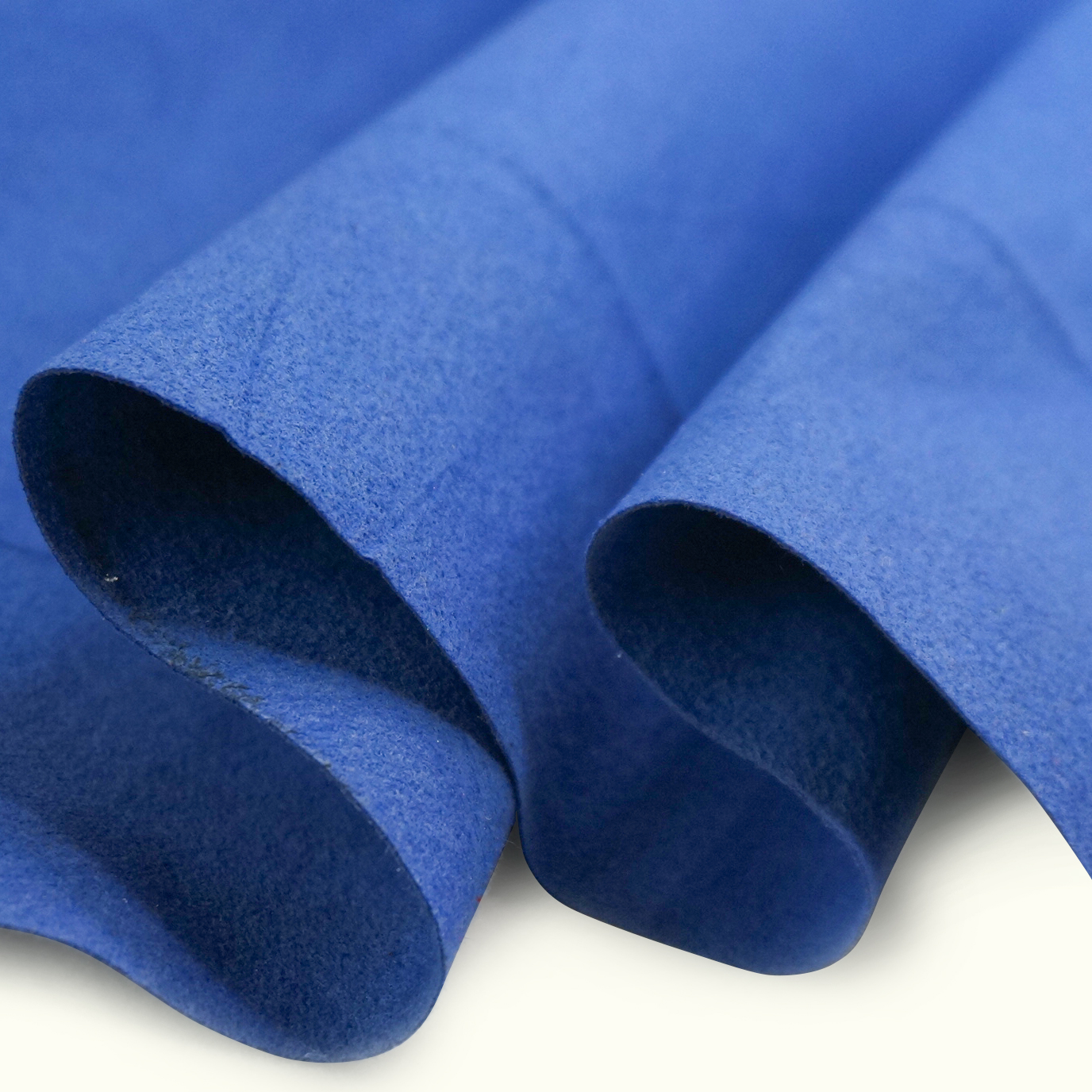
Substrate composition represents up to 50% of total material production expenditure. Microfiber synthetic leather, PU leather, and PVC leather depend on underlying matrix structures for tearing strength and flexibility. Buyers can negotiate lower rates by accepting standard woven or knitted backing variations while preserving the top surface poly-compound layer and overall width (54/55 inches). This preserves the natural leather appearance, scratch resistance, and soft hand feel required for premium automotive interior panels, door headrests, and armrests without altering physical thickness.
Manufacturing efficiency dictates unit economics. In a recent supply engagement, an automotive interior manufacturer in Mexico procured 50,000 meters of customized synthetic leather for seat covers, door panels, and headrests. The buyer specified strict requirements for low odor, flame retardancy, UV resistance, and abrasion resistance. By consolidating color variations and maintaining standard grain structures, the project achieved target cost parameters without compromising technical specifications or delivery schedules.
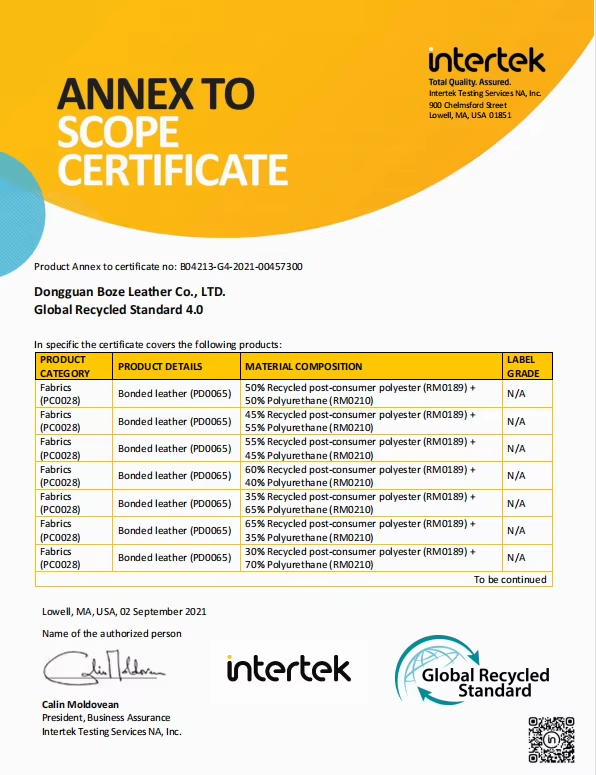
Compliance and certification standards also impact baseline pricing structures. Verified credentials such as GRS (Global Recycled Standard), USDA bio-based certifications, and Oeko-Tex 100 confirm environmental safety and raw material integrity. Procurement teams negotiate optimal terms by accepting standard certified resin formulations that factories run continuously, avoiding batch-specific chemical customization fees while obtaining complete lab test reports for REACH, RoHS, and anti-bacterial properties.
Data/Solution Comparison
The following table outlines procurement strategies for cost optimization alongside their impact on material physical properties and surface aesthetics.
| Negotiation Strategy | Cost Impact | Thickness Retention | Surface Quality Impact | Implementation Requirements |
|---|---|---|---|---|
| Backing Fabric Standardization | High Savings (8–15%) | Unchanged (0.8–1.4 mm maintained) | No impact on topcoat appearance | Select standard knitted or non-woven backings |
| Standard Roller Grain Selection | Medium Savings (5–10%) | Unchanged | Uses existing premium grain molds | Waive custom mold opening requests |
| Colorway Order Consolidation | Medium Savings (6–12%) | Unchanged | Consistent color matching across runs | Meet or exceed 1000 meters per color MOQ |
| Targeted Functional Coating | Low-Medium Savings (3–7%) | Unchanged | Maintains core scratch & UV resistance | Specify treatments based strictly on application environment |
Frequently Asked Questions (FAQ)
Does reducing synthetic leather price always mean accepting thinner material?
No. Thickness (ranging from 0.8 to 1.4 mm) can be fully preserved by adjusting backing fiber density, standardizing base polymers, or consolidating order volumes to reduce factory setup overhead.
How do minimum order quantities (MOQ) affect unit pricing negotiations?
Meeting or exceeding batch production thresholds (such as 1000 meters per color) reduces machine downtime and raw material scrap during color changeovers, allowing suppliers to offer lower per-meter pricing.
Can eco-friendly certifications be maintained when negotiating lower material costs?
Yes. Utilizing standard eco-certified formulations—such as GRS, USDA, or Oeko-Tex 100 compliant resins—avoids specialized R&D surcharges while preserving full regulatory and environmental compliance.
Final Conclusion & Recommendations
Effective price negotiation for synthetic leather balances structural integrity, aesthetic appearance, and manufacturing efficiency. Buyers achieve cost targets by standardizing backing fabrics, utilizing existing tooling patterns, and committing to structured production volumes. Standard delivery lead times range between 20 to 30 days after sample approval, with payment terms such as T/T bank transfer, L/C, and Alibaba Trade Assurance providing secure procurement frameworks. For detailed technical solutions or support, please reach out to us via vicky@bozeleather.com.
About Us
Dongguan Cigno Leather Co., Ltd. is a synthetic leather manufacturer established in 2007, operating a 100,000 square meter facility with an export ratio of 60%. The company specializes in eco-friendly and multifunctional materials, maintaining an active R&D program backed by over 30 national invention patents. Holding international credentials including GRS, USDA, and Oeko-Tex 100 certifications, the firm supplies automotive interior and furniture upholstery clients across global markets. 
SUBSCRIBE
INQUIRY