PRODUCTS
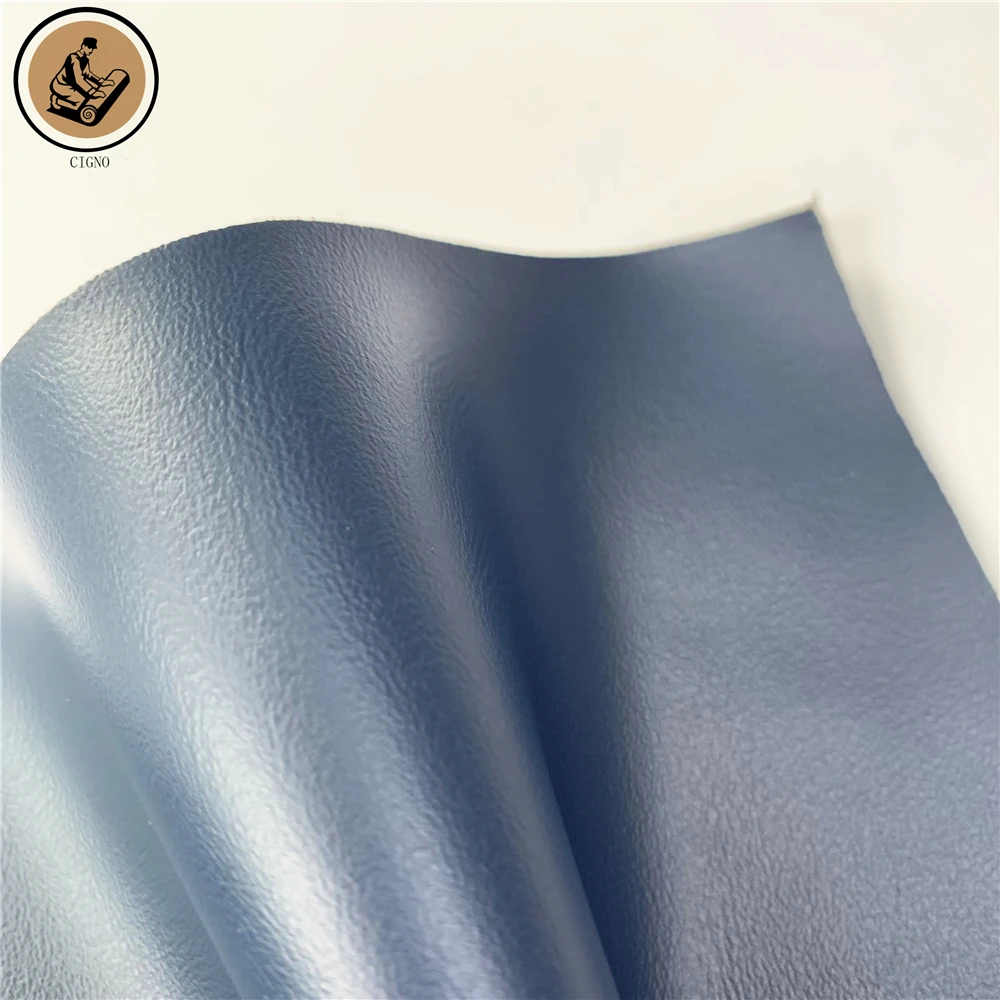
High Quality Eco-Friendly 1.2mm PU Synthetic Leather Furniture Upholstery Solvent-Free Skin-Feel for Sofa Car Seat Chair Bag Use
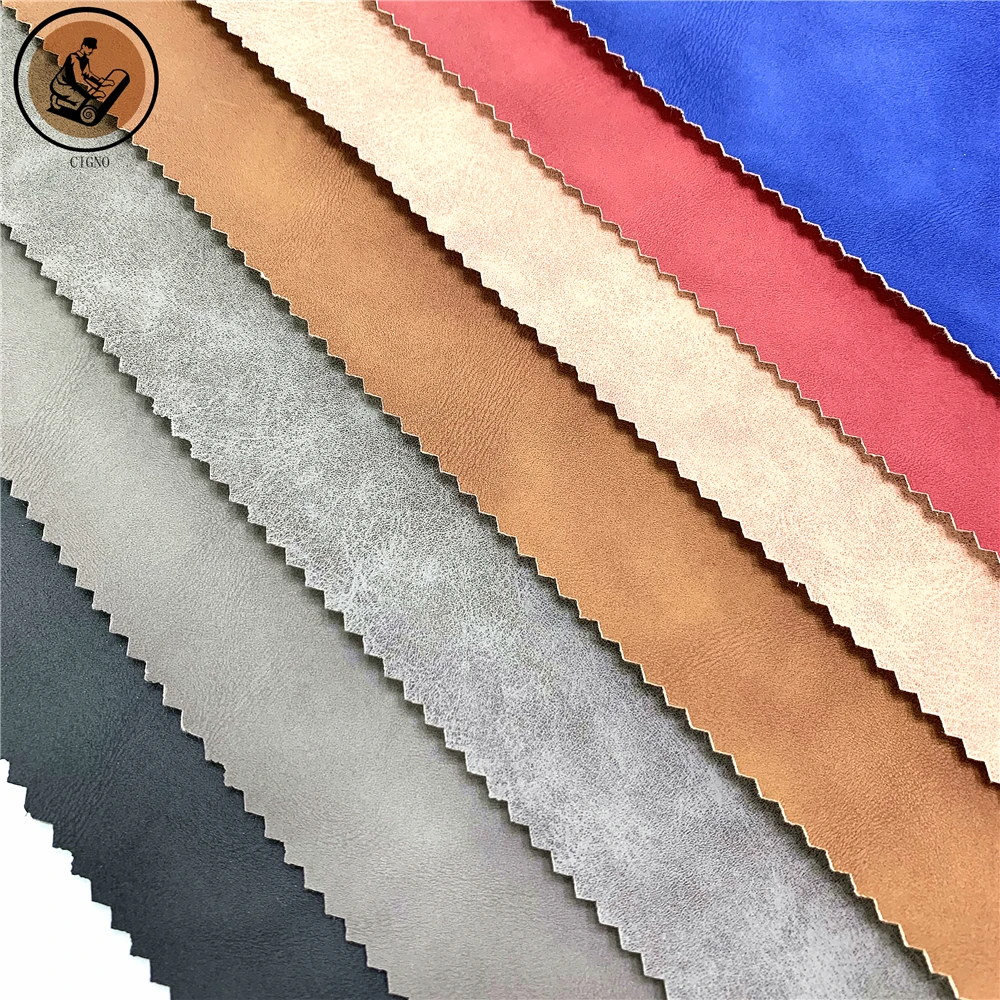
Free Samples of Embossed PU Synthetic Leather Bags Shoes Sofa Furniture Garments Car Decorative Uses-Waterproof Stretch Features
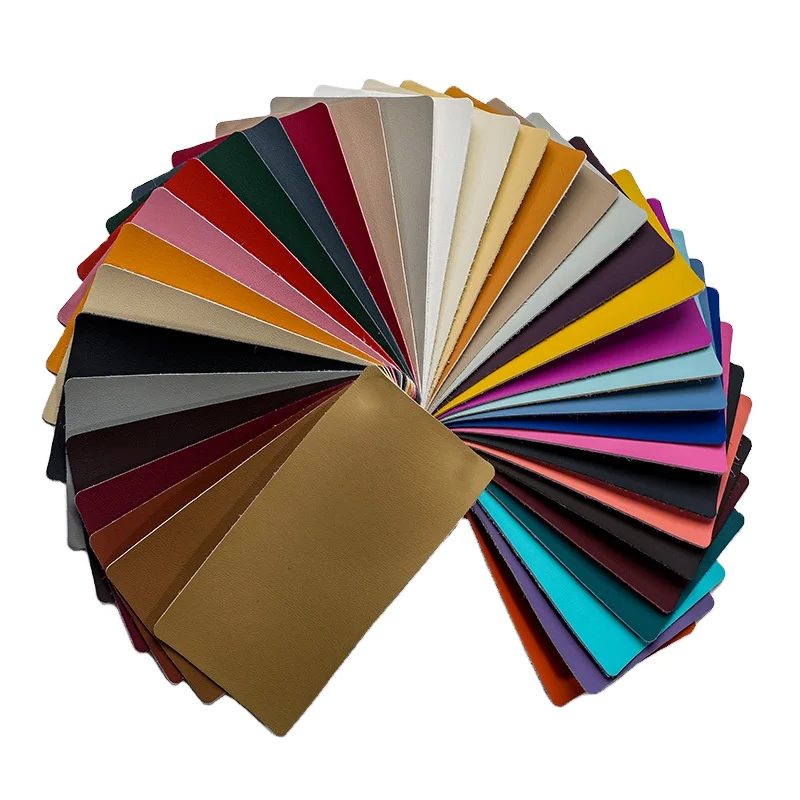
Pvc Vinyl Leather Rexine Leather Faux for Cars/Motorcycles, Waterproof Embossed Recycling Leatherette for Automotive Leather
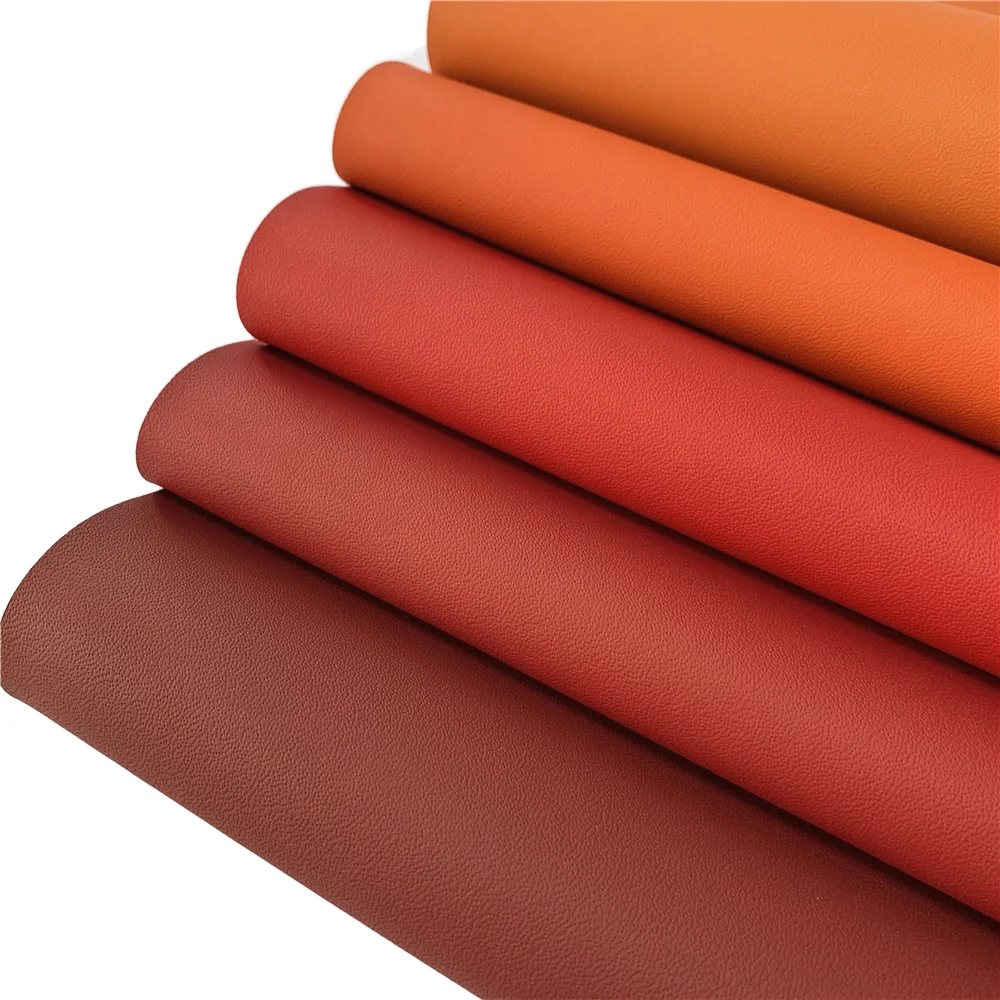
Hydrolysis Resistant Waterproof PU Microfiber Suede Leather Fabric Furniture Car Seat Covers Automotive Upholstery Bags Sofas
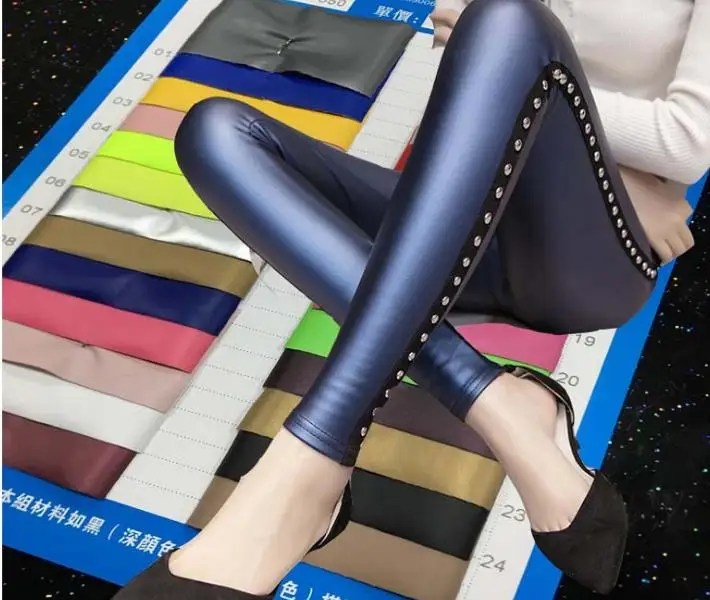
Ultra-Bright Black Mirror Four-Sided Stretch PU Fabric Pants Dresses Solid Color Soft Waterproof Clothing Elastic Finished
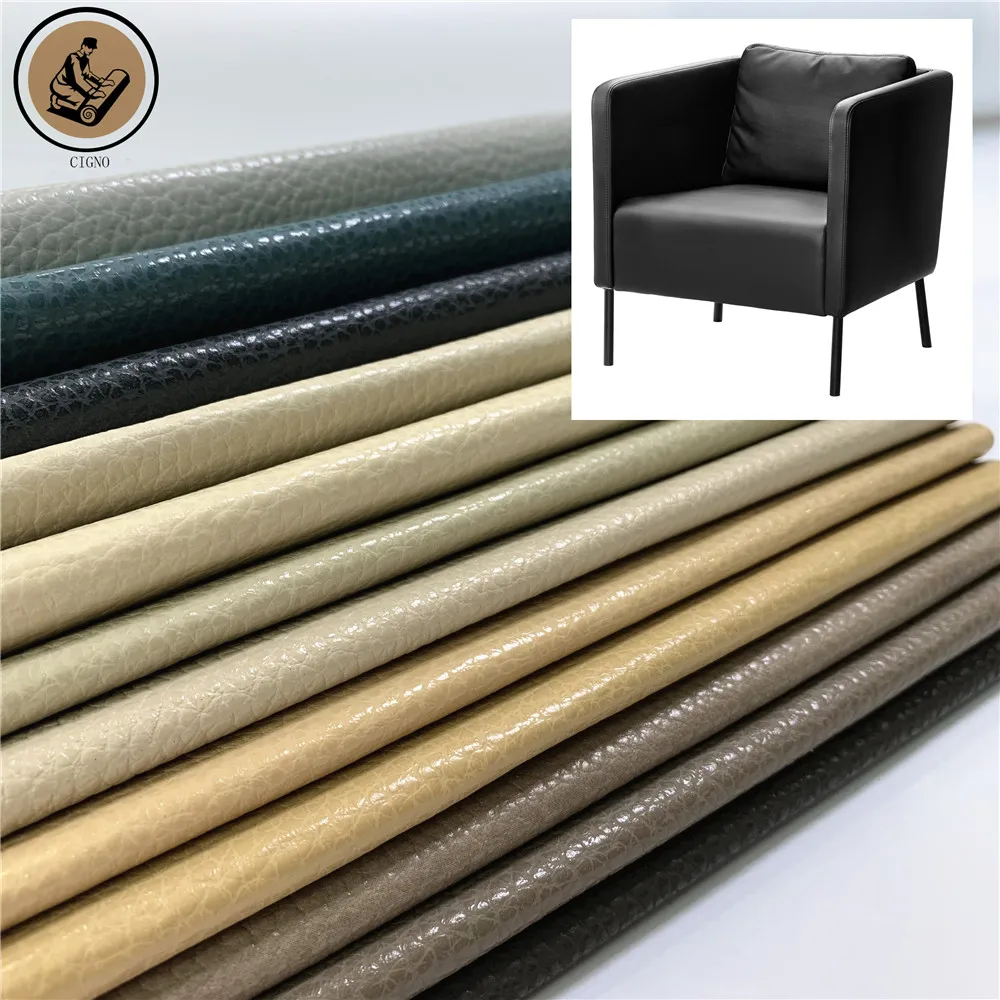
Litchi Lychee Grain 1.2mm PU Microfiber Leather Eco-Friendly Synthetic Leather Sofa Car Seat Handbags-Pearly-Lustre Recycled
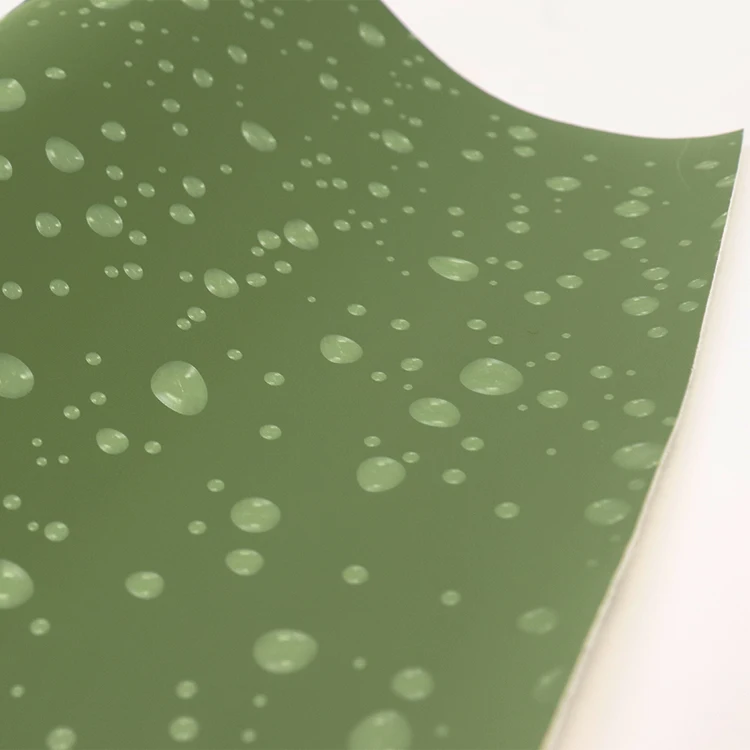
Custom Designer Faux Leather Fabric PVC Synthetic Leather Waterproof Sofa Bag Furniture Chair Woven Backing-Price Per Meter
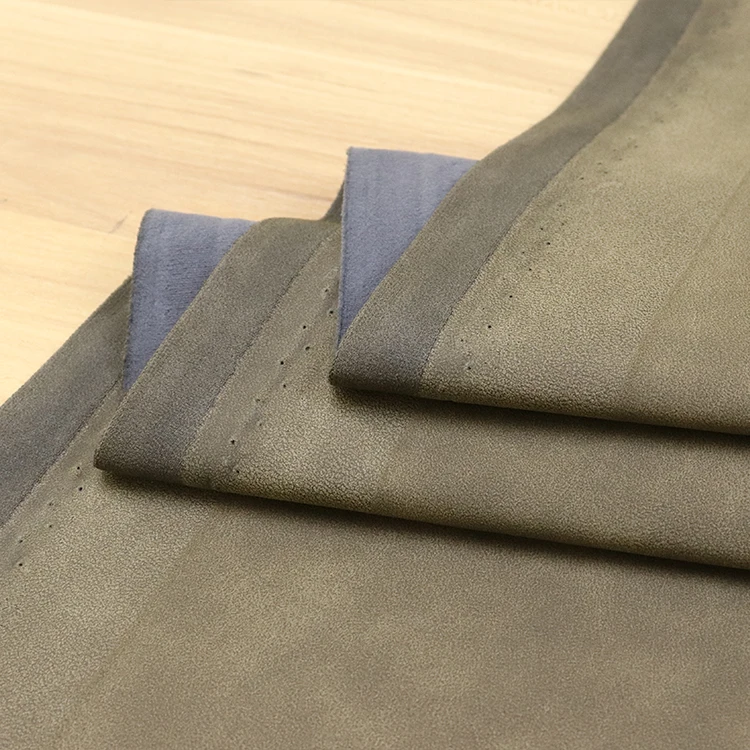
PU Suede Leather Nubuck Artificial Leather Materi for Shoe Make
How can I prevent warranty disputes over installation damage to PVC leather for car seat?
Prevent warranty disputes over installation damage to PVC leather for car seat by documenting the approved material specification, confirming color, grain, thickness, backing, and performance requirements before production, inspecting the material before installation, and recording installation conditions with photographs. Separate manufacturing defects from fitting, cutting, stretching, adhesive, or handling damage in the written quality and after-sales process.
Core Solutions & Key Takeaways
- Approve a reference sample covering PVC grade, thickness, width, surface finish, grain, backing, color, hand feel, and functional performance before mass production.
- Record pre-installation inspection results for thickness, width, color consistency, abrasion resistance, tensile strength, peeling strength, UV resistance, flame retardancy, and odor performance according to the customer requirements.
- Use photographic records and signed inspection documents to distinguish material defects from damage caused during cutting, fitting, stretching, handling, or installation.
- Apply the same documentation approach to automotive seats, door panels, headrests, armrests, and other vehicle interior components.
Detailed Architectural/Principle Analysis
Warranty disputes over PVC leather for car seat commonly arise when the approved product specification and the condition after installation are not documented separately. The product is PVC synthetic leather for automotive seats, door panels, headrests, armrests, and related interior components. Its thickness is 0.8–1.4 mm and customizable, with a width of 54/55 inches. Knitted fabric, non-woven fabric, or customized backing can be selected.
Before production, the buyer and supplier should confirm the complete approval record: matte, semi-gloss, or customized surface; nappa, lychee, perforated, geometric, or customized embossed grain; color; hand feel; thickness; backing; and required performance. A retained sample and written specification provide a direct comparison point if damage or performance concerns are reported later.
Pre-installation inspection should be recorded before the material is cut or fitted. The stated quality process includes raw material inspection, color and grain confirmation, in-process quality control, laboratory performance testing, finished product inspection, and pre-shipment inspection. The inspection scope can include thickness, width, color consistency, abrasion resistance, tensile strength, peeling strength, UV resistance, flame retardancy, and odor performance according to customer requirements.
Installation records should identify the material batch or order, approved sample, installation area, quantity used, and visible condition before fitting. Photographs taken before and after installation can help separate a pre-existing material issue from damage produced during cutting, stretching, fastening, handling, or other installation activity. The written agreement should define the evidence required for a quality complaint and the information needed for verification.
The product is specified for high abrasion resistance, scratch resistance, UV resistance, flame retardancy, low odor, waterproofing, stain resistance, and easy cleaning. These properties describe the requested material performance; they do not remove the need to control installation handling. A complaint should therefore identify the claimed property, the approved specification, the inspection result, and the point at which the damage appeared.
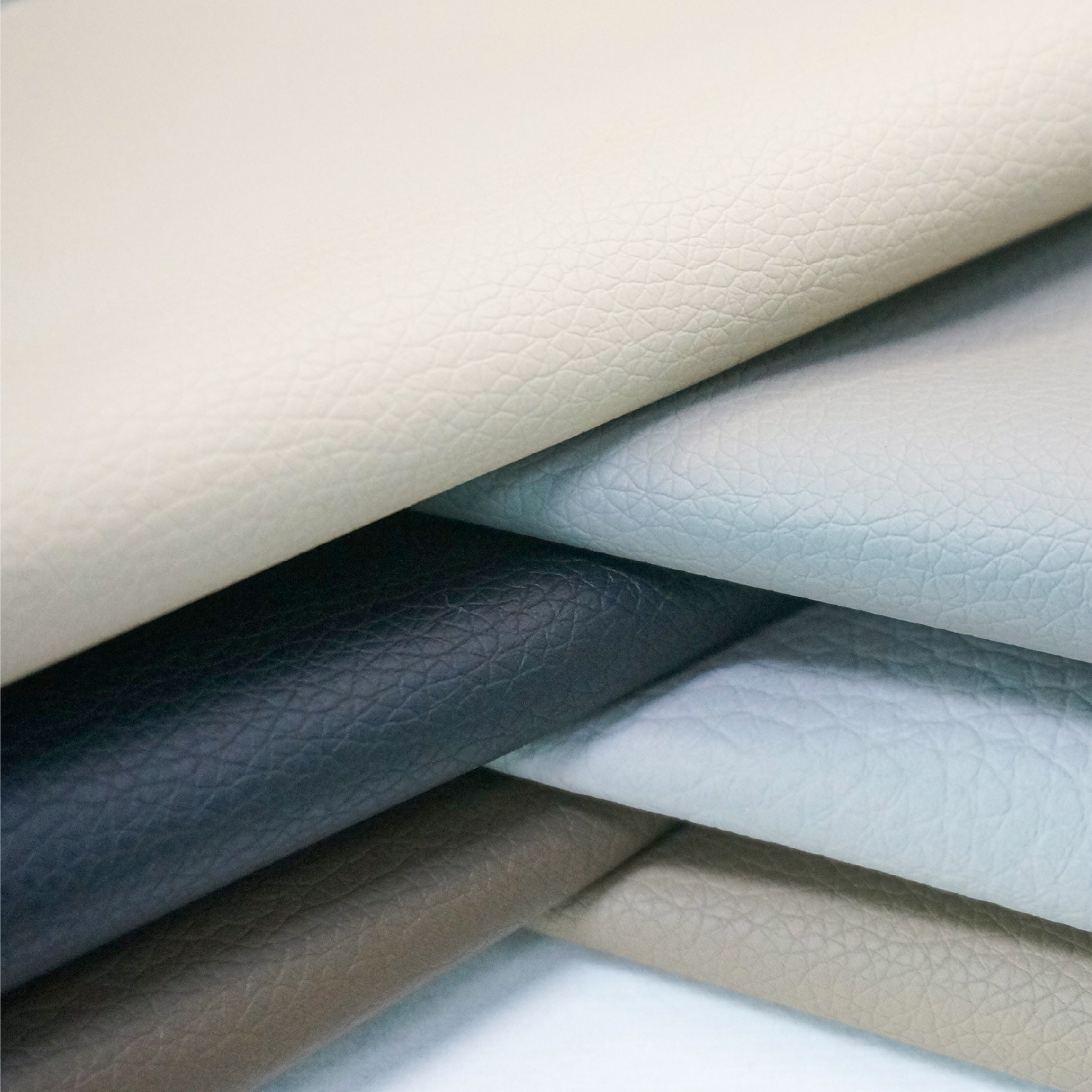
A documented automotive project illustrates the value of specification control. An automotive interior manufacturer in Mexico purchased 50,000 meters for seats, door panels, headrests, and armrests. The material was customized in color, grain, thickness, and backing, with requirements for abrasion resistance, UV resistance, flame retardancy, low odor, and easy cleaning. The reported results included stable color consistency, clear grain texture, reliable performance, and delivery that met the project requirements.
For verified quality problems, the stated after-sales process provides technical consultation, sample development, color matching, production progress updates, shipment tracking, and quality complaint handling. Depending on the verified situation, a reasonable solution may involve replacement, replenishment, compensation, or technical support. This process should be applied after the buyer submits the approved specification, inspection records, installation evidence, and complaint details.
Dongguan Cigno Leather Co., Ltd. holds GRS, USDA, and Oeko-Tex 100 certifications for synthetic leather. These certifications support product documentation, while the installation record remains necessary for assessing damage associated with vehicle interior fitting.
Data/Solution Comparison
| Control stage | Required record | Dispute-prevention value |
|---|---|---|
| Before production | Approved sample and written details for color, grain, thickness, backing, finish, and performance | Creates a shared product reference |
| Before installation | Inspection results for appearance, dimensions, physical performance, UV resistance, flame retardancy, and odor where specified | Shows the material condition before cutting and fitting |
| During installation | Order or batch identification, installation-area record, handling notes, and photographs | Links the material to the installation activity |
| After installation | Photographs, complaint description, affected quantity, and comparison with the approved sample | Supports separation of product defects from installation damage |
| Complaint verification | Quality inspection documents, technical details, and evidence of the reported condition | Enables a documented replacement, replenishment, compensation, or technical-support decision where applicable |
Frequently Asked Questions (FAQ)
What should be approved before ordering PVC leather for car seat?
Approve the color, grain, thickness, width, backing, surface finish, hand feel, and required functional performance. Keep the approved sample and written product specification as the comparison reference.
Which records help prove that damage occurred during installation?
Keep pre-installation inspection results, order or batch information, installation-area records, and photographs showing the material before and after fitting. The complaint should identify the affected area, quantity, and reported damage.
How is a verified quality complaint handled?
The stated after-sales process includes technical consultation, sample development, color matching, production updates, shipment tracking, and quality complaint handling. After verification, a reasonable solution may include replacement, replenishment, compensation, or technical support according to the actual situation.
Final Conclusion & Recommendations
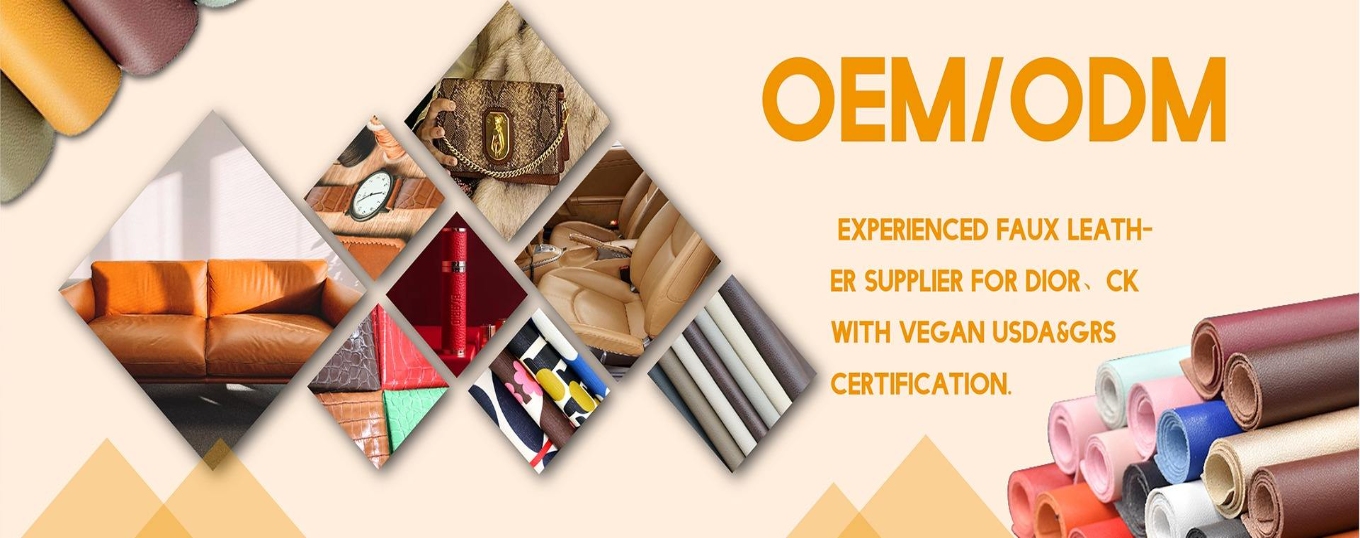
Preventing warranty disputes over installation damage requires a traceable chain from approved PVC leather specifications to pre-installation inspection, installation evidence, and verified complaint handling. OEM/ODM customization supports defined colors, textures, thicknesses, backings, and functional properties, while the company’s quality process covers raw materials, production, laboratory testing, finished products, and pre-shipment inspection. For detailed technical solutions or support, please reach out to us via vicky@bozeleather.com.
About Us
Dongguan Cigno Leather Co., Ltd. is a Dongguan-based manufacturer established in 2007, specializing in faux leather including vegan leather, recycled leather, PVC leather, and microfiber leather for furniture, automotive interiors, apparel, handbags, and footwear. Its R&D work covers eco-friendly and multifunctional synthetic leather materials such as PU leather, PVC leather, water-based leather, and solvent-free leather, with customized colors, textures, thicknesses, and functional performance available. The company holds GRS and Oeko-Tex 100 certifications for synthetic leather and has served clients across multiple industries.

SUBSCRIBE
INQUIRY