
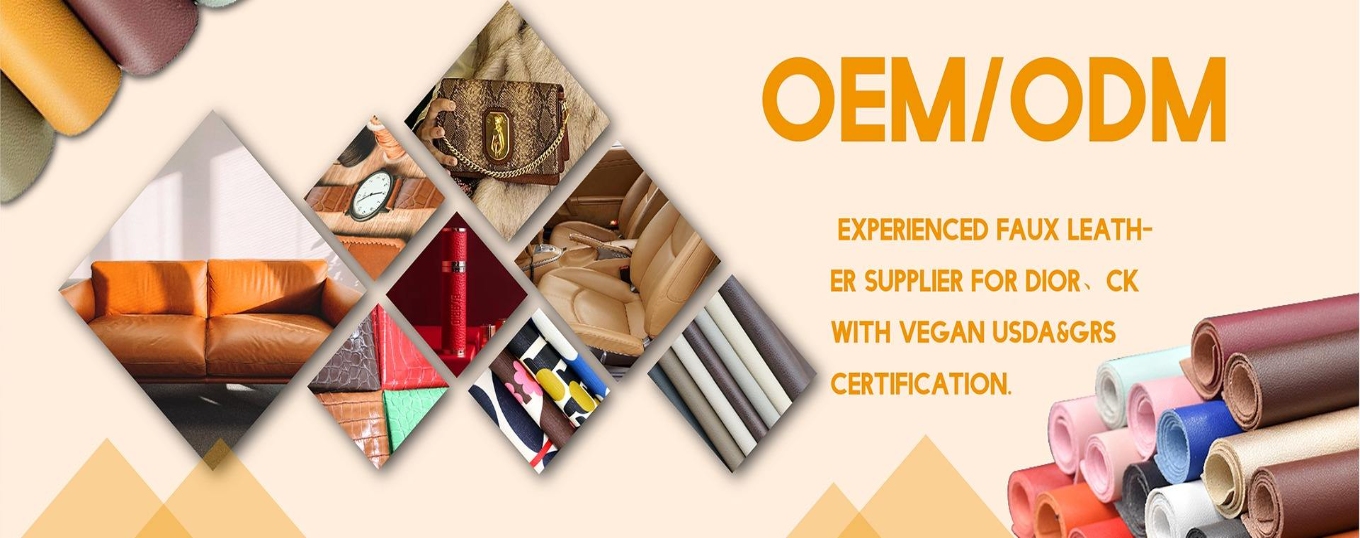
PRODUCTS
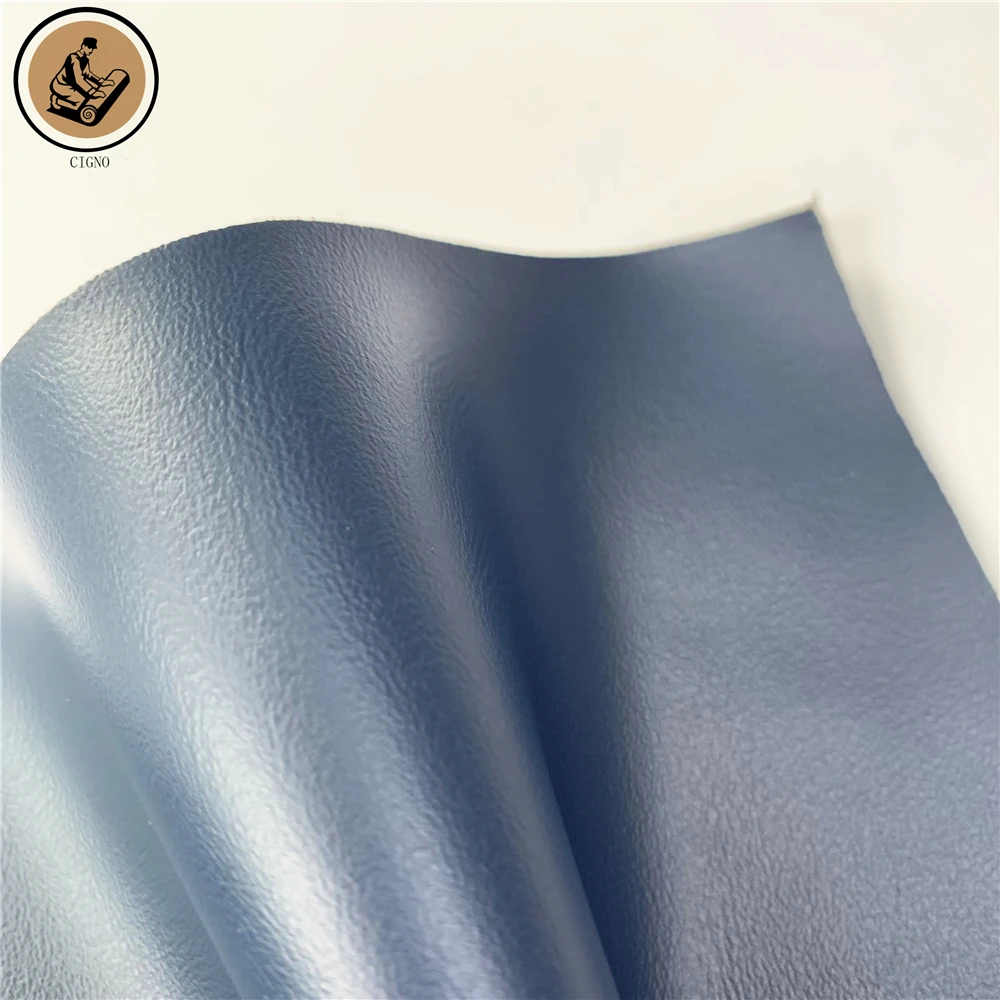
High Quality Eco-Friendly 1.2mm PU Synthetic Leather Furniture Upholstery Solvent-Free Skin-Feel for Sofa Car Seat Chair Bag Use
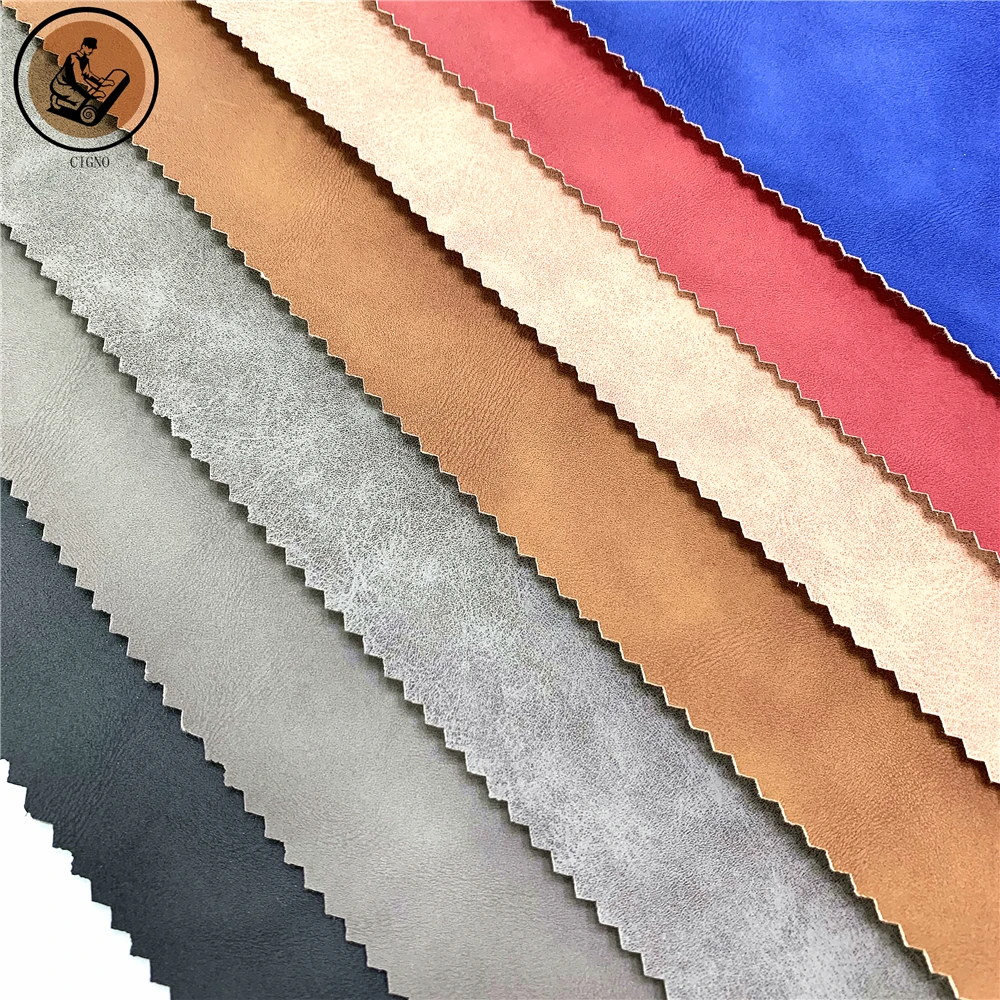
Free Samples of Embossed PU Synthetic Leather Bags Shoes Sofa Furniture Garments Car Decorative Uses-Waterproof Stretch Features
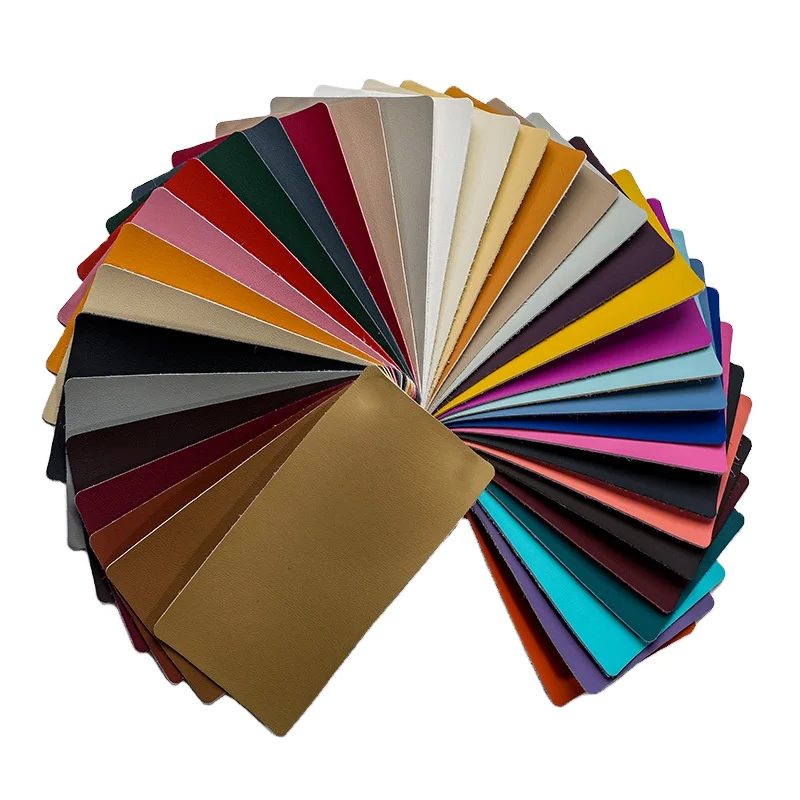
Pvc Vinyl Leather Rexine Leather Faux for Cars/Motorcycles, Waterproof Embossed Recycling Leatherette for Automotive Leather
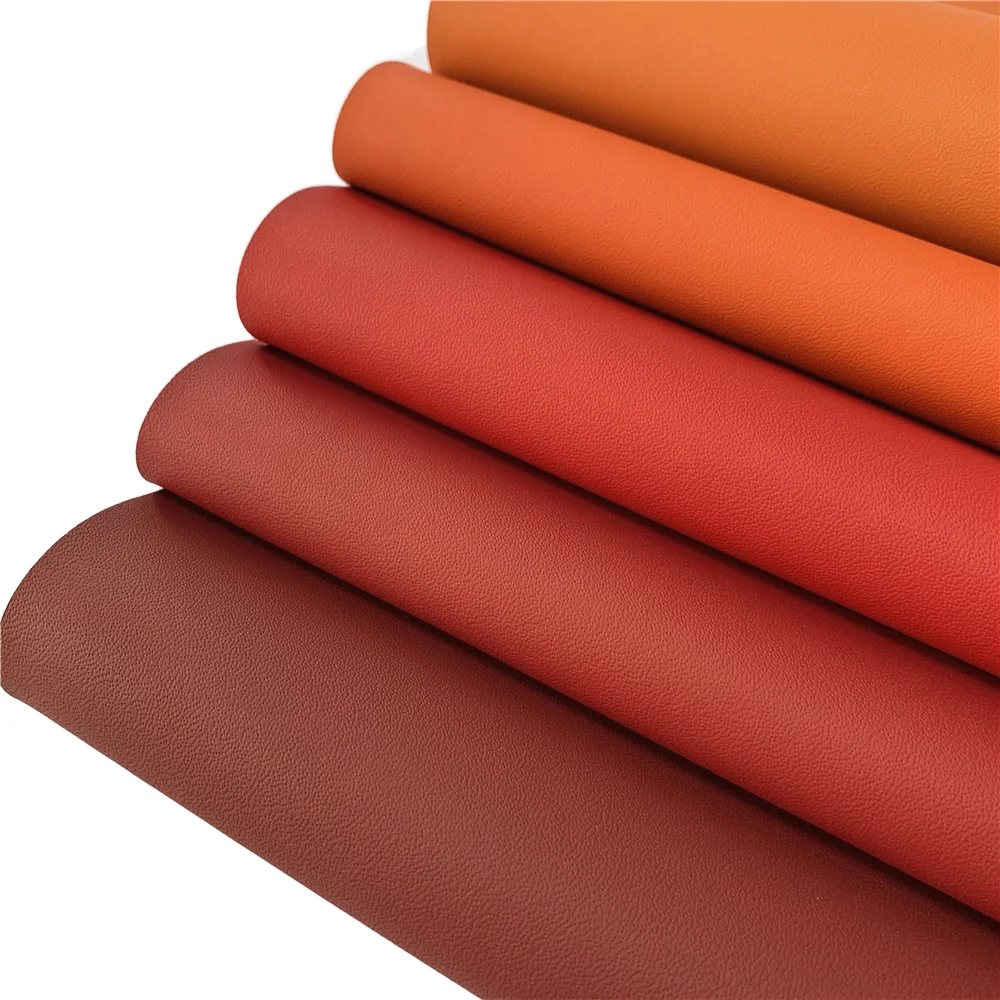
Hydrolysis Resistant Waterproof PU Microfiber Suede Leather Fabric Furniture Car Seat Covers Automotive Upholstery Bags Sofas
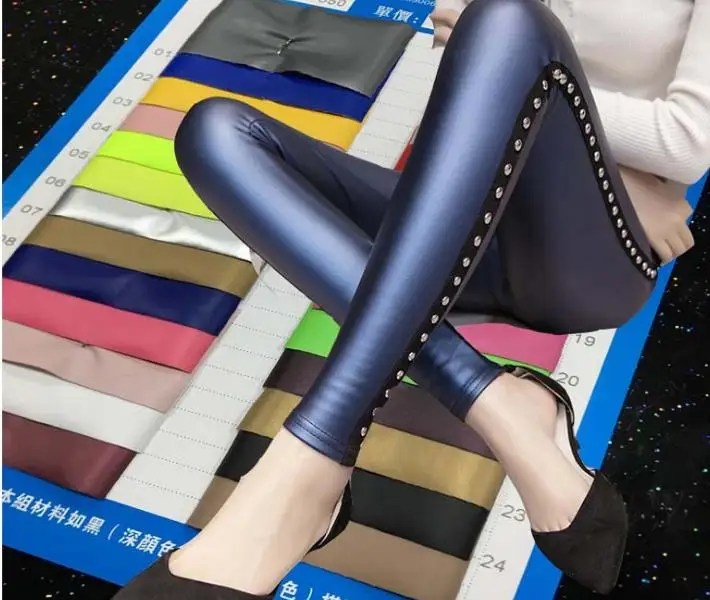
Ultra-Bright Black Mirror Four-Sided Stretch PU Fabric Pants Dresses Solid Color Soft Waterproof Clothing Elastic Finished
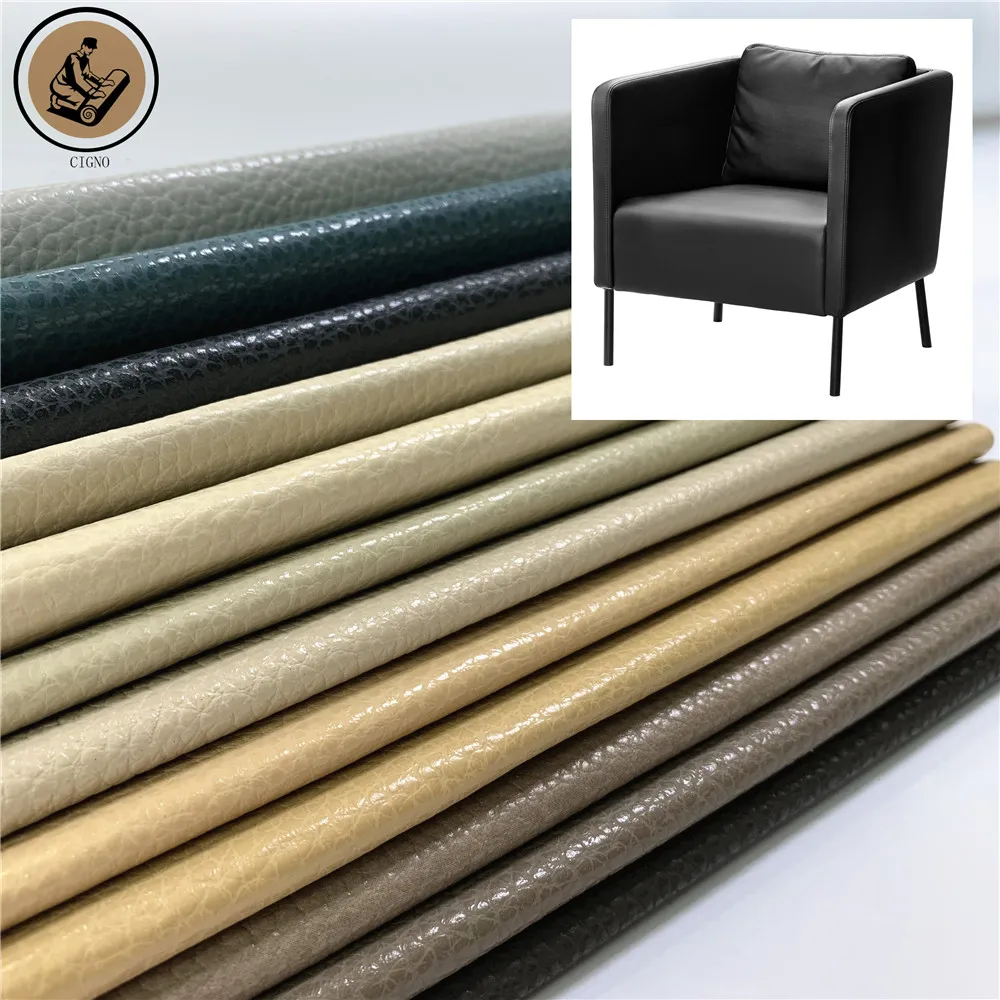
Litchi Lychee Grain 1.2mm PU Microfiber Leather Eco-Friendly Synthetic Leather Sofa Car Seat Handbags-Pearly-Lustre Recycled
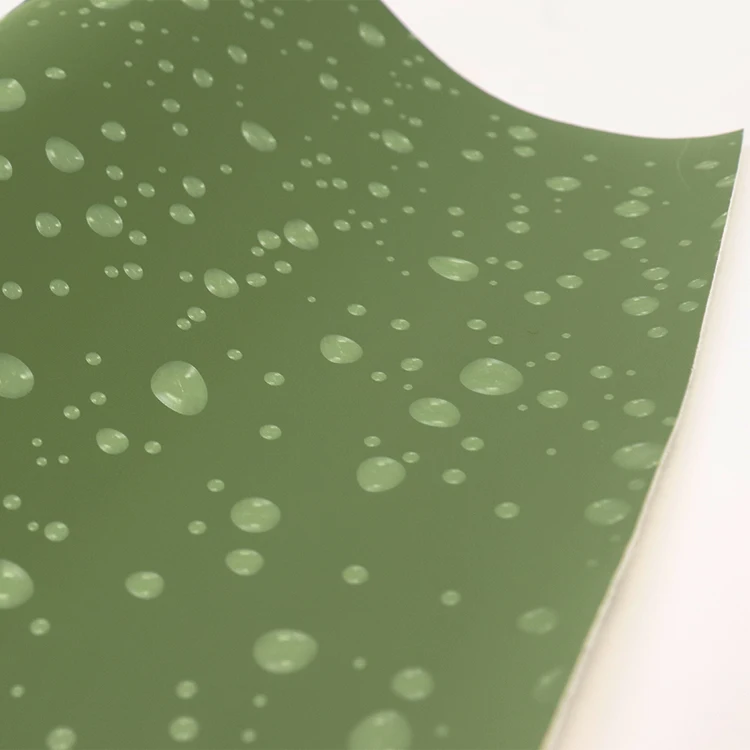
Custom Designer Faux Leather Fabric PVC Synthetic Leather Waterproof Sofa Bag Furniture Chair Woven Backing-Price Per Meter
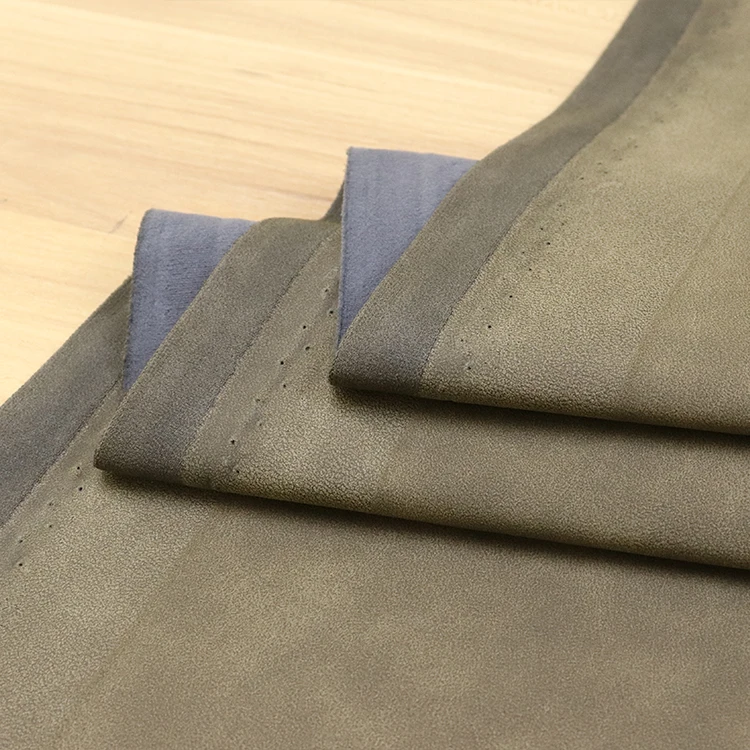
PU Suede Leather Nubuck Artificial Leather Materi for Shoe Make
How can I tell if a leather sofa set has genuine top-grain leather or just cheap PU?
Distinguishing genuine top-grain leather from polyurethane (PU) or PVC synthetics involves analyzing texture, backing, and physical response. Genuine top-grain leather displays irregular, natural grain patterns and has a fibrous suede-like backing. Conversely, cheap PU leather features highly uniform embossed patterns, a woven or knitted fabric backing, and a distinct chemical scent rather than an organic, earthy smell.
Core Solutions & Key Takeaways
- Examine the Backing: The most reliable way to identify synthetic PU is the backing material. While genuine leather features a rough, fibrous suede backing, synthetic PVC and PU leather for sofa set upholstery utilize structured knitted, woven, or non-woven fabric backings.
- Inspect Pore and Grain Patterns: Genuine animal skins exhibit natural, irregular pore distributions. PU leather relies on embossed rollers, resulting in highly repetitive, perfect grain patterns across the sofa surface.
- Evaluate Tactile and Thermal Properties: Genuine top-grain leather adapts to body temperature within seconds of contact. In contrast, standard PU feels cold, plasticky, and does not absorb or dissipate heat as naturally.
- Assess Chemical and Scent Profiles: Genuine leather has a distinct, rich organic smell. Low-quality PU synthetics emit a noticeable chemical or plastic odor stemming from the polyurethane top layer.
Detailed Architectural/Principle Analysis
Understanding the material structure explains why these differences exist. Genuine top-grain leather is derived from the outer layer of animal hide, retaining a complex network of natural collagen fibers that provide breathability and strength. Synthetic alternatives, including advanced polyurethane (PU) leather, are structured multi-layer materials. They consist of a textile support layer bonded with a polymer coating. Advanced manufacturers, such as Dongguan Cigno Leather Co., Ltd., engineer high-grade synthetic materials designed specifically to mimic the hand feel of natural leather while providing enhanced durability features.
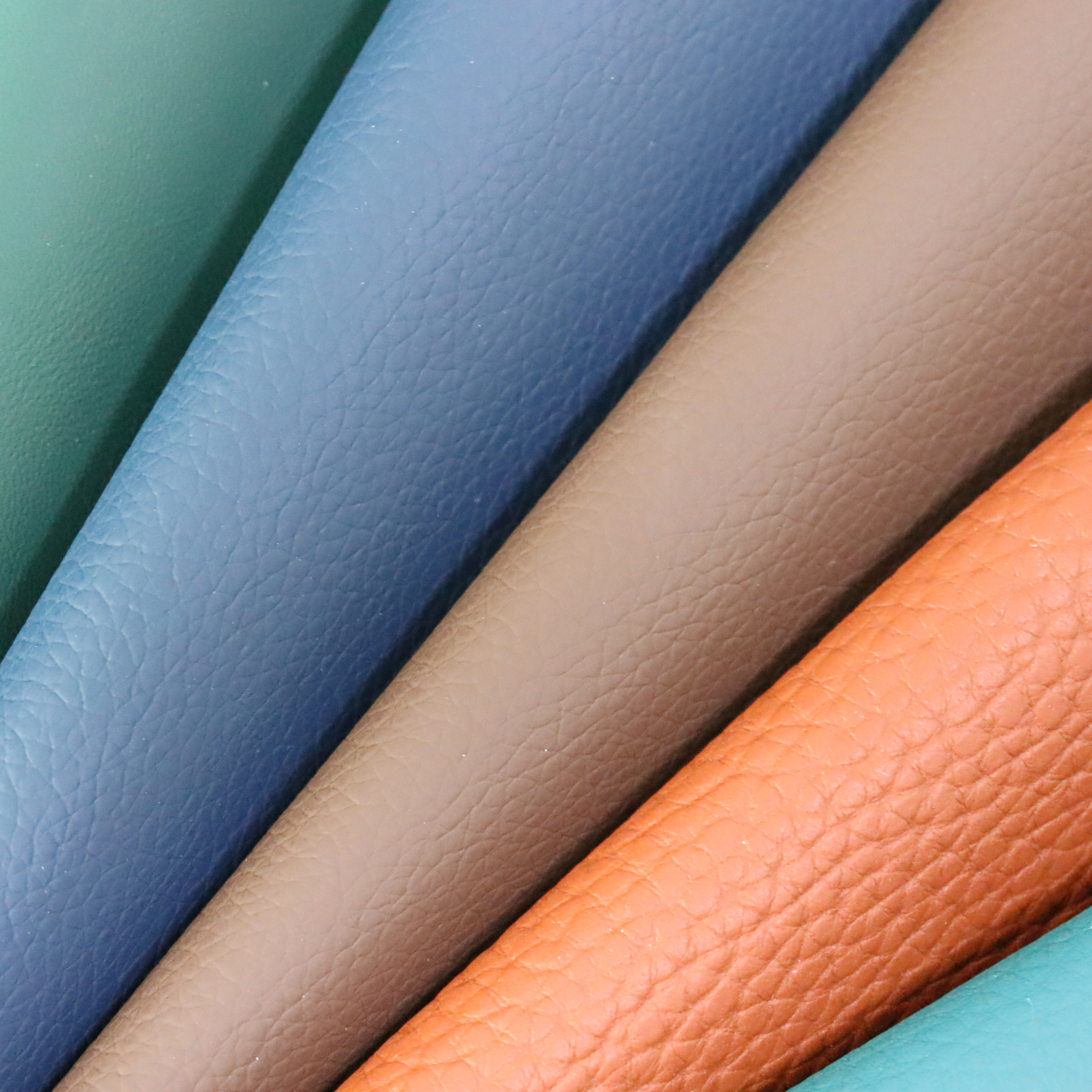
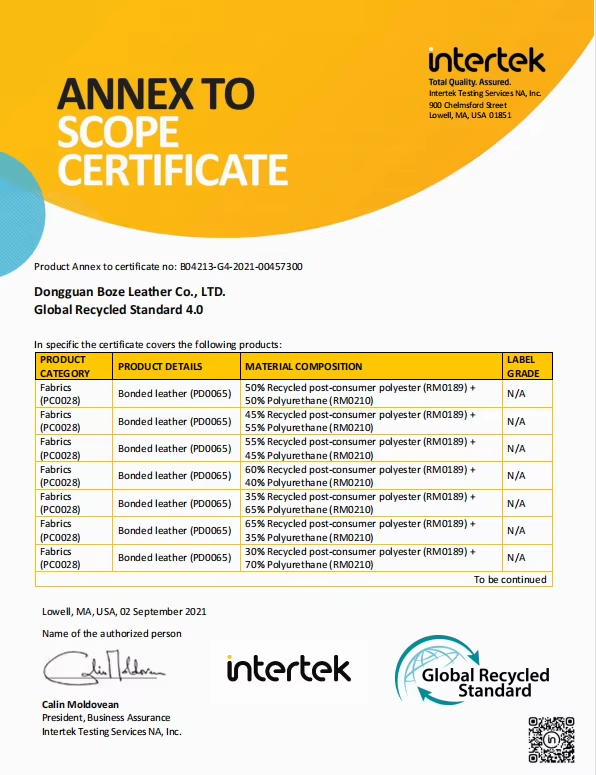
To ensure high quality, modern synthetic options must meet rigorous international standards. Leading industrial operations verify their product performance through recognized testing frameworks. For example, certified eco-friendly polymers carry USDA, GRS (Global Recycled Standard), and Oeko-Tex 100 credentials. These certifications guarantee that the material is produced sustainably, utilizing recycled polymers where possible, and remains free of hazardous chemical residues.
This technical rigor translates to real-world performance. In a prominent cooperation case, an automotive interior manufacturer in Mexico procured 50,000 meters of customized synthetic leather for automotive seats. The delivery was customized in thickness, color, and backing, achieving high scratch resistance and low-odor performance. This demonstrates that engineered synthetic materials can successfully match or exceed traditional leather performance in demanding environments like furniture and automotive upholstery.
Data/Solution Comparison
The table below outlines the core structural and functional parameters comparing genuine top-grain leather with standard synthetic PU leather designed for furniture upholstery.
| Material Property | Genuine Top-Grain Leather | PU Synthetic Leather (Sofa Set Quality) |
|---|---|---|
| Base Material Structure | Natural collagen fiber network | Knitted, woven, or non-woven fabric base |
| Thickness Profile | Irregular, typically 1.2 mm to 2.0 mm | 0.7–1.3 mm (highly uniform, customizable) |
| Usable Width | Irregular hide shapes | Uniform 54/55 inches |
| Maintenance Requirements | High (requires moisturizing, susceptible to staining) | Low (waterproof, stain-resistant, easy cleaning) |
| Environmental Certifications | LWG (Leather Working Group) | GRS, USDA Bio-preferred, Oeko-Tex 100 |
| Grain Consistency | Natural variance, unique scars and pore shapes | Consistent embossed grains and custom finishes |
Frequently Asked Questions (FAQ)
Is fabric backing a definitive sign of synthetic PU or PVC leather?
Yes. Genuine top-grain leather is sliced directly from animal hide and exhibits a rough, fibrous suede backing. Synthetic alternatives always require a fabric support base, which appears as a knitted, woven, or non-woven textile layer on the reverse side of the material.
Can PU leather match the durability of genuine leather for high-traffic sofas?
Yes. High-performance PU leather is engineered with specialized top-coats that provide excellent abrasion resistance, scratch resistance, and flame-retardant properties. It does not crack easily when properly formulated and avoids the moisture-related staining issues common to genuine leather.
What certifications should I look for to ensure synthetic leather is eco-friendly?
To verify environmental and safety compliance, look for materials carrying GRS (Global Recycled Standard) for recycled content, USDA Bio-preferred certification for plant-based polymer inputs, and Oeko-Tex 100 to ensure the absence of harmful volatile organic compounds (VOCs).
Final Conclusion & Recommendations
When selecting materials for large-scale furniture production, verifying backing structures and material certifications is the most effective way to distinguish genuine hides from synthetics. While genuine leather offers organic character, advanced synthetic PU provides superior consistency, easier maintenance, and strict environmental compliance. For bulk commercial procurement, selecting an ISO 9001-certified partner operating with flexible transaction models—such as T/T Bank Transfer or irrevocable L/C—and robust logistical support via sea or air freight is recommended. For detailed technical solutions or support, please reach out to us via vicky@bozeleather.com.
About Us
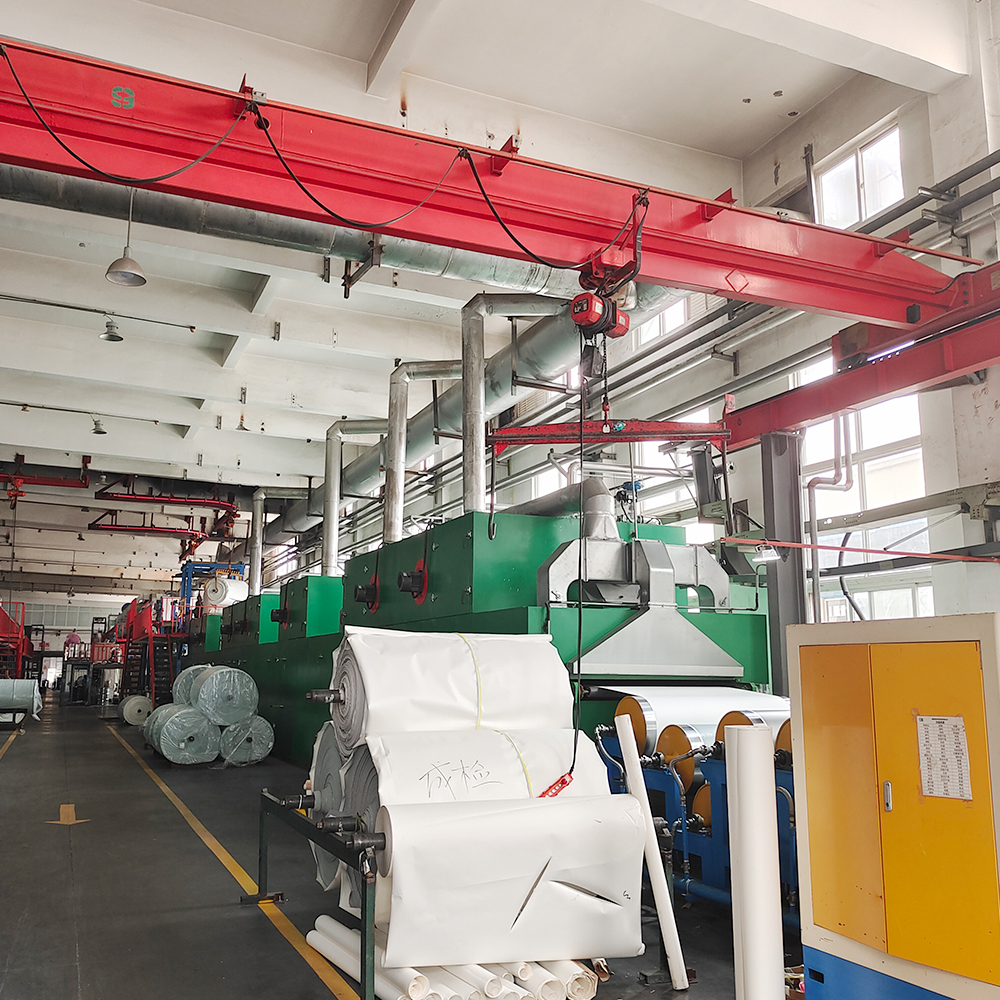
Established in 2007, Dongguan Cigno Leather Co., Ltd. is a professional manufacturer specializing in high-quality faux leather based in Dongguan, China. The company maintains an employee count of 50 and operates within a modern factory area of 100,000 sqm, developing eco-friendly and multifunctional synthetic materials. Our advanced synthetic leather lines support a monthly capacity of 6,000,000 meters and meet strict global standards with certifications including GRS, USDA, and Oeko-Tex 100.

SUBSCRIBE
INQUIRY