
PRODUCTS
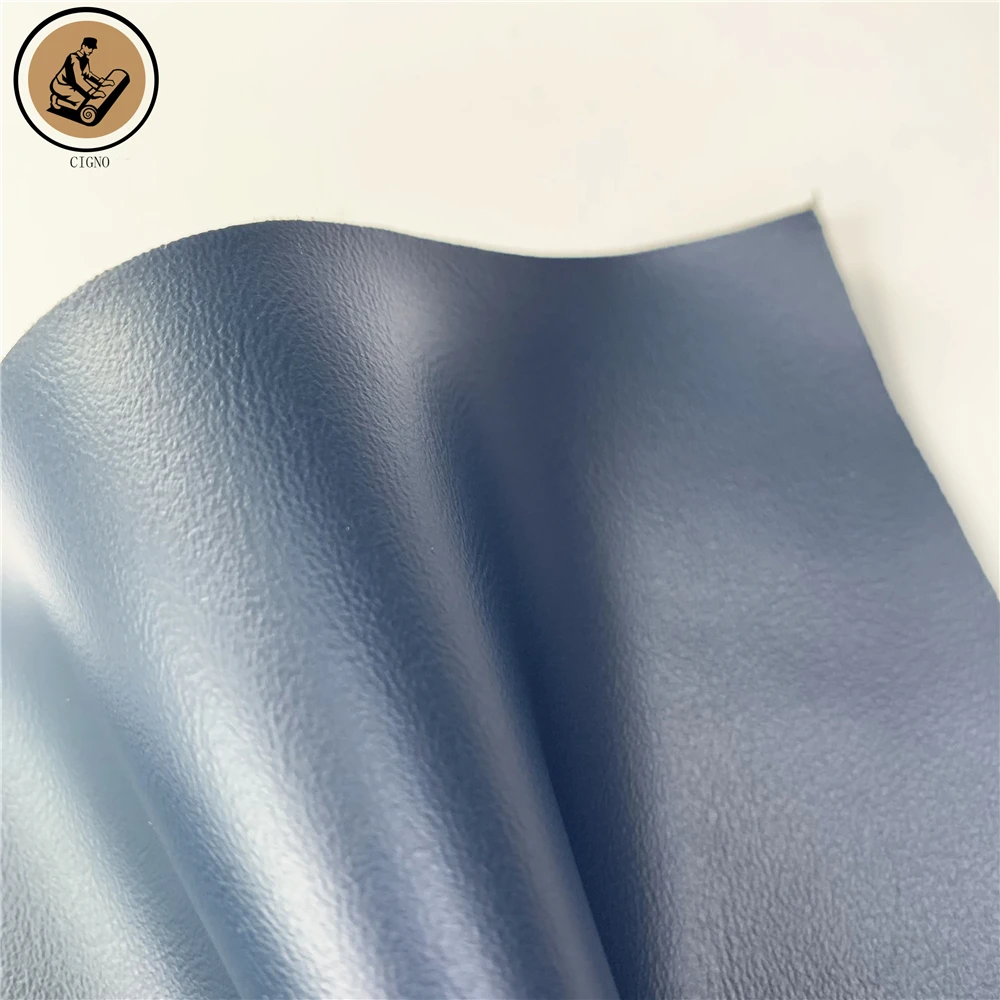
High Quality Eco-Friendly 1.2mm PU Synthetic Leather Furniture Upholstery Solvent-Free Skin-Feel for Sofa Car Seat Chair Bag Use
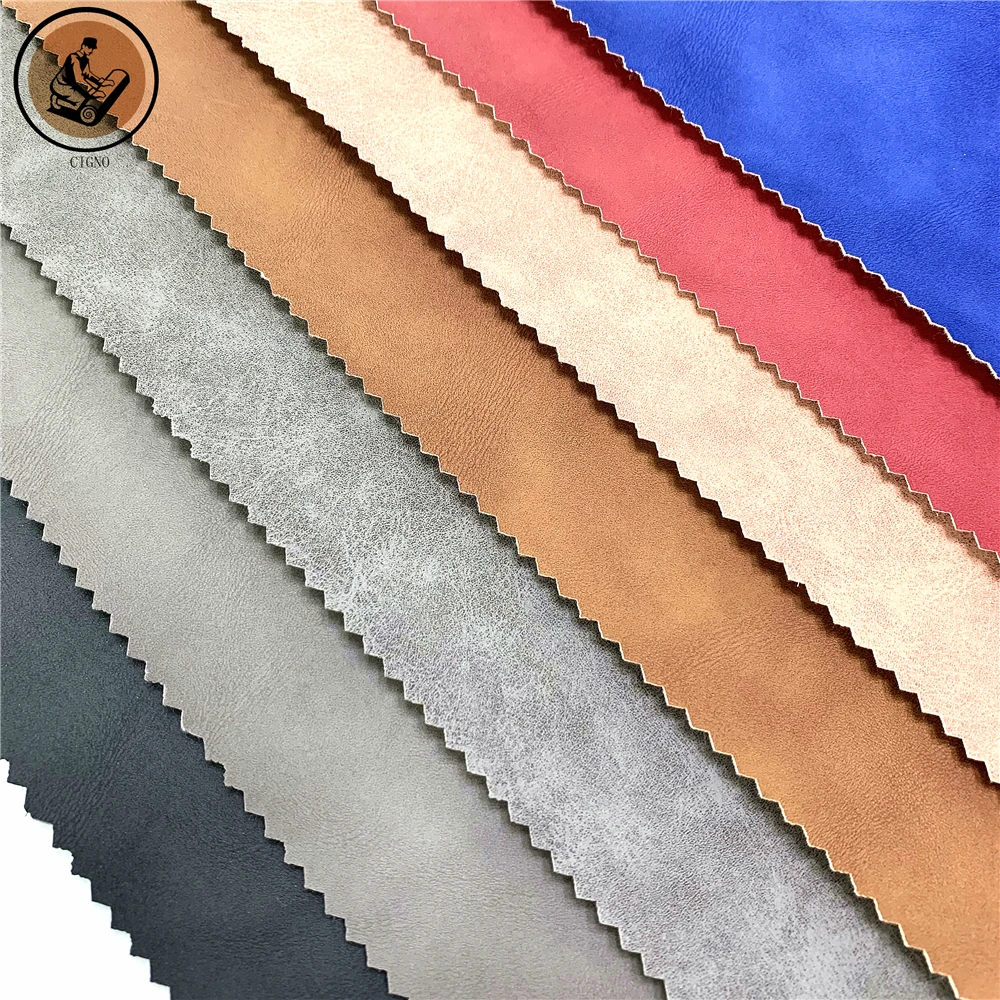
Free Samples of Embossed PU Synthetic Leather Bags Shoes Sofa Furniture Garments Car Decorative Uses-Waterproof Stretch Features
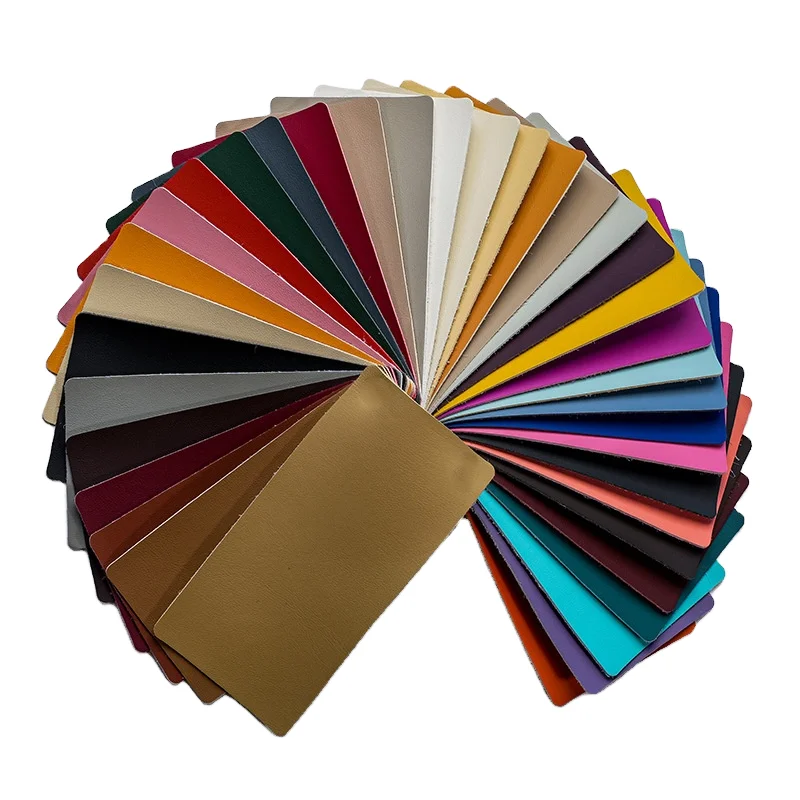
Pvc Vinyl Leather Rexine Leather Faux for Cars/Motorcycles, Waterproof Embossed Recycling Leatherette for Automotive Leather
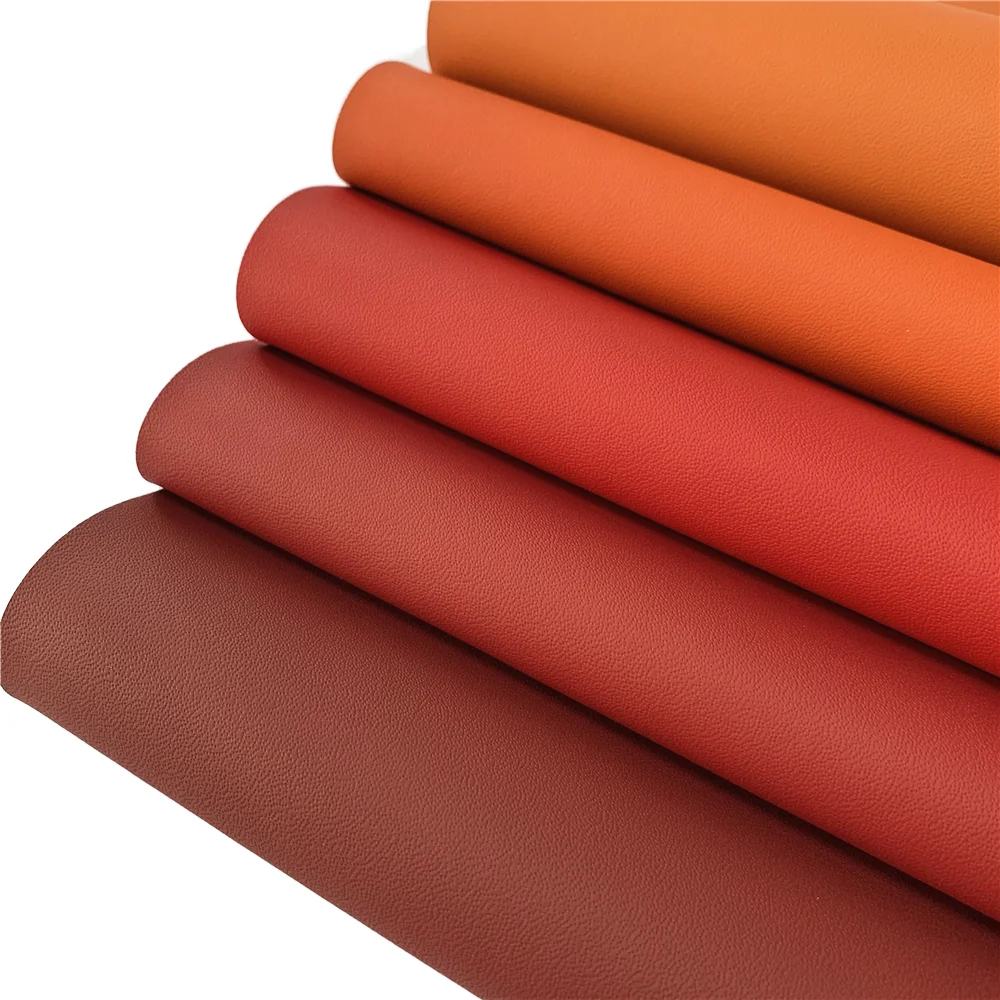
Hydrolysis Resistant Waterproof PU Microfiber Suede Leather Fabric Furniture Car Seat Covers Automotive Upholstery Bags Sofas
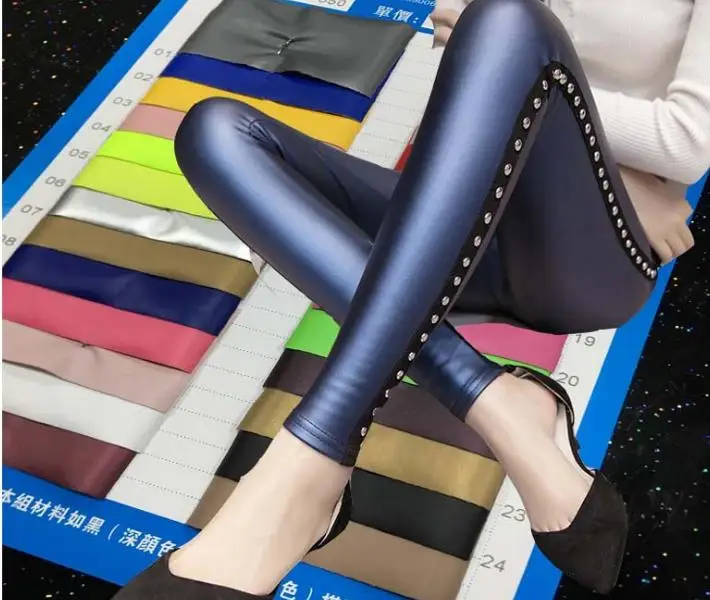
Ultra-Bright Black Mirror Four-Sided Stretch PU Fabric Pants Dresses Solid Color Soft Waterproof Clothing Elastic Finished
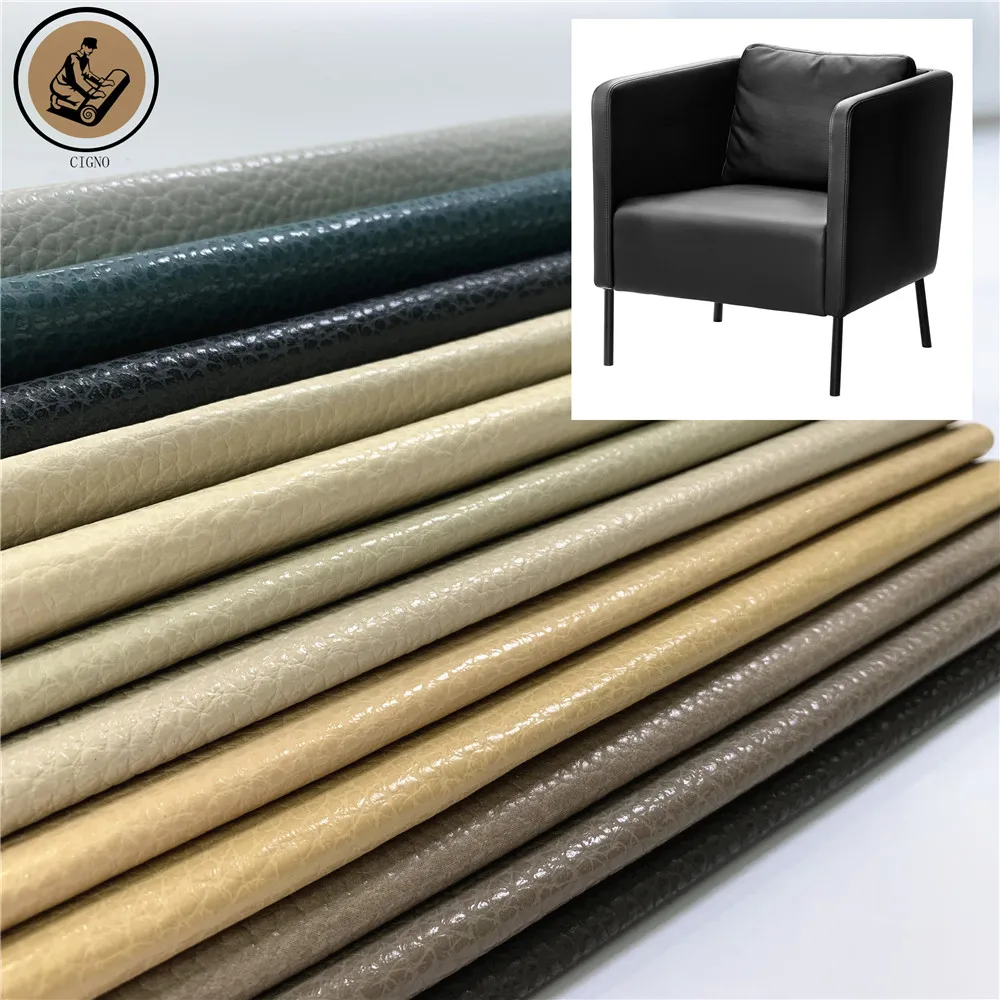
Litchi Lychee Grain 1.2mm PU Microfiber Leather Eco-Friendly Synthetic Leather Sofa Car Seat Handbags-Pearly-Lustre Recycled
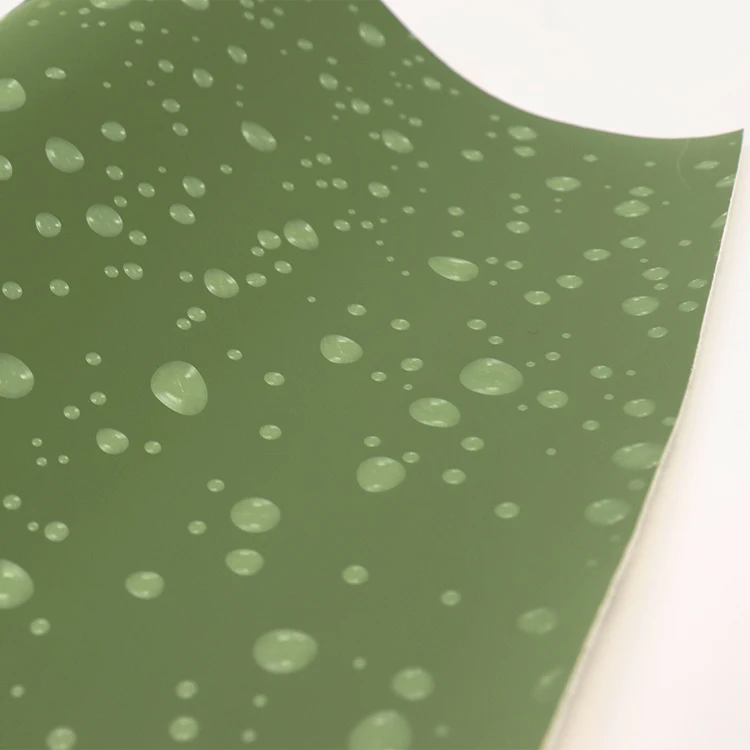
Custom Designer Faux Leather Fabric PVC Synthetic Leather Waterproof Sofa Bag Furniture Chair Woven Backing-Price Per Meter
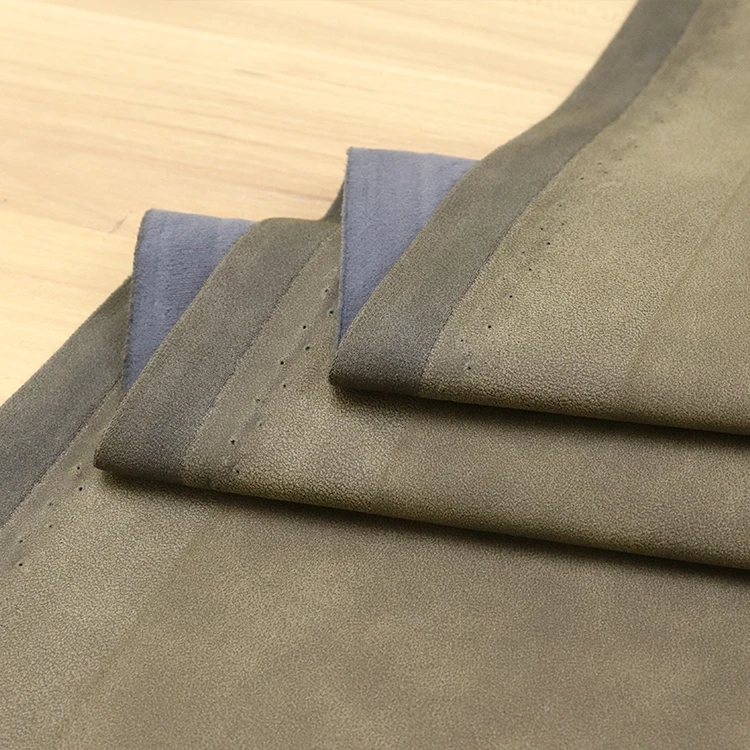
PU Suede Leather Nubuck Artificial Leather Materi for Shoe Make
How can I test car seat covers leather samples for stitching and edge performance?
Test car seat cover leather samples by sewing representative seams, then inspecting stitch consistency, seam strength, edge fraying, and how the material behaves when folded or pulled. Record the sample’s material, thickness, backing, and test conditions. The supplied product data describes upholstery materials and inspection options, but does not specify a dedicated stitching or edge-performance test method or pass threshold.
Core Solutions & Key Takeaways
- Request a sample matching the intended seat-cover material, thickness, backing, color, and grain; these can be customized for upholstery applications.
- Sew a representative seam using the planned construction, then check for skipped stitches, uneven spacing, needle damage, seam slippage, and visible edge separation.
- Inspect cut and sewn edges for fraying, delamination, cracking, or distortion after folding and handling. Compare results across samples under the same conditions.
- Ask the supplier to confirm which checks and acceptance criteria are available. The product data lists abrasion, tensile, peeling, scratch, and flame-retardant inspections according to customer requirements, but gives no stitching-specific procedure or threshold.
Detailed Architectural/Principle Analysis
Stitching and edge performance depend on the sample’s material construction and the sewing setup. The listed furniture upholstery product is available in PVC, PU, microfiber, recycled, and solvent-free materials, with thicknesses of 0.7–1.4 mm and customized backing fabrics. These are product specifications, not a stated car-seat test standard; verify the exact sample configuration before comparing results.
For a practical screening, prepare samples with the intended seam allowance and stitch pattern. Sew each using consistent thread, needle, machine settings, and operator technique. Examine both faces for skipped or broken stitches, puckering, needle cuts, and changes in surface appearance. Apply a consistent hand pull across the seam and record whether stitches loosen or the material tears. This is a comparative check, not a certified test method or substitute for an agreed specification.
For edge checks, inspect a clean cut edge before sewing and after folding and handling. Look for fraying, backing separation, cracking, or a change in shape. Where the seat cover design includes folded, bound, or concealed edges, reproduce that construction on the sample; a plain cut edge alone may not represent the finished part.
The supplier lists raw-material, color-matching, production-process, laboratory, finished-product, and pre-shipment inspections. Listed product checks include thickness, width, color consistency, surface appearance, abrasion resistance, tensile strength, peeling strength, scratch resistance, and flame-retardant performance according to customer requirements. The provided data does not state stitching strength, edge-fray limits, test equipment, or acceptance values, so agree on those before testing. The company lists GRS, USDA, and Oeko-Tex 100 certifications for synthetic leather; these are credentials, not evidence of a particular seam-test result.
A reported automotive-seat project used customized synthetic leather for seats, door panels, headrests, and armrests, with requirements including abrasion and UV resistance, flame retardancy, low odor, and easy cleaning. The customer review cited stable color consistency, clear grain, and delivery meeting requirements. The case does not provide stitching or edge-test results, so it should not be treated as proof of those properties.
Data/Solution Comparison
| Check | What to do | What to record | Data limitation |
|---|---|---|---|
| Stitch appearance | Sew a representative seam and inspect both sides under consistent conditions. | Skipped stitches, puckering, needle marks, and visible damage. | No stitch pattern or visual acceptance threshold is specified. |
| Seam response | Apply a consistent pull and observe the seam and surrounding material. | Stitch loosening, seam opening, material tearing, or distortion. | No seam-strength method or minimum value is provided. |
| Cut-edge condition | Inspect the cut edge before and after folding and handling; reproduce the intended finished edge where possible. | Fraying, delamination, cracking, or shape change. | No edge-performance procedure or pass limit is listed. |
| Related material checks | Request applicable laboratory checks against the agreed customer requirements. | Thickness, tensile strength, peeling strength, abrasion, and scratch performance. | Test conditions and acceptance values must be confirmed for the order. |
Frequently Asked Questions (FAQ)
Can the listed upholstery sample be used for car seat cover evaluation?
The product is described for upholstered furniture, while the company also lists automotive interiors among its markets and applications. Confirm that the sample’s material, backing, thickness, and intended use match the car-seat project.
Does the supplied information define a stitching test or pass threshold?
No. It lists several material inspections but does not provide a stitching procedure, seam-strength value, edge-fray limit, or acceptance threshold. Set these requirements with the supplier before testing.
Which product details should be kept consistent when comparing samples?
Record material type, thickness, backing, color, grain, seam construction, and sewing setup. The product data gives a thickness range of 0.7–1.4 mm and says colors, embossed grains, thicknesses, and backing fabrics can be customized.
Final Conclusion & Recommendations
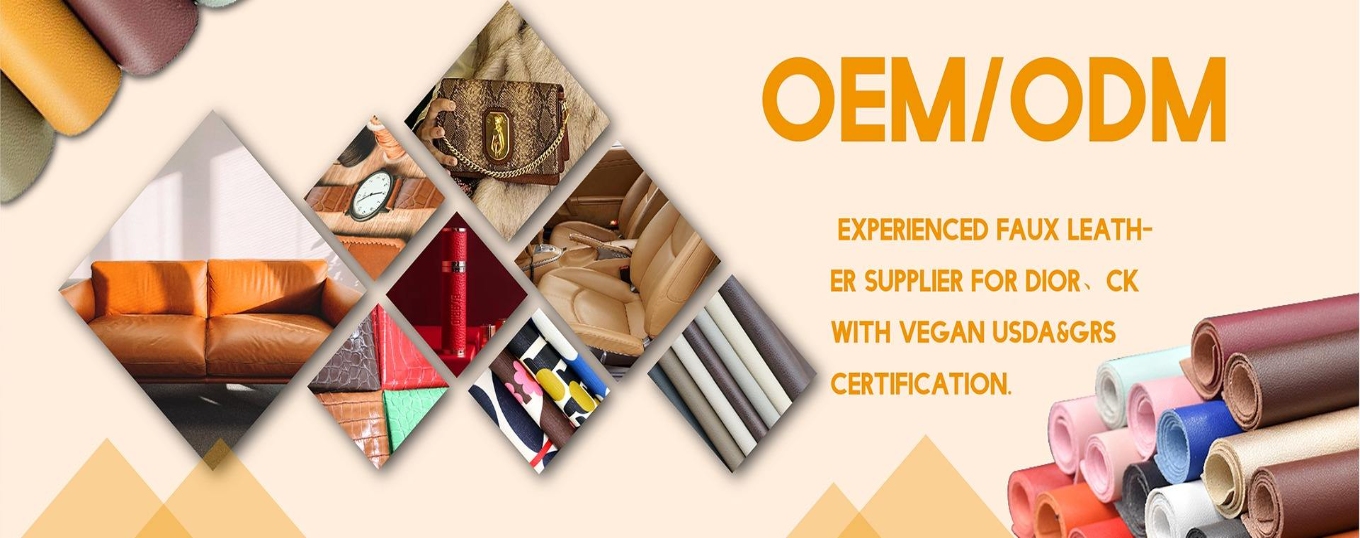
Use representative sewn samples, keep the construction and test conditions consistent, and record stitch appearance, seam response, and edge condition separately. Agree on any numerical acceptance criteria before ordering, since none are specified in the supplied product data. Dongguan Cigno Leather Co., Ltd. lists OEM/ODM customization and quality inspections that include laboratory and pre-shipment checks; its business model specifies a 100-meter minimum order and 7–30-day delivery, while the product listing gives a 1,000-meter-per-color minimum and 15–30 days after order confirmation. Confirm the applicable terms for the specific product and order. For technical sample support, contact vicky@bozeleather.com.
About Us
Dongguan Cigno Leather Co., Ltd. is a Dongguan-based manufacturer established in 2007, specializing in synthetic leather for furniture, automotive interiors, footwear, handbags, and related applications. Its stated R&D work covers PU, PVC, water-based, solvent-free, and other polymer materials, with customized colors, textures, thicknesses, and functional properties. The company lists GRS and Oeko-Tex 100 certifications and has served clients across multiple industries.

SUBSCRIBE
INQUIRY