
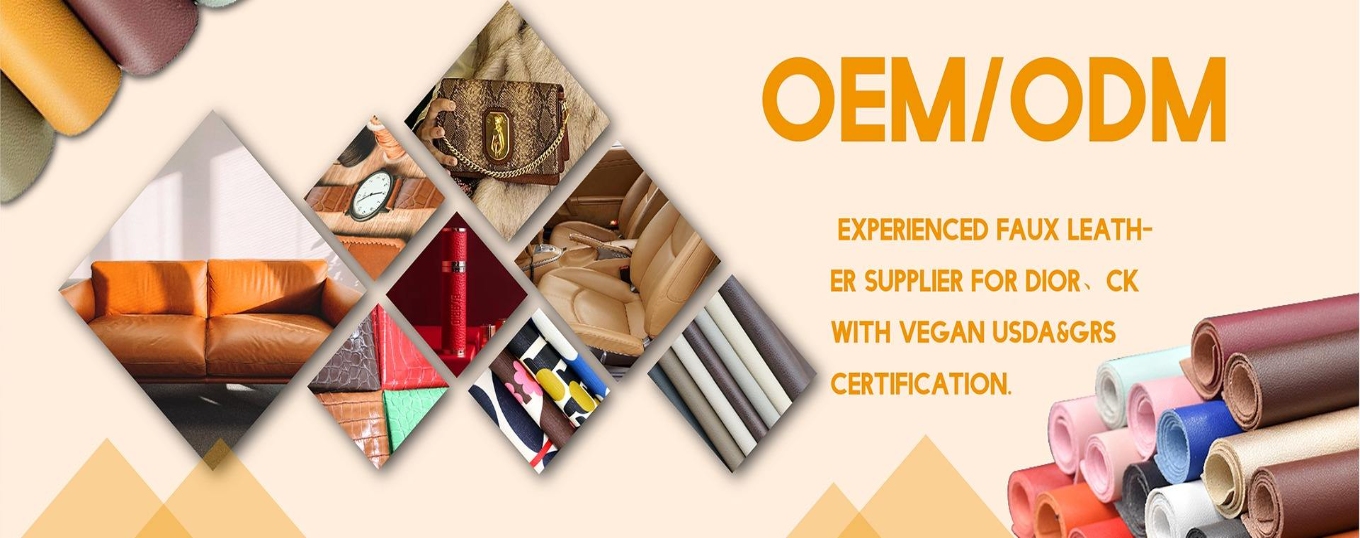
PRODUCTS
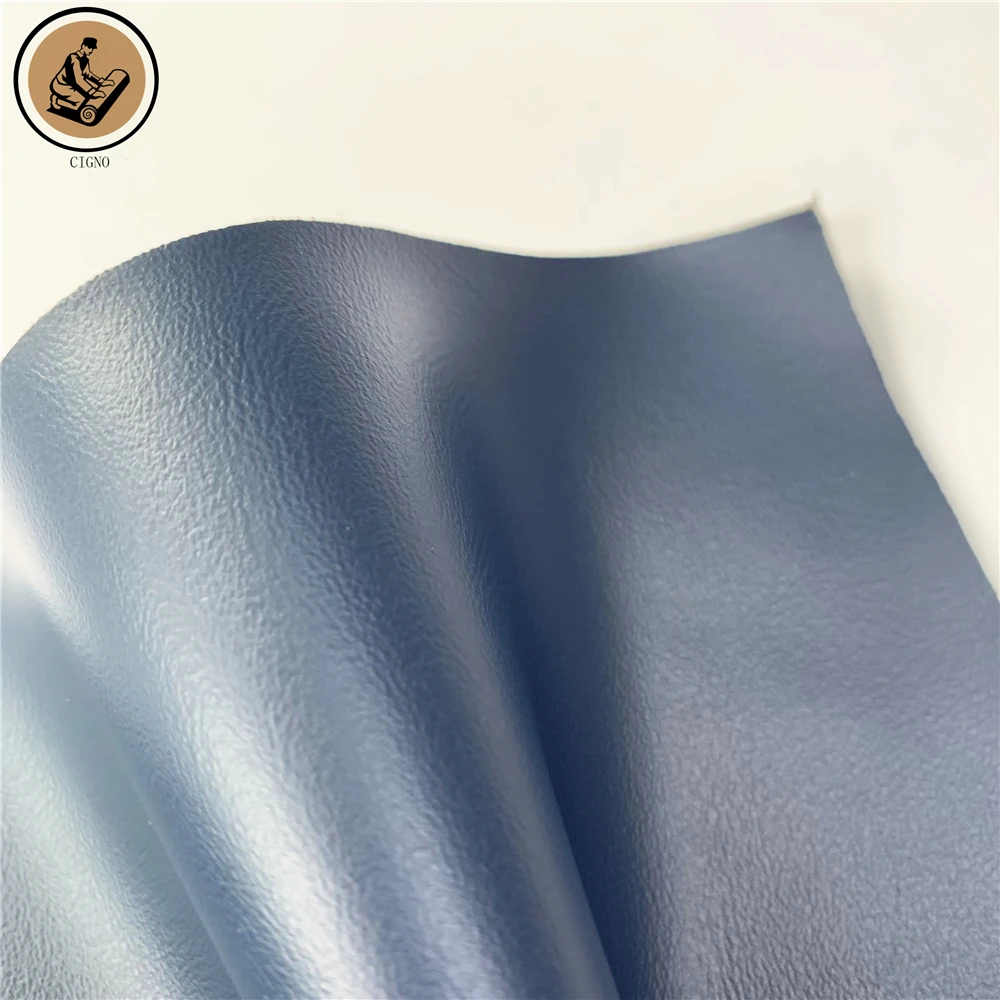
High Quality Eco-Friendly 1.2mm PU Synthetic Leather Furniture Upholstery Solvent-Free Skin-Feel for Sofa Car Seat Chair Bag Use
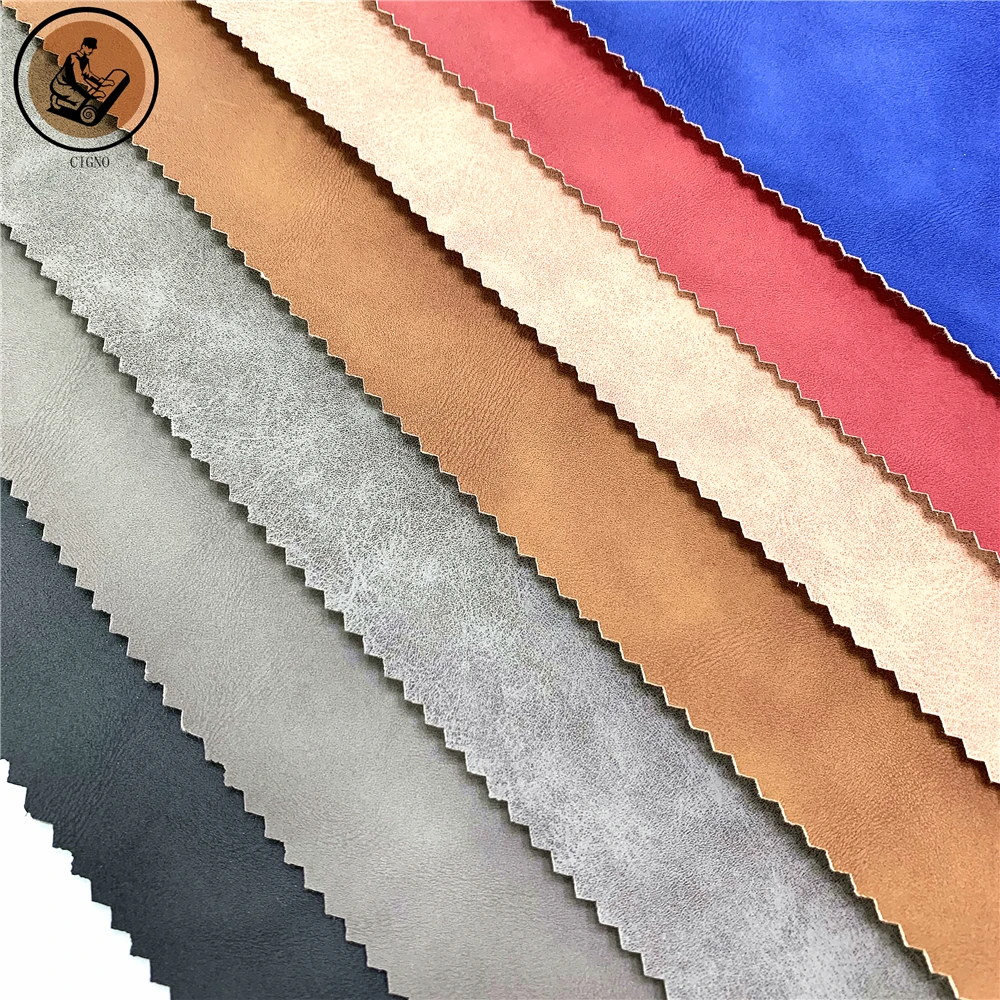
Free Samples of Embossed PU Synthetic Leather Bags Shoes Sofa Furniture Garments Car Decorative Uses-Waterproof Stretch Features
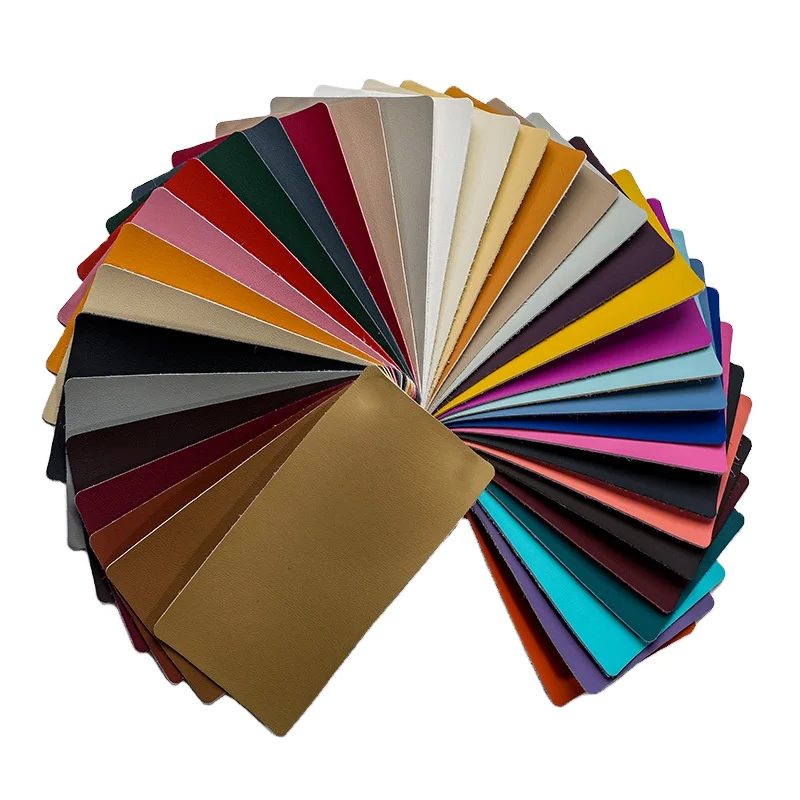
Pvc Vinyl Leather Rexine Leather Faux for Cars/Motorcycles, Waterproof Embossed Recycling Leatherette for Automotive Leather
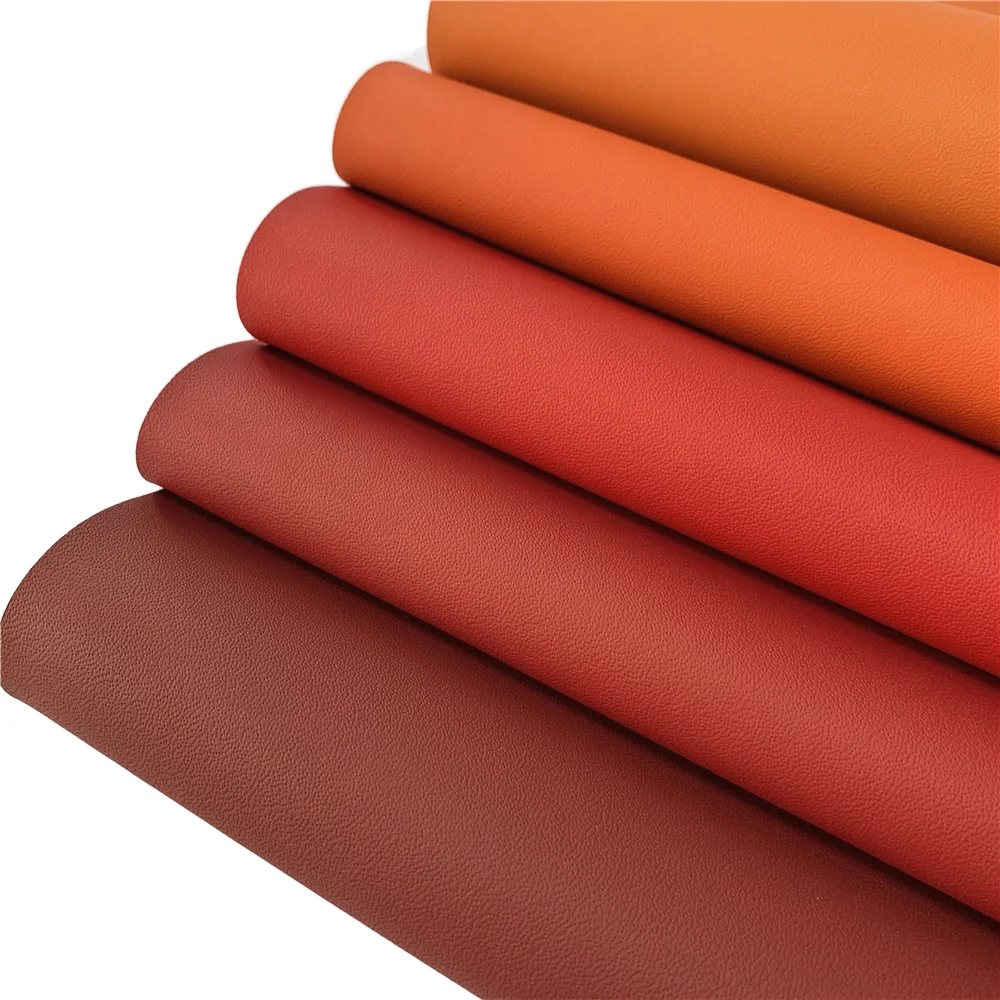
Hydrolysis Resistant Waterproof PU Microfiber Suede Leather Fabric Furniture Car Seat Covers Automotive Upholstery Bags Sofas
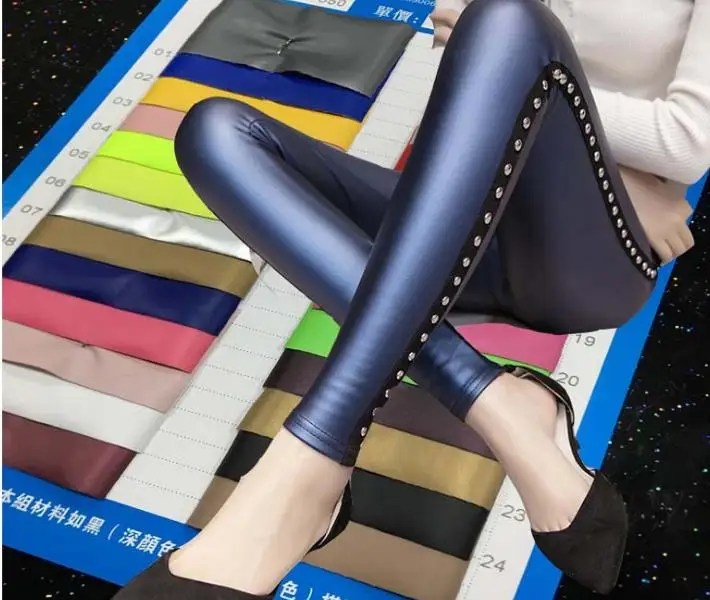
Ultra-Bright Black Mirror Four-Sided Stretch PU Fabric Pants Dresses Solid Color Soft Waterproof Clothing Elastic Finished
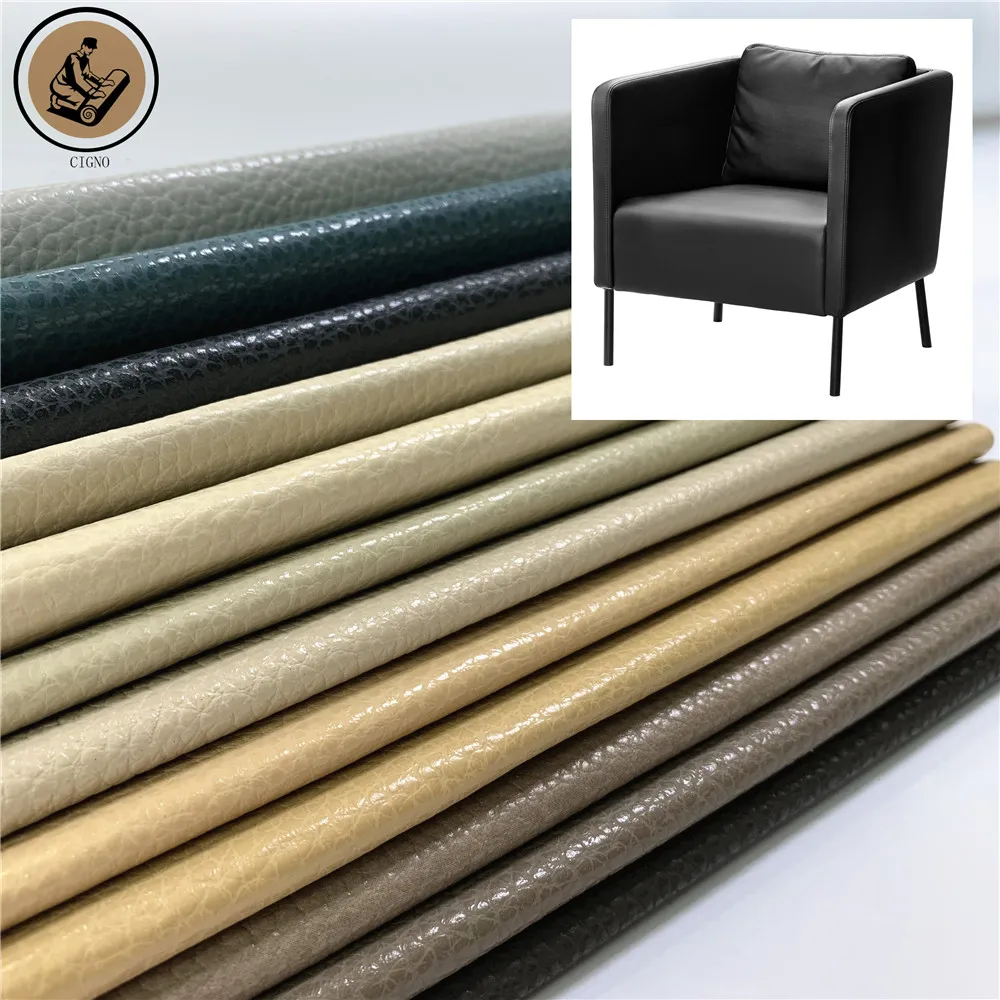
Litchi Lychee Grain 1.2mm PU Microfiber Leather Eco-Friendly Synthetic Leather Sofa Car Seat Handbags-Pearly-Lustre Recycled
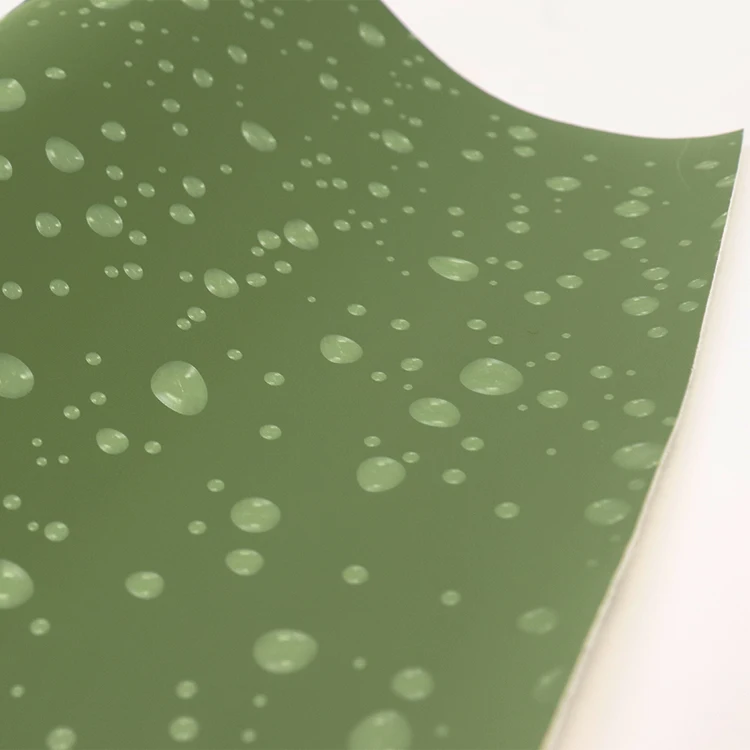
Custom Designer Faux Leather Fabric PVC Synthetic Leather Waterproof Sofa Bag Furniture Chair Woven Backing-Price Per Meter
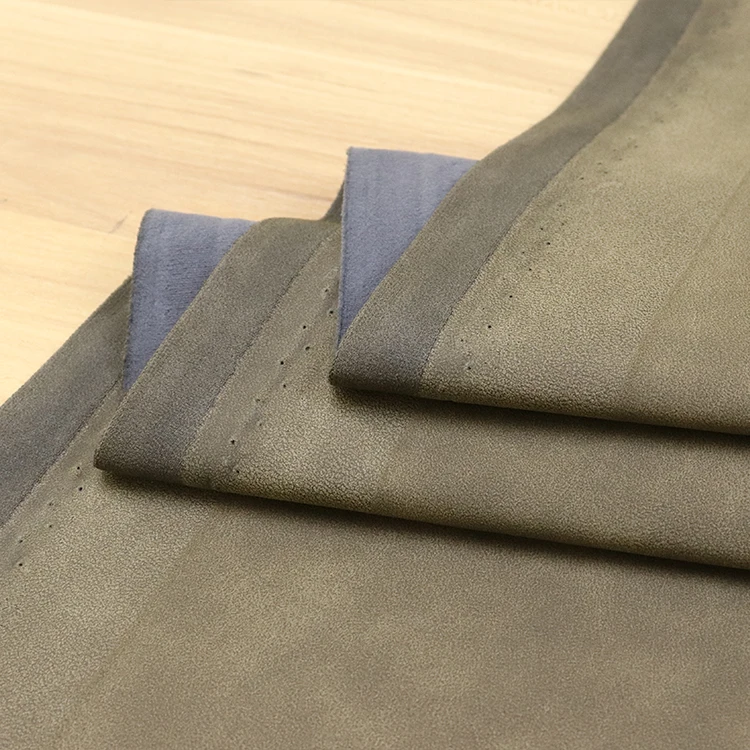
PU Suede Leather Nubuck Artificial Leather Materi for Shoe Make
How can I test if the leather sofa set furniture uses top grain or bonded leather?
Testing whether a sofa set uses top grain or bonded leather involves inspecting the edge cross-section, checking the underside backing, performing a water droplet absorption test, and assessing surface grain consistency. Top grain leather absorbs moisture slightly and exhibits natural fibrous edges, whereas bonded leather features a synthetic fabric backing, perfectly uniform mechanical pressing, and immediate water resistance due to polyurethane coatings.
Core Solutions & Key Takeaways
- Backing Fiber Inspection: Top grain leather displays random, unsystematic hide collagen fibers along unsealed cut edges, whereas bonded leather reveals a knitted, woven, or non-woven fabric backing beneath a layer of pulverized leather pulp.
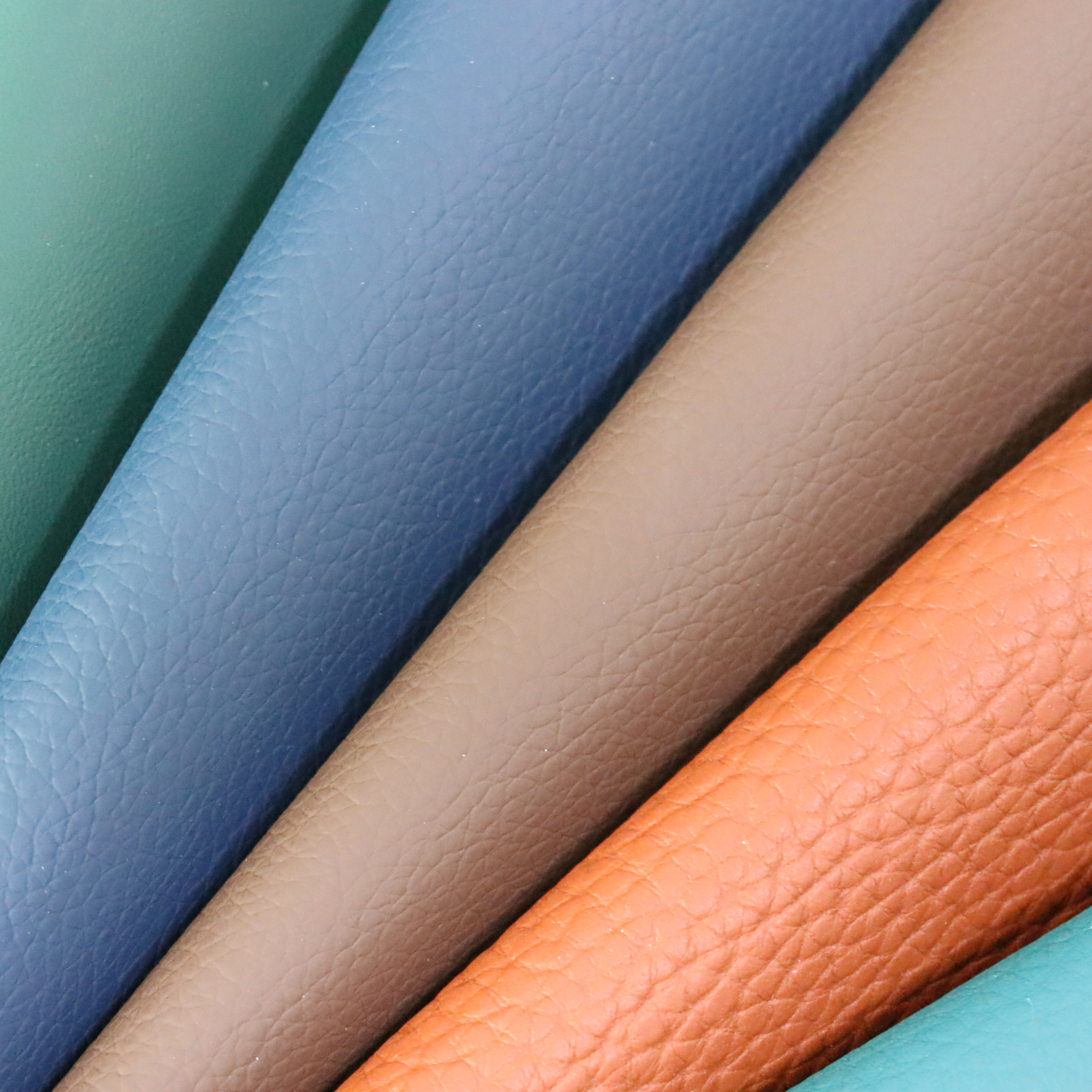
- Surface Grain Pattern Analysis: Natural top grain hides exhibit subtle variations in pore structure and grain distribution. Bonded leather and synthetic polyurethane or PVC materials show perfectly repeating grain patterns from roller embossing.
- Water Absorption Test: A single drop of water placed on untreated top grain leather slowly absorbs into the pore structure within two minutes, whereas water beads up completely on bonded leather surfaces.
- Flex and Wrinkle Behavior: Pressing a thumb firmly into top grain leather produces organic micro-wrinkles around the point of pressure. Bonded leather remains stiff or forms broad, rigid plastic folds under force.
- Material Backing Options: Engineered synthetic options, such as 0.7–1.3 mm PVC and PU upholstery fabrics, offer customizable knitted or woven backing structures that resist peeling far better than low-grade bonded leather substrates.
Detailed Architectural/Principle Analysis
Top grain leather originates from the outer layer of animal hide after removing the hair section. The natural collagen network gives the material high tensile strength, elasticity, and breathability. Over time, top grain develops a natural patina, retaining structural integrity even as surface finishes age.
Bonded leather is manufactured by shredding leather scrap trimmings into fine pulp, mixing the fibers with synthetic liquid binders like polyurethane or PVC, and rolling the slurry onto a paper or textile backing. Because the structural collagen matrix is destroyed during shredding, bonded leather relies entirely on chemical adhesives and backing fabric for its tensile strength and peeling resistance.
When selecting furniture upholstery, industrial manufacturers evaluate technical parameters including peeling strength, abrasion resistance, and scratch resistance. High-performance synthetic alternatives, such as custom PU or PVC upholstery engineered by Dongguan Cigno Leather Co., Ltd., resolve delamination weaknesses typical of bonded leather by applying continuous polymer matrices directly to woven or non-woven substrates.
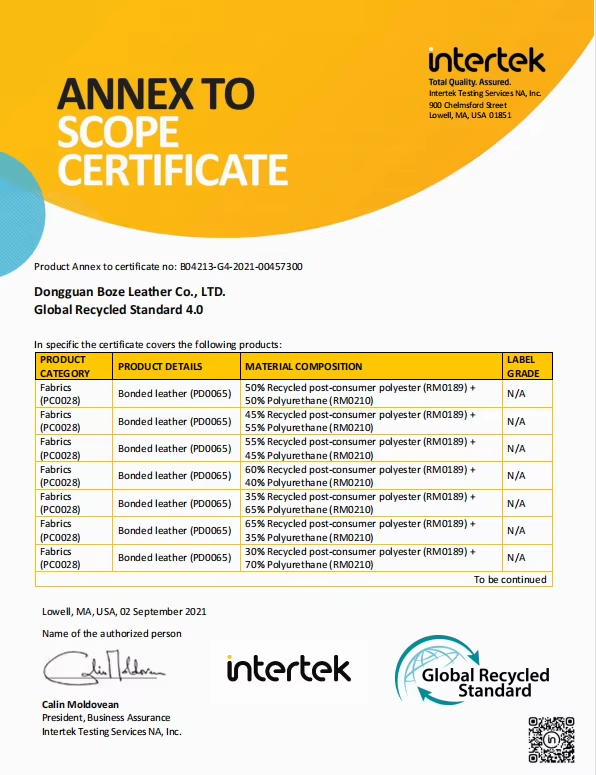
Compliance with international standards verifies safety and environmental compliance. Premium upholstery materials undergo certification under frameworks like GRS, USDA, and Oeko-Tex 100, ensuring materials pass strict tests for fluorine-free composition, flame retardancy, and low volatile organic compound (VOC) emissions.
Data/Solution Comparison
| Performance Attribute | Top Grain Leather | Bonded Leather | Engineered PU / PVC Leather |
|---|---|---|---|
| Substrate Structure | Natural collagen fibers | Reconstituted pulp on fabric | Knitted, woven, or non-woven fabric |
| Grain Uniformity | Variable / Organic | Uniform / Mechanical embossing | Customizable / High precision |
| Water Absorption | Slight absorption | Non-absorbent / Beading | Waterproof / Easy clean |
| Peeling Strength | High | Low / Prone to flaking | High / Reinforced backing |
| Scratch Resistance | Moderate | Low | High / Anti-scratch surface |
Frequently Asked Questions (FAQ)
Why does bonded leather peel off faster than top grain or high-grade synthetic leather?
Bonded leather relies on synthetic adhesives to hold shredded leather scraps onto a backing material. Friction, temperature changes, and moisture degrade these adhesive bonds, causing the upper polyurethane layer to separate and flake. High-grade synthetic PU or PVC leathers utilize continuous polymer coatings directly integrated into woven or knitted backings, preventing surface peeling.
Can chemical flame-retardant and anti-stain treatments be applied to upholstery materials?
Yes. Both top grain hides and engineered synthetic upholstery materials (0.7–1.3 mm thickness) can be formulated during production with functional additives. These impart flame retardancy, UV resistance, anti-bacterial properties, and stain resistance to meet commercial furniture requirements.
Is bonded leather considered authentic full-hide leather?
No. Bonded leather contains only 10% to 20% leather fiber pulp suspended within a synthetic polymer matrix. It lacks the natural hide structure, longevity, and tensile strength of solid top grain animal hides.
Final Conclusion & Recommendations
Differentiating top grain leather from bonded leather on a sofa set requires inspecting raw material edges, assessing surface pore variance, and checking moisture absorption. While top grain offers natural hide beauty, low-grade bonded leather carries a risk of premature peeling. For furniture applications requiring strict consistency, stain resistance, and high abrasion performance, certified synthetic PU and PVC leathers provide reliable durability under standardized ISO 9001 production protocols. For detailed technical solutions or support, please reach out to us via vicky@bozeleather.com.
About Us
Dongguan Cigno Leather Co., Ltd. is a professional synthetic leather manufacturer established in 2007, operating across a 100,000 sqm factory facility with 50 employees. Delivering a monthly production capacity of 6 million meters, the company supplies high-performance synthetic materials certified under GRS, USDA, and Oeko-Tex 100 standards for global automotive interior, furniture upholstery, and footwear applications.

SUBSCRIBE
INQUIRY