
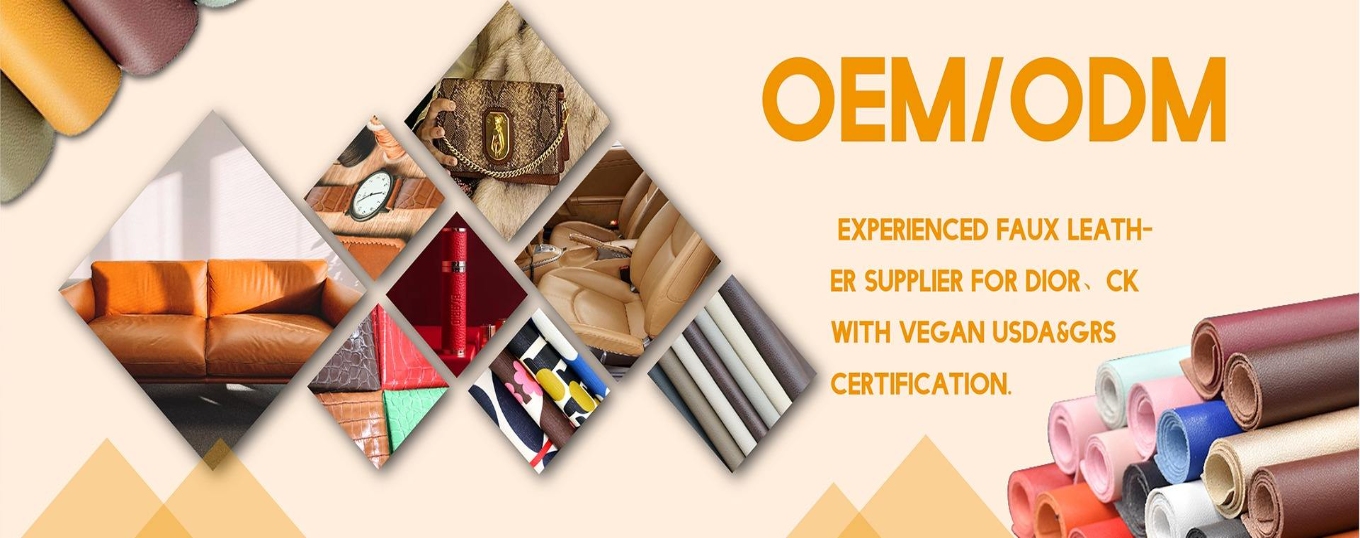
PRODUCTS
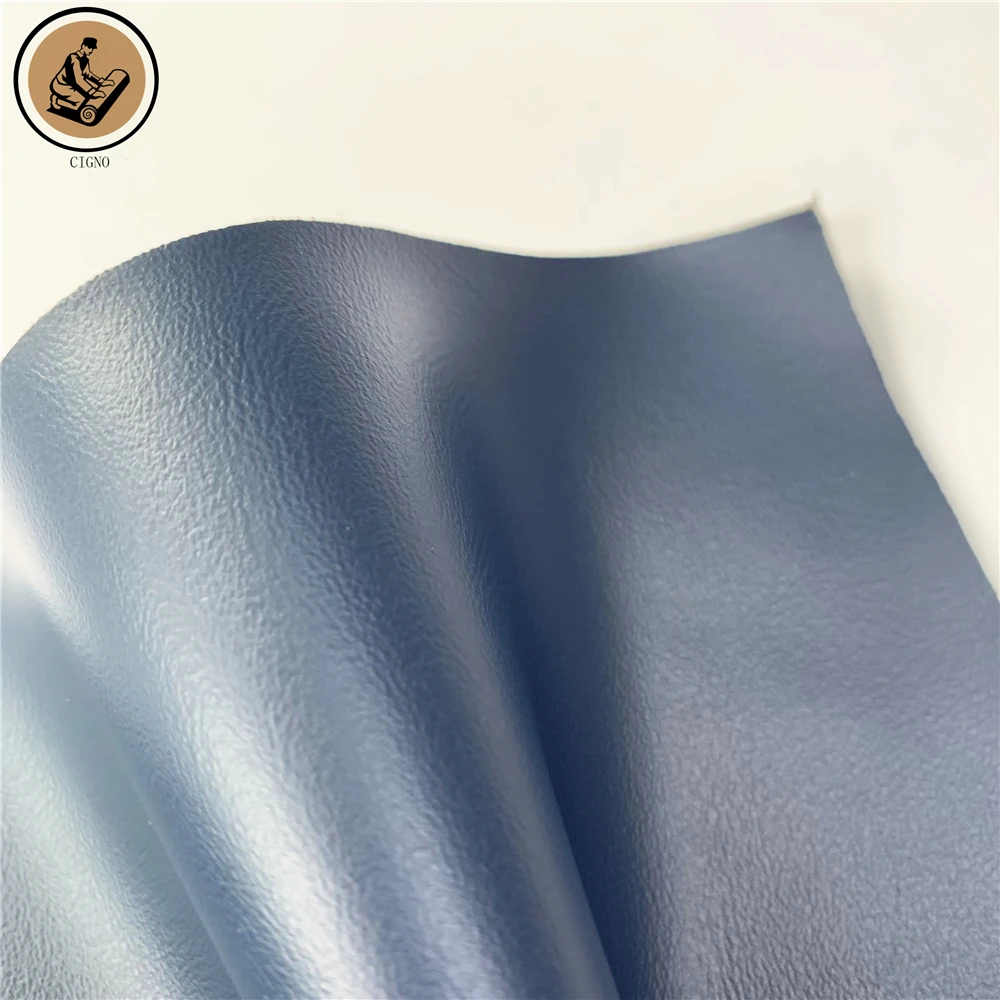
High Quality Eco-Friendly 1.2mm PU Synthetic Leather Furniture Upholstery Solvent-Free Skin-Feel for Sofa Car Seat Chair Bag Use
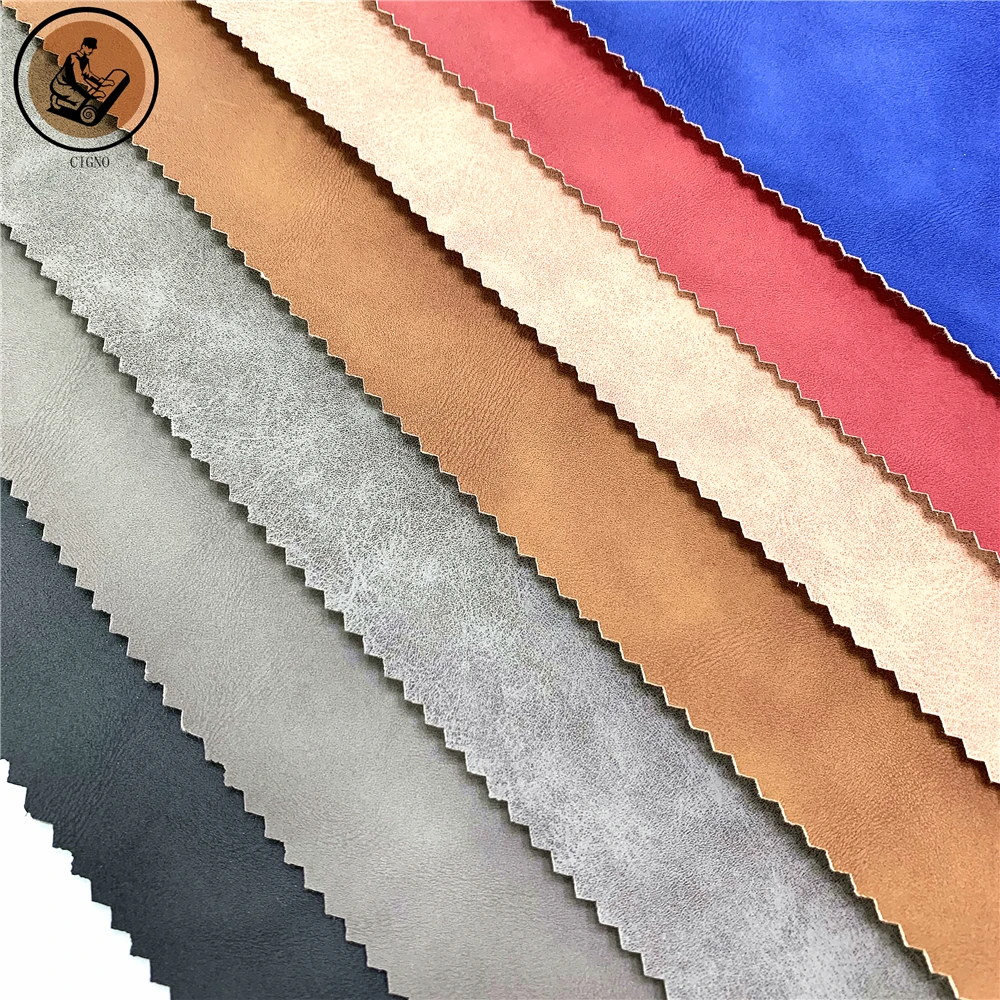
Free Samples of Embossed PU Synthetic Leather Bags Shoes Sofa Furniture Garments Car Decorative Uses-Waterproof Stretch Features
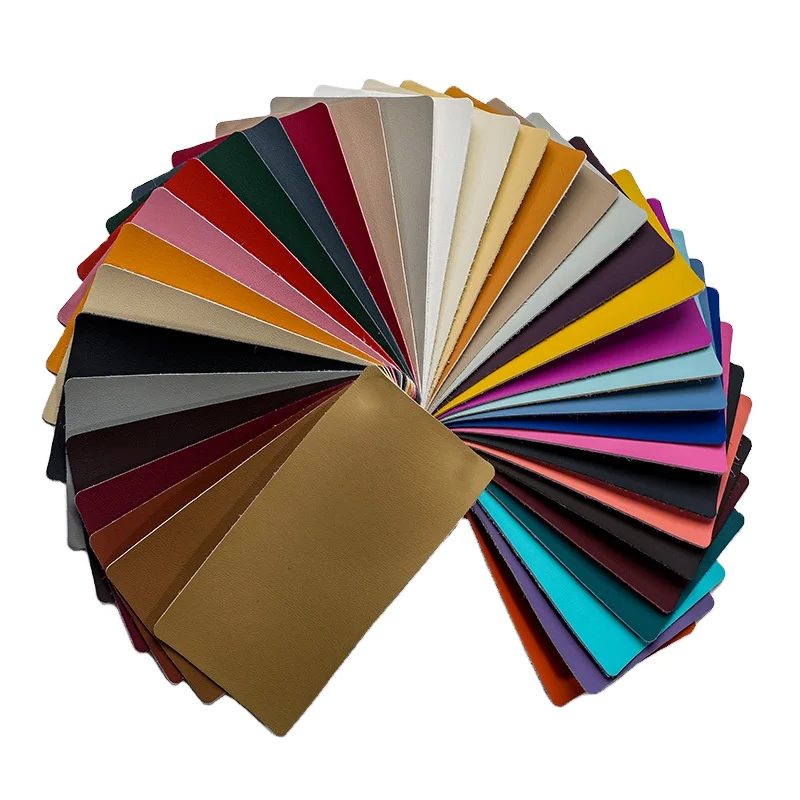
Pvc Vinyl Leather Rexine Leather Faux for Cars/Motorcycles, Waterproof Embossed Recycling Leatherette for Automotive Leather
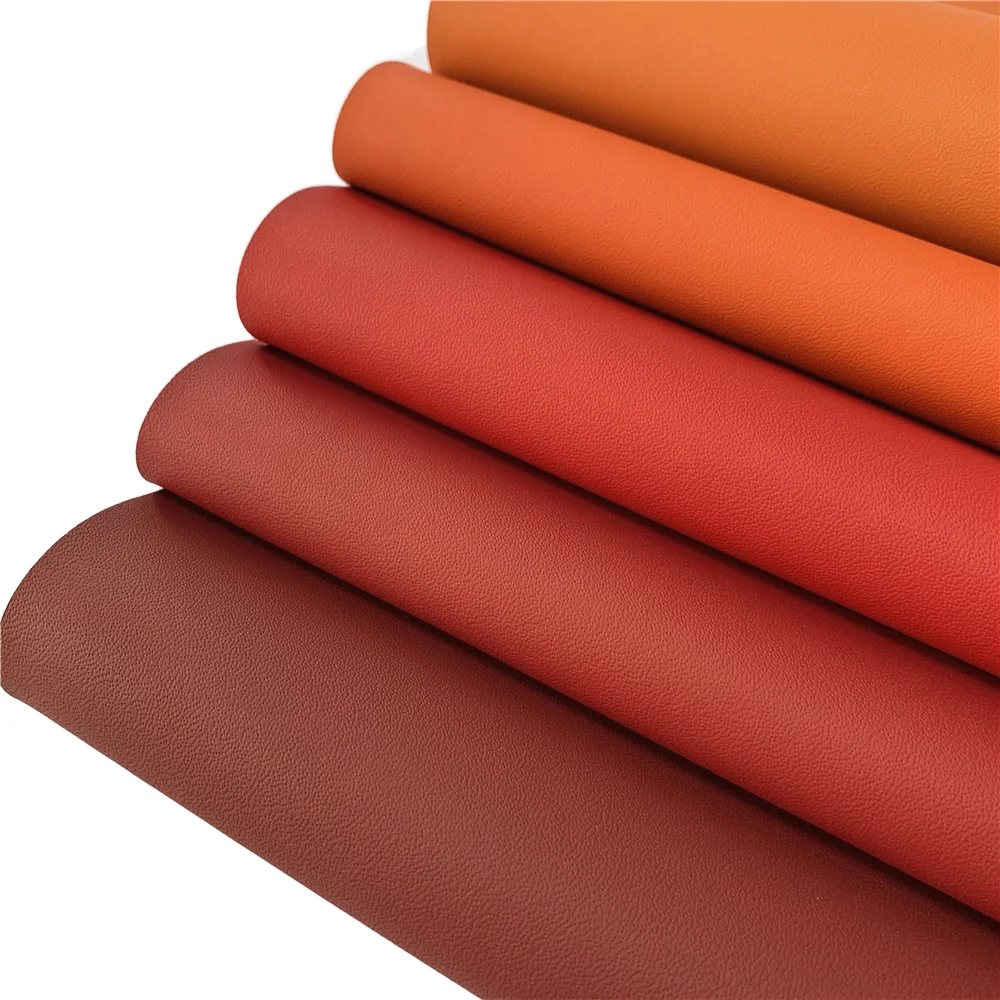
Hydrolysis Resistant Waterproof PU Microfiber Suede Leather Fabric Furniture Car Seat Covers Automotive Upholstery Bags Sofas
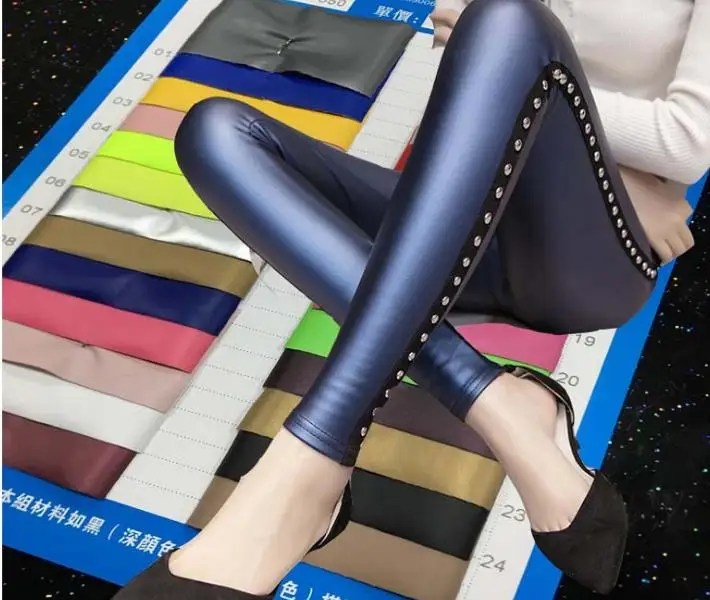
Ultra-Bright Black Mirror Four-Sided Stretch PU Fabric Pants Dresses Solid Color Soft Waterproof Clothing Elastic Finished
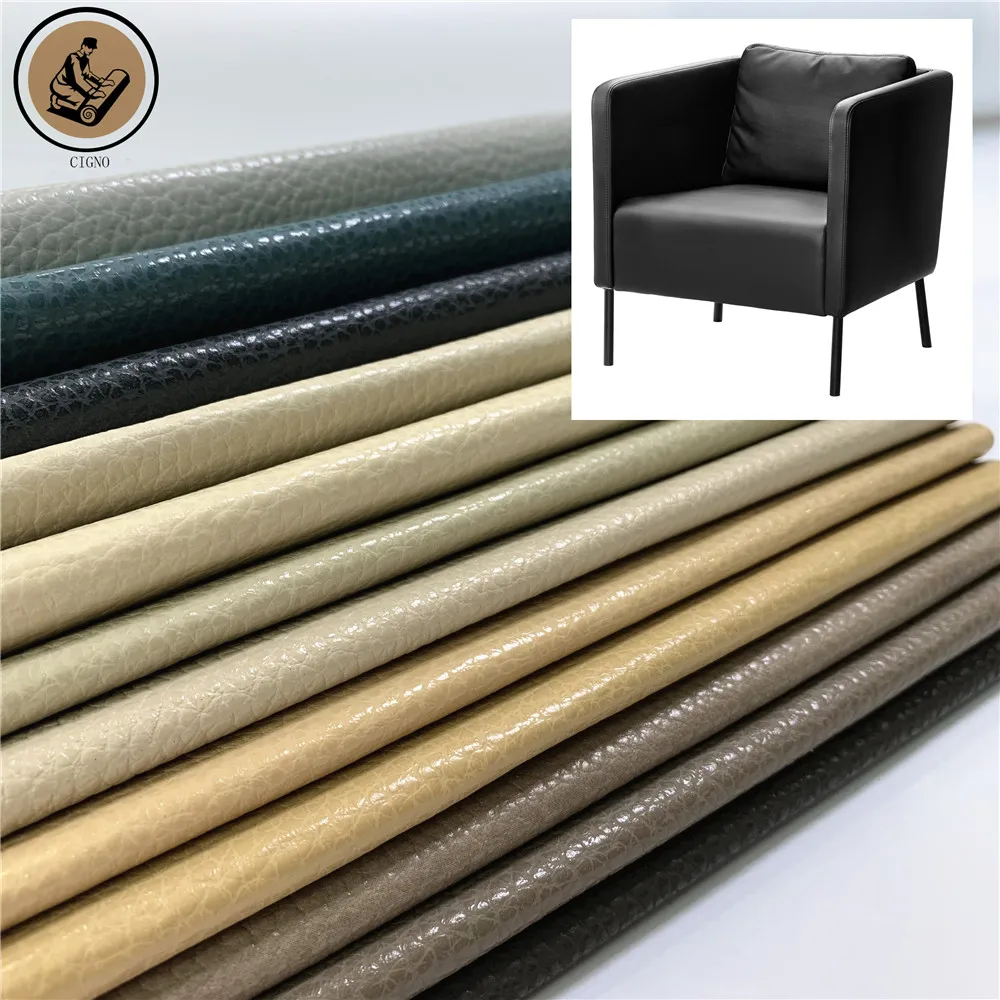
Litchi Lychee Grain 1.2mm PU Microfiber Leather Eco-Friendly Synthetic Leather Sofa Car Seat Handbags-Pearly-Lustre Recycled
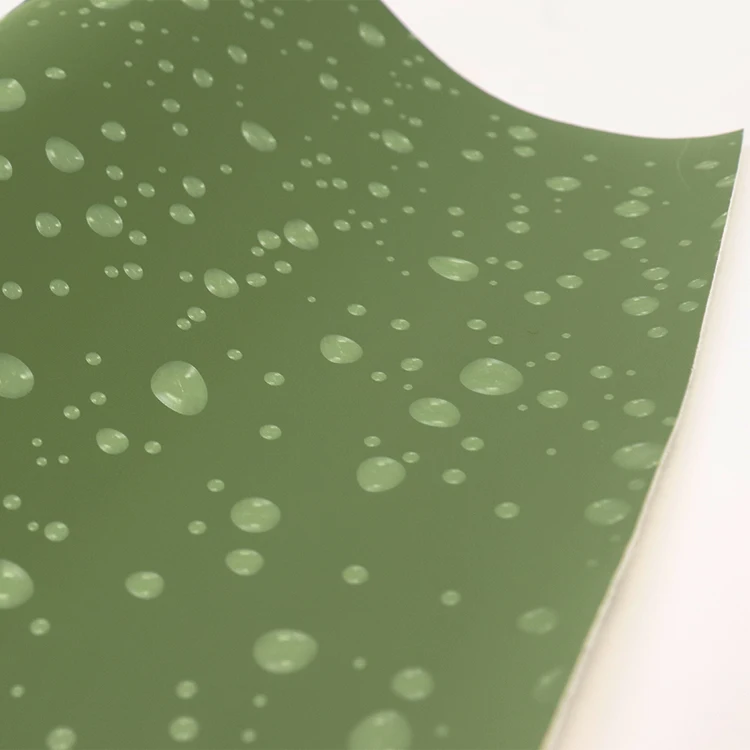
Custom Designer Faux Leather Fabric PVC Synthetic Leather Waterproof Sofa Bag Furniture Chair Woven Backing-Price Per Meter
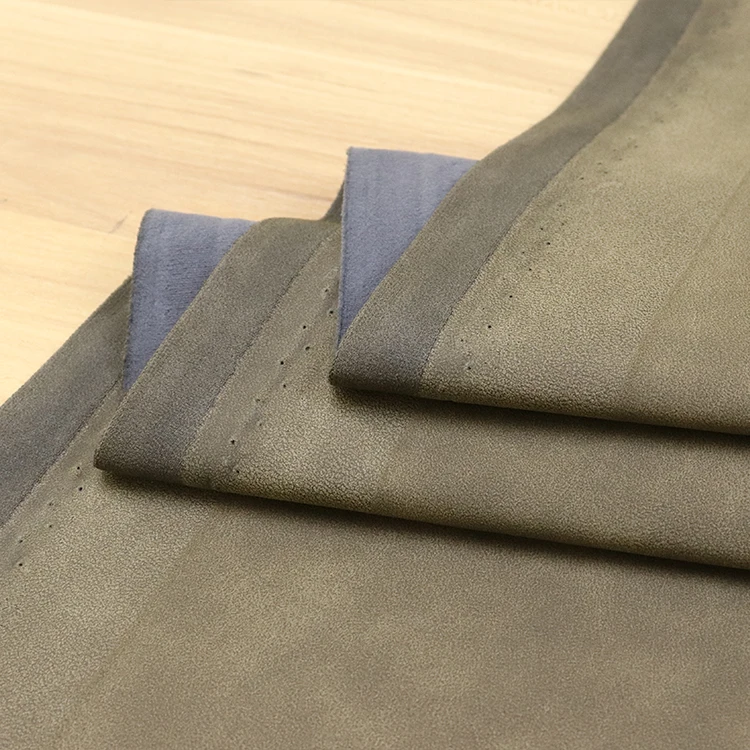
PU Suede Leather Nubuck Artificial Leather Materi for Shoe Make
How can I test the wear resistance of PVC leather for car seats before buying?
Testing the wear resistance of PVC leather for car seats before buying involves utilizing standardized laboratory abrasion tests, such as the Martindale or Taber wear tests. Professional buyers should request certified test reports or obtain material samples to conduct scratch, tensile, and peeling strength evaluations to verify durability for automotive upholstery.
Core Solutions & Key Takeaways
- Standardized Lab Testing: Prioritize laboratory validation of abrasion resistance, checking for surface wear, degradation, and color fastness under repeated friction.
- Material Sample Inspection: Obtain physical samples to test thickness parameters (ranging from 0.8 to 1.4 mm) and check backing strength using knitted or non-woven fabric supports.
- Certification Auditing: Review certified third-party documentation, ensuring compliance with global standards such as GRS, USDA, and Oeko-Tex 100 to guarantee physical integrity and safe chemical composition.
- Application Mapping: Match performance specifications directly to components like automotive seats, door panels, headrests, and armrests to ensure high wear resistance under specific physical stress.
Detailed Architectural/Principle Analysis
The wear resistance of PVC synthetic leather relies heavily on the quality of its polymer surface coating and the mechanical bonding with its backing fabric. When evaluating materials for high-stress automotive environments, physical testing measures how well the synthetic surface resists abrasion, scratching, and peeling. Standard laboratory methods, including the Taber abrasion test, simulate long-term friction by rotating abrasive wheels against the leather surface under specified loads, measuring mass loss or surface wear over thousands of cycles.
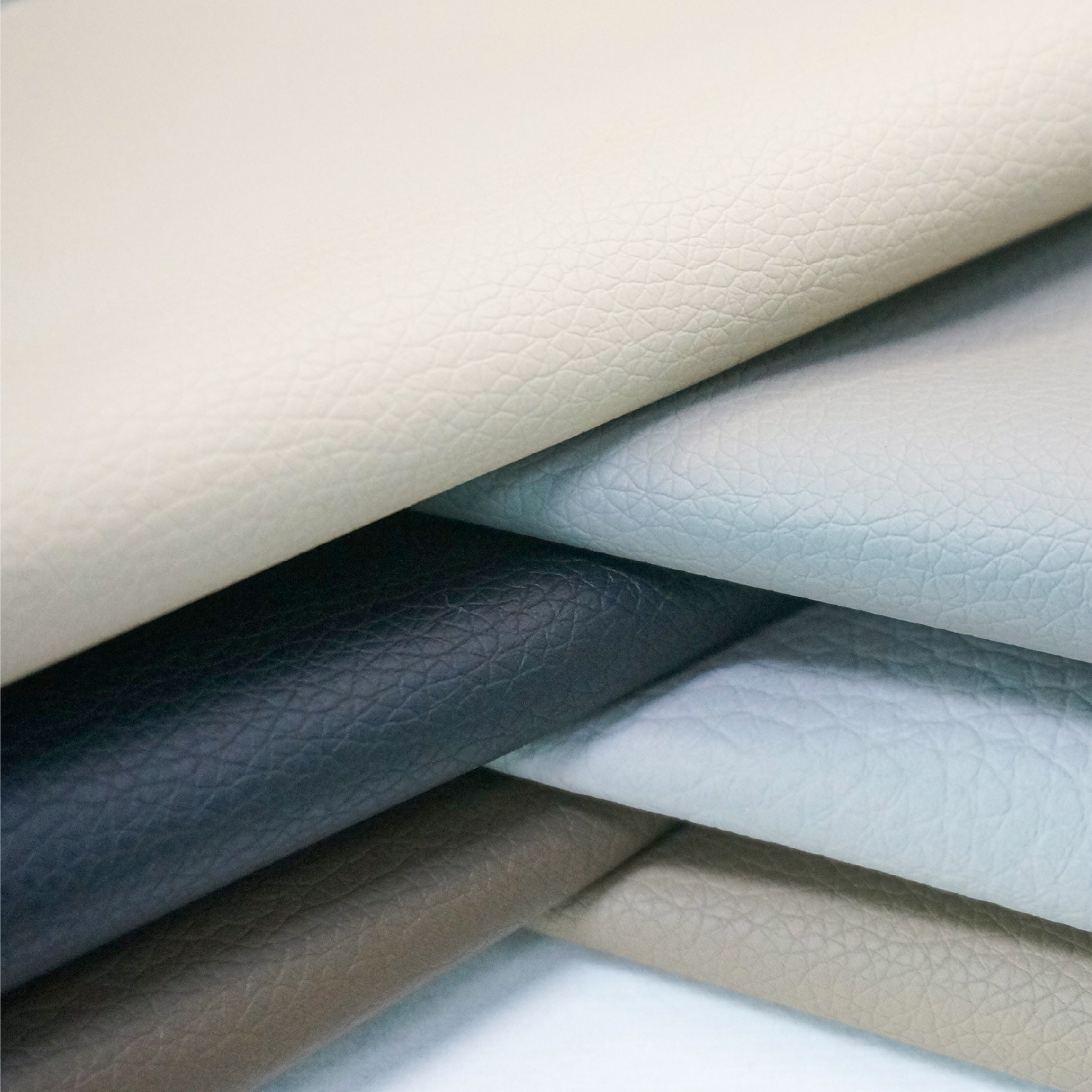
Material thickness, typically specified between 0.8 and 1.4 mm, plays a significant role in overall durability. Thicker PVC layers offer greater resistance to deep scratches and puncture wear. Additionally, the selection of backing material—such as high-tensile knitted fabric or non-woven fabric—influences the peeling strength and dimensional stability of the seat cover under tension. Testing protocols must also account for environmental factors, validating that the material retains its wear resistance when exposed to ultraviolet light, high temperatures, and moisture over extended periods.
In a practical application scenario, a professional automotive interior manufacturer based in Mexico successfully verified these wear characteristics by procuring 50,000 meters of customized synthetic leather for automotive seats, door panels, headrests, and armrests. The material was engineered to meet strict technical requirements, demonstrating stable color consistency, clear grain texture, high abrasion resistance, UV resistance, flame retardancy, low odor, and easy-clean performance under rigorous quality control standards.
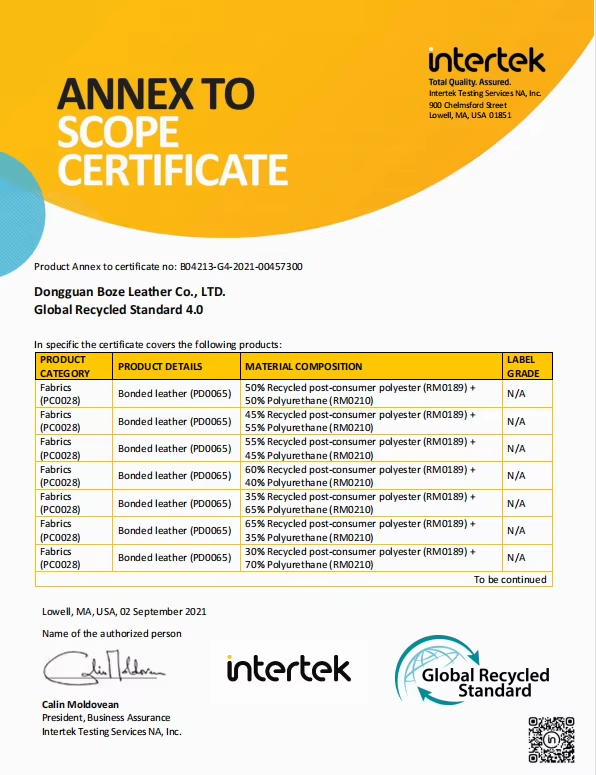
Verifying international certifications further establishes the technical viability of the material. Reliable manufacturers maintain strict compliance with global environmental and safety standards, holding recognized credentials such as GRS, USDA, and Oeko-Tex 100. These certifications assure buyers that the high-performance wear properties do not come at the cost of hazardous chemical treatments or unsafe manufacturing practices.
Data/Solution Comparison
| Specification Parameter | Standard Range / Option | Testing Method & Verification Focus |
|---|---|---|
| Material Thickness | 0.8–1.4 mm (Customizable) | Micrometer gauge measurements to ensure uniform thickness across the roll. |
| Backing Fabric Type | Knitted fabric, non-woven fabric, or customized backing | Tensile and peeling strength tests to evaluate backing adhesion under physical load. |
| Surface Finish & Grain | Matte, semi-gloss / Nappa, lychee, perforated, geometric | Visual inspections for grain consistency and friction resistance testing. |
| Functional Performance | Flame retardant, UV resistant, low odor, waterproof, stain resistant | Laboratory environmental chamber exposure testing and flammability rate analysis. |
Frequently Asked Questions (FAQ)
What certifications should I verify to ensure the quality of PVC leather?
Buyers should request verification of international standards, specifically looking for GRS (Global Recycled Standard), USDA BioPreferred, and Oeko-Tex Standard 100 certifications. These documents prove the material meets global environmental, safety, and performance criteria.
How does backing fabric affect the performance of car seat leather?
The backing fabric, whether knitted or non-woven, provides the structural foundation for the synthetic leather. It determines the tear resistance, tensile strength, and peeling strength, preventing the material from stretching out of shape or tearing at the seams under constant passenger weight.
What is the standard minimum order quantity and delivery timeline for custom orders?
For custom-manufactured PVC leather, the minimum order quantity is typically 100 meters. The standard production and delivery timeline ranges between 15 to 30 days, depending on specific requirements such as custom colors, grain patterns, and backing fabrics.
Final Conclusion & Recommendations
Selecting the correct PVC leather for car seats requires a balanced focus on standardized laboratory wear testing, chemical safety certifications, and physical sample verification. Buyers are advised to work with manufacturers that provide complete transparency in physical test data, covering thickness, tensile strength, and UV resistance. For secure transactions, standard procurement models utilize deposit-and-balance structures supported by payment terms like T/T Bank Transfer, L/C, or Alibaba Trade Assurance, alongside reliable shipping methods including Sea Freight, Air Freight, and international express. For detailed technical solutions or support, please reach out to us via vicky@bozeleather.com.
About Us
Established in 2007, Dongguan Cigno Leather Co., Ltd. operates a massive factory area of 100,000 sqm and utilizes advanced R&D capabilities focusing on eco-friendly, multifunctional synthetic leather materials. The production facility is equipped with 6 advanced synthetic leather production lines delivering a monthly capacity of approximately 6 million meters. The company holds recognized international certifications, including GRS, USDA, and Oeko-Tex 100, and has served major clients across multiple industries worldwide.

SUBSCRIBE
INQUIRY