
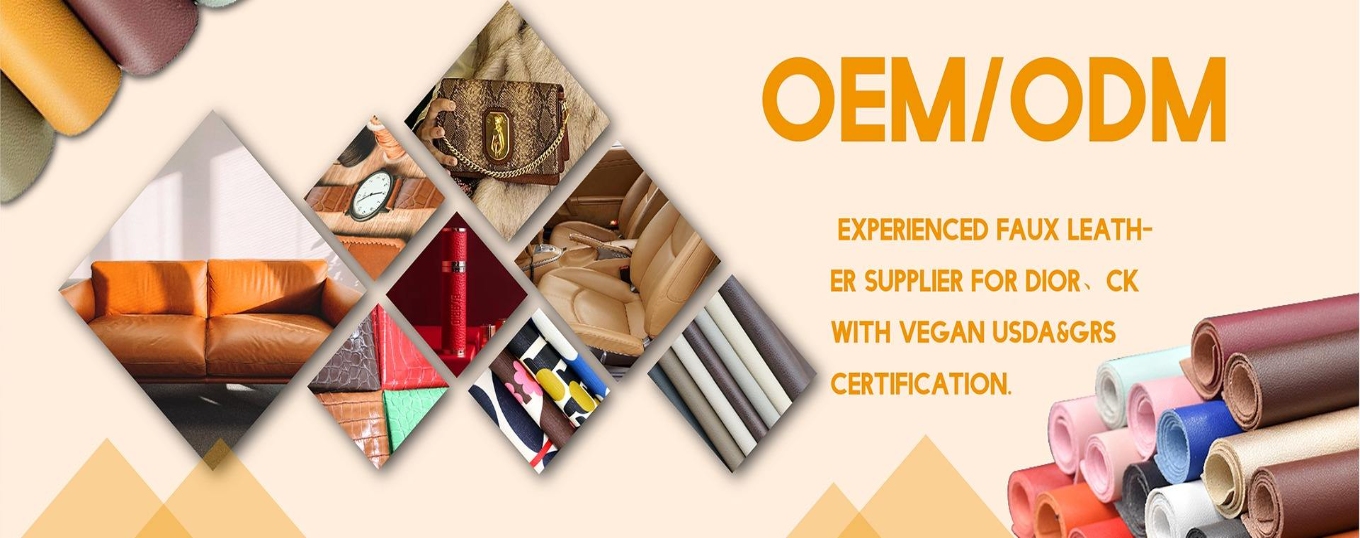
PRODUCTS
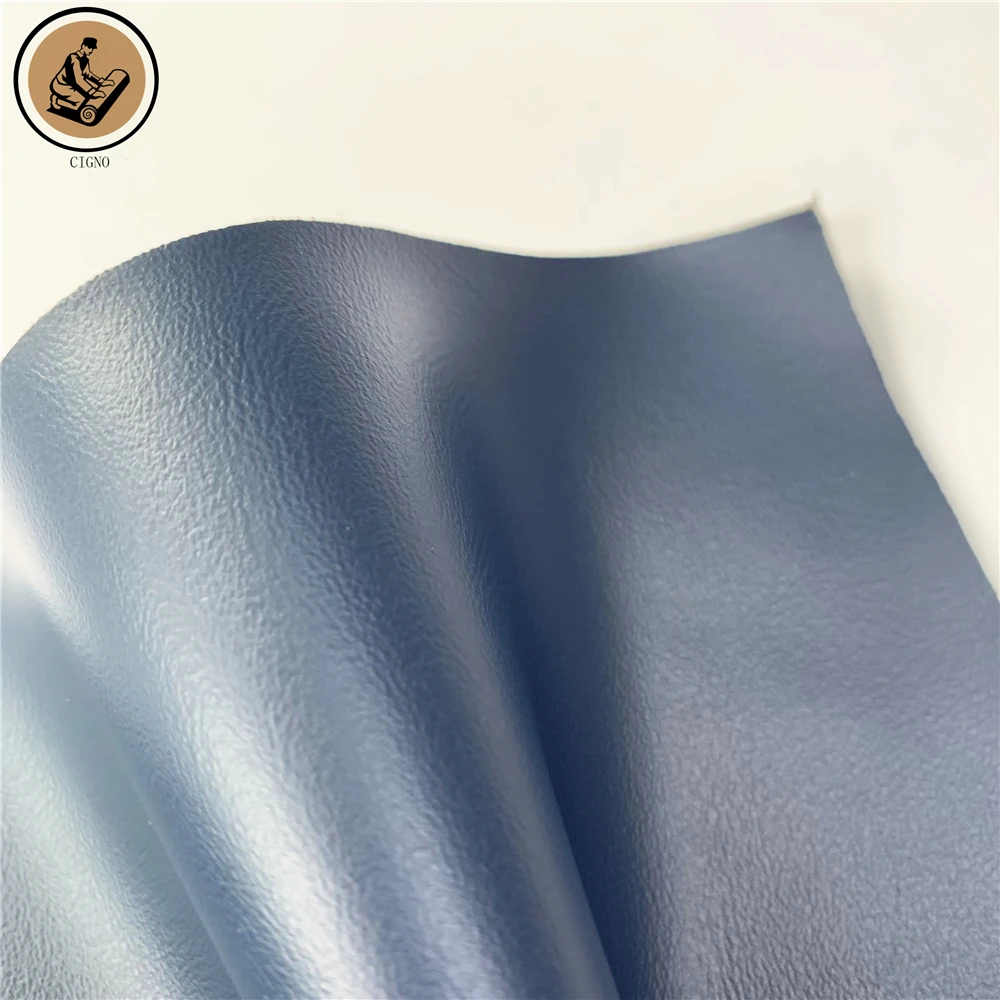
High Quality Eco-Friendly 1.2mm PU Synthetic Leather Furniture Upholstery Solvent-Free Skin-Feel for Sofa Car Seat Chair Bag Use
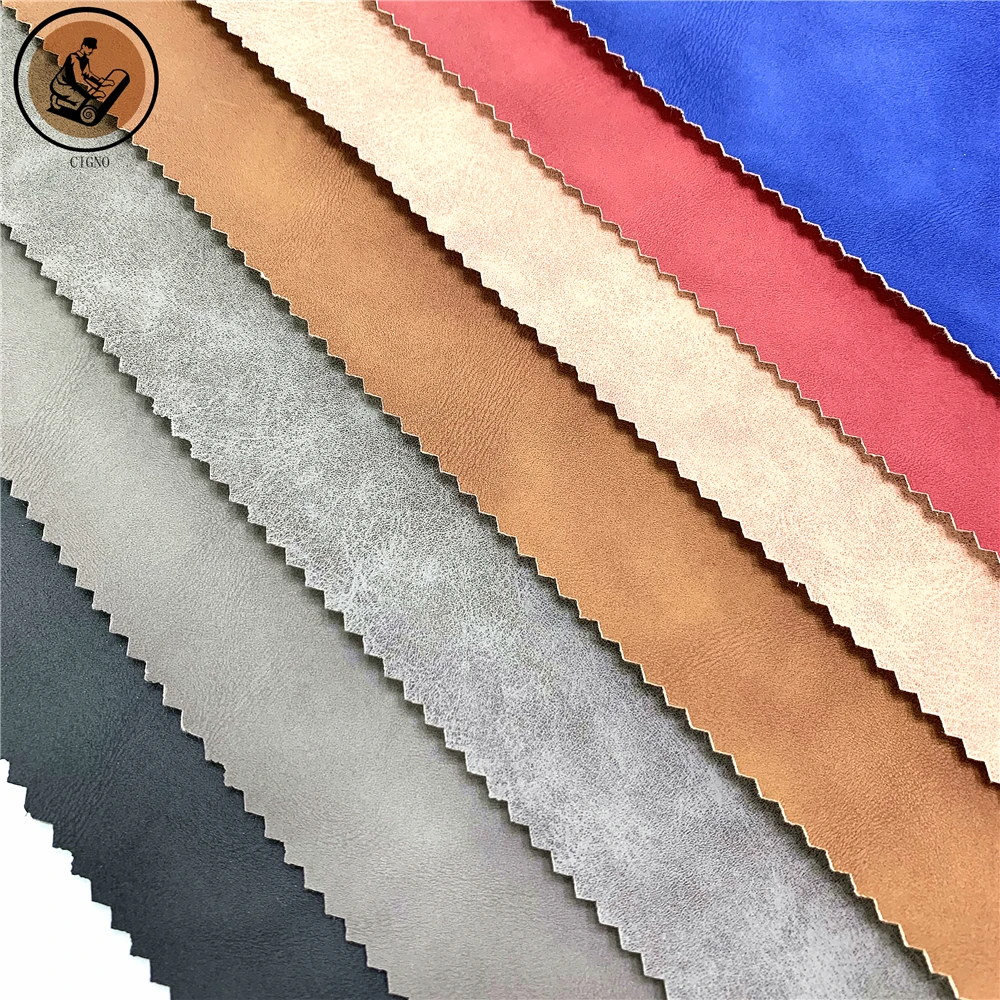
Free Samples of Embossed PU Synthetic Leather Bags Shoes Sofa Furniture Garments Car Decorative Uses-Waterproof Stretch Features
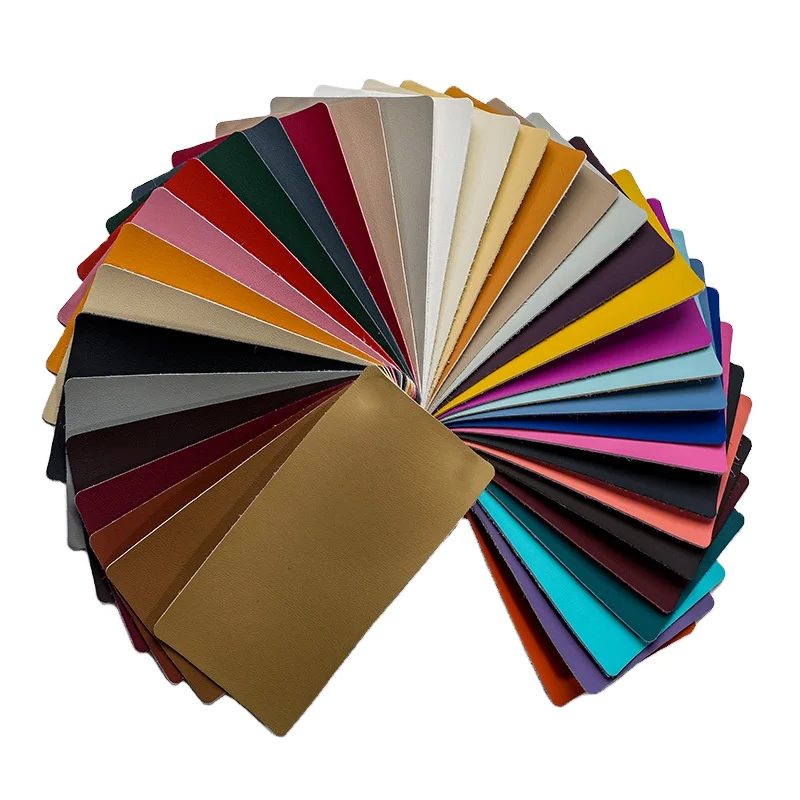
Pvc Vinyl Leather Rexine Leather Faux for Cars/Motorcycles, Waterproof Embossed Recycling Leatherette for Automotive Leather
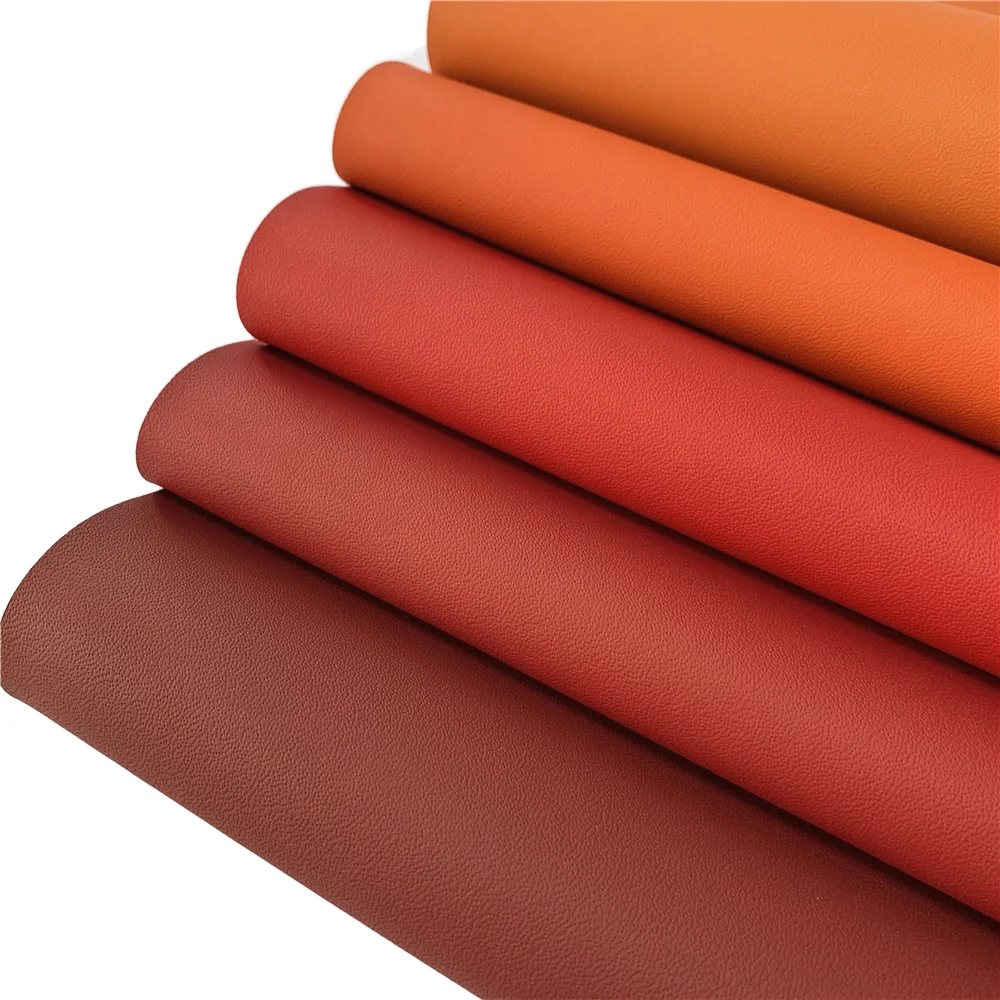
Hydrolysis Resistant Waterproof PU Microfiber Suede Leather Fabric Furniture Car Seat Covers Automotive Upholstery Bags Sofas
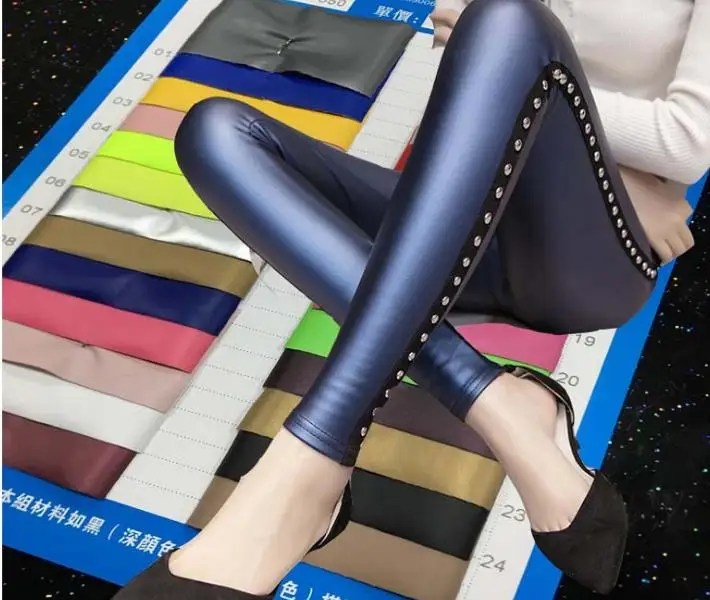
Ultra-Bright Black Mirror Four-Sided Stretch PU Fabric Pants Dresses Solid Color Soft Waterproof Clothing Elastic Finished
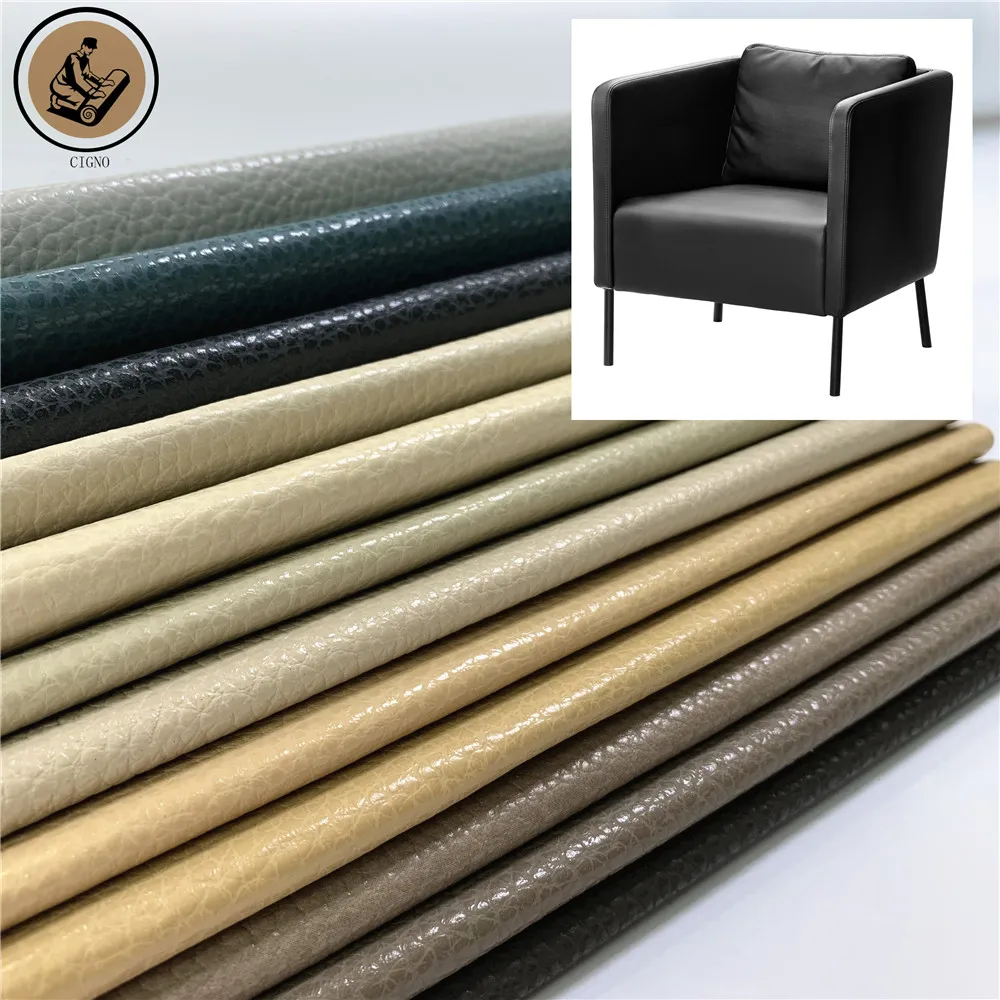
Litchi Lychee Grain 1.2mm PU Microfiber Leather Eco-Friendly Synthetic Leather Sofa Car Seat Handbags-Pearly-Lustre Recycled
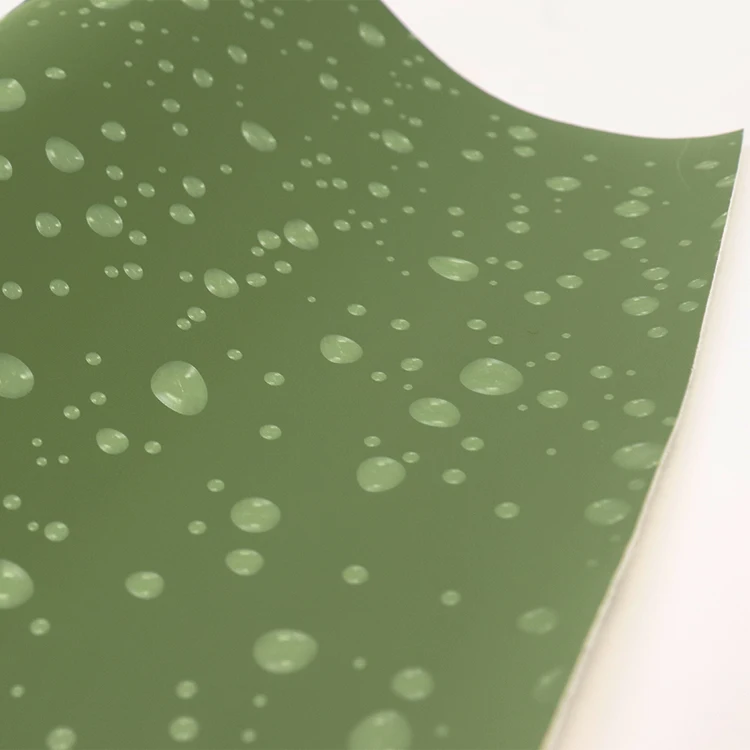
Custom Designer Faux Leather Fabric PVC Synthetic Leather Waterproof Sofa Bag Furniture Chair Woven Backing-Price Per Meter
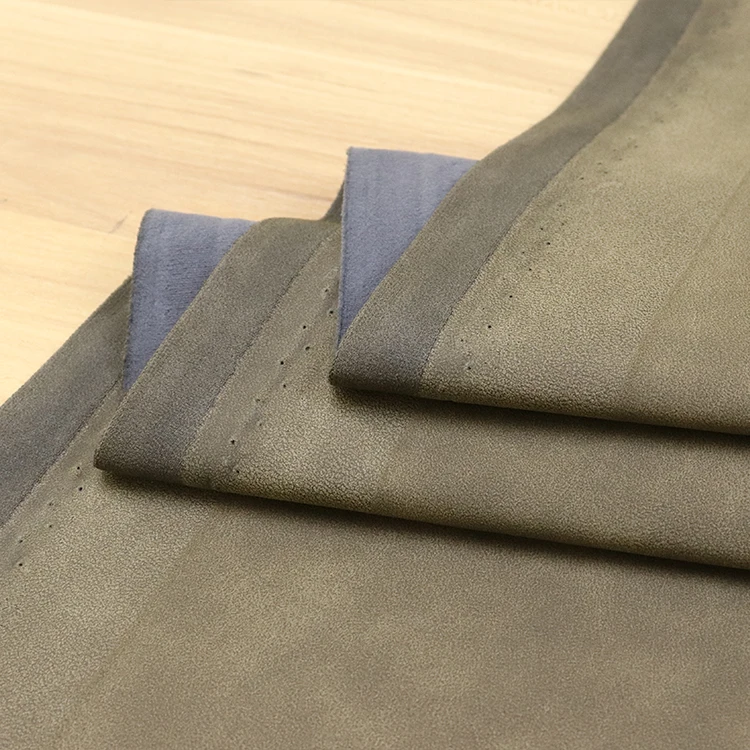
PU Suede Leather Nubuck Artificial Leather Materi for Shoe Make
How can I verify if the leather car seat covers are compatible with side airbags?
Verifying if leather car seat covers are compatible with side airbags requires checking for certified airbag-safe seams, searching for manufacturer-documented testing, and examining the cover's side construction for specialized tear-away stitching or open slots. Professional synthetic leather manufacturers validate compatibility through physical laboratory testing to ensure seam burst-strength allows rapid airbag deployment.
Core Solutions & Key Takeaways
- Verify Airbag-Safe Stitching: Seat covers must feature specific low-tensile thread on the side panels designed to rupture instantly upon airbag inflation.
- Check Material Specifications: Premium synthetic leather, with a thickness of 0.8–1.4 mm and width of 54/55 inches, provides the optimal balance of tensile strength and controlled tear-away behavior.
- Review Compliance Certificates: Reputable manufacturers provide test reports verifying physical performance, including tensile strength, tearing strength, and flame-retardant properties.
- Validate Factory Capabilities: Choose suppliers with established automotive upholstery R&D experience and rigorous quality control systems.
Detailed Architectural/Principle Analysis
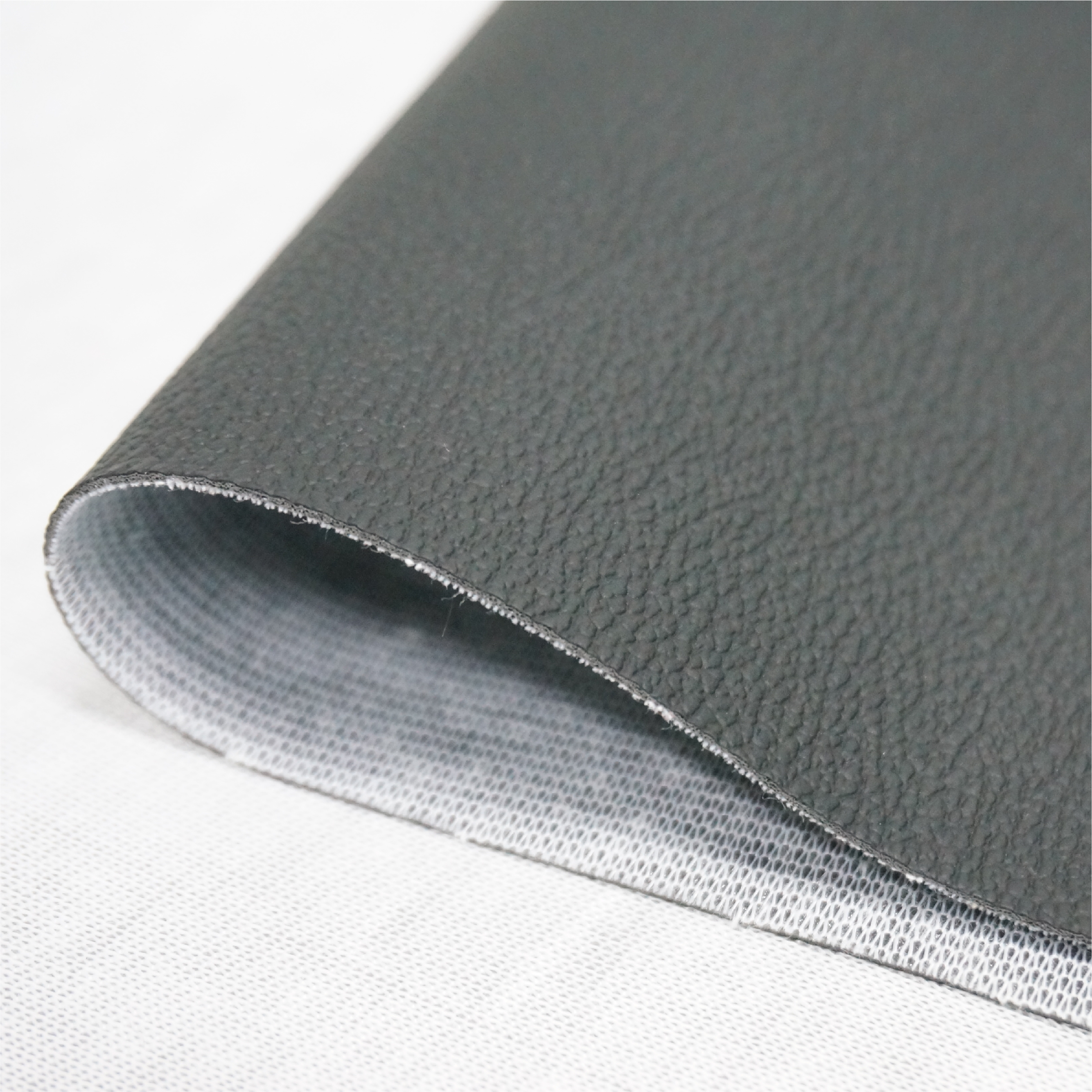
Side airbag compatibility in leather seat covers relies on precise seam engineering. Standard seams feature high-strength polyester threads that resist tearing, which can block or delay airbag deployment. In contrast, airbag-compatible seat covers utilize a specialized break-thread technical design on the side seams. When the airbag inflates, the force concentrated on this specific seam triggers an immediate rupture, allowing the airbag to deploy within milliseconds.
To guarantee this functionality, industrial manufacturers like Dongguan Cigno Leather Co., Ltd. implement strict material standards. Established in 2007, the company produces high-performance synthetic leather engineered for automotive environments. For a major automotive interior manufacturer in Mexico, 50,000 meters of customized synthetic leather was supplied for automotive seats, door panels, and headrests, meeting stringent specifications for low odor, UV resistance, and abrasion resistance while maintaining consistent mechanical tearing properties.
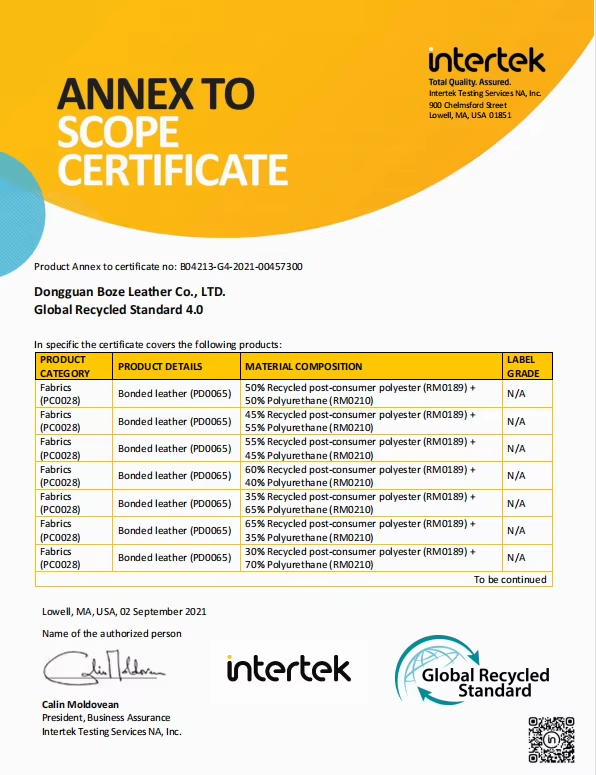
Material thickness, backing fabric choice, and coating uniformity directly affect the physical tear performance. Microfiber, PU, and PVC synthetic leather materials must undergo laboratory validation to ensure consistent tensile and peeling strength. Verifiable international standards, such as GRS (B04213-G4) and Oeko-Tex 100 (SH015 120749), serve as baselines for quality consistency across global export markets.
Data/Solution Comparison
The following table outlines the material properties and suitability of different synthetic leather types for airbag-compatible car seat covers:
| Material Type | Thickness Range (mm) | Relative Tensile Strength | Airbag Seam Compatibility | Key Features |
|---|---|---|---|---|
| PVC Leather | 0.8–1.4 | Medium to High | Supported with weak-thread stitching | Waterproofing, stain resistance, easy cleaning |
| PU Leather | 0.8–1.4 | High | Supported with specialized side seam slotting | Good flexibility, soft texture, stable color consistency |
| Microfiber Leather | 0.8–1.4 | Very High | Supported with precision-engineered perforation | Excellent abrasion resistance, high durability, scratch resistance |
Frequently Asked Questions (FAQ)
How can I identify an airbag-safe seat cover visually?
Airbag-compatible seat covers typically feature a distinct "SRS" or "Airbag" tag stitched onto the side seam. Additionally, the interior side seam will show specialized single-thread stitching or a pre-cut open slot where the airbag is positioned.
What testing procedures confirm airbag compatibility?
Manufacturers conduct laboratory deployment tests under extreme temperature conditions (ranging from -35°C to 80°C) to simulate actual collision scenarios. These tests measure the exact deployment time and ensure no loose fragments fly off during inflation.
Does customizing the leather thickness affect airbag safety?
Yes. Altering the thickness outside the standard 0.8–1.4 mm range changes the mechanical resistance of the material. Any customized thickness, backing fabric change, or perforation pattern must undergo renewed seam strength testing to ensure safe tear-away performance.
Final Conclusion & Recommendations
To ensure absolute safety, verify that your synthetic leather seat covers are sourced from certified manufacturers utilizing standardized test protocols. Look for materials that maintain stable tensile and abrasion resistance parameters while integrating specialized weak-thread stitching designs. For bulk commercial sourcing, partners should utilize secure procurement and quality assurance frameworks. Production quality control must adhere to ISO 9001 standards, including raw material inspection, color matching, and pre-shipment tests. For detailed technical solutions or support, please reach out to us via vicky@bozeleather.com.
About Us
Dongguan Cigno Leather Co., Ltd. is a professional synthetic leather manufacturer based in Dongguan, China. Established in 2007, the company operates a factory area of 100,000 sqm and utilizes advanced production lines to develop eco-friendly and multifunctional synthetic leather materials. Holding USDA, GRS, and Oeko-Tex 100 certifications, the company supplies high-quality PVC, PU, and microfiber leather globally with a monthly capacity of 6 million meters.

SUBSCRIBE
INQUIRY