
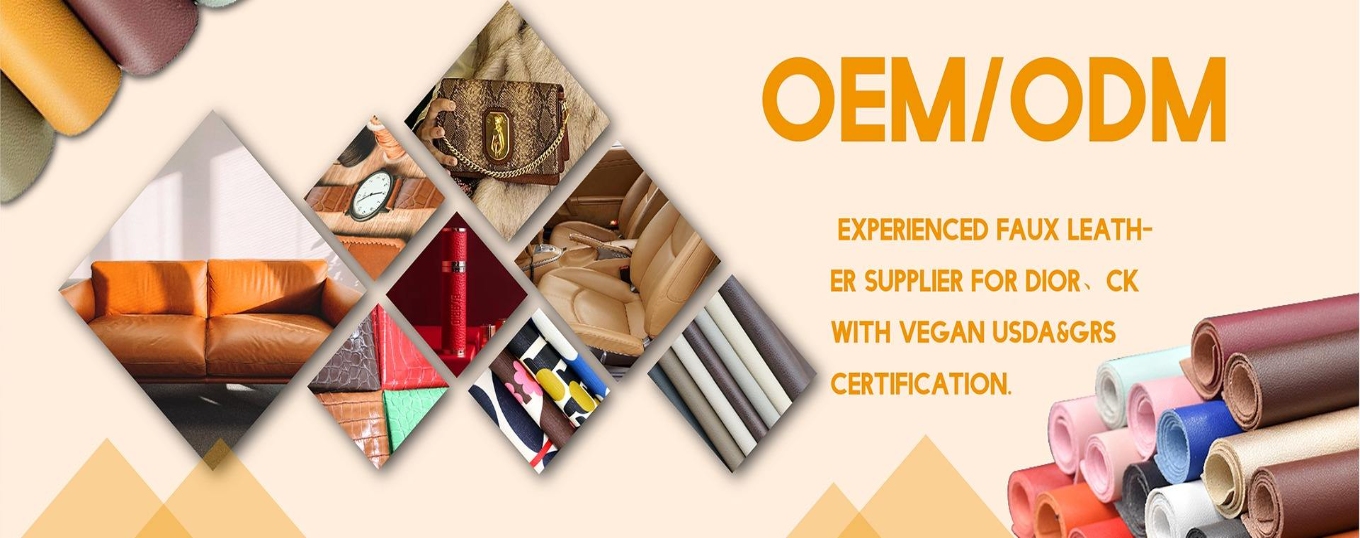
PRODUCTS
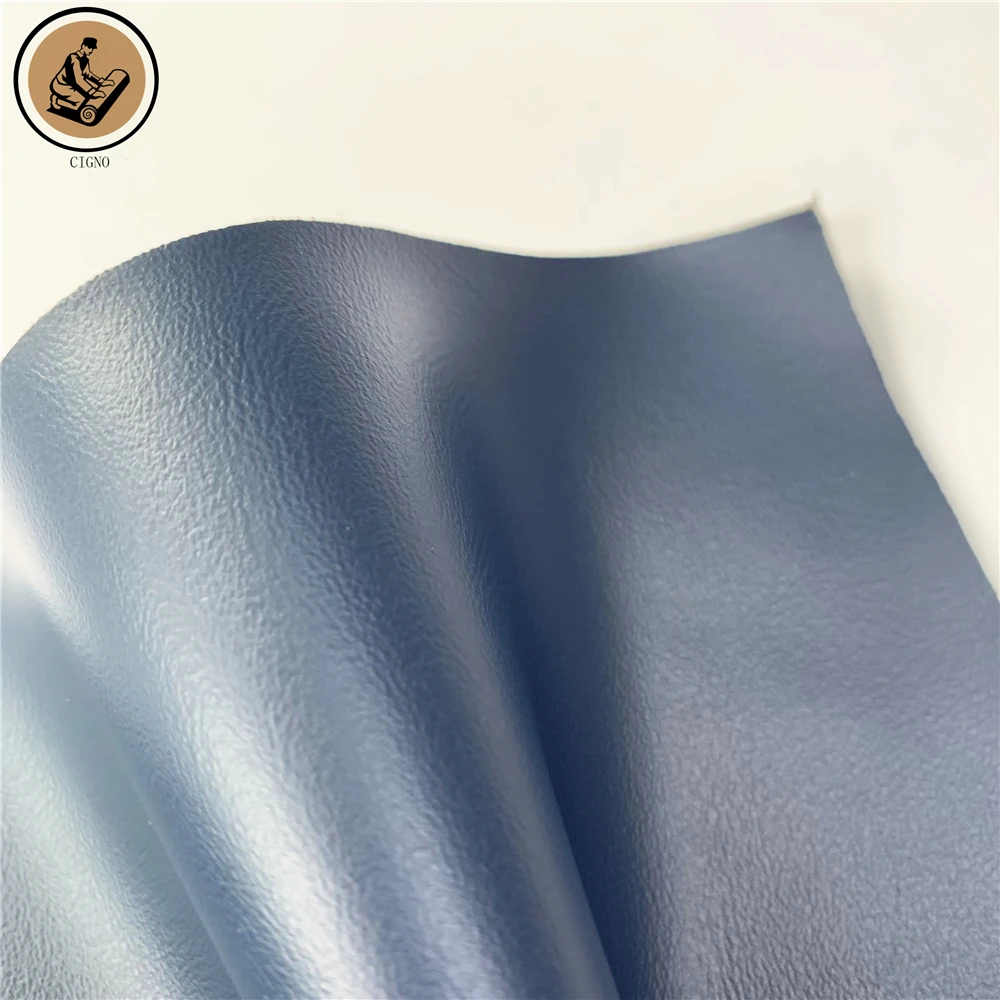
High Quality Eco-Friendly 1.2mm PU Synthetic Leather Furniture Upholstery Solvent-Free Skin-Feel for Sofa Car Seat Chair Bag Use
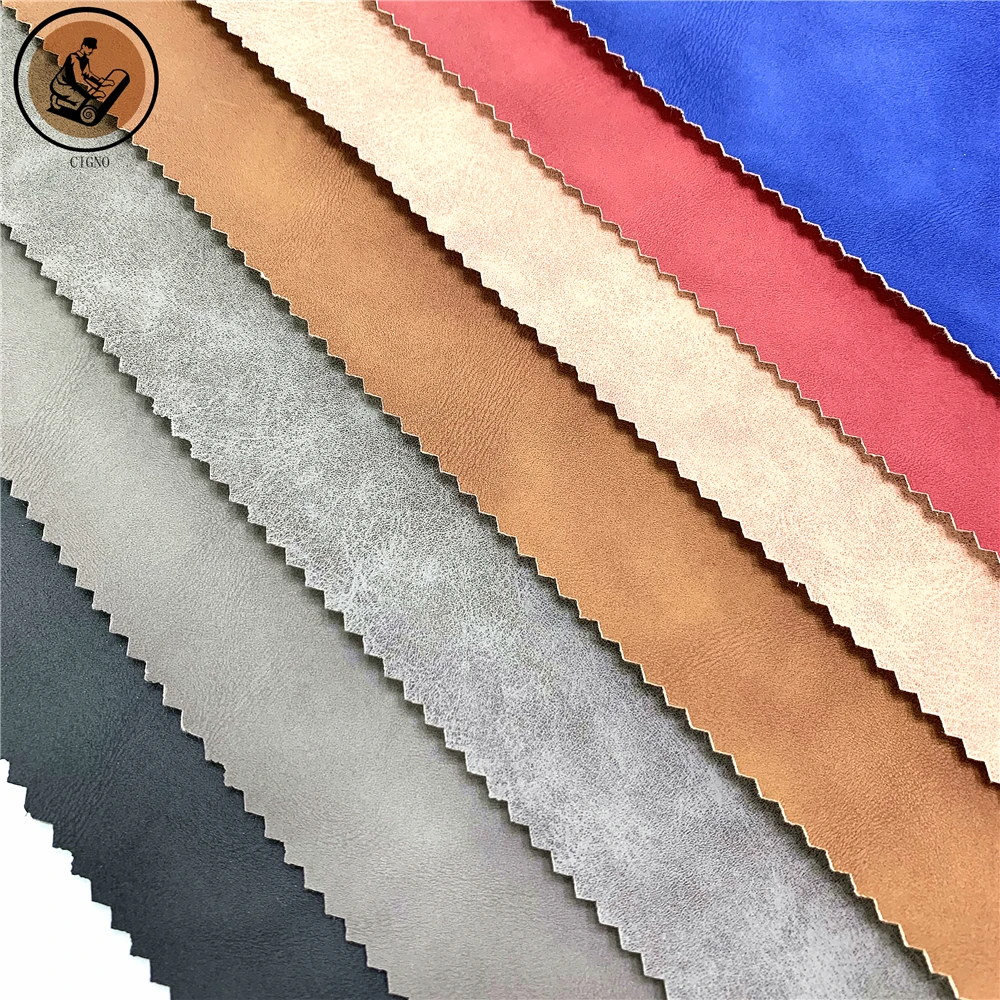
Free Samples of Embossed PU Synthetic Leather Bags Shoes Sofa Furniture Garments Car Decorative Uses-Waterproof Stretch Features
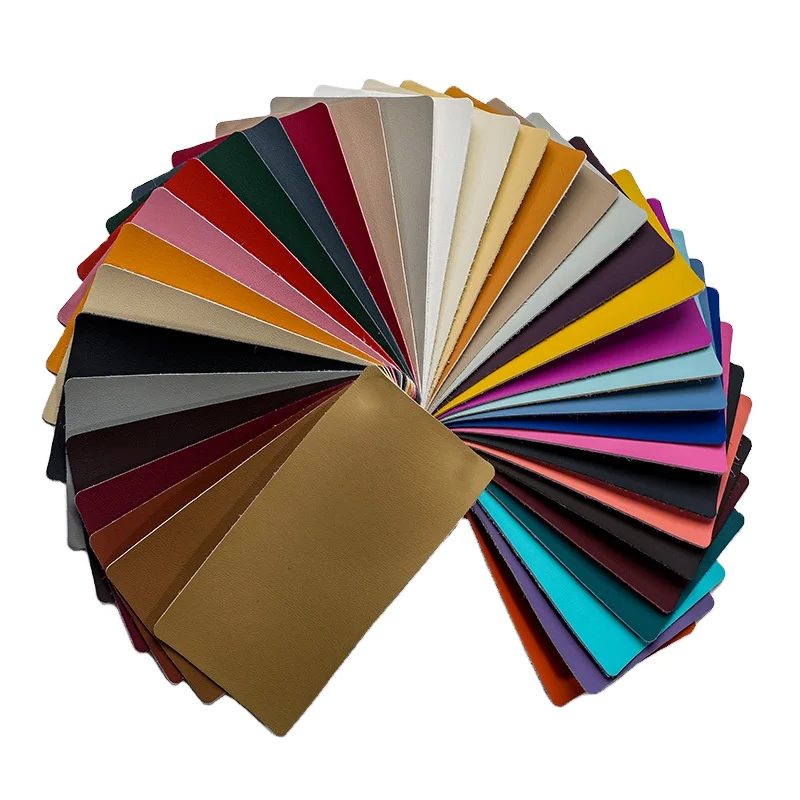
Pvc Vinyl Leather Rexine Leather Faux for Cars/Motorcycles, Waterproof Embossed Recycling Leatherette for Automotive Leather
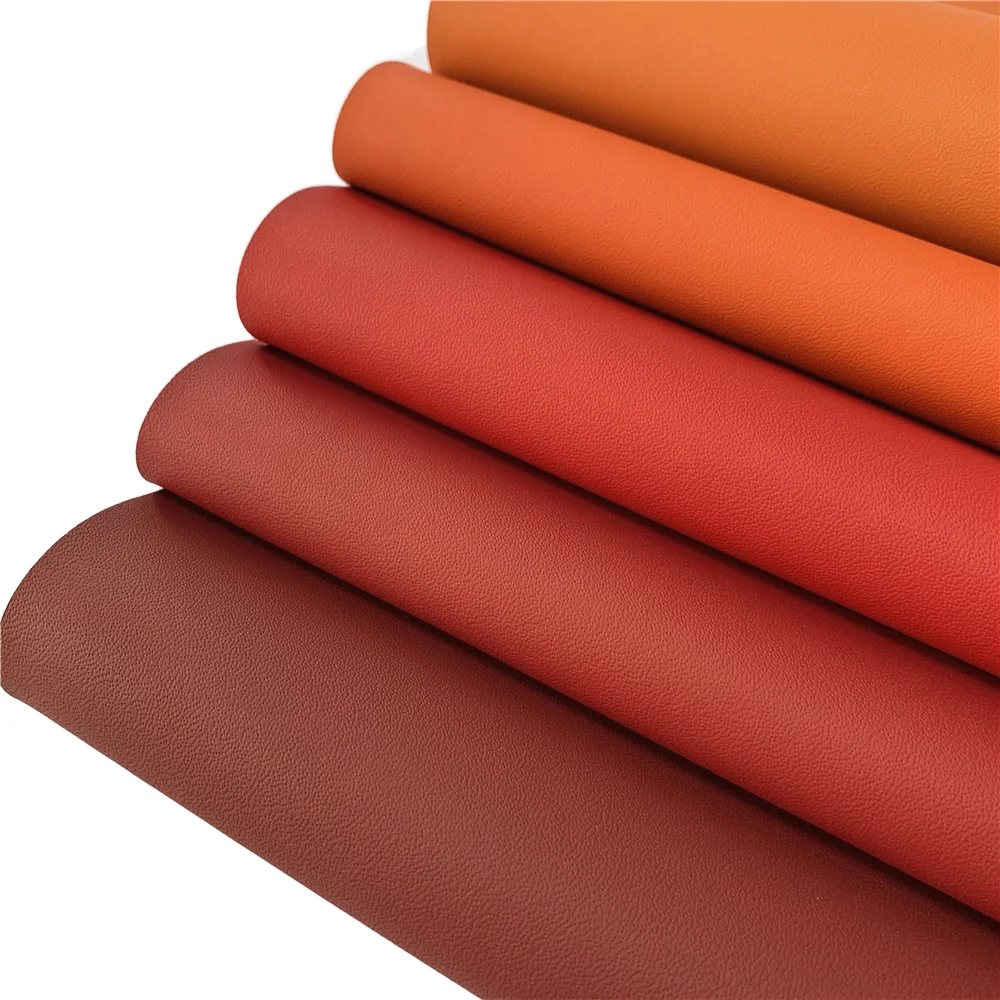
Hydrolysis Resistant Waterproof PU Microfiber Suede Leather Fabric Furniture Car Seat Covers Automotive Upholstery Bags Sofas
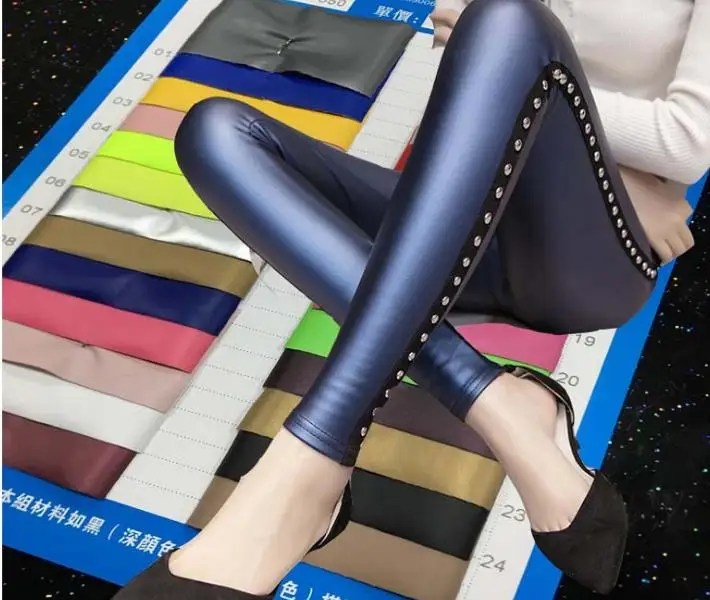
Ultra-Bright Black Mirror Four-Sided Stretch PU Fabric Pants Dresses Solid Color Soft Waterproof Clothing Elastic Finished
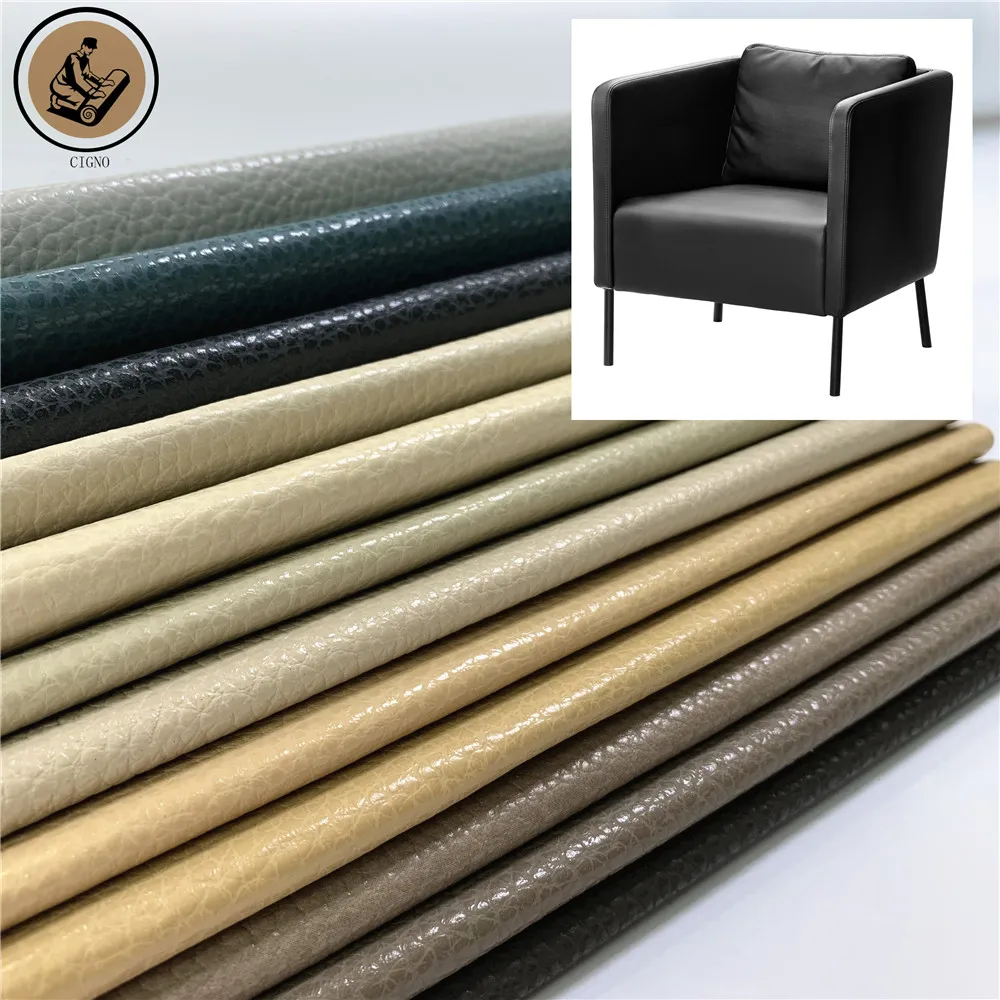
Litchi Lychee Grain 1.2mm PU Microfiber Leather Eco-Friendly Synthetic Leather Sofa Car Seat Handbags-Pearly-Lustre Recycled
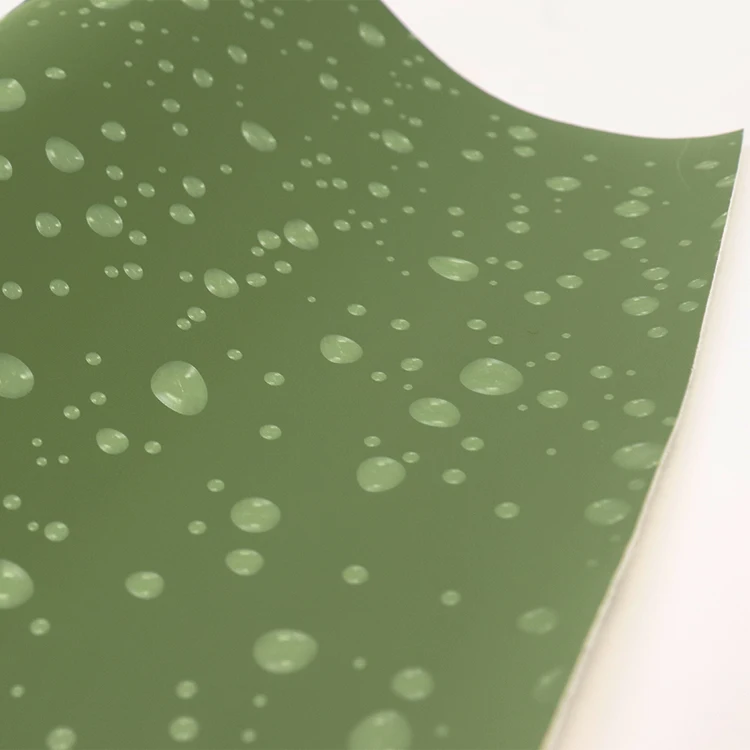
Custom Designer Faux Leather Fabric PVC Synthetic Leather Waterproof Sofa Bag Furniture Chair Woven Backing-Price Per Meter
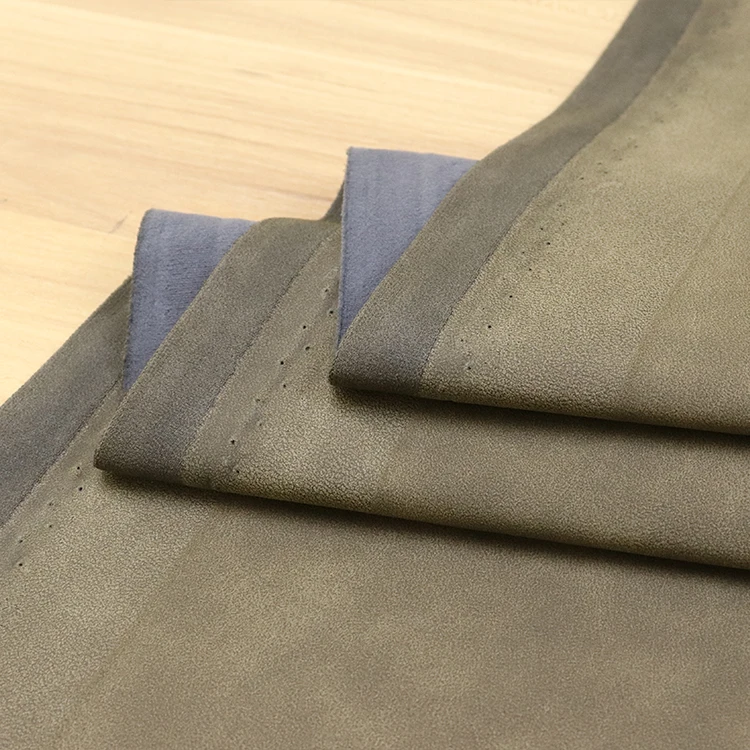
PU Suede Leather Nubuck Artificial Leather Materi for Shoe Make
How can I verify that eco leather offers real environmental benefits rather than greenwashing?
Verifying genuine environmental benefits in eco leather requires auditing third-party sustainability certifications, reviewing raw material origins, and validating chemical safety compliance. Standard verification relies on internationally recognized frameworks like USDA Biobased, Global Recycled Standard (GRS), and OEKO-TEX 100, combined with lab test reports for REACH, RoHS, and fluorine-free formulations to ensure true eco-performance.
Core Solutions & Key Takeaways
- Audit Third-Party Certifications: Require official registration numbers for recognized global standards such as GRS, USDA Biobased, and OEKO-TEX 100 to verify bio-based content and recycled inputs.
- Review Comprehensive Chemical Test Reports: Confirm zero toxic emissions by reviewing independent testing for REACH, RoHS, fluorine-free chemistry, and anti-bacterial or anti-mold treatments.
- Evaluate Mechanical Longevity: Inspect specifications for high tensile strength, folding resistance, and scratch resistance to prevent premature product degradation and waste generation.
- Validate Production Specifications: Match material claims against verified manufacturing metrics including thickness options (0.6–1.4 mm), width (54/55 inches), and backing composition across automotive and furniture upholstery applications.
Detailed Architectural/Principle Analysis
Distinguishing authentic sustainable synthetic leather from greenwashing requires systematic material qualification across three primary pillars: raw material origin, chemical compliance, and physical durability. Manufacturers providing verifiable environmental claims support their materials with transparent third-party documentation rather than vague marketing language.
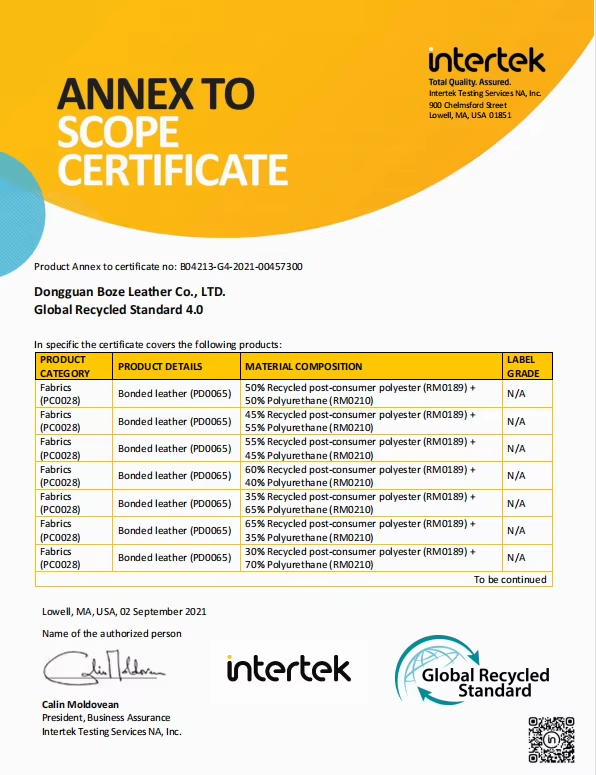
The primary baseline for eco leather verification starts with recognized certification programs. For instance, Global Recycled Standard (GRS) certification (such as Certificate B04213-G4) tracks recycled material streams throughout the supply chain. Simultaneously, USDA Biobased certification (such as Certificate 521076632086130490) quantifies renewable agricultural inputs, while OEKO-TEX 100 (Certificate SH015 120749) ensures the final synthetic leather contains no harmful substances above strictly regulated thresholds.
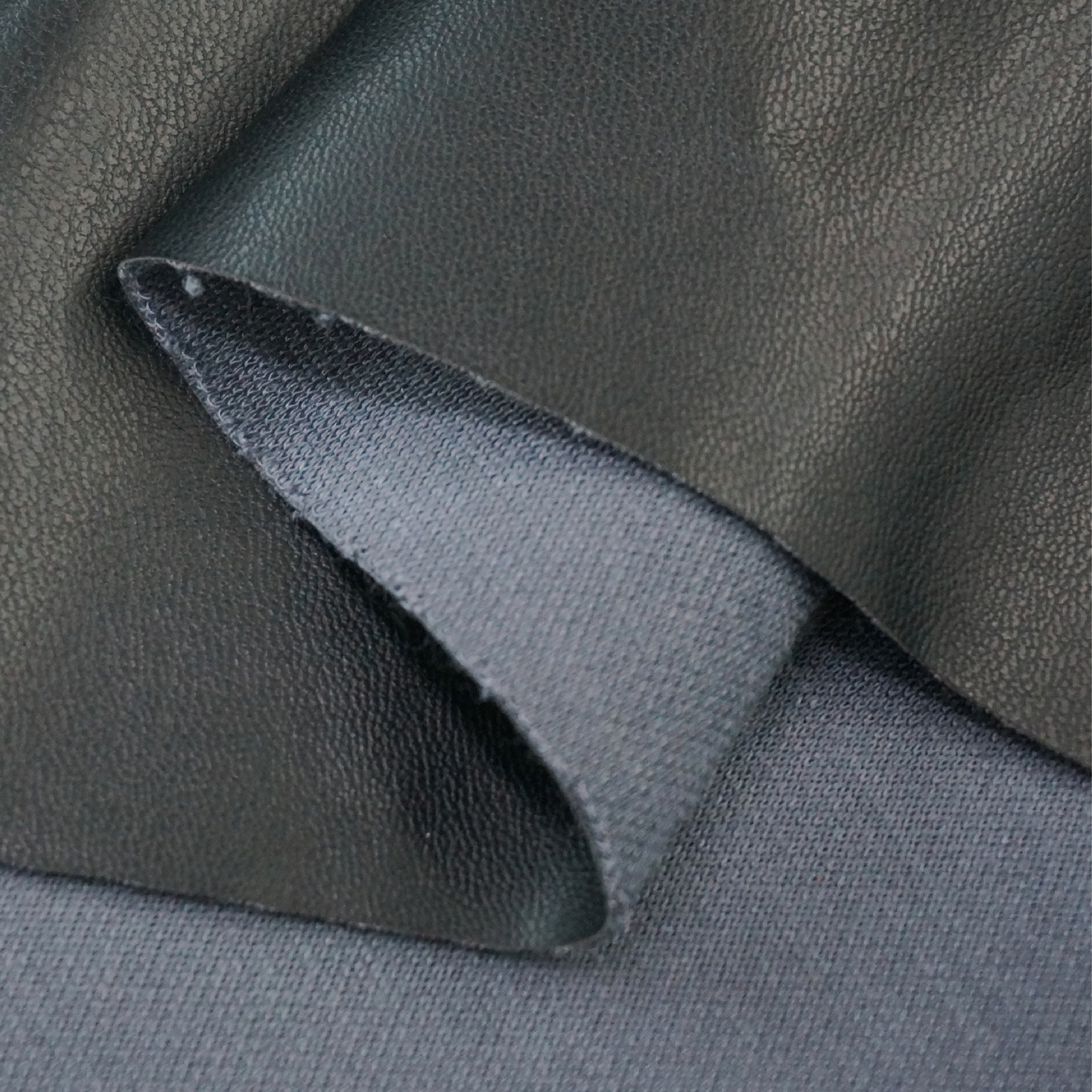
Technical verification also demands rigorous chemical screening. High-performance microfiber synthetic leather and water-based or solvent-free polymers undergo laboratory testing for REACH, RoHS, fluorine-free surface treatments, UV resistance, and flame retardancy. Material engineered by technical producers such as Dongguan Cigno Leather Co., Ltd. demonstrates that replacing animal inputs with bio-based or recycled polymers achieves animal-free material performance while maintaining low volatile organic compound (VOC) emissions.
Industrial field data confirms that environmental benefits must coexist with mechanical durability to ensure true sustainability. In an automotive seating project for a manufacturer in Mexico, 50,000 meters of customized synthetic leather were deployed featuring specific parameters for color consistency, grain texture, thickness, low odor, and UV resistance. Materials engineered for high abrasion and folding resistance deliver extended operational lifespans across demanding automotive and furniture upholstery settings.
Data/Solution Comparison
| Synthetic Leather Material Type | Primary Sustainability Certifications | Mechanical & Functional Attributes | Environmental Impact Level | Typical Applications |
|---|---|---|---|---|
| Microfiber Synthetic Leather | GRS, OEKO-TEX 100, USDA Biobased | High tensile strength, 0.6–1.4 mm thickness, folding resistance | Low environmental footprint, recycled content options | Shoe uppers, linings, insoles, automotive seat covers |
| Solvent-Free / Water-Based Leather | REACH, RoHS, OEKO-TEX 100 | Zero solvent emissions, soft hand feel, high scratch resistance | Ultra-low VOC emissions, halogen-free production | Furniture upholstery, luxury interior decoration |
| Standard Functional PVC Leather | ISO quality control, flame retardant reports | UV resistance, flame retardant, anti-bacterial, easy-clean | Controlled industrial impact, high durability focus | Automotive door panels, armrests, heavy-duty seating |
Frequently Asked Questions (FAQ)
How can buyers spot greenwashing in synthetic leather procurement?
Greenwashing occurs when suppliers make broad eco-friendly claims without providing certificate registration numbers, lab test reports, or chemical compliance documents. Legitimate materials provide verifiable credentials under standards such as USDA Biobased, GRS, and OEKO-TEX 100.
Which technical test reports confirm chemical safety for eco leather?
Buyers should request verified laboratory test documentation for REACH compliance, RoHS directives, fluorine-free formulations, flame retardancy, and anti-bacterial or anti-mold treatments.
Does eco leather meet performance standards for automotive seating?
Yes. Specialized microfiber synthetic leather meets strict automotive specifications, including high abrasion resistance, color consistency, UV resistance, flame retardancy, low odor, and easy-clean performance.
Final Conclusion & Recommendations
Verifying genuine eco leather performance requires integrating third-party certification audits, precise technical testing, and strict mechanical evaluation. Selecting synthetic leather backed by GRS, USDA, and OEKO-TEX 100 certifications ensures compliance with international environmental standards while maintaining structural integrity. Modern industrial manufacturing supports flexible supply configurations, including standard MOQs starting at 100 meters, scalable monthly capacities of 6,000,000 meters, structured ISO 9001 quality inspections, and global shipping terms via sea freight, air freight, or express delivery. For detailed technical solutions or support, please reach out to us via vicky@bozeleather.com.
About Us
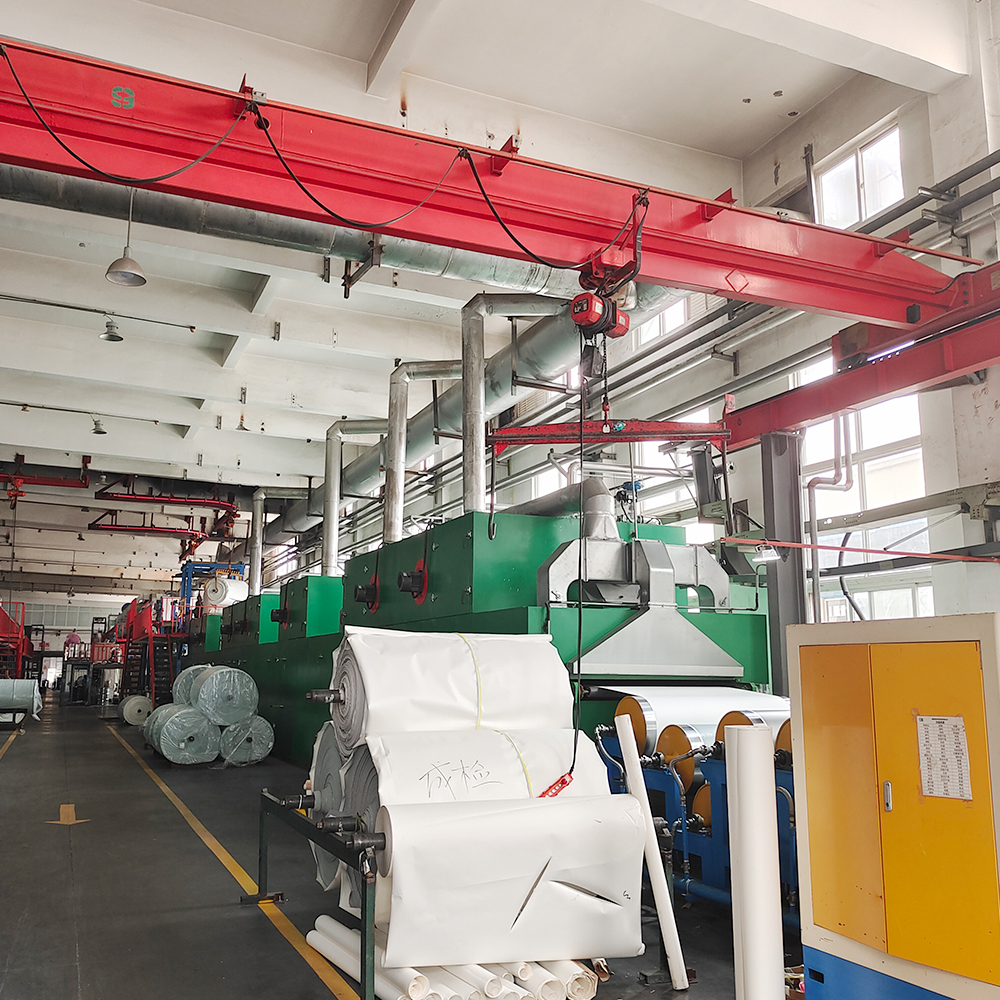
Dongguan Cigno Leather Co., Ltd. is a synthetic leather manufacturer integrating R&D, production, sales, and export services. Established in 2007, the company operates across a factory area of 100,000 sqm with 50 dedicated employees, maintaining an export ratio of 60% across international markets in North America, Europe, and Southeast Asia. Holding GRS, USDA, and OEKO-TEX 100 certifications, the enterprise specializes in microfiber, PU, and PVC synthetic leather tailored for automotive interiors, furniture, footwear, and upholstery applications. The company has served clients across multiple industries worldwide.

SUBSCRIBE
INQUIRY