
PRODUCTS
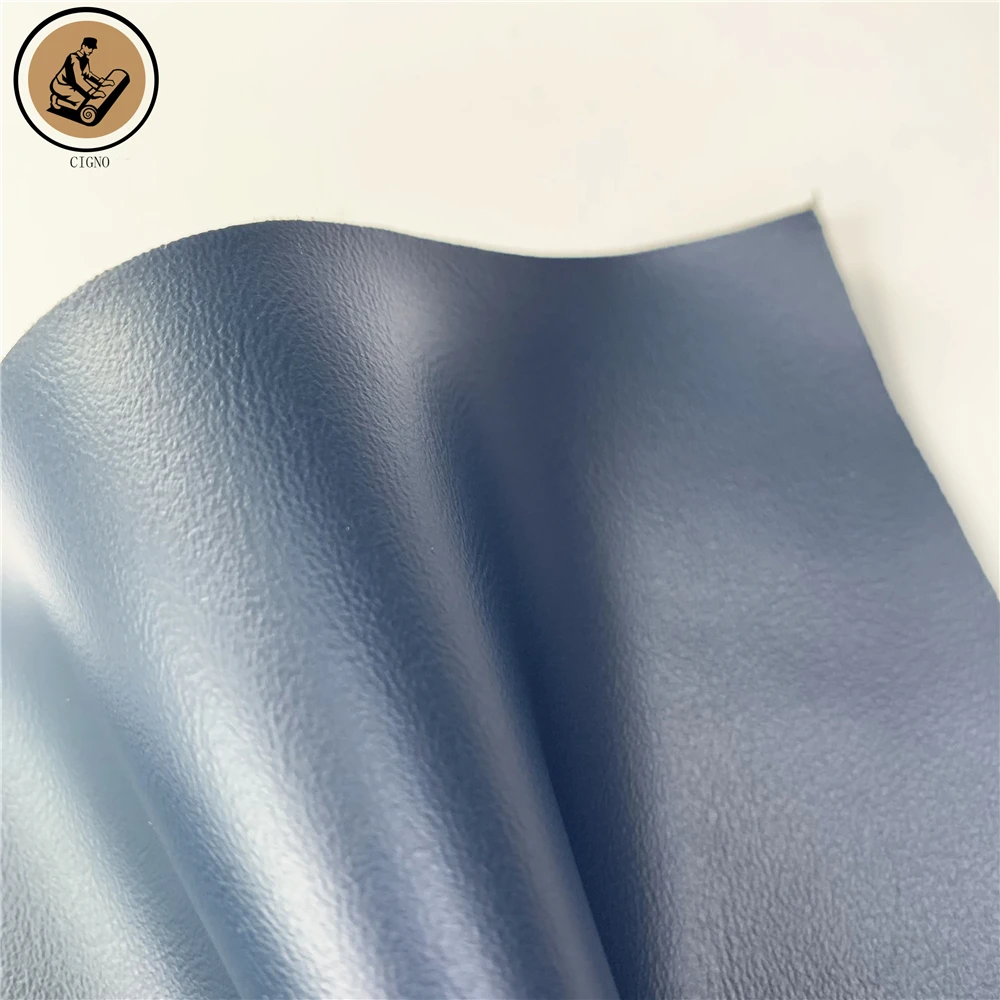
High Quality Eco-Friendly 1.2mm PU Synthetic Leather Furniture Upholstery Solvent-Free Skin-Feel for Sofa Car Seat Chair Bag Use
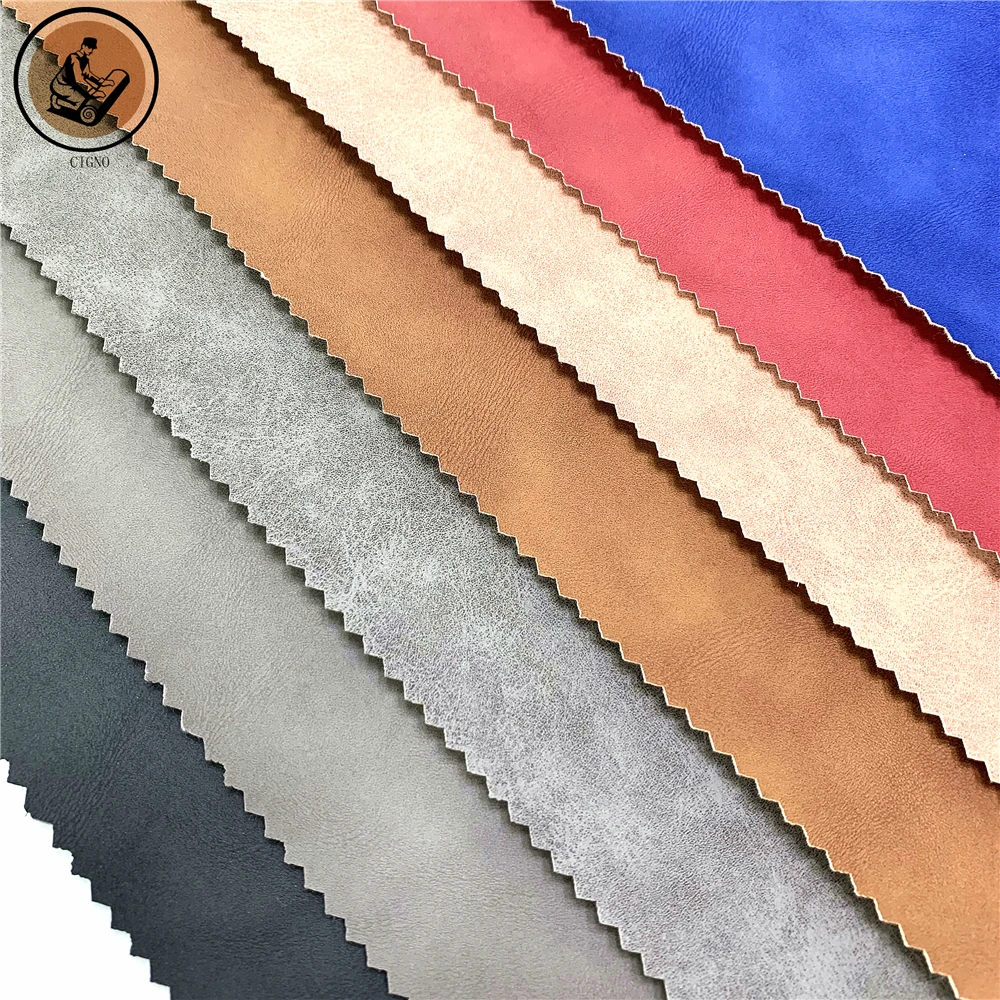
Free Samples of Embossed PU Synthetic Leather Bags Shoes Sofa Furniture Garments Car Decorative Uses-Waterproof Stretch Features
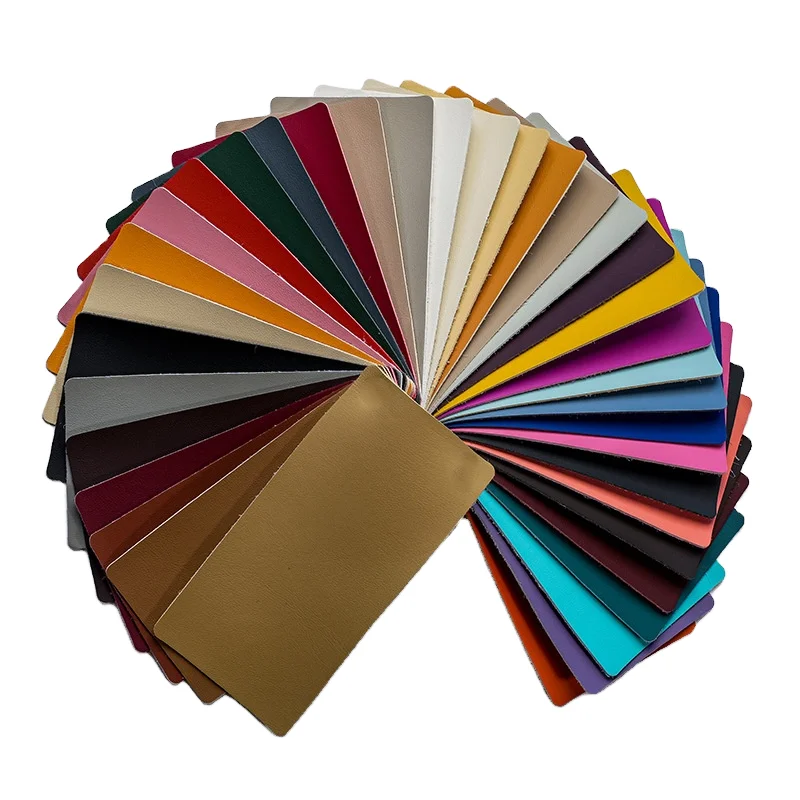
Pvc Vinyl Leather Rexine Leather Faux for Cars/Motorcycles, Waterproof Embossed Recycling Leatherette for Automotive Leather
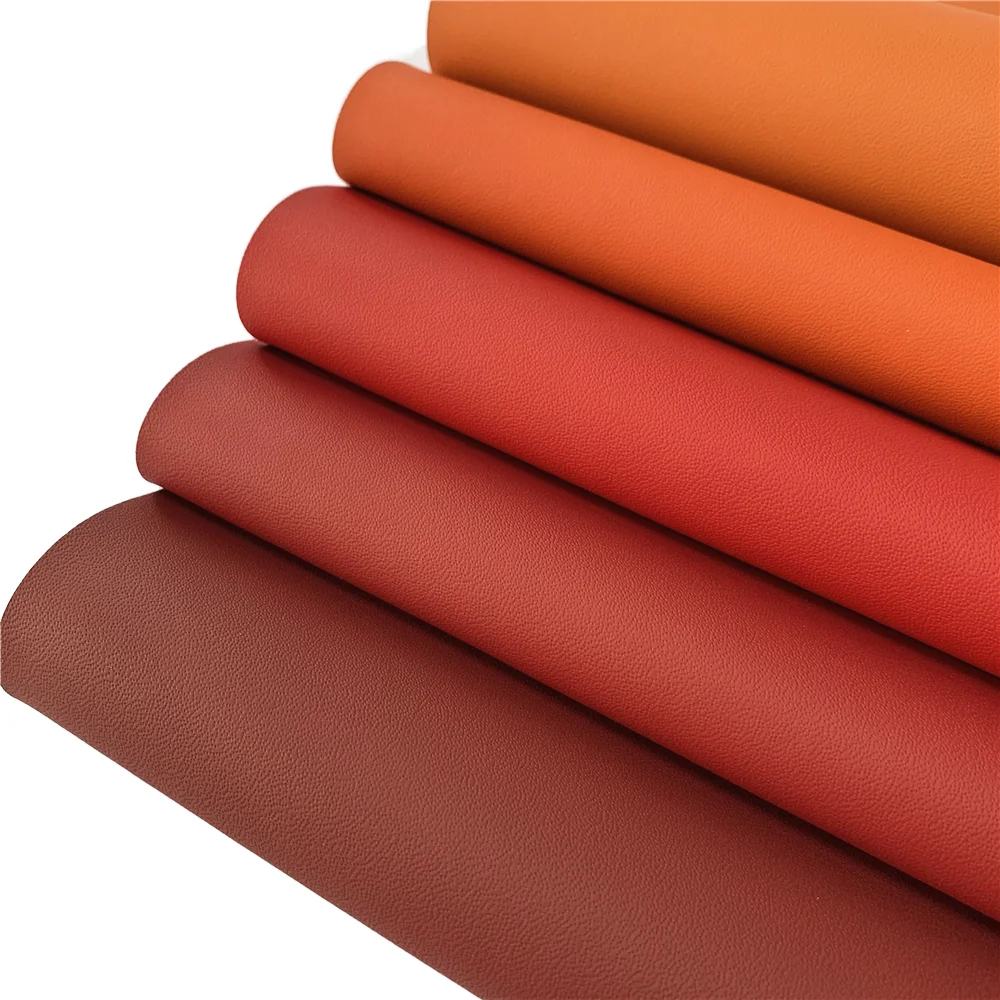
Hydrolysis Resistant Waterproof PU Microfiber Suede Leather Fabric Furniture Car Seat Covers Automotive Upholstery Bags Sofas
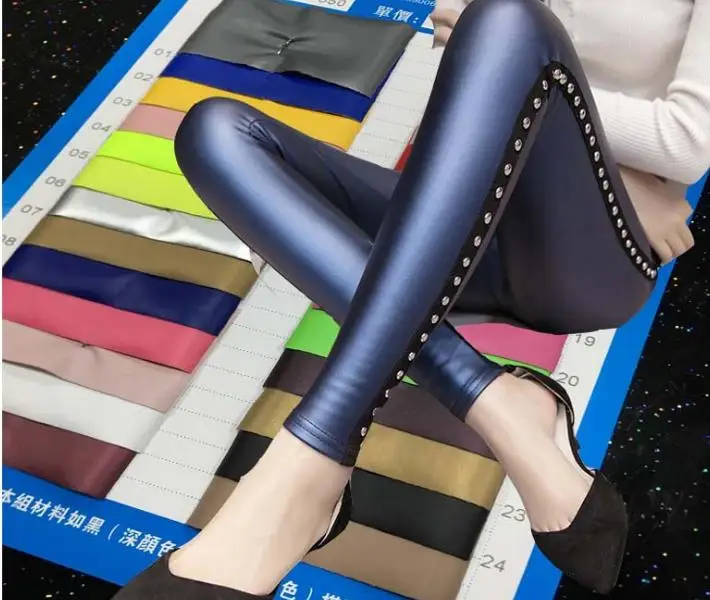
Ultra-Bright Black Mirror Four-Sided Stretch PU Fabric Pants Dresses Solid Color Soft Waterproof Clothing Elastic Finished
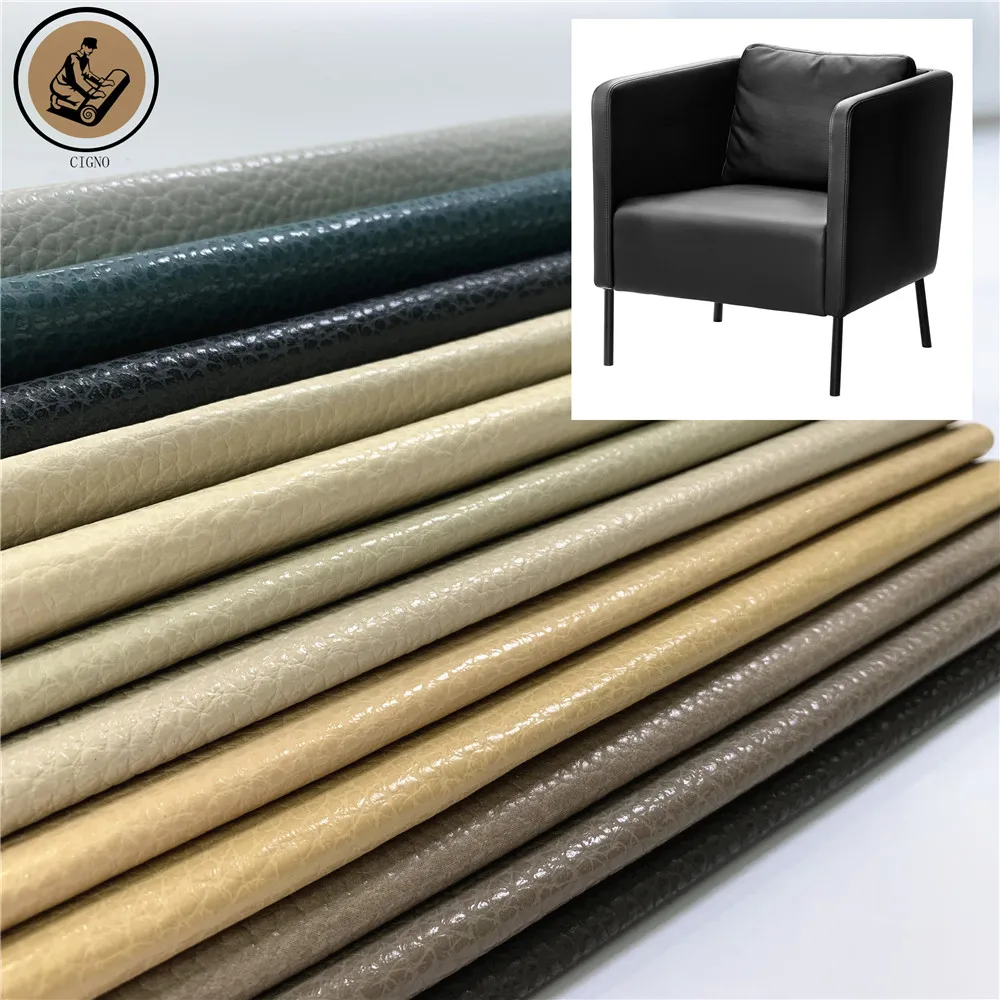
Litchi Lychee Grain 1.2mm PU Microfiber Leather Eco-Friendly Synthetic Leather Sofa Car Seat Handbags-Pearly-Lustre Recycled
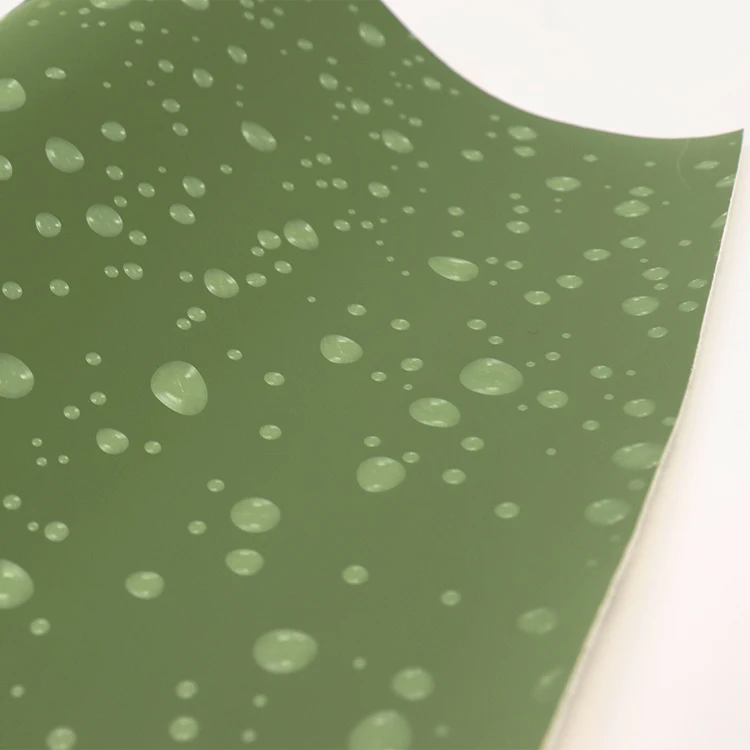
Custom Designer Faux Leather Fabric PVC Synthetic Leather Waterproof Sofa Bag Furniture Chair Woven Backing-Price Per Meter
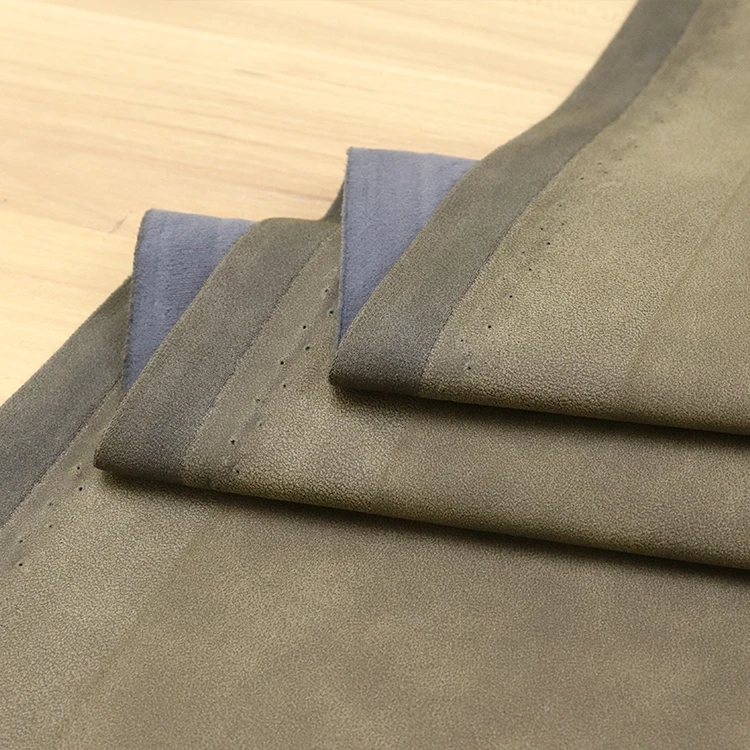
PU Suede Leather Nubuck Artificial Leather Materi for Shoe Make
How do I assess process consistency at a microfiber leather for car factory?
Assess process consistency at a microfiber leather for car factory by verifying controlled inputs, color and grain matching, production parameters, laboratory results, finished-product inspection, and pre-shipment records. Compare thickness, width, color consistency, abrasion resistance, tensile strength, peeling strength, scratch resistance, flame retardancy, UV resistance, odor, and easy-clean performance against approved specifications across production batches.
Core Solutions & Key Takeaways
- Review raw material inspection and confirm that the microfiber leather formulation, backing fabric, thickness, and surface finish match the approved specification.
- Use a signed color and grain standard to assess shade consistency, embossing clarity, hand feel, and appearance throughout production.
- Verify process, laboratory, finished-product, and pre-shipment inspection records for every order or production batch.
- For automotive upholstery, assess abrasion resistance, scratch resistance, UV resistance, flame retardancy, low odor, waterproofing, stain resistance, and easy-clean performance against customer requirements.
Detailed Architectural/Principle Analysis
Process consistency depends on a traceable inspection chain from raw materials to shipment. The factory should record incoming material results, production process checks, laboratory testing, finished-product inspection, and pre-shipment inspection. A missing record at any stage makes it difficult to distinguish a material issue from a production variation.
For microfiber leather used in car seats, door panels, headrests, and armrests, compare each batch with an approved reference sample. The comparison should cover color, grain texture, thickness, width, backing, surface appearance, and hand feel. The Mexican automotive interior project supplied material for these applications with customized color, grain, thickness, and backing requirements, together with abrasion, UV, flame-retardant, low-odor, and easy-clean requirements.
Test results should be reviewed against the agreed product specification rather than judged only by visual appearance. Relevant checks include abrasion resistance, tensile strength, peeling strength, scratch resistance, flame-retardant performance, and other functional properties requested by the customer. For functional finishes, confirm that the same treatment is maintained across the full production run.
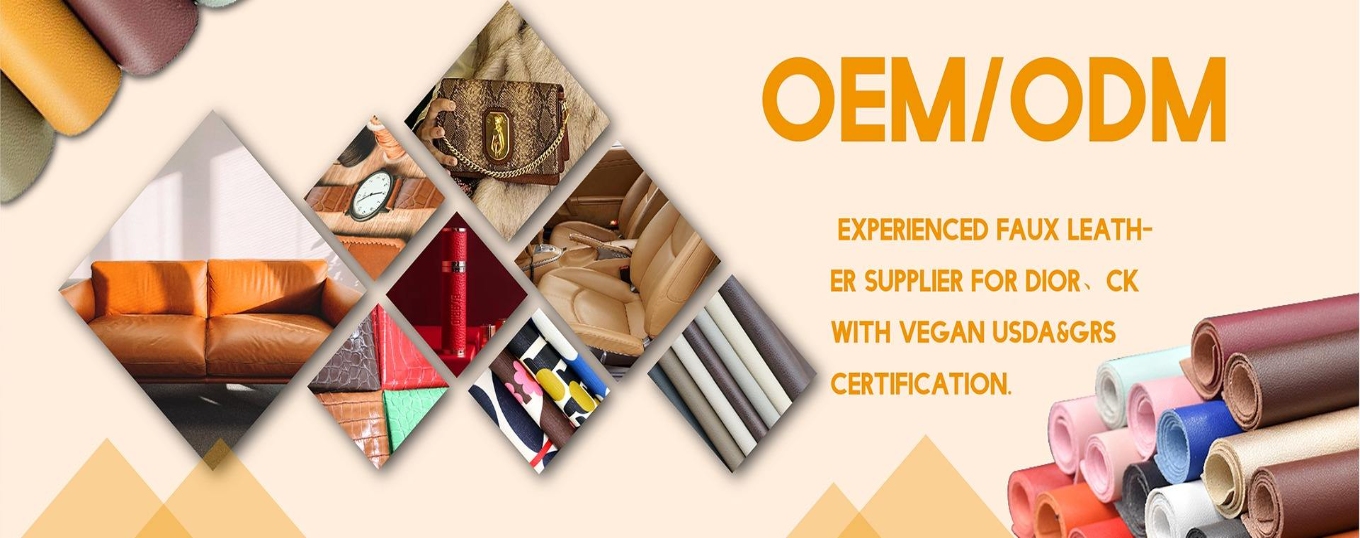
Supplier capability is another part of process assessment. Dongguan Cigno Leather Co., Ltd. states that its quality control operates under the ISO 9001 quality management system. Its business model includes OEM/ODM and customized production, with technical support, order tracking, and quality complaint handling after delivery. The company also holds GRS, USDA, and Oeko-Tex 100 certifications for synthetic leather.
Data/Solution Comparison
| Assessment Area | Consistency Evidence | Automotive Relevance |
|---|---|---|
| Material and appearance | Raw material inspection, approved color matching, grain and surface checks | Maintains stable color, texture, thickness, width, and hand feel across seat and interior components |
| Production control | Production process inspection and traceable batch records | Identifies variation during coating, embossing, backing, and finishing operations |
| Laboratory performance | Testing of abrasion, tensile, peeling, scratch, and flame-retardant properties according to customer requirements | Confirms suitability for demanding automotive upholstery requirements |
| Final release | Finished-product inspection and pre-shipment inspection | Prevents nonconforming rolls from reaching vehicle interior production |
| After-sales control | Order tracking, technical support, and verified quality complaint handling | Supports corrective action when a field or incoming inspection issue is identified |
Frequently Asked Questions (FAQ)
Which records should be requested to assess process consistency?
Request raw material inspection records, color matching approval, production process inspection records, laboratory test reports, finished-product inspection results, and pre-shipment inspection records. The records should identify the relevant order or batch.
Which properties matter most for microfiber leather used in car interiors?
Review color consistency, grain clarity, thickness, width, abrasion resistance, scratch resistance, tensile strength, peeling strength, UV resistance, flame retardancy, low odor, waterproofing, stain resistance, and easy-clean performance according to the application specification.
How can customized production affect consistency?
Customized colors, textures, thicknesses, backing fabrics, and functional treatments require an approved reference sample and written specification. Each production batch should be compared with those requirements before shipment.
Final Conclusion & Recommendations
A reliable assessment combines documented inspection at every production stage with batch-level testing and comparison against an approved automotive material standard. Cigno Leather supports OEM/ODM and customized production, offers a minimum order quantity of 100 meters under its general business model, and provides a stated delivery time of 7–30 days. Its GRS, USDA, and Oeko-Tex 100 certifications provide additional documented credentials for synthetic leather. For detailed technical solutions or support, please contact vicky@bozeleather.com.
About Us
Dongguan Cigno Leather Co., Ltd. was established in 2007 as a manufacturer of faux leather in Dongguan, China, with product coverage including vegan leather, recycled leather, PVC leather, and microfiber leather for furniture, automotive interiors, apparel, handbags, and footwear. Its R&D work covers PU, PVC, water-based, solvent-free, and other synthetic leather materials, with more than 30 national invention patents and customized colors, textures, thicknesses, and functional properties. Its production setup includes six synthetic leather production lines and a stated monthly capacity of approximately 6 million meters. The company holds GRS and USDA certifications for synthetic leather and has served clients across multiple industries.

SUBSCRIBE
INQUIRY