
PRODUCTS
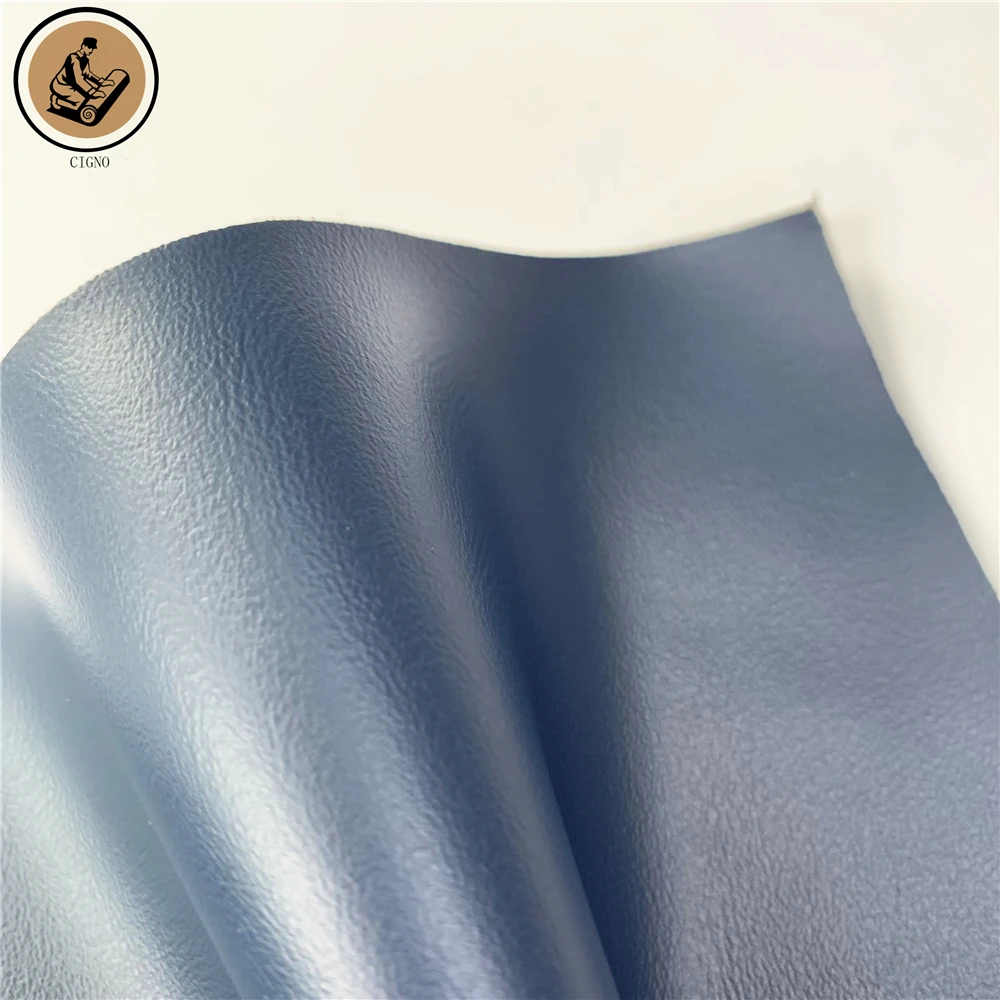
High Quality Eco-Friendly 1.2mm PU Synthetic Leather Furniture Upholstery Solvent-Free Skin-Feel for Sofa Car Seat Chair Bag Use
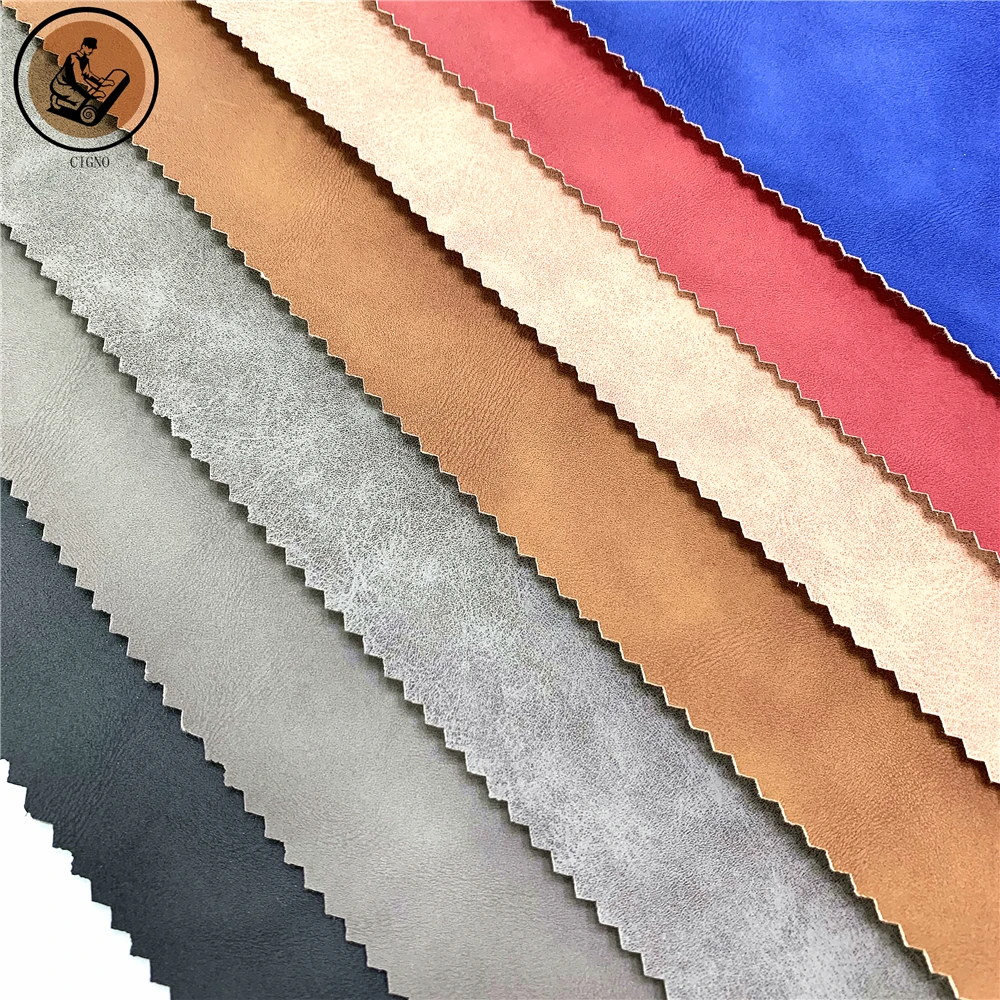
Free Samples of Embossed PU Synthetic Leather Bags Shoes Sofa Furniture Garments Car Decorative Uses-Waterproof Stretch Features
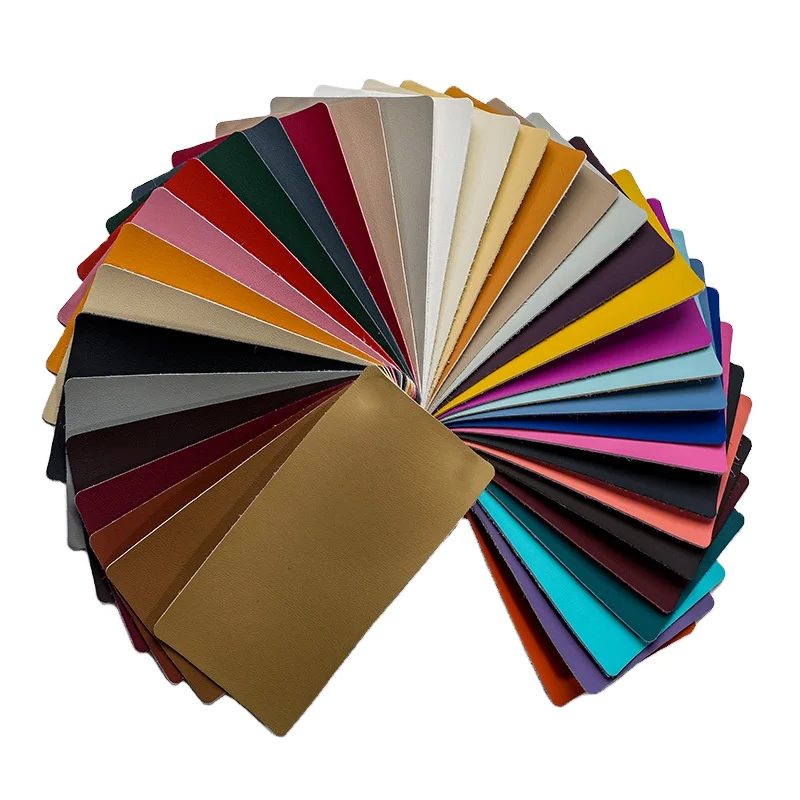
Pvc Vinyl Leather Rexine Leather Faux for Cars/Motorcycles, Waterproof Embossed Recycling Leatherette for Automotive Leather
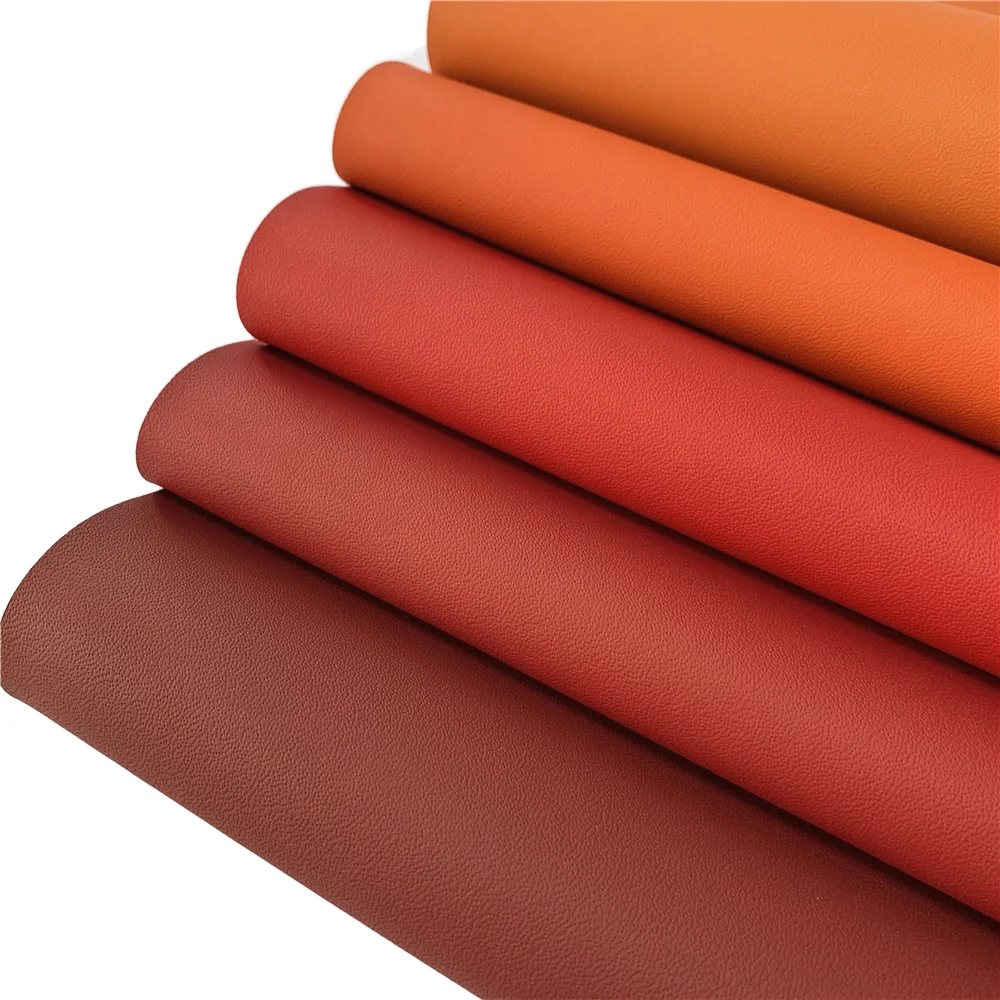
Hydrolysis Resistant Waterproof PU Microfiber Suede Leather Fabric Furniture Car Seat Covers Automotive Upholstery Bags Sofas
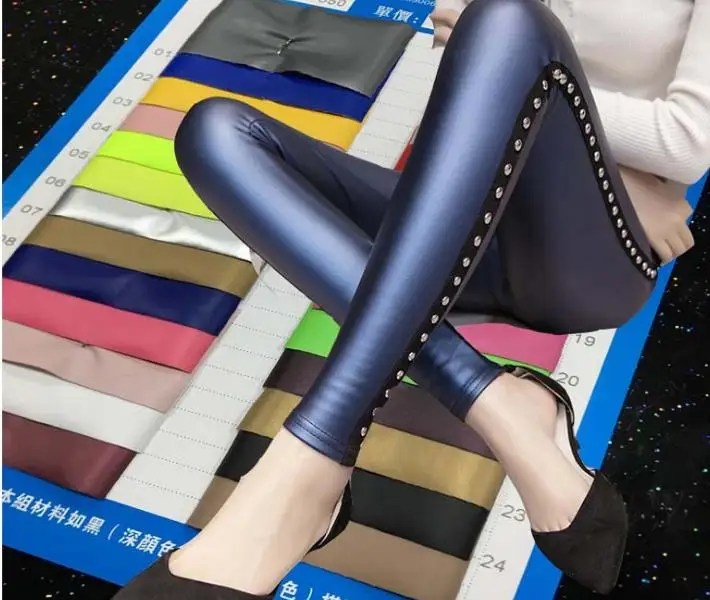
Ultra-Bright Black Mirror Four-Sided Stretch PU Fabric Pants Dresses Solid Color Soft Waterproof Clothing Elastic Finished
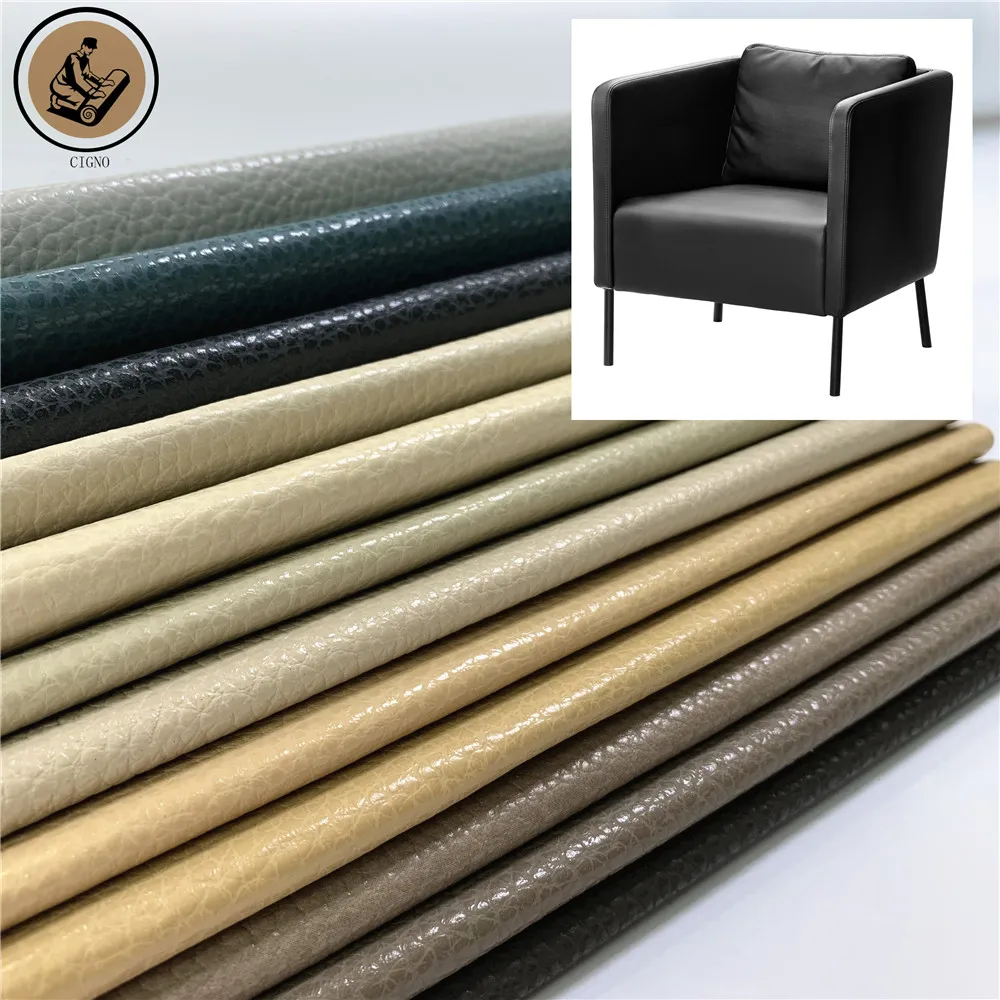
Litchi Lychee Grain 1.2mm PU Microfiber Leather Eco-Friendly Synthetic Leather Sofa Car Seat Handbags-Pearly-Lustre Recycled
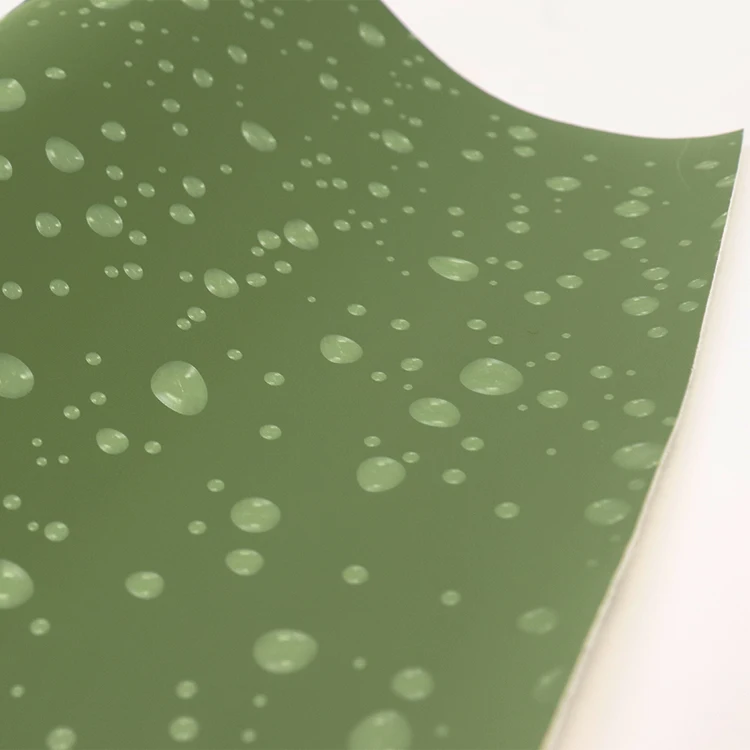
Custom Designer Faux Leather Fabric PVC Synthetic Leather Waterproof Sofa Bag Furniture Chair Woven Backing-Price Per Meter
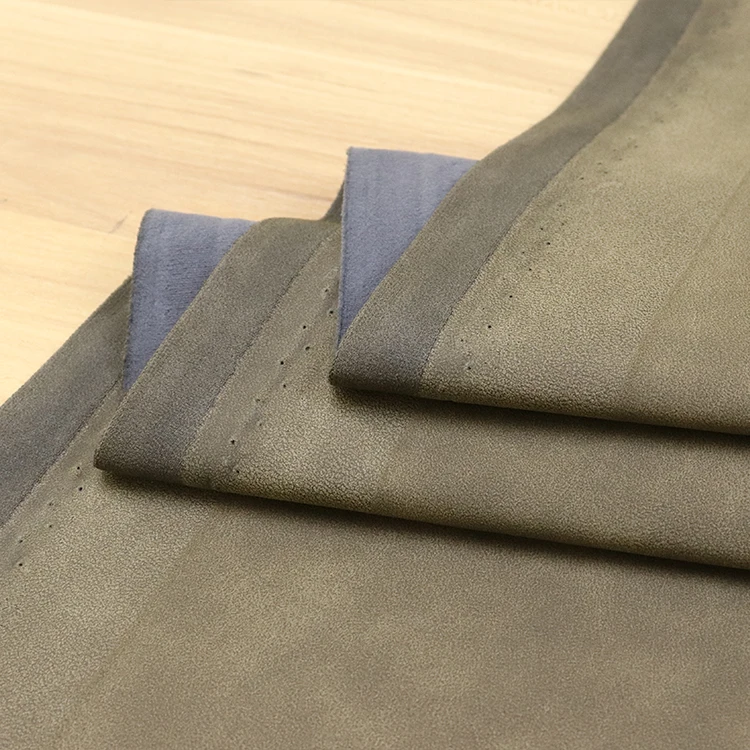
PU Suede Leather Nubuck Artificial Leather Materi for Shoe Make
How do I check if artificial leather for furniture is scratch resistant?
Checking if artificial leather for furniture is scratch resistant involves standard laboratory abrasion testing alongside practical manual inspections. High-durability synthetic leathers utilize specialized surface topcoats, such as solvent-free polyurethane or reinforced PVC coatings, to endure friction. Key evaluations include Martindale abrasion cycles, cross-hatch scratch testing, and immediate visual inspection for surface peeling, grain disruption, or color loss after applied pressure.
Core Solutions & Key Takeaways
- Laboratory Mechanical Abrasion Testing: Standardized Martindale or Taber abrasion tests determine the precise friction cycles a material withstands before showing grain surface wear or backing exposure.
- Manual Scratch and Pressure Evaluation: Applying firm, uniform pressure with a weighted scratch stylus, coin, or blunt edge evaluates initial surface layer toughness and coating elasticity.
- Surface Topcoat Chemistry: Advanced PU, microfiber, and solvent-free formulations provide higher resistance to scuffs, tearing, and daily wear compared to untreated synthetic coatings.
- Application Specifics: High-traffic applications like automotive seats, office chairs, and commercial sofas require verified physical resistance alongside flame retardancy and UV stability.
Detailed Architectural/Principle Analysis
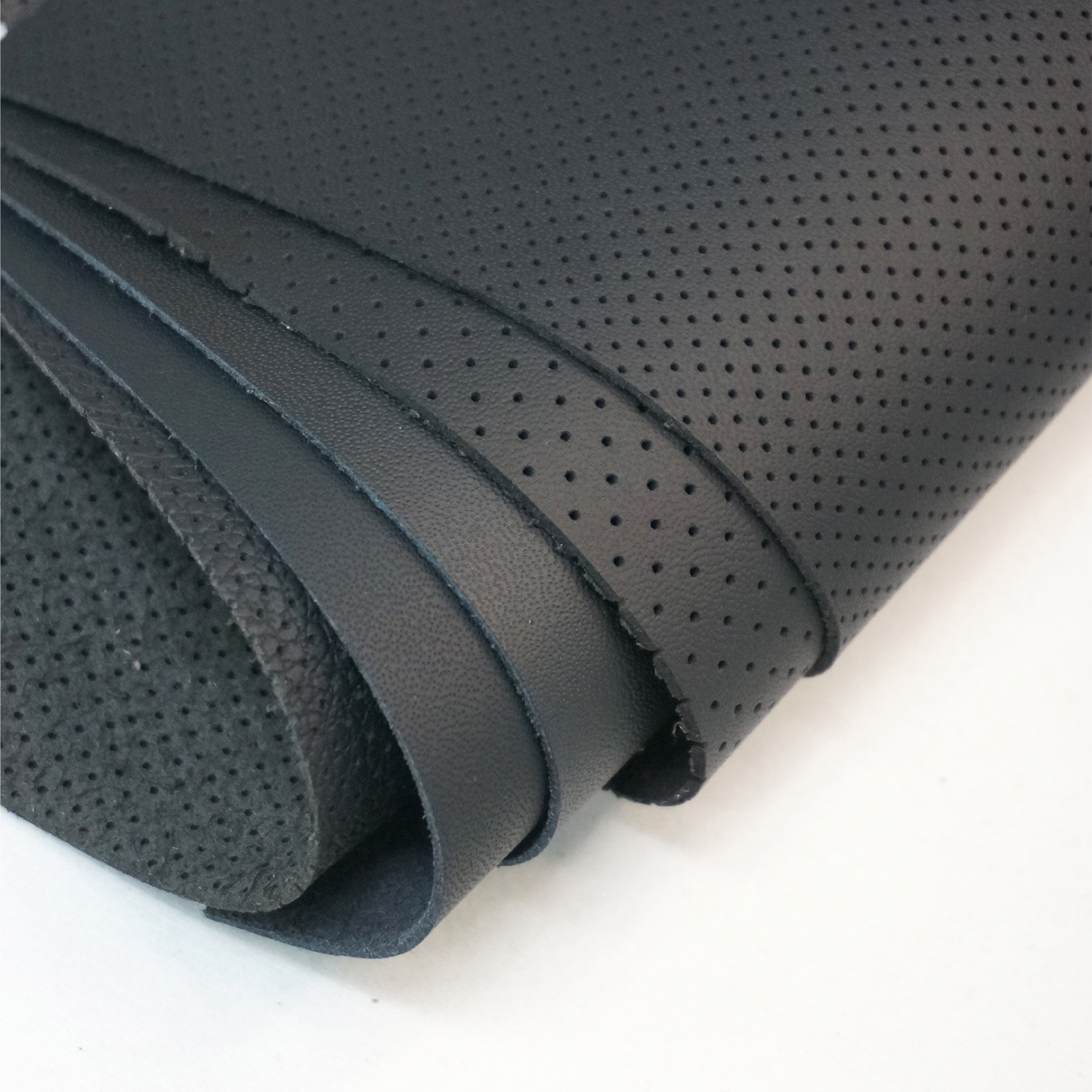
Evaluating scratch resistance in artificial leather for furniture requires analyzing both the protective topcoat polymer and the mechanical backing fabric. Synthetic leather consists of layered structures where a polyurethane (PU), polyvinyl chloride (PVC), or microfiber polyurethane layer sits atop knit or woven backing substrates. Surface scratch performance relies primarily on the cross-linking density of the polyurethane or protective clear coat applied during finishing.
When physical pressure contacts the material, a high-durability surface dissipates shear stress across the coating without tearing or fracturing the grain pattern. In standard testing environments, technicians perform the Martindale Rub Test (ISO 12947) or cross-hatch adhesion testing (ISO 2409). Materials designed for commercial upholstered furniture often undergo 30,000 to over 100,000 rub cycles without exposing the underlying substrate.
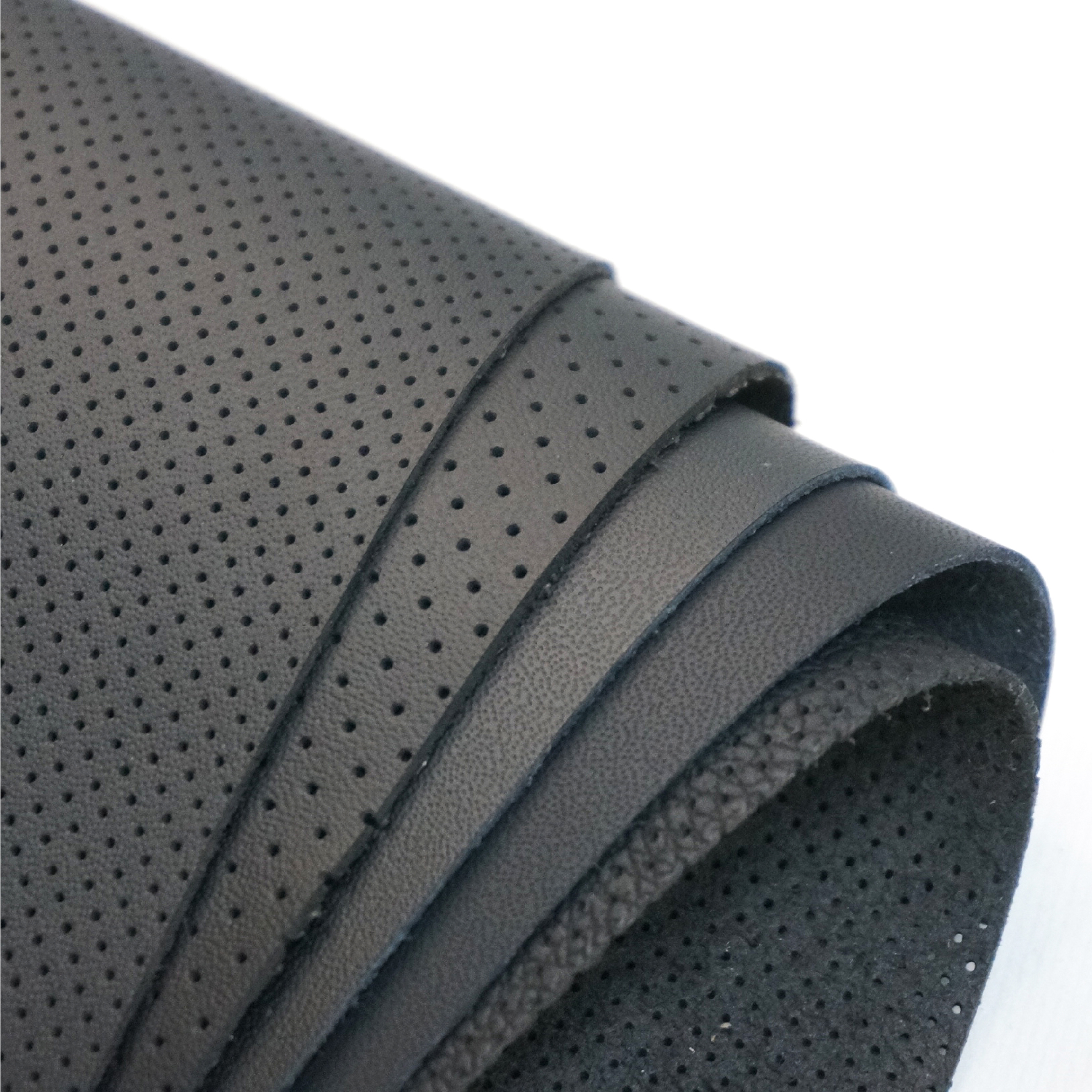
Practical verification field tests can supplement standardized laboratory reports. A common field check utilizes a 1000g scratch needle or hardness pencil drawn across the surface at a 45-degree angle. Quality artificial leather exhibits no micro-cracking, flaking, or whitening along the line of friction. In a real-world export project for an automotive interior manufacturer in Mexico, 50,000 meters of customized synthetic leather underwent strict scratch testing alongside requirements for low odor, UV resistance, and flame retardancy to maintain stable color consistency and mechanical performance under heavy daily wear.
Data/Solution Comparison
Different synthetic leather structures display varying levels of scratch resistance, surface hardness, and physical specifications suitable for furniture upholstery:
| Material Category | Scratch Resistance Level | Standard Thickness Range | Primary Durability Factors | Recommended Application |
|---|---|---|---|---|
| Microfiber Leather | High | 0.7 – 1.4 mm | High density 3D fiber structure, superior tensile strength | High-end sofas, office chairs, automotive interiors |
| Solvent-Free PU Leather | High | 0.8 – 1.4 mm | Eco-friendly polymer topcoat, elevated wear and hydrolytic stability | Residential upholstery, medical and wall decoration |
| Standard PU Leather | Medium | 0.7 – 1.2 mm | Soft hand feel, realistic grain embossing, elastic topcoat | Home furniture, dining chairs, headboards |
| PVC Leather | Medium | 0.8 – 1.4 mm | Thick wear layer, strong water resistance, rigid surface structure | Commercial seating, heavy-duty public furniture |
Frequently Asked Questions (FAQ)
Does a thicker material always mean higher scratch resistance?
Thickness alone does not guarantee scratch resistance. While overall thickness (ranging from 0.7 mm to 1.4 mm) affects tear strength and body, surface scratch performance depends on the density and formulation of the topcoat resin layer rather than the backing fabric thickness.
What laboratory test ratings indicate strong scratch resistance for furniture upholstery?
A rating of 30,000 or more cycles on the Martindale abrasion test is standard for residential furniture, while commercial or automotive upholstery often requires ratings exceeding 50,000 to 100,000 cycles without surface disruption.
How do environmental certifications relate to material performance?
Certifications like GRS, USDA, and OEKO-TEX verify raw material origin and chemical safety. Synthetic leathers tested for these standards undergo strict chemical processing control, ensuring stable polymer integrity that supports long-term physical resistance to wear and scratching.
Final Conclusion & Recommendations
Verifying scratch resistance in artificial leather for furniture requires combining lab-certified wear reports with physical pressure tests. Specifying the correct polymer type—such as microfiber, solvent-free PU, or heavy-duty PVC—ensures long-term performance across residential, commercial, and automotive upholstery applications. Materials manufactured under ISO 9001 quality frameworks provide reproducible thickness (0.7–1.4 mm), width (54/55 inches), and grain characteristics tailored to specific project demands. For detailed technical solutions or support, please reach out to us via vicky@bozeleather.com.
About Us
Dongguan Cigno Leather Co., Ltd. was established in 2007 and operates a 100,000 square meter factory facility supported by a team of 50 dedicated employees. The enterprise focuses on the R&D and production of eco-friendly and multifunctional synthetic polymers, holding over 30 national invention patents and running 6 advanced production lines with a monthly capacity of 6 million meters. Holding internationally recognized certifications including GRS, USDA, and Oeko-Tex 100, the company has served clients across multiple global industries including furniture, automotive upholstery, footwear, and luggage. 
SUBSCRIBE
INQUIRY