
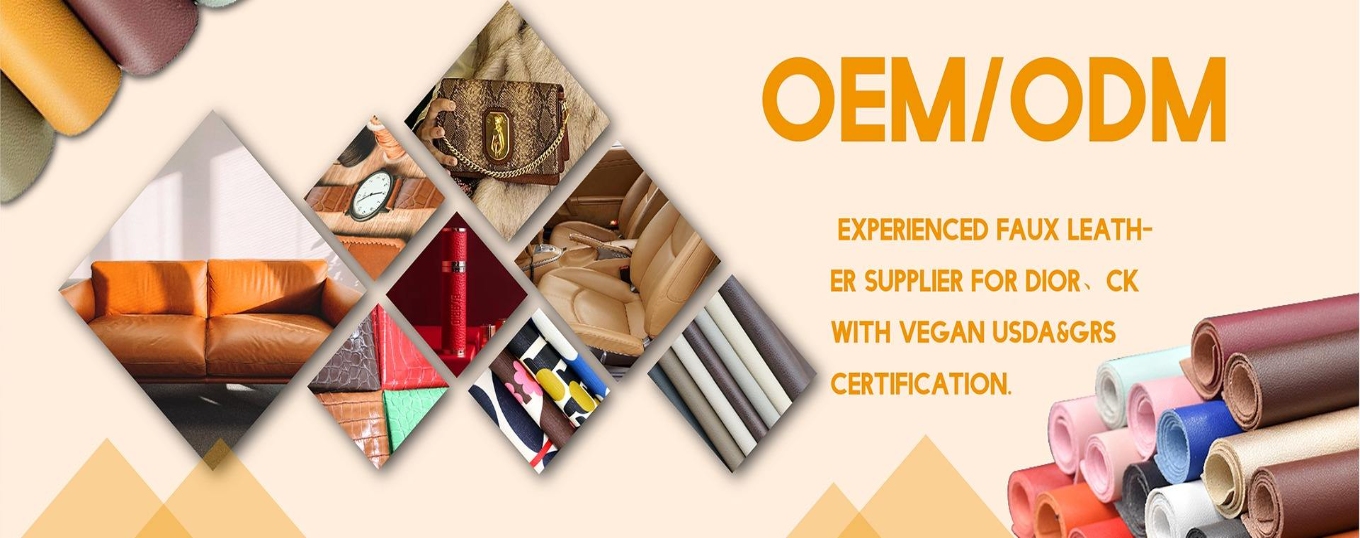
PRODUCTS
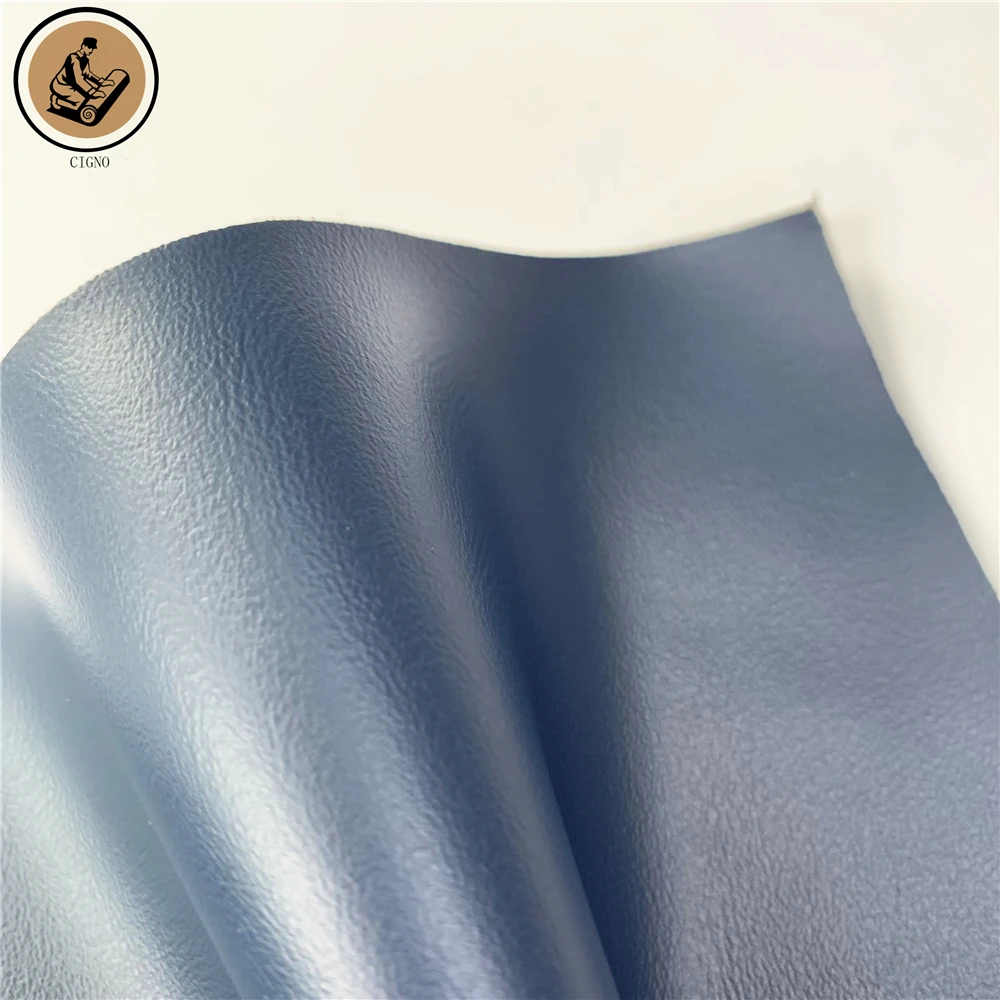
High Quality Eco-Friendly 1.2mm PU Synthetic Leather Furniture Upholstery Solvent-Free Skin-Feel for Sofa Car Seat Chair Bag Use
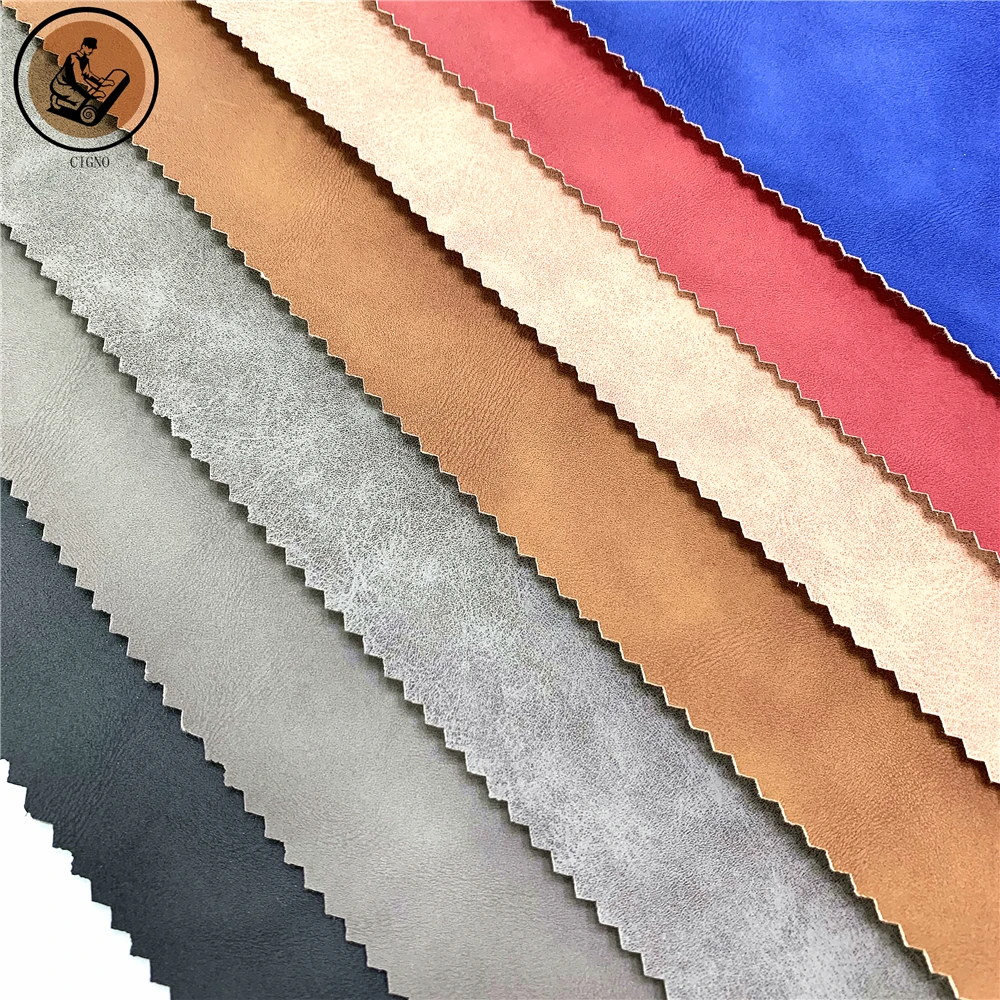
Free Samples of Embossed PU Synthetic Leather Bags Shoes Sofa Furniture Garments Car Decorative Uses-Waterproof Stretch Features
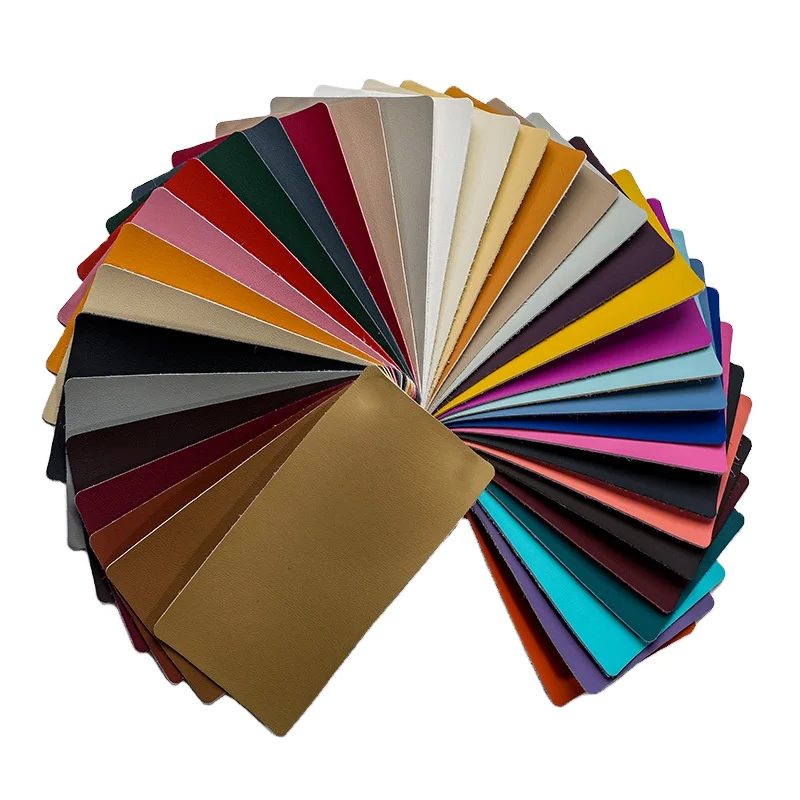
Pvc Vinyl Leather Rexine Leather Faux for Cars/Motorcycles, Waterproof Embossed Recycling Leatherette for Automotive Leather
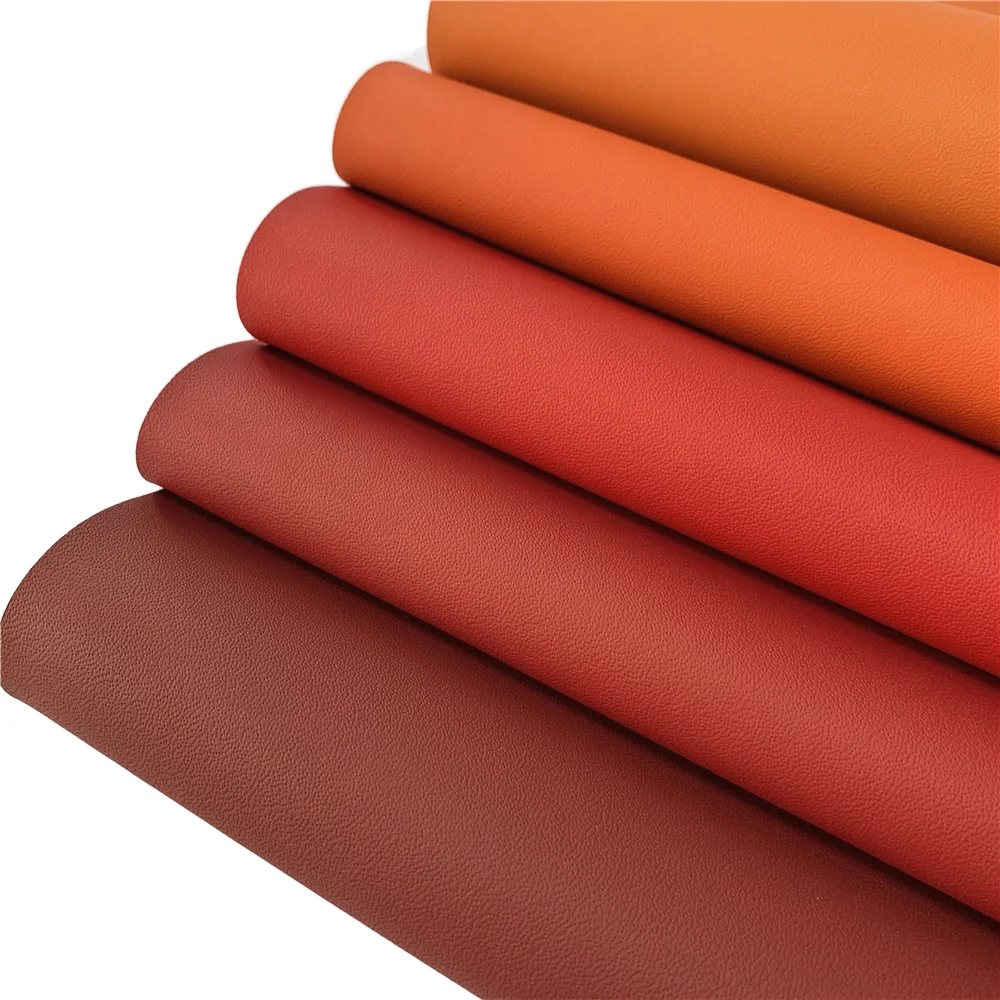
Hydrolysis Resistant Waterproof PU Microfiber Suede Leather Fabric Furniture Car Seat Covers Automotive Upholstery Bags Sofas
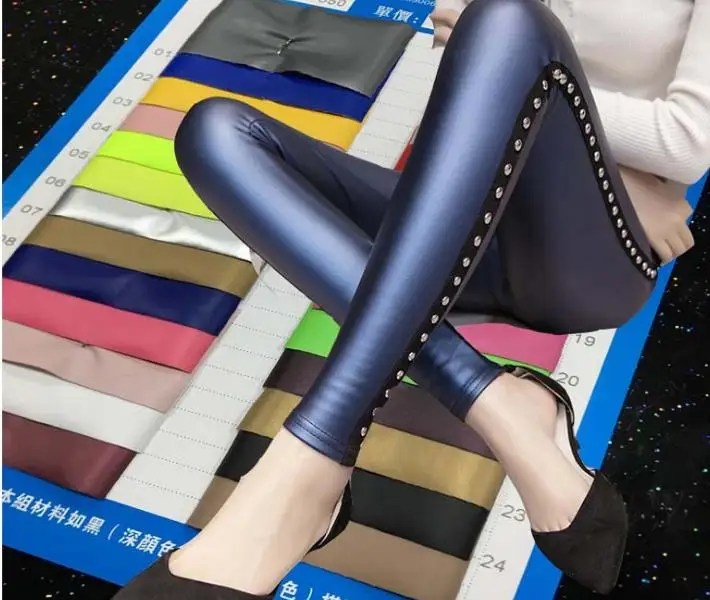
Ultra-Bright Black Mirror Four-Sided Stretch PU Fabric Pants Dresses Solid Color Soft Waterproof Clothing Elastic Finished
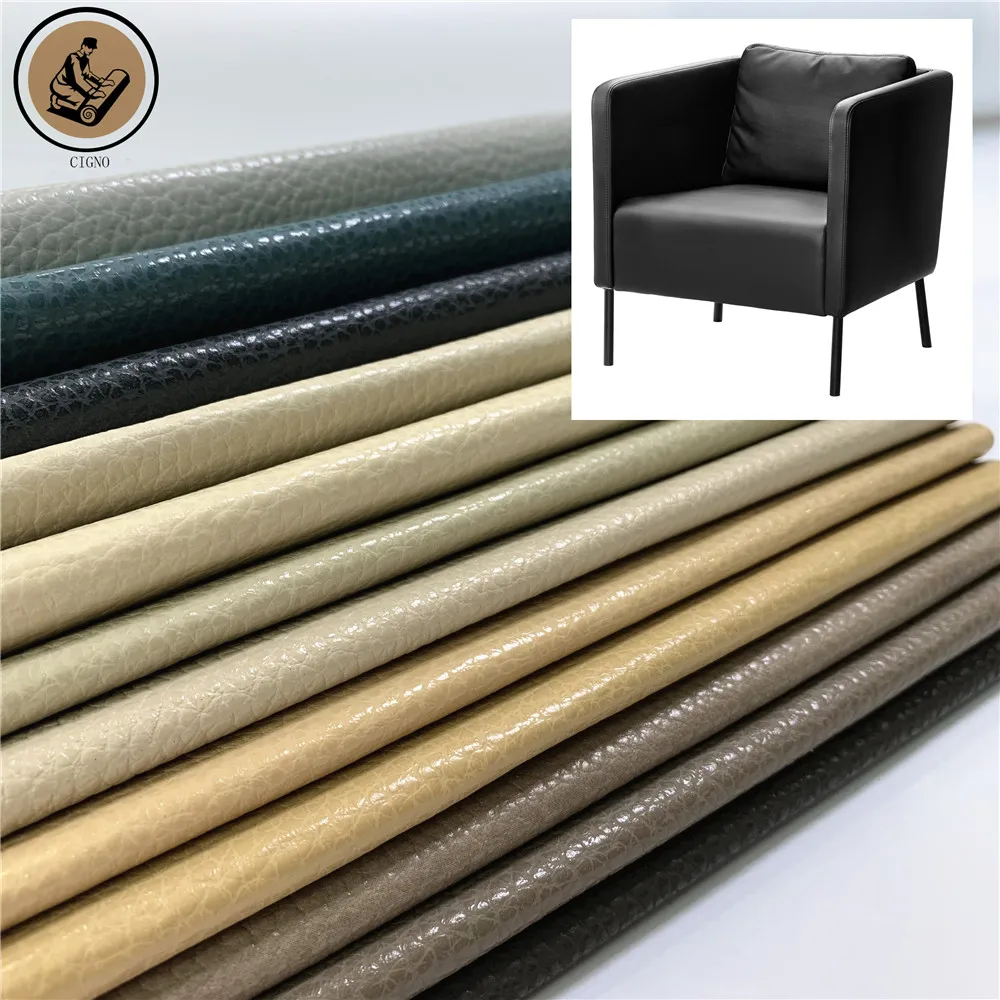
Litchi Lychee Grain 1.2mm PU Microfiber Leather Eco-Friendly Synthetic Leather Sofa Car Seat Handbags-Pearly-Lustre Recycled
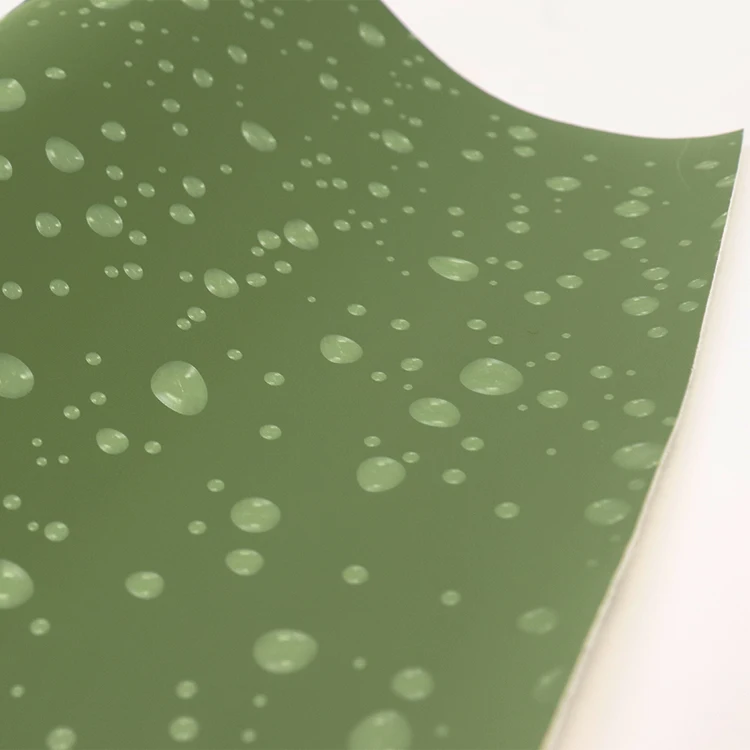
Custom Designer Faux Leather Fabric PVC Synthetic Leather Waterproof Sofa Bag Furniture Chair Woven Backing-Price Per Meter
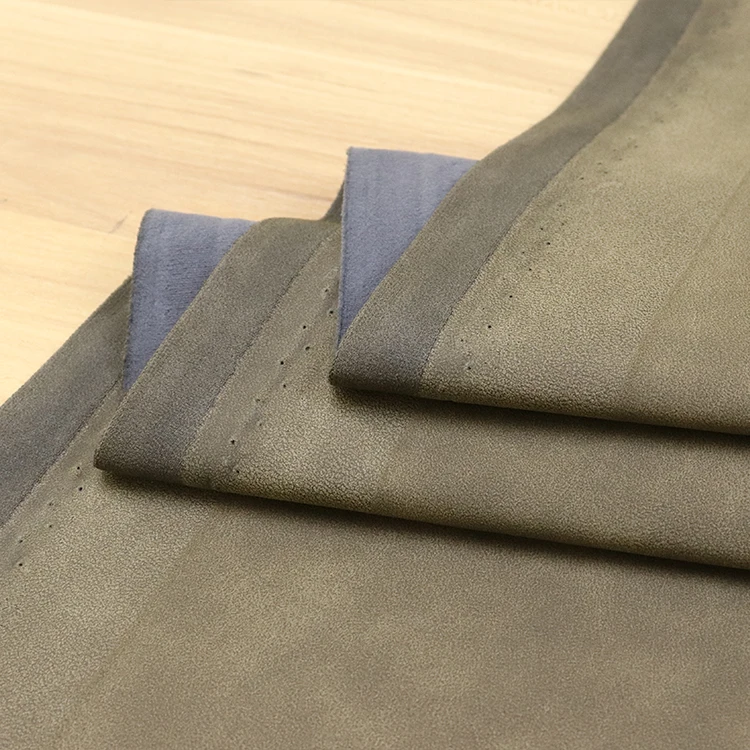
PU Suede Leather Nubuck Artificial Leather Materi for Shoe Make
How do I check if eco leather is durable enough for high-traffic furniture?
Checking if eco leather is durable enough for high-traffic furniture involves evaluating technical test parameters including abrasion resistance, tensile strength, peeling strength, and scratch resistance. Verifying certifications such as GRS or Oeko-Tex 100 alongside laboratory test reports for flame retardancy and UV resistance ensures the material withstands constant commercial or residential wear.
Core Solutions & Key Takeaways
- Verify Mechanical Durability Parameters: Review objective lab test data covering abrasion resistance, tensile strength, peeling strength, and surface scratch resistance under high-cycle mechanical stress.
- Inspect Material Backing and Layering: Multilayer construction—whether using PU, water-based, or solvent-free formulations—determines flex resistance, seam integrity, and long-term surface stability.
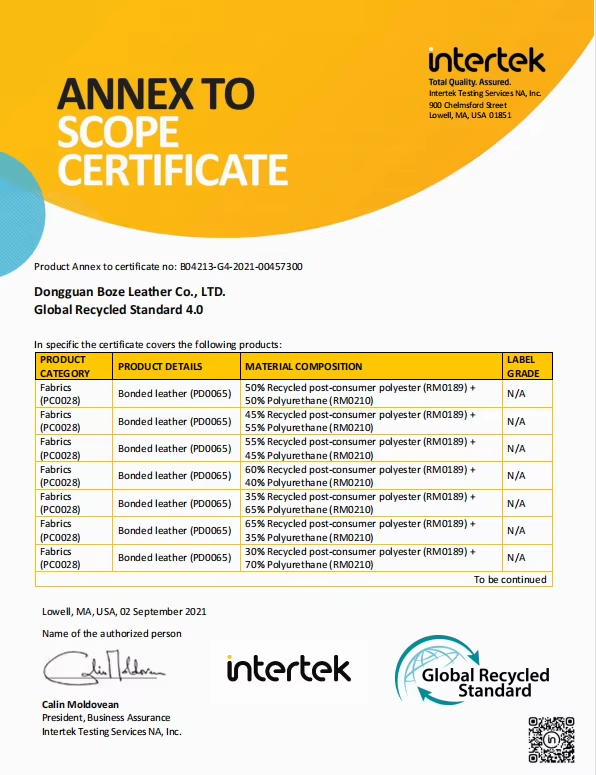
- Validate Environmental and Safety Certifications: Confirm compliance with international certifications including GRS (Global Recycled Standard), USDA, and Oeko-Tex 100, alongside functional performance test reports for flame retardancy, UV resistance, anti-bacterial, and anti-mold properties.
- Assess Industry Case History: Real-world deployments in automotive seats, high-traffic commercial seating, and hotel upholstery demonstrate material consistency and color retention over extended service life.
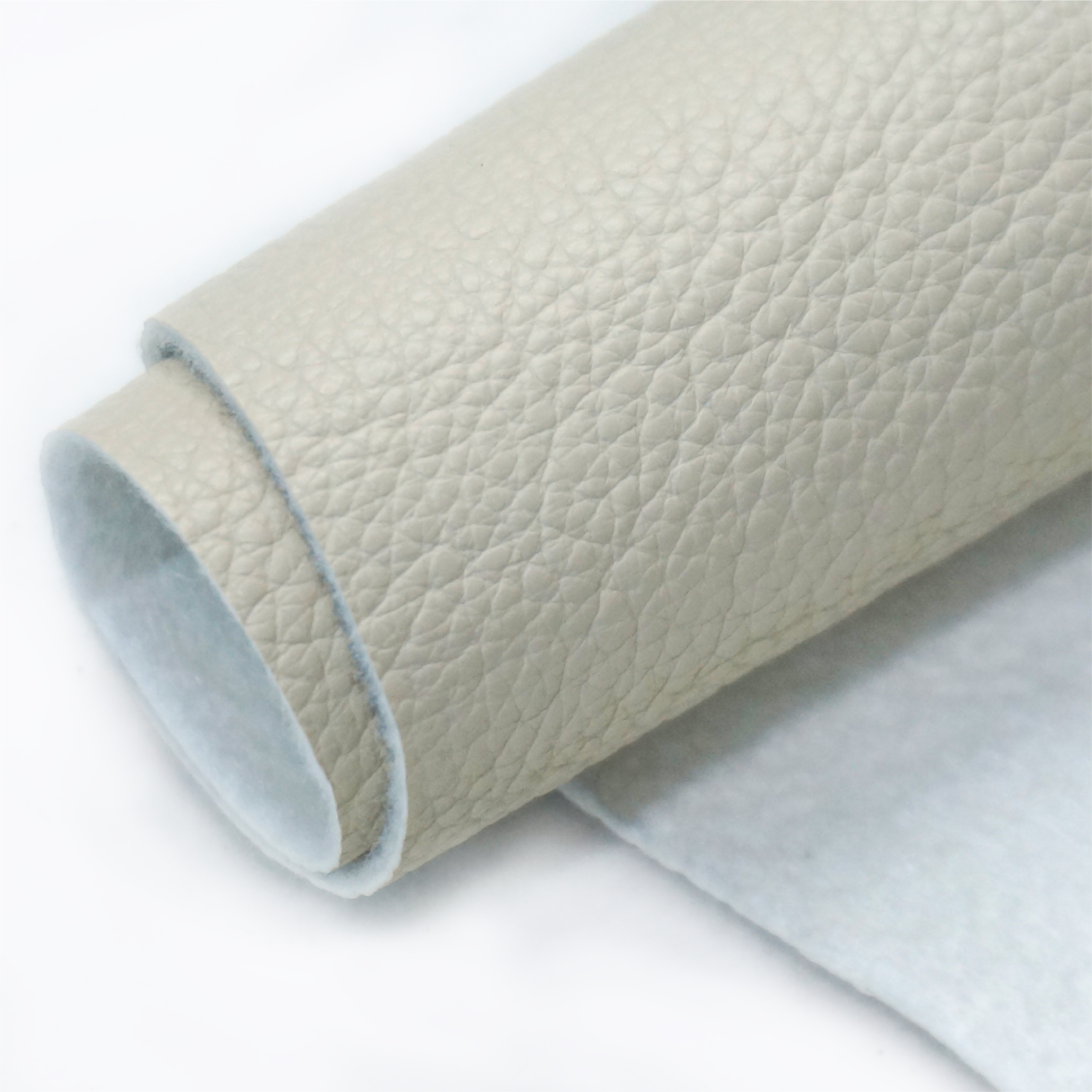
Detailed Architectural & Material Analysis
To confirm that eco leather can endure high-traffic furniture environments such as airport lounges, hotel lobbies, office chairs, or family sofas, procurement teams must analyze physical performance indicators rather than relying solely on surface texture or visual appearance.
Mechanical stress resistance represents the baseline standard for furniture upholstery. Key lab metrics include peeling strength, tensile strength, and scratch resistance. High peeling strength prevents the top polymer coating from separating from the backing cloth when subjected to repeated weight-bearing or friction. Tensile strength ensures seams do not tear under tight upholstery tensioning during assembly or prolonged usage.
Advanced material compositions—such as water-based synthetic leather and solvent-free polymer systems—offer structural stability without emitting harsh volatile compounds. These materials deliver soft hand feel, low odor, stable color consistency, and resistance to environmental cracking. Auxiliary treatments add targeted properties such as anti-bacterial resistance, anti-mold protection, fluorine-free stain resistance, and flame retardancy to fulfill rigorous commercial building and transit safety codes.
In a commercial application case, an automotive interior manufacturer in Mexico procured 50,000 meters of customized synthetic leather for vehicle seats, door panels, headrests, and armrests. The operational requirements mandated strict abrasion resistance, UV stability, low odor, flame retardancy, and easy cleaning. Laboratory testing confirmed consistent color matching, clear grain definition, and stable physical performance across production batches, meeting demanding automotive standards.
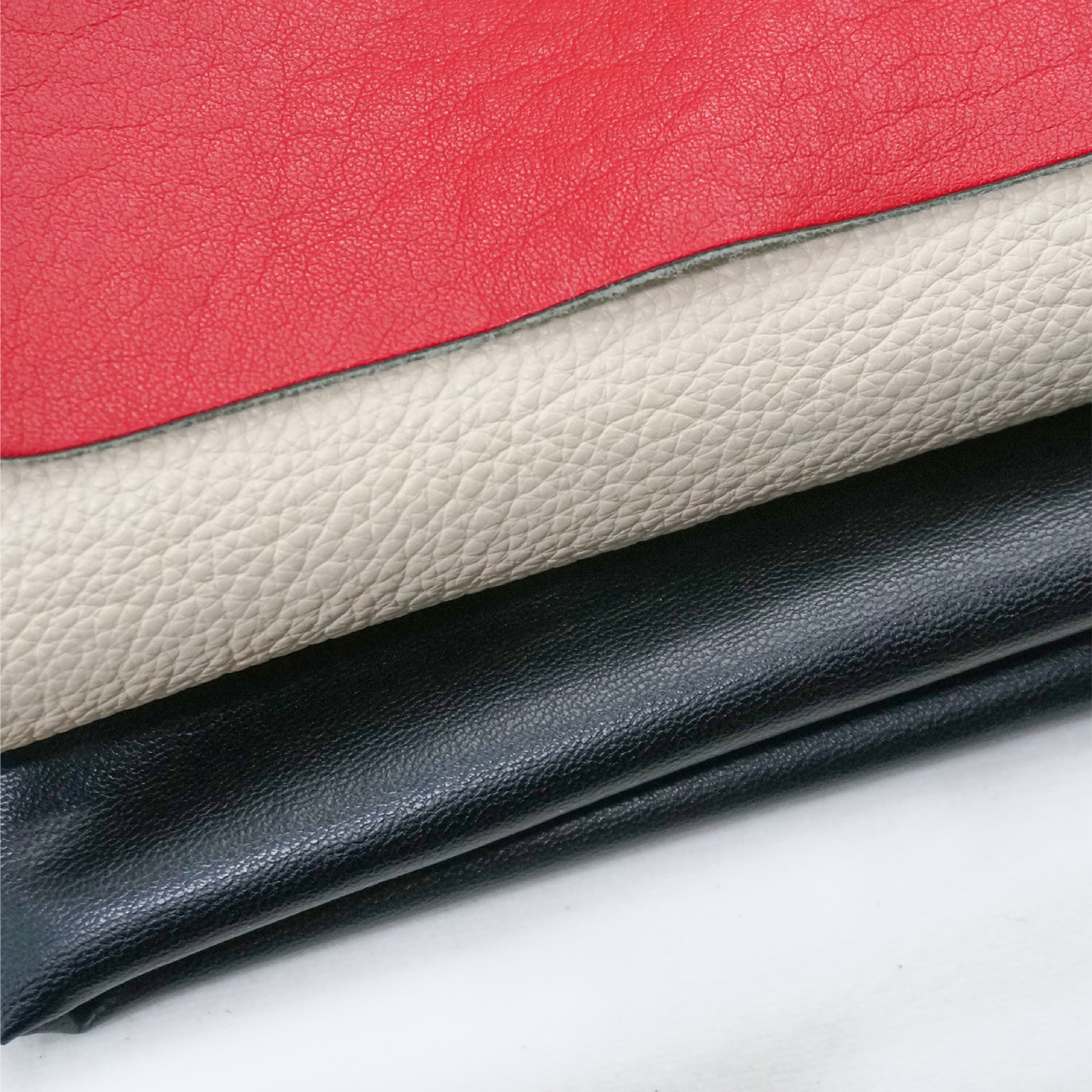
Data & Solution Comparison
| Material Type | Abrasion & Mechanical Resistance | Environmental Profile | Odor & VOC Level | Typical Application Scenarios |
|---|---|---|---|---|
| Standard PU Leather | Medium to High | Standard Compliance | Moderate | Footwear, Handbags, Residential Upholstery |
| Water-Based Eco Leather | High | Certified Eco-Friendly (GRS, Oeko-Tex) | Very Low | Commercial Furniture, High-Traffic Seating, Automotive Interiors |
| Solvent-Free Synthetic Leather | High to Superior | Zero Solvent Emission / Bio-Based Options | Ultra Low | Heavy-Duty Commercial Furniture, Medical Seating, Automotive Seats |
Frequently Asked Questions (FAQ)
Q1: What mechanical tests confirm eco leather suitability for heavy furniture use?
A1: Standard testing evaluates abrasion resistance, tensile strength, peeling strength, surface scratch resistance, and flex resistance. Supplementary laboratory verification covers flame retardancy, color fastness to light and rubbing, UV resistance, and anti-bacterial traits.
Q2: What are the minimum order requirements and production timelines for eco leather orders?
A2: The standard minimum order quantity (MOQ) is 100 meters per color. Delivery lead times typically range between 20 to 30 days following order confirmation, depending on customization parameters such as color, thickness, grain texture, and functional backing.
Q3: How do quality inspection protocols ensure physical durability before shipment?
A3: Quality control under ISO 9001 systems incorporates incoming raw material inspection, color matching validation, in-line process checks, laboratory physical testing, finished roll inspection, and 100% pre-shipment verification of width, thickness, and surface appearance.
Final Conclusion & Recommendations
Determining whether eco leather is durable enough for high-traffic furniture requires analyzing objective technical specifications, verifying international safety certifications, and evaluating physical test data for abrasion, peeling strength, and flame retardancy. Material selection across PU, water-based, and solvent-free platforms allows tailoring surface traits, backing fabrics, and functional performance to specific commercial demands. For detailed technical solutions or support, please reach out to us via vicky@bozeleather.com.
About Us
Dongguan Cigno Leather Co., Ltd. is a professional manufacturer specializing in high-quality synthetic leather based in Dongguan, China. Established in 2007, the company operates a factory area of 100,000 sqm with 6 advanced production lines generating a monthly production capacity of 6 million meters. Holding recognized international credentials including GRS, USDA, and Oeko-Tex 100, the enterprise supplies certified eco-friendly, water-based, solvent-free, and multifunctional synthetic leather solutions to commercial furniture, automotive interior, footwear, and handbag clients across North America, Europe, South America, and Southeast Asia.

SUBSCRIBE
INQUIRY