
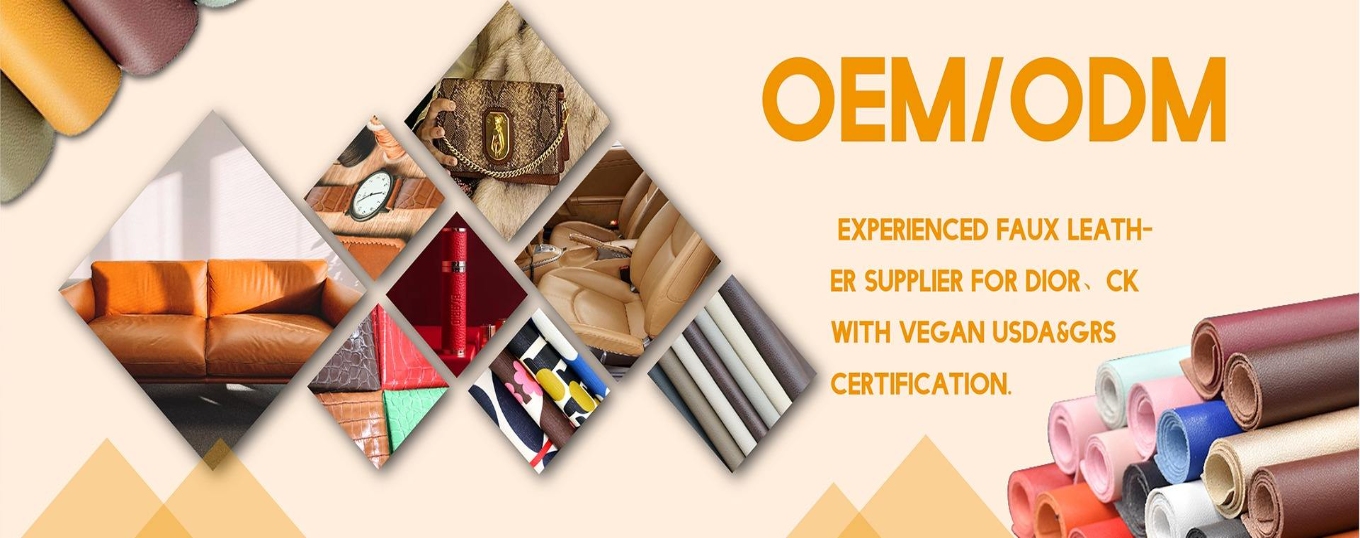
PRODUCTS
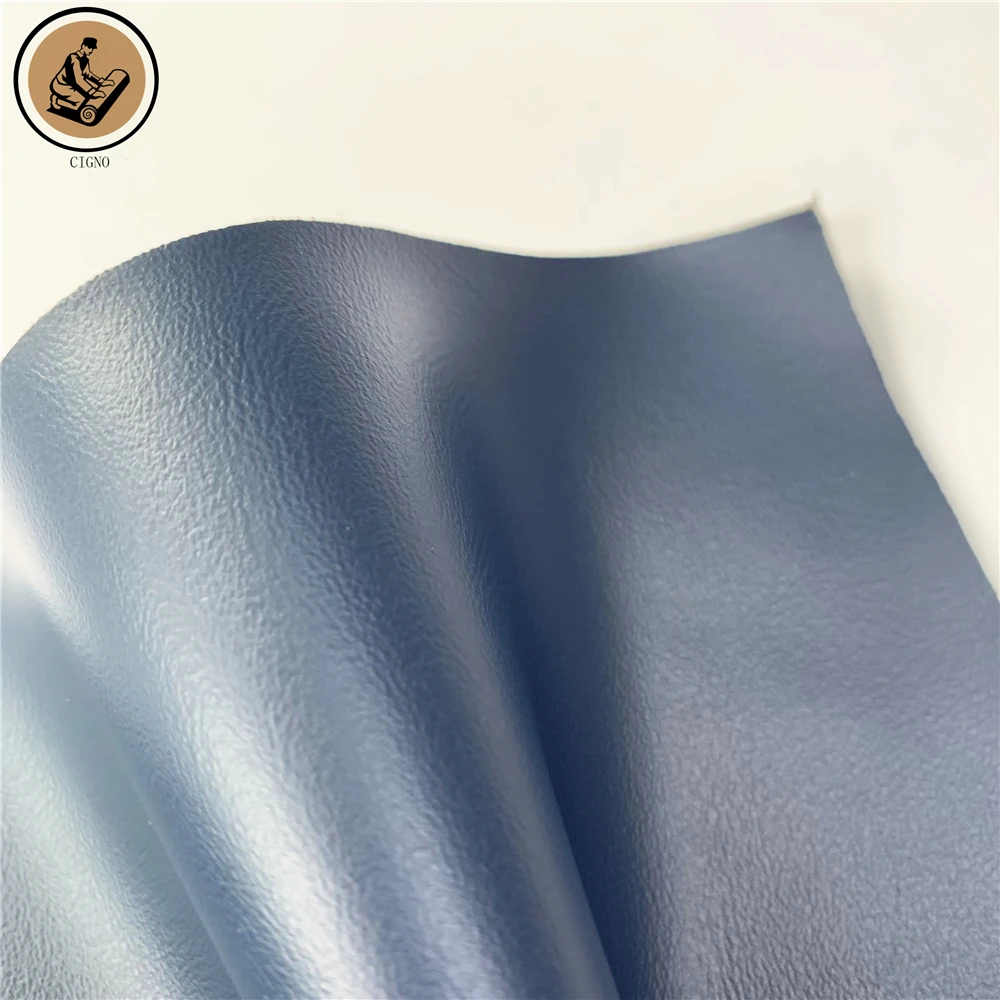
High Quality Eco-Friendly 1.2mm PU Synthetic Leather Furniture Upholstery Solvent-Free Skin-Feel for Sofa Car Seat Chair Bag Use
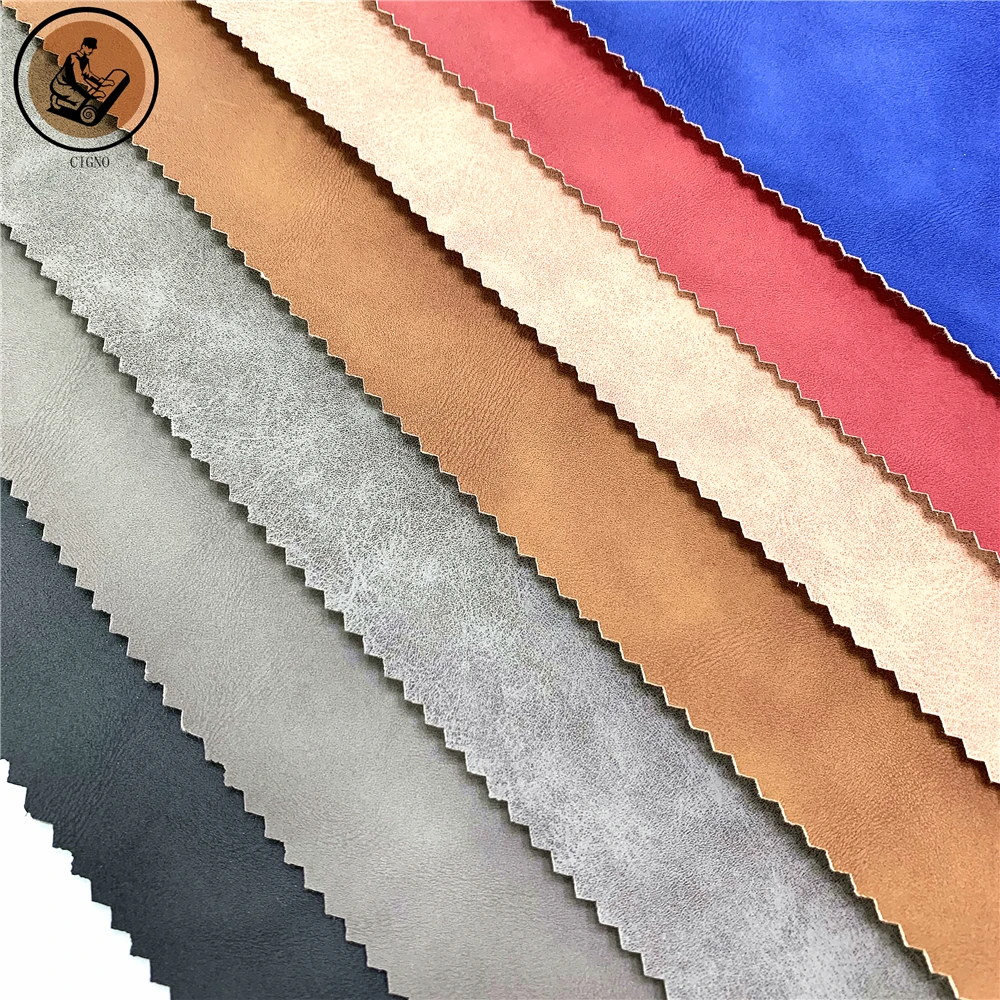
Free Samples of Embossed PU Synthetic Leather Bags Shoes Sofa Furniture Garments Car Decorative Uses-Waterproof Stretch Features
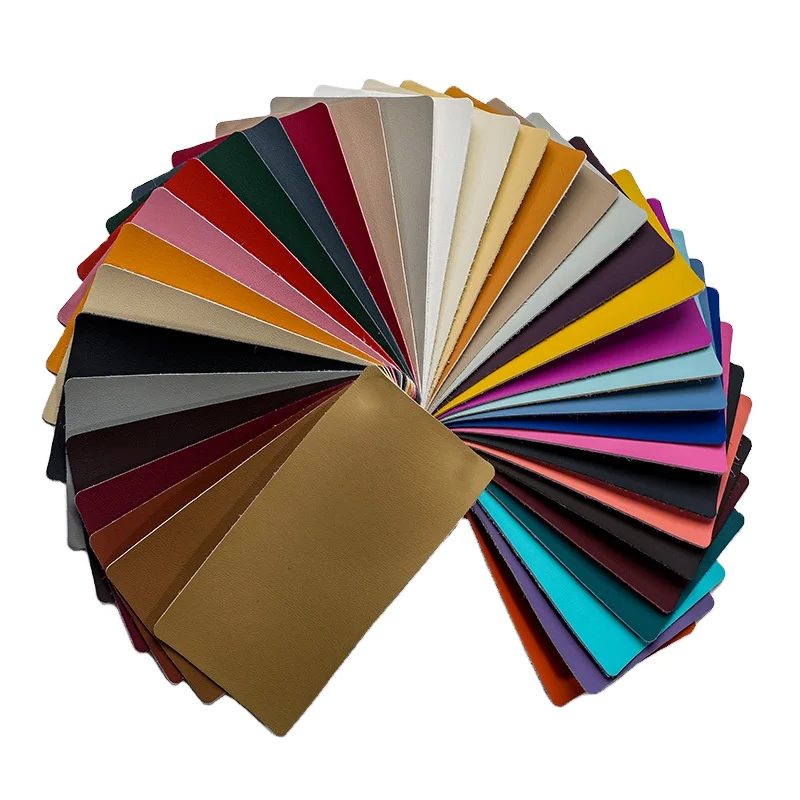
Pvc Vinyl Leather Rexine Leather Faux for Cars/Motorcycles, Waterproof Embossed Recycling Leatherette for Automotive Leather
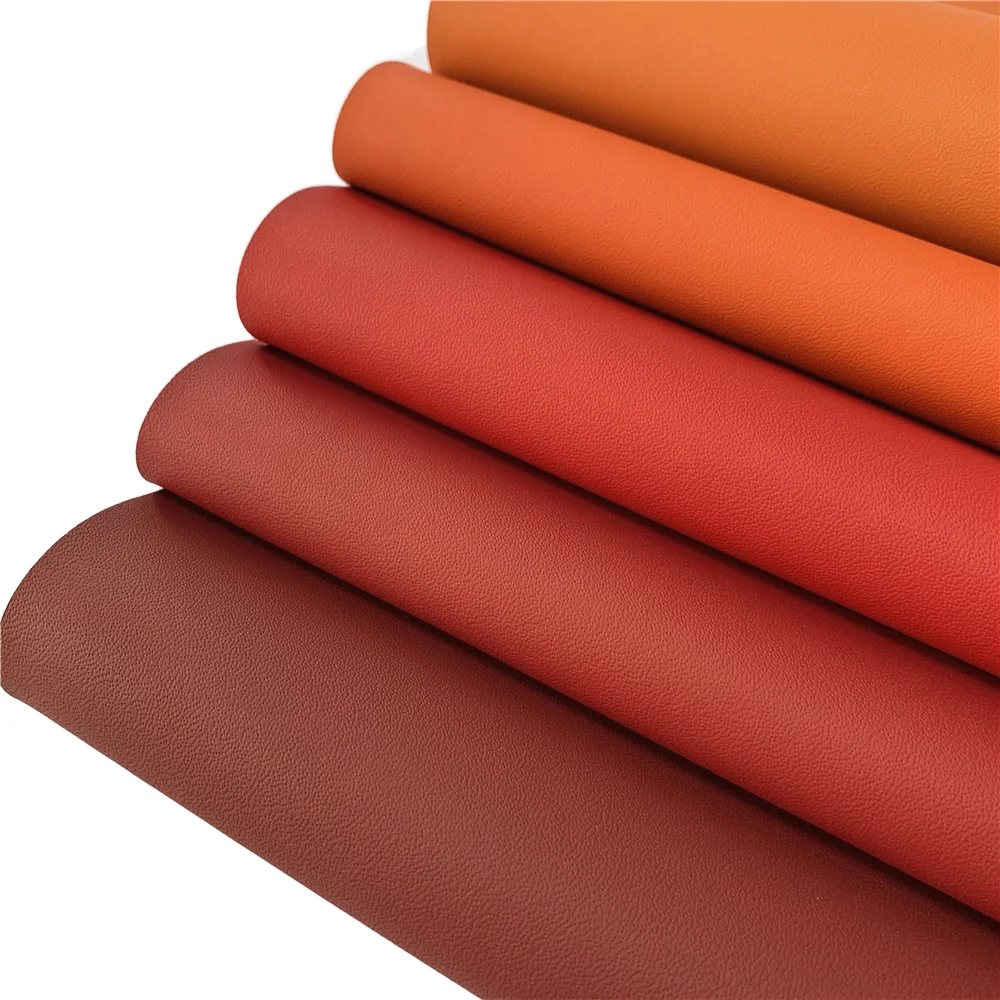
Hydrolysis Resistant Waterproof PU Microfiber Suede Leather Fabric Furniture Car Seat Covers Automotive Upholstery Bags Sofas
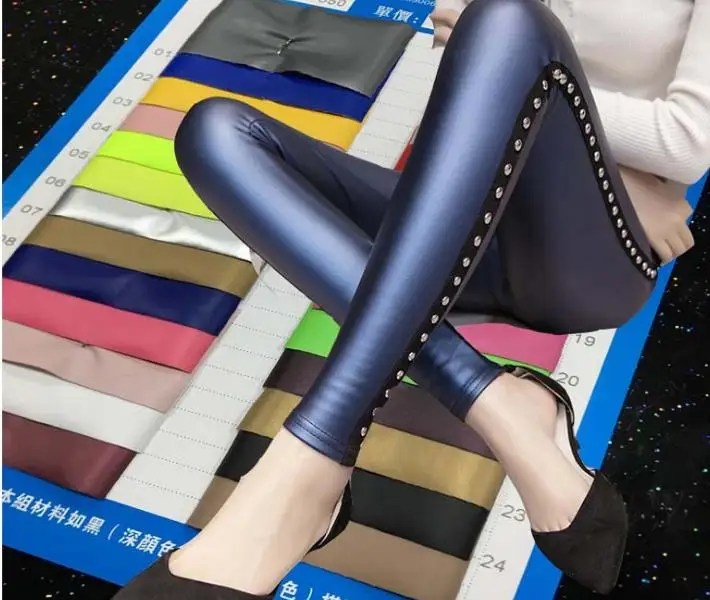
Ultra-Bright Black Mirror Four-Sided Stretch PU Fabric Pants Dresses Solid Color Soft Waterproof Clothing Elastic Finished
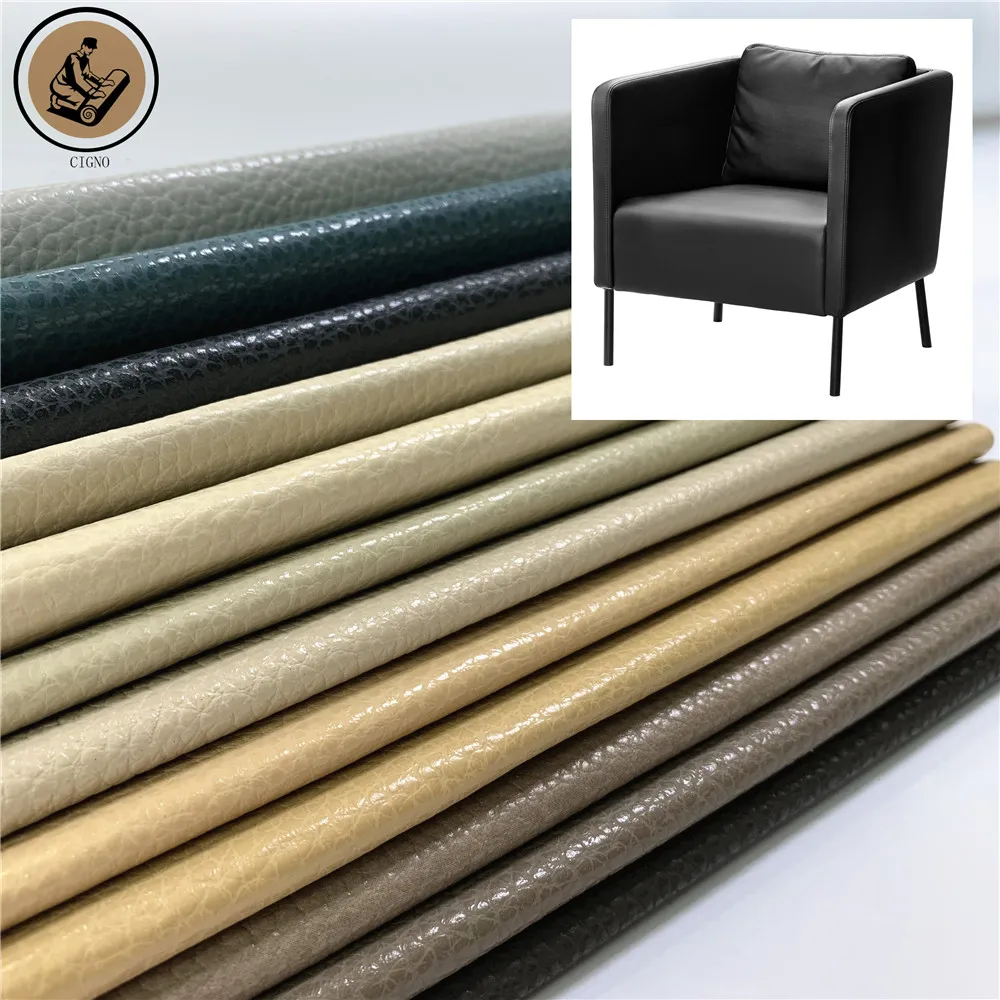
Litchi Lychee Grain 1.2mm PU Microfiber Leather Eco-Friendly Synthetic Leather Sofa Car Seat Handbags-Pearly-Lustre Recycled
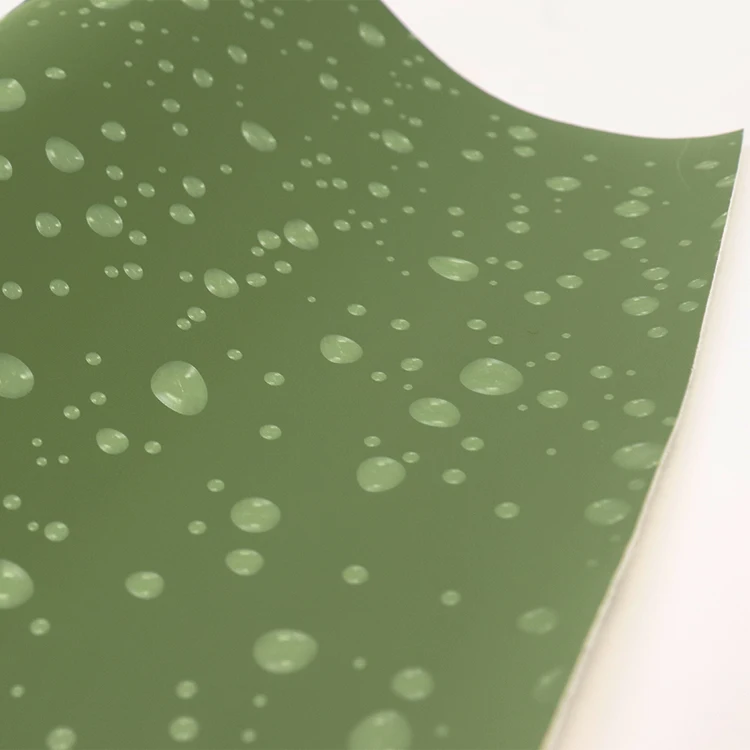
Custom Designer Faux Leather Fabric PVC Synthetic Leather Waterproof Sofa Bag Furniture Chair Woven Backing-Price Per Meter
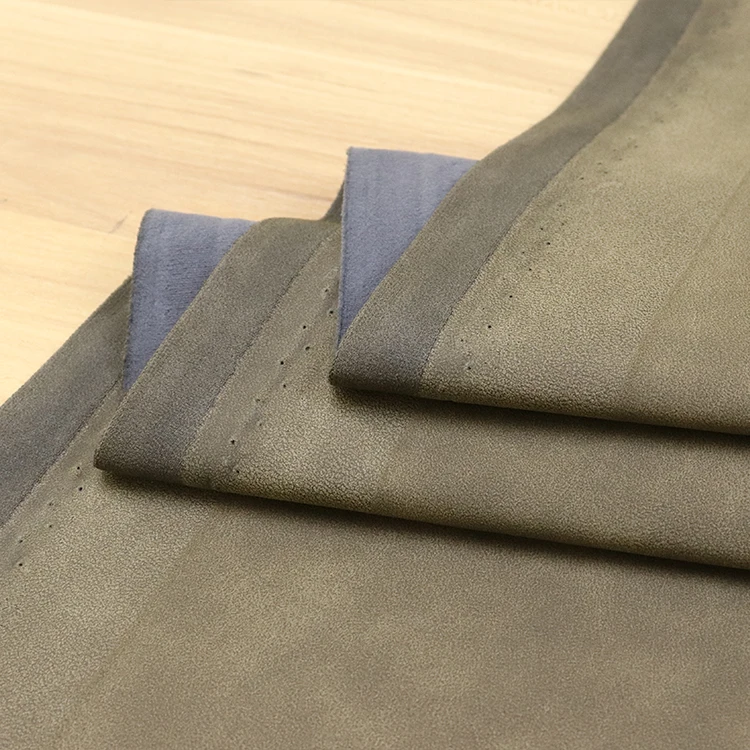
PU Suede Leather Nubuck Artificial Leather Materi for Shoe Make
How do I check if leather sofa set furniture uses genuine top grain leather?
To check if a leather sofa set uses genuine top grain leather, examine the pore distribution, edges, backing, and water absorption. Genuine top grain leather features irregular pore patterns, raw fibrous underside edges, and absorbs small water drops. In contrast, synthetic alternatives like PVC or PU leather display uniform surface grains, woven backing fabrics, and water resistance.
Core Solutions & Key Takeaways
- Backing Material Inspection: Genuine top grain leather exhibits a rough, fibrous suede-like underside. Synthetic upholstery materials feature a distinct knitted, woven, or non-woven fabric backing.
- Pore and Grain Pattern Analysis: Top grain leather displays asymmetrical, non-repeating pore arrangements. Manufactured PVC and PU leather feature perfectly consistent, repeating grain stamps across the surface roll.
- Water Absorption Test: Natural leather absorbs a droplet of water within seconds due to porous organic structures, whereas synthetic leather repels water completely due to surface polymer coatings.
- Edge and Cut Examination: Unfinished edges on genuine top grain leather reveal natural collagen fiber density, while synthetic alternatives reveal distinct layers comprising a backing fabric and a polymer topcoat.
Identifying material composition prevents mislabeling during furniture procurement, especially when evaluating sectional sofas, recliners, dining chairs, and office chairs.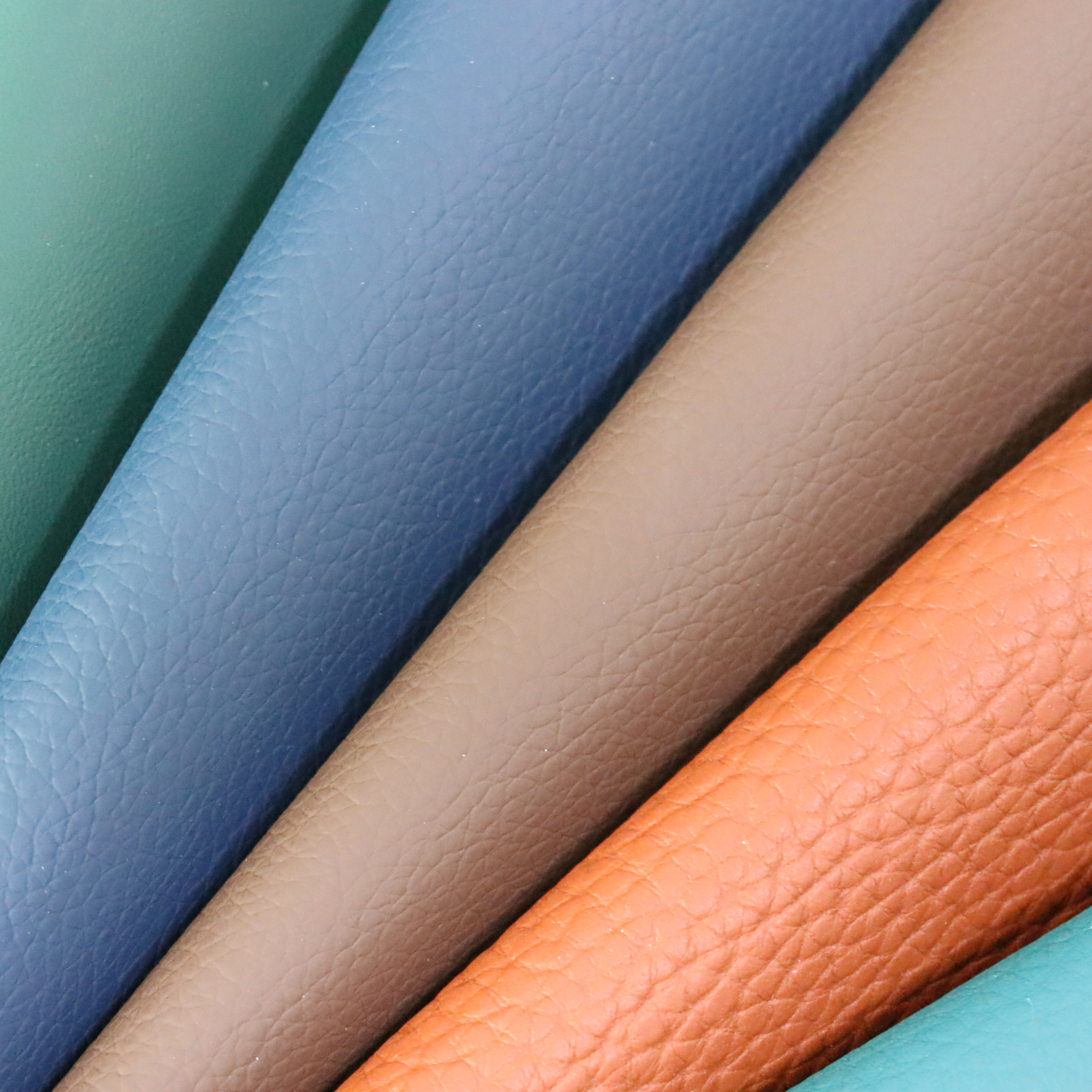
Detailed Architectural/Principle Analysis
The structural difference between natural hides and synthetic materials lies in cellular composition and manufacturing layers. Genuine top grain leather comes from the outermost layer of animal hide, retaining natural grain variations and collagen fiber bundles. This provides high tensile strength but results in natural inconsistencies in thickness, color, and texture across different hide sections.
Engineered upholstery options—such as PVC and PU synthetic leather—are designed with controlled physical parameters. Production lines apply polyurethane or polyvinyl chloride coatings over textile substrates including knitted, woven, or non-woven backings. These materials achieve controlled thicknesses ranging from 0.7 to 1.3 mm with standard widths of 54 to 55 inches, offering predictable physical performance for commercial furniture manufacturing.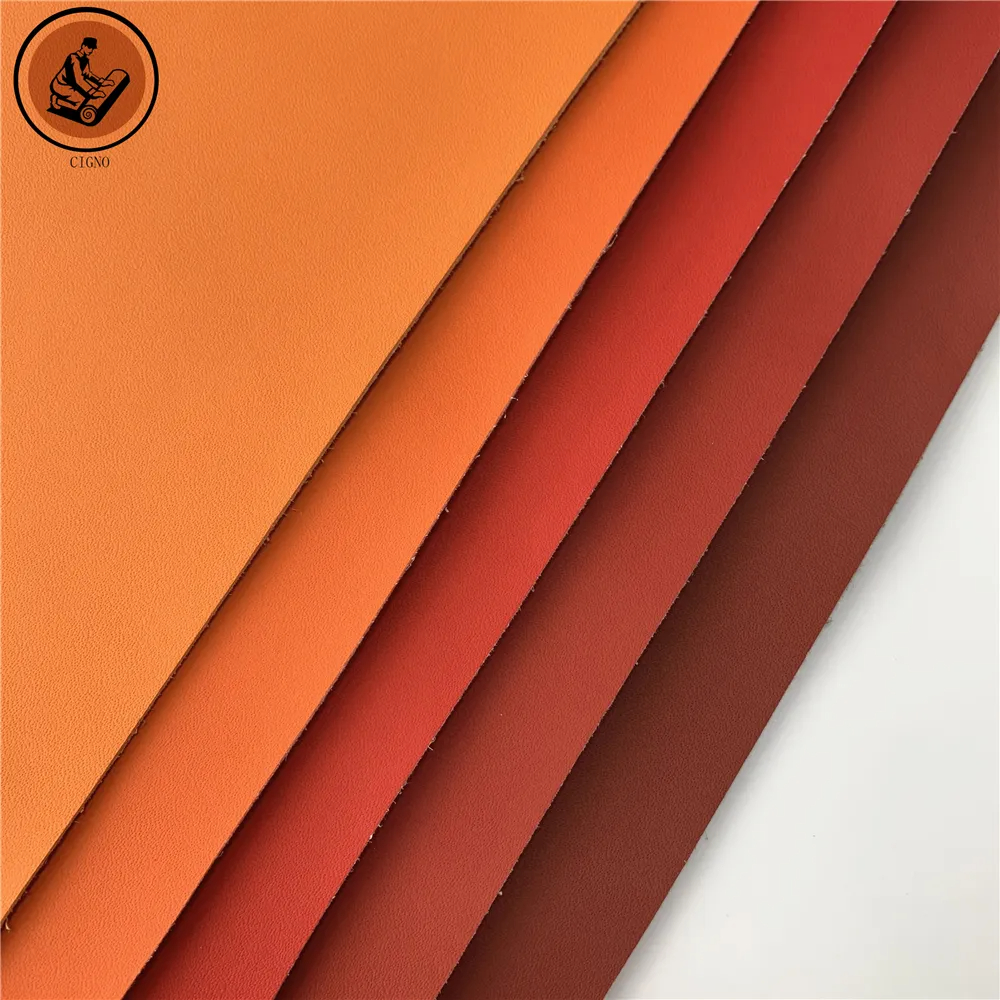
Quality synthetic materials undergo international testing standards to match or exceed commercial upholstery requirements. Leading polymer materials receive certifications such as GRS (Global Recycled Standard), USDA bio-based verification, and Oeko-Tex 100, alongside testing reports for flame retardancy, UV resistance, stain resistance, and scratch resistance.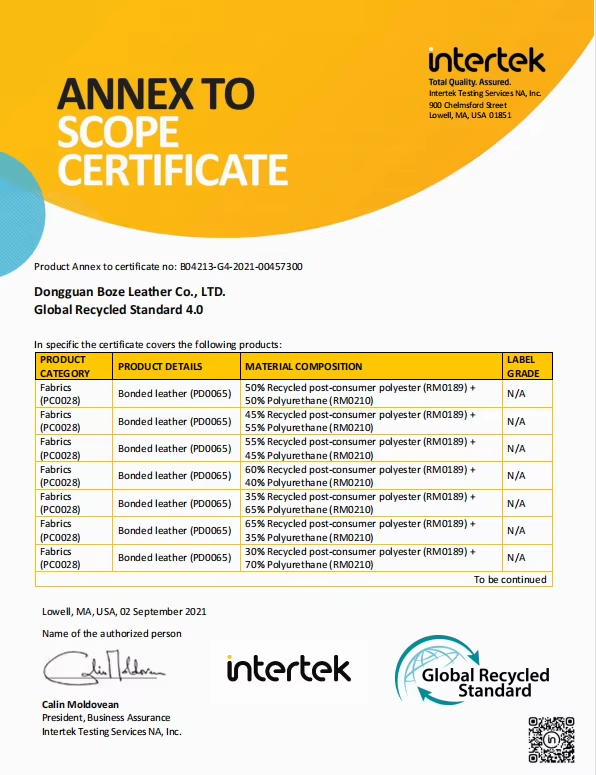
In high-demand transportation applications, an automotive interior manufacturer in Mexico procured 50,000 meters of customized synthetic leather for seating, door panels, and armrests. The project required precise color consistency, flame retardancy, low odor, and high abrasion resistance—specifications achieved through engineered polymer formulations that eliminate hide-to-hide variation.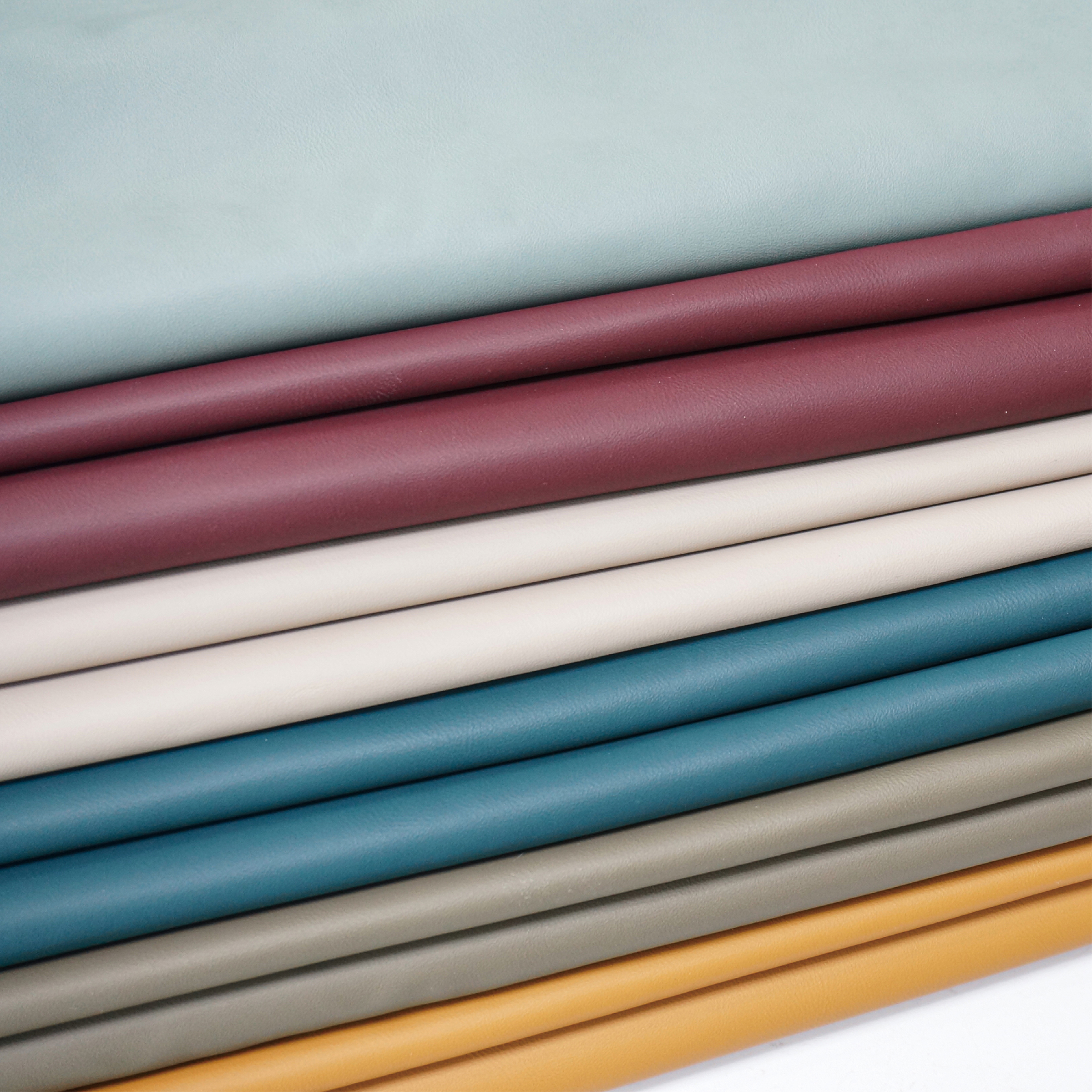
Data/Solution Comparison
| Performance Parameter | Genuine Top Grain Leather | PVC & PU Synthetic Upholstery Leather |
|---|---|---|
| Backing Structure | Fibrous natural hide / suede finish | Knitted, woven, or non-woven fabric backing |
| Surface Pattern | Irregular pores and natural grain variations | Uniform grain stamp with customizable textures |
| Water Absorption | Absorbs moisture; vulnerable to staining | Waterproof and stain resistant |
| Thickness Range | Variable per hide (typically 1.0–1.6 mm) | Customizable (0.7–1.3 mm standard) |
| Color Consistency | Natural color variance between dye lots | 100% color consistency across production lots |
| Flame & UV Resistance | Requires specialized chemical treatments | Engineered flame retardant & anti-UV coatings available |
| Maintenance | Requires specialized leather conditioners | Easy wipe-clean performance with mild soap/water |
Frequently Asked Questions (FAQ)
Q1: Does genuine top grain leather smell different from synthetic leather?
Genuine top grain leather carries a distinct organic scent from the tanning process. Synthetic PU and PVC materials exhibit a neutral or mild vinyl odor, though low-odor manufacturing processes are used for high-end automotive and furniture upholstery.
Q2: Why do furniture manufacturers select PU or PVC leather over top grain leather?
Manufacturers choose synthetic leather for high production yield, cost efficiency, seamless color matching, uniform thickness, and specific technical features such as waterproofing, anti-scratch durability, and flame retardancy.
Q3: What backing materials are commonly used in synthetic sofa leather?
Synthetic sofa upholstery utilizes knitted, woven, or non-woven textile backings. Knitted backing provides elasticity for contoured seating, while woven backing offers dimensional stability for heavy-duty furniture framing.
Final Conclusion & Recommendations
Determining whether a sofa set uses top grain leather requires checking backing fabric, pore randomness, edge cross-sections, and liquid absorption. For commercial projects requiring high abrasion resistance, strict color uniformity, and certified environmental compliance, engineered synthetic options like PU and PVC leather provide consistent performance. Flexible procurement options include T/T bank transfer, L/C, and Alibaba Trade Assurance with standard delivery schedules between 15 to 30 days. For detailed technical solutions or support, please reach out to us via vicky@bozeleather.com.
About Us
Dongguan Cigno Leather Co., Ltd. is a professional manufacturer specializing in high-quality synthetic leather based in Dongguan, China. Established in 2007, the company operates a 100,000 square meter facility supported by 50 specialized staff members, reaching a monthly production capacity of 6,000,000 meters across 6 advanced production lines. The product portfolio includes PU, PVC, and microfiber synthetic leather certified under GRS, USDA, and Oeko-Tex 100 standards for furniture, automotive, and footwear industries. 
SUBSCRIBE
INQUIRY