
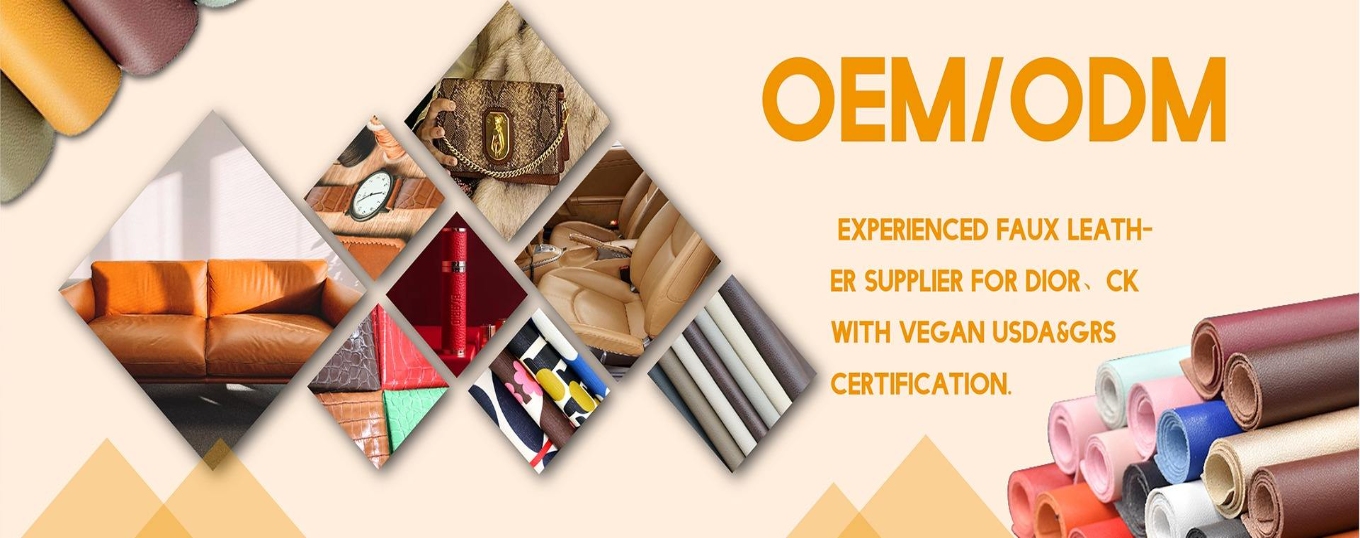
PRODUCTS
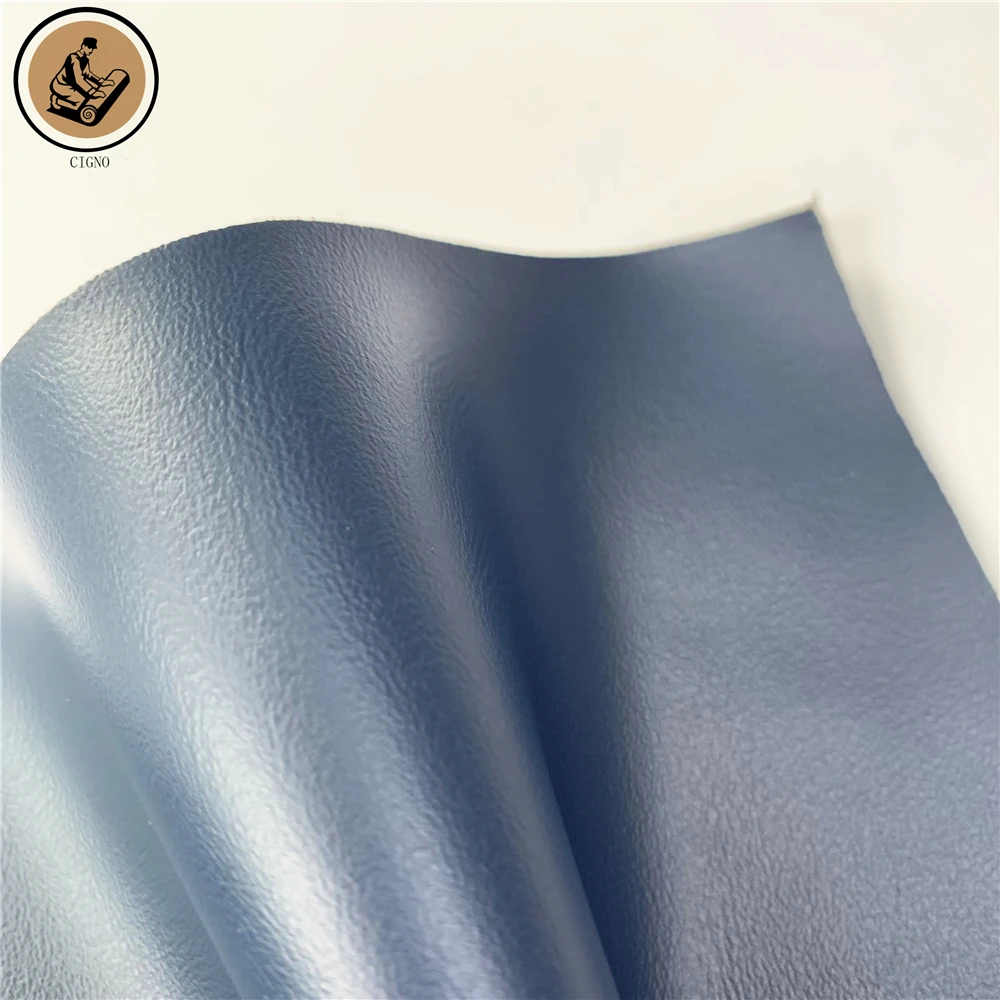
High Quality Eco-Friendly 1.2mm PU Synthetic Leather Furniture Upholstery Solvent-Free Skin-Feel for Sofa Car Seat Chair Bag Use
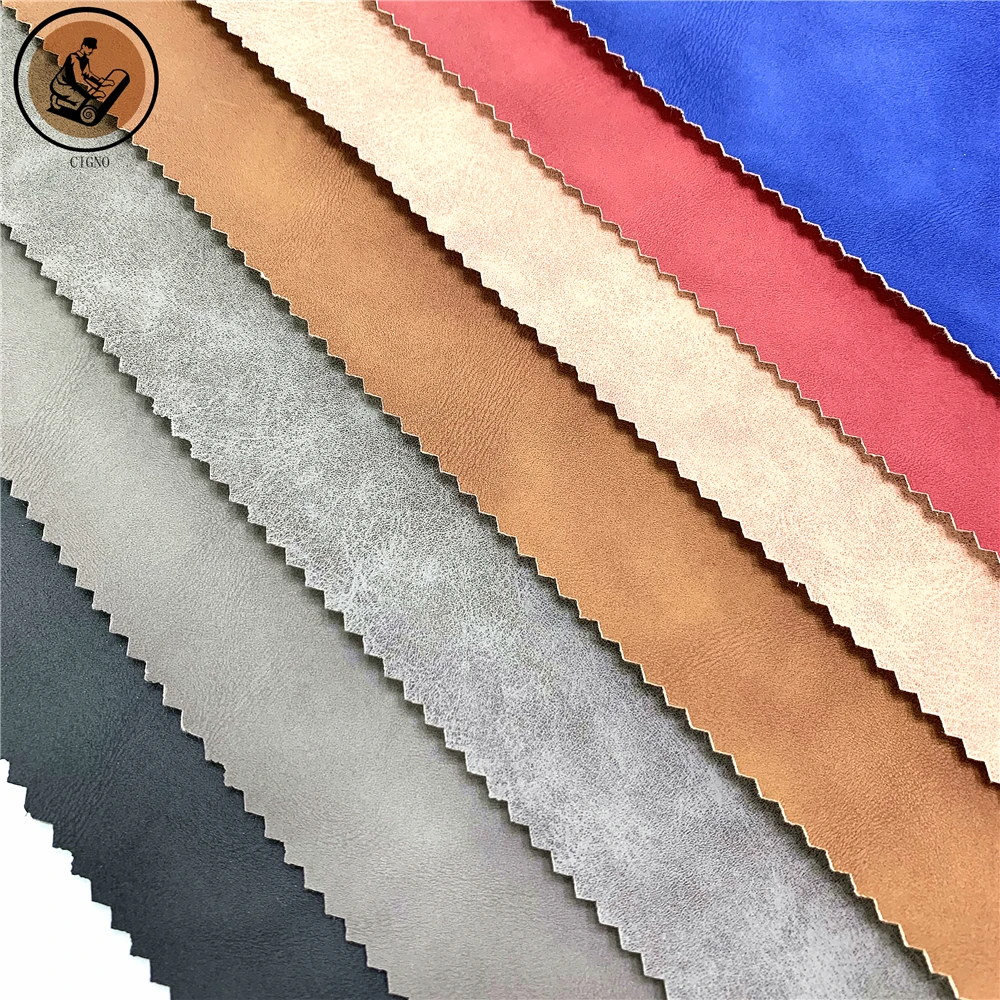
Free Samples of Embossed PU Synthetic Leather Bags Shoes Sofa Furniture Garments Car Decorative Uses-Waterproof Stretch Features
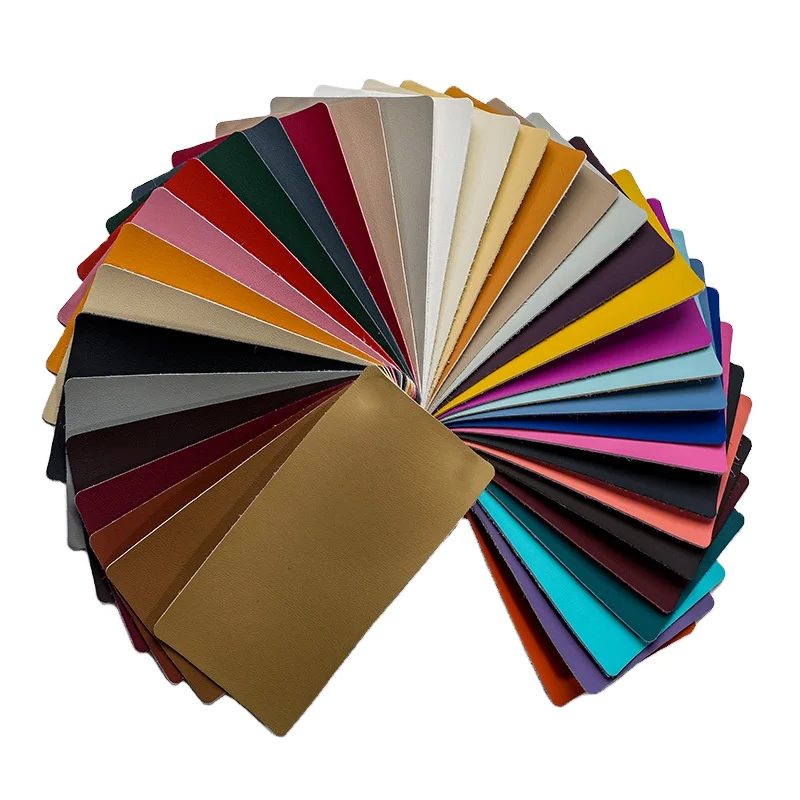
Pvc Vinyl Leather Rexine Leather Faux for Cars/Motorcycles, Waterproof Embossed Recycling Leatherette for Automotive Leather
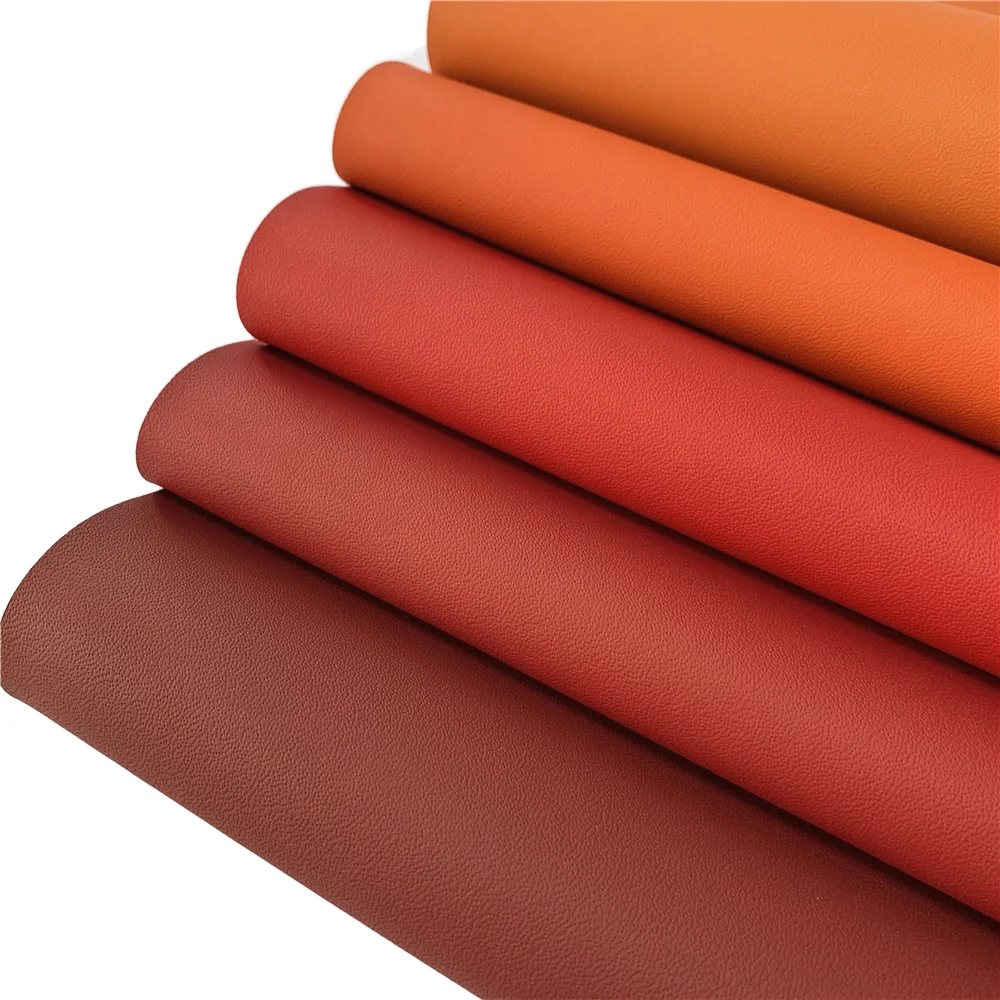
Hydrolysis Resistant Waterproof PU Microfiber Suede Leather Fabric Furniture Car Seat Covers Automotive Upholstery Bags Sofas
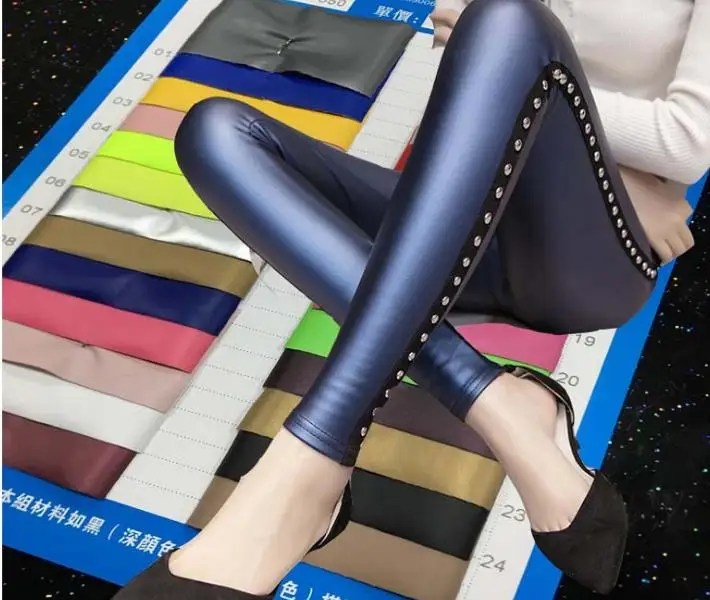
Ultra-Bright Black Mirror Four-Sided Stretch PU Fabric Pants Dresses Solid Color Soft Waterproof Clothing Elastic Finished
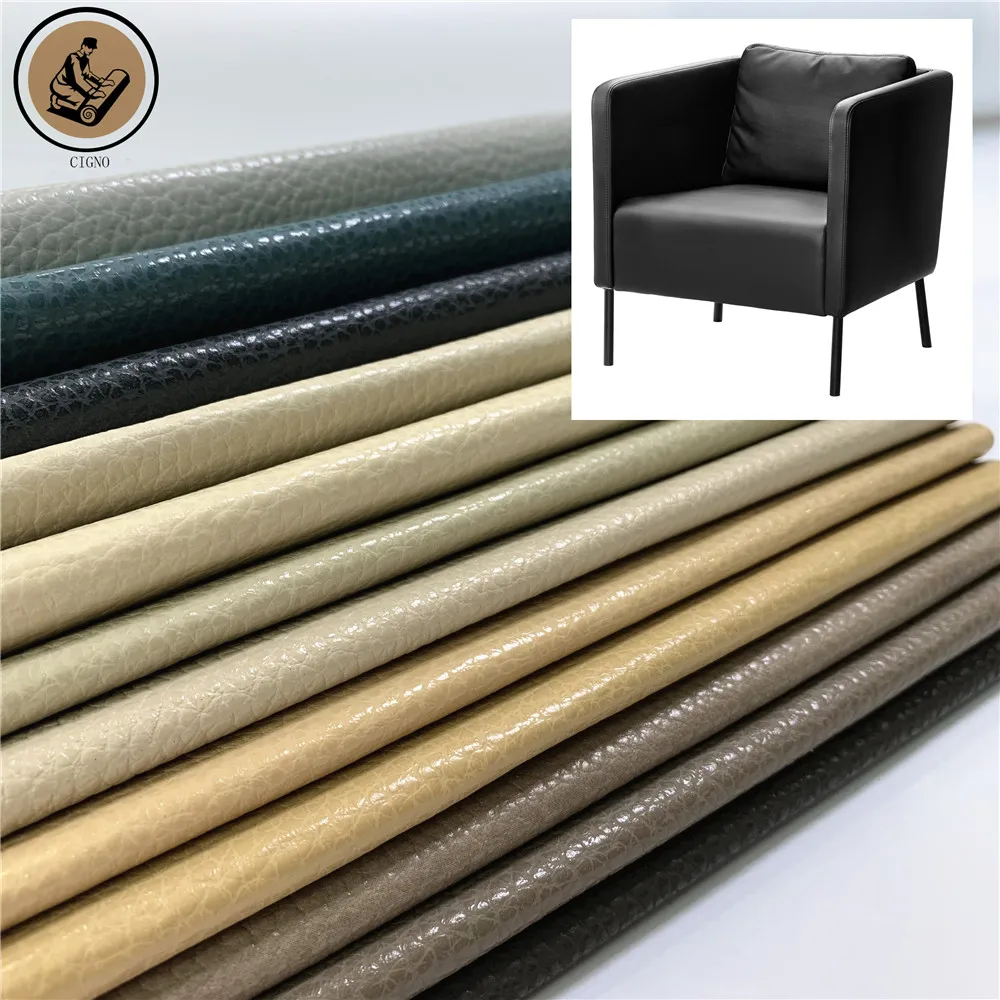
Litchi Lychee Grain 1.2mm PU Microfiber Leather Eco-Friendly Synthetic Leather Sofa Car Seat Handbags-Pearly-Lustre Recycled
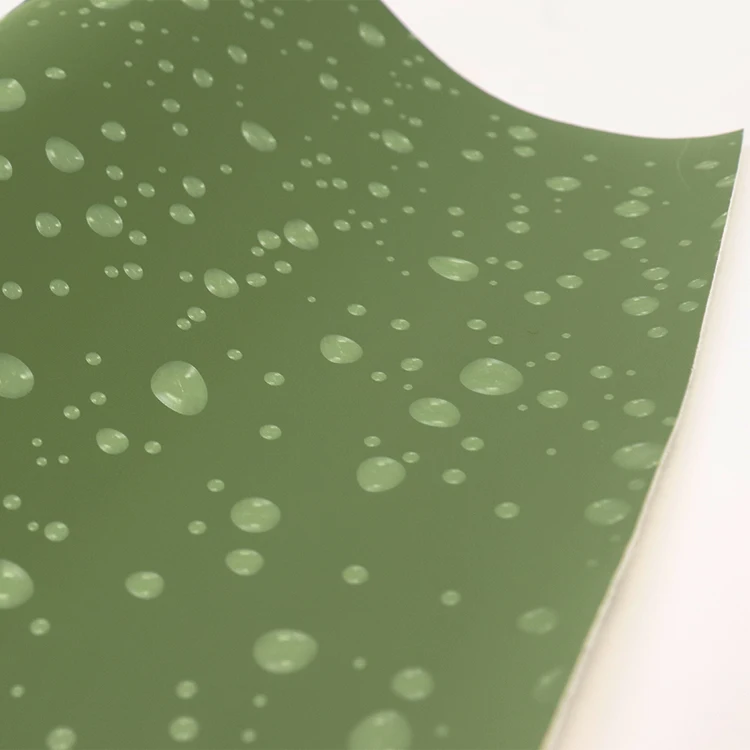
Custom Designer Faux Leather Fabric PVC Synthetic Leather Waterproof Sofa Bag Furniture Chair Woven Backing-Price Per Meter
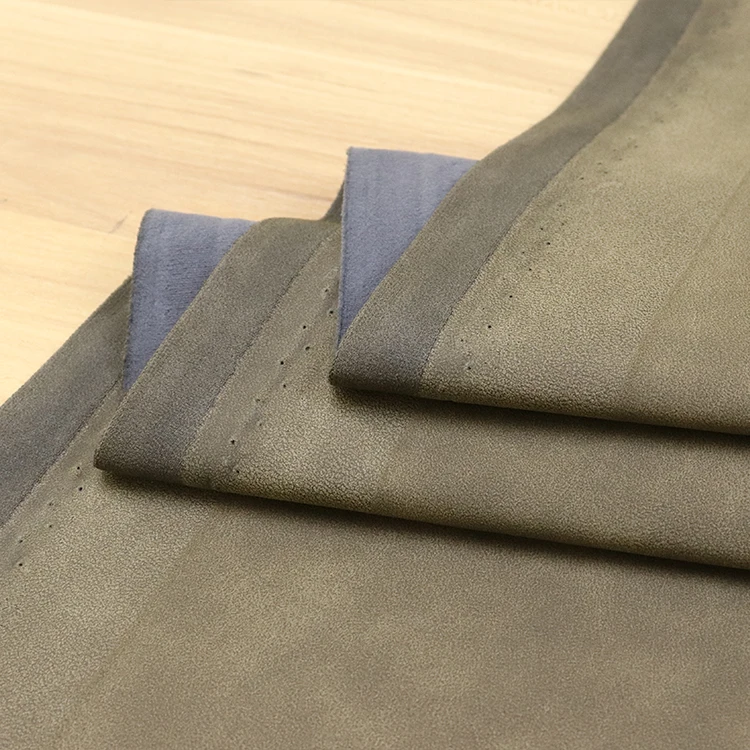
PU Suede Leather Nubuck Artificial Leather Materi for Shoe Make
How do I check the wear resistance of luxury car seat cover leather for hot climates?
Checking the wear resistance of luxury car seat cover leather for hot climates involves conducting laboratory abrasion, scratch, and UV resistance tests. High-performance synthetic leather, such as Premium Nappa microfiber or solvent-free PU, is evaluated under ISO 9001 quality systems using specialized testing equipment to measure tensile strength, peeling strength, and surface degradation under simulated high-temperature and high-UV conditions.
Core Solutions & Key Takeaways
- Standardized Physical Testing: Rigorous laboratory evaluations must inspect thickness (0.9–1.4 mm), width (54/55 inches), tensile strength, peeling strength, and color consistency to ensure the material survives heavy physical friction.
- Thermal and UV Simulation: Exposing the synthetic leather to simulated hot climates verifies that UV resistance and low-odor properties are maintained when cabin temperatures rise.
- Targeted Application Adaptability: Materials engineered for automotive seats, door panels, headrests, and armrests require built-in scratch resistance, flame retardancy, and easy-clean performance.
Detailed Architectural/Principle Analysis
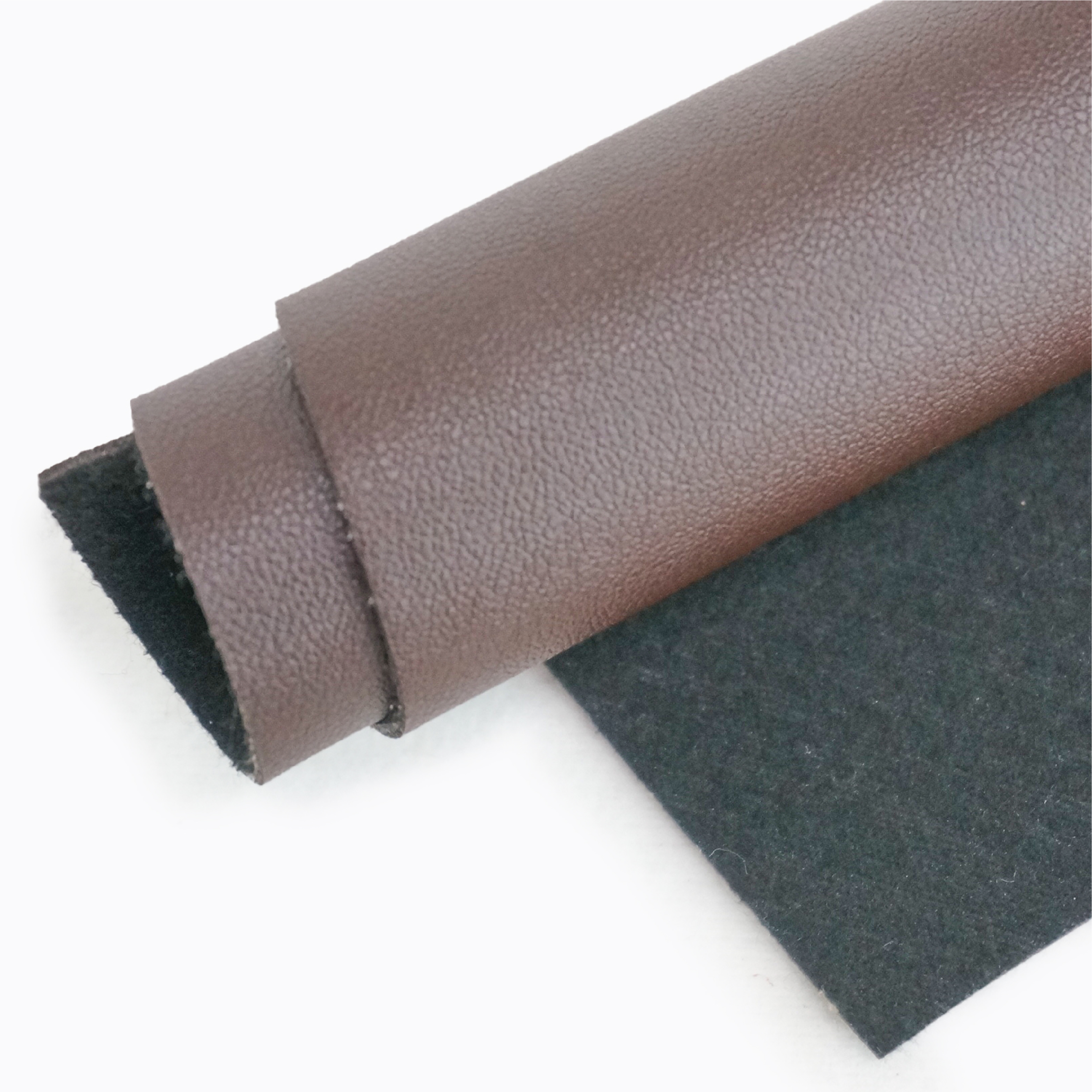
To accurately assess how luxury car seat cover leather performs in hot climates, manufacturers utilize comprehensive quality inspection protocols. This process begins with raw material inspection and color matching confirmation, followed by production process inspections and finished product testing. Under extreme temperatures, standard polyurethane can degrade; therefore, utilizing premium nappa-grain synthetic leather in PU, microfiber, or solvent-free PU options provides the necessary structural foundation. These polymer configurations are designed to maintain high elasticity and a soft, smooth hand feel without losing structural integrity under heat stress.
Environmental and chemical safety standards also serve as indicators of wear stability. Verifiable certifications such as GRS, USDA, and Oeko-Tex 100 confirm that the synthetic leather is manufactured under controlled, globally recognized environmental guidelines. These materials undergo testing for anti-bacterial, anti-mold, UV-resistant, fluorine-free, and flame-retardant properties to prevent early breakdown caused by sweat, sunlight exposure, and thermal pressure. 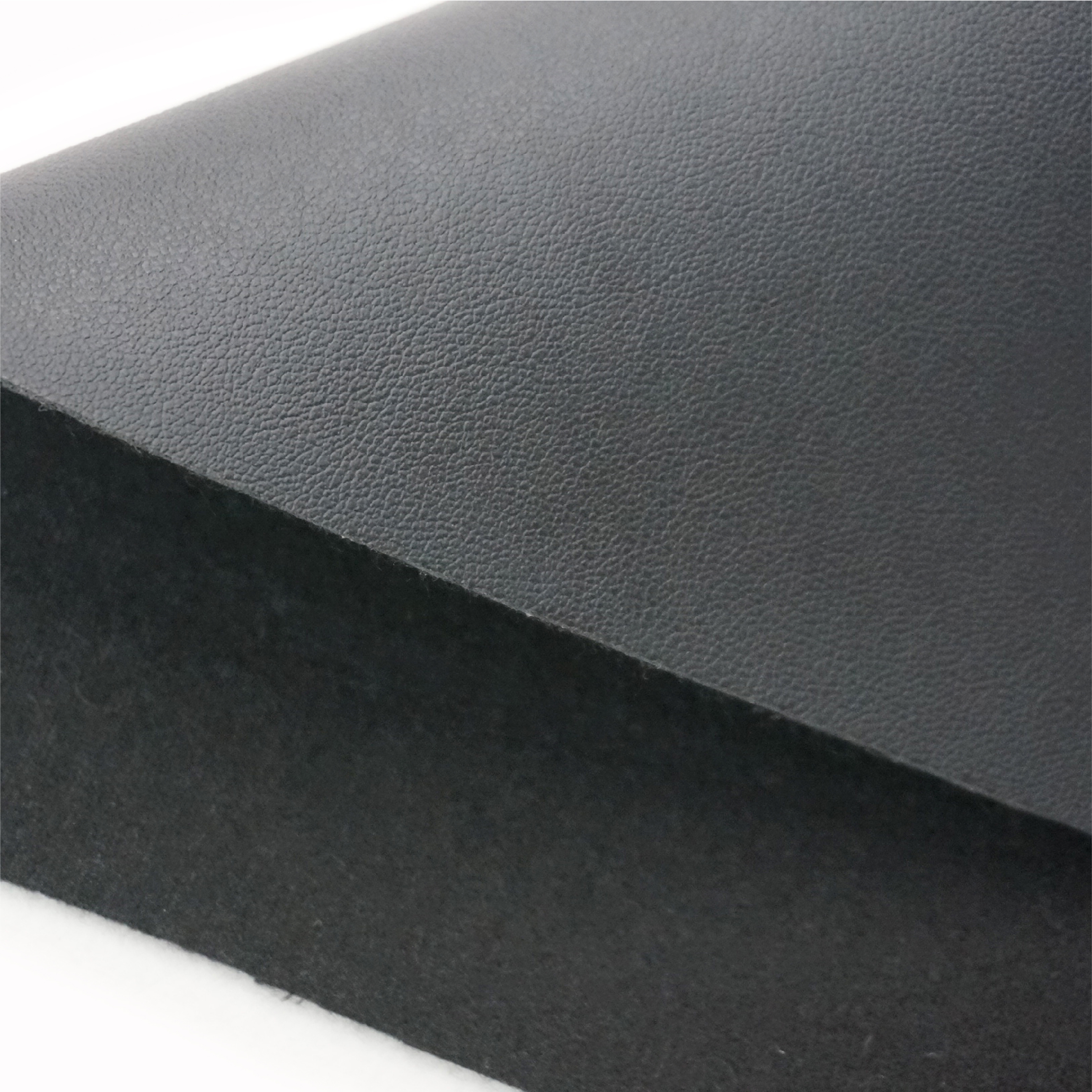
Practical deployment confirms these laboratory findings. For instance, in a completed cooperation case, an automotive interior manufacturer in Mexico procured 50,000 meters of customized synthetic leather for automotive seats, door panels, headrests, and armrests. The material was customized in color, grain, thickness, and backing to meet demands for high abrasion resistance, UV resistance, flame retardancy, low odor, and easy-clean performance in a regional climate, delivering stable color consistency and clear grain texture throughout mass production.
Data/Solution Comparison
| Parameter / Requirement | Premium Nappa Synthetic Leather Specifications | Standard Synthetic Leather General Values |
|---|---|---|
| Material Composition Options | Microfiber, Solvent-free PU, High-grade PU | Standard PU, PVC |
| Thickness Range | 0.9–1.4 mm | Varies by application |
| Width Specification | 54/55 inches | Standard roll width |
| Key Functional Features | High abrasion, scratch resistance, UV resistance, low odor, easy-clean | Standard wear resistance, variable UV protection |
| Quality Control & Certifications | ISO 9001, GRS, USDA, Oeko-Tex 100, Flame-retardant testing | Basic standard inspection |
| Minimum Order Quantity (MOQ) | 1,000 meters per color | 100 meters (general stock) |
| Production & Delivery Time | 20–35 days after deposit and sample approval | 7–30 days depending on stock |
Frequently Asked Questions (FAQ)
How do environmental certifications relate to the wear resistance of automotive leather?
Certifications like GRS, USDA, and Oeko-Tex 100 ensure the polymer chains and additives used in synthetic leather are stable and free of hazardous degradation agents. This chemical stability directly prevents the premature peeling, cracking, or softening of the material when exposed to friction and heat.
What specific physical tests are conducted to check wear resistance?
Testing involves evaluating the material's surface appearance, abrasion resistance, scratch resistance, tensile strength, and peeling strength. These tests are performed under laboratory conditions using standardized friction and tension machinery to replicate years of vehicle entry and exit.
Why is low odor critical for luxury car seat covers in hot climates?
High cabin temperatures accelerate the release of volatile organic compounds (VOCs). Selecting solvent-free PU or high-grade microfiber options ensures the leather remains low-odor and chemically stable, protecting interior air quality during extreme heat exposure.
Final Conclusion & Recommendations
Selecting synthetic leather for hot climates requires balancing physical thickness (0.9–1.4 mm), high-performance backing materials, and verified UV and scratch resistance. Procurement teams should rely on structured ISO 9001 testing protocols and request comprehensive certification sheets to ensure delivery of robust, long-lasting upholstery. For detailed technical solutions or support, please reach out to us via vicky@bozeleather.com.
About Us
Established in 2007, Dongguan Cigno Leather Co., Ltd. is a professional manufacturer specializing in high-quality faux leather based in Dongguan, China. Operating across a factory area of 100,000 sqm with 50 employees, the company focuses on the development of eco-friendly and multifunctional synthetic leather materials including PU, PVC, water-based, and solvent-free options. The enterprise holds international certifications such as USDA, GRS, and Oeko-Tex 100, and has supplied high-performance materials to clients globally. 
SUBSCRIBE
INQUIRY