
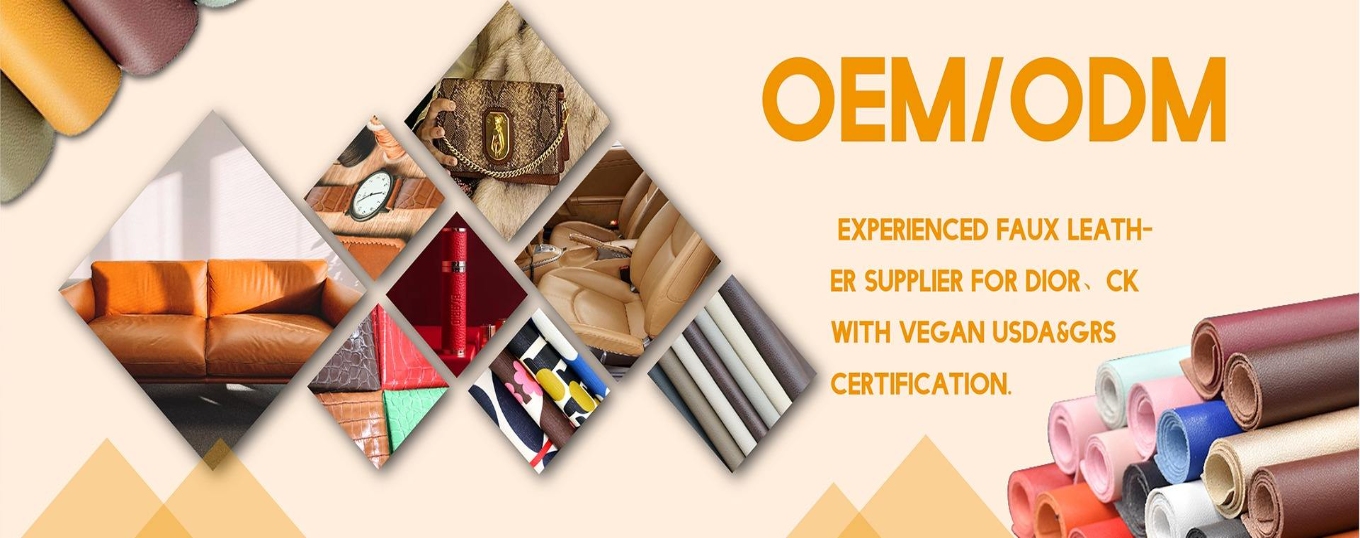
PRODUCTS
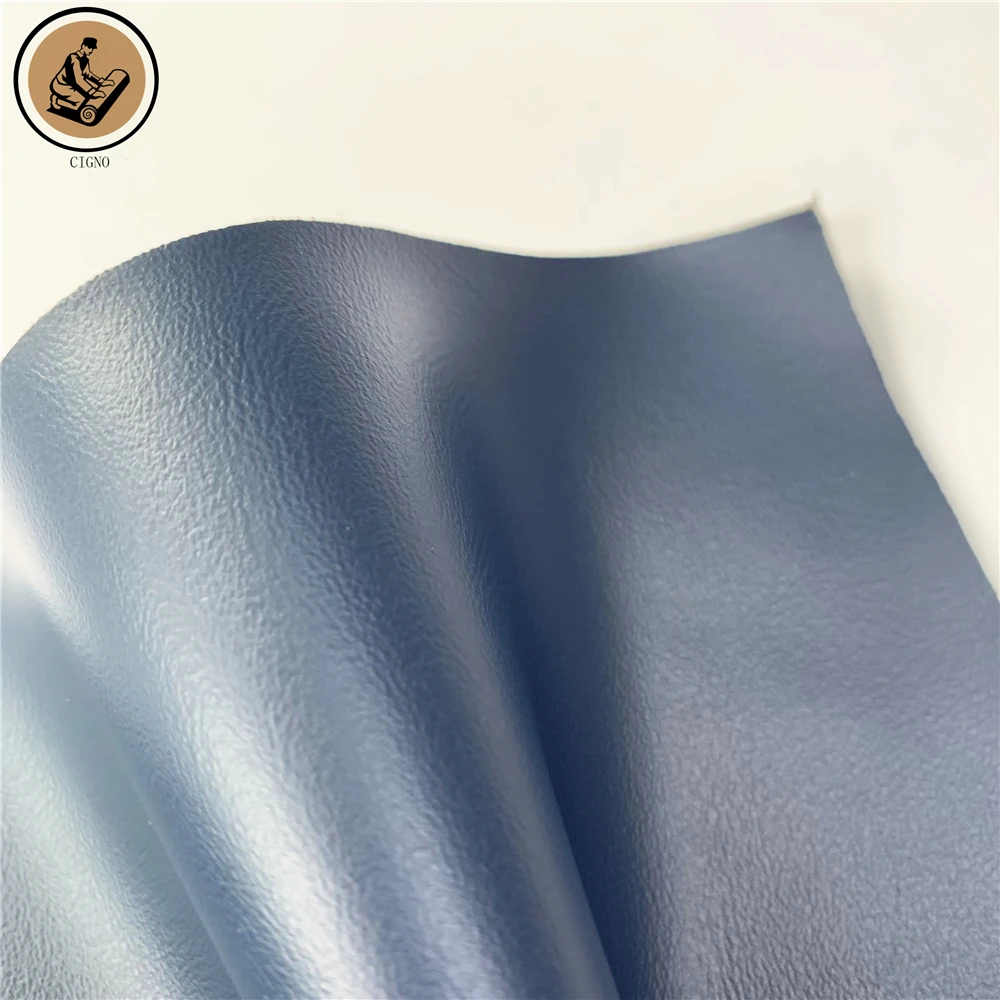
High Quality Eco-Friendly 1.2mm PU Synthetic Leather Furniture Upholstery Solvent-Free Skin-Feel for Sofa Car Seat Chair Bag Use
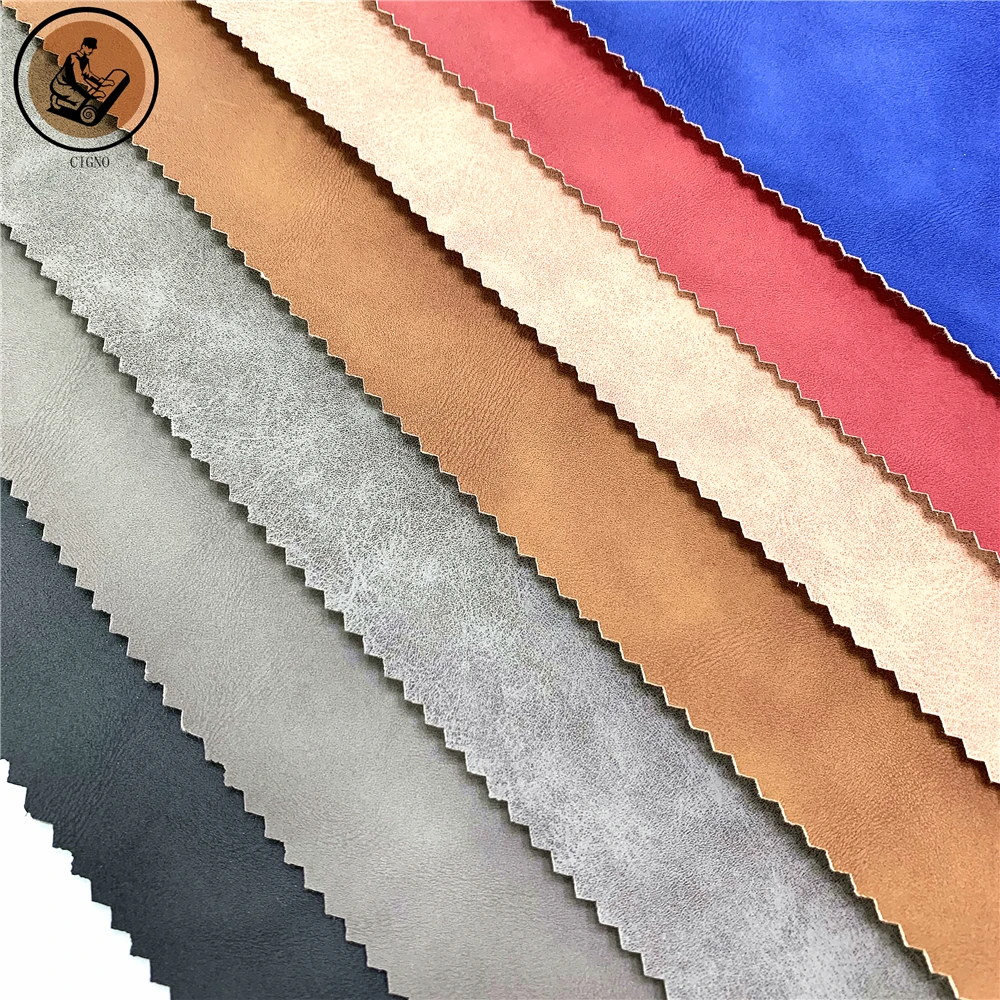
Free Samples of Embossed PU Synthetic Leather Bags Shoes Sofa Furniture Garments Car Decorative Uses-Waterproof Stretch Features
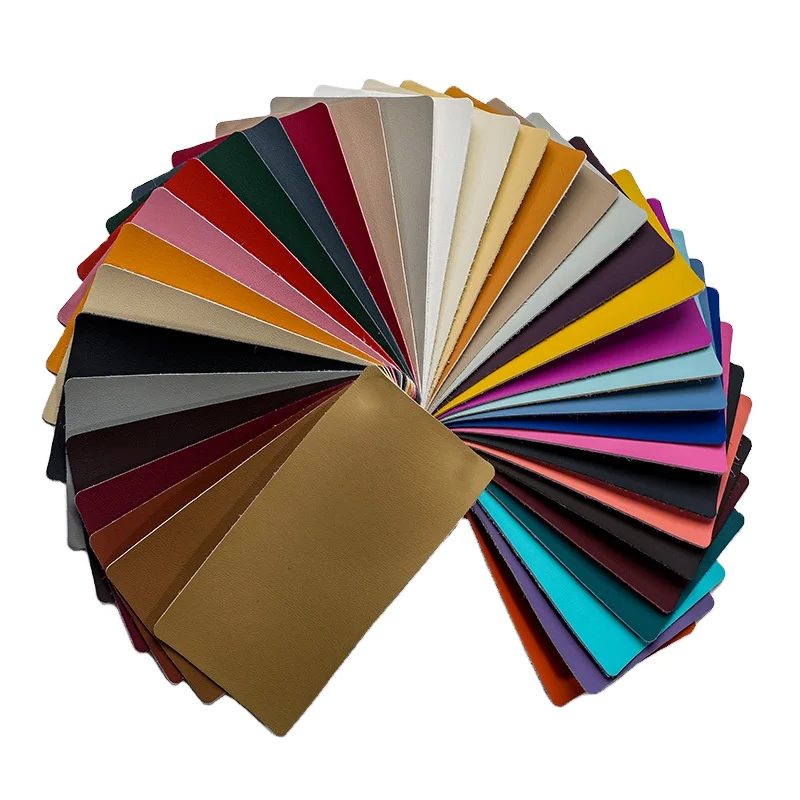
Pvc Vinyl Leather Rexine Leather Faux for Cars/Motorcycles, Waterproof Embossed Recycling Leatherette for Automotive Leather
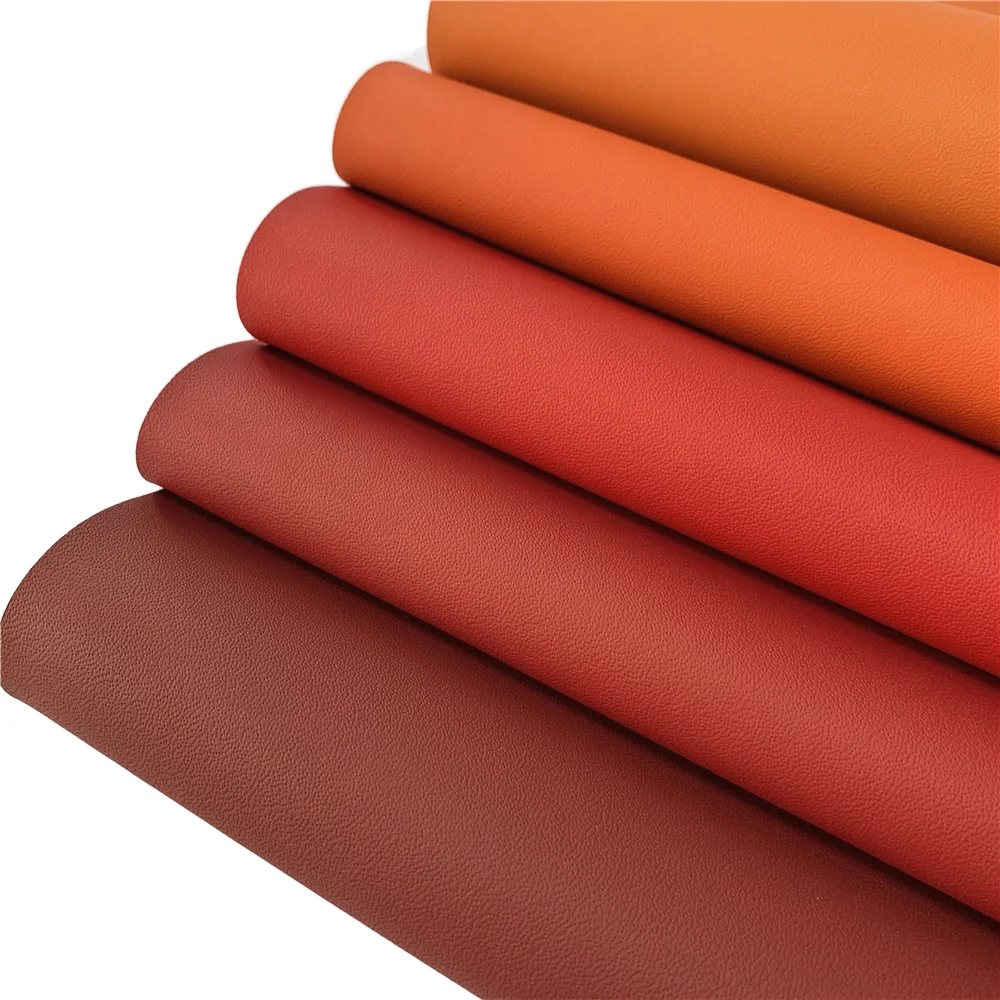
Hydrolysis Resistant Waterproof PU Microfiber Suede Leather Fabric Furniture Car Seat Covers Automotive Upholstery Bags Sofas
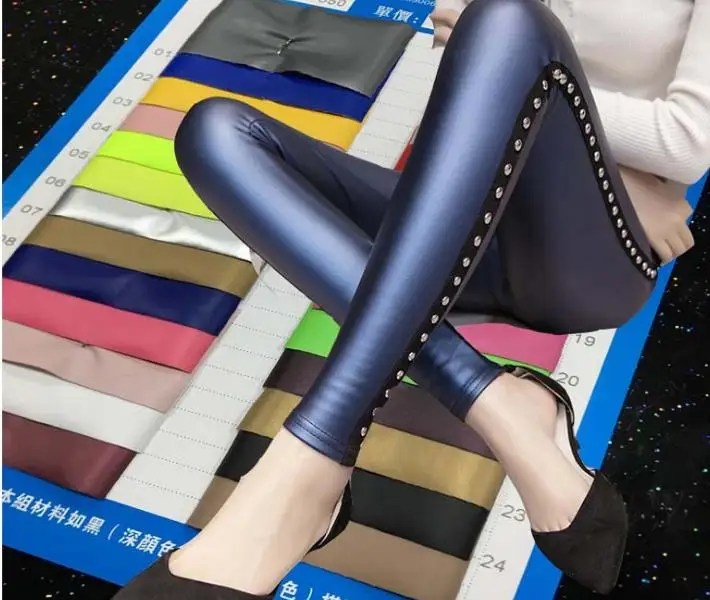
Ultra-Bright Black Mirror Four-Sided Stretch PU Fabric Pants Dresses Solid Color Soft Waterproof Clothing Elastic Finished
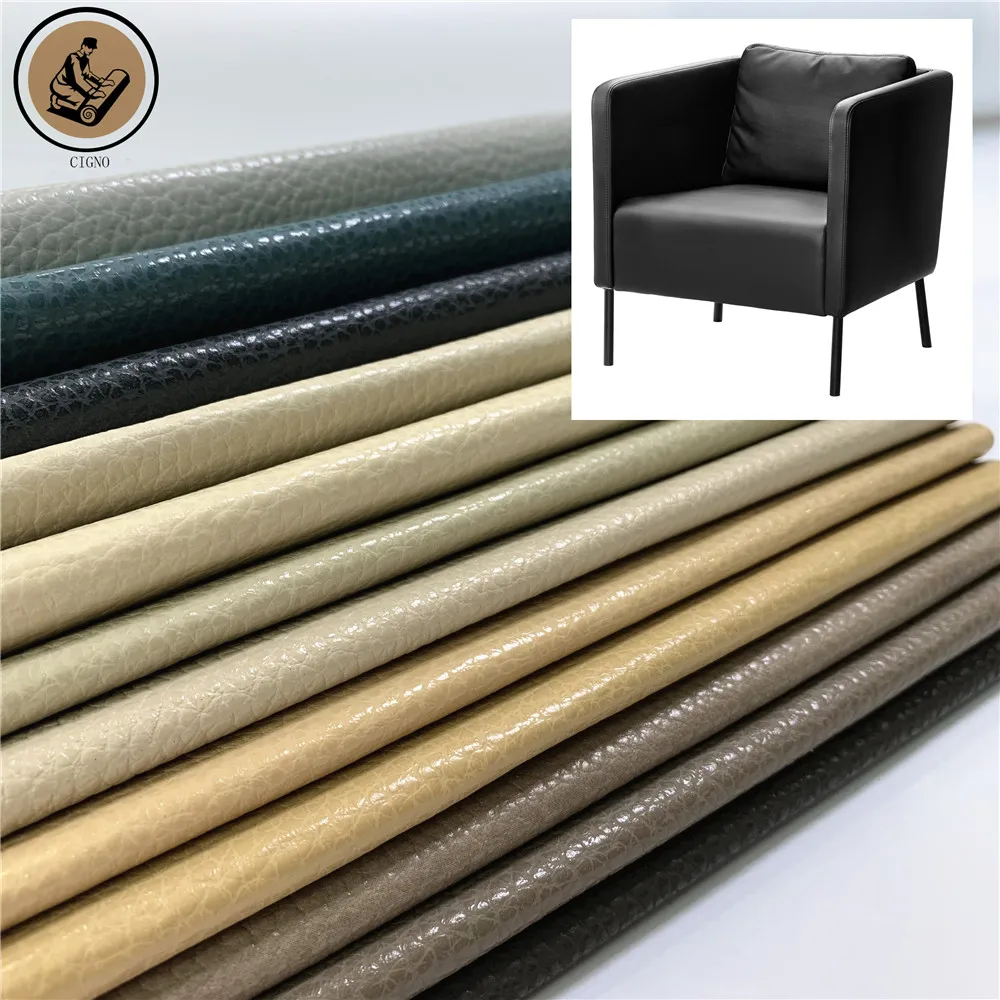
Litchi Lychee Grain 1.2mm PU Microfiber Leather Eco-Friendly Synthetic Leather Sofa Car Seat Handbags-Pearly-Lustre Recycled
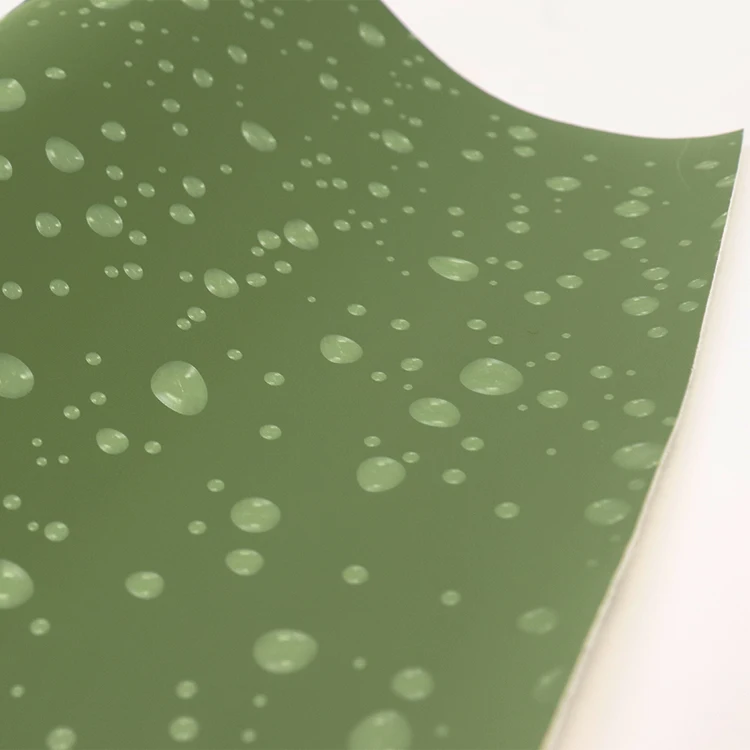
Custom Designer Faux Leather Fabric PVC Synthetic Leather Waterproof Sofa Bag Furniture Chair Woven Backing-Price Per Meter
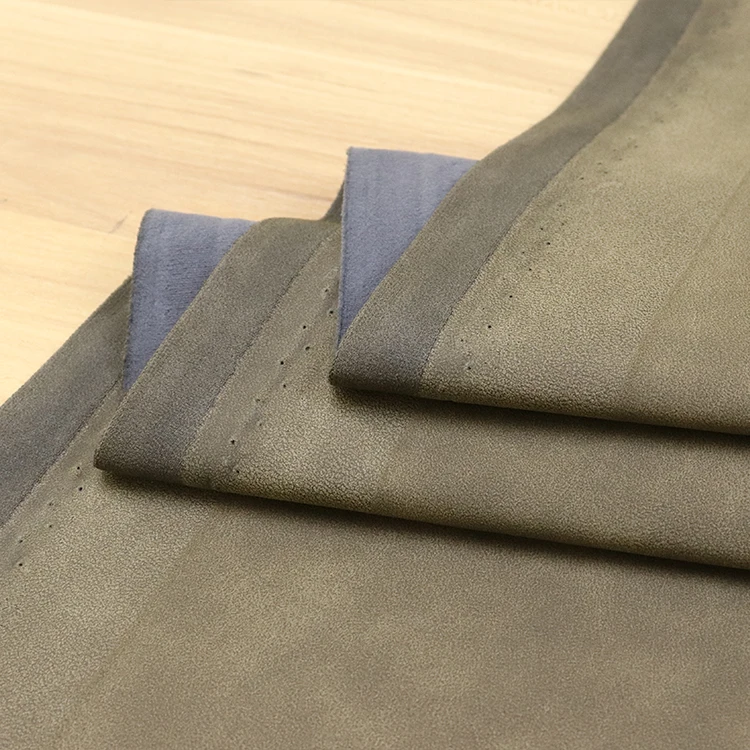
PU Suede Leather Nubuck Artificial Leather Materi for Shoe Make
How do I choose cold-resistant pvc leather for car seat covers?
Choosing cold-resistant PVC leather for car seat covers requires evaluating low-temperature flexibility, backing fabric selection, plasticizer formula stability, and structural thickness. Prioritize materials tested against cold cracking at sub-zero temperatures, featuring high tensile strength backing like knitted fabric, low odor, and flame retardancy to prevent stiffening, cracking, or degradation in harsh winter climates.
Core Solutions & Key Takeaways
- Low-Temperature Flex Resistance: Verify that the PVC synthetic leather retains pliability and avoids surface cracking when exposed to freezing automotive interior temperatures.
- Backing Material Integration: Select appropriate backing materials—such as knitted fabric or non-woven fabric—to preserve tensile strength, seam endurance, and elastic recovery under tension.
- Chemical Stability and Low Odor: Ensure the formulation uses non-volatile plasticizers and fluorine-free additive packages that maintain flexibility without off-gassing inside closed vehicle cabins.
- Multi-Functional Performance: Opt for materials compliant with flame retardancy, UV resistance, scratch resistance, and easy-clean surface treatments.
Detailed Architectural/Principle Analysis
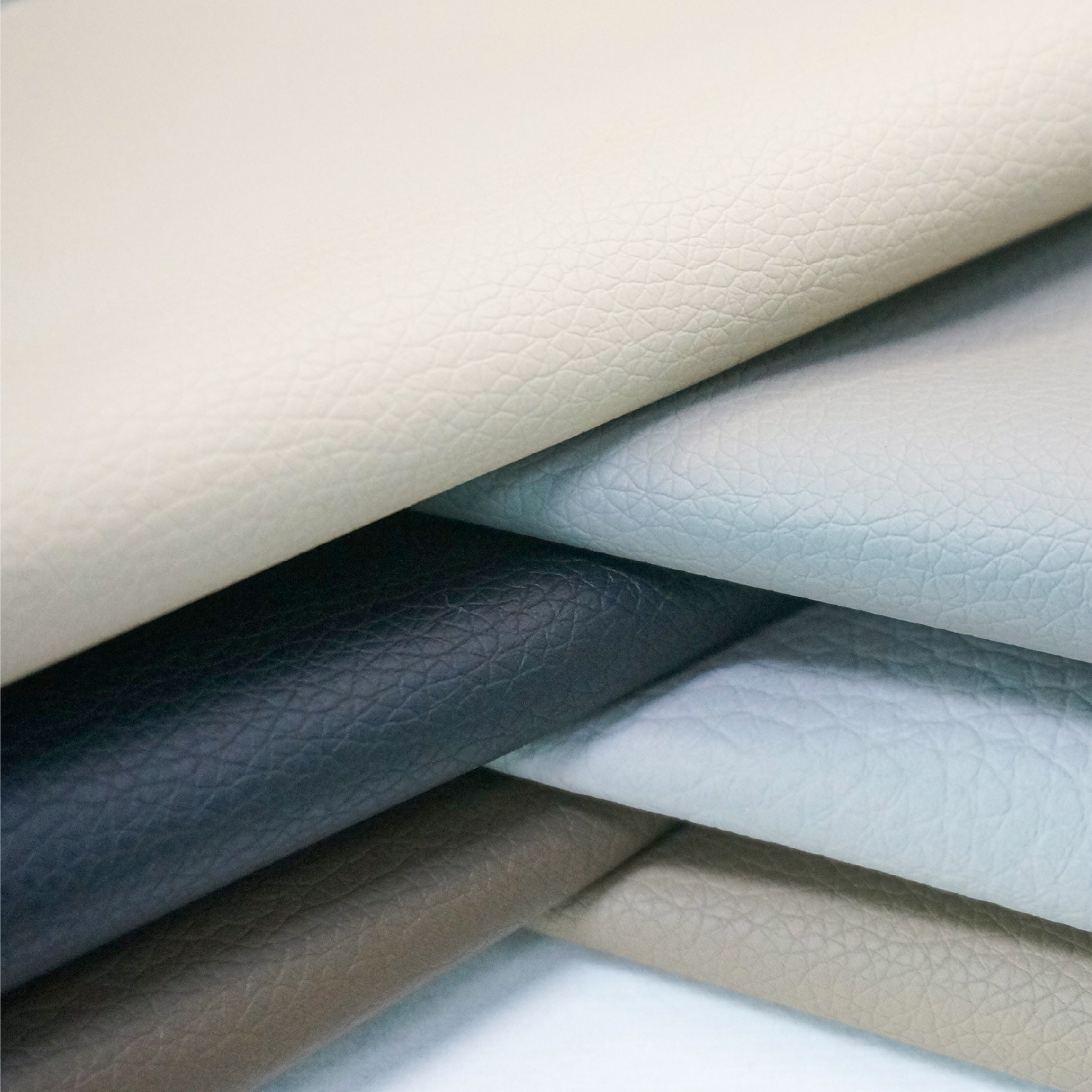
Selecting cold-resistant PVC leather for automotive upholstery depends on the physical architecture of the synthetic material. Standard PVC formulations can harden and become brittle in cold climates due to glass transition phase shifts in the polymer matrix. Specially formulated PVC synthetic leather incorporates cold-resistant plasticizers and stabilizers that maintain polymer chain mobility at low temperatures.
Material thickness directly influences durability and hand feel. Automotive interior components such as automotive seats, door panels, headrests, and armrests typically utilize PVC leather with a thickness ranging between 0.8 mm and 1.4 mm. A width of 54/55 inches allows standard cutting efficiency across automotive seat patterning. Surface finishes—including matte or semi-gloss treatments—and grain textures like nappa, lychee, geometric, or perforated patterns affect both aesthetics and surface friction under thermal variations.
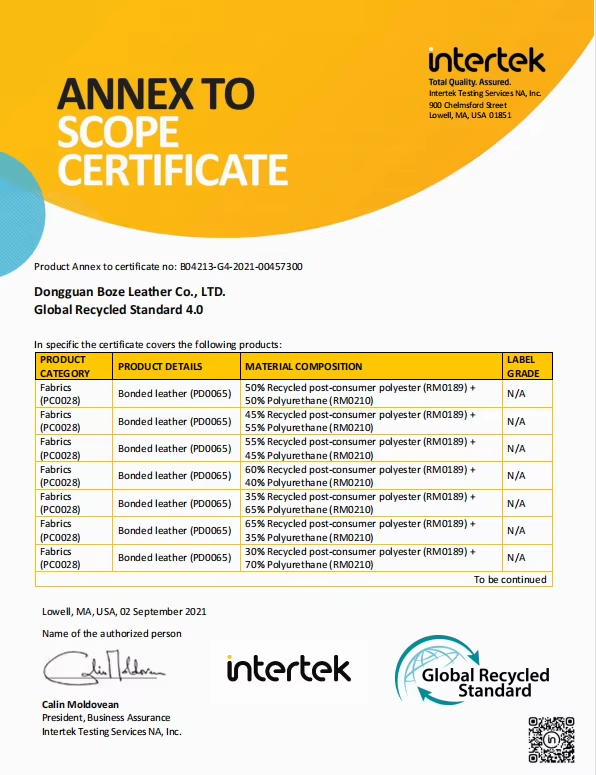
For high-demand automotive interior applications, technical compliance must be validated through lab testing. International standards such as GRS (Global Recycled Standard), USDA, and Oeko-Tex 100 confirm environmental safety and raw material integrity. In a recent procurement case in Mexico, an automotive interior manufacturer acquired 50,000 meters of customized synthetic leather for seats, door panels, headrests, and armrests. The specification required strict color consistency, lychee grain clarity, high abrasion resistance, UV resistance, low odor, flame retardancy, and cold performance under full ISO 9001 quality control inspection.
Data/Solution Comparison
| Parameter / Feature | Standard PVC Leather | Cold-Resistant Automotive PVC Leather |
|---|---|---|
| Thickness Range | 0.6–1.0 mm | 0.8–1.4 mm (Customizable) |
| Backing Types | Basic Woven Fabric | Knitted Fabric, Non-Woven, or Customized Backing |
| Cold Cracking Resistance | Prone to stiffening below 0°C | Maintains flexibility and crack resistance at sub-zero temperatures |
| Surface Grain & Finish | Standard Embossed | Nappa, Lychee, Perforated, Matte, Semi-Gloss Options |
| Functional Additives | Basic Color Pigment | UV Resistant, Flame Retardant, Low Odor, Water/Stain Resistant |
| Minimum Order Quantity (MOQ) | Varies | 100 meters |
Frequently Asked Questions (FAQ)
What causes standard PVC car seat leather to crack in cold weather?
Standard PVC hardens when plasticizers lose mobility at lower temperatures. Cold-resistant variants utilize low-temperature plasticizer systems that prevent the polymer matrix from becoming brittle under freezing conditions.
Which backing fabric is best for cold-resistant car seat covers?
Knitted fabric backing provides superior elongation, elasticity, and tear strength, allowing the PVC leather to conform seamlessly to seat contours without cracking along stitching seams during thermal contraction.
What key certifications should automotive PVC leather possess?
Look for credentials such as Oeko-Tex 100, GRS, and ISO 9001 quality management standards, alongside lab test reports for flame retardancy, low odor emissions, UV resistance, and REACH compliance.
Final Conclusion & Recommendations
Selecting cold-resistant PVC leather for automotive seat covers requires evaluating material thickness, backing elasticity, plasticizer stability, and low-temperature flex performance. Working with experienced manufacturers ensures consistent quality control from raw material inspection to pre-shipment verification. Production leads generally range between 15 to 30 days, supported by standard shipping channels including sea freight, air freight, and express delivery. Payment options typically include T/T bank transfer, irrevocable L/C, and Alibaba Trade Assurance. For detailed technical solutions or support, please reach out to us via vicky@bozeleather.com.
About Us
Dongguan Cigno Leather Co., Ltd. is a professional manufacturer specializing in high-quality synthetic leather based in Dongguan, China. Established in 2007, the company operates 6 advanced synthetic leather production lines across a 100,000 sqm factory area, achieving a monthly production capacity of 6 million meters. Holding internationally recognized certifications including USDA, GRS, and Oeko-Tex 100, the enterprise supplies certified automotive interior and upholstery materials to client networks across North America, Europe, Southeast Asia, and South America.

SUBSCRIBE
INQUIRY