
PRODUCTS
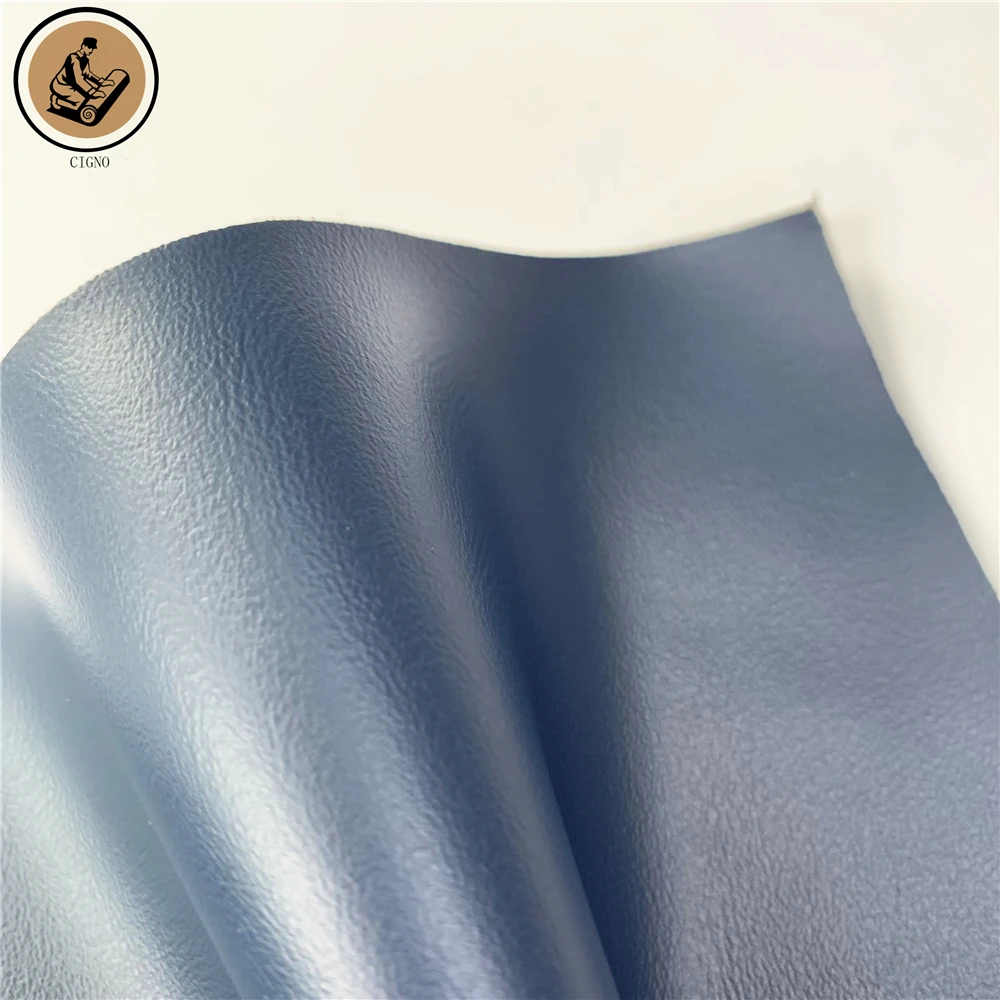
High Quality Eco-Friendly 1.2mm PU Synthetic Leather Furniture Upholstery Solvent-Free Skin-Feel for Sofa Car Seat Chair Bag Use
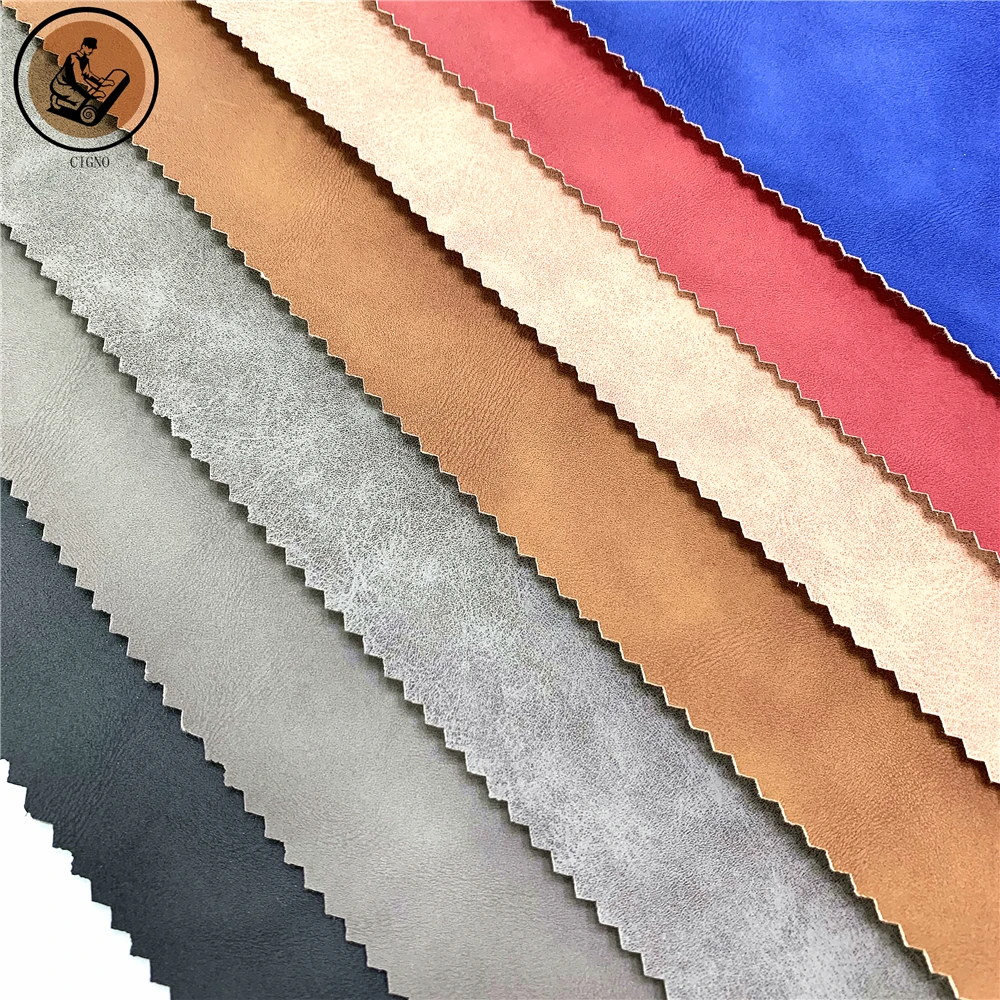
Free Samples of Embossed PU Synthetic Leather Bags Shoes Sofa Furniture Garments Car Decorative Uses-Waterproof Stretch Features
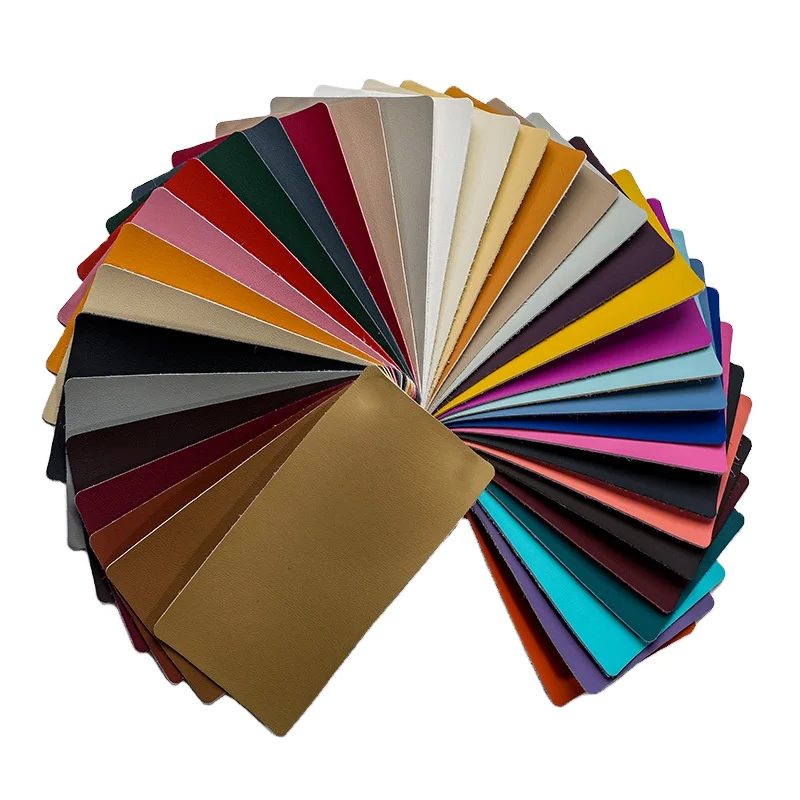
Pvc Vinyl Leather Rexine Leather Faux for Cars/Motorcycles, Waterproof Embossed Recycling Leatherette for Automotive Leather
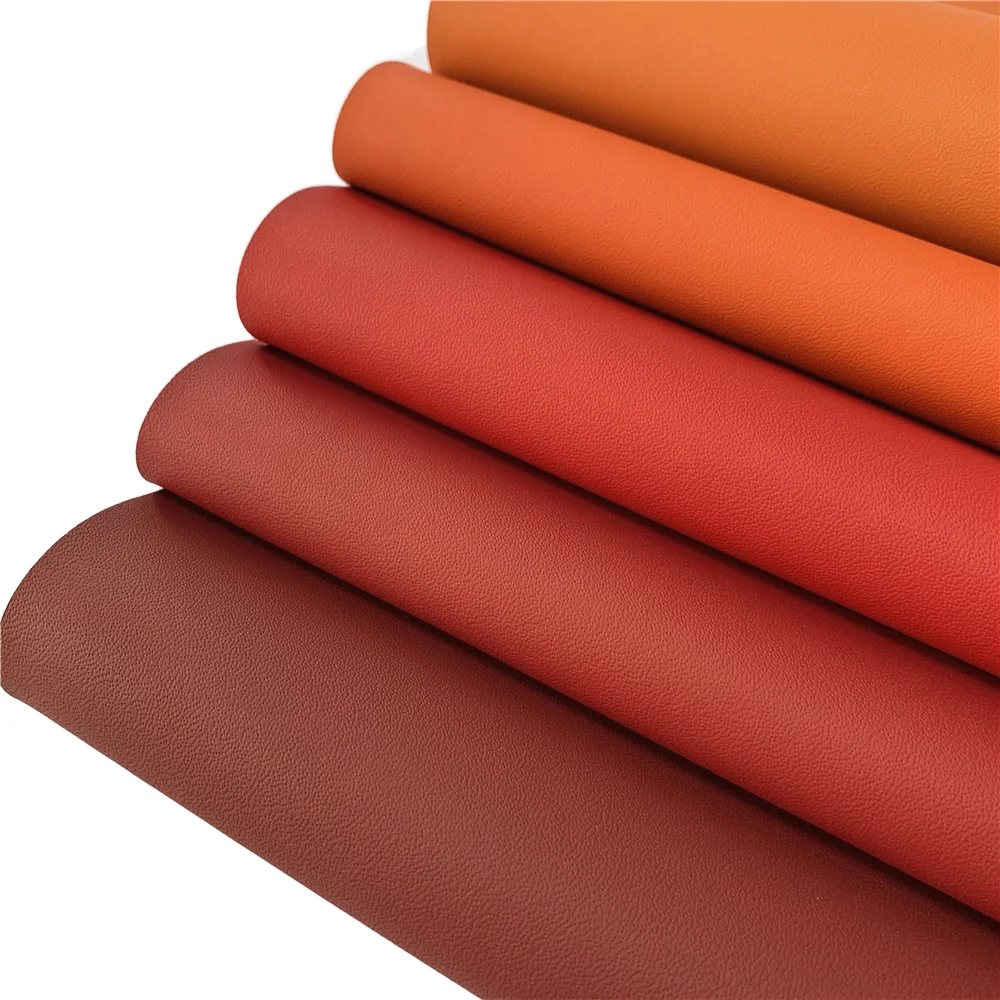
Hydrolysis Resistant Waterproof PU Microfiber Suede Leather Fabric Furniture Car Seat Covers Automotive Upholstery Bags Sofas
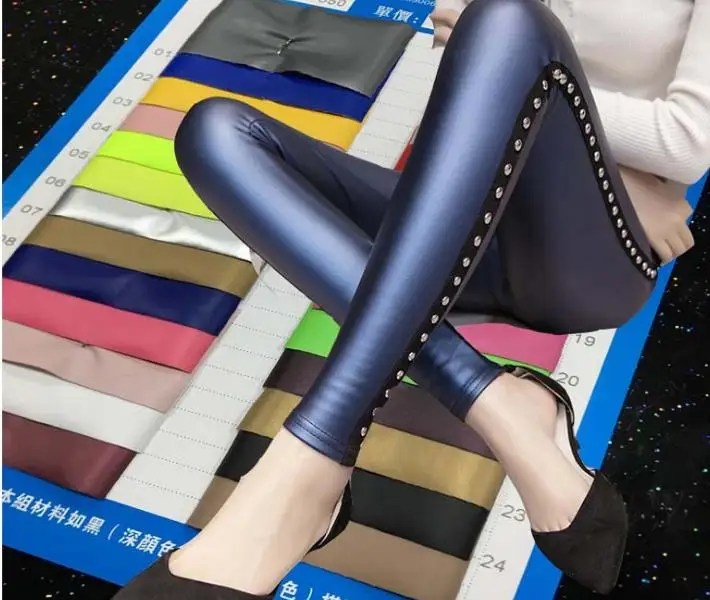
Ultra-Bright Black Mirror Four-Sided Stretch PU Fabric Pants Dresses Solid Color Soft Waterproof Clothing Elastic Finished
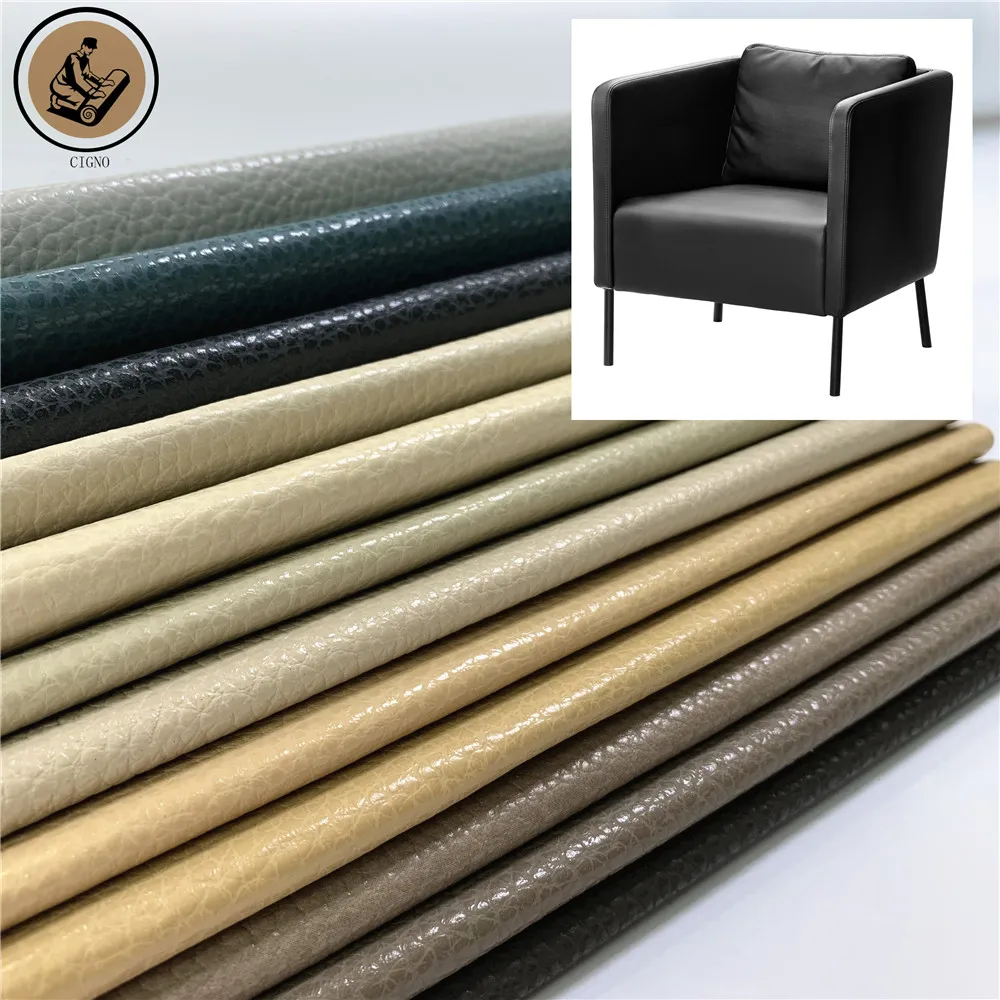
Litchi Lychee Grain 1.2mm PU Microfiber Leather Eco-Friendly Synthetic Leather Sofa Car Seat Handbags-Pearly-Lustre Recycled
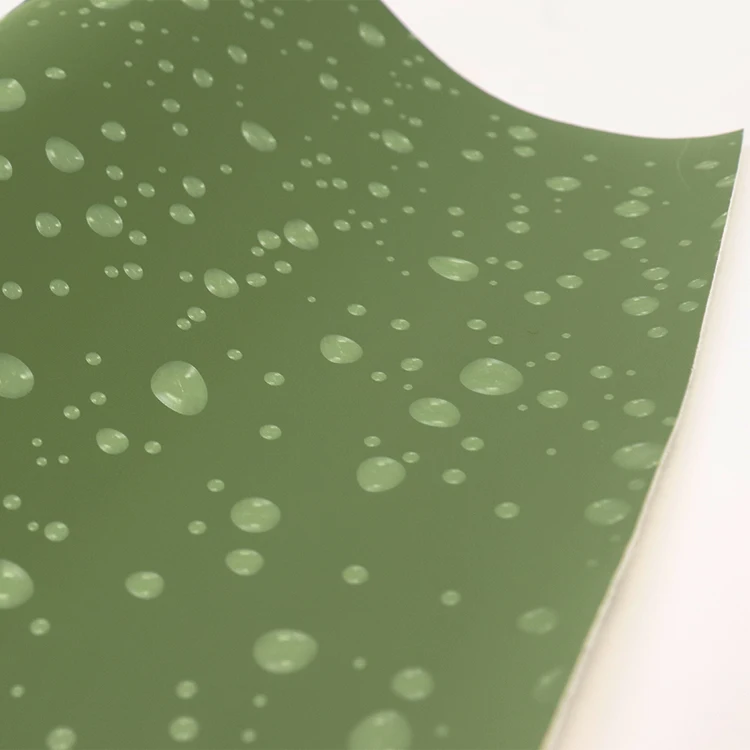
Custom Designer Faux Leather Fabric PVC Synthetic Leather Waterproof Sofa Bag Furniture Chair Woven Backing-Price Per Meter
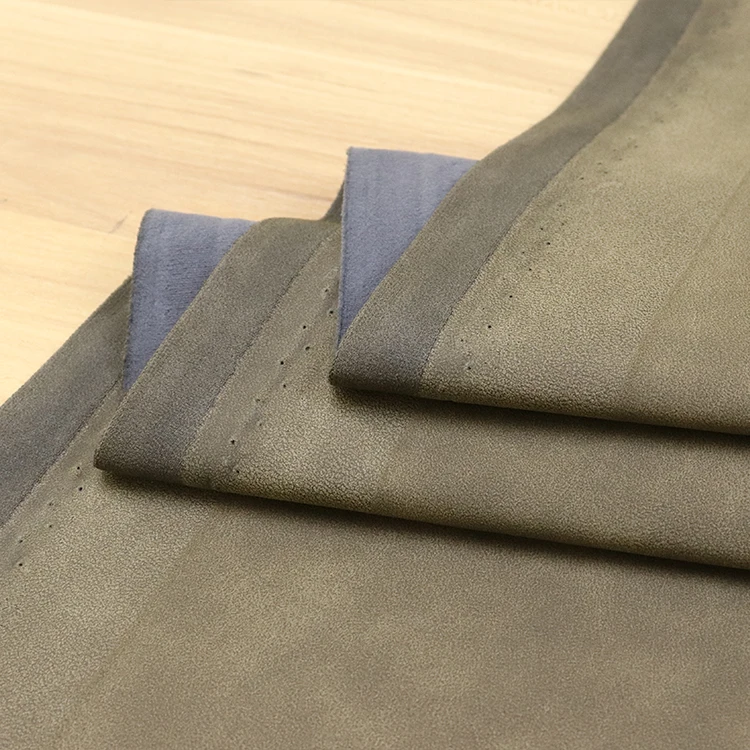
PU Suede Leather Nubuck Artificial Leather Materi for Shoe Make
How do I choose durable artificial leather for furniture that won't peel?
To choose durable artificial leather for furniture that will not peel, evaluate peeling strength parameters, substrate bonding quality, and surface coating composition. Opt for materials with reinforced backing fabrics such as knitted or woven bases, thickness levels between 0.7–1.2 mm, high abrasion resistance, and verified hydrolysis resistance. Inspecting peeling strength and tensile properties ensures long-term structural integrity without surface degradation.
Core Solutions & Key Takeaways
- Prioritize peeling strength and substrate adhesion: Strong bonding between the surface layer and backing fabrics (knitted, woven, or non-woven) prevents delamination under constant seat tension.
- Select appropriate material thickness and grain: Furniture upholstery requires 0.7–1.2 mm thickness with customized finishes such as nappa, lychee, or natural leather grain tailored to high-wear areas like sofas, chairs, and headboards.
- Verify mechanical performance and protective treatments: Ensure the synthetic material incorporates high abrasion resistance, scratch resistance, flame retardancy, stain resistance, and mildew resistance.
- Demand verified standard compliance: Choose products holding recognized credentials such as GRS, USDA, and Oeko-Tex 100 to guarantee structural stability and environmental safety.
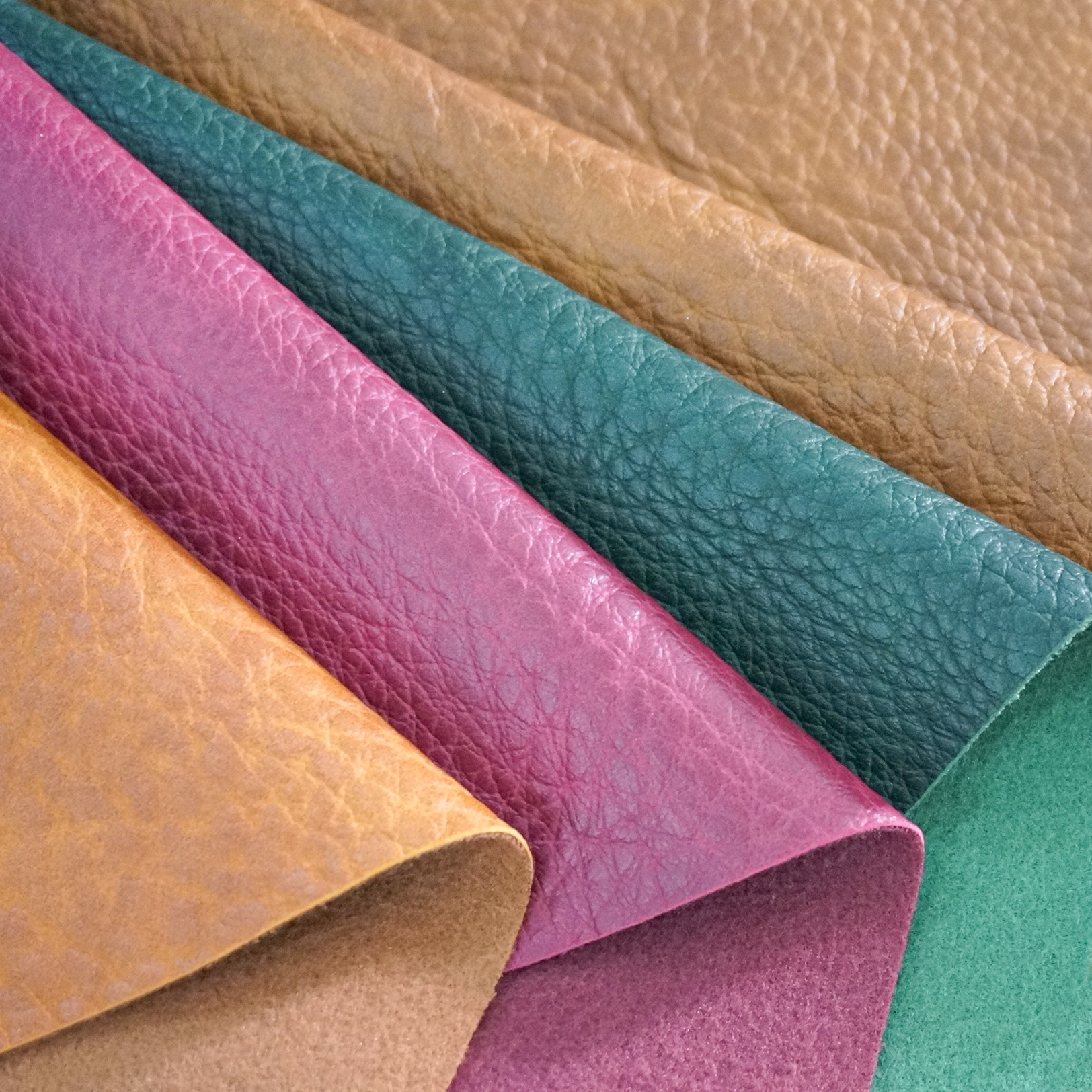
Detailed Architectural/Principle Analysis
Peeling in artificial leather occurs when the adhesion layer between the outer polymer formulation and the underlying textile backing weakens under mechanical stress, friction, or environmental exposure. Selecting durable materials requires analyzing backing selection, thickness configuration, and surface wear properties.
Substrate construction directly influences peeling resistance. Backing fabrics—including heavy knitted, woven, and non-woven options—provide structural anchors for the synthetic compound. A properly engineered backing ensures that local mechanical stress spreads evenly across the matrix, maintaining peeling strength under continuous seating flexure.
Material thickness and surface finishing dictate long-term performance. For heavy-use furniture such as sofas, office chairs, and wall panels, synthetic leather ranging from 0.7 to 1.2 mm in thickness offers optimal flexibility without tearing. Advanced functional treatments—including UV resistance, flame retardancy, and antibacterial coatings—further preserve material integrity against environmental degradation.
Quality evaluation relies on systematic laboratory testing protocols. Standard inspections verify color consistency, tensile strength, peeling strength, and abrasion resistance before deployment. Real-world applications, such as a recent export project supplying 50,000 meters of customized synthetic leather to an automotive interior manufacturer in Mexico, demonstrate that strict quality control under ISO 9001 standards prevents material cracking and surface delamination in high-friction environments.
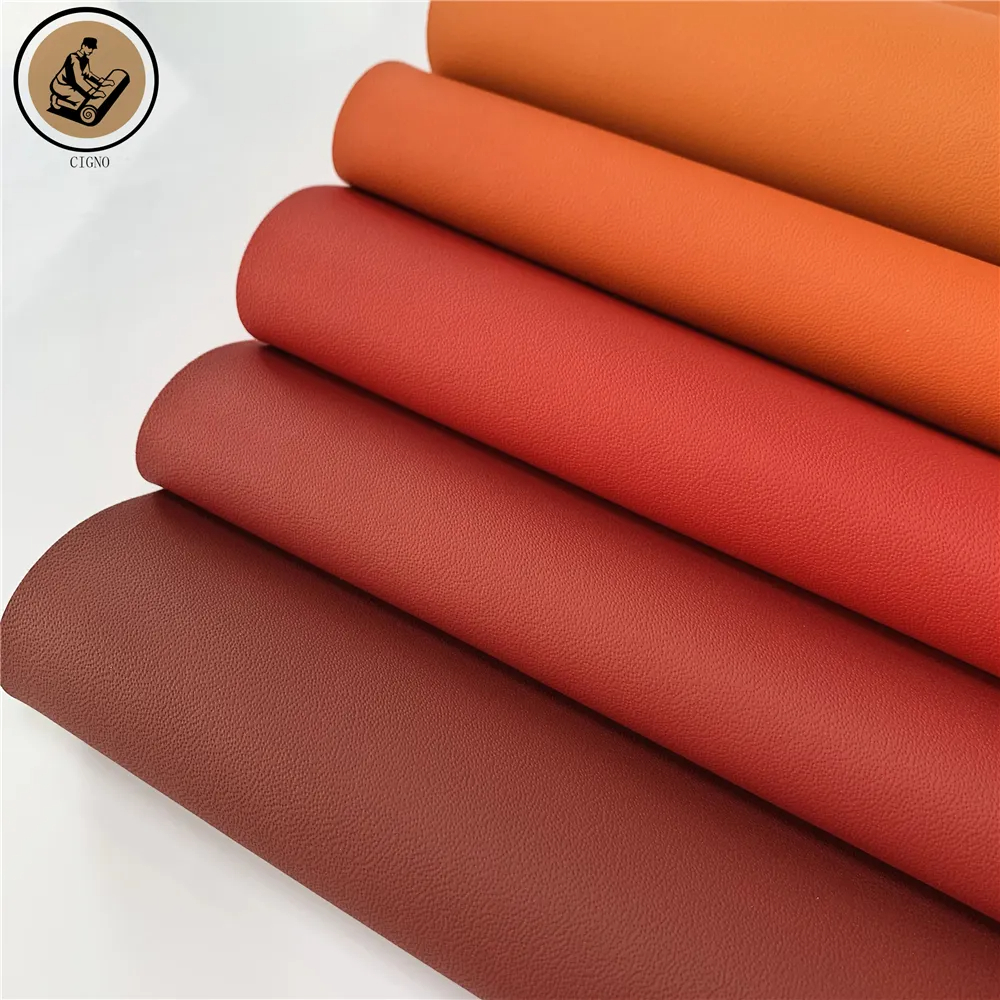
Data/Solution Comparison
| Parameter / Feature | Standard Grade Upholstery | High-Durability Furniture Grade |
|---|---|---|
| Thickness Range | 0.5 – 0.7 mm | 0.7 – 1.2 mm (Customizable) |
| Backing Fabric Options | Basic Non-Woven Fabric | Reinforced Knitted, Woven, or Custom Backing |
| Peeling Strength & Abrasion | Moderate | High Resistance / Anti-Scratch |
| Surface Finishes | Standard Smooth / Embossed | Nappa, Lychee, Natural Grain, Custom Textures |
| Functional Treatments | Basic Waterproofing | Flame Retardant, Mildew Resistant, Easy Clean |
| Minimum Order Quantity (MOQ) | 500 meters | 100 meters |
Frequently Asked Questions (FAQ)
What causes artificial leather furniture to peel over time?
Peeling occurs due to weak bonding between the top synthetic polymer layer and the backing fabric, combined with repeated friction, moisture exposure, or low-quality plasticizers. Selecting materials with higher peeling strength ratings and heavy-duty knitted or woven backing prevents surface separation.
How can I verify the quality and durability of synthetic leather before purchasing?
Request laboratory test reports evaluating peeling strength, tensile strength, abrasion resistance, and color fastness. Verifying compliance certifications like Oeko-Tex 100, GRS, or USDA ensures the material meets chemical safety and physical performance requirements.
What substrate backing is best for heavy-use sofa upholstery?
Knitted and woven fabric backings provide high tensile strength and elasticity, making them ideal for heavy-use furniture such as sofas and office chairs. These backings allow the material to flex under load while maintaining strong adhesion to the surface layer.
Final Conclusion & Recommendations
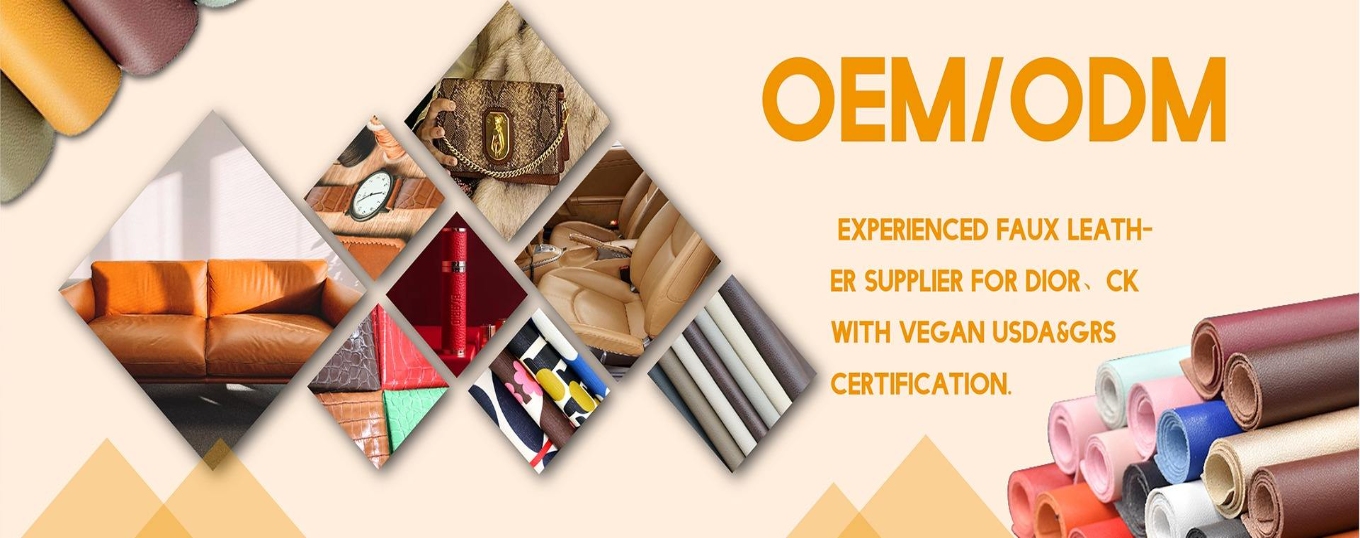
Selecting artificial leather for furniture requires balancing backing material engineering, layer thickness, and certified physical performance. Utilizing OEM/ODM custom development ensures precise color matching, grain texture selection, and functional treatments tailored to specific upholstery needs. Supplying bulk production with minimum order quantities from 100 meters and lead times between 15 to 30 days under standardized ISO quality management guarantees batch-to-batch consistency. For detailed technical solutions or support, please reach out to us via vicky@bozeleather.com.
About Us
Dongguan Cigno Leather Co., Ltd. is a synthetic leather manufacturer specializing in high-performance materials for furniture, automotive interiors, and upholstery. Established in 2007, the company operates a 100,000 square meter factory equipped with 6 advanced production lines, delivering a monthly capacity of 6 million meters. Holding international certifications including GRS, USDA, and Oeko-Tex 100, the enterprise provides custom material development and has served clients across multiple industries in global export markets.

SUBSCRIBE
INQUIRY