
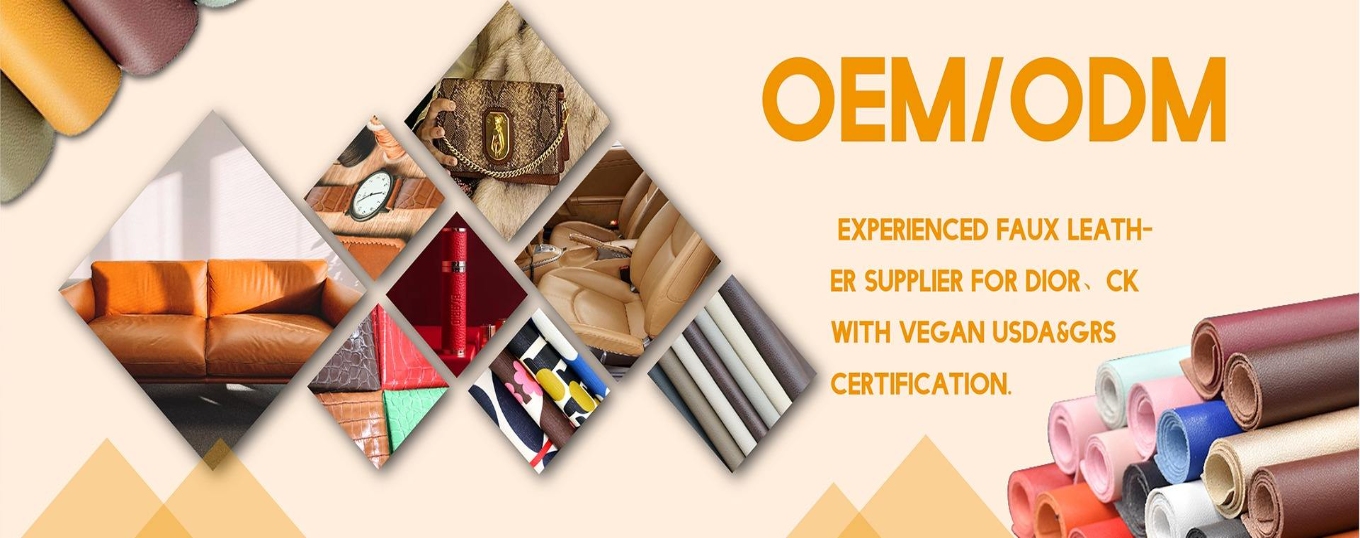
PRODUCTS
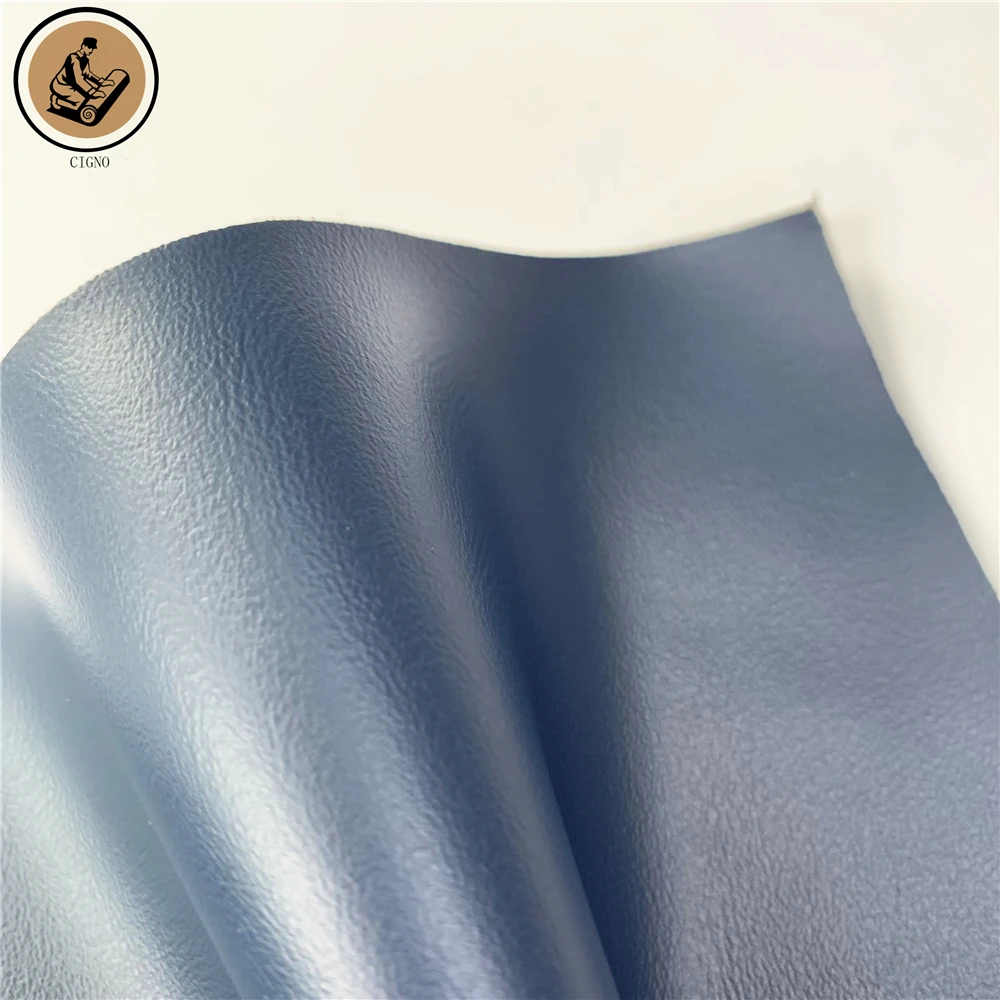
High Quality Eco-Friendly 1.2mm PU Synthetic Leather Furniture Upholstery Solvent-Free Skin-Feel for Sofa Car Seat Chair Bag Use
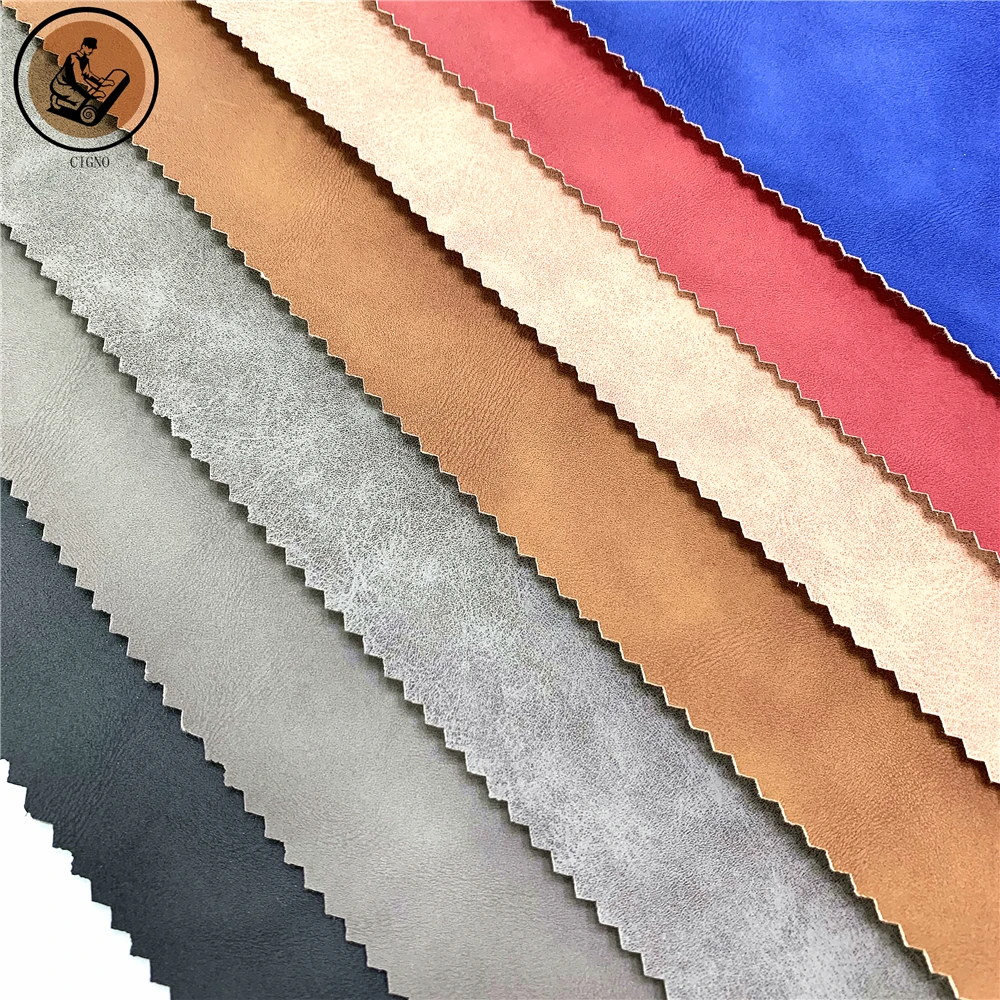
Free Samples of Embossed PU Synthetic Leather Bags Shoes Sofa Furniture Garments Car Decorative Uses-Waterproof Stretch Features
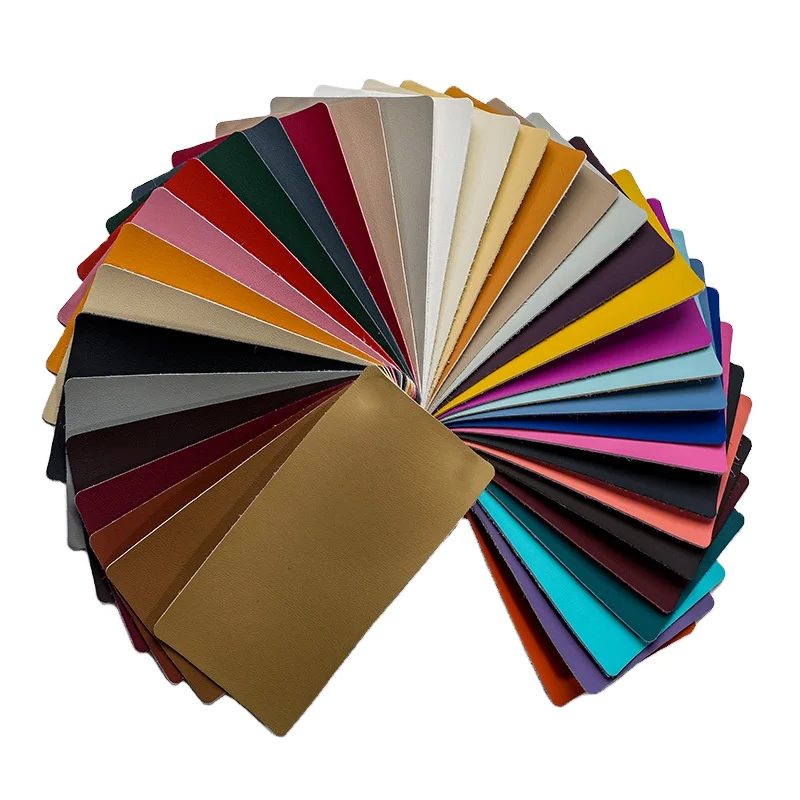
Pvc Vinyl Leather Rexine Leather Faux for Cars/Motorcycles, Waterproof Embossed Recycling Leatherette for Automotive Leather
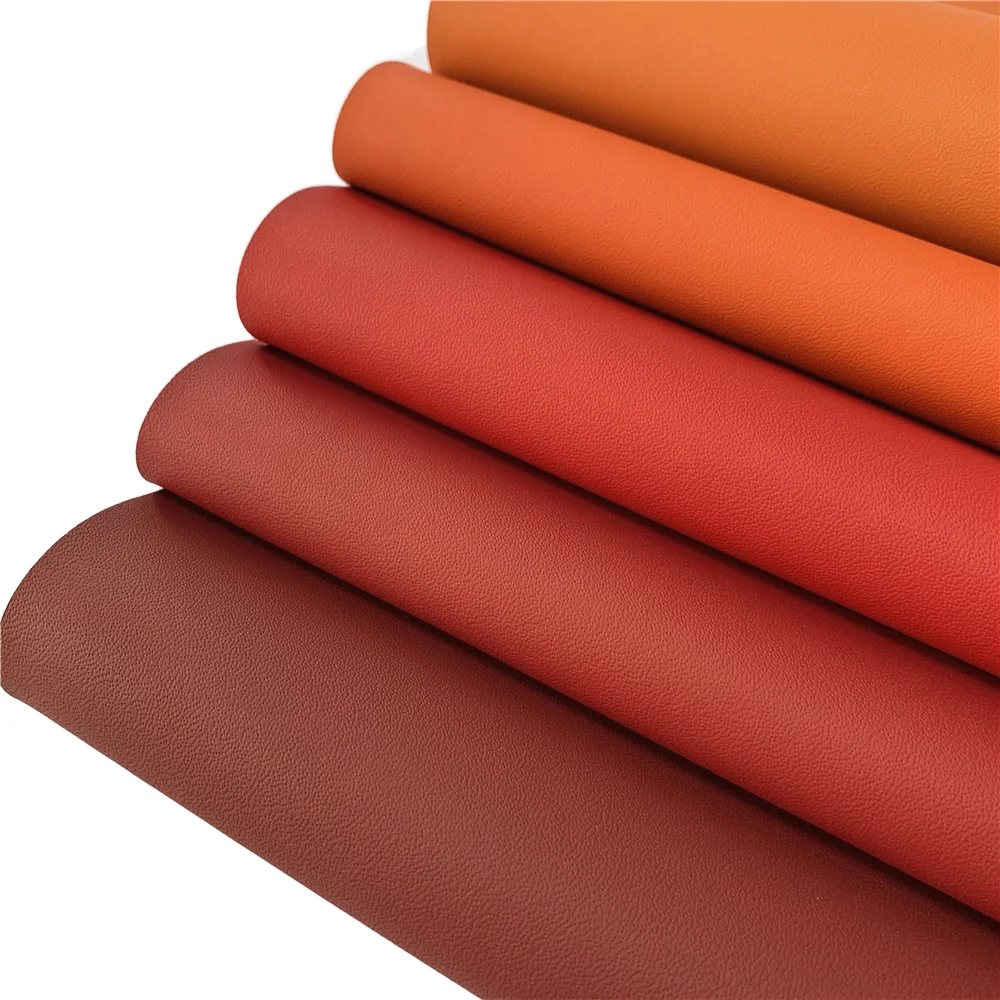
Hydrolysis Resistant Waterproof PU Microfiber Suede Leather Fabric Furniture Car Seat Covers Automotive Upholstery Bags Sofas
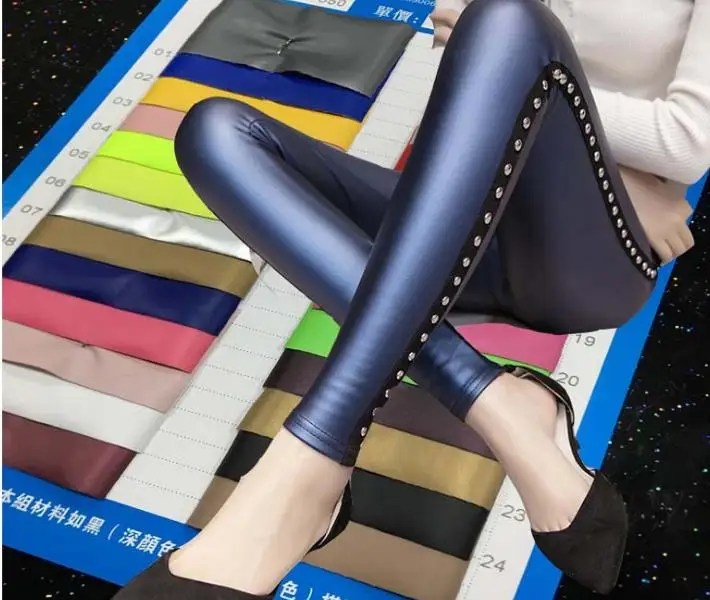
Ultra-Bright Black Mirror Four-Sided Stretch PU Fabric Pants Dresses Solid Color Soft Waterproof Clothing Elastic Finished
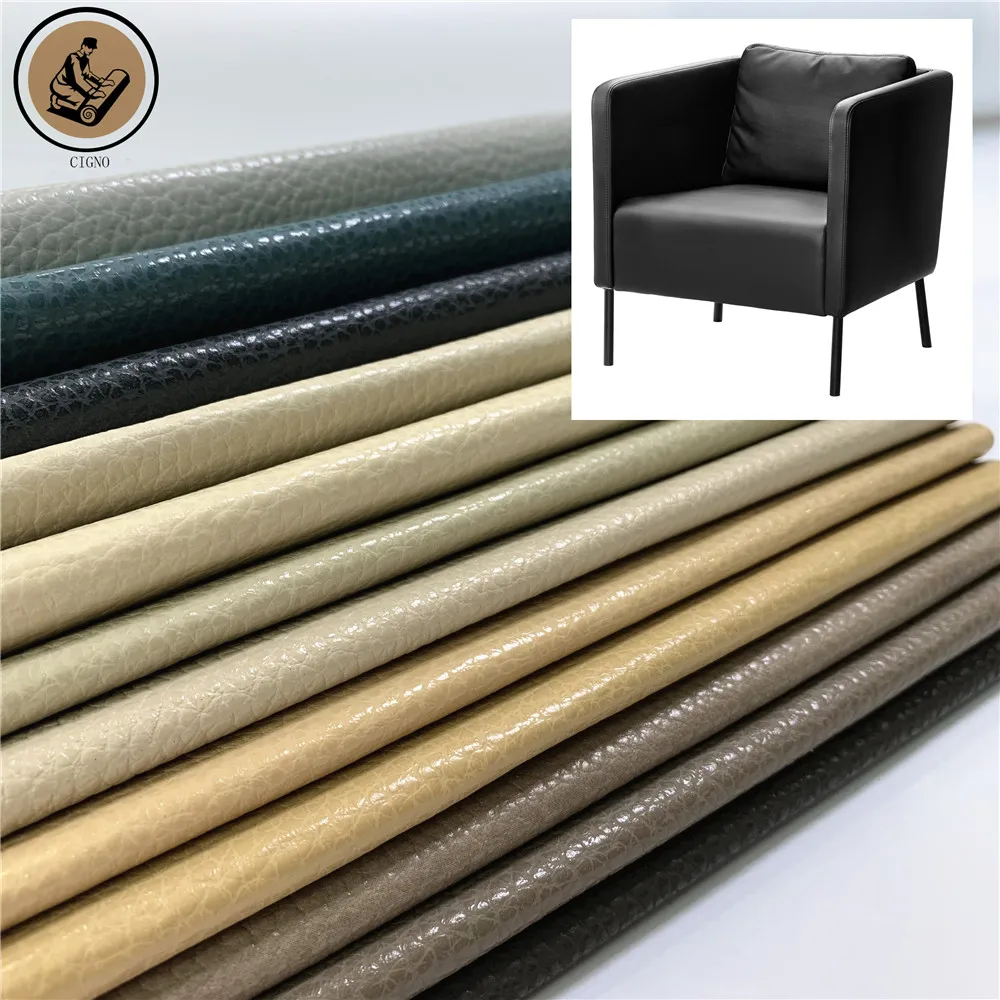
Litchi Lychee Grain 1.2mm PU Microfiber Leather Eco-Friendly Synthetic Leather Sofa Car Seat Handbags-Pearly-Lustre Recycled
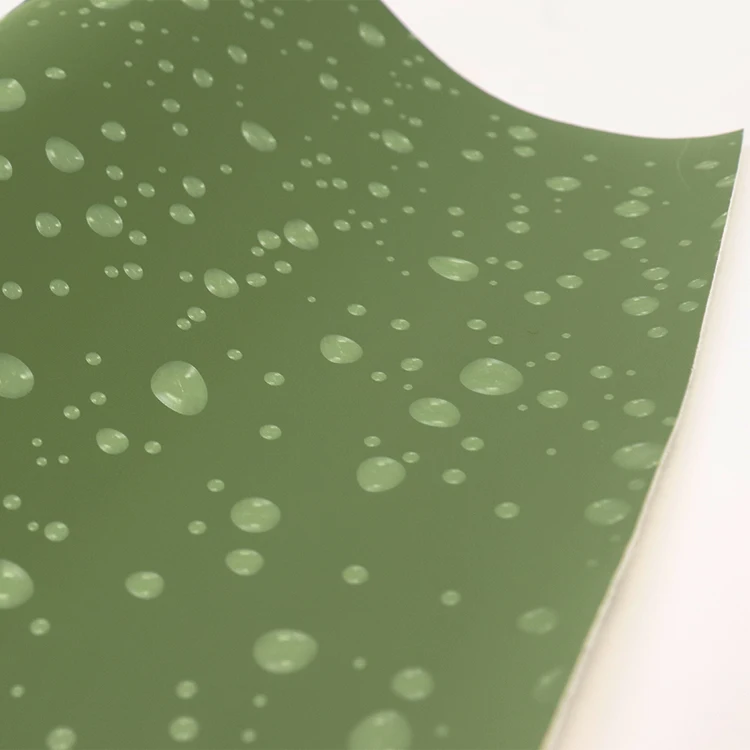
Custom Designer Faux Leather Fabric PVC Synthetic Leather Waterproof Sofa Bag Furniture Chair Woven Backing-Price Per Meter
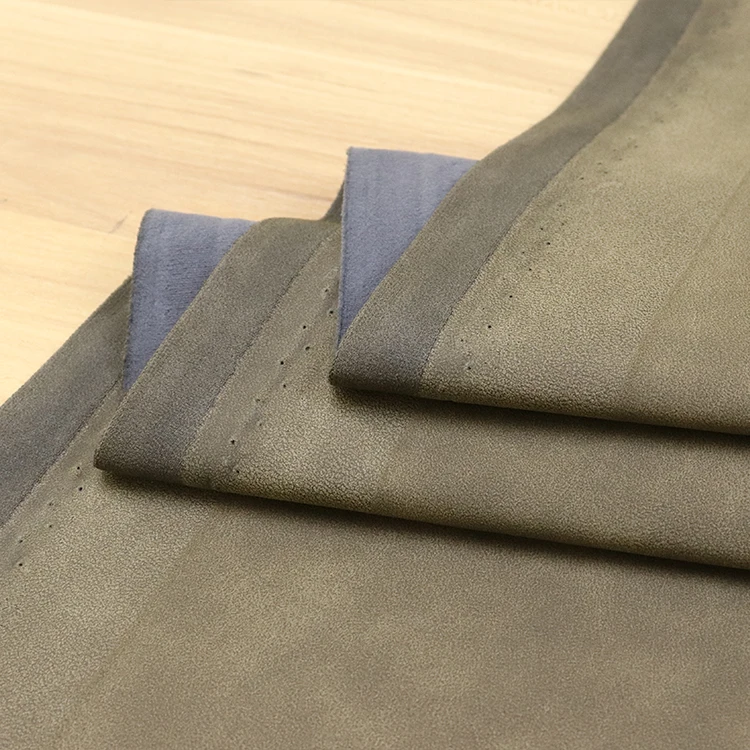
PU Suede Leather Nubuck Artificial Leather Materi for Shoe Make
How do I choose the right thickness of microfiber leather for car seats?
Choosing the right thickness of microfiber leather for car seats depends on the specific seat component. For main seating surfaces and high-wear areas, a thickness between 1.2 mm and 1.4 mm ensures optimal durability and tensile strength. For less demanding areas like door panels or headrests, a thickness of 0.8 mm to 1.1 mm provides the necessary flexibility and ease of wrapping.
Core Solutions & Key Takeaways
- Main Seating Surfaces (1.2 mm – 1.4 mm): High-contact areas require maximum thickness to resist friction, prevent stretching, and ensure structural longevity over years of daily physical contact.
- Trim and Accents (0.8 mm – 1.0 mm): Components such as headrests, armrests, and door panels require thinner materials to facilitate seamless wrapping around complex curves and sharp corners.
- Mechanical Performance Requirements: Selected materials must exhibit high tensile strength, high tearing strength, and hydrolysis resistance to withstand the stresses of automotive environments.
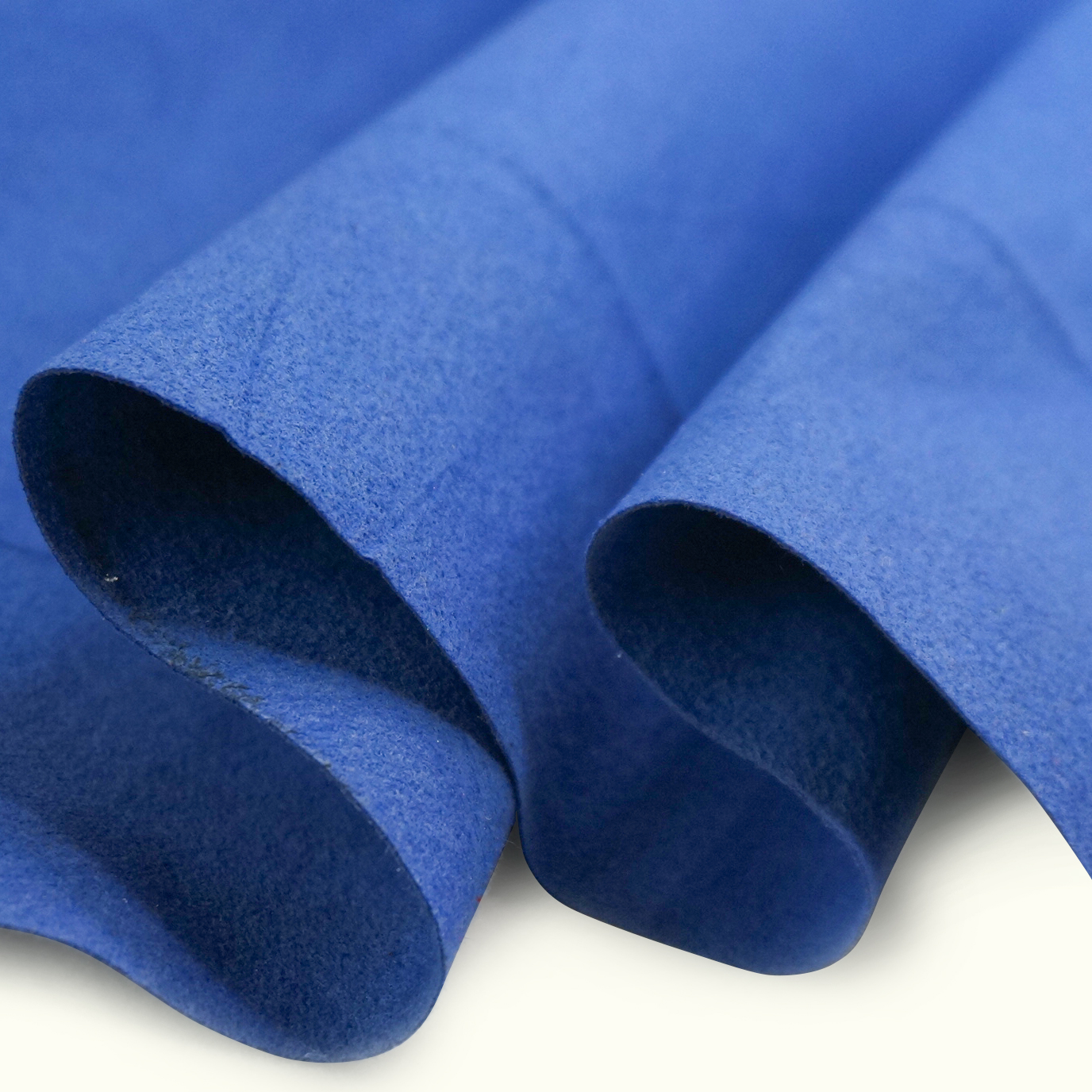
Detailed Architectural/Principle Analysis
Automotive interiors demand strict performance standards due to constant exposure to temperature fluctuations, sunlight, and mechanical wear. Thick microfiber leather (1.2 mm to 1.4 mm) provides a dense fiber structure that closely mimics the natural grain and physical resilience of genuine leather. This thickness range provides the required peeling strength and scratch resistance necessary to pass rigorous automotive quality inspections.
Conversely, utilizing excessively thick material on components with intricate geometries, such as headrests or door panel armrests, complicates the manufacturing process. A thickness of 0.8 mm to 1.0 mm ensures the material remains pliable, allowing uniform adhesion to the underlying molded parts without bunching or lifting at the edges. Dongguan Cigno Leather Co., Ltd. focuses on the development of eco-friendly and multifunctional synthetic leather materials that maintain consistent quality across these varying thicknesses.
In a practical application, an automotive interior manufacturer in Mexico utilized 50,000 meters of customized synthetic leather for seats, door panels, and headrests. By selecting specific thicknesses within the 0.8 mm to 1.4 mm range and utilizing customized backing, they achieved stable color consistency, clear grain texture, and met all specifications for abrasion resistance, UV resistance, and low odor.
Data/Solution Comparison
| Upholstery Component | Recommended Thickness (mm) | Primary Physical Requirements | Key Material Benefits |
|---|---|---|---|
| Seat Covers & Cushions | 1.2 – 1.4 mm | High abrasion resistance, high tensile & tearing strength, flame retardancy | Natural leather appearance, excellent durability, hydrolysis resistance |
| Headrests & Armrests | 1.0 – 1.2 mm | Pliable for tight contours, moderate wear resistance, scratch resistance | Soft hand feel, high peeling strength, easy cleaning |
| Door Panels & Trim Accents | 0.8 – 1.0 mm | High flexibility, ease of wrapping, strong adhesion backing | Lightweight, uniform thickness consistency, low odor |
Frequently Asked Questions (FAQ)
Why is microfiber leather preferred over traditional PVC for car seats?
Microfiber leather provides significantly higher tensile and tearing strength, a softer hand feel, and a more natural leather appearance compared to PVC. It also exhibits superior durability and hydrolysis resistance, making it more resilient to aging and cracking.
Can the thickness of automotive microfiber leather be customized?
Yes. Manufacturers can customize the thickness within the 0.8 mm to 1.4 mm range to fit specific automotive upholstery designs, alongside options for custom colors, grains, and functional backings.
What certifications ensure the safety of automotive synthetic leather?
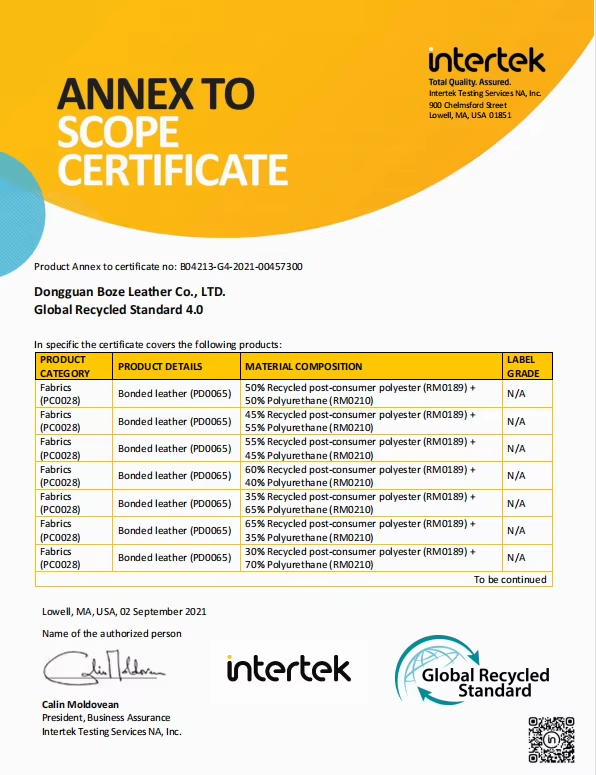
High-quality synthetic leathers comply with international standards and hold recognized credentials including GRS (Global Recycled Standard), USDA BioPreferred, and Oeko-Tex Standard 100, ensuring environmental compliance and chemical safety.
Final Conclusion & Recommendations
Matching the correct microfiber leather thickness to the specific cabin component is essential for optimizing both durability and production efficiency. For bulk procurement and industrial design, selecting a supplier that offers precise OEM/ODM customization ensures that every yard of material aligns with automotive performance standards. Procurement payments can be settled securely via T/T bank transfer, irrevocable L/C at sight, or Alibaba Trade Assurance, with delivery managed through sea freight, air freight, or international express. For detailed technical solutions or support, please reach out to us via vicky@bozeleather.com.
About Us
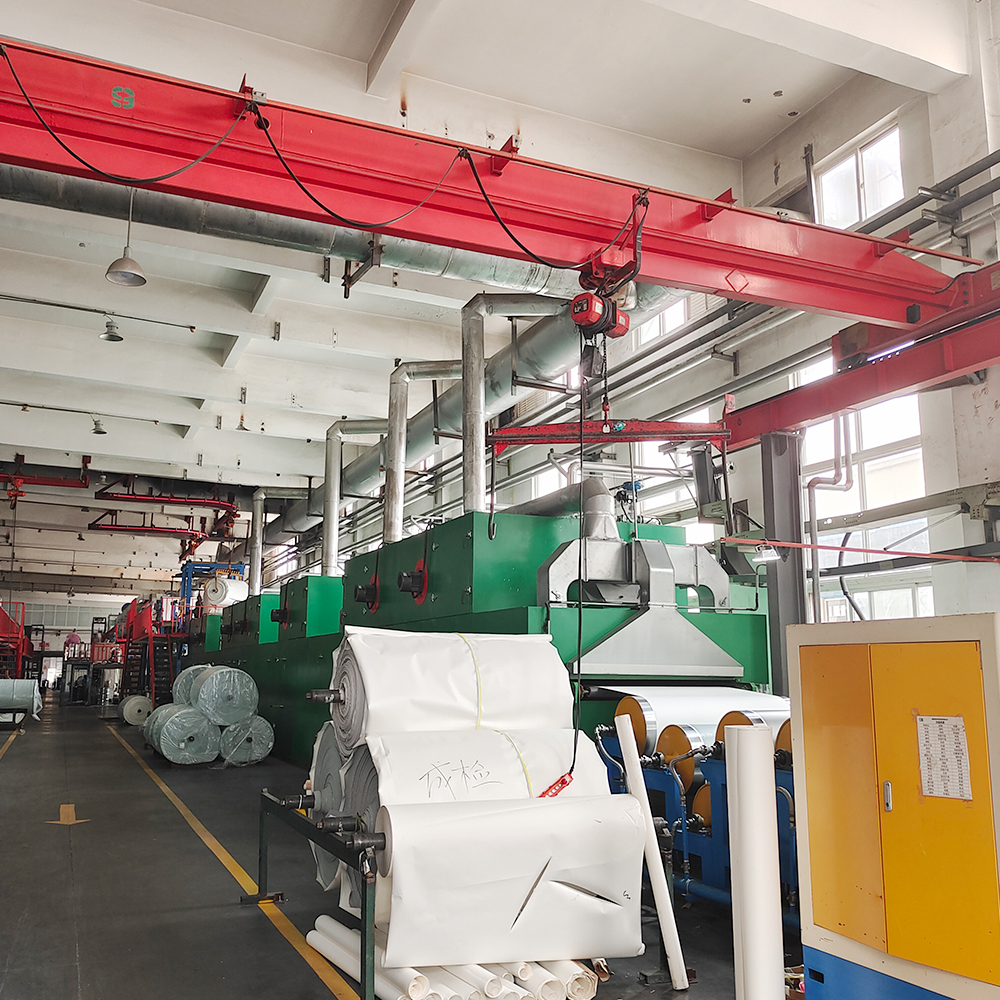
Established in 2007, Dongguan Cigno Leather Co., Ltd. is a professional manufacturer specializing in high-quality faux leather based in Dongguan, China. Operating from a factory area of 100,000 square meters with 50 employees, the company achieves a monthly production capacity of approximately 6 million meters. The company holds recognized certifications including GRS, USDA, and Oeko-Tex 100, and has served clients across multiple industries globally.

SUBSCRIBE
INQUIRY