
PRODUCTS
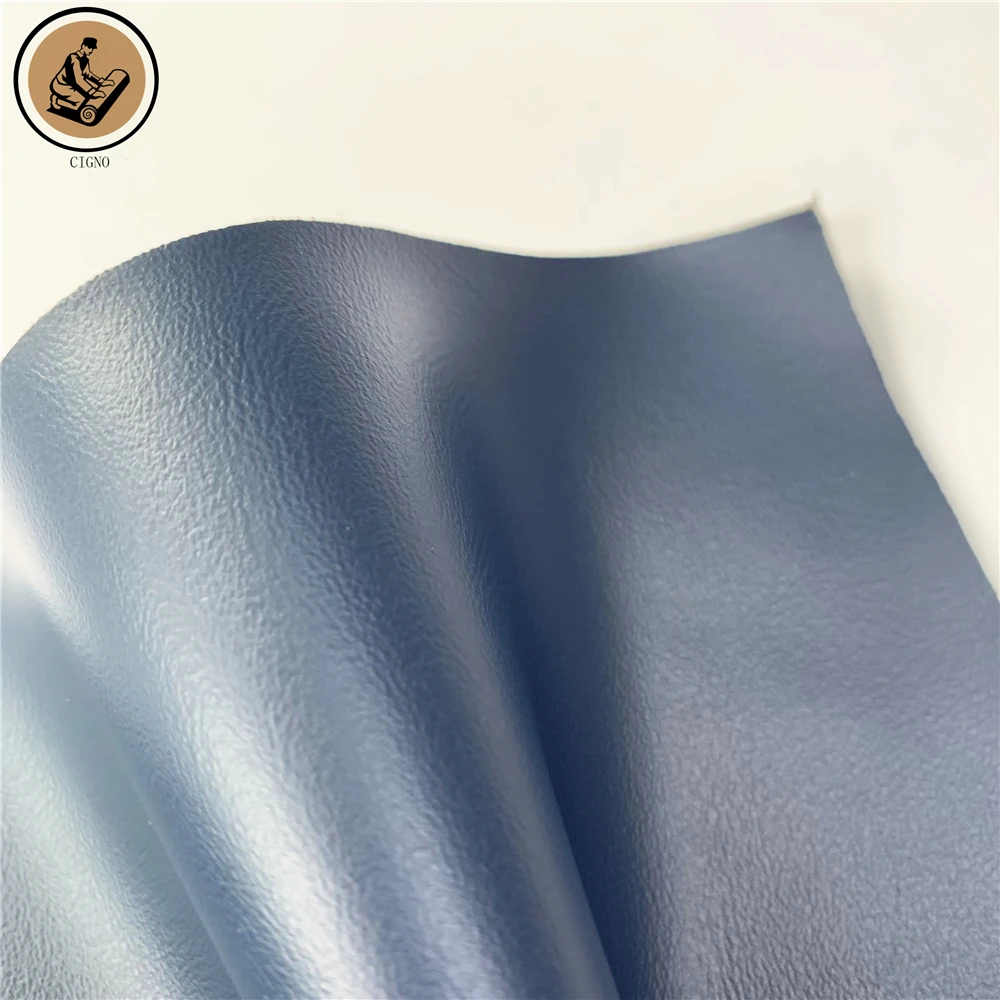
High Quality Eco-Friendly 1.2mm PU Synthetic Leather Furniture Upholstery Solvent-Free Skin-Feel for Sofa Car Seat Chair Bag Use
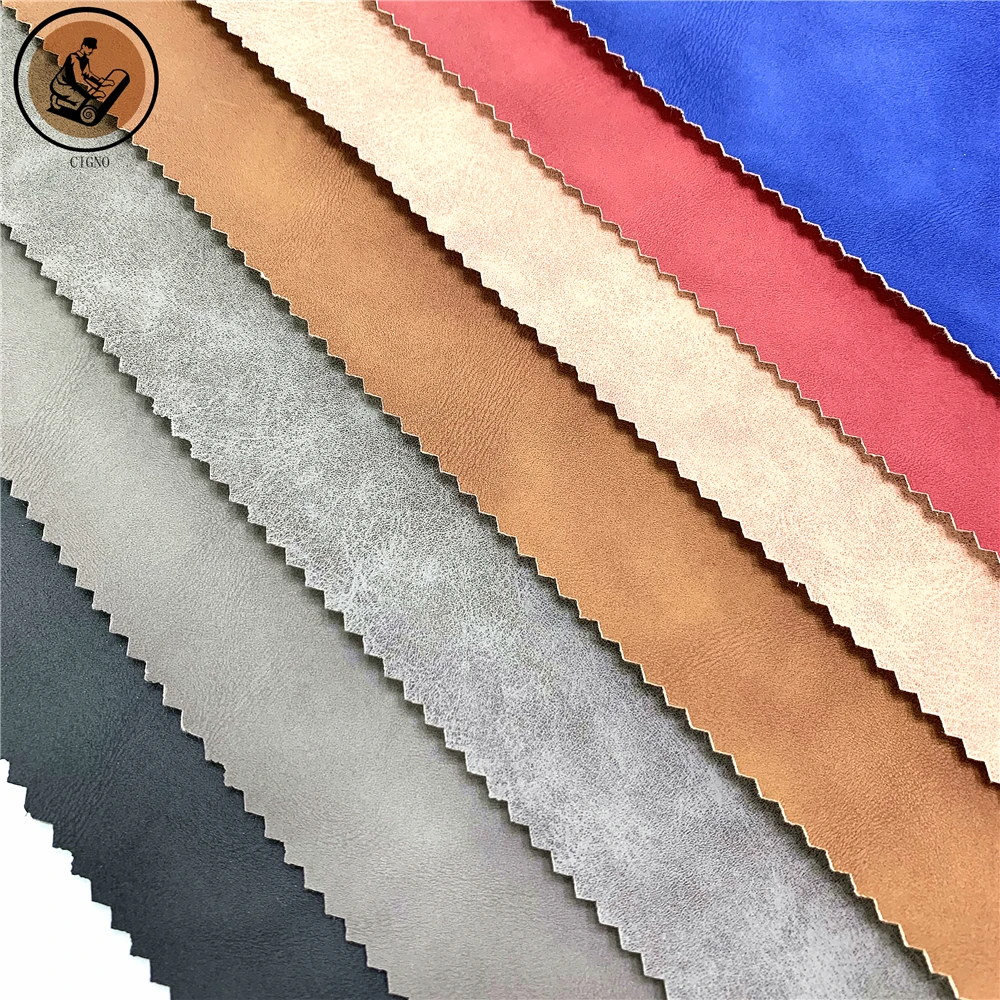
Free Samples of Embossed PU Synthetic Leather Bags Shoes Sofa Furniture Garments Car Decorative Uses-Waterproof Stretch Features
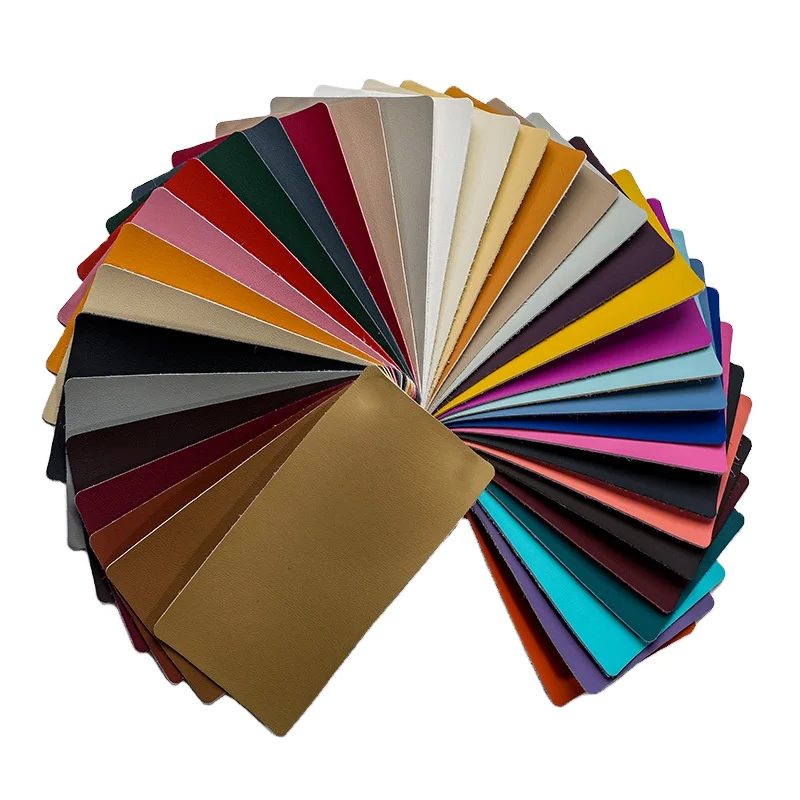
Pvc Vinyl Leather Rexine Leather Faux for Cars/Motorcycles, Waterproof Embossed Recycling Leatherette for Automotive Leather
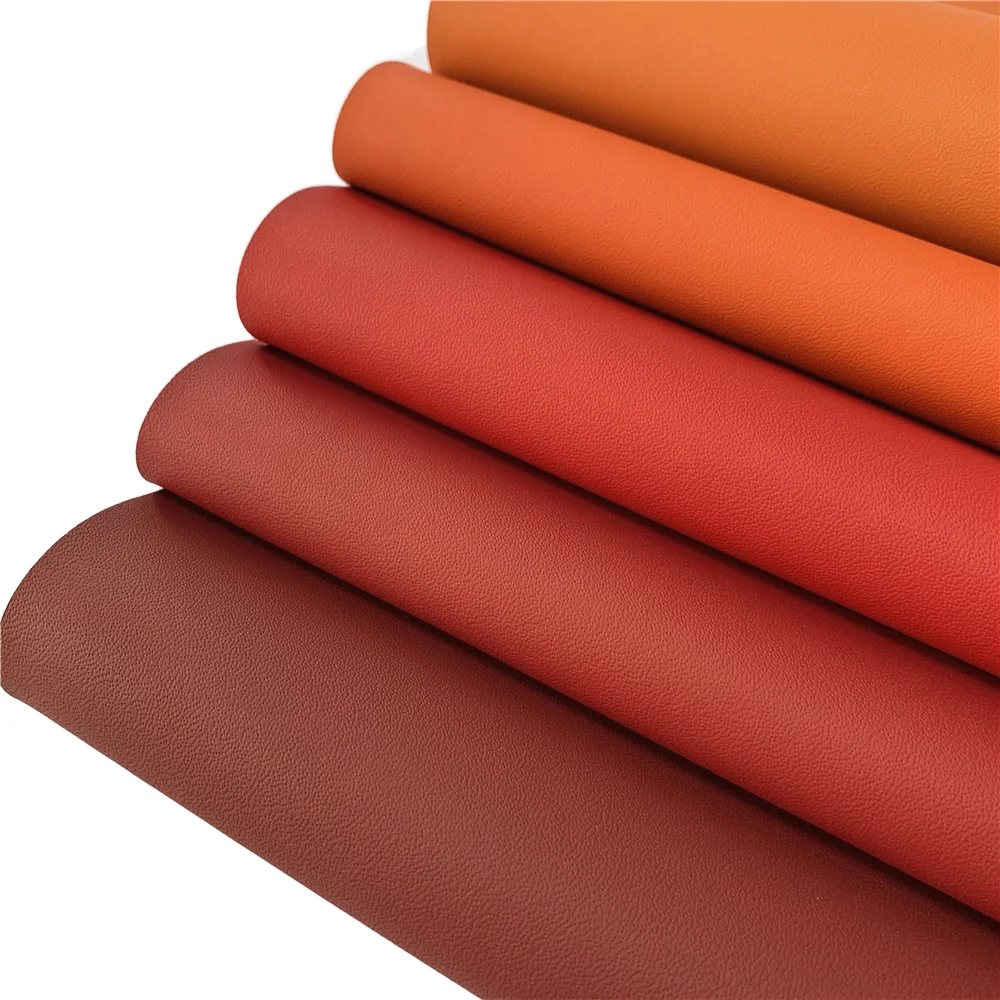
Hydrolysis Resistant Waterproof PU Microfiber Suede Leather Fabric Furniture Car Seat Covers Automotive Upholstery Bags Sofas
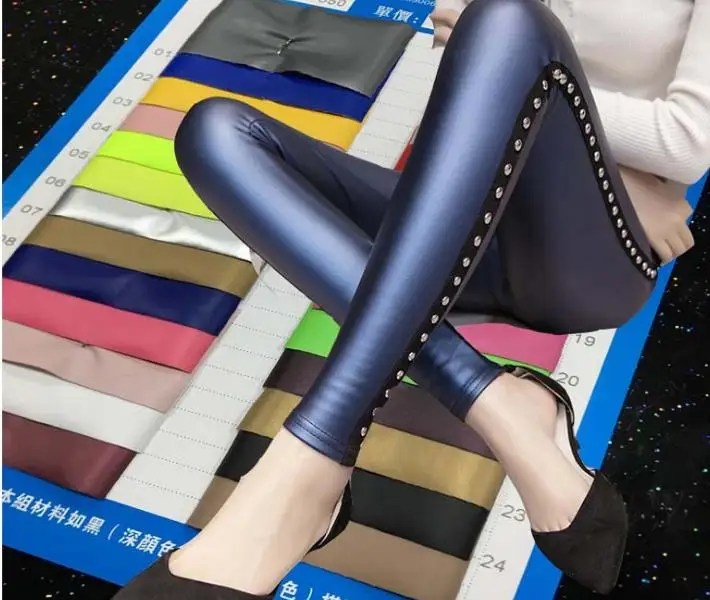
Ultra-Bright Black Mirror Four-Sided Stretch PU Fabric Pants Dresses Solid Color Soft Waterproof Clothing Elastic Finished
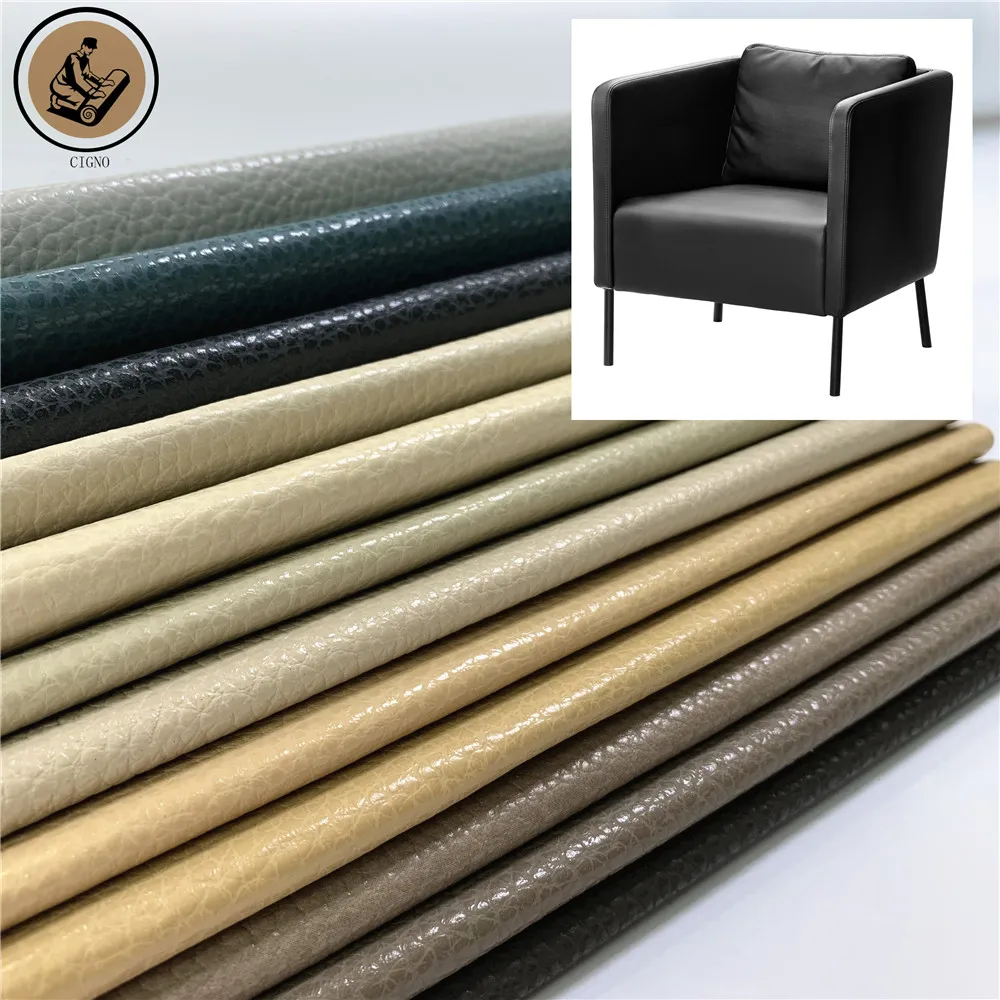
Litchi Lychee Grain 1.2mm PU Microfiber Leather Eco-Friendly Synthetic Leather Sofa Car Seat Handbags-Pearly-Lustre Recycled
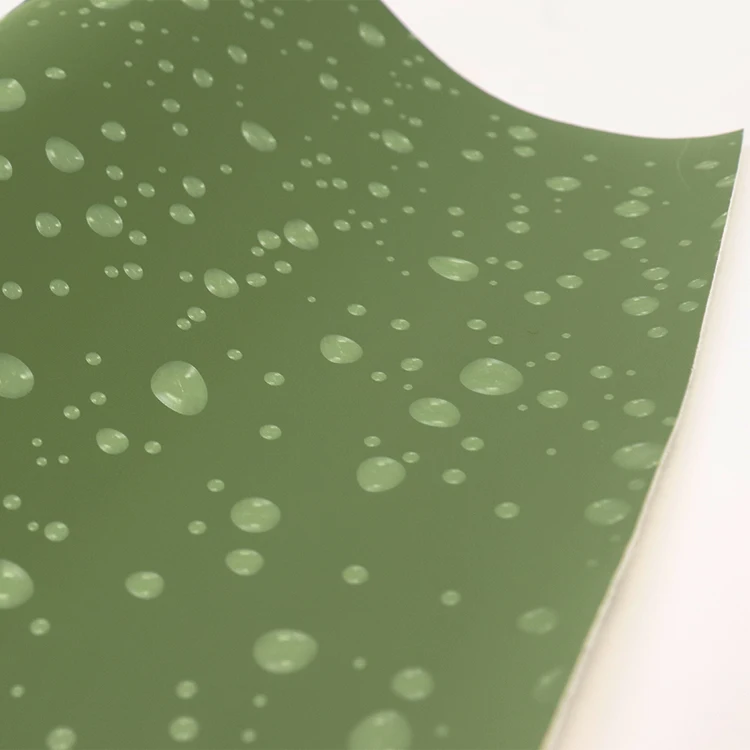
Custom Designer Faux Leather Fabric PVC Synthetic Leather Waterproof Sofa Bag Furniture Chair Woven Backing-Price Per Meter
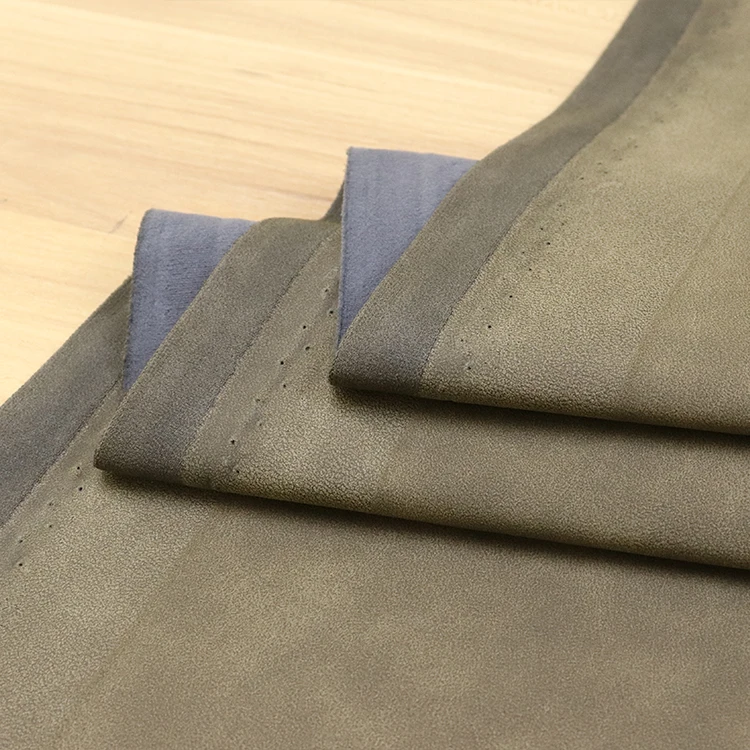
PU Suede Leather Nubuck Artificial Leather Materi for Shoe Make
How do I choose the right thickness of upholstery leather for high-traffic office sofas?
Choosing the right upholstery leather thickness for high-traffic office sofas requires selecting a gauge between 1.0 mm and 1.3 mm. This optimal range provides high tensile strength, tear resistance, and dimensional stability needed for daily commercial wear, while retaining sufficient pliability for clean stitching and long-term ergonomic comfort without cracking or premature sagging.
Core Solutions & Key Takeaways
- Standard Commercial Thickness: Specify a thickness of 1.0–1.3 mm for high-use office sofas and reception seating to ensure resistance against continuous surface friction and mechanical stress.
- Seam and Tensile Retention: Adequate backing thickness enhances seam strength, preventing seam tearing or needle-hole enlargement under heavy weight loads.
- Solvent-Free Eco-Performance: Utilizing solvent-free PU synthetic leather ensures low odor, zero hazardous VOC emissions, scratch resistance, stain resistance, and easy cleaning.
- Functional Customization: Material specifications can be tailored with flame-retardant, anti-bacterial, anti-mold, and UV-resistant properties to match strict commercial interior building standards.
Detailed Architectural/Principle Analysis
In high-traffic commercial environments, office sofas experience continuous physical abrasion, localized pressure at seating joints, and potential exposure to spills or cleaning chemicals. The thickness of the upholstery material directly dictates its mechanical durability, surface elasticity, and dimensional recovery. A thickness below 0.9 mm often lacks the structural density required for commercial cushions, leading to surface stretching, seam distortion, and accelerated wear over time.
For executive seating, lobby lounges, and high-traffic office sofas, solvent-free PU synthetic leather engineered at 1.0–1.3 mm delivers superior durability. This construction combines a dense polymer surface layer with a flexible backing fabric, yielding high peeling strength and tensile durability while maintaining a soft, natural hand feel. 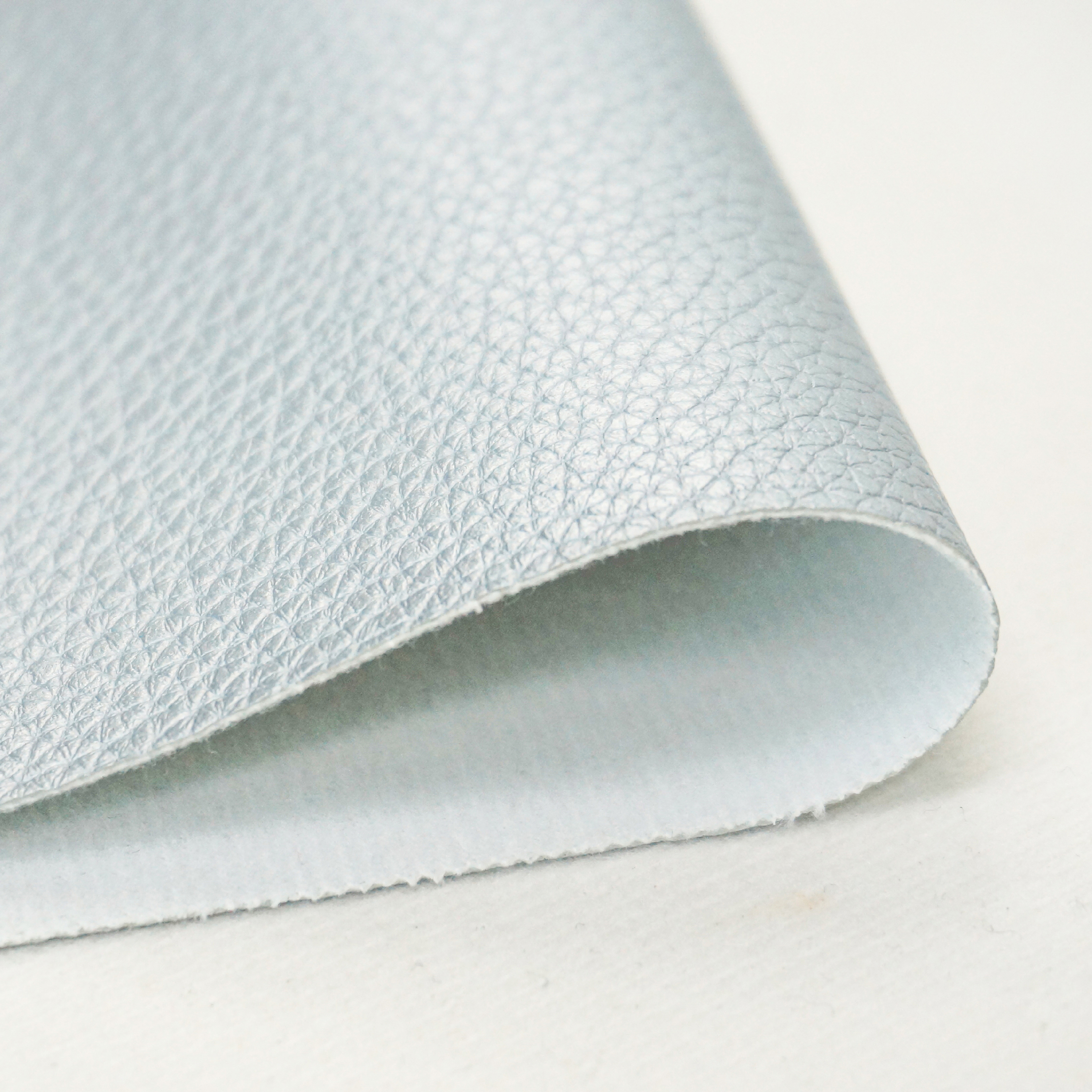
Commercial interior applications also demand compliance with health and safety standards. Materials verified under international standards such as GRS, USDA, and Oeko-Tex 100 ensure low chemical emissions and environmentally responsible manufacturing. Furthermore, industrial testing confirms critical functional properties including flame retardancy, fluorine-free surface treatments, and UV resistance to preserve structural integrity under direct indoor lighting. 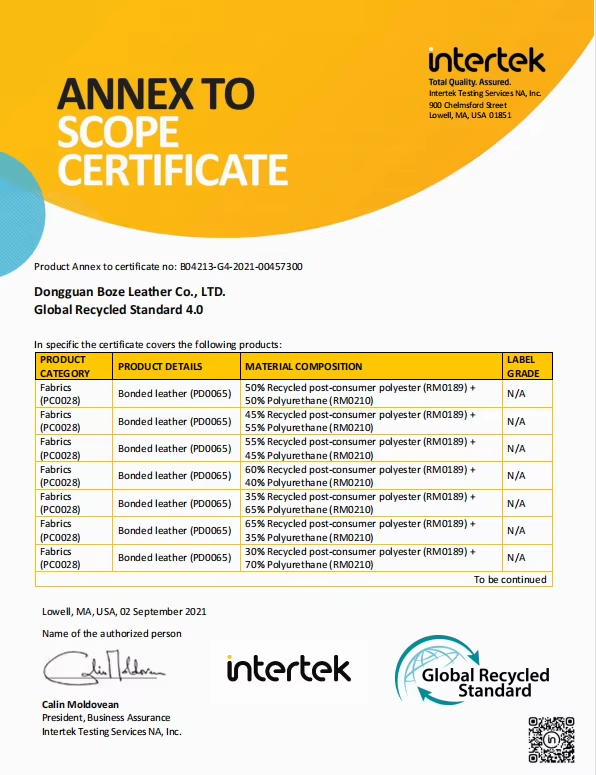
Data/Solution Comparison
Selecting the appropriate gauge depends on the specific strain and functional expectations of each furniture application. The table below outlines material performance across typical thickness specifications:
| Thickness Range | Primary Application | Abrasion & Scratch Resistance | Flexibility & Upholstering Ease | Structural Integrity |
|---|---|---|---|---|
| 0.7 – 0.9 mm | Wall panels, light accent chairs, decorative trim | Moderate | High | Moderate |
| 1.0 – 1.1 mm | Standard task seating, conference room chairs | High | High | High |
| 1.2 – 1.3 mm | High-traffic office sofas, modular lounge seating | Superior | Moderate to High | Maximum |
Frequently Asked Questions (FAQ)
Q1: Is thicker leather always better for commercial office sofas?
A1: Material performance depends on balance. While thicker gauges (above 1.3 mm) offer extreme tensile resistance, excessively thick materials lose flexibility, making tight corners and double-stitching difficult during manufacturing. A 1.0–1.3 mm gauge provides the optimal compromise between seam strength and upholstering agility.
Q2: How does solvent-free PU synthetic leather benefit office environments?
A2: Solvent-free PU synthetic leather eliminates harsh chemical solvents during production, producing a low-odor material with zero toxic off-gassing. It delivers water resistance, stain resistance, and high abrasion resistance, simplifying maintenance in multi-user office spaces.
Q3: What quality testing should be verified before purchasing commercial upholstery leather?
A3: Key quality metrics include color consistency, abrasion resistance, peeling strength, tensile strength, scratch resistance, and flame retardancy. Testing ensures the material withstands heavy daily usage without surface degradation or seam failure.
Final Conclusion & Recommendations
When specifying upholstery leather for high-traffic office sofas, choosing a thickness of 1.0–1.3 mm ensures long-term performance, high seam security, and lasting visual appeal. Opting for solvent-free PU leather enhances indoor environmental quality through low VOC emissions while delivering scratch resistance, stain resistance, and simple routine maintenance. For detailed technical solutions or support, please reach out to us via vicky@bozeleather.com.
About Us
Dongguan Cigno Leather Co., Ltd. was established in 2007 and operates as a dedicated synthetic leather manufacturer with a factory footprint of 100,000 square meters. Equipped with 6 advanced production lines, the facility achieves a monthly production capacity of 6,000,000 meters and holds over 30 national invention patents focused on eco-friendly polymer development. Certified under GRS, USDA, and Oeko-Tex 100, the company supplies high-performance synthetic leather across North America, South America, Europe, Southeast Asia, and the Middle East. 
SUBSCRIBE
INQUIRY