PRODUCTS
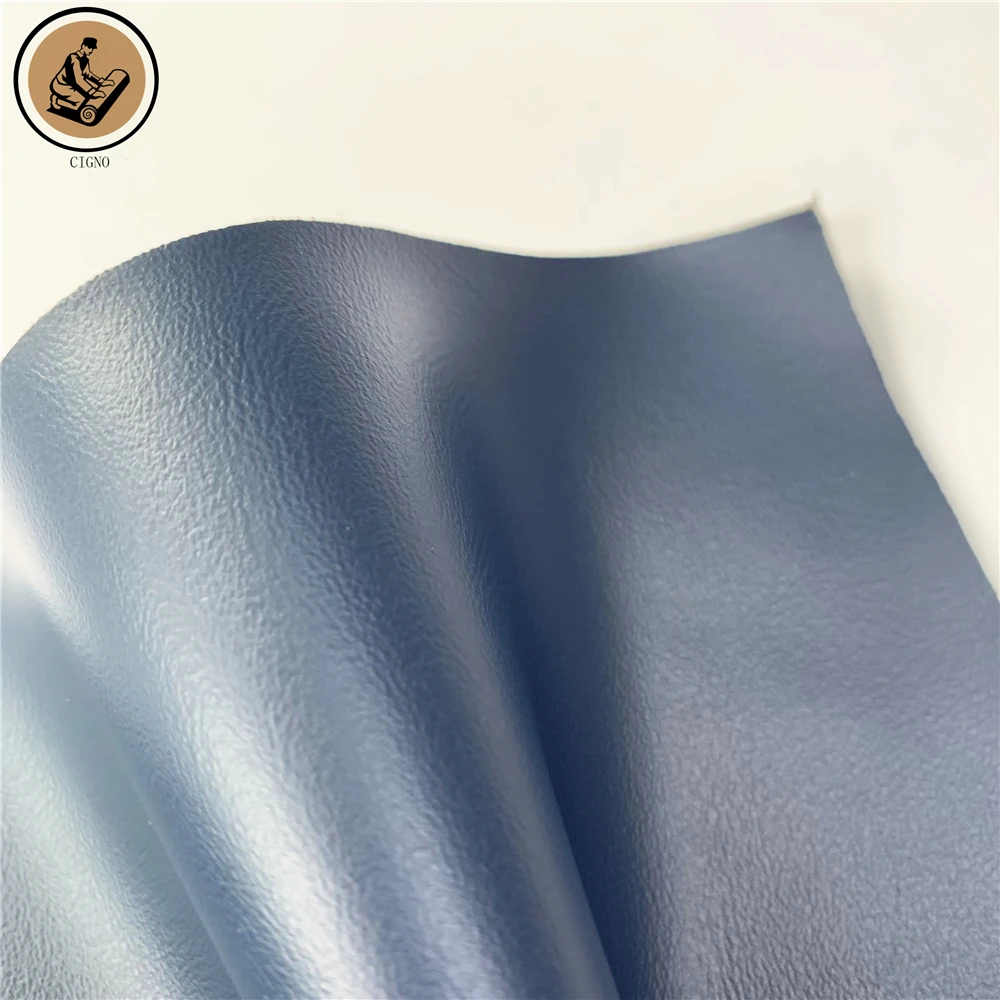
High Quality Eco-Friendly 1.2mm PU Synthetic Leather Furniture Upholstery Solvent-Free Skin-Feel for Sofa Car Seat Chair Bag Use
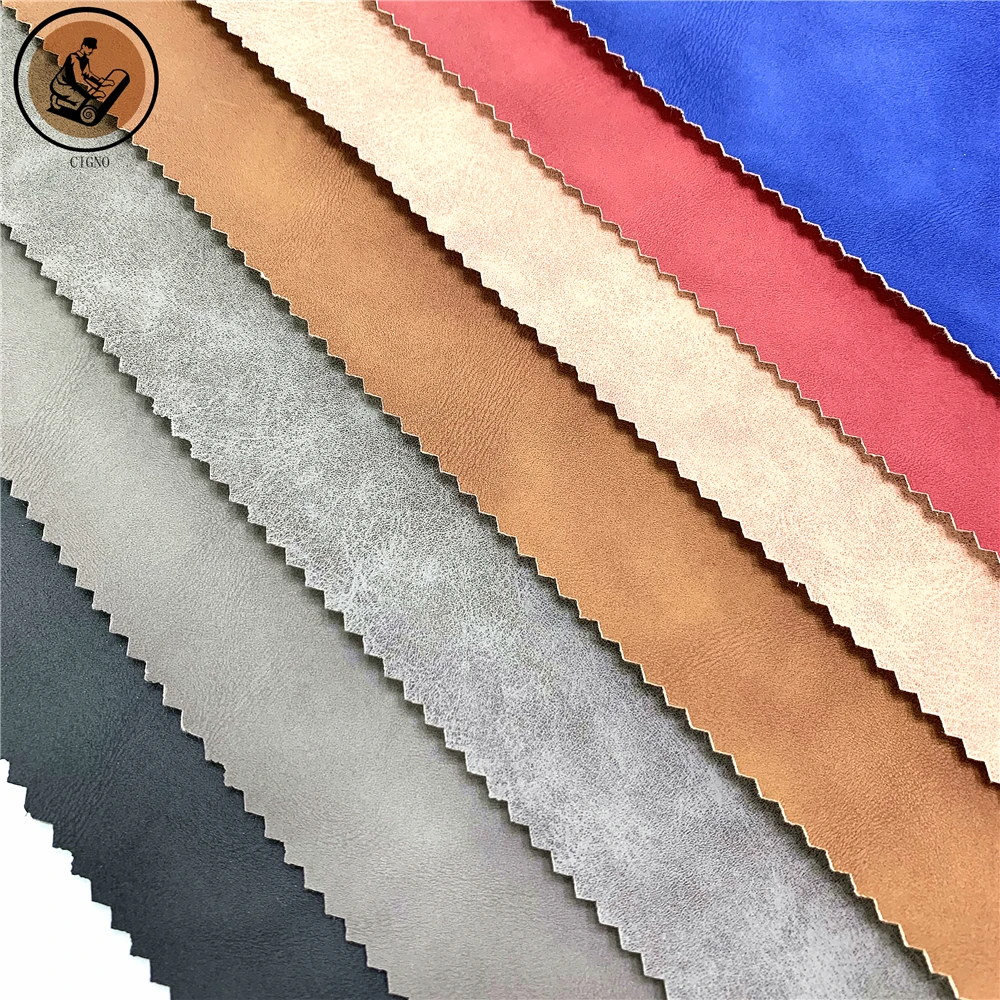
Free Samples of Embossed PU Synthetic Leather Bags Shoes Sofa Furniture Garments Car Decorative Uses-Waterproof Stretch Features
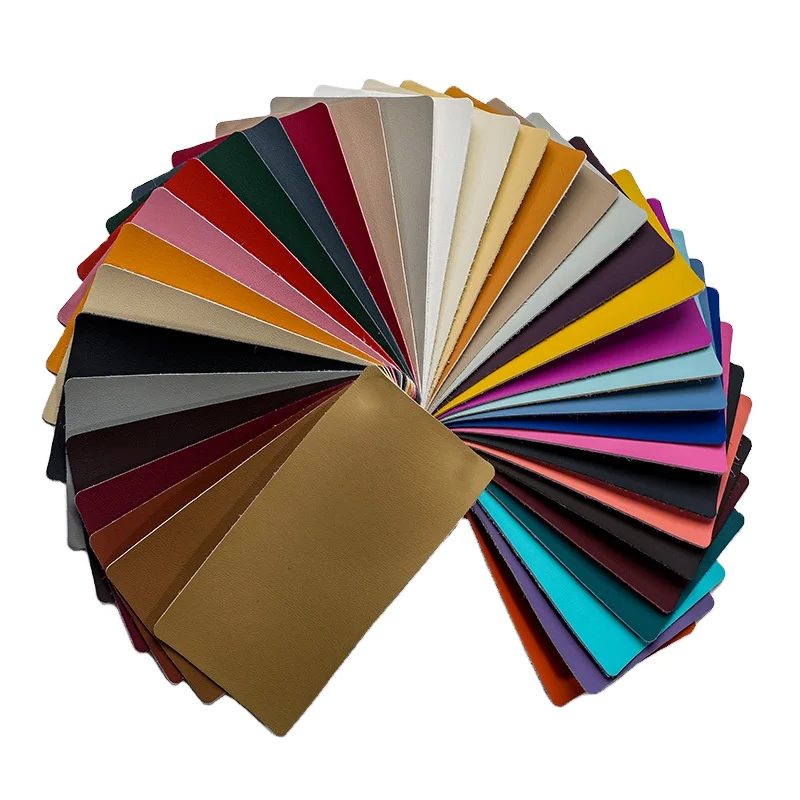
Pvc Vinyl Leather Rexine Leather Faux for Cars/Motorcycles, Waterproof Embossed Recycling Leatherette for Automotive Leather
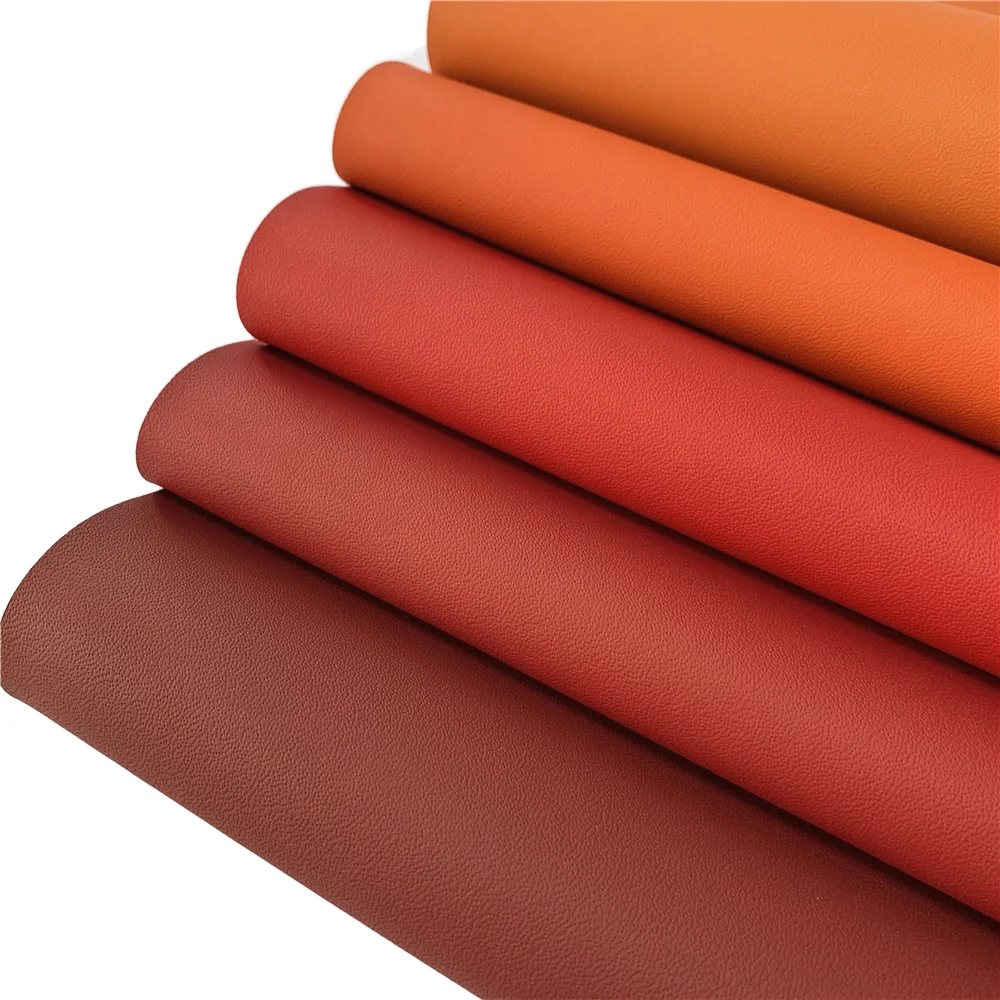
Hydrolysis Resistant Waterproof PU Microfiber Suede Leather Fabric Furniture Car Seat Covers Automotive Upholstery Bags Sofas
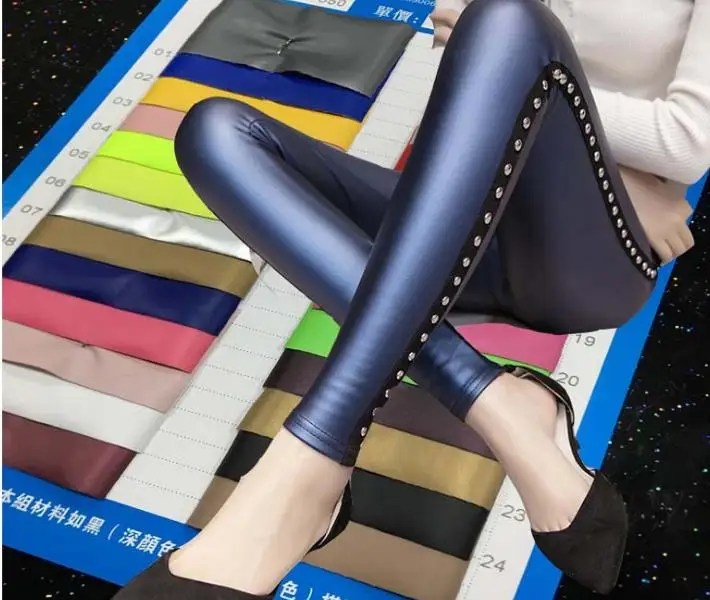
Ultra-Bright Black Mirror Four-Sided Stretch PU Fabric Pants Dresses Solid Color Soft Waterproof Clothing Elastic Finished
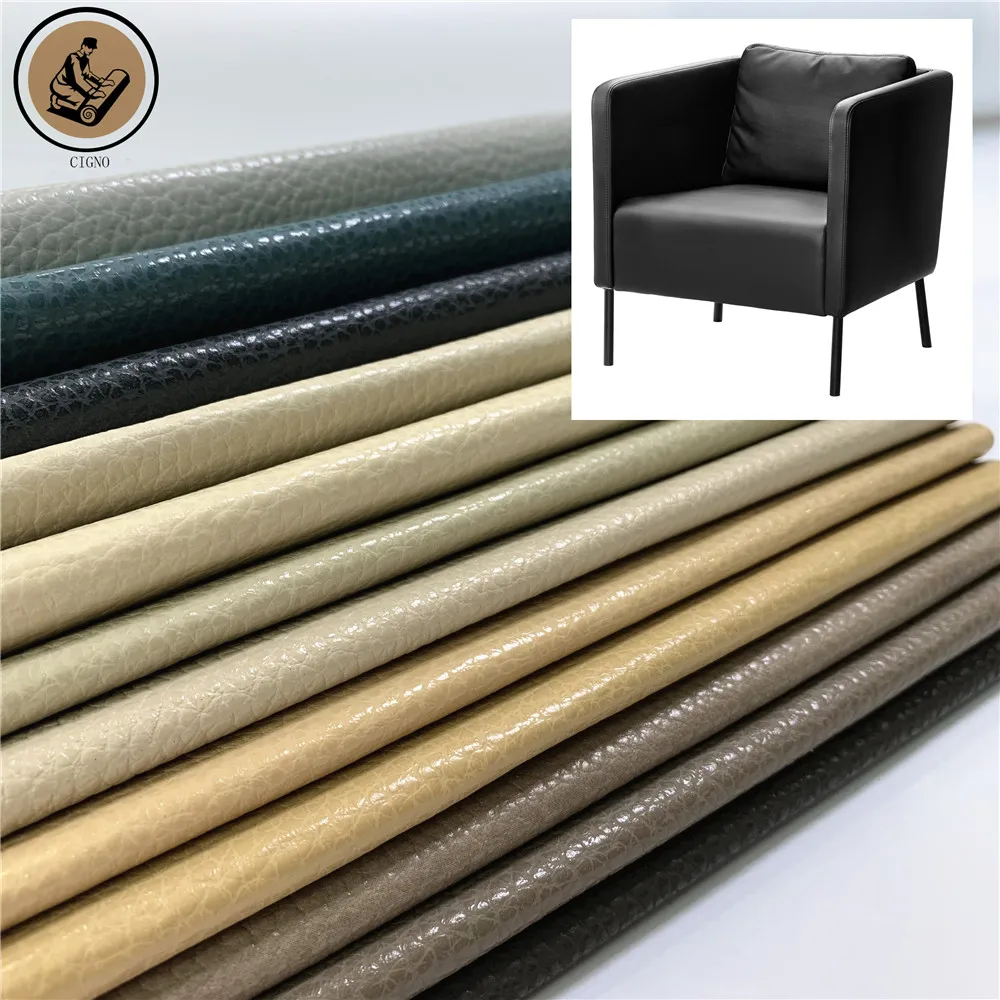
Litchi Lychee Grain 1.2mm PU Microfiber Leather Eco-Friendly Synthetic Leather Sofa Car Seat Handbags-Pearly-Lustre Recycled
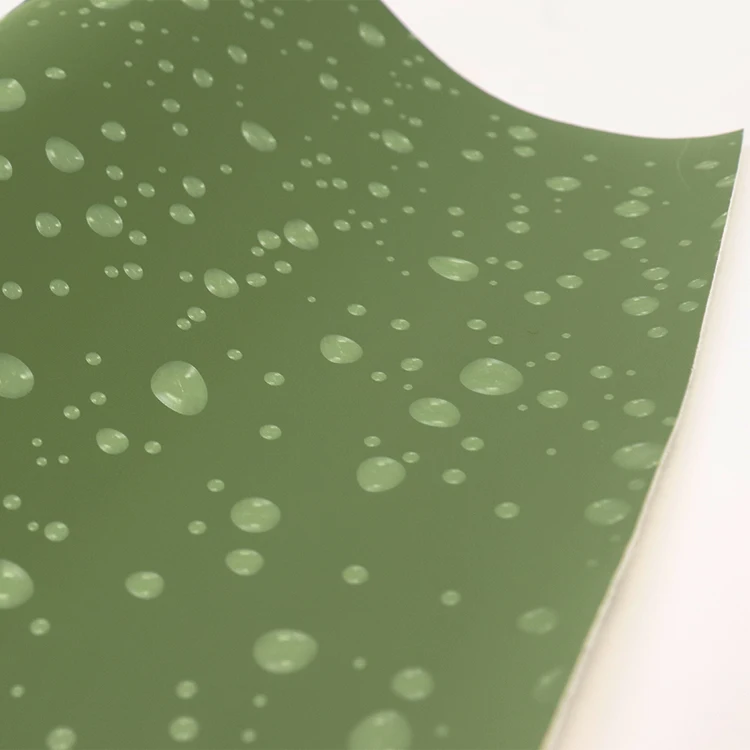
Custom Designer Faux Leather Fabric PVC Synthetic Leather Waterproof Sofa Bag Furniture Chair Woven Backing-Price Per Meter
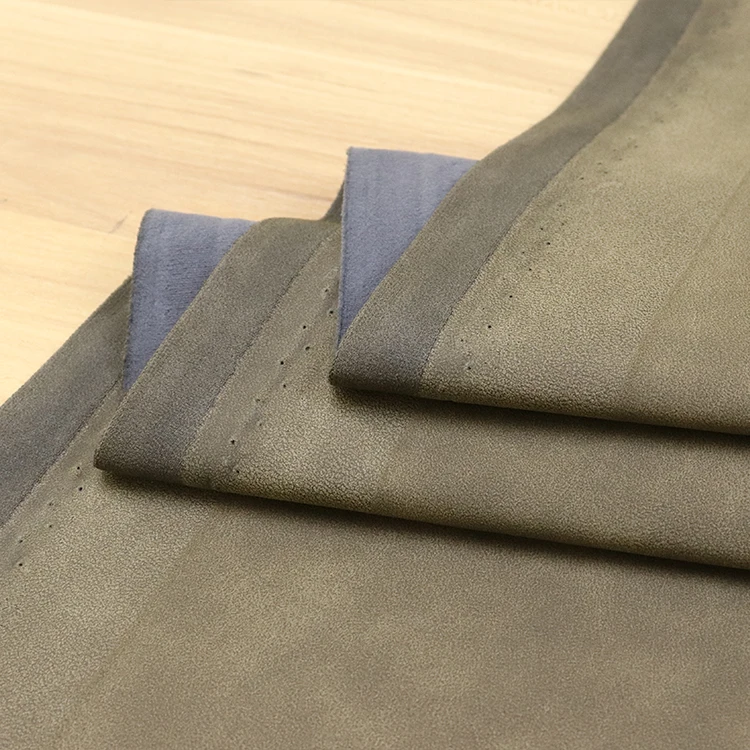
PU Suede Leather Nubuck Artificial Leather Materi for Shoe Make
How do I evaluate abrasion resistance in artificial leather for furniture?
Evaluating abrasion resistance in artificial leather for furniture requires standardized mechanical testing, primarily the Martindale (ISO 12947 / ASTM D4966) and Wyzenbeek (ASTM D4157) mechanical oscillation methods. Performance is measured by the number of abrasion cycles completed before surface breakdown, coating failure, or visible yarn exposure occurs, with commercial furniture standards typically requiring 30,000 to 100,000+ double rubs depending on application intensity.
Core Solutions & Key Takeaways
- Standardized Rub Cycle Rating: Utilize Martindale (figure-eight motion) or Wyzenbeek (back-and-forth oscillation) abrasion equipment to quantify surface durability against standard cotton duck or wire screen abradants.
- Material Construction Evaluation: Microfiber synthetic leather and polyurethane (PU) formulations with high-density backing structures exhibit superior abrasion resistance compared to basic PVC films.
- Application-Specific Performance Thresholds: Select materials based on end-use demands: residential furniture upholstery requires 15,000 to 30,000 cycles, while high-traffic commercial furniture and automotive interiors demand 50,000 to 100,000+ rubs.
- Multi-Property Quality Control: Ensure high abrasion resistance does not compromise flexibility, crack resistance, or seam strength, verified through comprehensive laboratory testing under ISO 9001 guidelines.
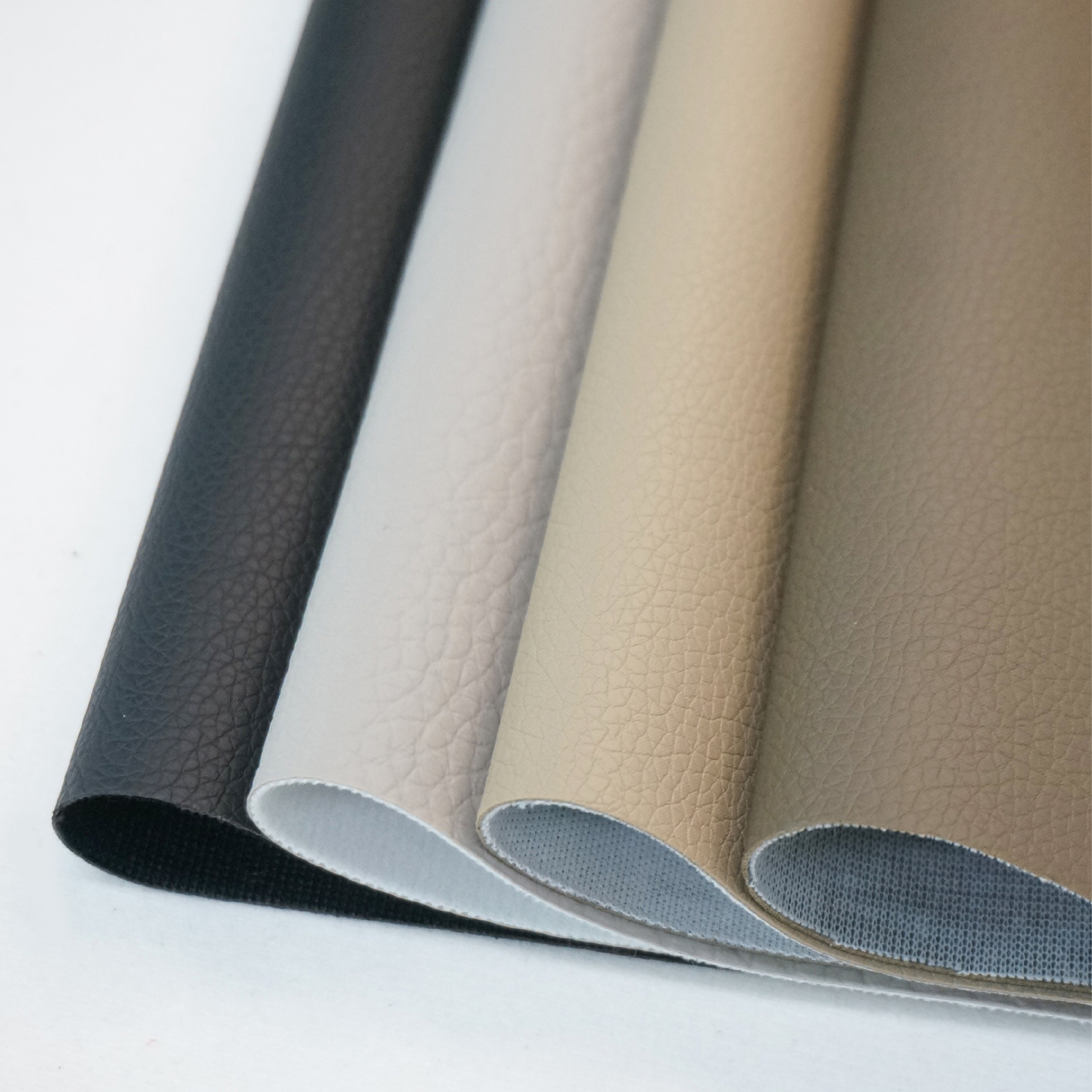
Detailed Architectural/Principle Analysis
Mechanical wear evaluation on synthetic materials relies on applying standardized friction under controlled pressure. The Wyzenbeek test subjects the material surface to a linear back-and-forth motion using #10 cotton duck canvas or wire screen, recording double rubs until two yarn breaks or visible wear appear. The Martindale method rotates a circular specimen against a standard woolen fabric in a complex Lissajous pattern. Comparing cycle counts between these methods provides an objective indicator of surface resilience.
Polymer composition significantly impacts wear life. Water-based PU, solvent-free PU, and microfiber synthetic leathers integrate tightly woven matrix structures that absorb friction stress, preventing premature peeling or cracking. For heavy commercial duty, engineering the surface layer with specialized polyurethane topcoats enhances scratch resistance, hydrolysis resistance, and UV stability while retaining soft tactile properties.
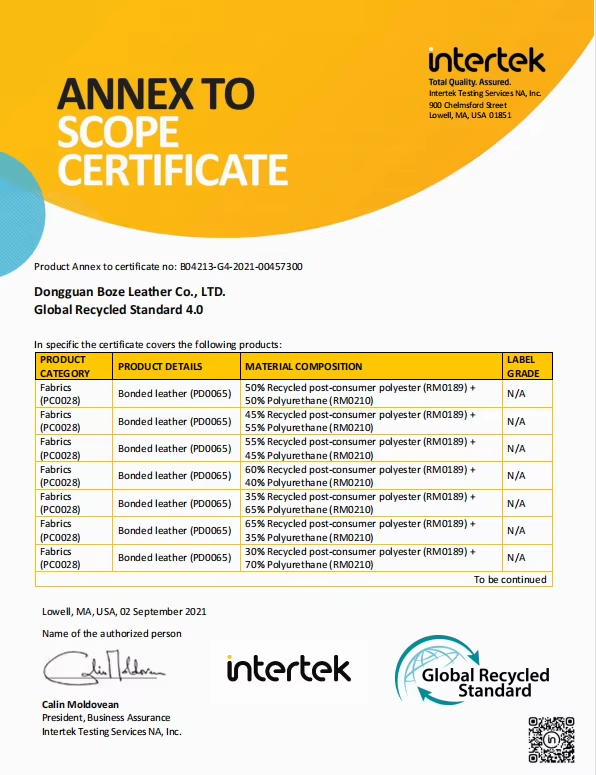
Practical application requirements often combine abrasion durability with environmental safety and multi-functional performance. In an OEM project supplying 50,000 meters of customized synthetic leather for automotive interior seating and armrests in Mexico, the material achieved stringent abrasion resistance criteria alongside flame retardancy, low odor, and UV resistance. Adherence to internationally recognized standards such as GRS, USDA, and Oeko-Tex 100 ensures chemical safety and sustainability across production batches.
Data/Solution Comparison
The selection of artificial leather material depends on the testing protocol, structural composition, and intended wear conditions:
| Material Type | Primary Test Standard | Typical Abrasion Resistance (Cycles) | Wear Characteristics | Suitable Application |
|---|---|---|---|---|
| Standard PVC Leather | Wyzenbeek / Martindale | 15,000 – 30,000 | Moderate wear resistance; susceptible to surface cracking over time | Light commercial / Residential furniture |
| Standard PU Leather | Wyzenbeek / Martindale | 30,000 – 50,000 | Balanced flexibility, soft touch, sound scratch resistance | Medium-traffic furniture & apparel |
| Microfiber Synthetic Leather | Wyzenbeek / Martindale | 50,000 – 100,000+ | High tensile strength, superior tear and scratch resistance, long wear life | Heavy commercial furniture & automotive seats |
| Solvent-Free PU Leather | Wyzenbeek / Martindale | 100,000+ | Exceptional hydrolysis resistance, low odor, ultra-high durability | High-end interior upholstery & specialized seating |
Frequently Asked Questions (FAQ)
What is the difference between Wyzenbeek and Martindale abrasion tests?
Wyzenbeek uses a linear, back-and-forth oscillation motion under duck canvas or wire screen abradants, commonly specified in North America. Martindale utilizes a figure-eight Lissajous motion using standard wool abradant, widely adopted in Europe and international markets. Both quantify surface wear by counting rub cycles until failure.
How many double rubs are required for heavy-duty furniture artificial leather?
Contract and heavy-duty commercial furniture applications generally require a minimum rating of 30,000 to 50,000 Wyzenbeek double rubs or Martindale cycles, with high-occupancy environments preferring materials rated at 100,000 cycles or higher.
Does surface coating thickness directly correlate with higher abrasion resistance?
Not entirely. While thickness (ranging from 0.8 mm to 1.4 mm) provides physical volume, chemical formulation, topcoat resin quality, and microfiber backing density play a greater role in resisting scratch and friction breakdown than thickness alone.
Final Conclusion & Recommendations
Selecting artificial leather for furniture requires aligning standardized test metrics (Wyzenbeek or Martindale rub counts) with practical usage demands, backing strength, and chemical safety standards. Working with established manufacturers ensures consistent mechanical durability verified by raw material inspection, laboratory batch testing, and pre-shipment quality checks. For detailed technical solutions or support, please reach out to us via vicky@bozeleather.com.
About Us
Dongguan Cigno Leather Co., Ltd. is a synthetic leather manufacturer integrating R&D, production, sales, and export services. Established in 2007, the enterprise operates a 100,000 square meter facility equipped with 6 production lines and 50 employees, delivering a monthly capacity of 6,000,000 meters. Holding international certifications including GRS, USDA, and Oeko-Tex 100, the company supplies PVC, PU, and microfiber materials across global markets in North America, Europe, and Southeast Asia.

SUBSCRIBE
INQUIRY