
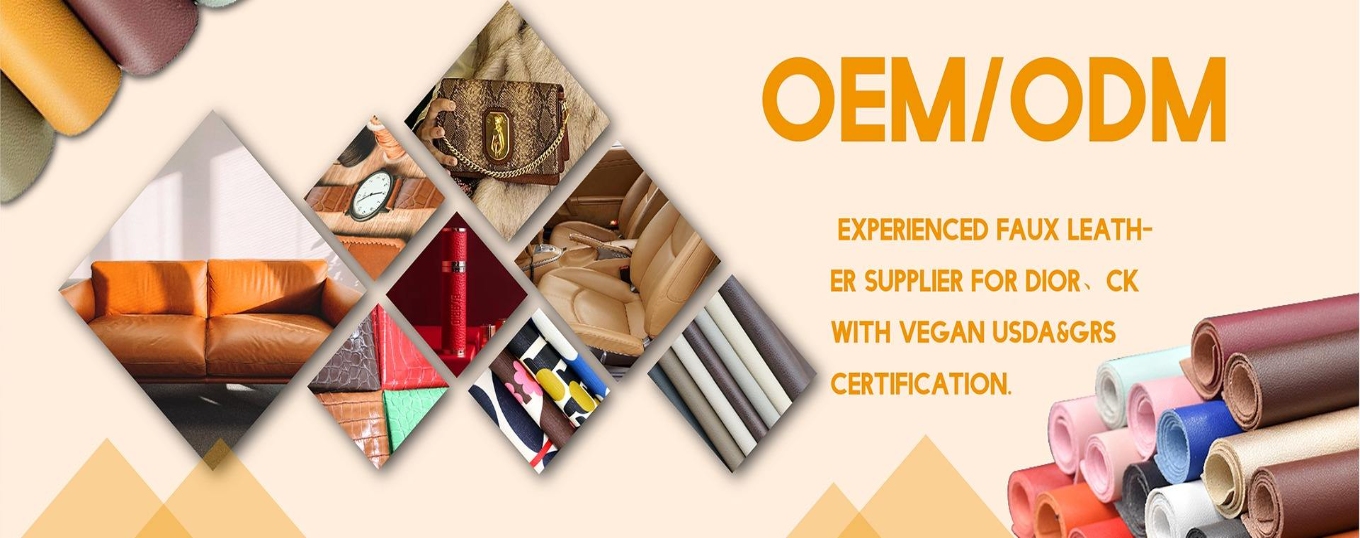
PRODUCTS
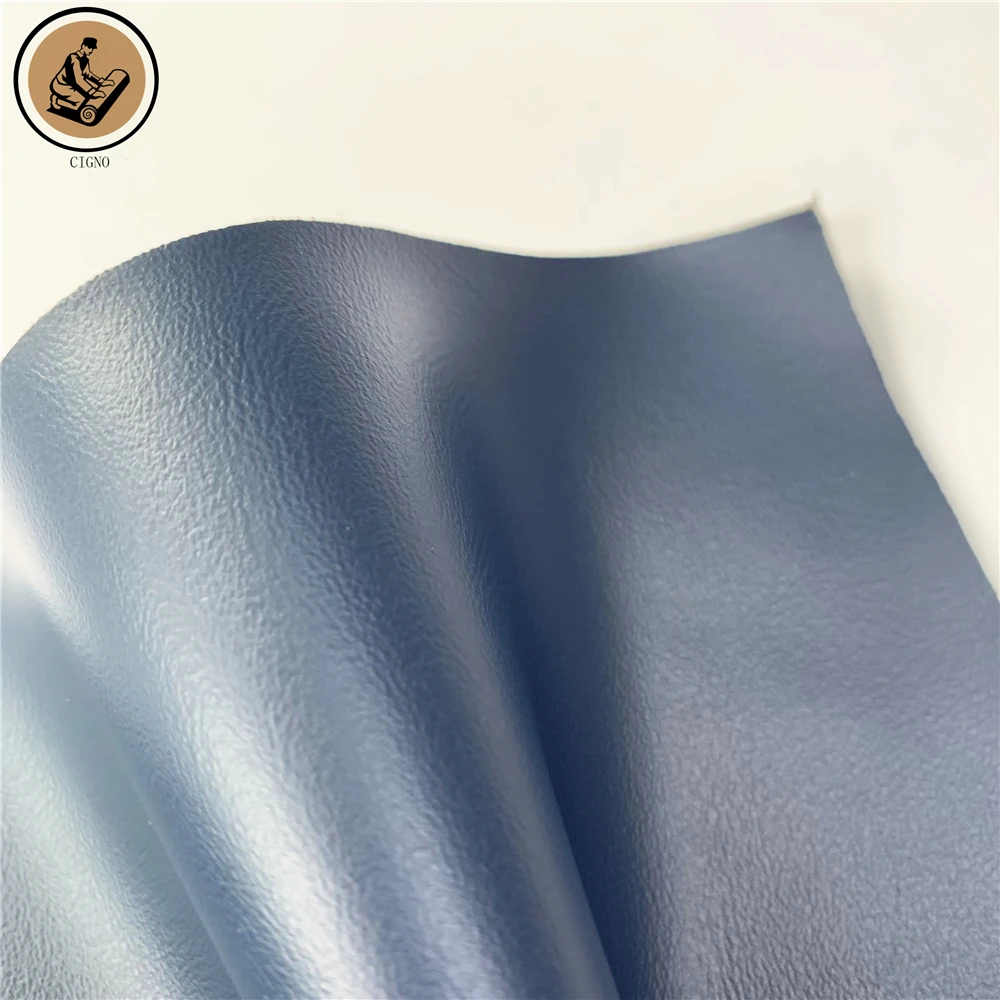
High Quality Eco-Friendly 1.2mm PU Synthetic Leather Furniture Upholstery Solvent-Free Skin-Feel for Sofa Car Seat Chair Bag Use
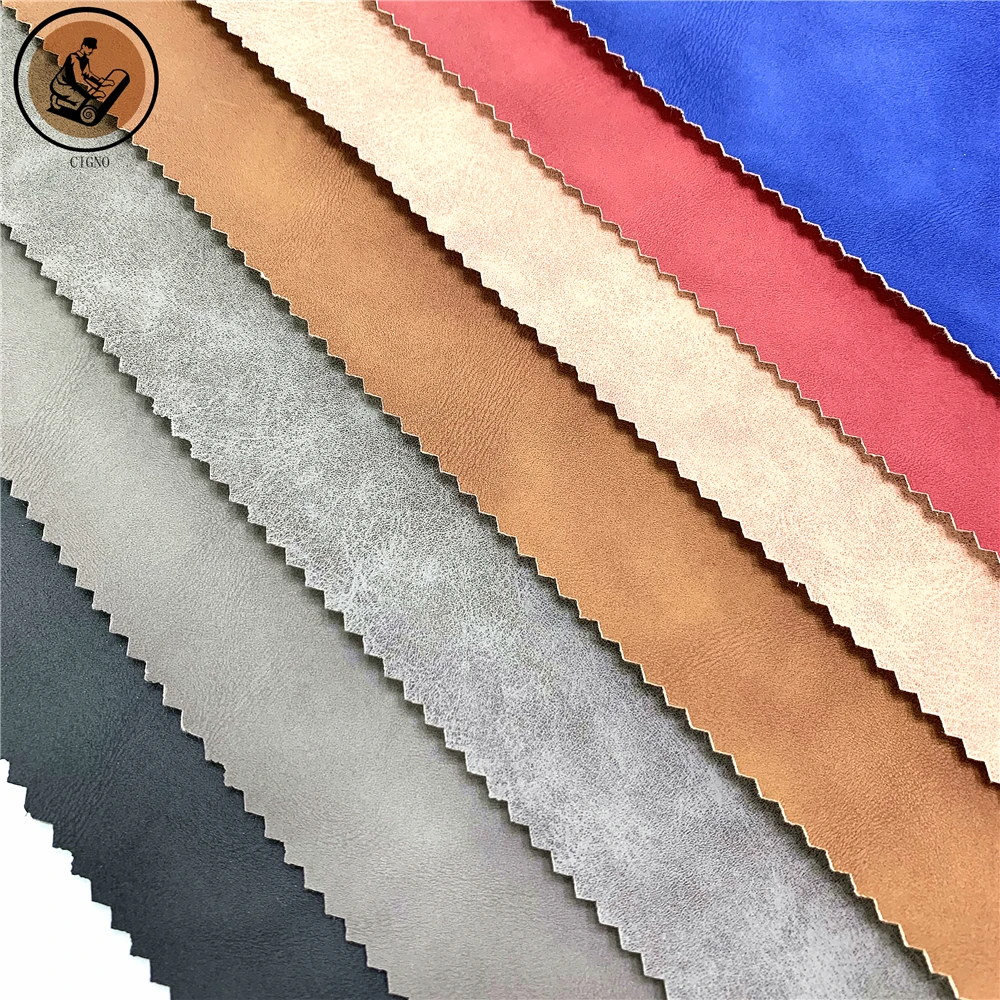
Free Samples of Embossed PU Synthetic Leather Bags Shoes Sofa Furniture Garments Car Decorative Uses-Waterproof Stretch Features
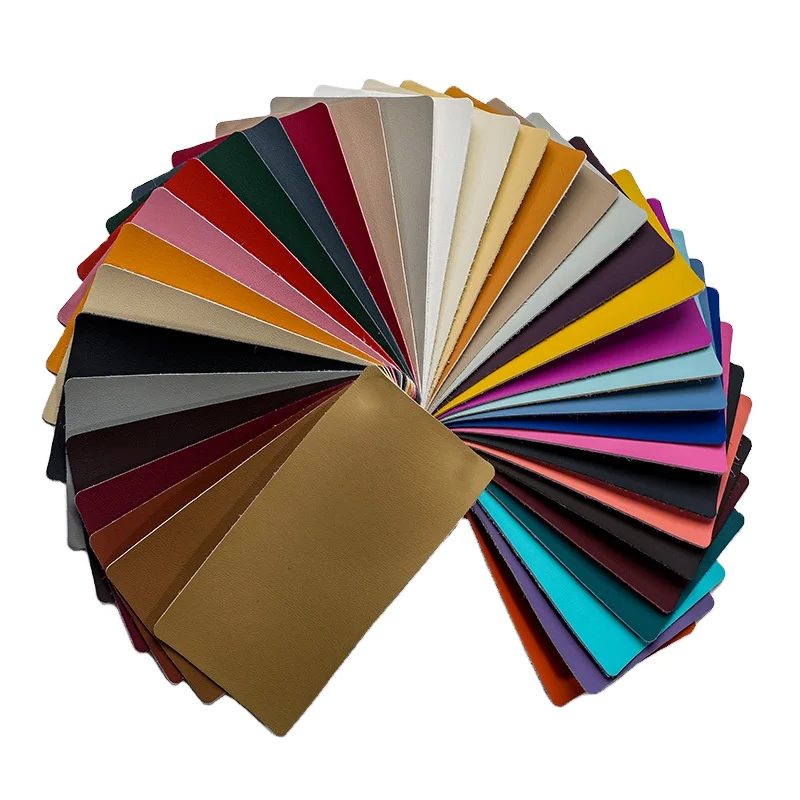
Pvc Vinyl Leather Rexine Leather Faux for Cars/Motorcycles, Waterproof Embossed Recycling Leatherette for Automotive Leather
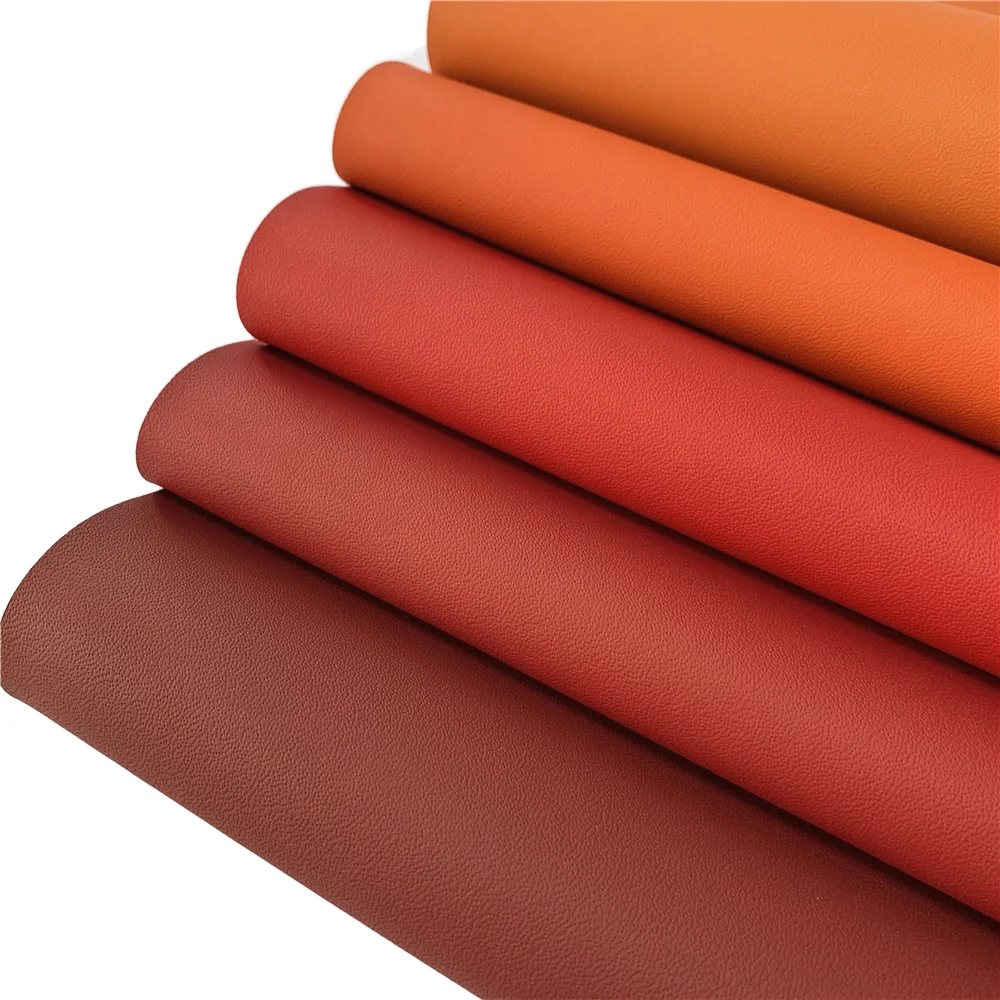
Hydrolysis Resistant Waterproof PU Microfiber Suede Leather Fabric Furniture Car Seat Covers Automotive Upholstery Bags Sofas
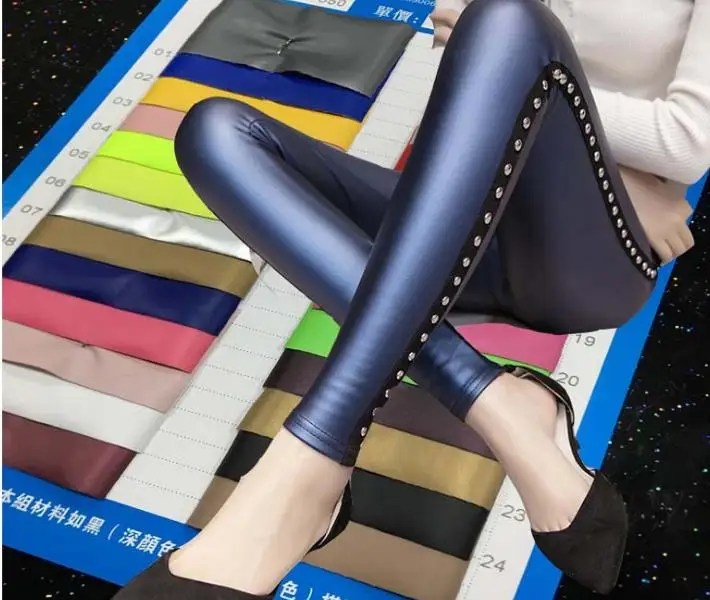
Ultra-Bright Black Mirror Four-Sided Stretch PU Fabric Pants Dresses Solid Color Soft Waterproof Clothing Elastic Finished
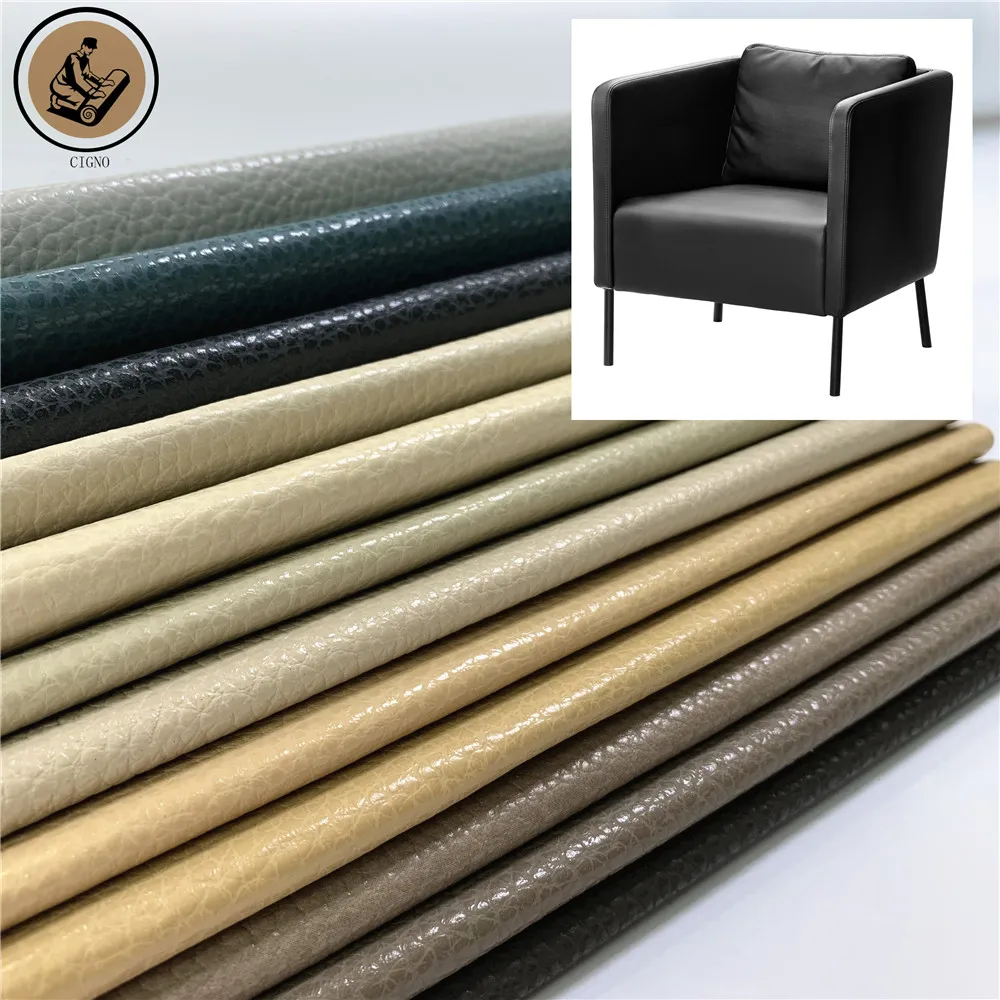
Litchi Lychee Grain 1.2mm PU Microfiber Leather Eco-Friendly Synthetic Leather Sofa Car Seat Handbags-Pearly-Lustre Recycled
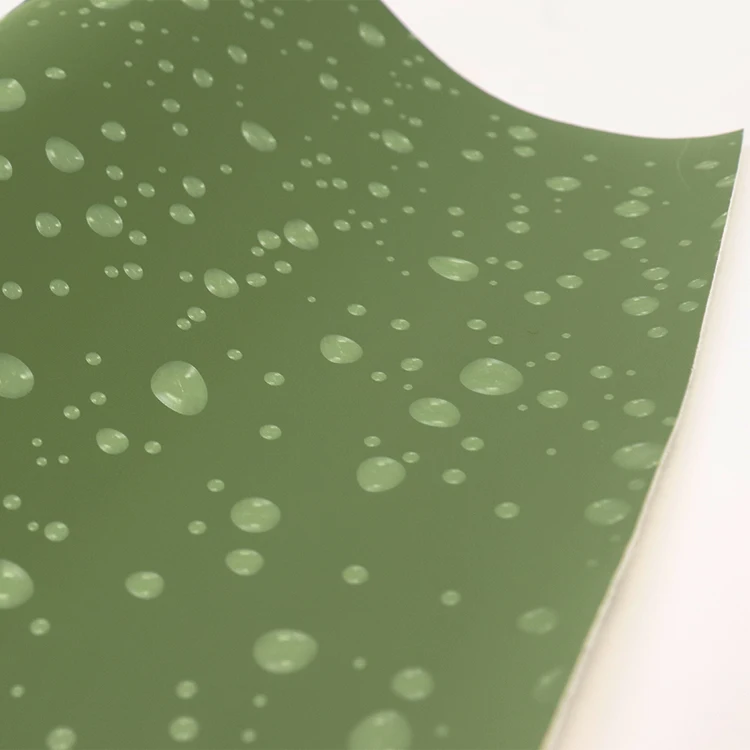
Custom Designer Faux Leather Fabric PVC Synthetic Leather Waterproof Sofa Bag Furniture Chair Woven Backing-Price Per Meter
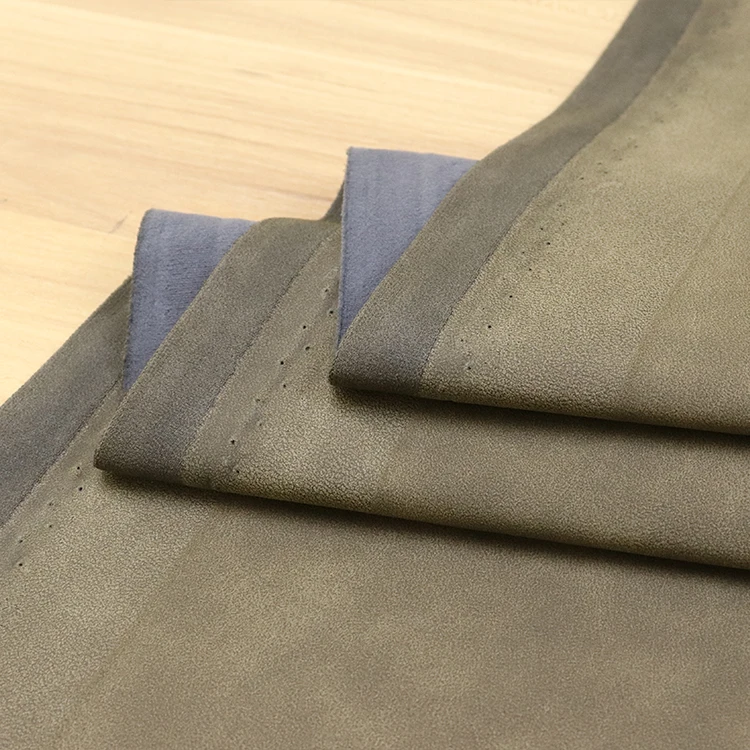
PU Suede Leather Nubuck Artificial Leather Materi for Shoe Make
How do I evaluate the quality of bulk leather car seat covers?
Evaluating bulk leather car seat cover quality requires inspecting mechanical properties, material structure, and technical compliance. Key evaluation parameters include tensile strength, peeling strength, color consistency, and scratch resistance across thicknesses from 0.8 mm to 1.4 mm. Verification involves checking laboratory test reports for flame retardancy, UV resistance, and abrasion, alongside supplier quality system audits under ISO 9001 standards.
Core Solutions & Key Takeaways
- Laboratory Material Testing: Confirm physical parameters including tensile strength, peeling strength, and abrasion resistance for PVC, PU, microfiber, and nappa-grain finishes.
- Functional Performance Verification: Review test reports for flame retardancy, UV resistance, stain resistance, waterproofing, and easy-clean properties.
- Batch-to-Batch Consistency: Inspect thickness uniformity (0.8–1.4 mm), width stability (54/55 inches), and precise color matching across mass production rolls.
- Supplier Quality Management: Ensure compliance with standardized quality control systems, from raw material arrival to pre-shipment inspection.
Key application scenarios for bulk synthetic leather seat covers include automotive seats, door panels, headrests, and armrests requiring consistent grain finish and high durability.
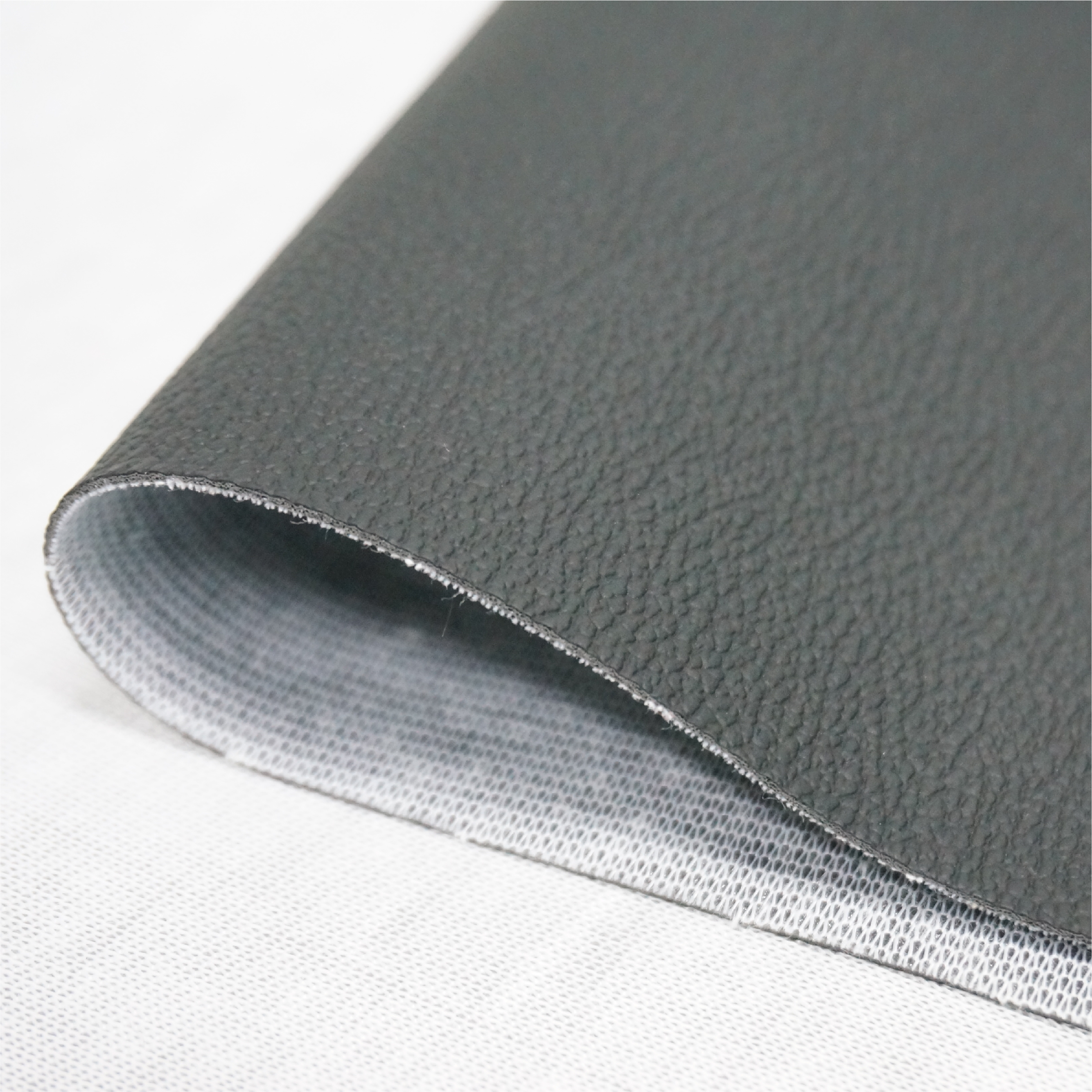
Detailed Technical Analysis
Quality control in bulk leather procurement for automotive seat covers spans multiple processing stages. Material selection starts with backing fabrics and resin formulations—whether PVC, PU, or microfiber. Production parameters must maintain strict tolerances, particularly width (54/55 inches) and thickness (0.8–1.4 mm), to ensure seamless feeding into automated cutting machinery.
Mechanical properties define long-term automotive wear. Tensile strength and peeling strength testing prevent delamination between the surface grain layer and the backing fabric under severe stress. Scratch resistance and flexible endurance prevent cracking over repeated usage cycles. Manufacturers like Dongguan Cigno Leather Co., Ltd. perform multi-stage quality control under ISO 9001 systems, conducting raw material checks, color matching, inline production monitoring, and final pre-shipment inspections.
Batch consistency in color, grain finish, and perforated patterns is validated during full production runs.
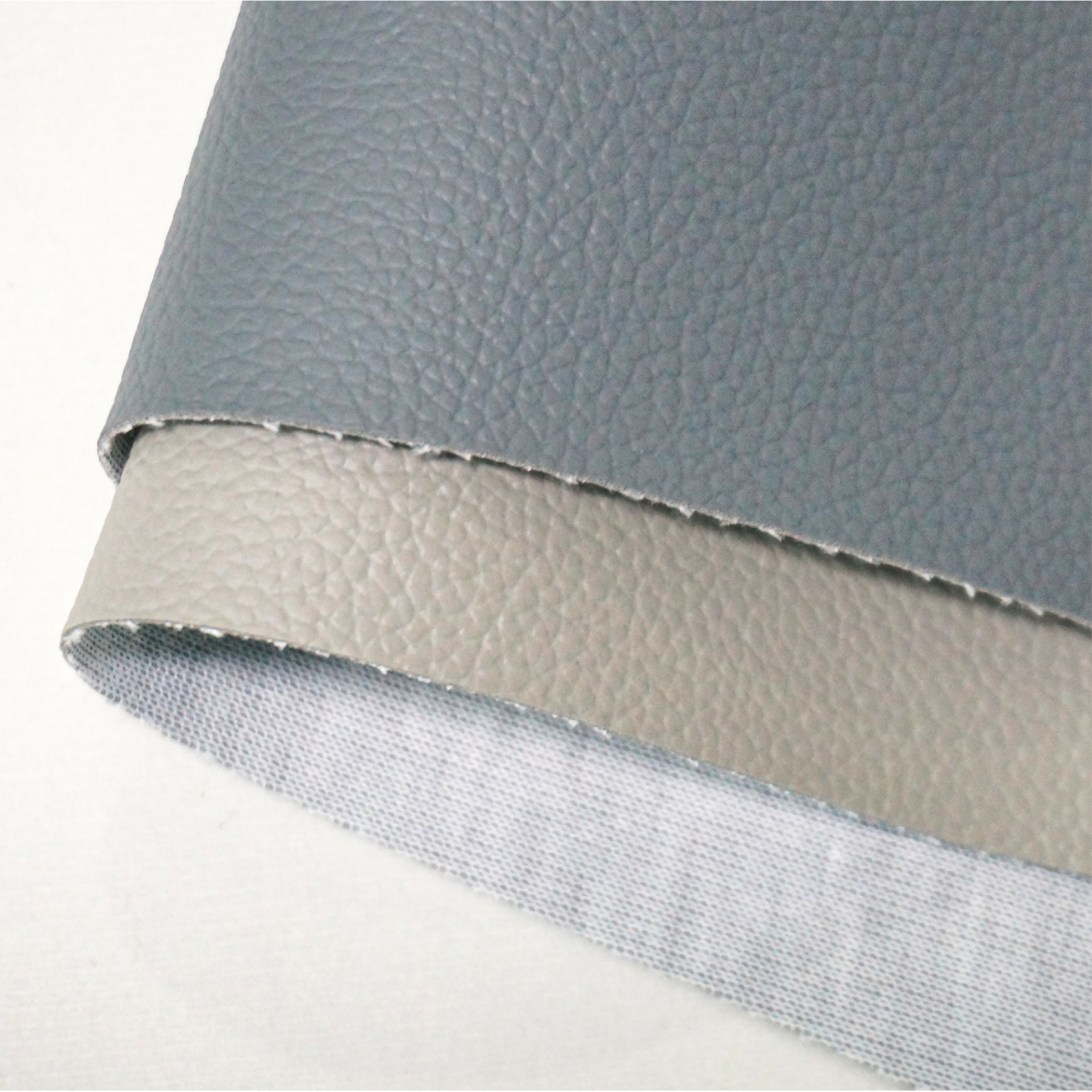
Compliance credentials confirm chemical safety and environmental standards. Automotive materials require verified test reports covering flame-retardant performance, fluorine-free formulation, anti-bacterial/anti-mold resistance, and low odor output. Global environmental compliance is validated through recognized certifications such as GRS (Global Recycled Standard, Certificate B04213-G4), USDA biobased verification, and Oeko-Tex Standard 100 (SH015 120749). For instance, a recent automotive project supplied 50,000 meters of customized synthetic leather to an automotive interior manufacturer in Mexico, adhering strictly to requirements for color matching, low odor, flame retardancy, and UV resistance.
Data/Solution Comparison
Different synthetic leather formulations offer varying performance characteristics for automotive upholstery applications:
| Material Type | Thickness Range | Primary Features | Functional Customization |
|---|---|---|---|
| PVC Leather | 0.8 – 1.4 mm | High scratch resistance, stain resistance, waterproofing | Flame retardant, UV resistant, easy clean |
| PU Leather | 0.8 – 1.2 mm | Good flexibility, soft hand feel, stable color consistency | Anti-bacterial, anti-mold, low odor |
| Microfiber Leather | 1.0 – 1.4 mm | Superior tensile strength, high peeling strength, high abrasion resistance | Perforated pattern, custom backing fabric |
| Nappa-Grain Finish | 0.9 – 1.3 mm | Smooth surface appearance, premium tactile feel, uniform grain | Custom color matching, fluorine-free treatment |
Quality inspection covers structural integrity, backing bond, and surface texture uniformity before packaging.
Frequently Asked Questions (FAQ)
How can I verify color consistency across large bulk leather orders?
Color consistency is validated through standardized color matching confirmation before full-scale production. Inline spectral photometer checks and batch lot sample retention ensure visual and quantitative color alignment throughout the order volume.
What physical laboratory tests are mandatory for automotive seat cover leather?
Mandatory laboratory evaluations include tensile strength, peeling strength, abrasion resistance, scratch resistance, flame retardancy, and UV resistance testing to guarantee compliance with automotive durability standards.
What are the standard order and shipping parameters for bulk automotive leather?
Minimum order quantity is typically 1,000 meters per color, with production delivery lead times ranging between 15 and 30 days post-confirmation. Logistics options include sea freight, air freight, and express delivery under EXW, FOB, CFR, CIF, or DDP terms.
Final Conclusion & Recommendations
Evaluating bulk synthetic leather for car seat covers relies on clear technical criteria: physical strength testing, environmental and safety certifications, and robust quality control systems. Partnering with certified manufacturers guarantees batch uniformity, custom backing choices, and compliance with global standards. Commercial terms commonly involve a 30% deposit with 70% balance payment prior to shipment via T/T, L/C, or Trade Assurance channels. For detailed technical solutions or support, please reach out to us via vicky@bozeleather.com.
About Us
Dongguan Cigno Leather Co., Ltd. is a synthetic leather manufacturer integrating R&D, production, sales, and export services. Established in 2007, the company operates a 100,000 sqm factory with a monthly production capacity reaching 6,000,000 meters. Backed by internationally recognized certifications such as GRS, USDA, and Oeko-Tex Standard 100, the company has served clients across multiple global industries with tailored OEM/ODM solutions.

SUBSCRIBE
INQUIRY