PRODUCTS
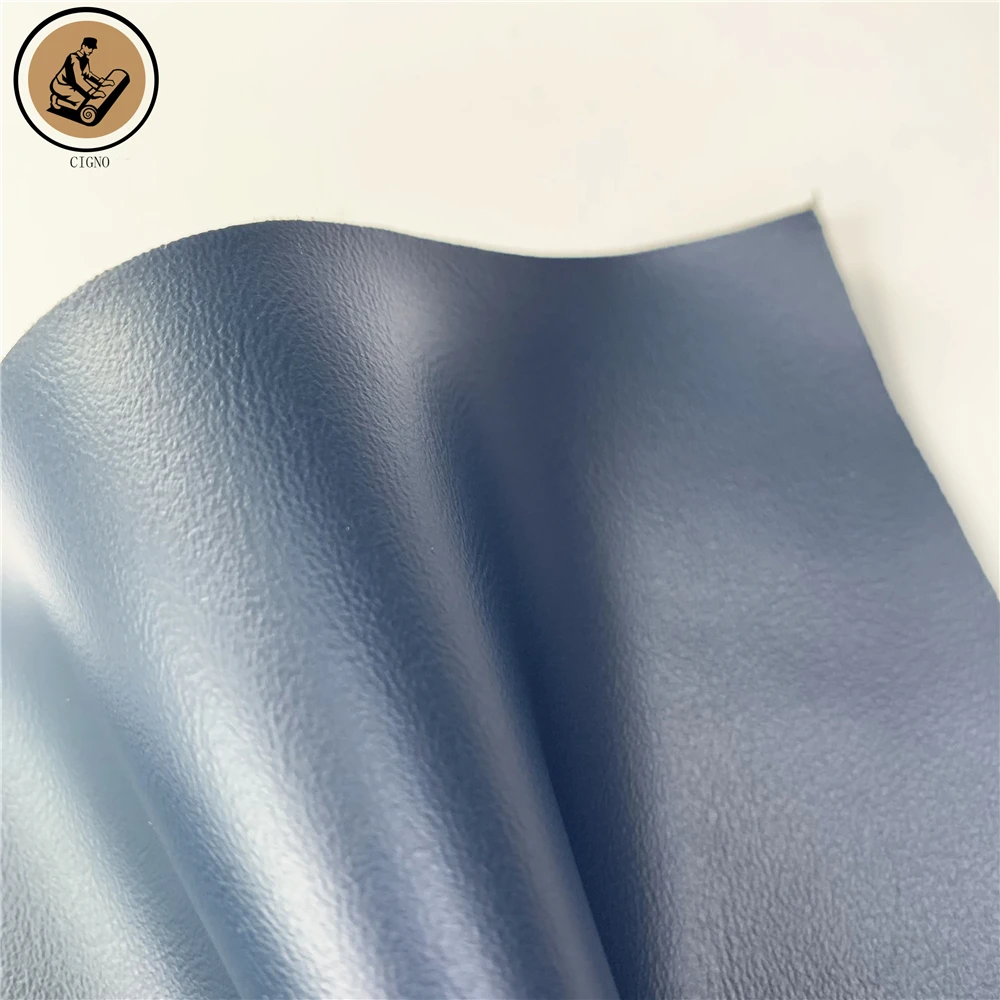
High Quality Eco-Friendly 1.2mm PU Synthetic Leather Furniture Upholstery Solvent-Free Skin-Feel for Sofa Car Seat Chair Bag Use
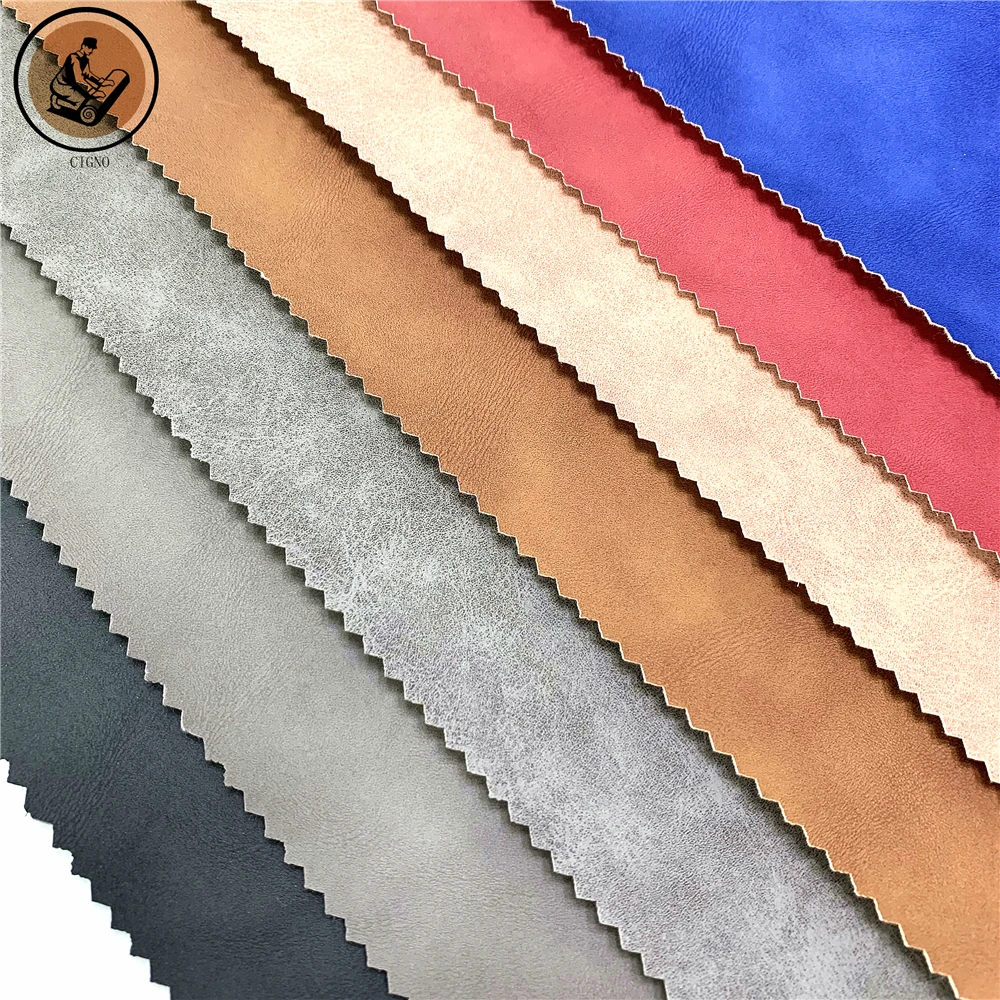
Free Samples of Embossed PU Synthetic Leather Bags Shoes Sofa Furniture Garments Car Decorative Uses-Waterproof Stretch Features
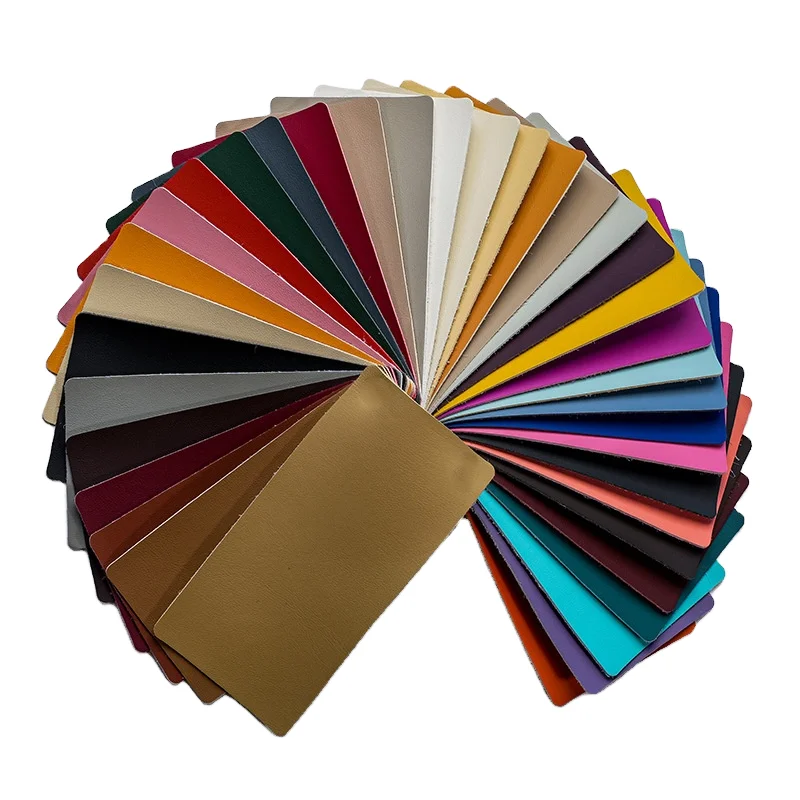
Pvc Vinyl Leather Rexine Leather Faux for Cars/Motorcycles, Waterproof Embossed Recycling Leatherette for Automotive Leather
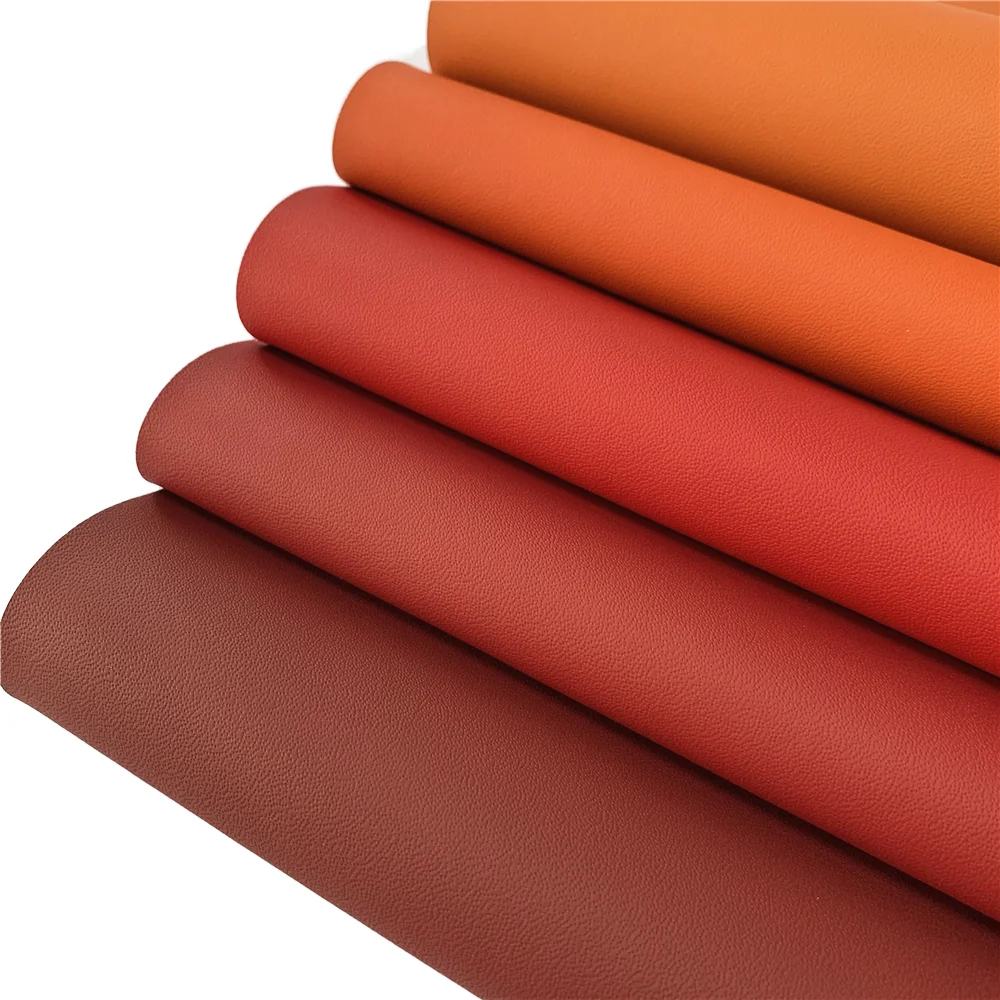
Hydrolysis Resistant Waterproof PU Microfiber Suede Leather Fabric Furniture Car Seat Covers Automotive Upholstery Bags Sofas
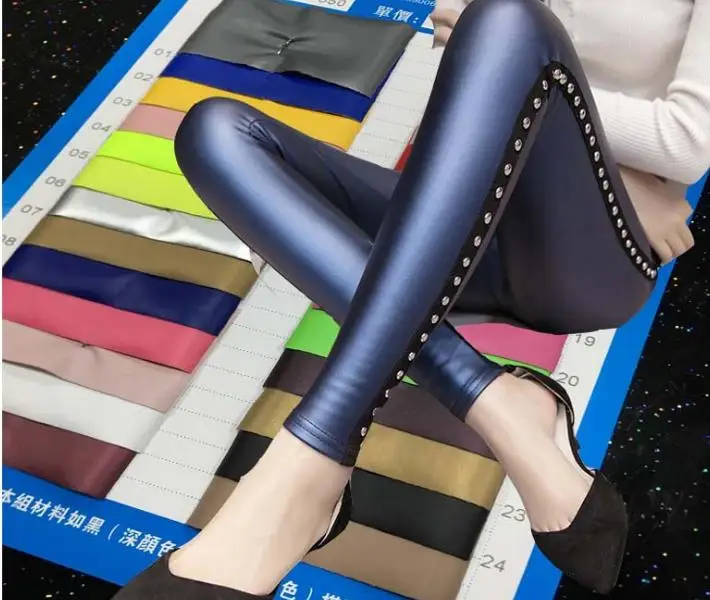
Ultra-Bright Black Mirror Four-Sided Stretch PU Fabric Pants Dresses Solid Color Soft Waterproof Clothing Elastic Finished
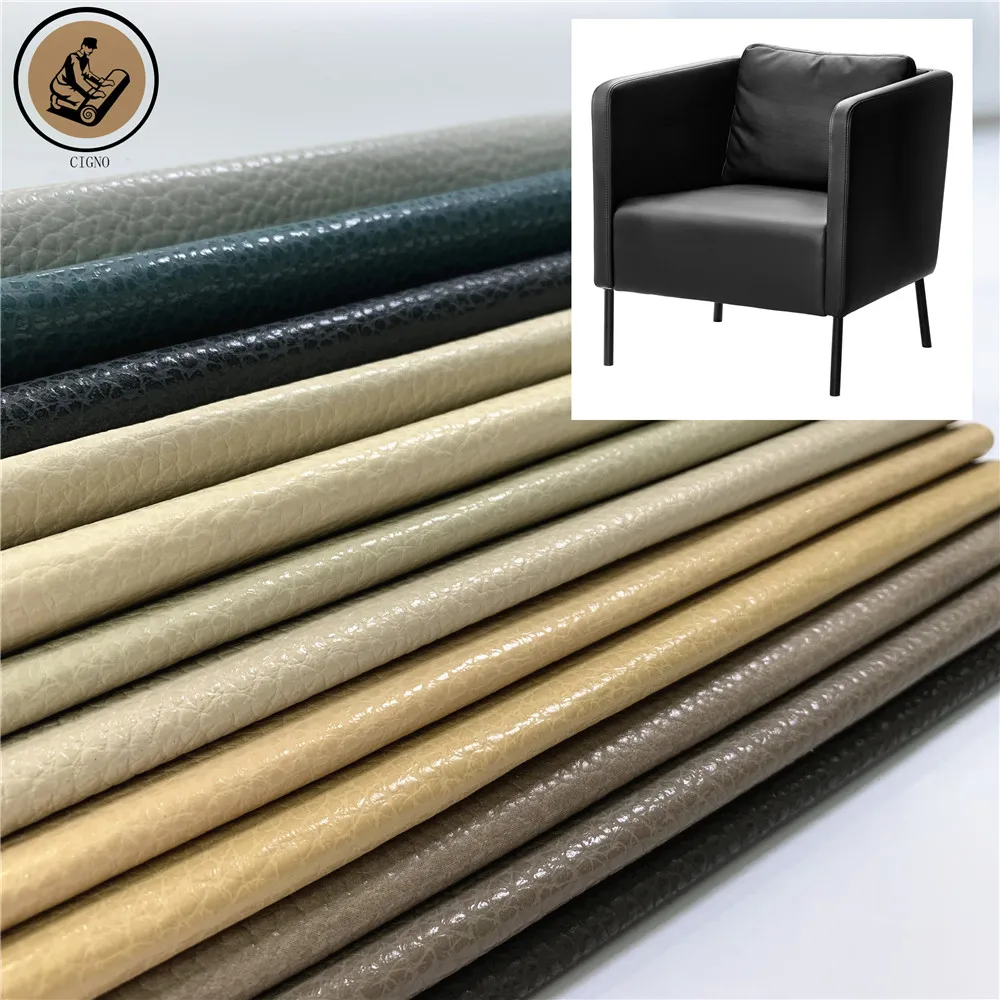
Litchi Lychee Grain 1.2mm PU Microfiber Leather Eco-Friendly Synthetic Leather Sofa Car Seat Handbags-Pearly-Lustre Recycled
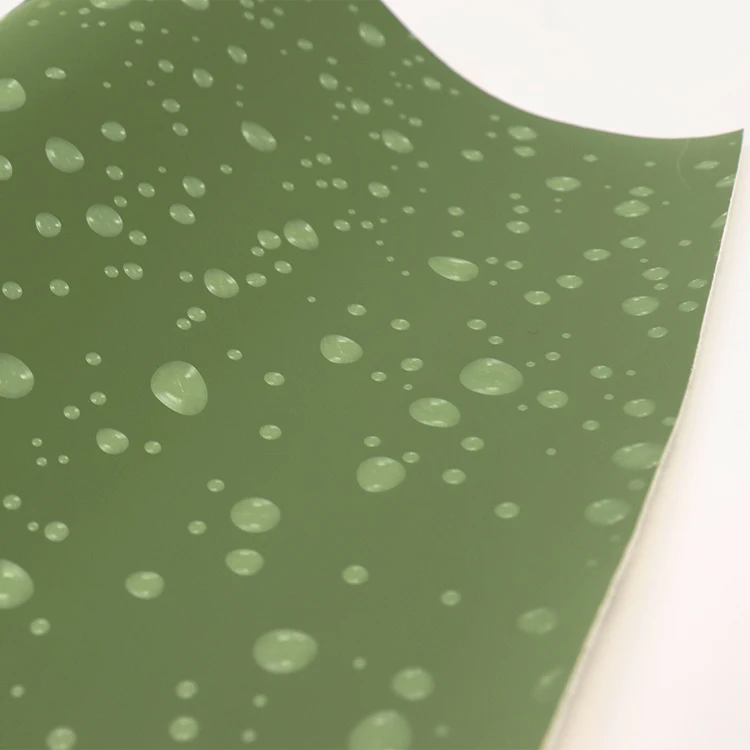
Custom Designer Faux Leather Fabric PVC Synthetic Leather Waterproof Sofa Bag Furniture Chair Woven Backing-Price Per Meter
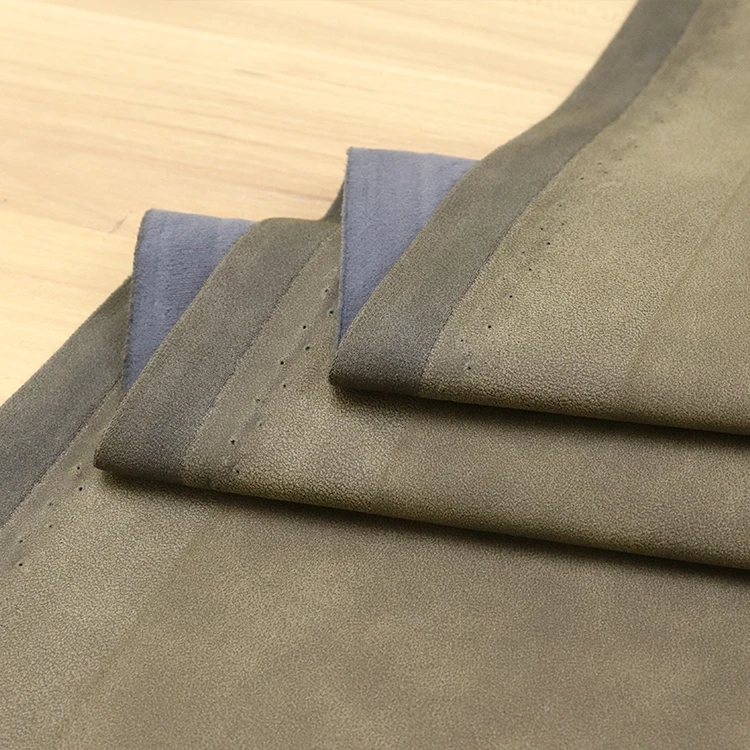
PU Suede Leather Nubuck Artificial Leather Materi for Shoe Make
How do I protect my designs when developing custom eco leather with a supplier?
Protect your designs when developing custom eco leather by documenting ownership, permitted use, confidentiality, approved specifications, and restrictions on resale or reuse in a written agreement before sharing detailed files. Keep dated records of designs and approvals, identify what information is confidential, and confirm who owns custom-developed colors, grains, and other specifications. These steps help clarify expectations with the supplier; the supplied company information does not state specific intellectual-property terms.
Core Solutions & Key Takeaways
- Record the design elements you are sharing, including color, embossed grain, thickness, backing fabric, and functional requirements.
- Agree in writing on confidentiality, ownership of custom work, permitted production and use, and whether the supplier may reuse or disclose the design.
- Keep dated copies of design files, sample approvals, specifications, and change requests throughout development.
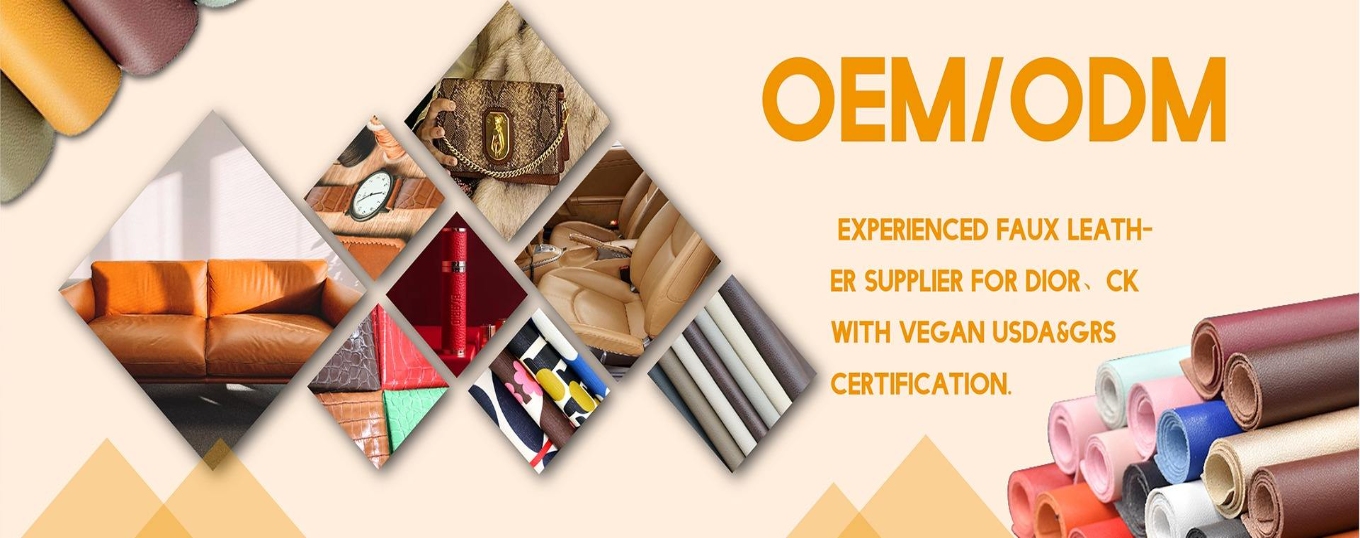
- For furniture upholstery, the available materials include PVC, PU, microfiber, recycled, and solvent-free leather, with customization available for colors, grains, thicknesses, backing fabrics, and functional treatments.
Detailed Architectural/Principle Analysis
Before sending production-ready artwork or specifications, separate general product requirements from the design details that distinguish your product. Label confidential files and make a record of the version and date shared. These are practical documentation steps; the provided supplier information does not confirm that it offers a nondisclosure agreement or define its intellectual-property policy.
Put the key development terms in a written agreement or order documentation. Specify which party owns customer-provided designs and any custom-developed elements, who may access the files, what production use is permitted, and whether the supplier may retain samples or reproduce the design for other customers. Ask the supplier to confirm these terms before sampling or production.
Use an approval trail for each stage: initial specifications, color and grain samples, revisions, final sample approval, and production confirmation. The product information describes checks for raw materials, color matching, production processes, laboratory results, finished goods, and pre-shipment inspection. It also lists checks such as thickness, width, color consistency, surface appearance, abrasion resistance, tensile strength, peeling strength, scratch resistance, and flame-retardant performance according to customer requirements.
The company lists GRS, USDA, and Oeko-Tex 100 certifications for synthetic leather. These credentials relate to the products and do not, by themselves, establish ownership or confidentiality terms for a customer’s design.
A documented automotive upholstery project provides an example of custom development: a manufacturer in Mexico ordered synthetic leather for seats, door panels, headrests, and armrests, with customization for color, grain, thickness, and backing. The stated requirements included abrasion and UV resistance, flame retardancy, low odor, and easy cleaning. The customer reported consistent color, clear grain, and delivery that met its requirements. This case demonstrates specification-based development, not a stated intellectual-property protection policy.
Data/Solution Comparison
| Design-development area | What to document | Information provided for this product |
|---|---|---|
| Design ownership and confidentiality | Identify ownership, access limits, permitted use, and reuse restrictions in writing. | Specific intellectual-property terms are not stated. |
| Customization scope | Record color, embossed grain, thickness, backing fabric, and functional treatments. | These customization options are available. |
| Sampling and approvals | Retain dated specifications, sample feedback, revisions, and final approval. | Color matching confirmation and product inspections are listed. |
| Order planning | Confirm the order quantity and delivery schedule in the order documents. | MOQ is 1,000 meters per color; delivery is 15–30 days after order confirmation. |
Frequently Asked Questions (FAQ)
Does the supplier information guarantee that my custom design will remain exclusive?
No exclusivity or design-ownership guarantee is stated in the provided information. Ask for written terms covering ownership, confidentiality, permitted use, and reuse before disclosing detailed designs.
Which design details should I specify for custom furniture leather?
Specify the color, embossed grain, thickness, backing fabric, and required functional treatments. The listed product range supports thicknesses of 0.7–1.4 mm and a width of 54/55 inches.
How can I keep a clear record of design approvals?
Keep dated copies of each specification, sample review, revision, and final approval, and identify the approved version in the order documentation. The product quality process includes color matching confirmation and pre-shipment inspection.
Final Conclusion & Recommendations
Before custom eco leather development begins, define design ownership, confidentiality, production permissions, and reuse restrictions in writing, then preserve a dated approval trail from specification through shipment. The supplier lists OEM/ODM and customized production services, a 100-meter MOQ for its general business model, and 1,000 meters per color for this furniture product; confirm the applicable terms for your order. For technical support, contact vicky@bozeleather.com.
About Us
Dongguan Cigno Leather Co., Ltd. is a Dongguan-based manufacturer established in 2007, specializing in faux leather for applications including furniture, automotive interiors, apparel, handbags, and footwear. Its R&D work includes eco-friendly and multifunctional synthetic leather materials, with customized colors, textures, thicknesses, and functional performance available according to customer requirements. The company lists GRS and Oeko-Tex 100 certifications for synthetic leather and has provided customized materials for an automotive interior manufacturer.

SUBSCRIBE
INQUIRY