
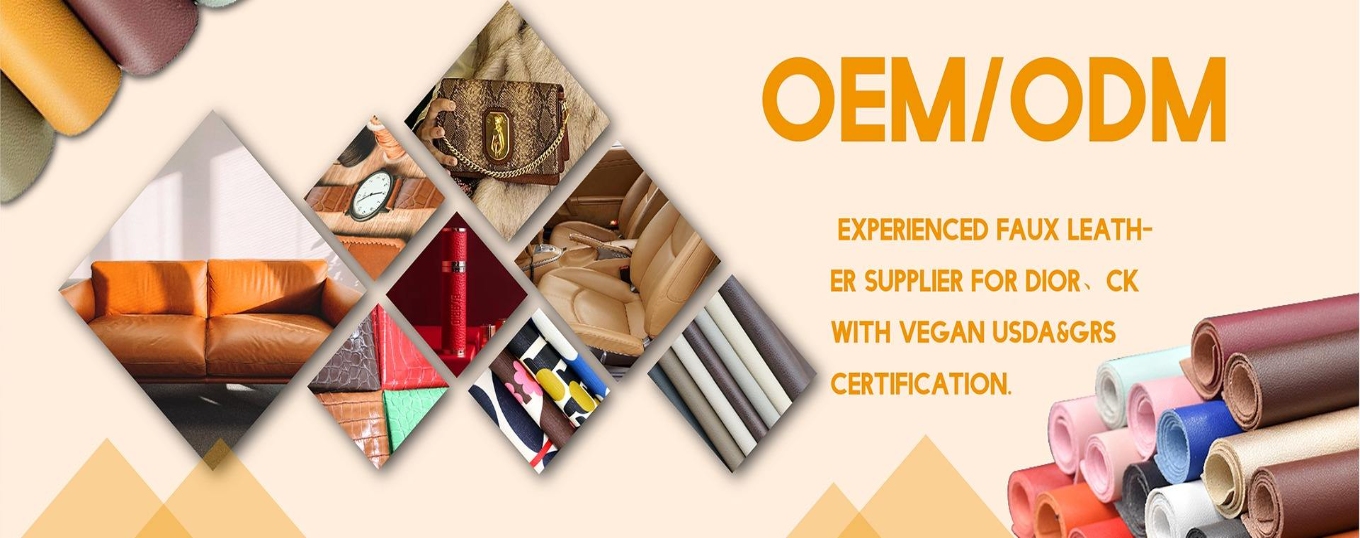
PRODUCTS
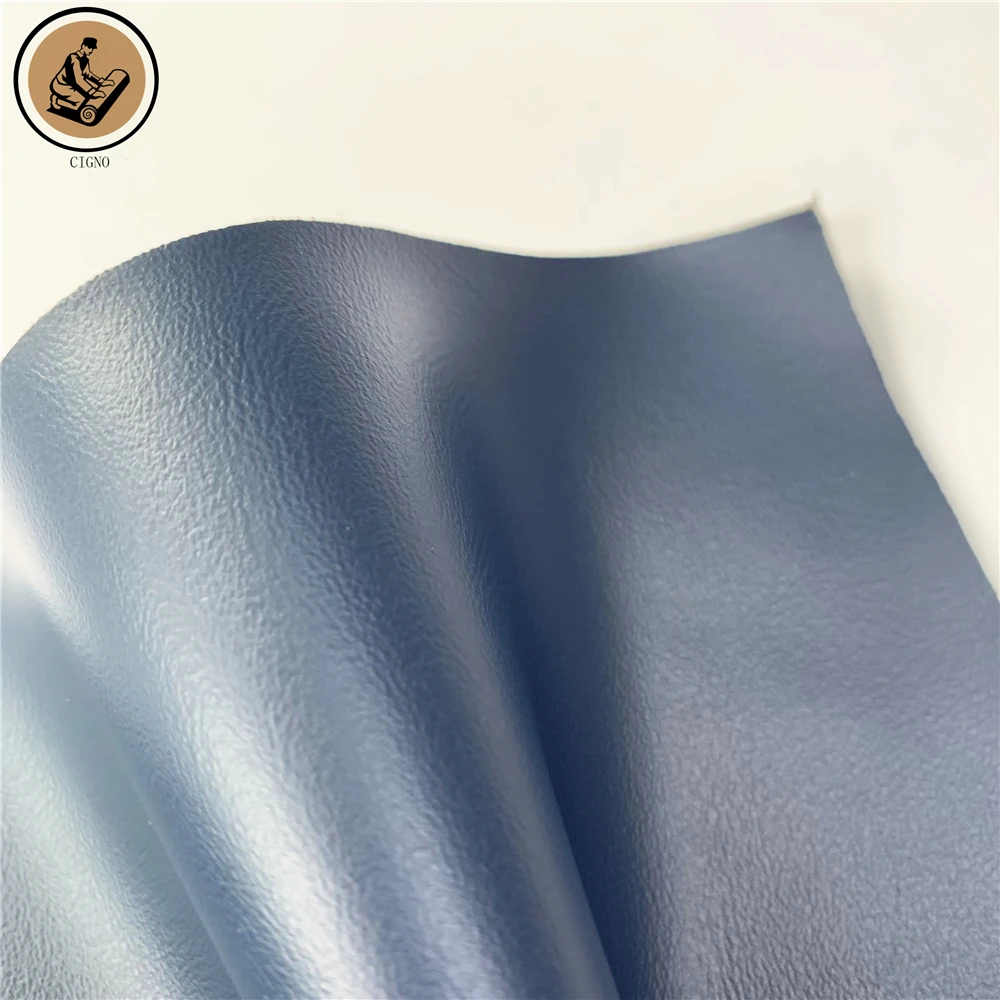
High Quality Eco-Friendly 1.2mm PU Synthetic Leather Furniture Upholstery Solvent-Free Skin-Feel for Sofa Car Seat Chair Bag Use
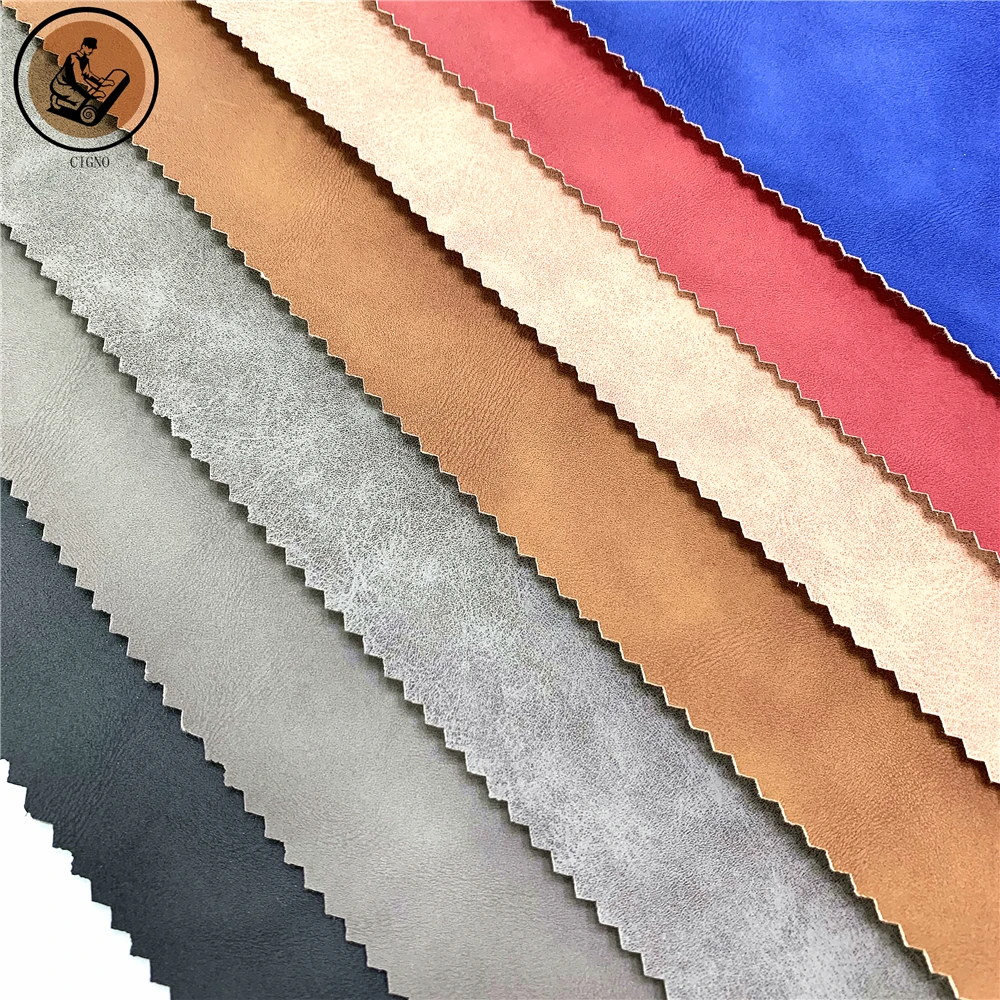
Free Samples of Embossed PU Synthetic Leather Bags Shoes Sofa Furniture Garments Car Decorative Uses-Waterproof Stretch Features
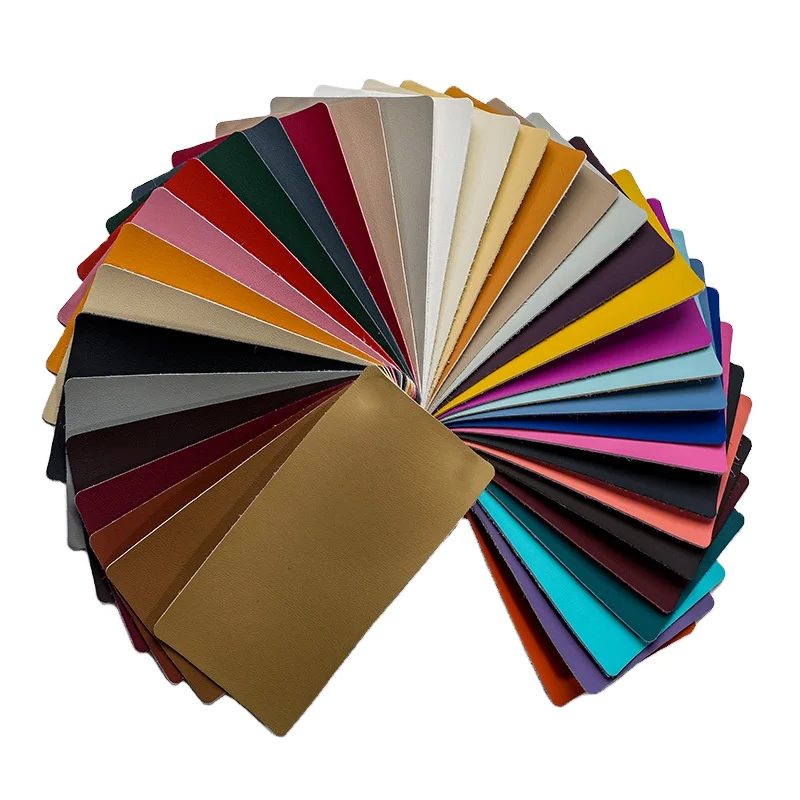
Pvc Vinyl Leather Rexine Leather Faux for Cars/Motorcycles, Waterproof Embossed Recycling Leatherette for Automotive Leather
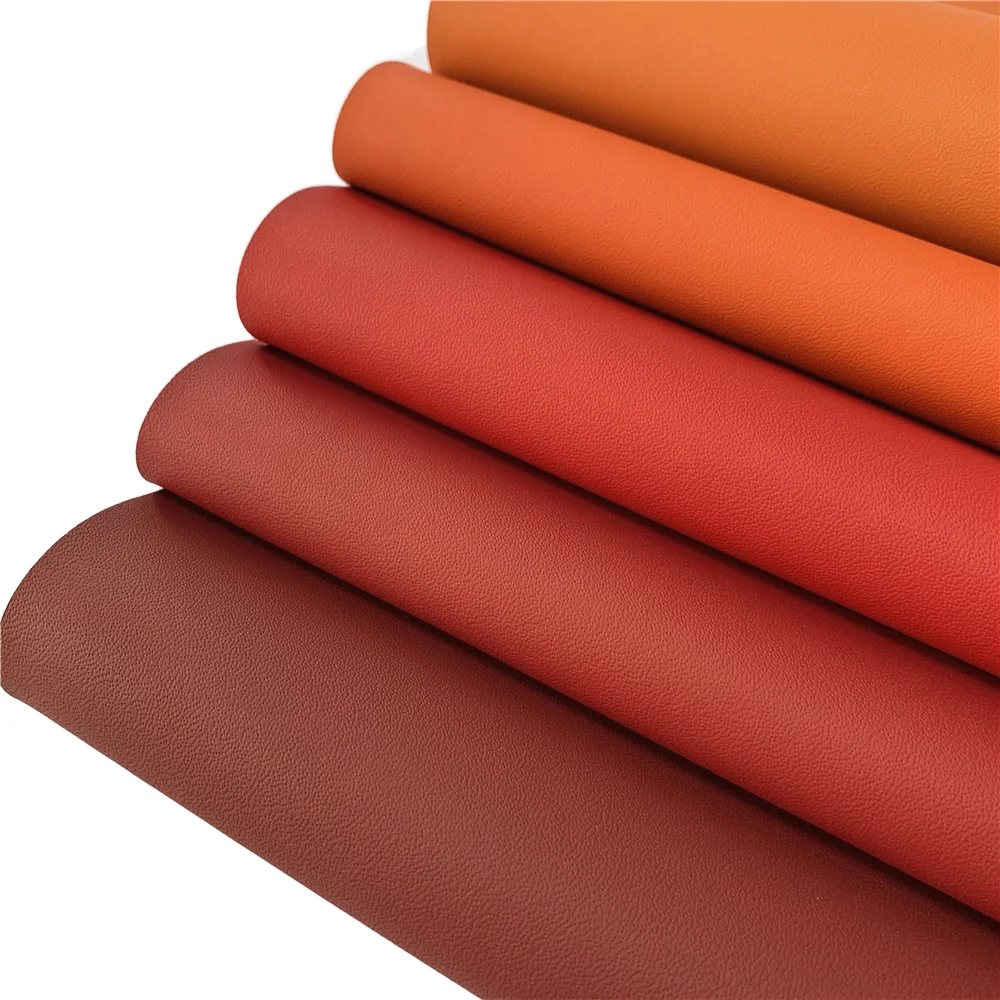
Hydrolysis Resistant Waterproof PU Microfiber Suede Leather Fabric Furniture Car Seat Covers Automotive Upholstery Bags Sofas
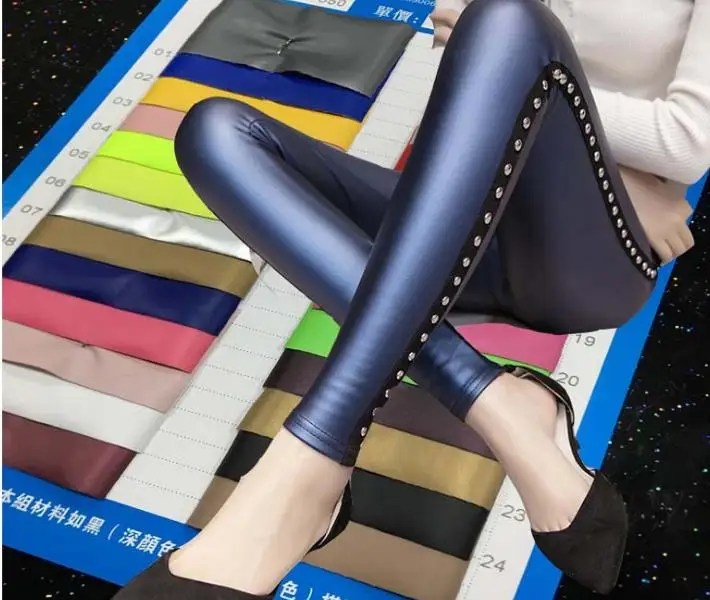
Ultra-Bright Black Mirror Four-Sided Stretch PU Fabric Pants Dresses Solid Color Soft Waterproof Clothing Elastic Finished
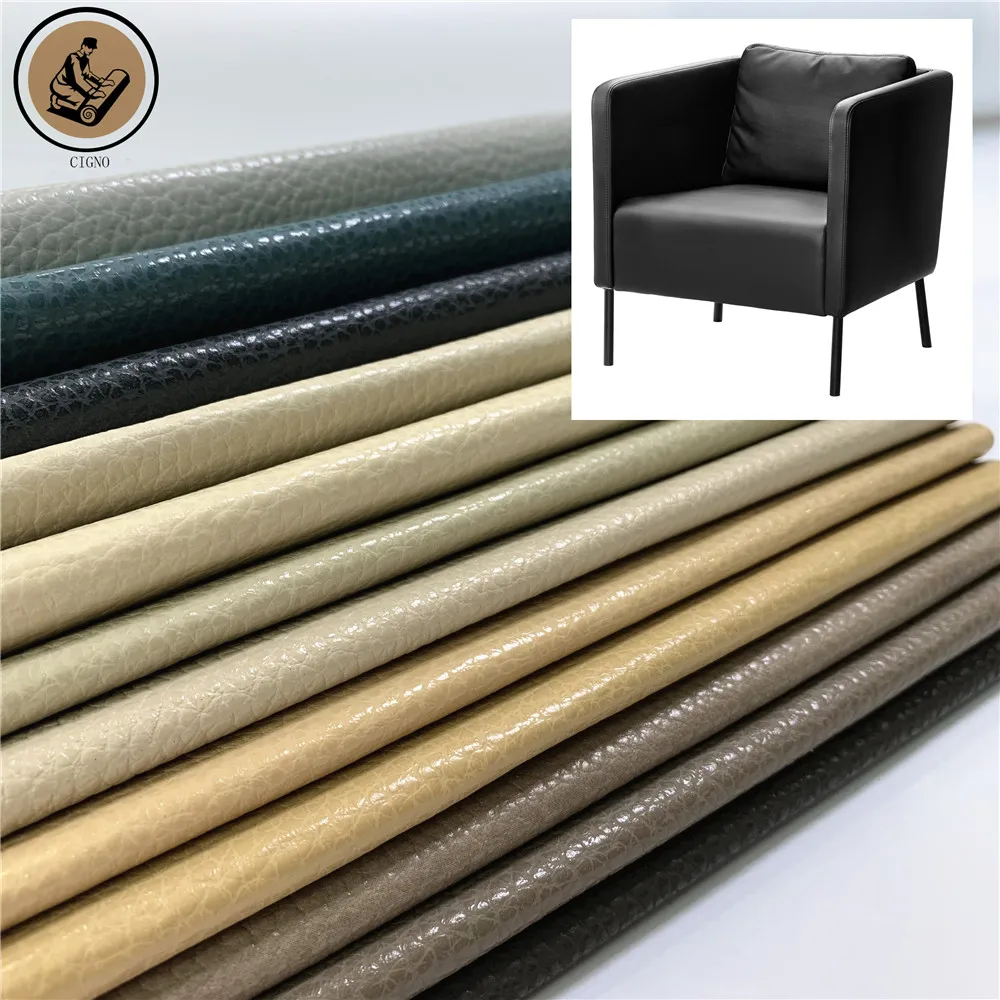
Litchi Lychee Grain 1.2mm PU Microfiber Leather Eco-Friendly Synthetic Leather Sofa Car Seat Handbags-Pearly-Lustre Recycled
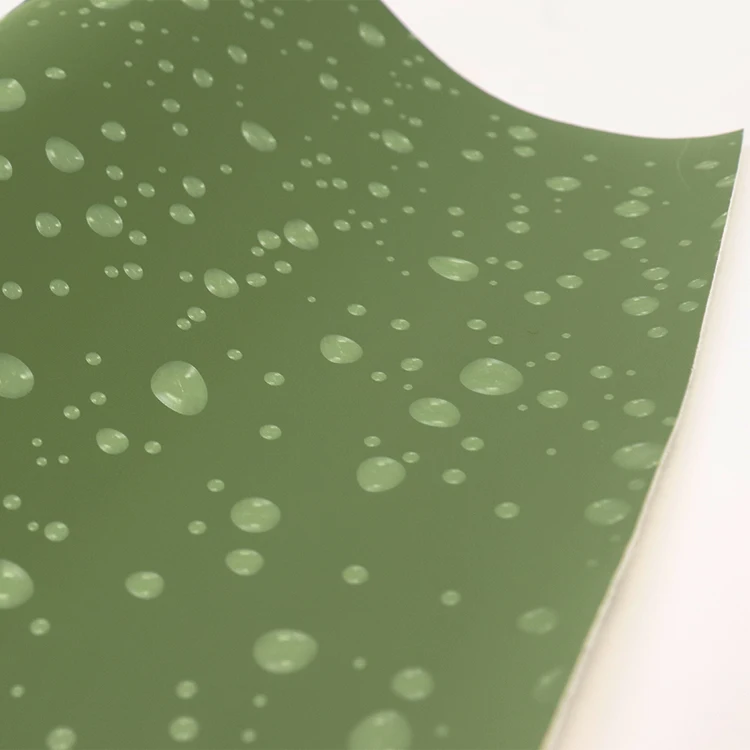
Custom Designer Faux Leather Fabric PVC Synthetic Leather Waterproof Sofa Bag Furniture Chair Woven Backing-Price Per Meter
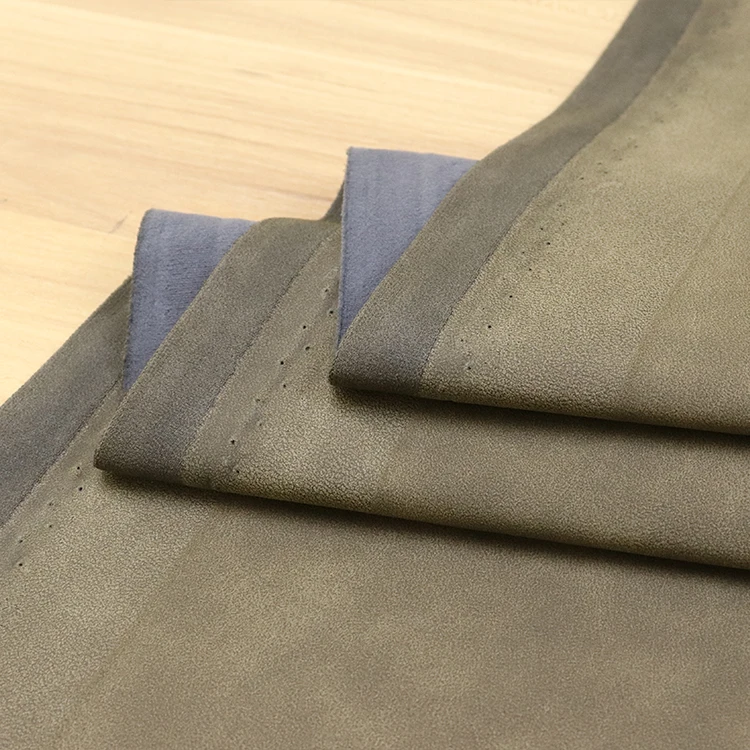
PU Suede Leather Nubuck Artificial Leather Materi for Shoe Make
How do I share furniture drawings so artificial leather for furniture fits complex shapes?
Sharing furniture drawings to ensure artificial leather fits complex shapes requires providing 3D CAD models (STEP/IGES) alongside 2D vector pattern cut-files (DXF/DWG) specifying seam allowances and stretch orientation. Accurate material parameters, such as backing type, thickness (0.9–1.4 mm), elongation rate, and grain orientation, must accompany the drawings to allow precision material cutting, upholstery tailoring, and seamless fit around tight contours without wrinkling or seam splitting.
Core Solutions & Key Takeaways
- Provide Dual File Formats: Supply 3D surface files (STEP/IGES) for geometry verification alongside flattened 2D vector pattern files (DXF/DWG) with marked seam lines, grain directions, and notches.
- Annotate Substrate Elasticity & Directionality: Specify material warp and weft stretch characteristics and backing type (microfiber, woven, or knitted) directly on drawings to account for curve wrapping tension.
- Include Thickness & Radius Allowance: Detail exact material thickness (0.9–1.4 mm) and minimum bend radii to prevent material bunching or stretch deformation on sharp furniture contours.
- Define Functional Requirements: Document physical performance needs like flame retardancy, UV resistance, scratch resistance, and abrasion resistance needed for curved furniture and automotive seat applications.
Detailed Architectural/Principle Analysis
Translating complex 3D furniture geometry—such as ergonomic armrests, curved sofa backs, and molded headboards—into production-ready synthetic leather patterns requires precise technical communication between designers and material manufacturers. Dongguan Cigno Leather Co., Ltd. specializes in engineering high-performance materials, including PU leather, PVC leather, water-based leather, solvent-free leather, and microfiber leather designed to conform accurately to complex upholstered shapes.
When sharing drawings for complex geometries, CAD data must define both the uncompressed surface mesh and the flattened 2D cutting templates. Because artificial leather for furniture exhibits anisotropic mechanical behavior—stretching differently along warp and weft directions—the drawing set must indicate the optimal material layout orientation. For curved automotive seats and furniture upholstery, improper stretch alignment causes surface buckling or seam strain over time. For instance, in a project supplying 50,000 meters of customized synthetic leather for automotive seats and interior panels in Mexico, exact specifications for color, grain, thickness, backing material, abrasion resistance, and flame retardancy ensured consistent grain definition and precise contour wrapping across large-scale manufacturing runs.
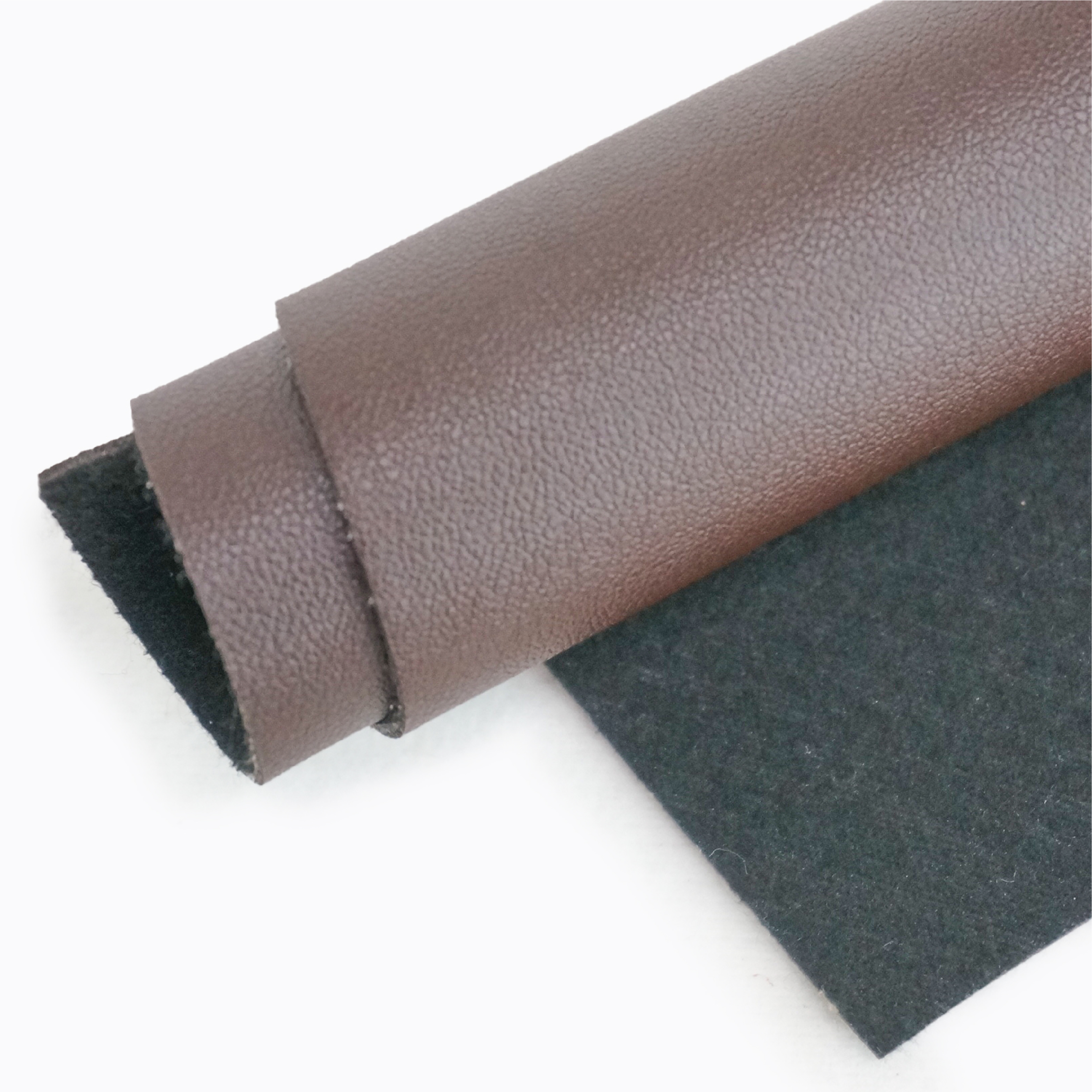
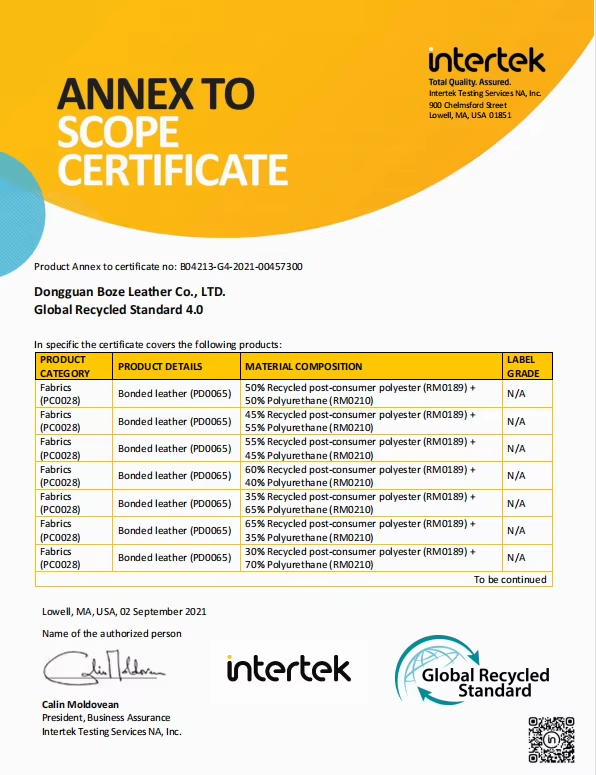
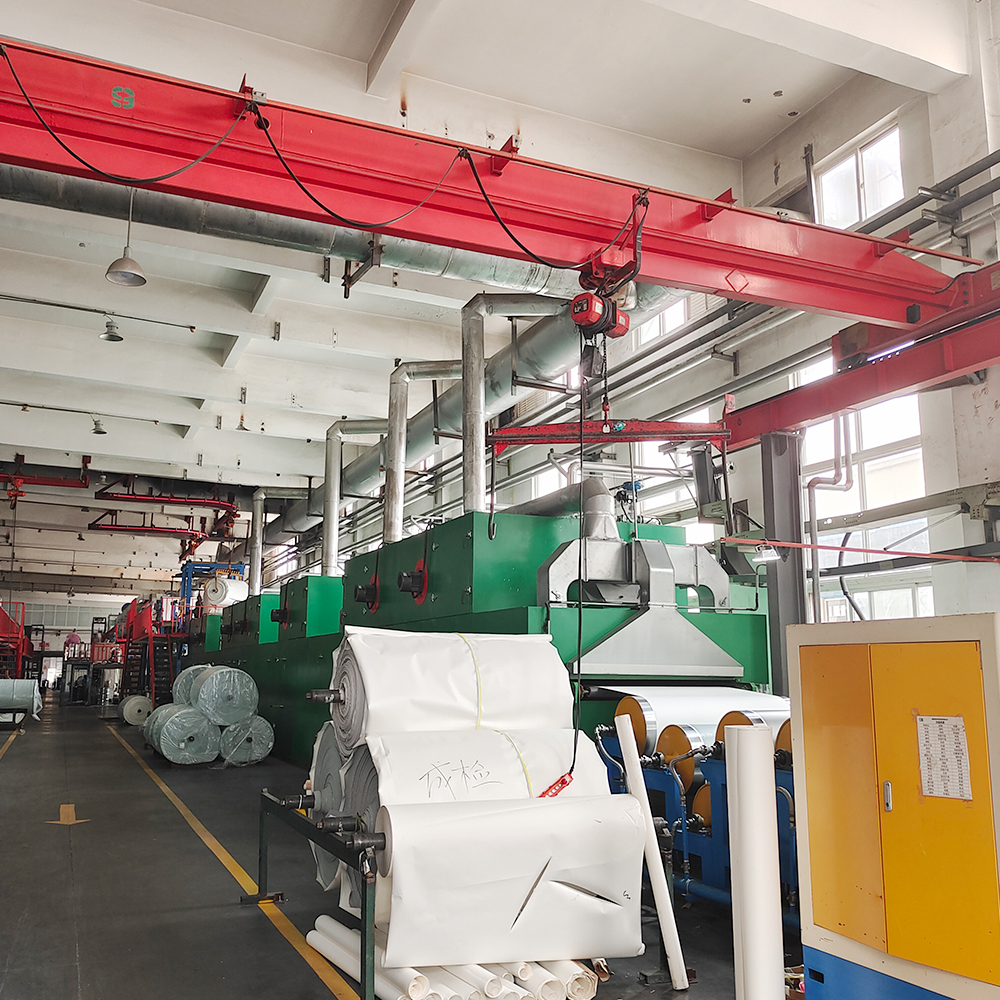
Quality manufacturing systems operating under ISO 9001 quality management standards conduct raw material inspection, color matching confirmation, laboratory testing, and finished product inspection. Using certified materials meeting standards like GRS (Certificate B04213-G4), USDA (Certificate 521076632086130490), and Oeko-Tex 100 (Certificate SH015 120749) guarantees that synthetic leather maintains structural integrity, color consistency, tensile strength, and peeling strength when stretched over complex structural foam molds.
Data/Solution Comparison
Different drawing preparation methods and synthetic leather material selections directly impact upholstery fit and production efficiency for complex shapes:
| Drawing Specification / Material Option | 2D DXF Patterns Only | 3D CAD (STEP) + 2D Cut Files | Custom Microfiber / Solvent-Free PU Option |
|---|---|---|---|
| Contour Fit Accuracy | Moderate (Requires manual fitting adjustments) | High (Direct mapping to 3D foam geometry) | Superior (High elasticity & shape retention) |
| Thickness Range | Standard (0.8–1.0 mm) | Engineered (0.9–1.4 mm specified) | Customizable (0.9–1.4 mm with fine nappa texture) |
| Stretch & Alignment Control | Unspecified warp/weft limits | Annotated stretch orientation & grain vectors | Controlled directional elongation for complex curves |
| Key Physical Properties | Basic surface finish | Includes seam & radius tolerances | UV resistance, flame retardant, scratch resistant |
Frequently Asked Questions (FAQ)
What file formats are best for sending furniture drawings to artificial leather suppliers?
Send 3D surface files in STEP or IGES format along with 2D vector pattern cut-files in DXF or DWG format. PDF engineering drawings with dimensions, seam allowances, and grain direction notes should also be included for reference.
How does material thickness affect leather fit around tight furniture curves?
Synthetic leather thickness typically ranges from 0.9 mm to 1.4 mm. Thicker materials require larger corner radii to prevent edge bunching, whereas thinner or microfiber-backed materials offer higher flexibility for intricate tufting and tight radius wraps.
Can custom colors, textures, and functional properties be matched to technical drawings?
Yes. Custom colors, nappa textures, perforation patterns, and functional features—including flame retardancy, UV resistance, stain resistance, and anti-bacterial properties—can be engineered to align with drawing specifications and sample approvals.
Final Conclusion & Recommendations
Accurate furniture drawing handoffs require combining detailed 3D geometric models with 2D pattern data and clear material physical specifications. Matching drawing requirements to certified synthetic leather—backed by ISO 9001 quality inspections and global certifications such as GRS, USDA, and Oeko-Tex 100—ensures precise fit, minimal material waste, and high durability across furniture and automotive applications. For detailed technical solutions or support, please reach out to us via vicky@bozeleather.com.
About Us
Dongguan Cigno Leather Co., Ltd. is a manufacturer specializing in eco-friendly and multifunctional synthetic leather materials. Established in 2007, the company operates a 100,000 sqm factory area with a monthly production capacity of 6,000,000 meters and employs 50 personnel. Our products comply with international standards including GRS, USDA, and Oeko-Tex 100 certifications, and our company has served clients across multiple industries worldwide.

SUBSCRIBE
INQUIRY