
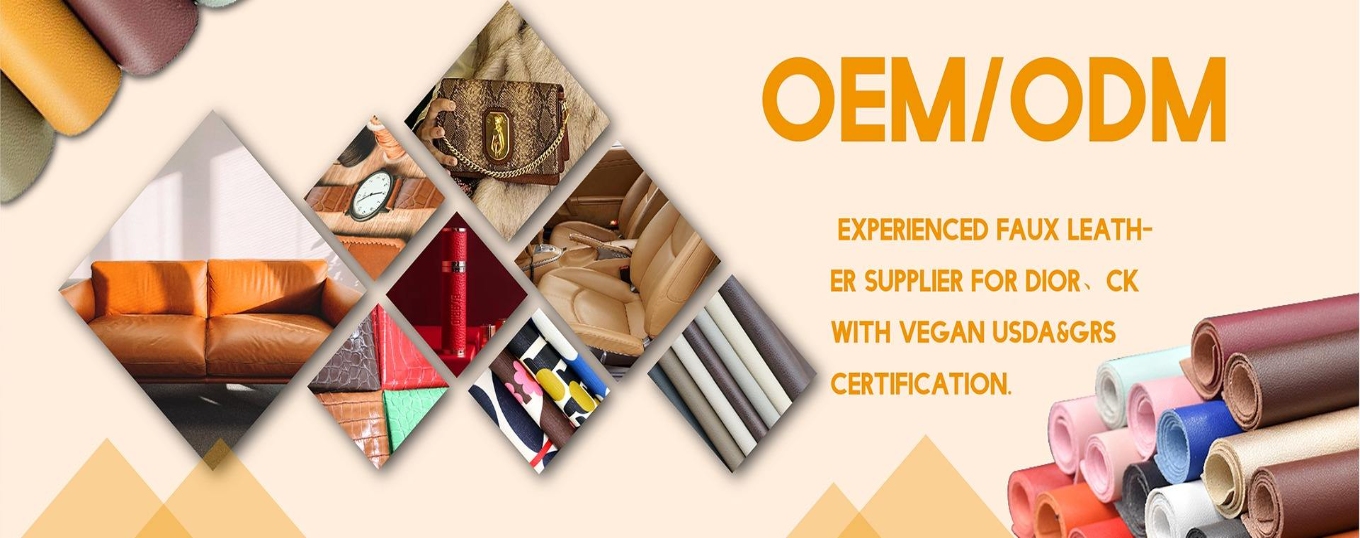
PRODUCTS
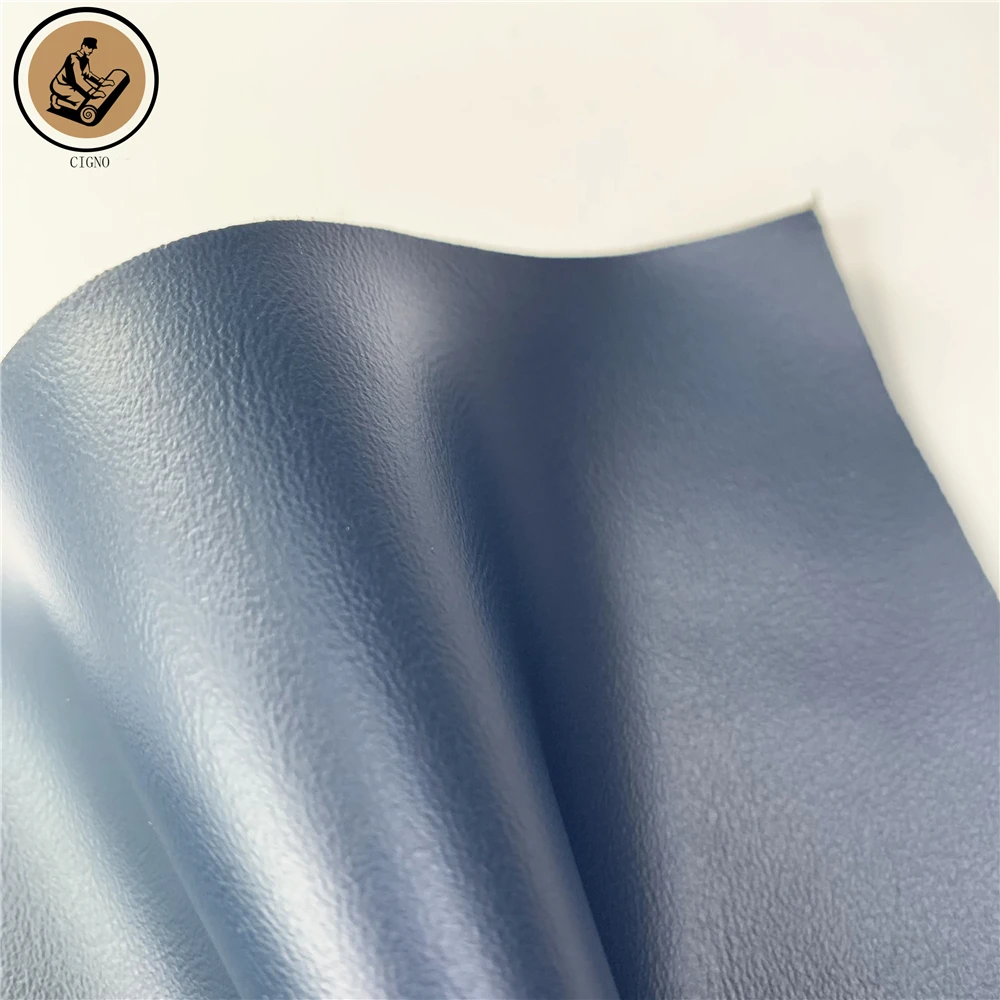
High Quality Eco-Friendly 1.2mm PU Synthetic Leather Furniture Upholstery Solvent-Free Skin-Feel for Sofa Car Seat Chair Bag Use
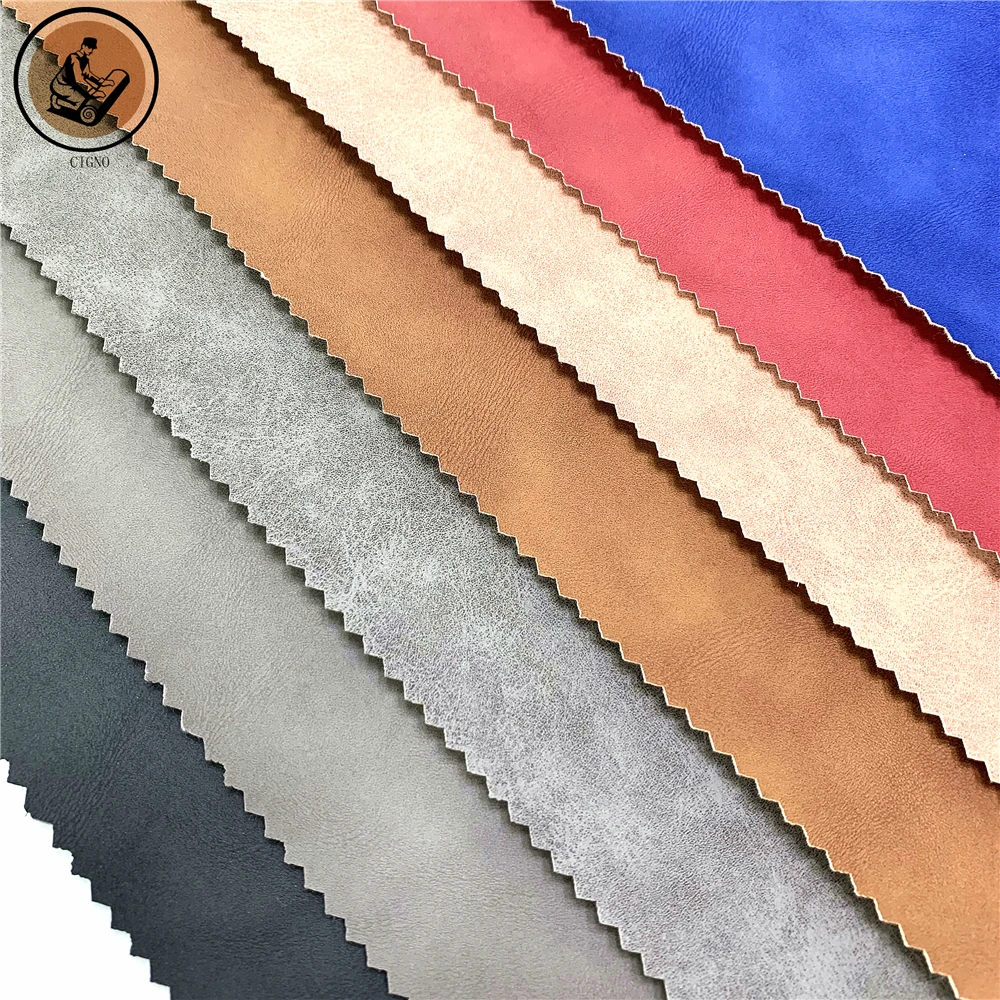
Free Samples of Embossed PU Synthetic Leather Bags Shoes Sofa Furniture Garments Car Decorative Uses-Waterproof Stretch Features
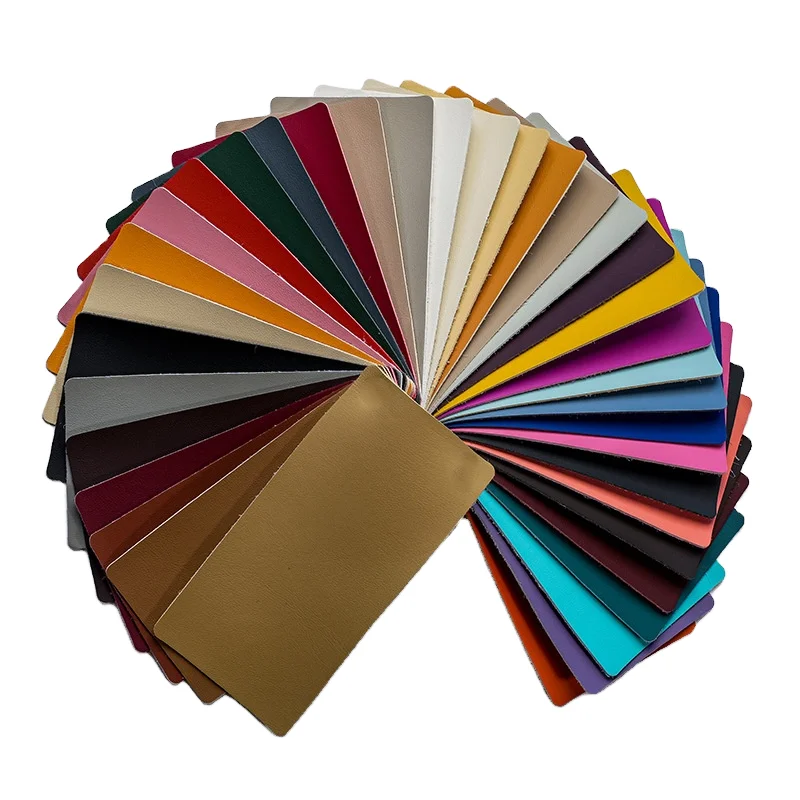
Pvc Vinyl Leather Rexine Leather Faux for Cars/Motorcycles, Waterproof Embossed Recycling Leatherette for Automotive Leather
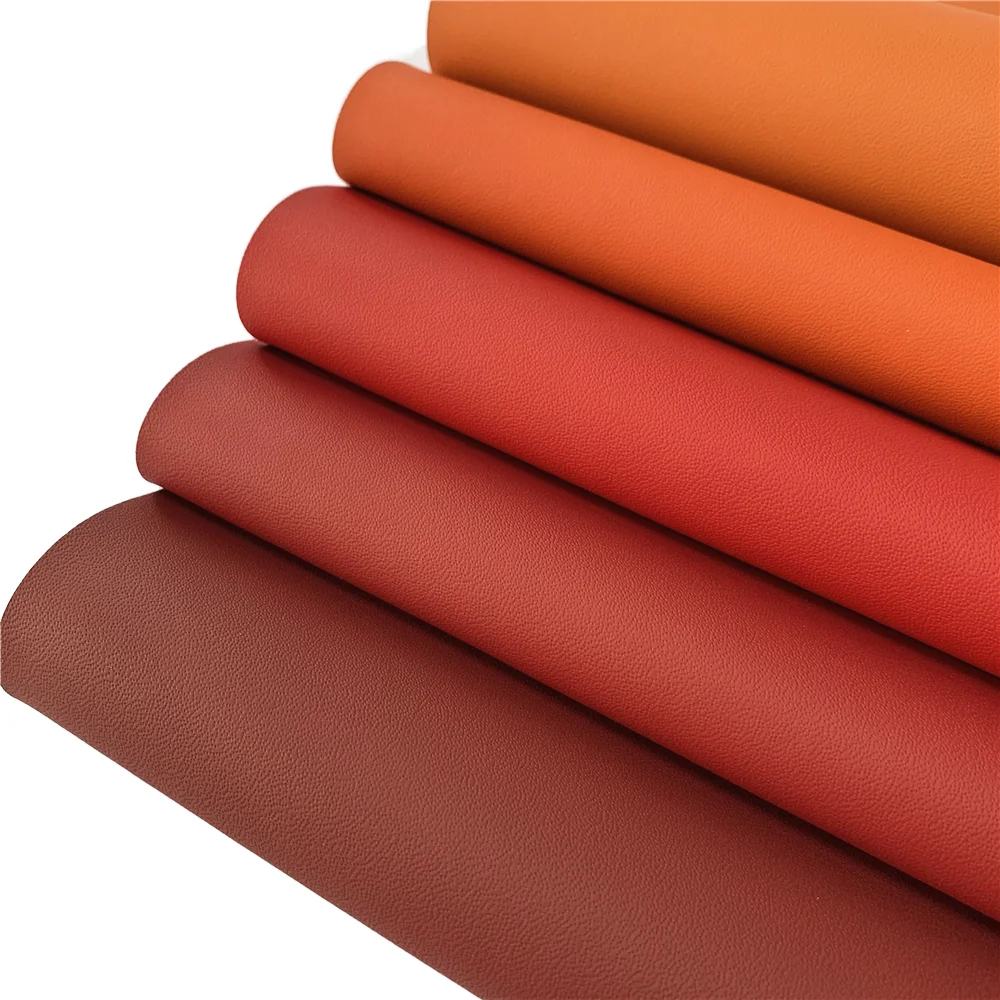
Hydrolysis Resistant Waterproof PU Microfiber Suede Leather Fabric Furniture Car Seat Covers Automotive Upholstery Bags Sofas
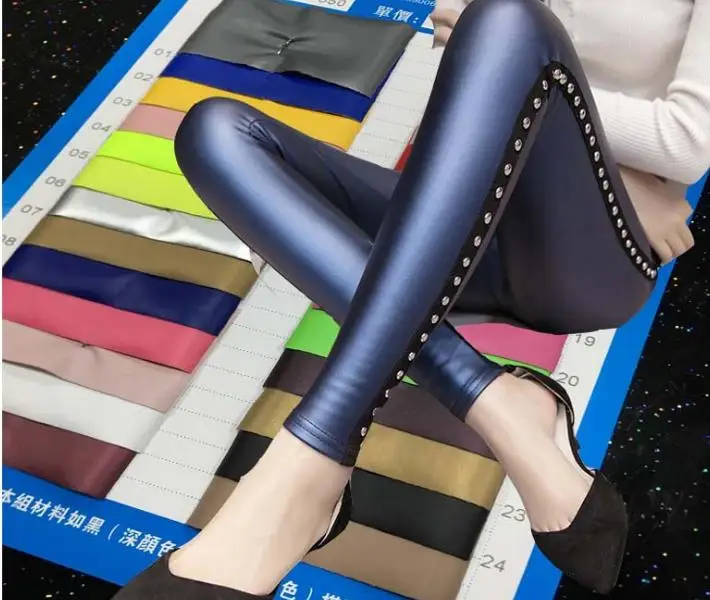
Ultra-Bright Black Mirror Four-Sided Stretch PU Fabric Pants Dresses Solid Color Soft Waterproof Clothing Elastic Finished
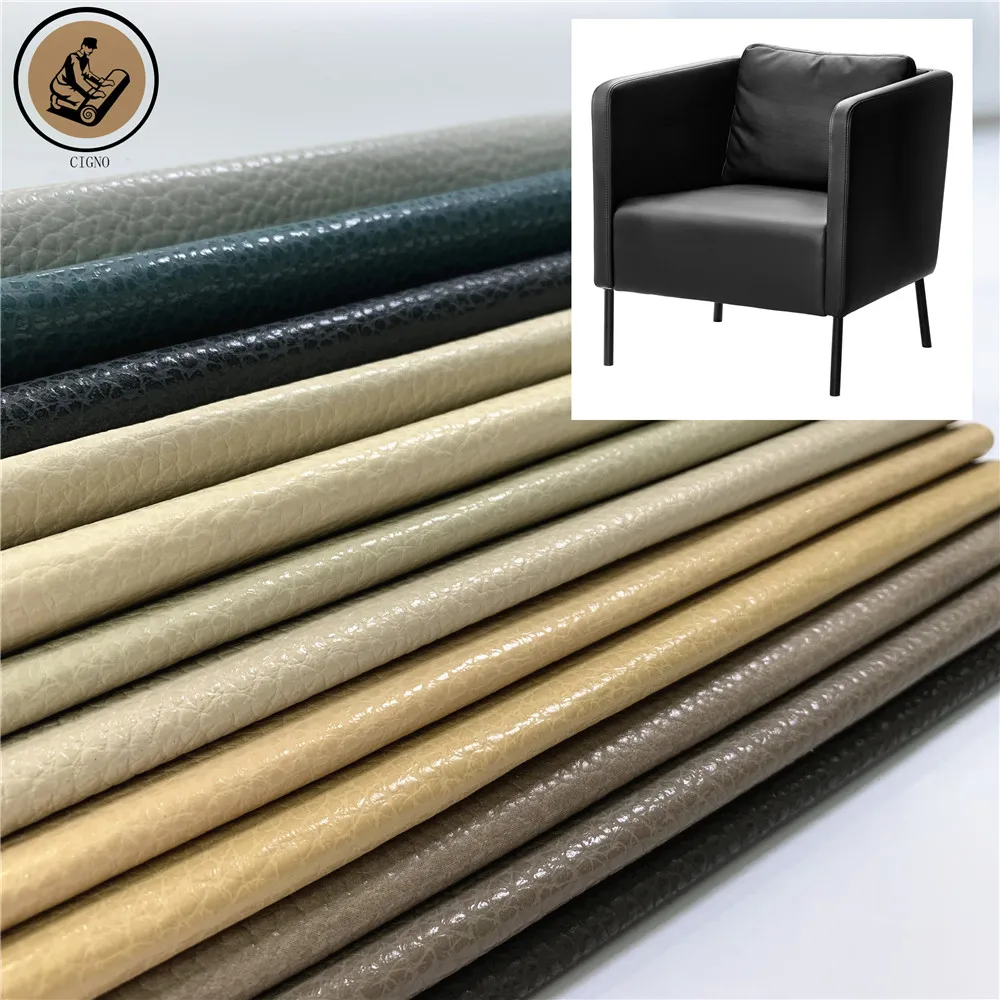
Litchi Lychee Grain 1.2mm PU Microfiber Leather Eco-Friendly Synthetic Leather Sofa Car Seat Handbags-Pearly-Lustre Recycled
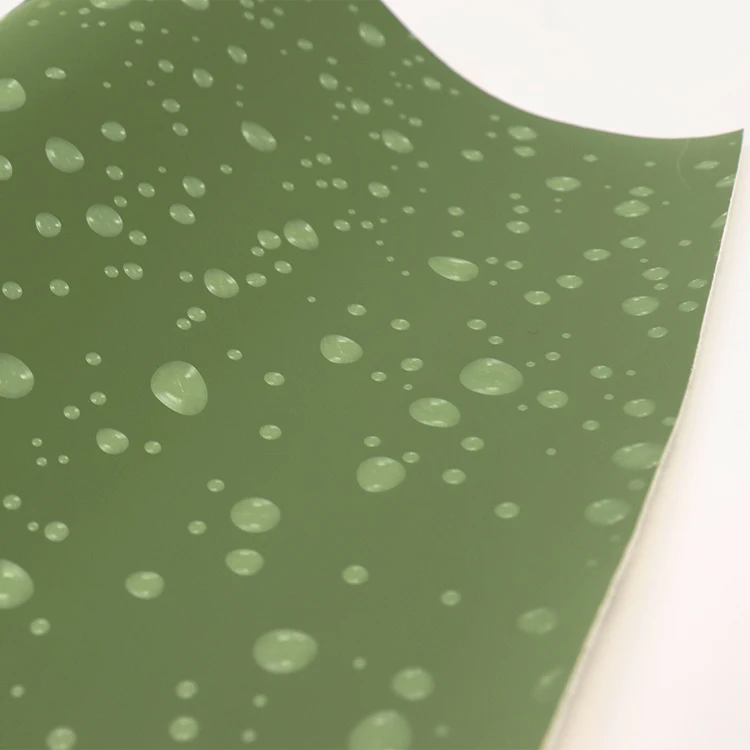
Custom Designer Faux Leather Fabric PVC Synthetic Leather Waterproof Sofa Bag Furniture Chair Woven Backing-Price Per Meter
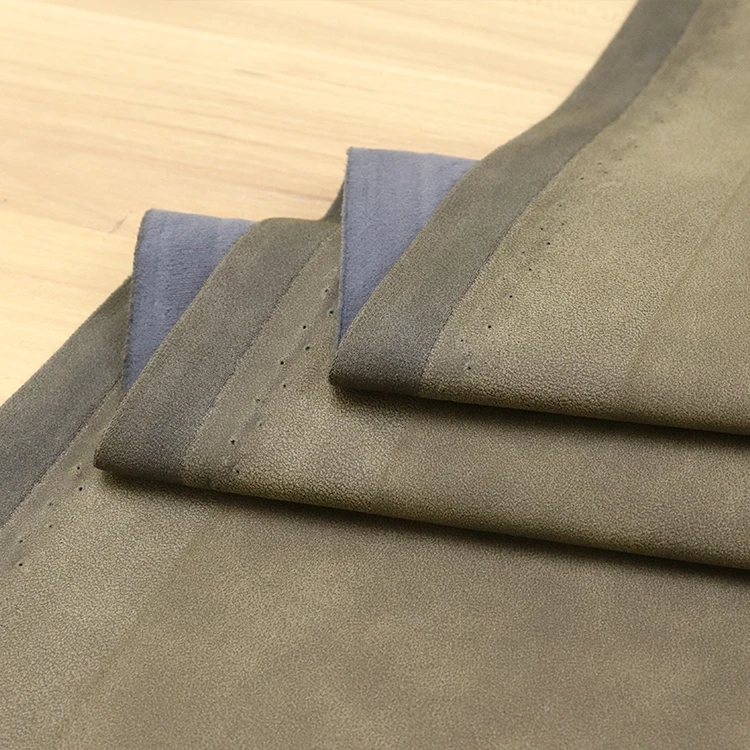
PU Suede Leather Nubuck Artificial Leather Materi for Shoe Make
How do I test car seat covers leather samples for stitching, stretching, and installation fit?
Test car seat cover leather samples by checking stitch consistency, seam strength, stretch recovery, surface stability, and installation fit against the approved specifications. Inspect stitching after assembly, apply controlled manual tension to seams and panels, verify dimensions and contour alignment on the seat, then assess abrasion, scratch, UV, flame-retardant, low-odor, and easy-clean requirements where specified.
Core Solutions & Key Takeaways
- Inspect stitch spacing, seam alignment, thread security, edge finishing, and visible puckering before stretching the sample.
- Evaluate stretching by applying consistent tension to seams, panels, and attachment areas, then check for permanent deformation, grain distortion, cracking, or color change.
- Install the cover on the intended automotive seat structure and verify alignment around seats, door panels, headrests, and armrests.
- Record results against customer requirements for abrasion resistance, scratch resistance, UV resistance, flame retardancy, waterproofing, stain resistance, low odor, and easy-clean performance.
Detailed Architectural/Principle Analysis
Stitching inspection should cover the complete sewn sample. Check whether stitch lines follow the designed contour, whether seams remain closed under handling, and whether the backing fabric or surface layer shows damage near the needle holes. Inspect corners, curves, joining points, and attachment areas because these locations directly affect installation fit and appearance.
Stretch testing should compare the sample before and after controlled tension is applied. Examine the leather surface for grain spreading, wrinkles, cracking, delamination, excessive elongation, and incomplete recovery. The test should use the same direction and handling conditions for each sample so that different colors, grains, thicknesses, and backing fabrics can be compared consistently.
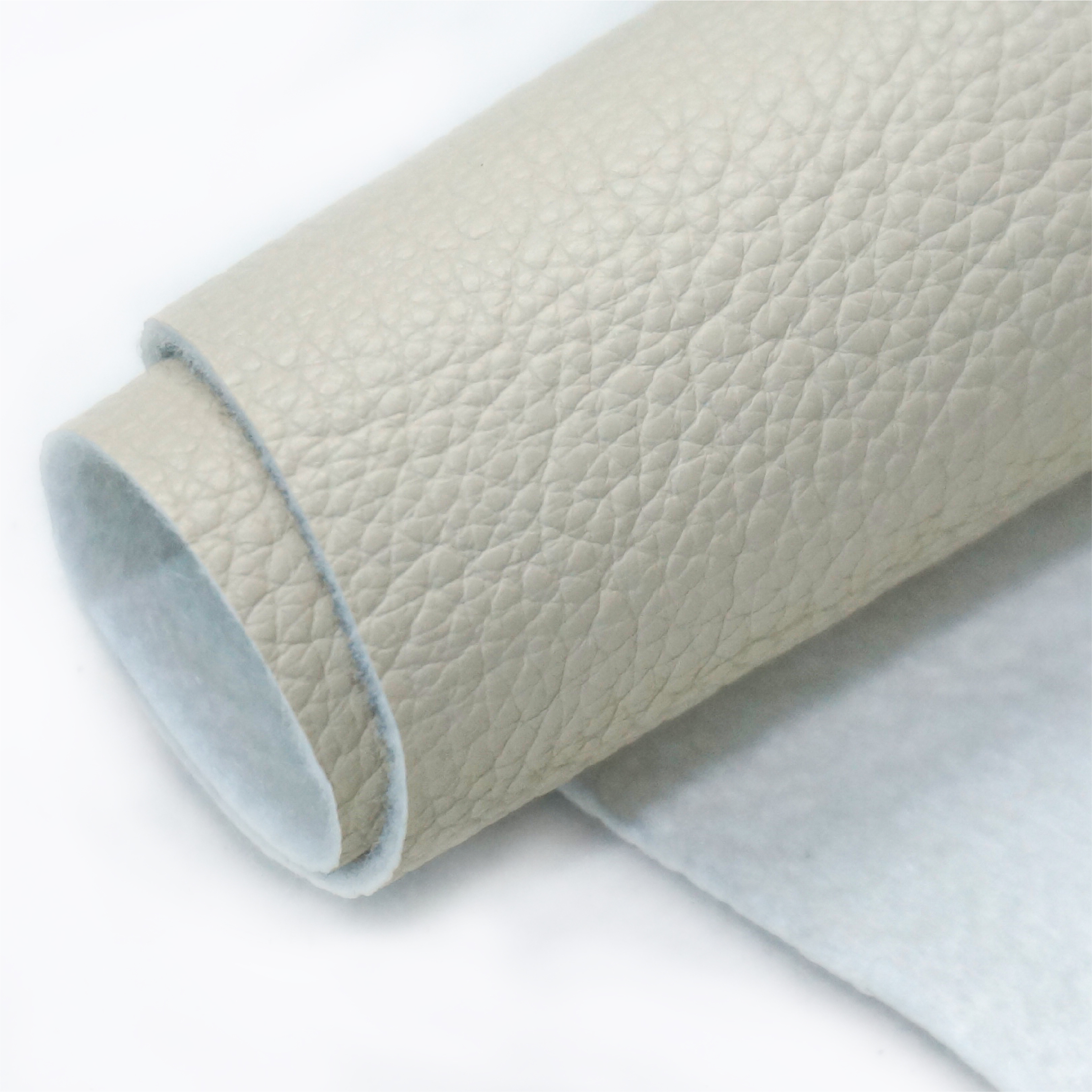
Installation-fit testing should place the sample on the intended seat form or vehicle seat and check contour coverage, seam positioning, fastening alignment, edge tension, and contact with adjacent panels. For automotive upholstery, the relevant areas include seats, door panels, headrests, and armrests. Fit should be assessed after installation and again after repeated removal and refitting when the project requires it.
Quality inspection at Dongguan Cigno Leather Co., Ltd. includes raw material inspection, production-process inspection, laboratory testing, finished-product inspection, and pre-shipment inspection. Product checks can include thickness, width, color consistency, surface appearance, abrasion resistance, tensile strength, peeling strength, scratch resistance, and flame-retardant performance according to customer requirements.
A documented sample report should connect each result with the approved color, grain, thickness, backing, functional requirement, and installation location. For automotive seat projects, the company has supplied customized synthetic leather for seats, door panels, headrests, and armrests to an automotive interior manufacturer in Mexico, with requirements covering color, grain, thickness, backing, abrasion resistance, UV resistance, flame retardancy, low odor, and easy-clean performance.
The company holds GRS, USDA, and Oeko-Tex 100 certifications for synthetic leather. These credentials can support material documentation, while the project-specific inspection records remain the basis for accepting stitching, stretching, and installation-fit performance.
Data/Solution Comparison
| Inspection Area | What to Check | Acceptance Reference |
|---|---|---|
| Stitching | Seam alignment, stitch consistency, thread security, needle-hole damage, puckering, and corner finishing | Matches approved sample and remains secure during handling |
| Stretching | Surface distortion, cracking, delamination, grain change, excessive elongation, and recovery | Meets specified tensile, appearance, and recovery requirements |
| Installation Fit | Contour coverage, seam position, edge tension, attachment alignment, and contact with adjacent panels | Fits the intended automotive seat structure without visible displacement |
| Surface Performance | Abrasion, scratch, UV, waterproofing, stain resistance, easy cleaning, odor, and flame retardancy | Tested according to the customer’s stated application requirements |
Frequently Asked Questions (FAQ)
How should stitching be checked on a car seat cover leather sample?
Inspect the complete sewn sample for consistent stitch lines, secure seams, clean corners, stable attachment points, and surface damage around needle holes. Check the sample before and after controlled tension is applied.
What indicates a stretching problem?
Common indicators include permanent deformation, grain distortion, wrinkles, cracking, delamination, color change, or incomplete recovery after tension is released. Compare results with the approved material and customer specifications.
How can installation fit be verified?
Install the sample on the intended seat form or vehicle seat. Check contour coverage, seam location, edge tension, fastening alignment, and contact with adjacent areas such as headrests, door panels, and armrests.
Final Conclusion & Recommendations
A reliable car seat cover leather sample evaluation combines seam inspection, controlled stretching, installation-fit verification, and application-specific surface testing. Document the approved color, grain, thickness, backing, and required performance properties before comparison. Dongguan Cigno Leather Co., Ltd. provides OEM/ODM and customized synthetic leather production with a 100-meter MOQ, 7–30-day delivery time, and inspection under an ISO 9001 quality management system. For detailed technical solutions or support, please reach out to us via vicky@bozeleather.com.
About Us
Dongguan Cigno Leather Co., Ltd. is a synthetic leather manufacturer established in 2007 in Dongguan, China, supplying vegan leather, recycled leather, PVC leather, and microfiber leather for furniture, automotive interiors, apparel, handbags, and footwear. Its R&D work covers PU leather, PVC leather, water-based leather, solvent-free leather, and other polymer materials, with customization available for colors, textures, thicknesses, and functional performance. Its listed main products include PVC leather, PU leather, microfiber leather for car seat covers, and furniture leather. The company holds GRS, USDA, and Oeko-Tex 100 certifications and has served clients across multiple industries.

SUBSCRIBE
INQUIRY