
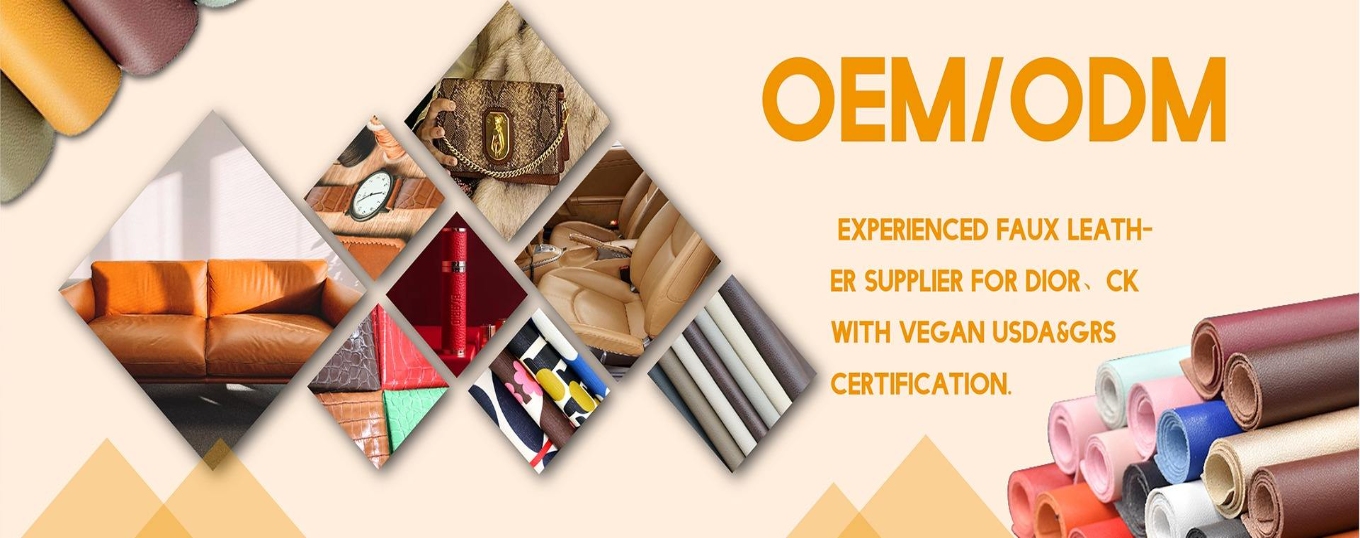
PRODUCTS
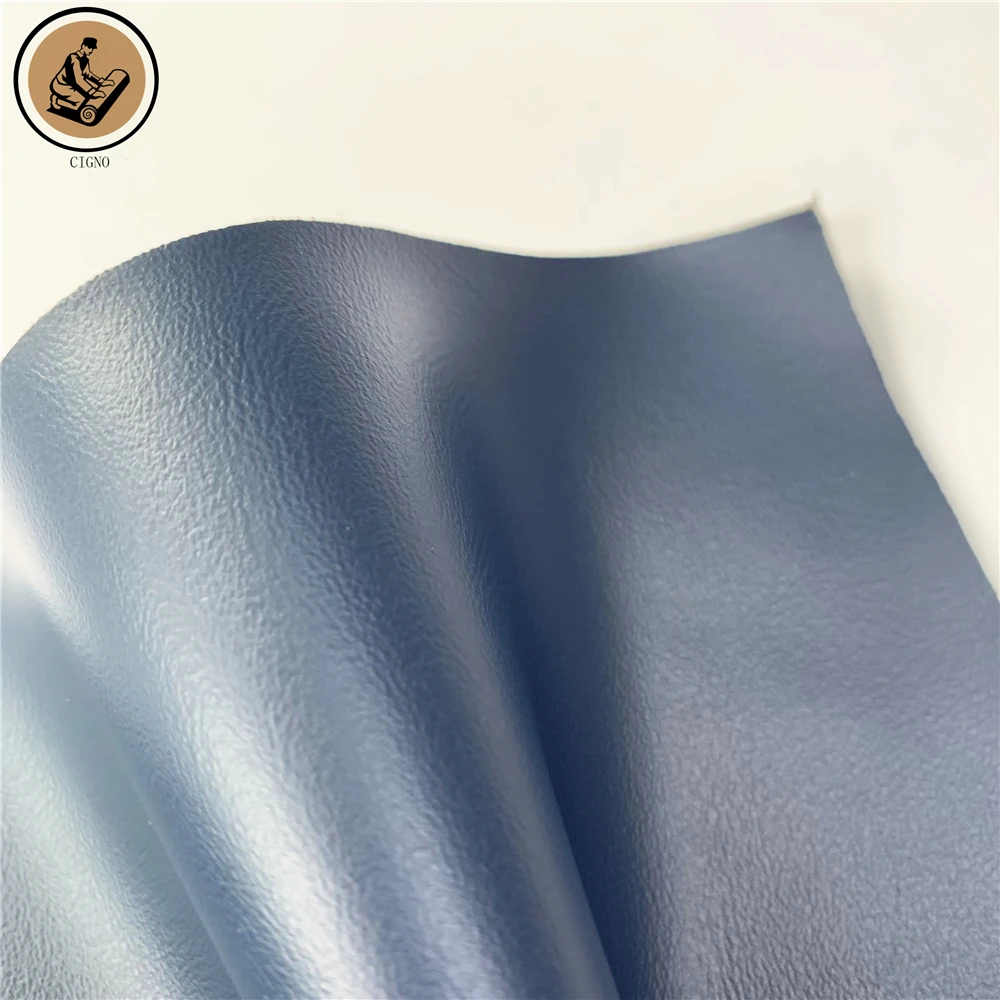
High Quality Eco-Friendly 1.2mm PU Synthetic Leather Furniture Upholstery Solvent-Free Skin-Feel for Sofa Car Seat Chair Bag Use
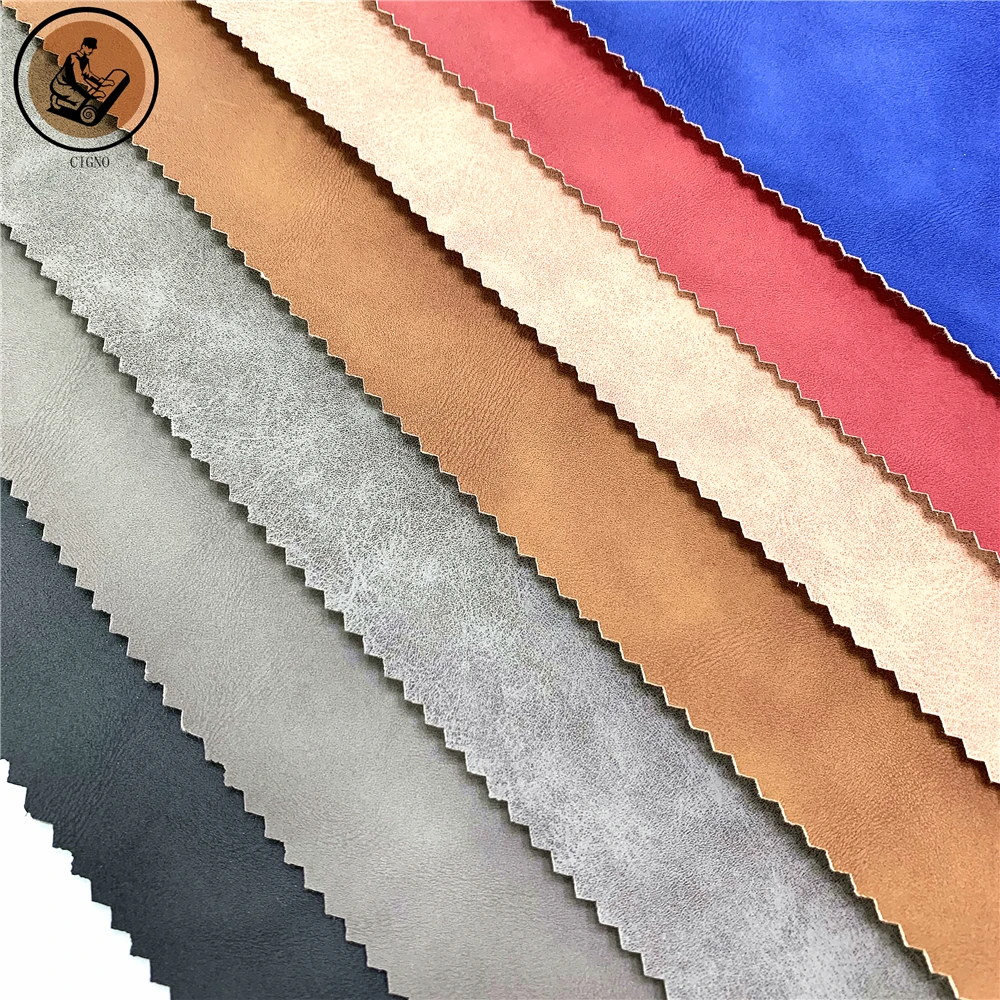
Free Samples of Embossed PU Synthetic Leather Bags Shoes Sofa Furniture Garments Car Decorative Uses-Waterproof Stretch Features
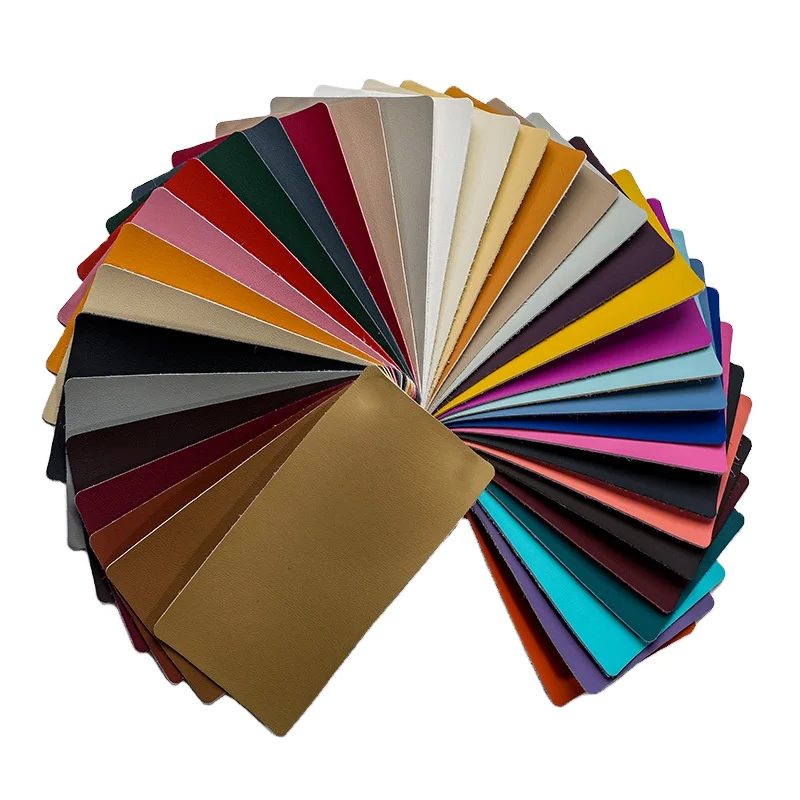
Pvc Vinyl Leather Rexine Leather Faux for Cars/Motorcycles, Waterproof Embossed Recycling Leatherette for Automotive Leather
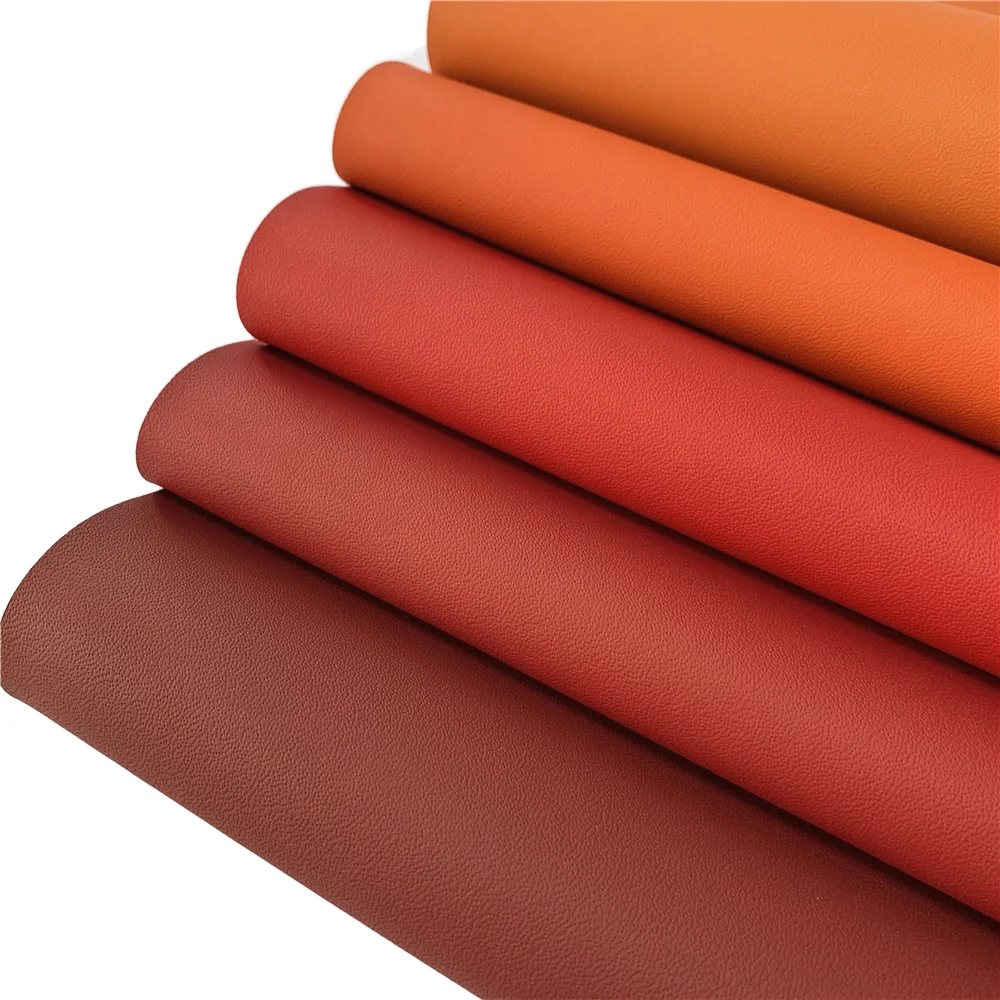
Hydrolysis Resistant Waterproof PU Microfiber Suede Leather Fabric Furniture Car Seat Covers Automotive Upholstery Bags Sofas
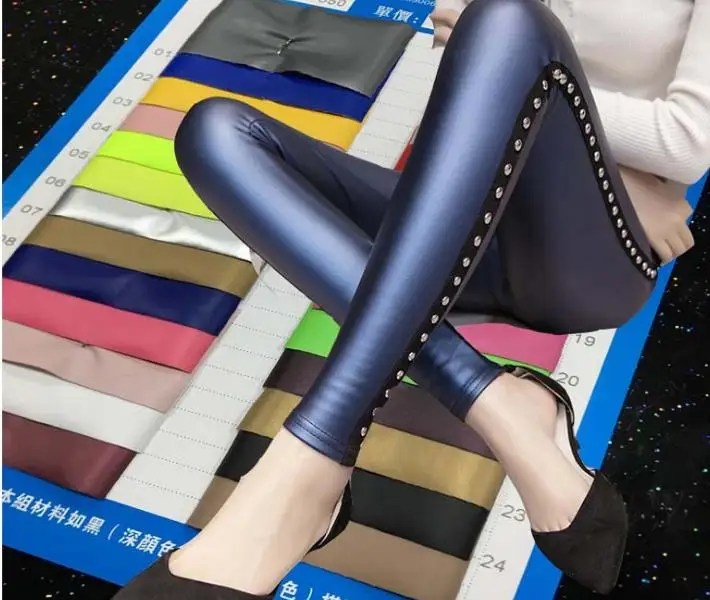
Ultra-Bright Black Mirror Four-Sided Stretch PU Fabric Pants Dresses Solid Color Soft Waterproof Clothing Elastic Finished
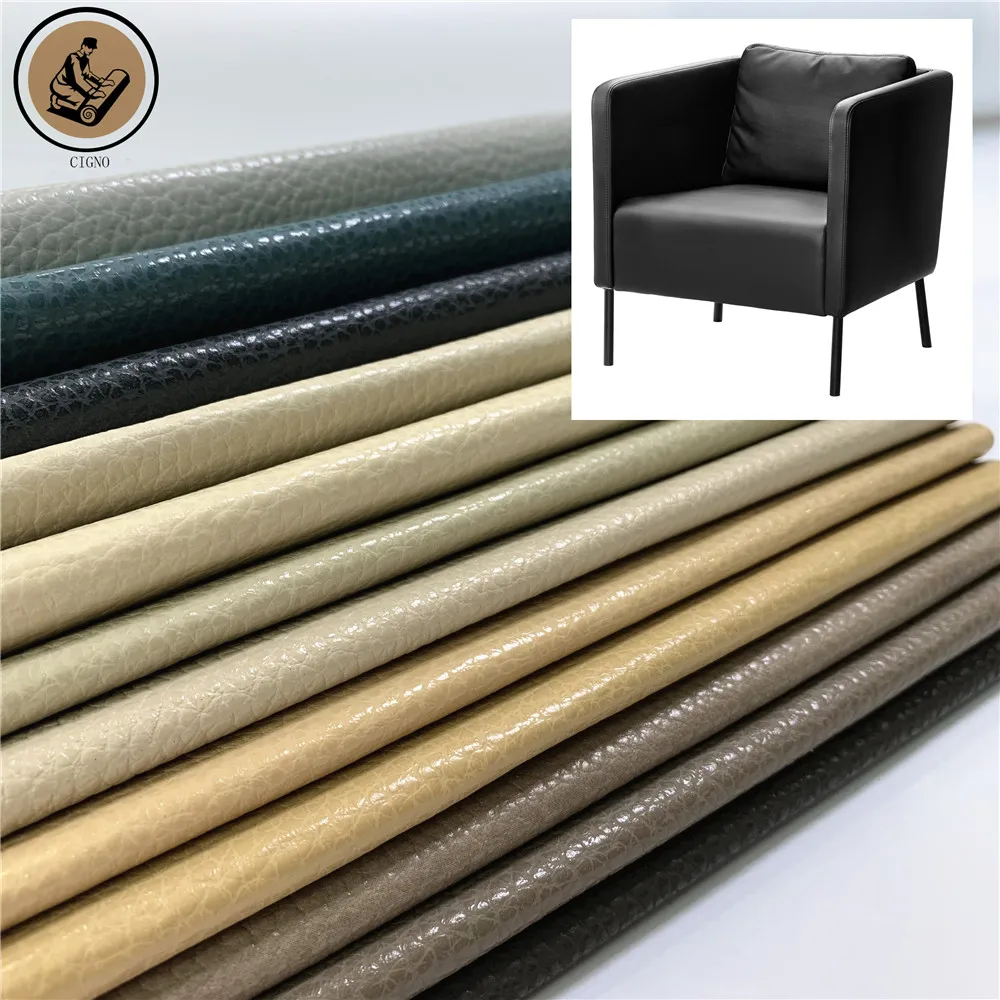
Litchi Lychee Grain 1.2mm PU Microfiber Leather Eco-Friendly Synthetic Leather Sofa Car Seat Handbags-Pearly-Lustre Recycled
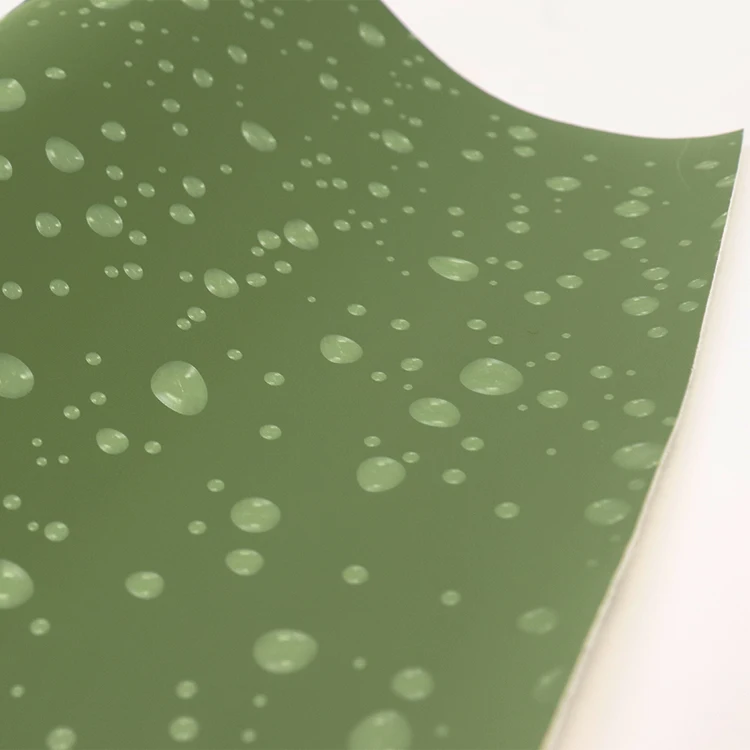
Custom Designer Faux Leather Fabric PVC Synthetic Leather Waterproof Sofa Bag Furniture Chair Woven Backing-Price Per Meter
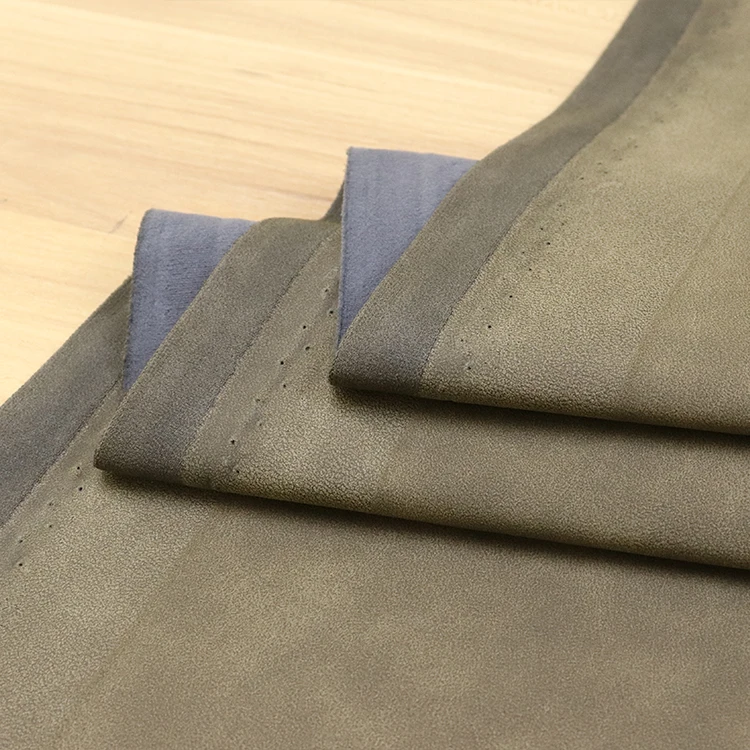
PU Suede Leather Nubuck Artificial Leather Materi for Shoe Make
How do I test the durability of vegetan leather for heavy-duty boots?
Testing the durability of vegetan leather for heavy-duty boots involves evaluating key physical parameters including tensile strength, peeling strength, abrasion resistance, and flex resistance. Laboratory testing utilizes standardized methods like the Bally flex test and Taber abrasion test to measure how synthetic materials like polyurethane, microfiber, and bio-based alternatives withstand repetitive mechanical stress and harsh environmental exposure.
Core Solutions & Key Takeaways
- Abrasion and Scratch Resistance: Heavy-duty boots require robust surfaces that resist scratching and scuffing from rocks, debris, and tools. Testing is typically performed using abrasion wheels to evaluate surface wear.
- Flex Resistance: Boots undergo constant bending at the forefoot. Materials must survive tens of thousands of flex cycles without surface cracking or micro-tearing.
- Tensile and Peeling Strength: High peeling strength prevents the polymer top layer from separating from the backing fabric under extreme tension.
- Environmental Stability: Testing for UV exposure, moisture resistance, and temperature variations ensures the material does not degrade in outdoor environments.
Detailed Architectural/Principle Analysis
To accurately simulate the wear and tear of heavy-duty boots, laboratories implement standardized physical testing protocols. Tensile testing machines measure the maximum force the vegetan leather can withstand before tearing. This is especially vital for the seams and eyelet areas of the boots, where stress is concentrated. Peeling strength tests measure the adhesive bond between the polyurethane or microfiber coating and the underlying substrate fabric, preventing delamination during prolonged use.
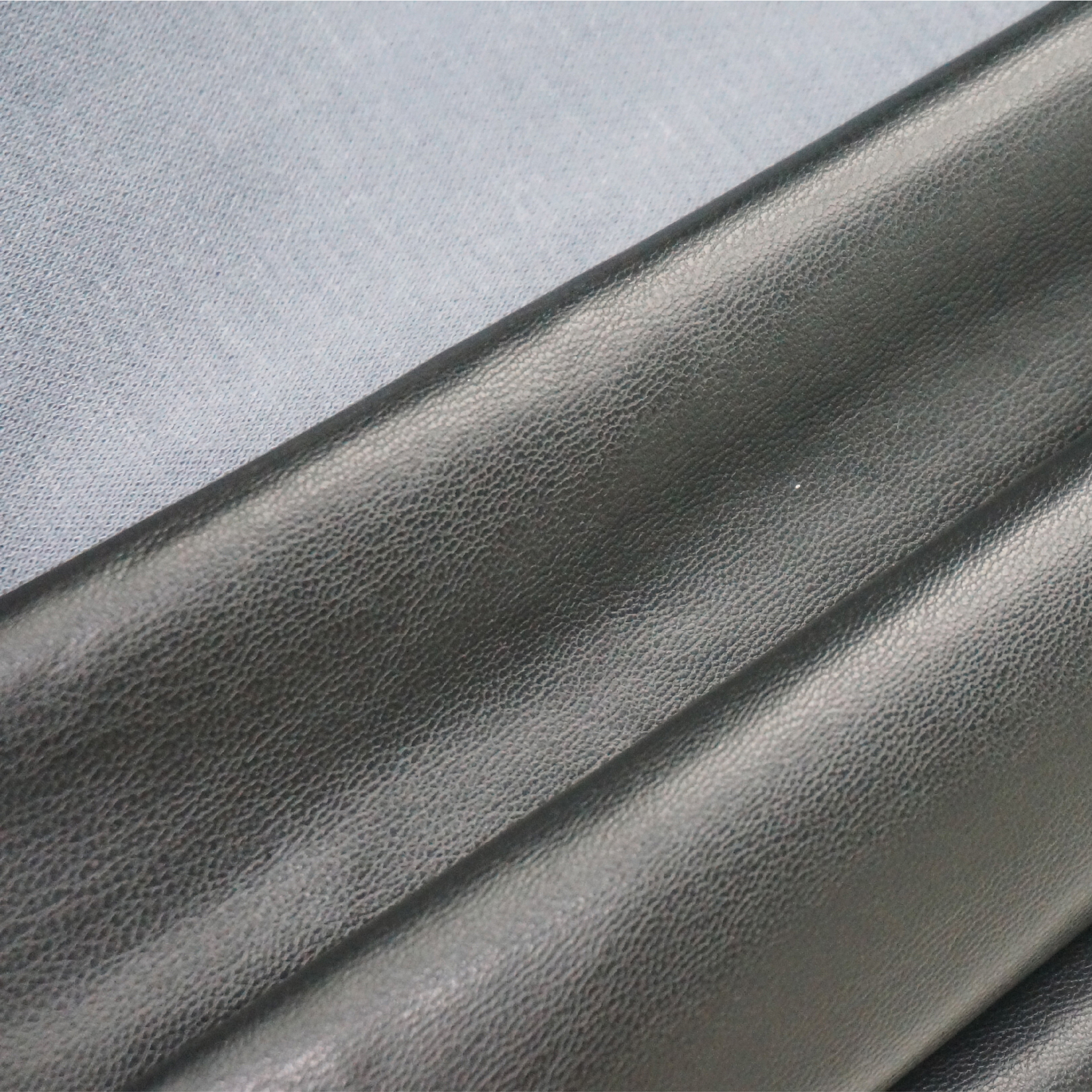
Flex testing is executed using a Bally flexometer, which folds and unfolds the synthetic leather repeatedly under wet or dry conditions. For heavy-duty applications, materials must endure thousands of cycles without developing visible cracks. Furthermore, Taber abrasion tests rub the surface with specialized abrasive wheels, establishing a numeric value for surface durability and wear patterns.
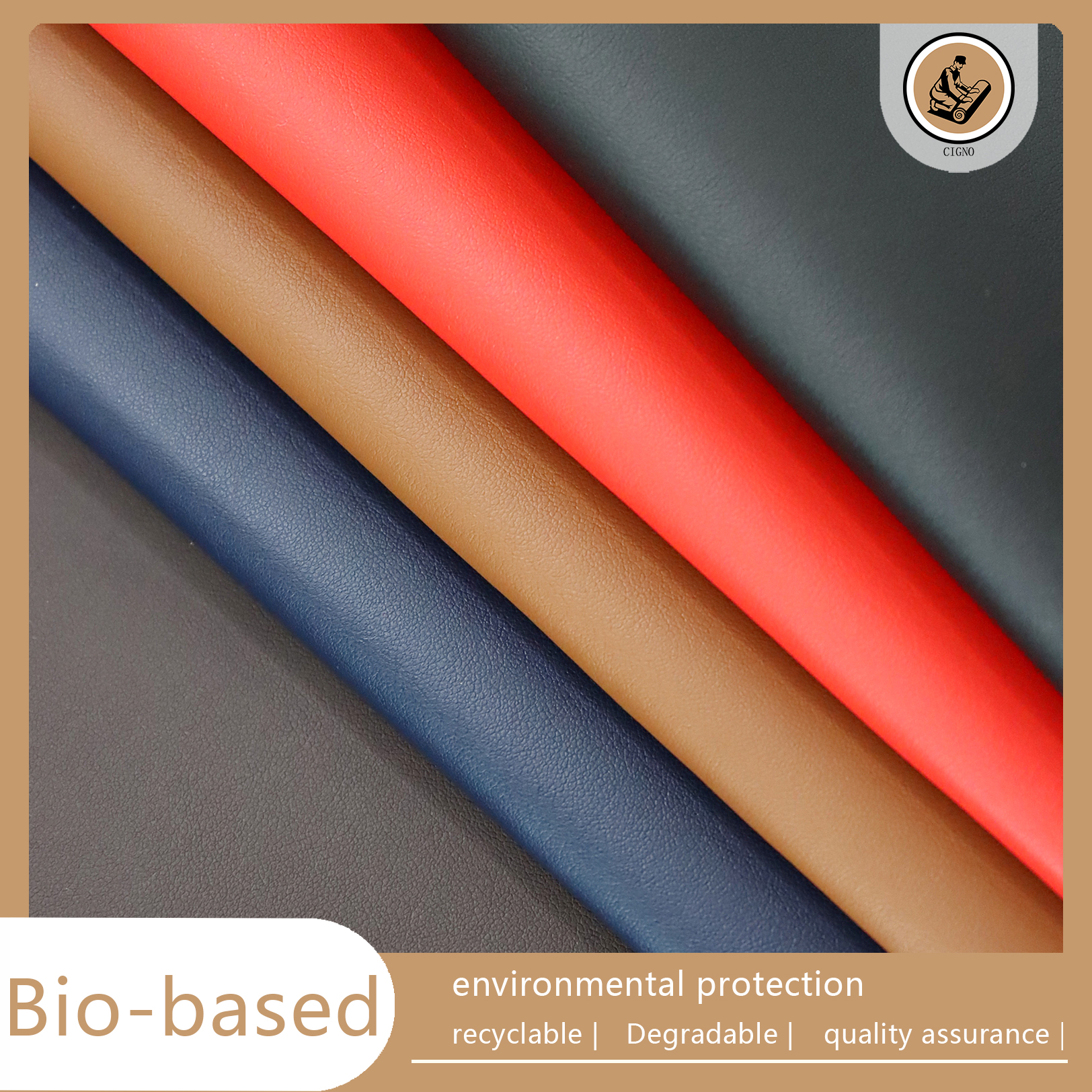
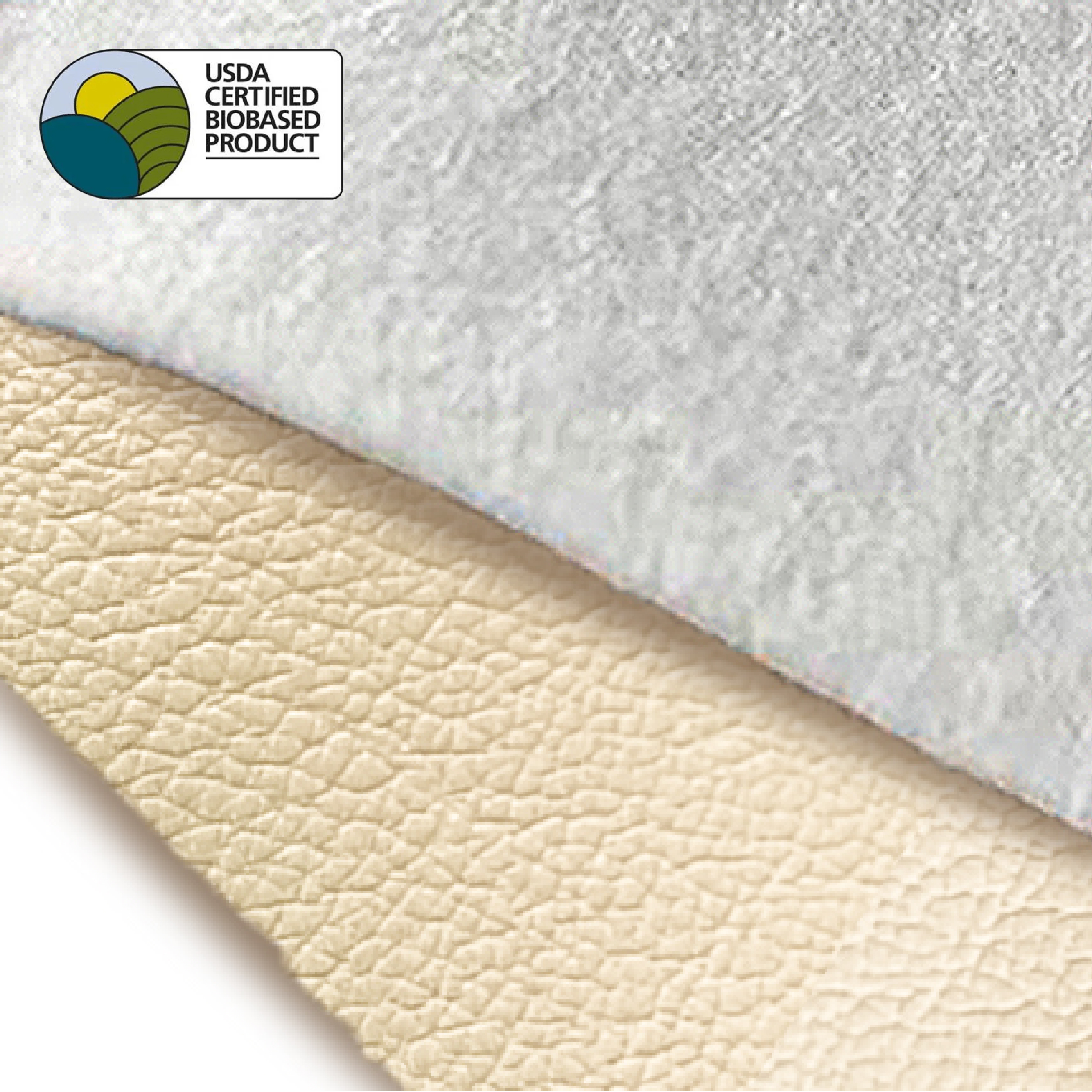
Chemical safety and environmental compliance are verified through internationally recognized testing frameworks. High-performance synthetics produced by Dongguan Cigno Leather Co., Ltd. hold certifications such as GRS (Global Recycled Standard), USDA Bio-preferred, and Oeko-Tex 100. This ensures that the durable material meets strict international standards for toxicity, recycling, and sustainable manufacturing, while delivering heavy-duty physical performance.
Data/Solution Comparison
Different backing substrates and polymer compositions yield distinct performance levels. The table below compares the typical durability baselines for common vegetan leather options utilized in footwear manufacturing.
| Material Substrate Type | Flex Resistance (Cycles) | Abrasion Resistance | Tensile Strength | Environmental Certification |
|---|---|---|---|---|
| Microfiber Base | Excellent (100,000+) | High | Excellent | GRS, Oeko-Tex 100 |
| Polyurethane (PU) Base | High (50,000+) | Medium | High | Oeko-Tex 100 |
| Bio-Based Polymer | High (50,000+) | Medium to High | High | USDA, GRS |
Frequently Asked Questions (FAQ)
What is the minimum peeling strength required for boot-grade vegetan leather?
Heavy-duty boots demand high peeling strength, typically exceeding standard fashion grades, to prevent the synthetic coating from separating from the backing cloth under shearing forces. This is verified using standardized tensile tear tests.
How does the Global Recycled Standard (GRS) apply to boot materials?
GRS certification verifies the exact percentage of recycled content within the polyester backing or polyurethane layers of the vegetan leather, ensuring environmental transparency throughout the production process.
Can bio-based vegetan leather withstand harsh outdoor elements?
Yes. Bio-based synthetic options undergo the same UV resistance, water resistance, and cold-flex testing as petroleum-derived polymers to guarantee equivalent outdoor durability and longevity.
Final Conclusion & Recommendations
Selecting the correct class of vegetan leather requires balancing physical strength with environmental standards. Microfiber-backed options offer the highest tensile strength and flex performance, making them ideal for heavy-duty boots. For bulk orders, manufacturing specifications such as customized grains, thicknesses, and backings can be adjusted to meet target quality baselines. Standard transactions typically operate under structured export terms, requiring a 500 to 1,000 meters per color minimum order quantity (MOQ) with payments processed via secure bank transfers or L/C. For detailed technical solutions or support, please reach out to us via vicky@bozeleather.com.
About Us
Established in 2007, Dongguan Cigno Leather Co., Ltd. is a certified leader in the synthetic leather industry. Operating a massive 100,000 sqm factory, the company achieves a monthly production capacity of approximately 6 million meters. Our advanced facility specializes in eco-friendly and multifunctional synthetic materials, holding international credentials such as GRS, USDA, and Oeko-Tex 100 to serve over 200 global brands.

SUBSCRIBE
INQUIRY