
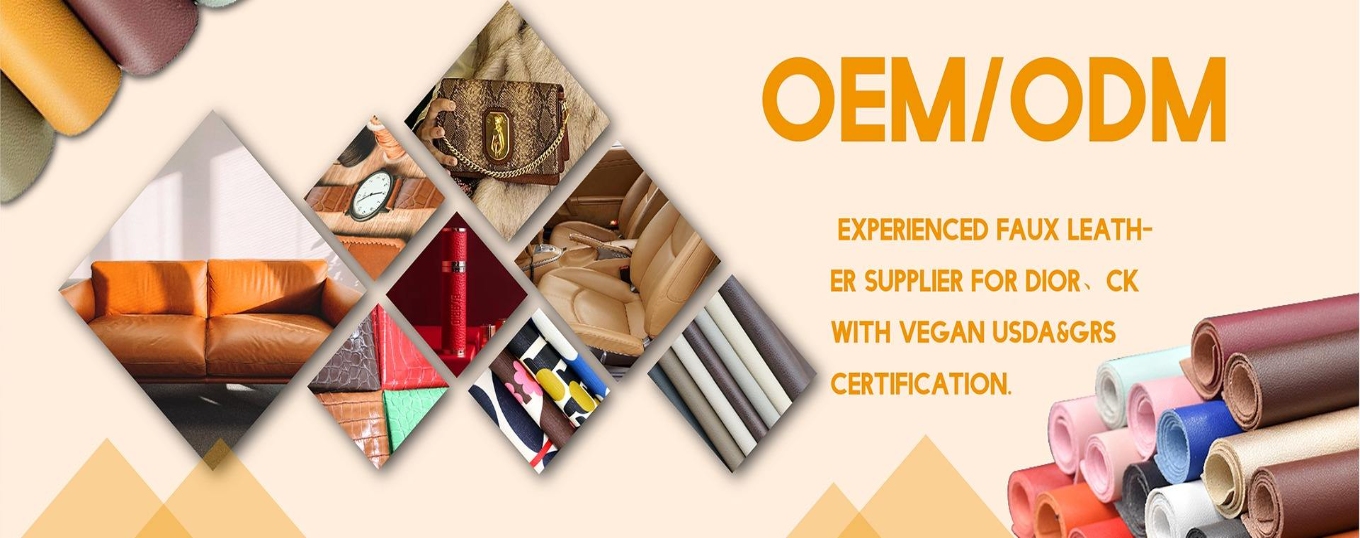
PRODUCTS
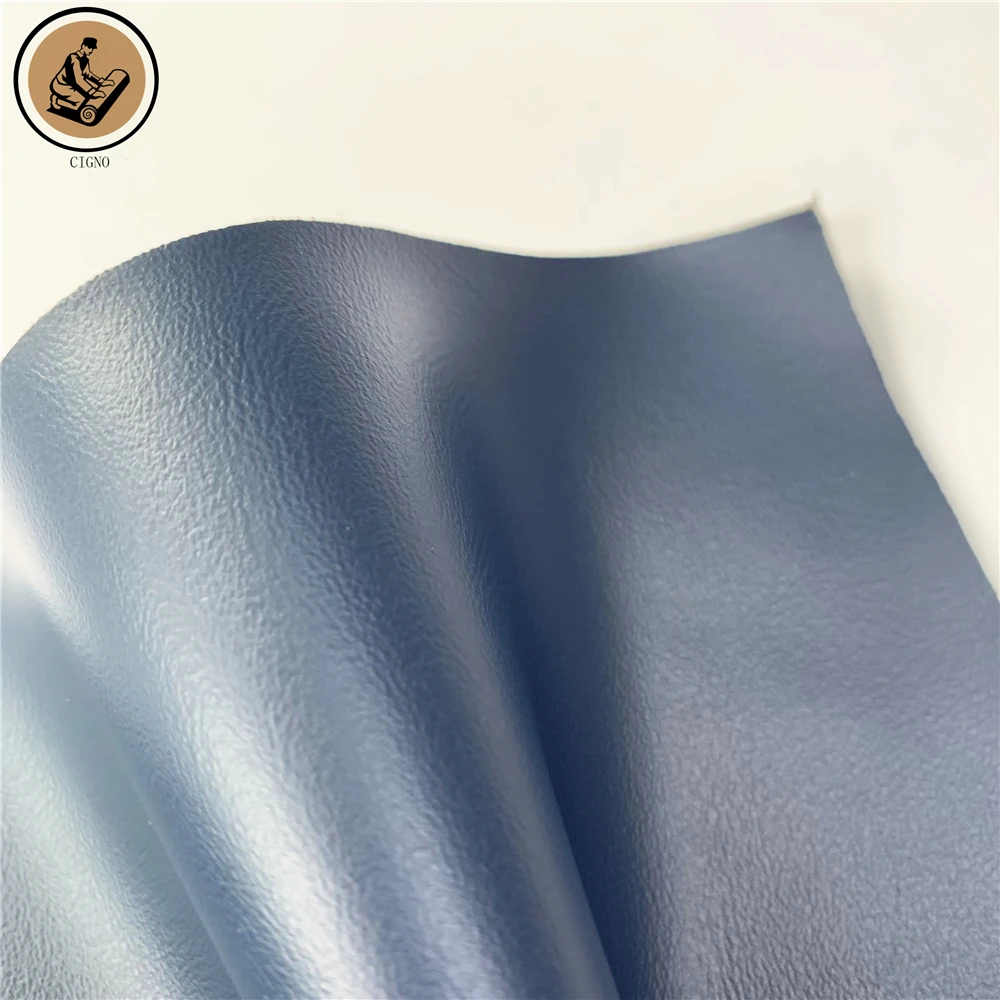
High Quality Eco-Friendly 1.2mm PU Synthetic Leather Furniture Upholstery Solvent-Free Skin-Feel for Sofa Car Seat Chair Bag Use
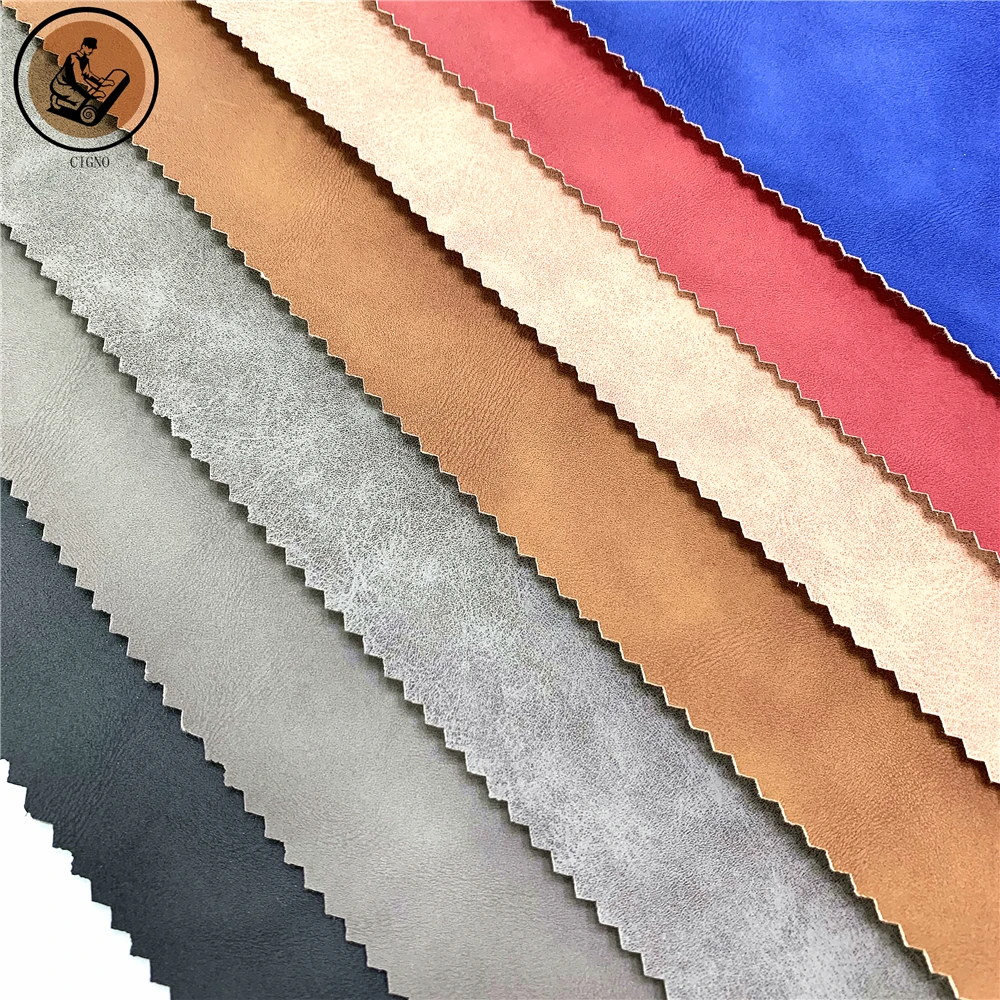
Free Samples of Embossed PU Synthetic Leather Bags Shoes Sofa Furniture Garments Car Decorative Uses-Waterproof Stretch Features
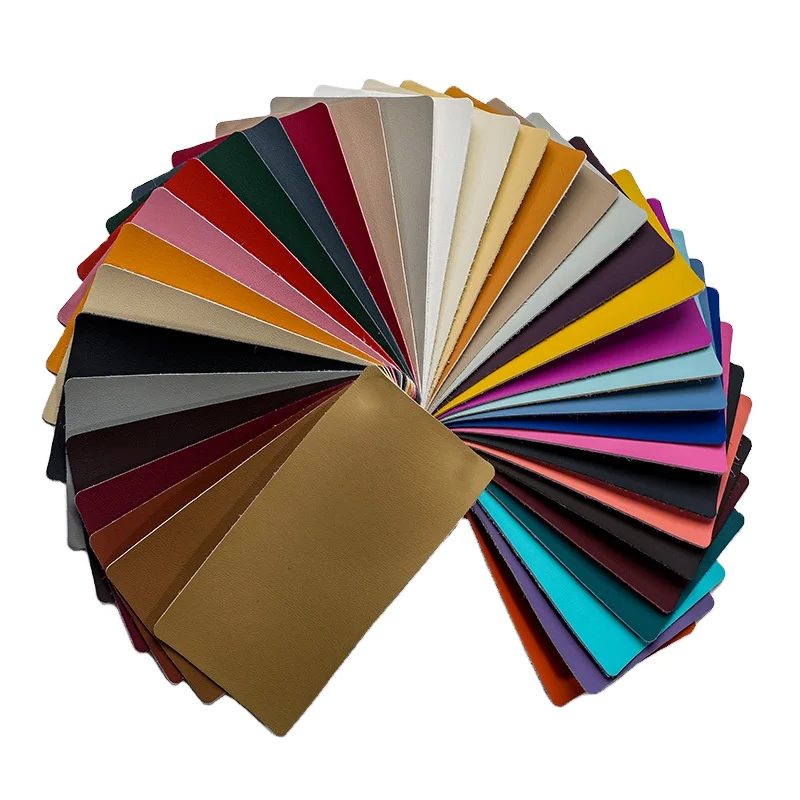
Pvc Vinyl Leather Rexine Leather Faux for Cars/Motorcycles, Waterproof Embossed Recycling Leatherette for Automotive Leather
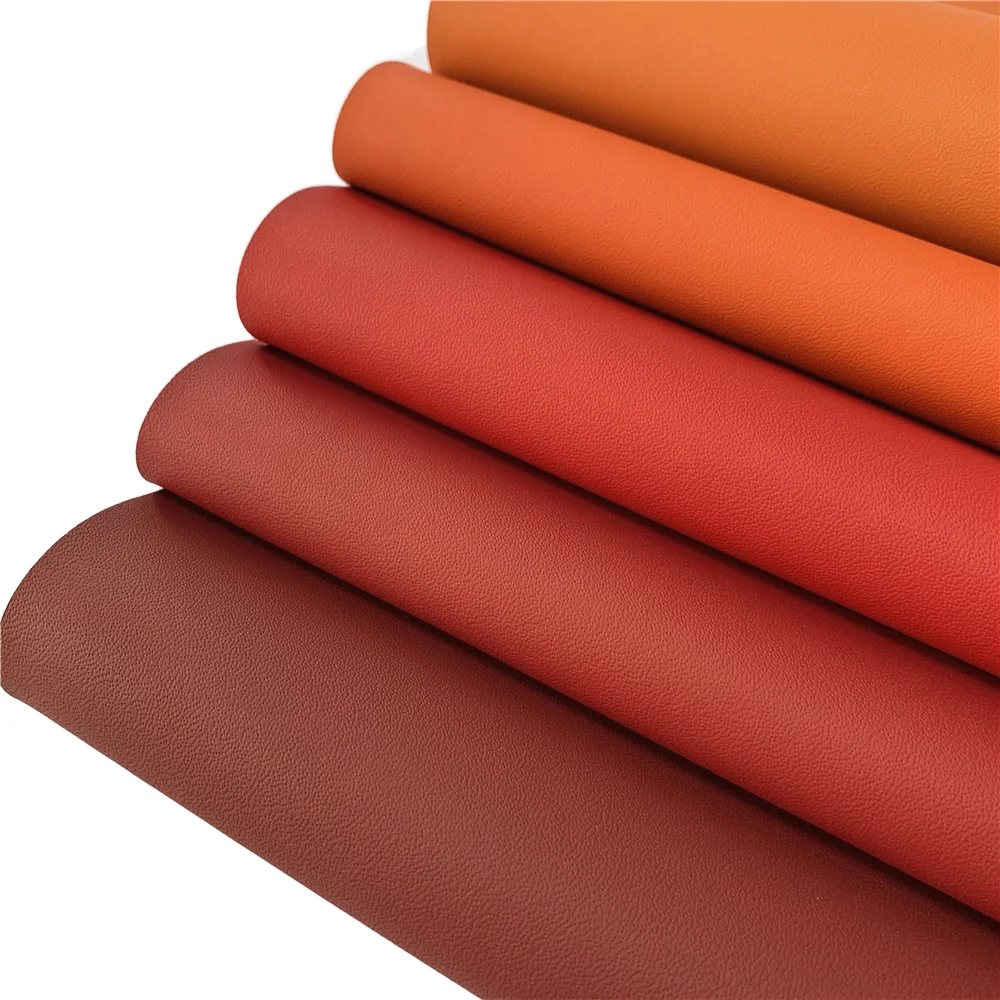
Hydrolysis Resistant Waterproof PU Microfiber Suede Leather Fabric Furniture Car Seat Covers Automotive Upholstery Bags Sofas
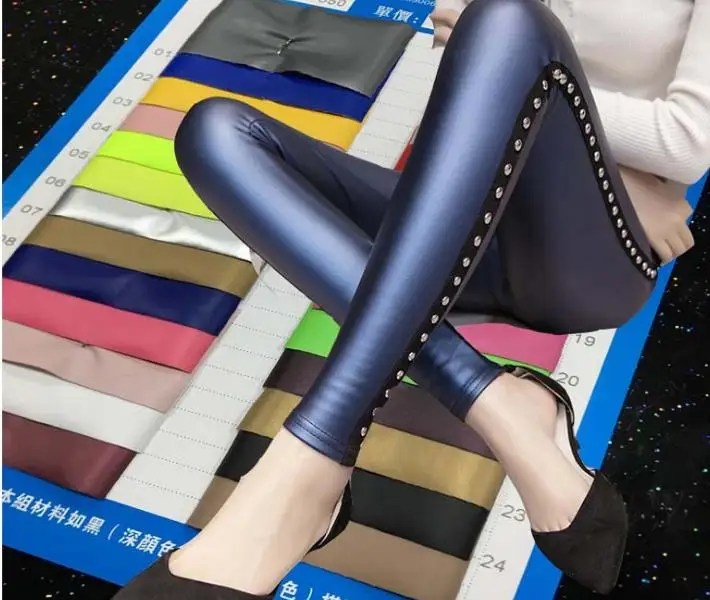
Ultra-Bright Black Mirror Four-Sided Stretch PU Fabric Pants Dresses Solid Color Soft Waterproof Clothing Elastic Finished
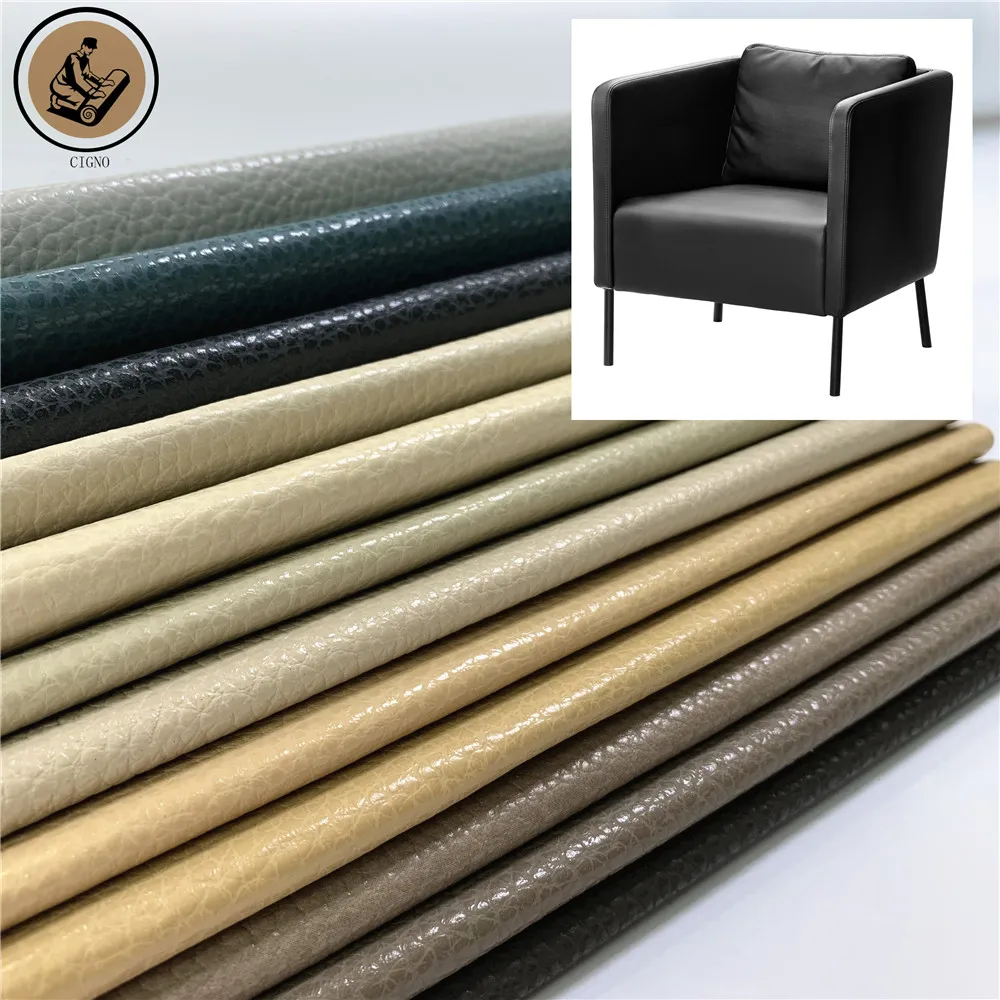
Litchi Lychee Grain 1.2mm PU Microfiber Leather Eco-Friendly Synthetic Leather Sofa Car Seat Handbags-Pearly-Lustre Recycled
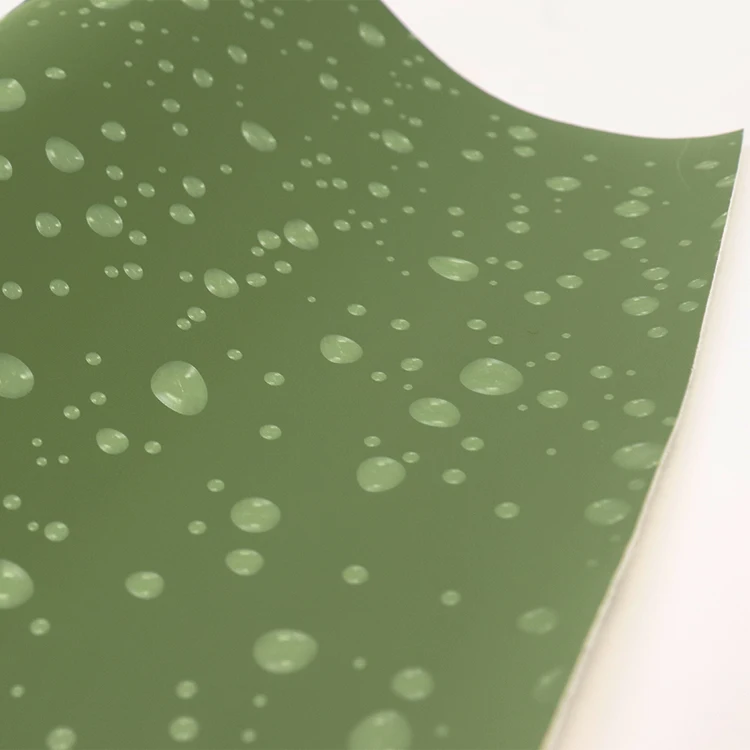
Custom Designer Faux Leather Fabric PVC Synthetic Leather Waterproof Sofa Bag Furniture Chair Woven Backing-Price Per Meter
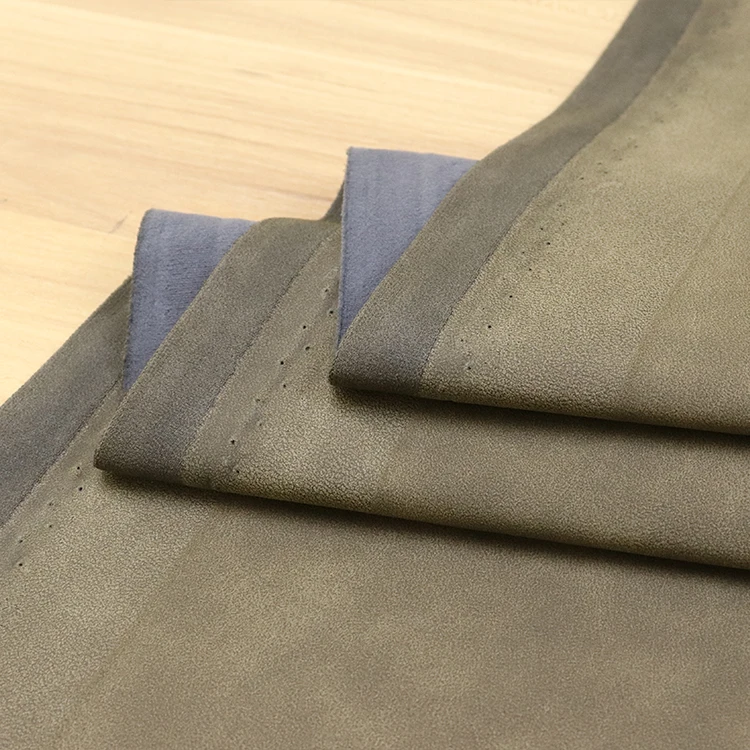
PU Suede Leather Nubuck Artificial Leather Materi for Shoe Make
How do I test the tear strength of artificial leather for furniture?
Testing the tear strength of artificial leather for furniture requires a universal tensile testing machine using standardized methods such as ISO 13937-2 (trouser tear) or ASTM D2261 (tongue tear). Rectangular specimens are precut with a longitudinal slit, clamped into mechanical grips, and pulled at a constant rate to measure the propagation force in Newtons.
Core Solutions & Key Takeaways
- Standardized Test Protocols: Apply international standards including ISO 13937-2, ASTM D2261, or ISO 4674-1 to quantify tear propagation forces in synthetic upholstery materials.
- Biaxial Specimen Preparation: Cut rectangular samples along both the warp (longitudinal) and weft (transverse) production directions to measure anisotropic backing performance.
- Controlled Universal Testing Equipment: Utilize a constant-rate-of-extension (CRE) tensile tester with pneumatic jaws operating at specified crosshead speeds (e.g., 50–100 mm/min).
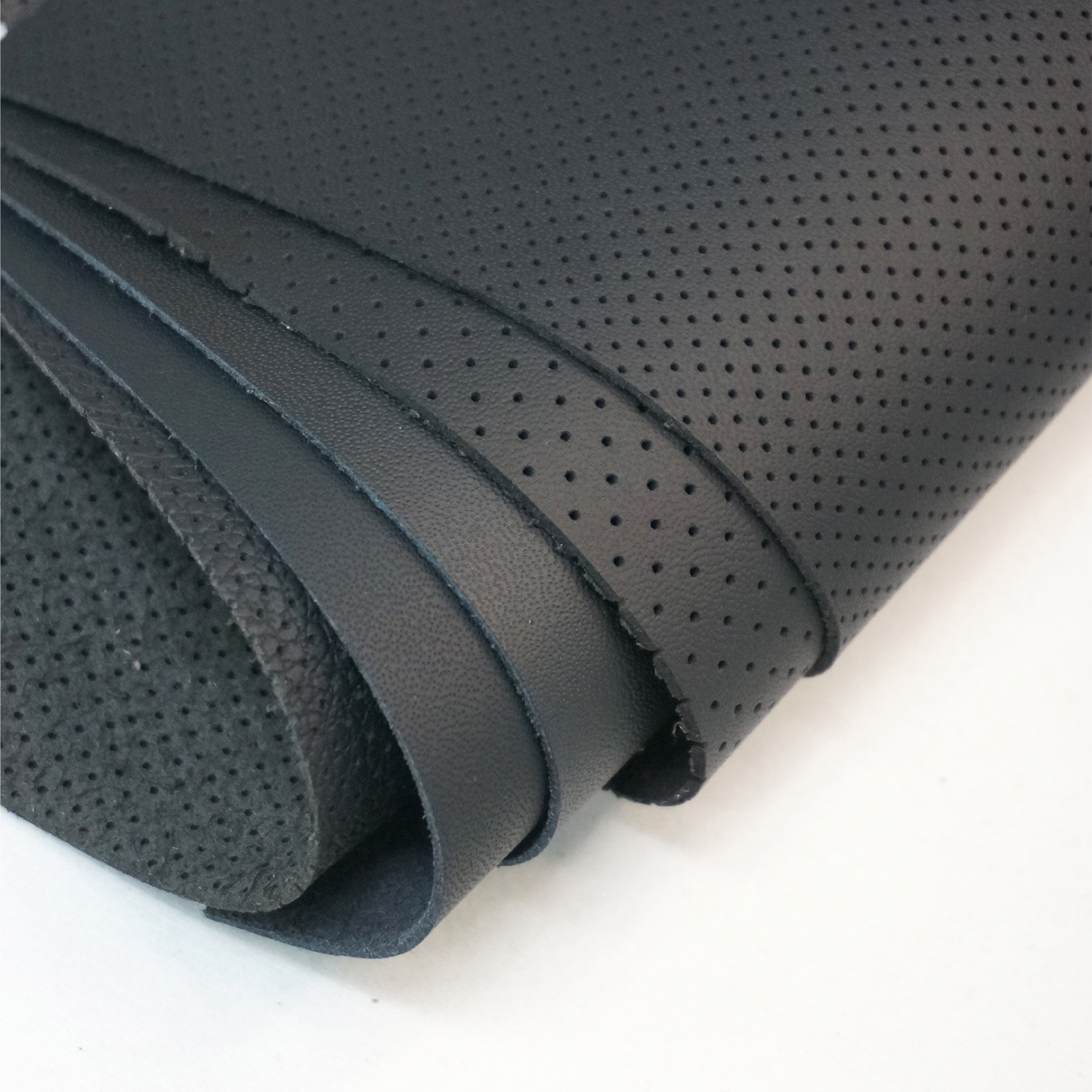
- Substrate Mechanics: Evaluate high-durability backing structures—such as microfibers, woven, or knitted fabrics—to ensure synthetic leathers between 0.7 and 1.4 mm thickness meet commercial upholstery requirements.
Detailed Architectural/Principle Analysis
Determining tear propagation resistance evaluates how well coated fabrics withstand stress concentrations at seams or accidental punctures. In quality control frameworks managed by specialized manufacturers such as Dongguan Cigno Leather Co., Ltd. under ISO 9001 systems, laboratory testing measures parameters like tear force, tensile strength, peeling strength, and abrasion resistance. Using the tongue tear method (ASTM D2261), test specimens measuring 200 mm by 75 mm receive a 75 mm longitudinal cut along the center. The resulting "tongues" are secured into opposing grips of a calibrated tensile testing apparatus.
As the machine extends at a constant crosshead speed, force sensors record continuous load peaks as individual yarns or polymer matrices fracture. For synthetic materials built from PVC, PU, or solvent-free polymers, tear resistance heavily depends on the backing fabric type. Microfiber and woven substrates yield higher load absorption compared to non-reinforced knits. Compliance with recognized material standards—such as GRS, USDA, and Oeko-Tex 100—ensures chemical safety and physical durability across automotive seating, sofa upholstery, and heavy-use contract furniture.
Data/Solution Comparison
| Testing Standard | Specimen Geometry | Crosshead Speed | Primary Output Metric | Target Upholstery Application |
|---|---|---|---|---|
| ISO 13937-2 (Trouser Tear) | Pant-leg shape (200 x 50 mm, 100 mm slit) | 100 mm/min | Mean peak force (N) | Residential sofas, headboards, decorative chairs |
| ASTM D2261 (Tongue Tear) | Rectangular strip (200 x 75 mm, 75 mm slit) | 50 mm/min | Average of 5 highest peaks (N) | Commercial contract furniture, heavy seating |
| ISO 4674-1 Method A (Coated Fabrics) | Trouser test piece for flexible substrates | 100 mm/min | Median tear resistance (N) | Automotive seats, door panels, functional PU/PVC |
| ASTM D1424 (Elmendorf Pendulum) | Notched specimen under falling pendulum | Dynamic impact rate | Kinetic energy absorbed (cN) | Lightweight synthetic leather lining and wall trim |
Frequently Asked Questions (FAQ)
What is the minimum acceptable tear strength for furniture artificial leather?
Standard residential furniture upholstery generally requires a minimum tear propagation force of 25 to 30 Newtons. Commercial contract furniture and automotive seating applications typically mandate a minimum threshold of 40 Newtons or higher, depending on coating thickness (0.7–1.4 mm) and reinforcement backing.
How does backing fabric selection affect synthetic leather tear strength?
The backing fabric forms the primary structural core. Woven and non-woven microfiber backings distribute mechanical stress across multidirectional fiber networks, providing higher tear resistance than knitted backings, which tend to stretch and concentrate force at single thread intersections.
What is the main operational difference between tensile strength and tear strength testing?
Tensile strength tests measure the total ultimate force required to pull an un-cut material strip apart until complete failure. Tear strength tests measure the ongoing force required to propagate an existing cut or slit through the material structure.
Final Conclusion & Recommendations
Systematic laboratory evaluation using universal tensile testing equipment ensures artificial leather for furniture meets strict structural requirements. Selecting appropriate material specifications—including composite backing structures, customized thicknesses from 0.7 to 1.4 mm, and specific polymer formulations—prevents seam slippage and structural failure under load. Implementing standardized quality protocols ensures consistent performance across residential and commercial upholstery installations. For detailed technical solutions or support, please reach out to us via vicky@bozeleather.com.
About Us
Dongguan Cigno Leather Co., Ltd. is a synthetic leather manufacturer established in 2007, operating a 100,000 square meter factory facility equipped with 6 production lines. The company specializes in eco-friendly polymer materials including PU, PVC, water-based, and solvent-free synthetic leathers, holding over 30 national invention patents and maintaining GRS, USDA, and Oeko-Tex 100 certifications. Production quality follows strict ISO 9001 guidelines to supply automotive interior, furniture, footwear, and luggage manufacturers globally.

SUBSCRIBE
INQUIRY