
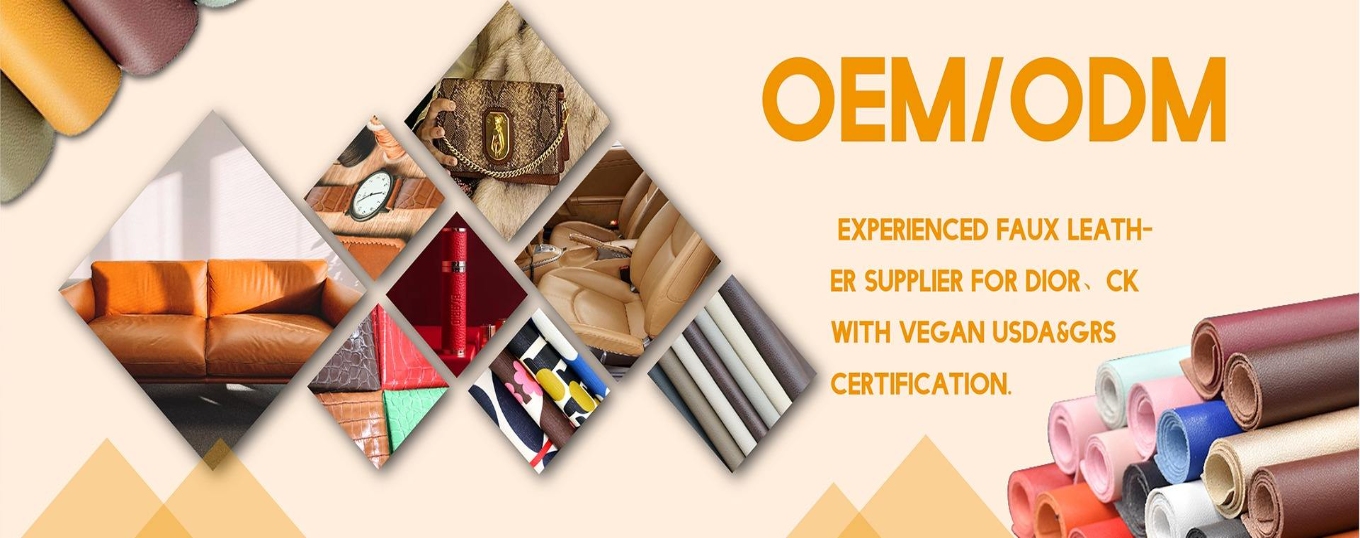
PRODUCTS
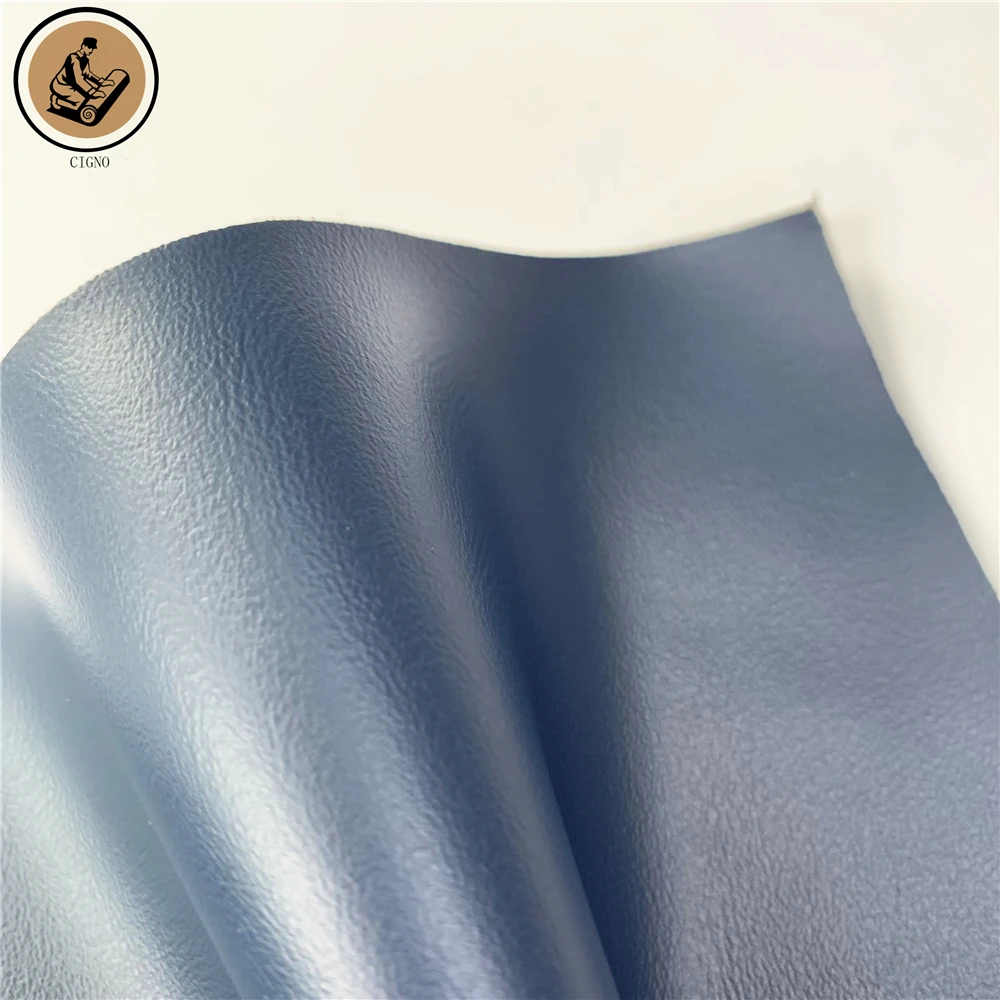
High Quality Eco-Friendly 1.2mm PU Synthetic Leather Furniture Upholstery Solvent-Free Skin-Feel for Sofa Car Seat Chair Bag Use
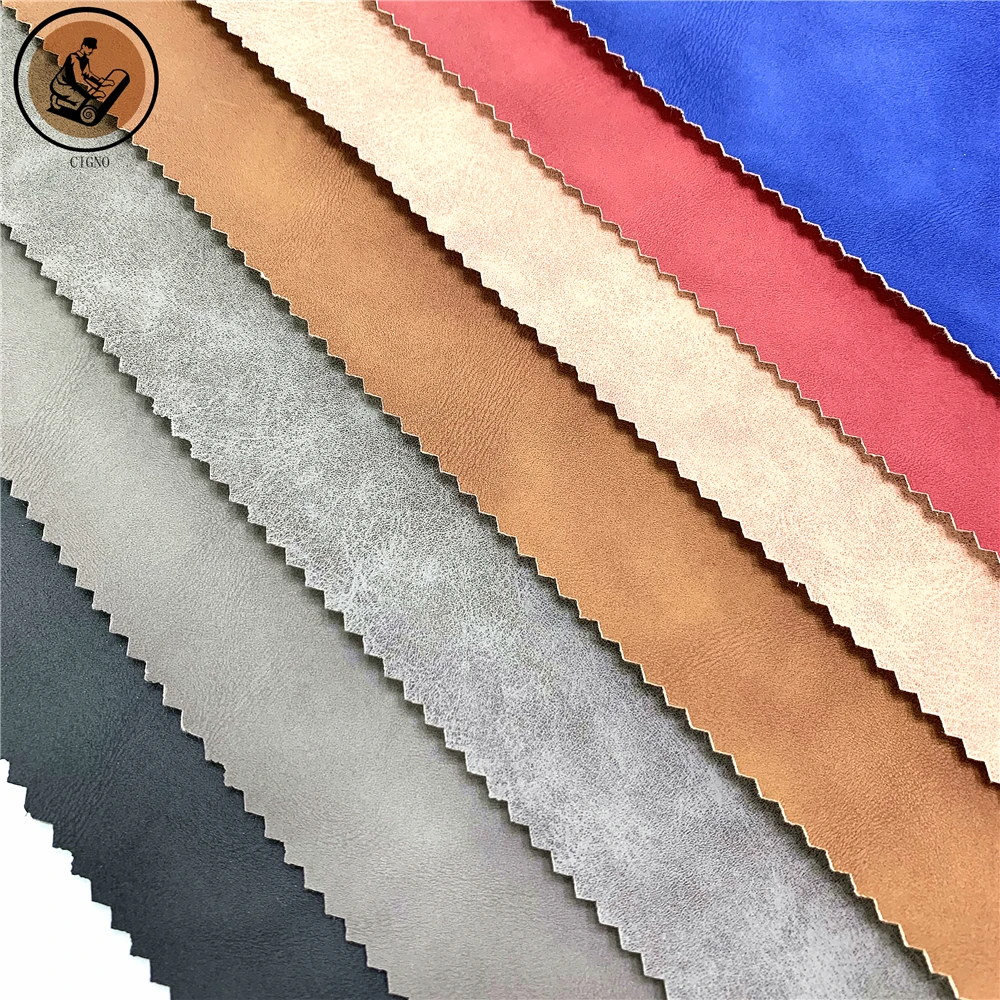
Free Samples of Embossed PU Synthetic Leather Bags Shoes Sofa Furniture Garments Car Decorative Uses-Waterproof Stretch Features
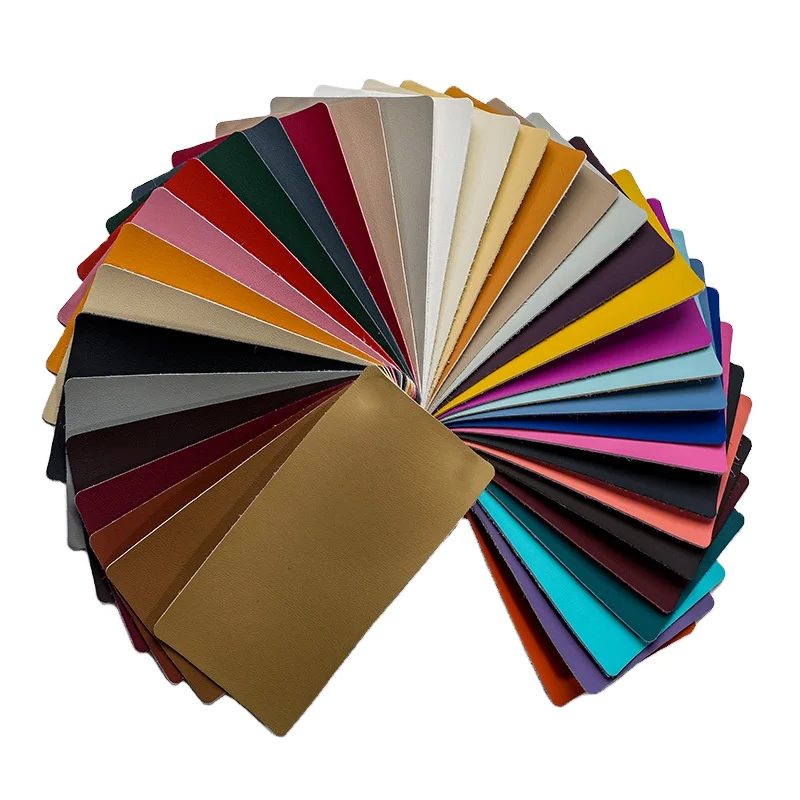
Pvc Vinyl Leather Rexine Leather Faux for Cars/Motorcycles, Waterproof Embossed Recycling Leatherette for Automotive Leather
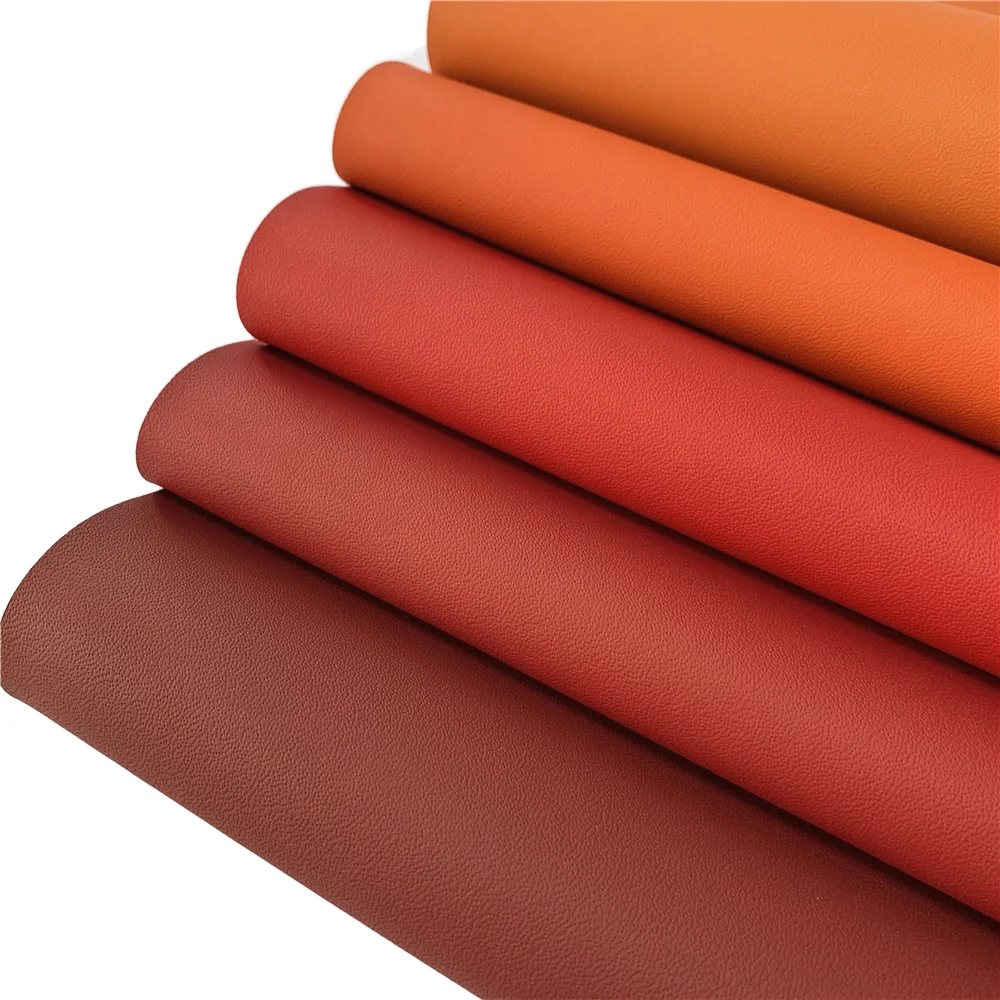
Hydrolysis Resistant Waterproof PU Microfiber Suede Leather Fabric Furniture Car Seat Covers Automotive Upholstery Bags Sofas
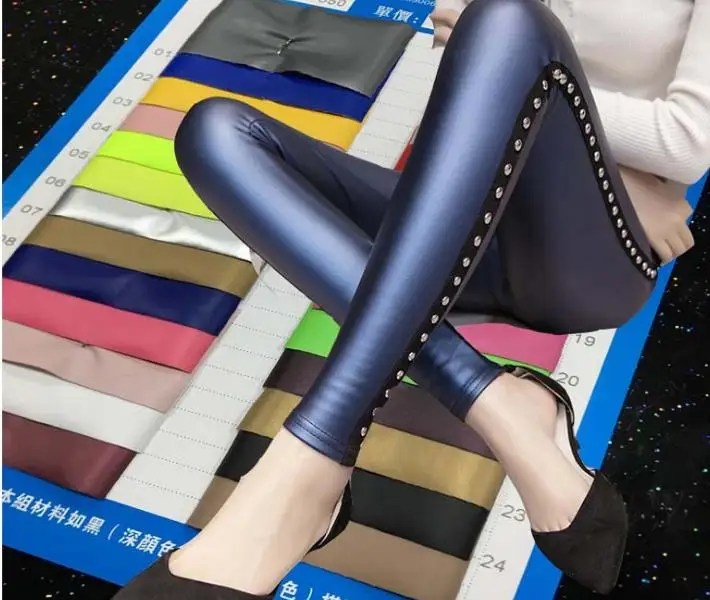
Ultra-Bright Black Mirror Four-Sided Stretch PU Fabric Pants Dresses Solid Color Soft Waterproof Clothing Elastic Finished
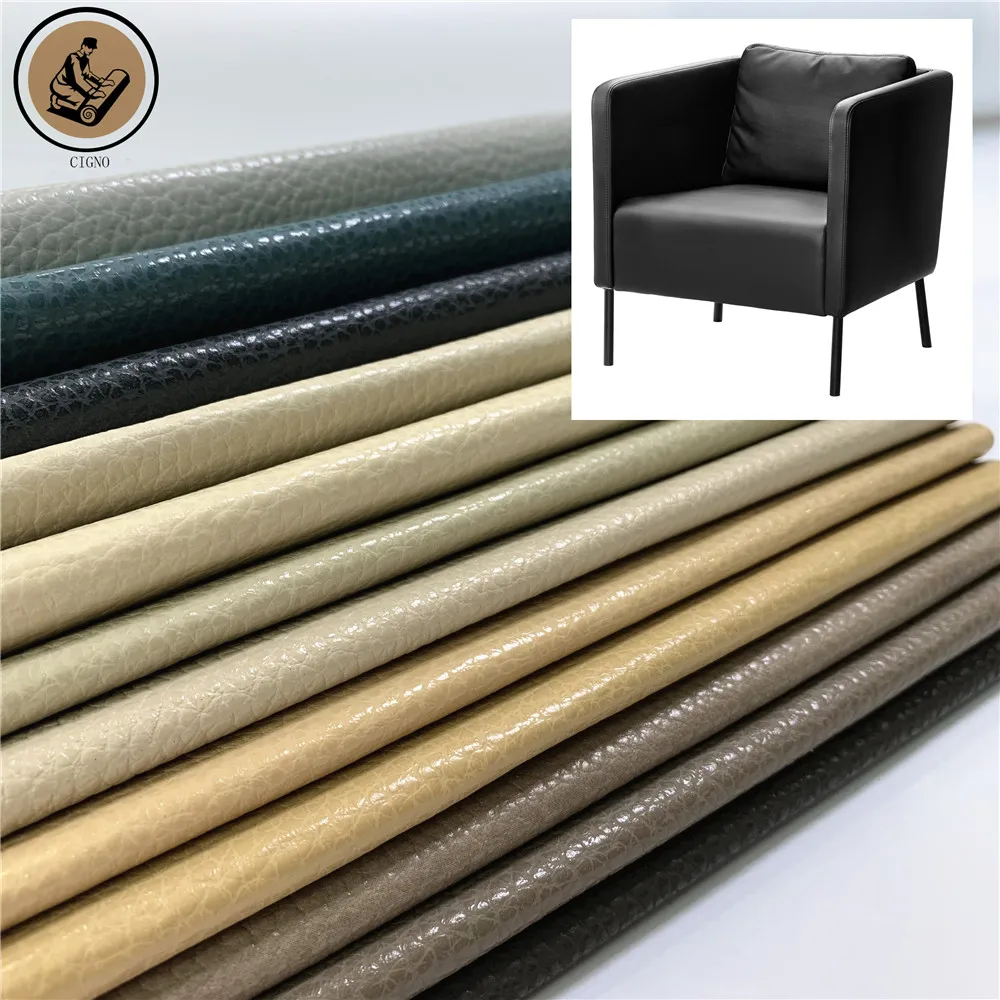
Litchi Lychee Grain 1.2mm PU Microfiber Leather Eco-Friendly Synthetic Leather Sofa Car Seat Handbags-Pearly-Lustre Recycled
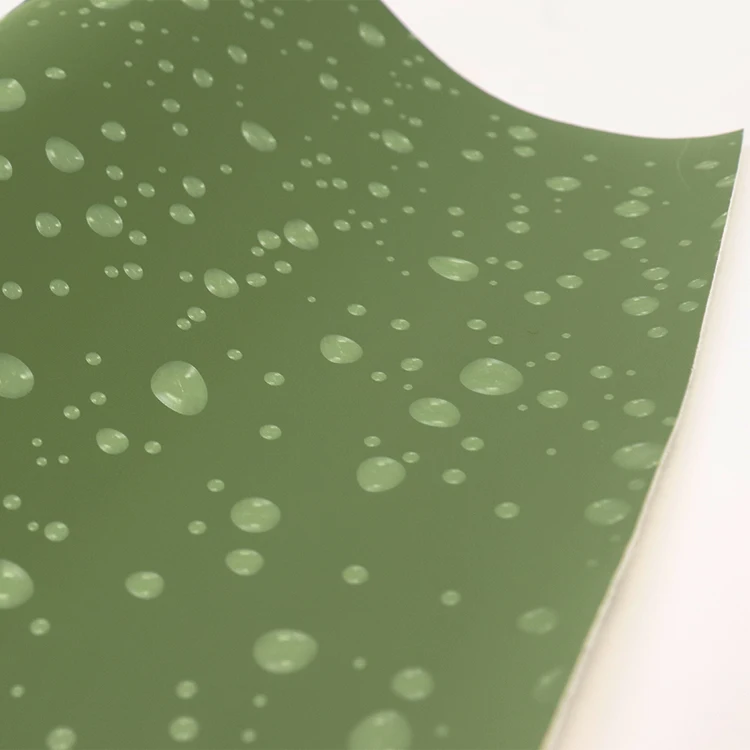
Custom Designer Faux Leather Fabric PVC Synthetic Leather Waterproof Sofa Bag Furniture Chair Woven Backing-Price Per Meter
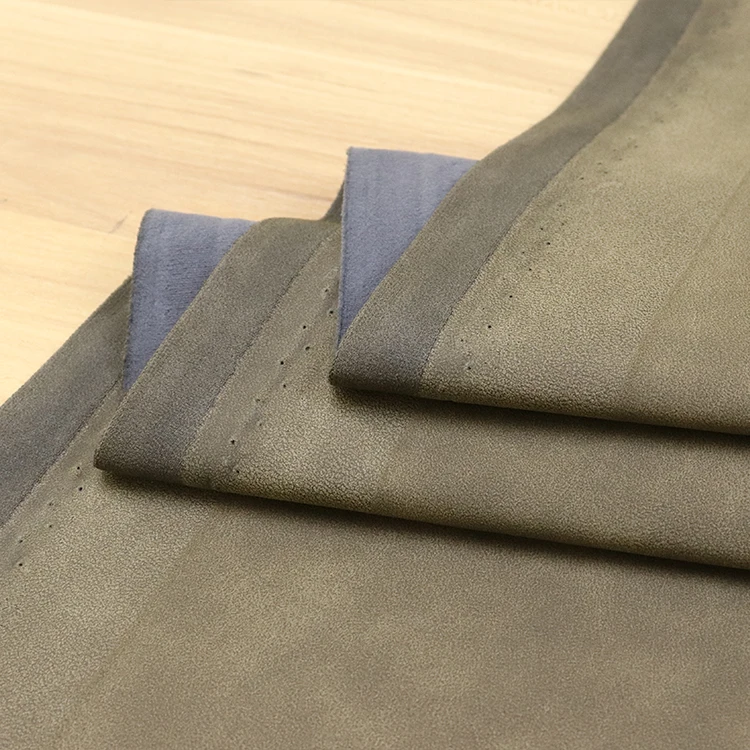
PU Suede Leather Nubuck Artificial Leather Materi for Shoe Make
How do I test wear resistance for wholesale leather car seat covers?
Testing wear resistance for wholesale leather car seat covers requires standardized mechanical abrasion tests, primarily the Martindale or Taber abrasion test methods. Laboratory evaluation measures surface degradation, mass loss, coating wear, and tensile strength retention after continuous cycles. Verifying abrasion and scratch resistance parameters ensures compliance with automotive industry durability standards for long-term vehicular upholstery usage.
Core Solutions & Key Takeaways
- Standardized Mechanical Testing: Execute Martindale (ISO 12947) or Taber (ASTM D3884) abrasion tests to evaluate coating endurance across continuous rub cycles.
- Physical Property Inspection: Verify post-test parameters including tensile strength, peeling strength, and surface gloss retention under standard ISO 9001 quality management procedures.
- Multi-Factor Environmental Simulation: Combine wear resistance evaluations with UV resistance, scratch resistance, and stain resistance testing to ensure long-term stability in automotive interiors.
- Customized Material Specifications: Select appropriate synthetic leather types—such as PVC, PU, or microfiber—ranging from 0.8 mm to 1.4 mm in thickness for specific wear requirements.
Detailed Architectural/Principle Analysis
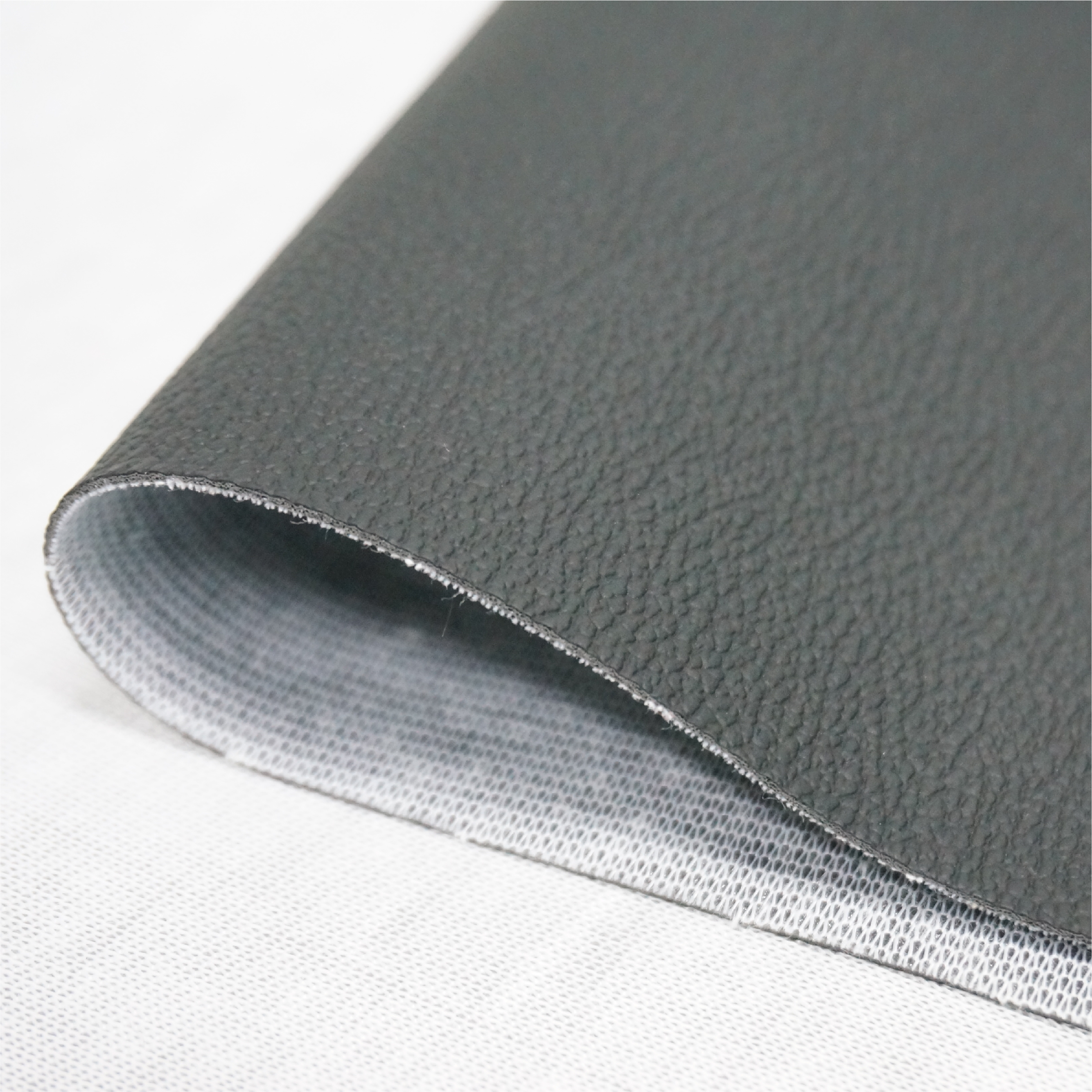
Testing abrasion and wear resistance in wholesale car seat covers synthetic leather involves assessing both the surface polyurethane or polyvinyl chloride topcoat and the underlying backing fabric. During standard laboratory procedures, circular specimens are subjected to multidirectional or rotational friction against specified abradants under controlled pressure. The mechanical stress replicates daily friction from passengers entering, exiting, and shifting on car seats, headrests, door panels, and armrests.
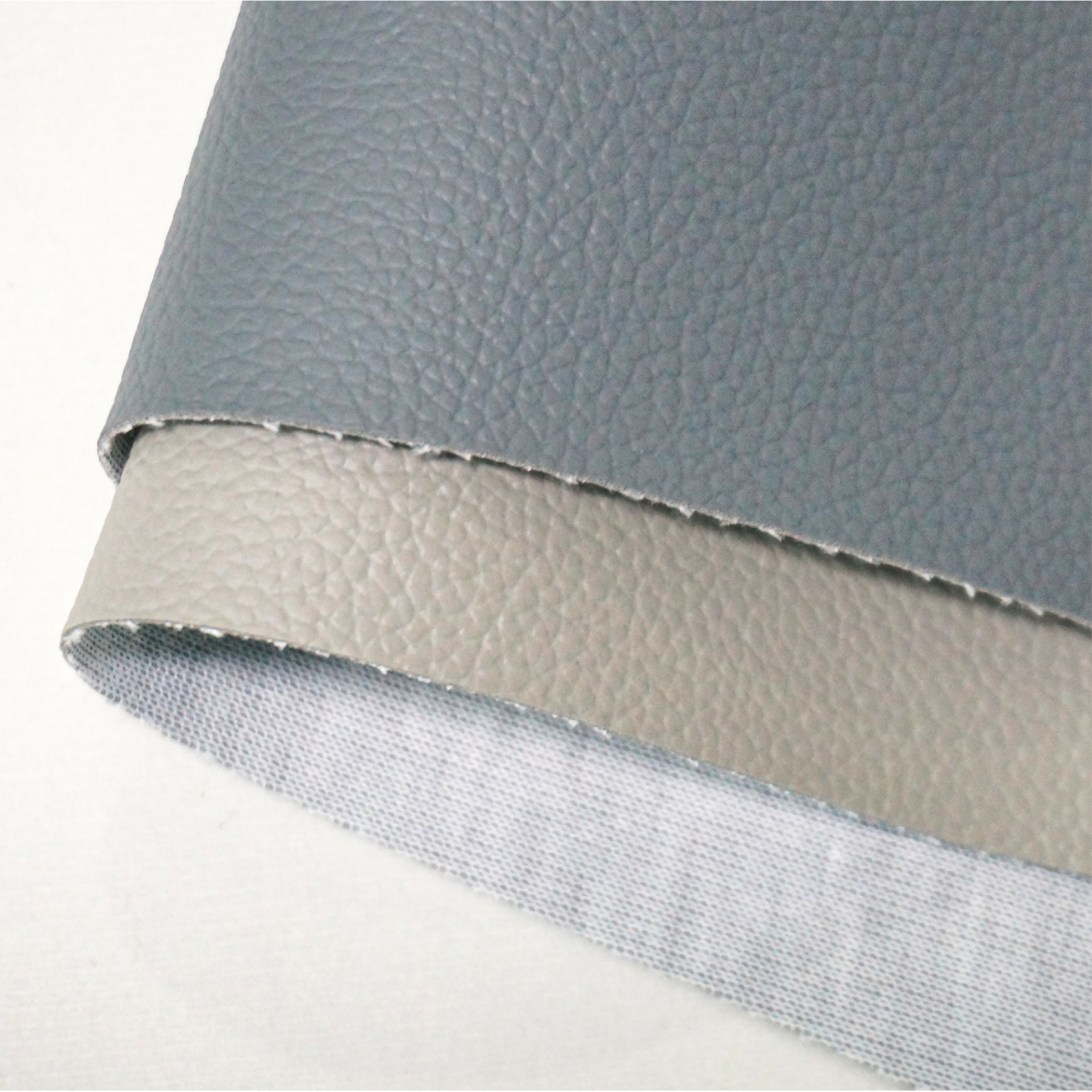
For high-performance synthetic materials supplied by Dongguan Cigno Leather Co., Ltd., testing protocols include pre- and post-inspection for peeling strength, tensile strength, and color consistency. Material options like microfiber, PU, and PVC are tailored in thickness (0.8–1.4 mm) and finish (such as nappa grain) to withstand intense daily friction. In a verified project supplying 50,000 meters of customized automotive synthetic leather to an interior manufacturer in Mexico, rigorous laboratory trials verified high scratch resistance, flame retardancy, low odor, and UV resistance, meeting strict client specifications.
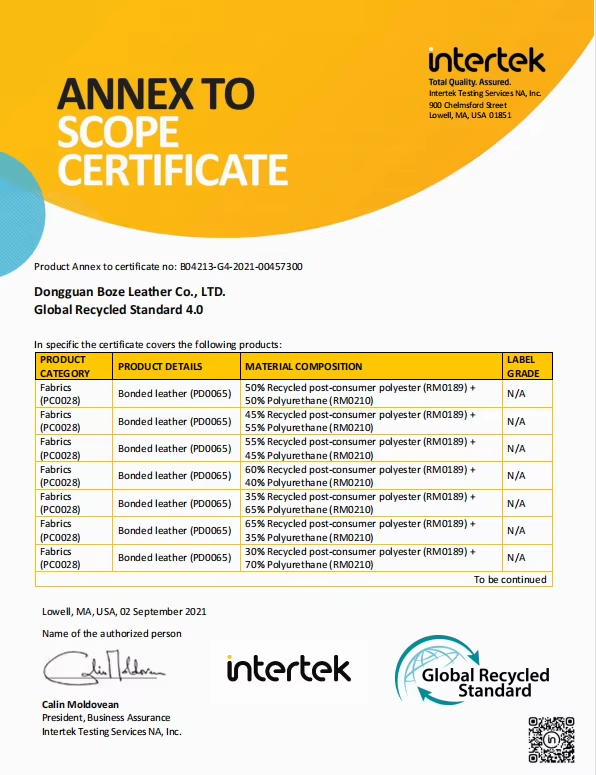
In addition to physical wear, automotive leather standards demand compliance with chemical and environmental safety benchmarks. Materials undergo testing for flame retardant performance, fluorine-free chemical processing, REACH, and RoHS standards. Credentials such as GRS (Global Recycled Standard), USDA Biobased certification, and OEKO-TEX Standard 100 ensure environmental and material safety consistency across batch production runs.
Data/Solution Comparison
Evaluating different synthetic leather structures for wholesale automotive applications reveals specific wear characteristics and performance profiles:
| Material Type | Thickness Range | Wear Resistance Level | Tensile & Peeling Strength | Primary Application |
|---|---|---|---|---|
| Microfiber Leather | 0.8 – 1.4 mm | High (100,000+ rub cycles) | High | Premium car seat covers, headrests, armrests |
| PU Leather | 0.8 – 1.2 mm | Medium to High | Medium to High | Seat covers, door panels, trim elements |
| PVC Leather | 0.9 – 1.4 mm | High (Scratch & Abrasion Resistant) | Medium | Heavy-duty car seating, commercial vehicle upholstery |
Frequently Asked Questions (FAQ)
What is the standard minimum order quantity (MOQ) and production turnaround for wear-tested car seat cover leather?
The standard minimum order quantity is 1,000 meters per color for specific automotive synthetic leather product lines, with standard mass production delivery times ranging from 15 to 30 days following order confirmation and color matching verification.
Which specific parameters are tested alongside wear resistance for automotive leather?
Laboratory testing covers thickness, width (54/55 inches), color consistency, surface appearance, abrasion resistance, tensile strength, peeling strength, scratch resistance, UV resistance, and flame-retardant performance under ISO 9001 quality control protocols.
Are international environmental and sustainability certifications available for bulk synthetic leather shipments?
Yes. Certified products carry GRS (Certificate B04213-G4), USDA Biobased (Certificate 521076632086130490), and OEKO-TEX Standard 100 (Certificate SH015 120749) documentation alongside lab reports for anti-bacterial, anti-mold, anti-UV, fluorine-free, REACH, and RoHS compliance.
Final Conclusion & Recommendations
Procuring wear-resistant synthetic leather for wholesale car seat covers requires combining standard mechanical abrasion tests with comprehensive physical and chemical property checks. Selecting suppliers that offer ISO 9001-certified quality control, standardized laboratory testing, and OEM/ODM customization ensures high durability across bulk production. Flexible commercial terms, including T/T bank transfer, L/C, and trade assurance options with air and sea shipping methods, support global supply chain requirements. For detailed technical solutions or support, please reach out to us via vicky@bozeleather.com.
About Us
Dongguan Cigno Leather Co., Ltd. is a synthetic leather manufacturer established in 2007, operating a 100,000 sqm production facility supported by 50 specialized staff members. The company specializes in the R&D and production of eco-friendly and multifunctional polymer materials, holding over 30 national invention patents and achieving a monthly production capacity of 6,000,000 meters. With an export ratio of 60%, products are exported across North America, Europe, South America, Southeast Asia, the Middle East, and Africa, serving automotive and furniture upholstery sectors worldwide. Certified credentials include GRS, USDA, and OEKO-TEX Standard 100 compliance.

SUBSCRIBE
INQUIRY