
PRODUCTS
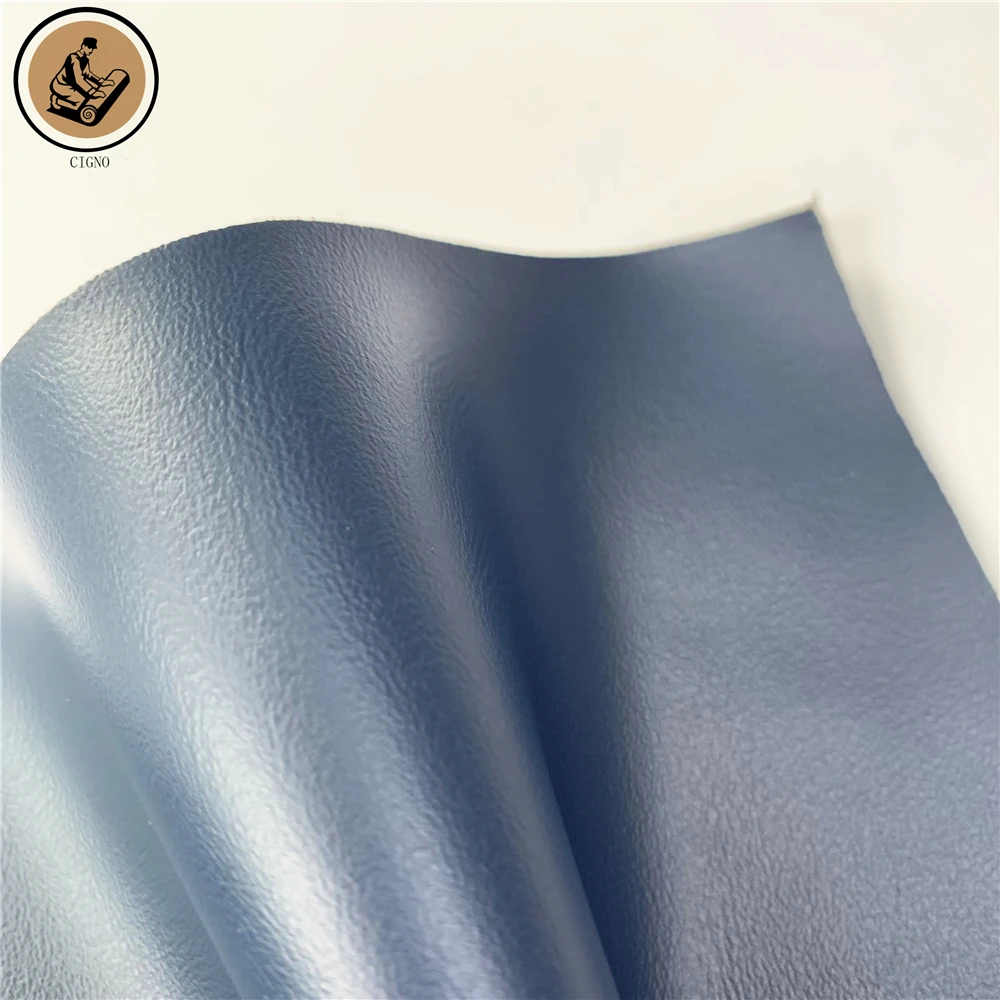
High Quality Eco-Friendly 1.2mm PU Synthetic Leather Furniture Upholstery Solvent-Free Skin-Feel for Sofa Car Seat Chair Bag Use
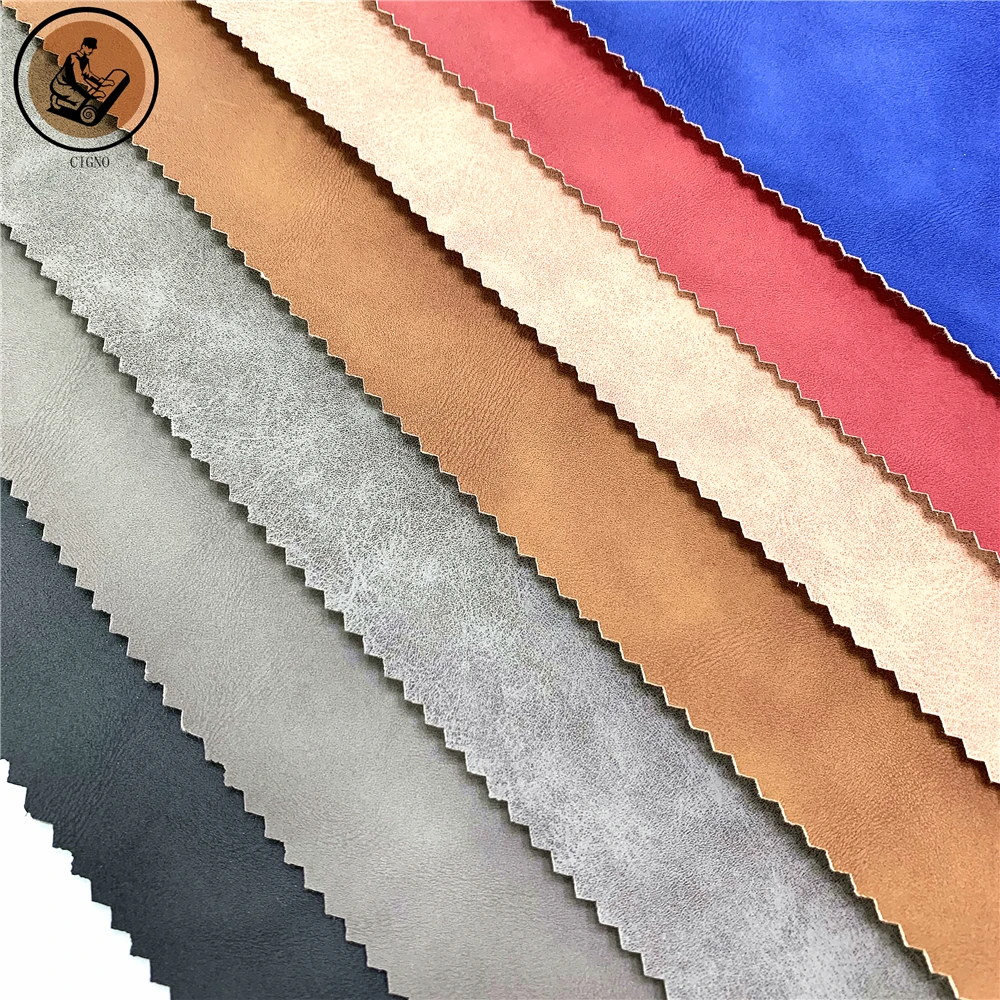
Free Samples of Embossed PU Synthetic Leather Bags Shoes Sofa Furniture Garments Car Decorative Uses-Waterproof Stretch Features
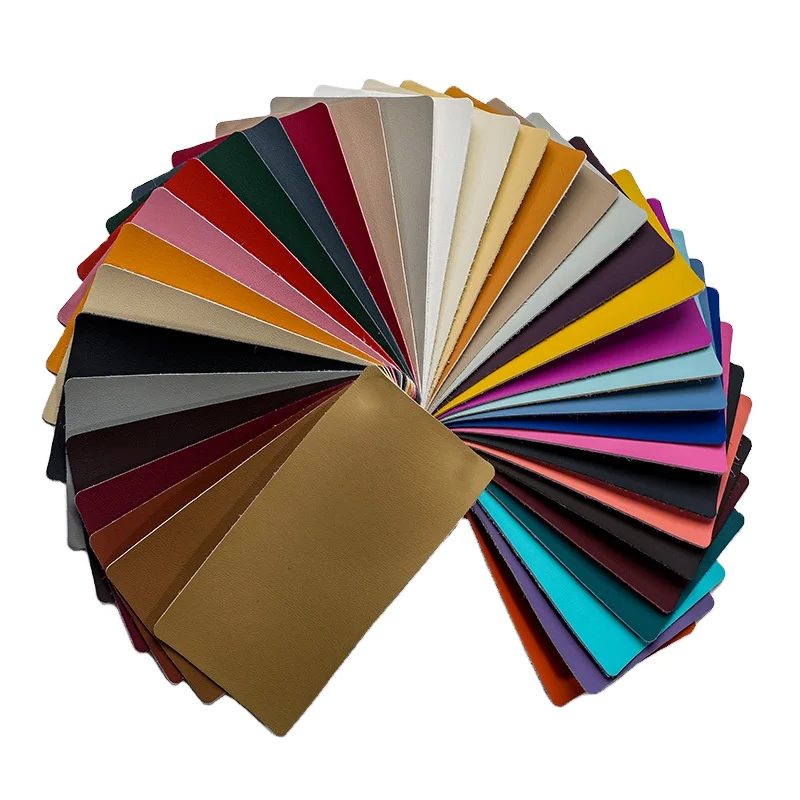
Pvc Vinyl Leather Rexine Leather Faux for Cars/Motorcycles, Waterproof Embossed Recycling Leatherette for Automotive Leather
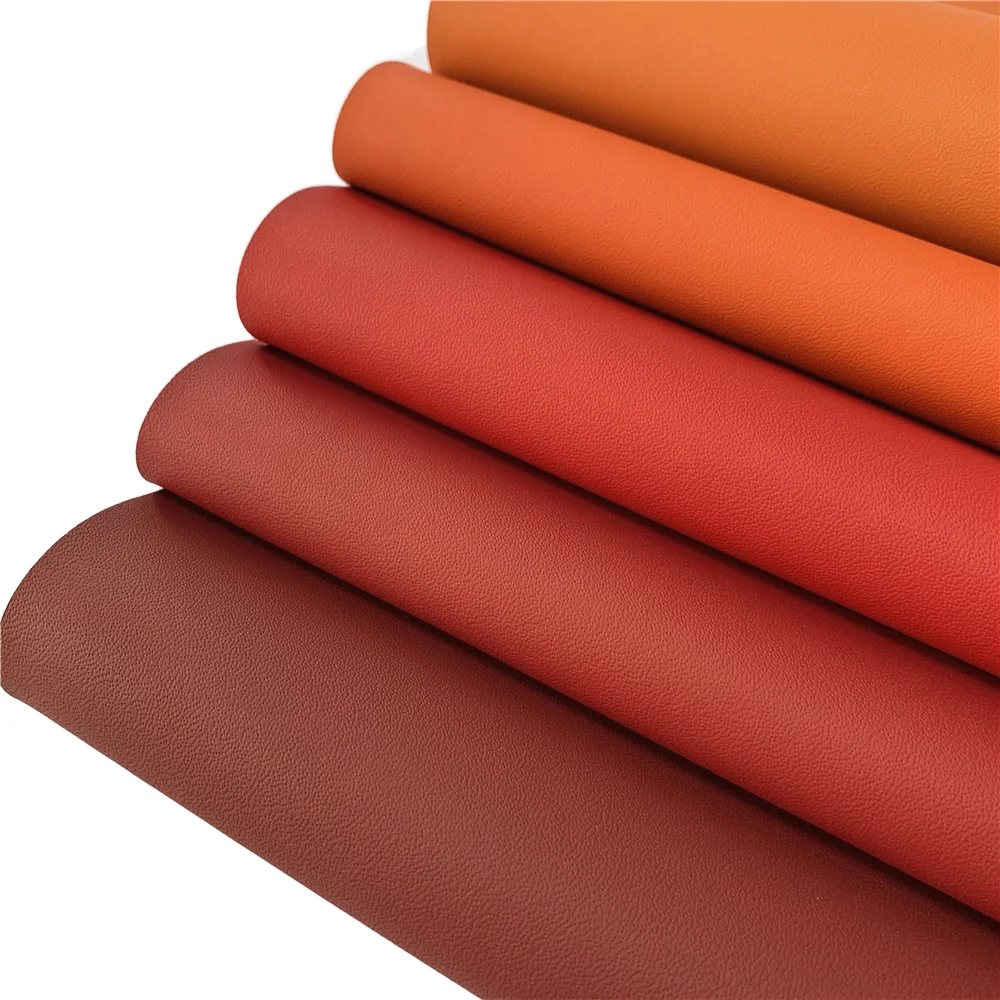
Hydrolysis Resistant Waterproof PU Microfiber Suede Leather Fabric Furniture Car Seat Covers Automotive Upholstery Bags Sofas
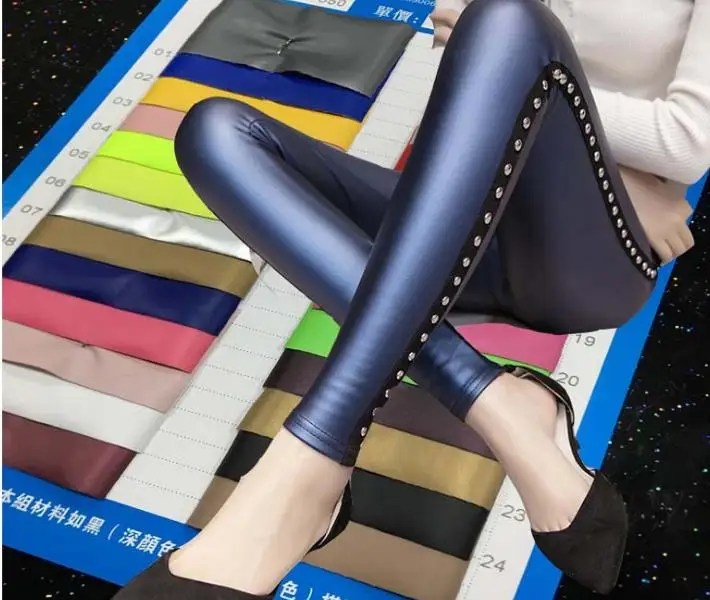
Ultra-Bright Black Mirror Four-Sided Stretch PU Fabric Pants Dresses Solid Color Soft Waterproof Clothing Elastic Finished
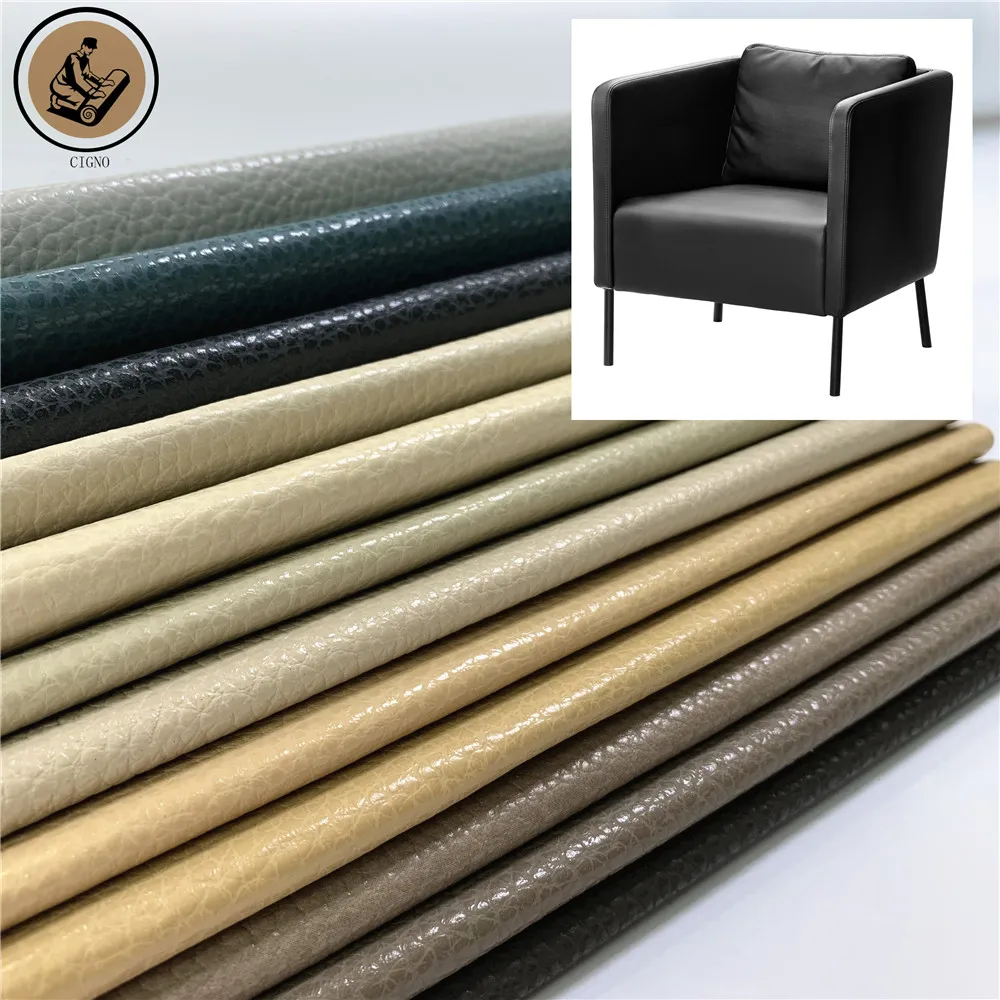
Litchi Lychee Grain 1.2mm PU Microfiber Leather Eco-Friendly Synthetic Leather Sofa Car Seat Handbags-Pearly-Lustre Recycled
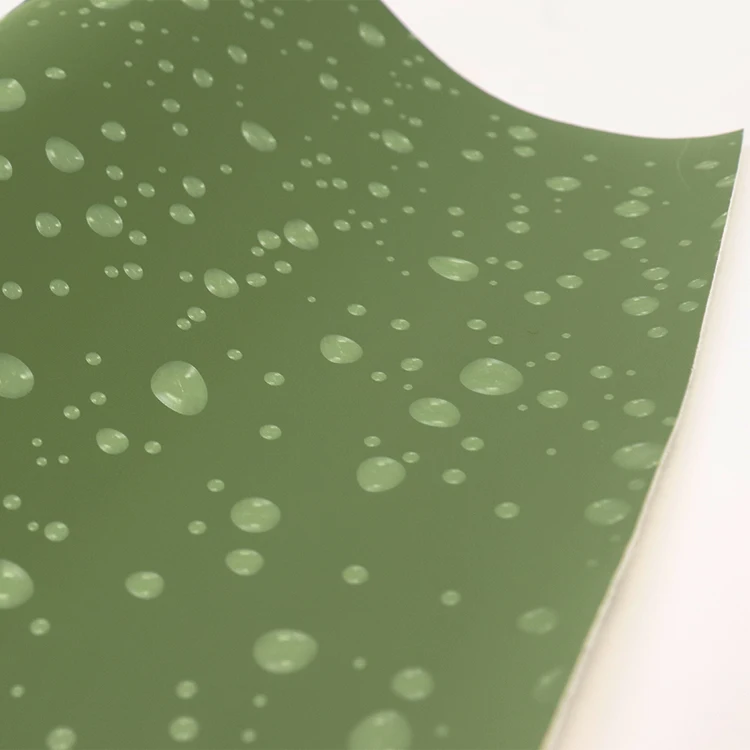
Custom Designer Faux Leather Fabric PVC Synthetic Leather Waterproof Sofa Bag Furniture Chair Woven Backing-Price Per Meter
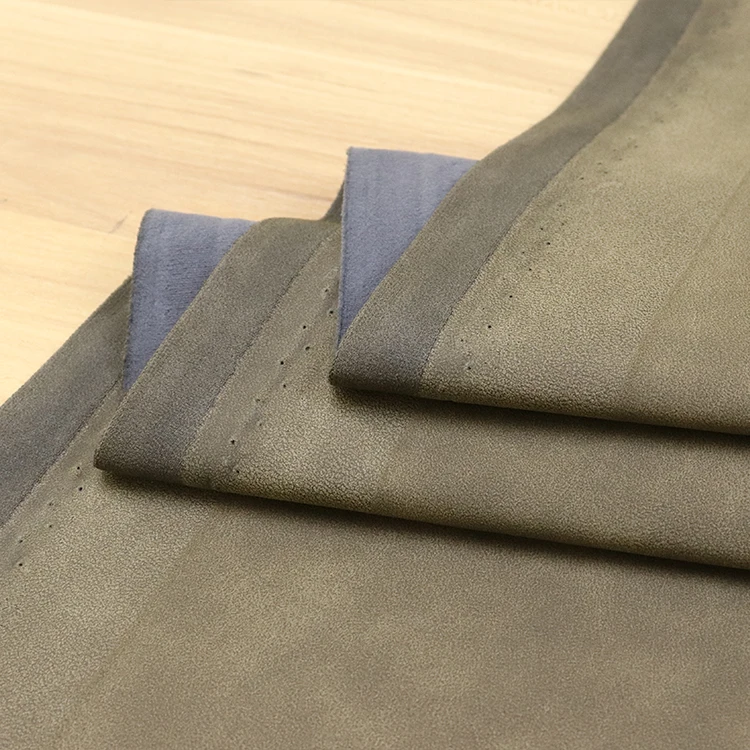
PU Suede Leather Nubuck Artificial Leather Materi for Shoe Make
How do I verify if supplier's car seat covers leather is genuine or synthetic PU?
Verifying whether car seat covers leather is genuine or synthetic PU requires checking cross-sectional backing, heat resistance, and surface texture. Synthetic PU features a uniform fabric or microfiber backing, precise edge cuts, and consistent grain, whereas genuine leather exhibits irregular fiber bundles, porous undersides, and natural grain variations. Chemical and thermal testing further distinguishes PU via its melting reaction under flame, unlike genuine leather which chars.
Core Solutions & Key Takeaways
- Backing and Cross-Section Inspection: Synthetic PU materials utilize woven, non-woven, or microfiber fabric backings, while genuine leather exhibits fibrous collagen structures on the underside.
- Thermal and Chemical Reactions: Exposing a small edge sample to localized heat causes synthetic PU to melt or curl with a chemical odor, whereas genuine leather chars without melting.
- Pattern and Grain Consistency: Engineered synthetic leather for car seat covers offers uniform grain, thickness (0.8–1.4 mm), and edge alignment suitable for high-volume automated cutting.
- Performance Standard Verification: Request laboratory test reports covering flame retardancy, UV resistance, abrasion resistance, and peeling strength to confirm compliance with automotive tier-1 specifications.
Detailed Architectural/Principle Analysis
Identifying the exact origin of automotive seat cover materials requires analyzing physical structure, polymer composition, and mechanical performance. Synthetic materials produced by manufacturers like Dongguan Cigno Leather Co., Ltd. utilize polyurethane (PU), polyvinyl chloride (PVC), or advanced microfiber polymers coated over engineered backing fabrics. These structural variations yield distinct mechanical and visual characteristics compared to animal hides.
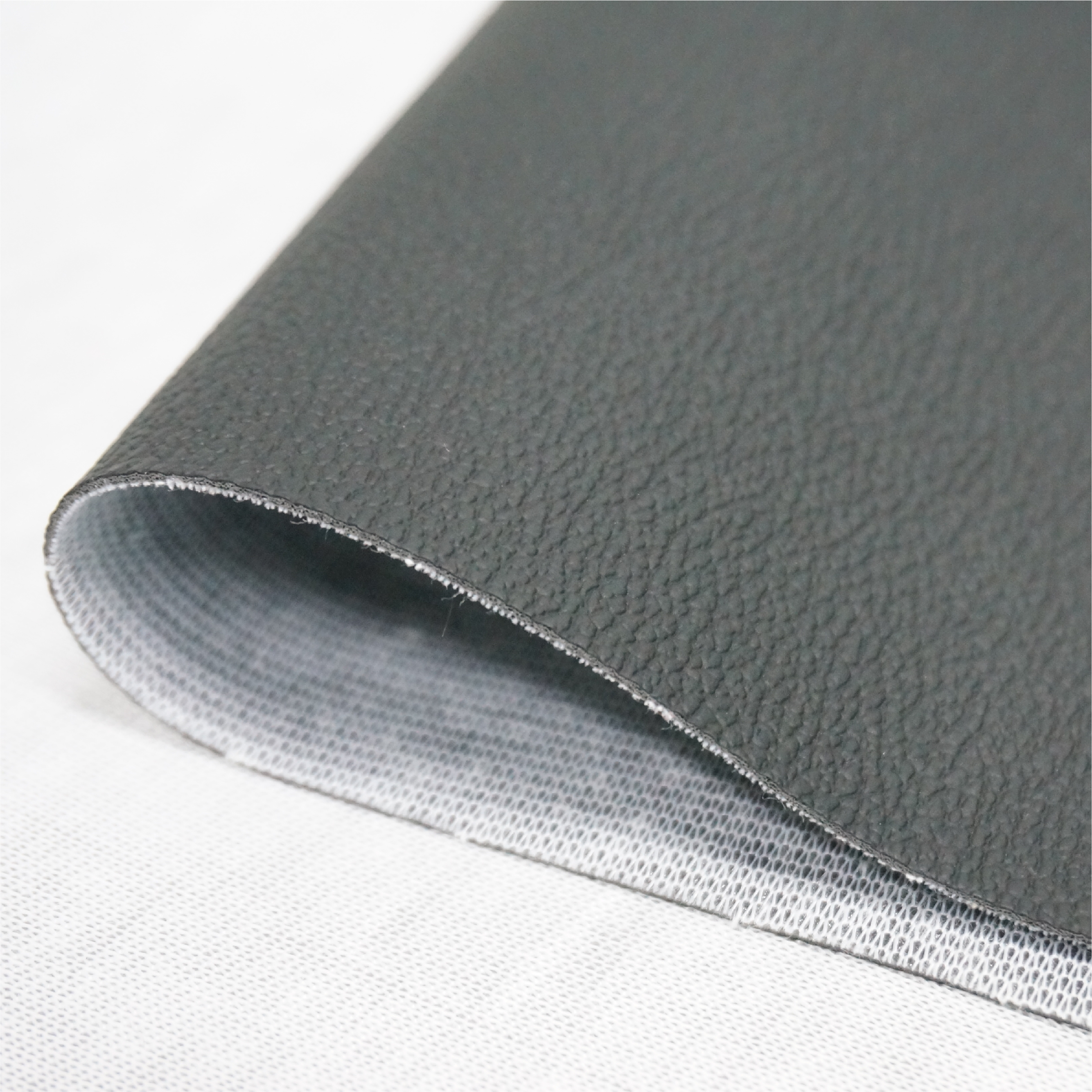
When evaluating material samples, cut a clean cross-section to examine the layered composition. Genuine leather displays an integrated fibrous matrix without distinct surface separation. In contrast, synthetic PU leather consists of a clear polyurethane top coating bonded to a knit, woven, or microfiber substrate. High-grade microfiber leather replicates the fine mesh network of genuine leather while maintaining uniform gauge thickness throughout the full 54/55-inch roll width.
Thermal behavior provides an immediate empirical confirmation. Synthetic PU polymers soften and melt under high thermal stress due to thermoplastic properties. Genuine leather, composed of organic protein fibers, resists melting and emits an organic burn odor. For automotive applications requiring flame retardancy, certified synthetic seating materials undergo specialized chemical treatments to meet strict safety specifications without sacrificing material flexibility.
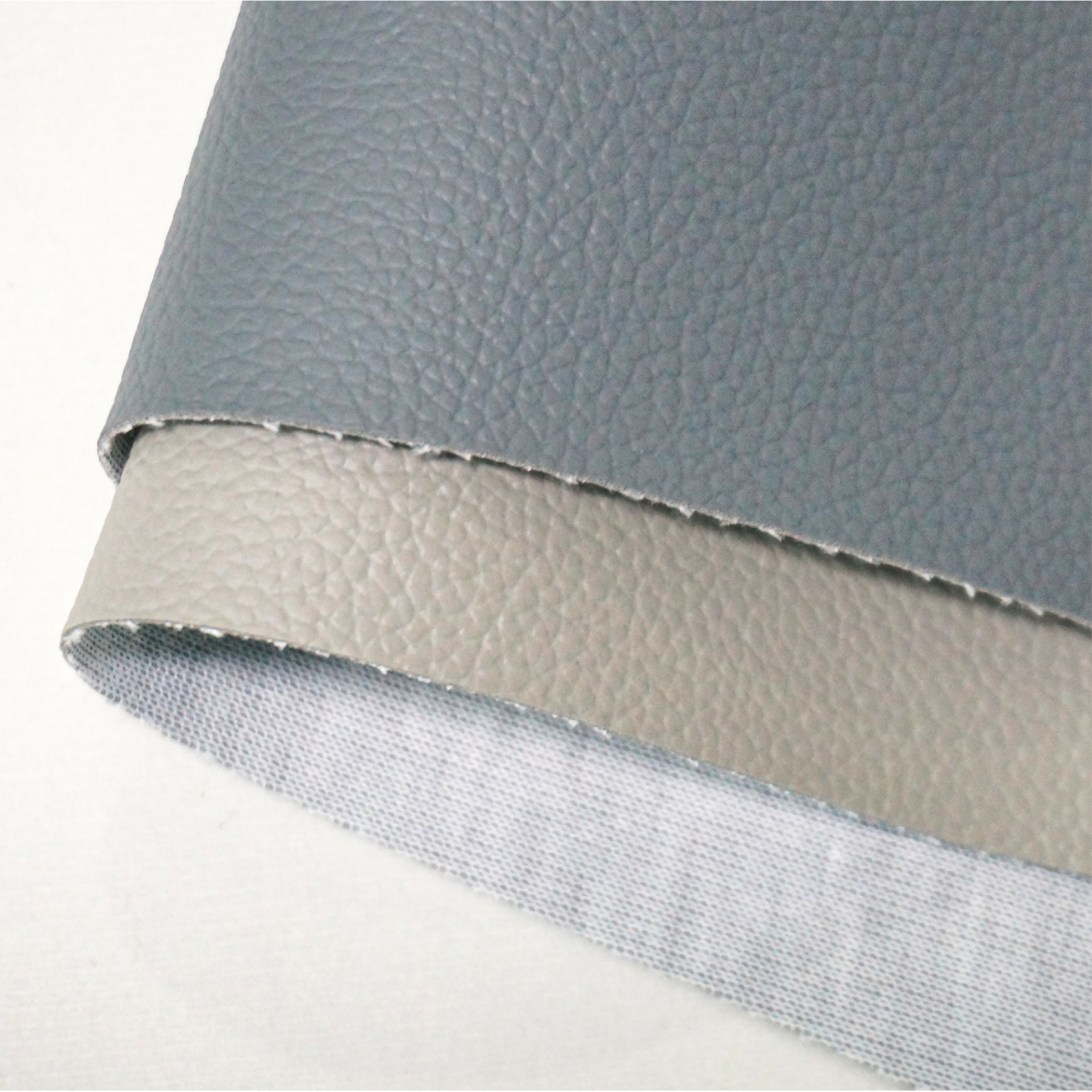
In commercial supply chains, such as a bulk delivery of 50,000 meters of customized automotive seat synthetic leather exported to an interior manufacturer in Mexico, material validation extended beyond basic surface tests. Laboratory verification included tensile strength, peeling strength, low-odor emission testing, and UV resistance, confirming stable color consistency and mechanical reliability across production runs.
Data/Solution Comparison
| Property / Feature | Genuine Animal Leather | Synthetic PU / Microfiber Leather |
|---|---|---|
| Backing Structure | Irregular fibrous collagen tissue | Woven, non-woven, or microfiber textile base |
| Thickness Uniformity | Variable across hide sections | Consistent gauge (0.8–1.4 mm) across roll width |
| Water & Stain Resistance | Absorptive unless heavily finished | Inherently waterproof and easy to clean |
| Thermal Response | Chars without melting under flame | Softens and melts under direct high heat |
| Flame Retardancy | Natural resistance, limited modification | Engineered to meet specific automotive flame standards |
| Environmental Certifications | Leather Working Group (LWG) | USDA Biobased, GRS, Oeko-Tex 100 |
| MOQ & Standard Dimensions | Sold per hide unit | 1,000 meters per color; 54/55 inches width |
Frequently Asked Questions (FAQ)
How can I test automotive seat cover leather samples without destructive heating?
Examine the underside backing material under magnification and test water absorption. Genuine leather absorbs water droplets over time unless heavily sealed, whereas synthetic PU materials repel liquid due to non-porous polyurethane surface coatings.
What lab reports should a supplier provide to verify synthetic PU leather quality?
Request documentation for tensile strength, peeling strength, flame retardancy, UV stability, anti-bacterial properties, and environmental compliance reports such as REACH, RoHS, and fluorine-free certifications.
Can synthetic PU leather match the touch and durability of real leather for car seats?
High-performance microfiber PU synthetic leather replicates nappa-grain textures, flexibility, and hand-feel while offering superior scratch resistance, color consistency, and automated cutting efficiency for seating production.
Final Conclusion & Recommendations
Distinguishing genuine leather from synthetic PU involves analyzing cross-sectional backing structures, heat responses, and mechanical performance metrics. For industrial automotive seat manufacturing, synthetic PU and microfiber leather provide advantages in thickness consistency, water resistance, and customizable flame-retardant performance. Standard bulk procurement operates with flexible shipping options including sea freight and air freight, supported by quality control systems compliant with ISO 9001 standards. For detailed technical solutions or support, please reach out to us via vicky@bozeleather.com.
About Us
Dongguan Cigno Leather Co., Ltd. is a professional manufacturer specializing in high-quality synthetic leather based in Dongguan, China. Established in 2007, the company operates a factory area of 100,000 square meters with a monthly production capacity of 6 million meters. The enterprise maintains internationally recognized certifications including GRS, USDA, and Oeko-Tex 100, delivering engineered synthetic materials to global automotive and furniture upholstery partners.

SUBSCRIBE
INQUIRY