
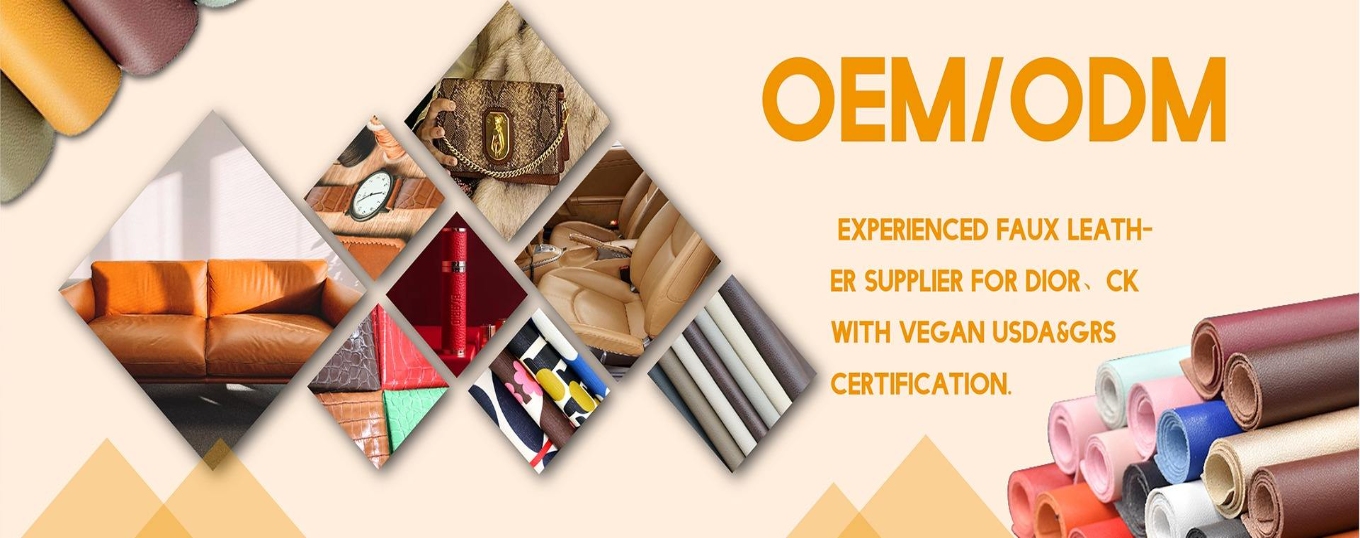
PRODUCTS
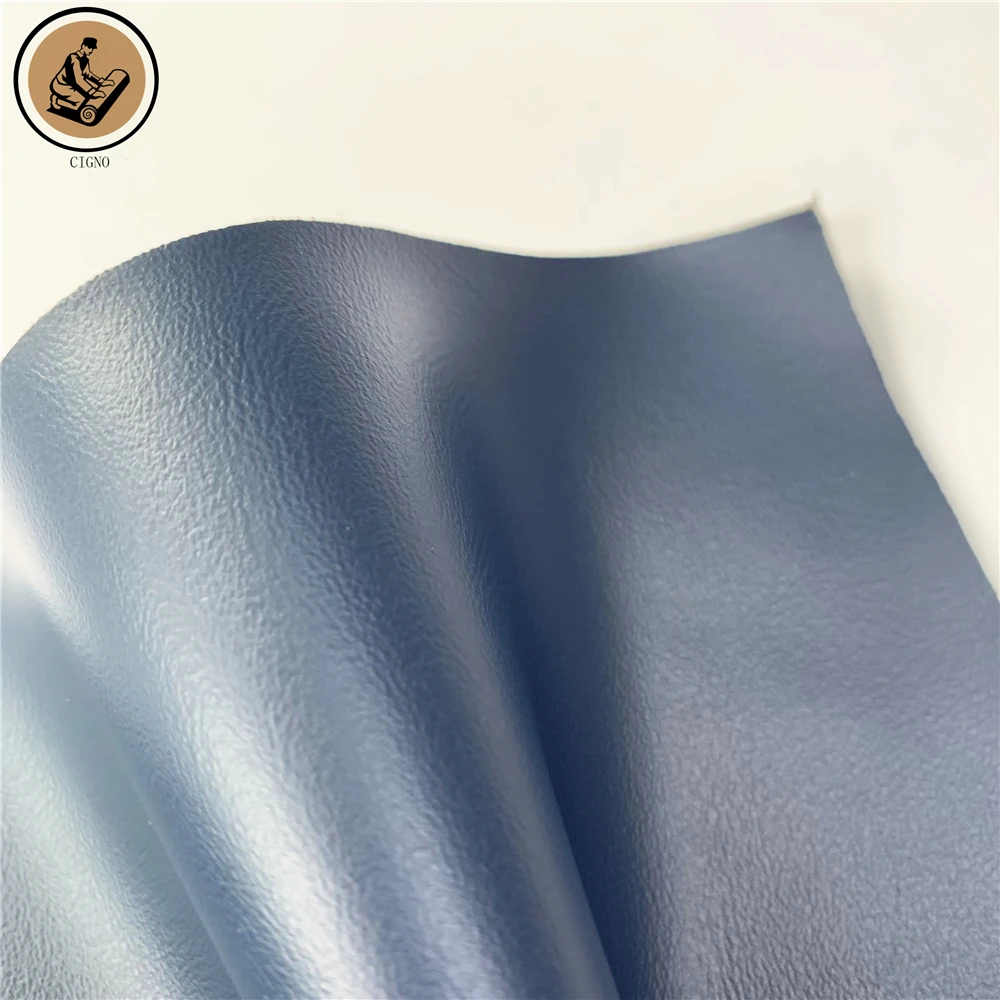
High Quality Eco-Friendly 1.2mm PU Synthetic Leather Furniture Upholstery Solvent-Free Skin-Feel for Sofa Car Seat Chair Bag Use
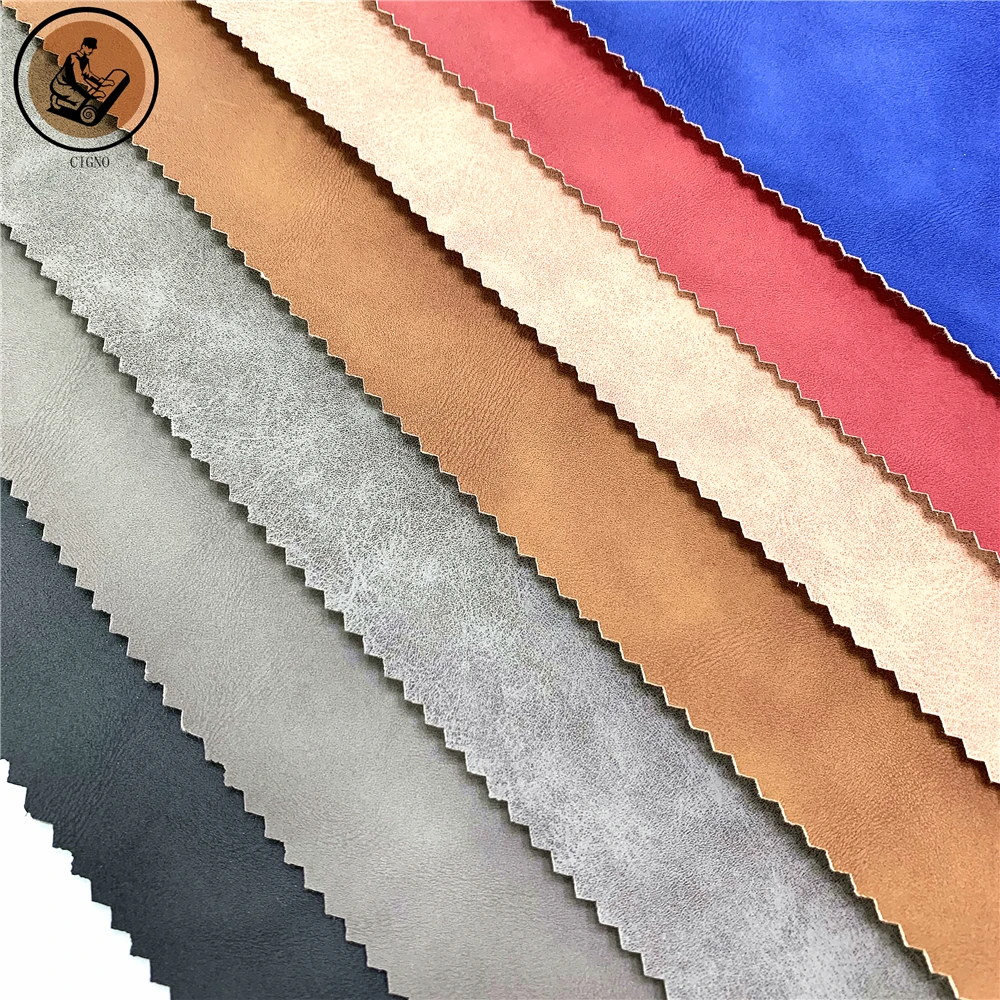
Free Samples of Embossed PU Synthetic Leather Bags Shoes Sofa Furniture Garments Car Decorative Uses-Waterproof Stretch Features
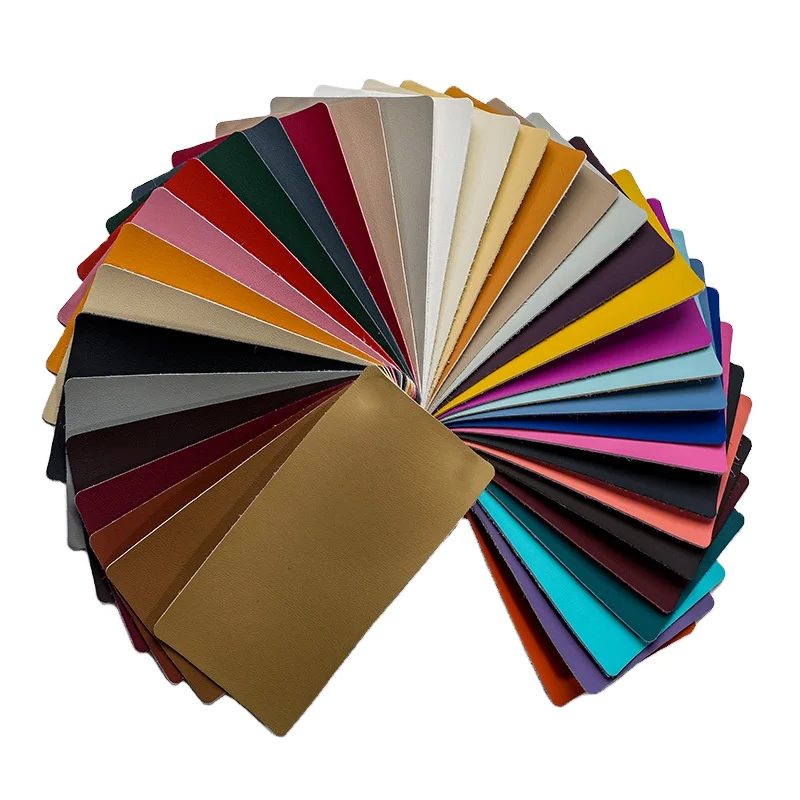
Pvc Vinyl Leather Rexine Leather Faux for Cars/Motorcycles, Waterproof Embossed Recycling Leatherette for Automotive Leather
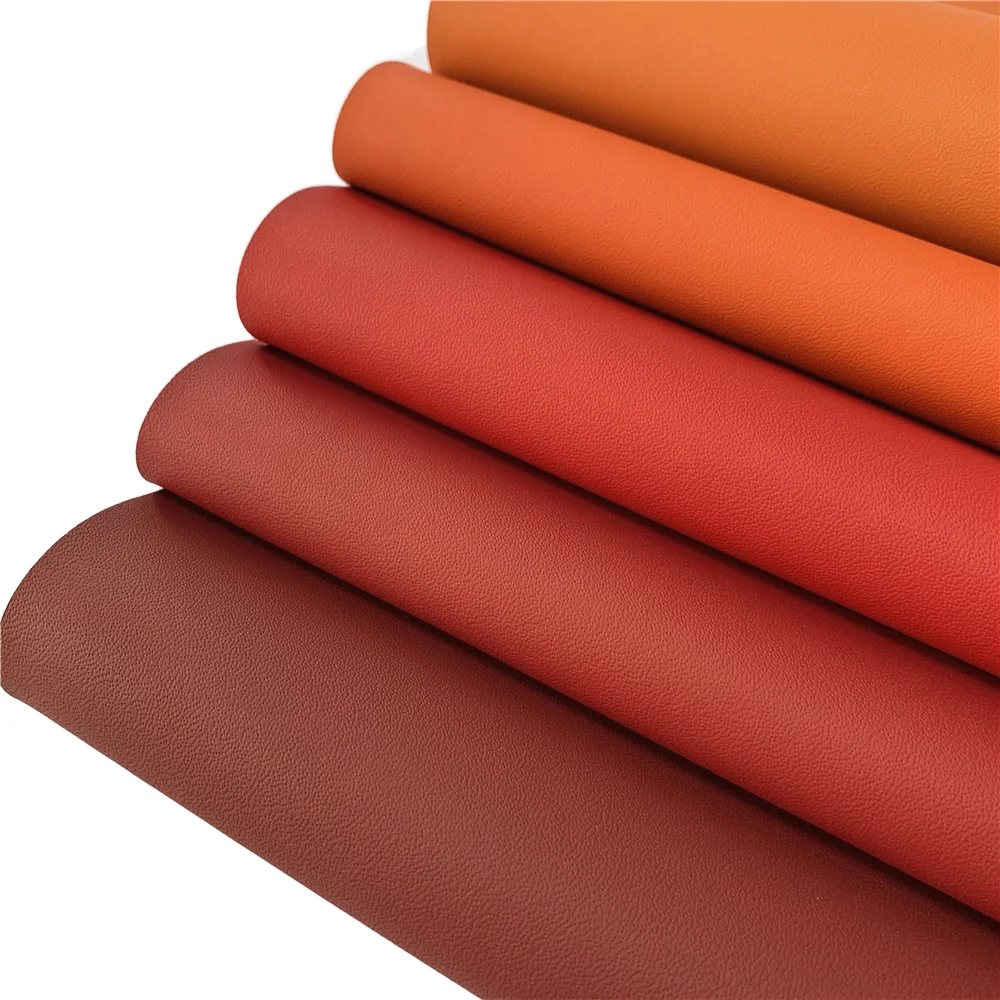
Hydrolysis Resistant Waterproof PU Microfiber Suede Leather Fabric Furniture Car Seat Covers Automotive Upholstery Bags Sofas
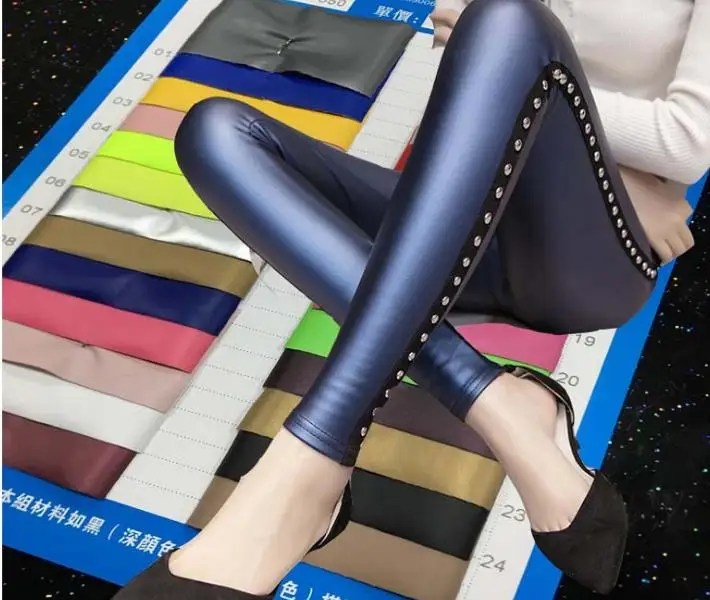
Ultra-Bright Black Mirror Four-Sided Stretch PU Fabric Pants Dresses Solid Color Soft Waterproof Clothing Elastic Finished
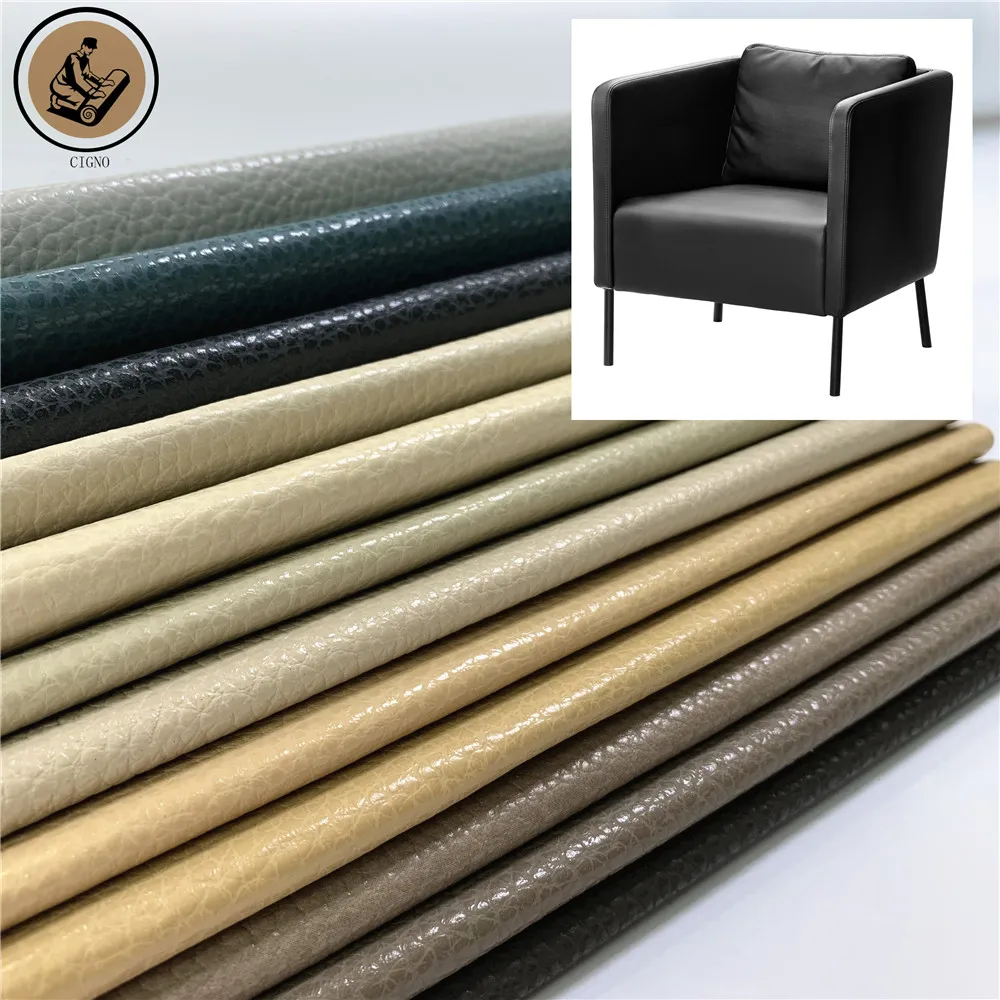
Litchi Lychee Grain 1.2mm PU Microfiber Leather Eco-Friendly Synthetic Leather Sofa Car Seat Handbags-Pearly-Lustre Recycled
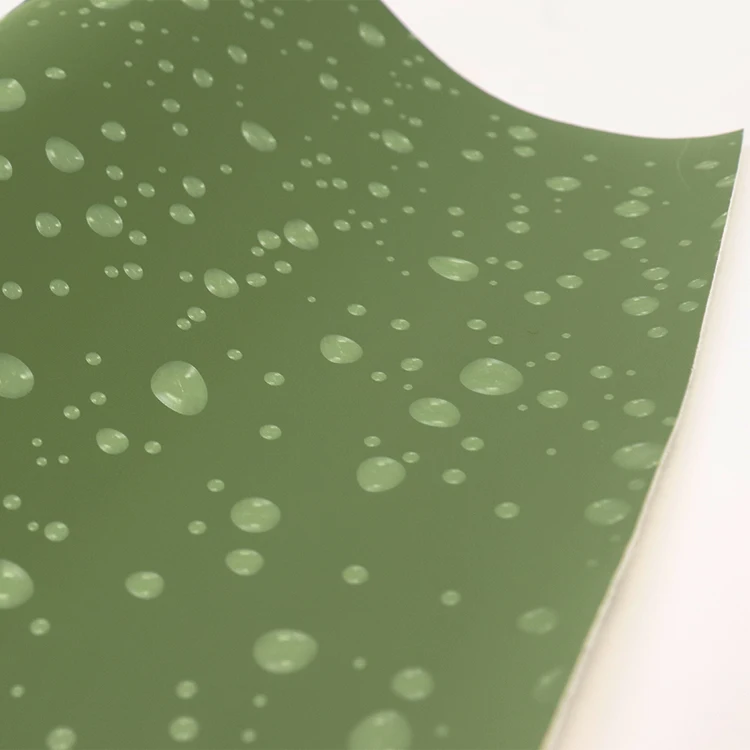
Custom Designer Faux Leather Fabric PVC Synthetic Leather Waterproof Sofa Bag Furniture Chair Woven Backing-Price Per Meter
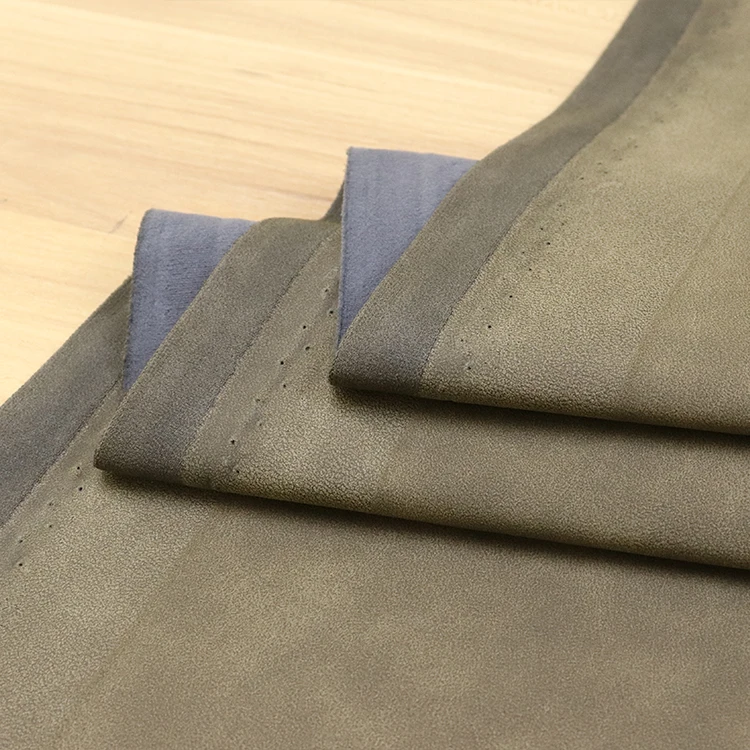
PU Suede Leather Nubuck Artificial Leather Materi for Shoe Make
How do I verify that a vegetan leather factory follows responsible chemical handling practices?
To verify that a vegetan synthetic leather factory adheres to responsible chemical handling practices, audit their international compliance certifications, inspect third-party laboratory test reports, and review on-site chemical management systems. Standard verification requires validating certifications such as OEKO-TEX Standard 100, GRS, and USDA Biobased, along with comprehensive REACH, RoHS, fluorine-free, and volatile organic compound (VOC) testing documentation across all production lines.
Core Solutions & Key Takeaways
- Validate Recognized Environmental Certifications: Verify authentic documentation for OEKO-TEX Standard 100, Global Recycled Standard (GRS), and USDA Biobased certifications directly from official issuing databases.
- Audit Chemical Safety Test Reports: Require third-party laboratory reports verifying compliance with REACH SVHC, RoHS directives, fluorine-free formulations, and low-VOC emissions.
- Assess Production Line Capabilities: Inspect solvent recovery systems and verify whether the facility utilizes water-based or solvent-free polyurethane processing to eliminate hazardous compound exposure.
- Verify Multi-Stage Quality Control: Ensure chemical consistency through full-chain inspections, from polymer formulation and color matching to physical testing for automotive and furniture upholstery applications.
Detailed Architectural/Principle Analysis
Verifying chemical compliance in synthetic leather manufacturing requires evaluating both chemical raw material inputs and finished material outputs. Responsible facilities implement systematic chemical safety protocols under ISO 9001 quality management standards. Raw materials—including plasticizers, polyurethane resins, color pigments, and functional additives—must undergo strict screening prior to compounding to prevent banned phthalates, heavy metals, or hazardous solvents from entering the manufacturing workflow.
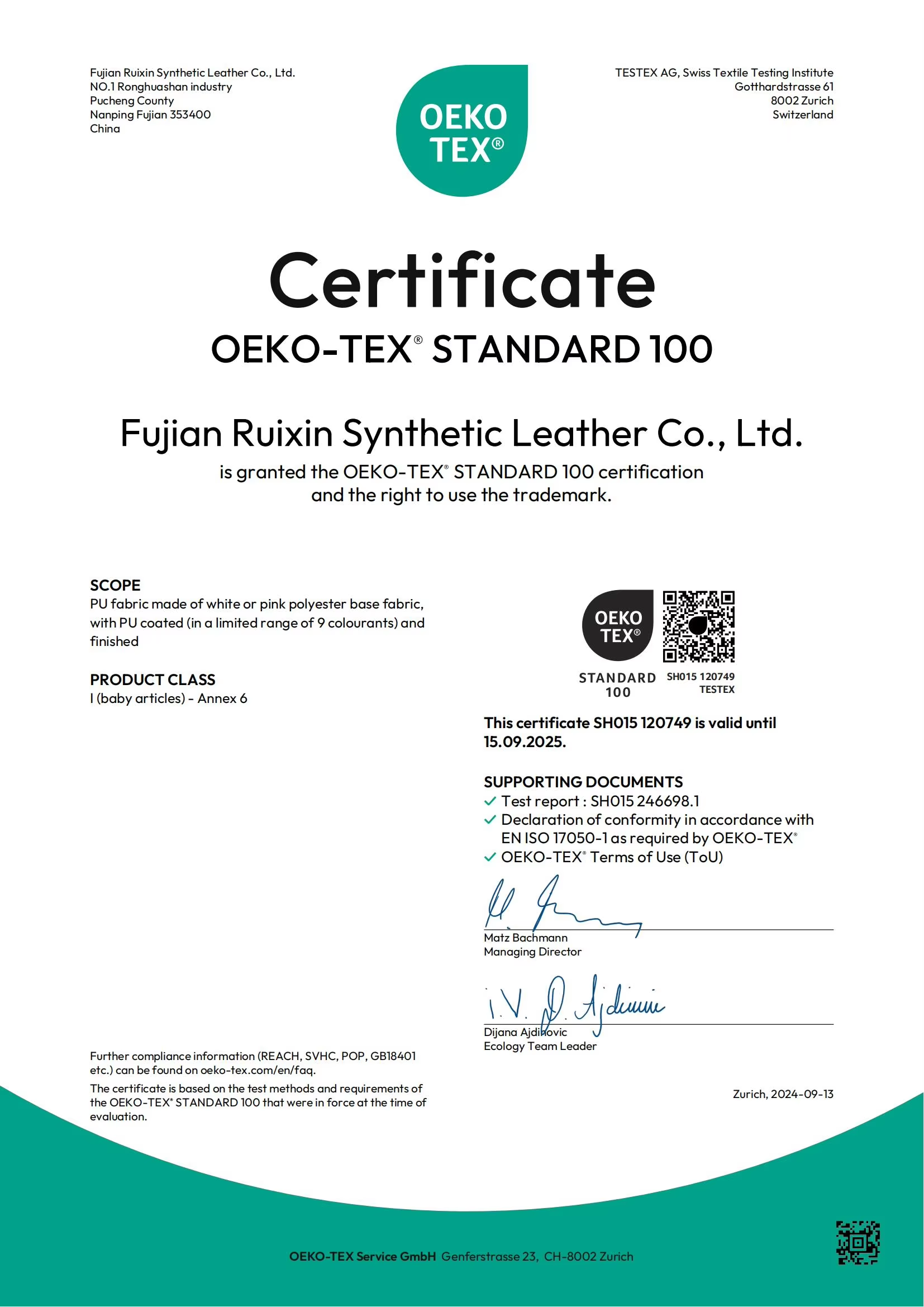
Advanced synthetic leather production utilizes solvent-free PU and water-based technologies that eliminate volatile solvents like dimethylformamide (DMF). Independent third-party certifications provide objective verification of these processes. For instance, OEKO-TEX Standard 100 (Certificate SH015 120749) guarantees that finished materials are free from harmful levels of toxic substances, while GRS certification (Certificate B04213-G4) tracks recycled content and verifies responsible chemical management throughout the supply chain.
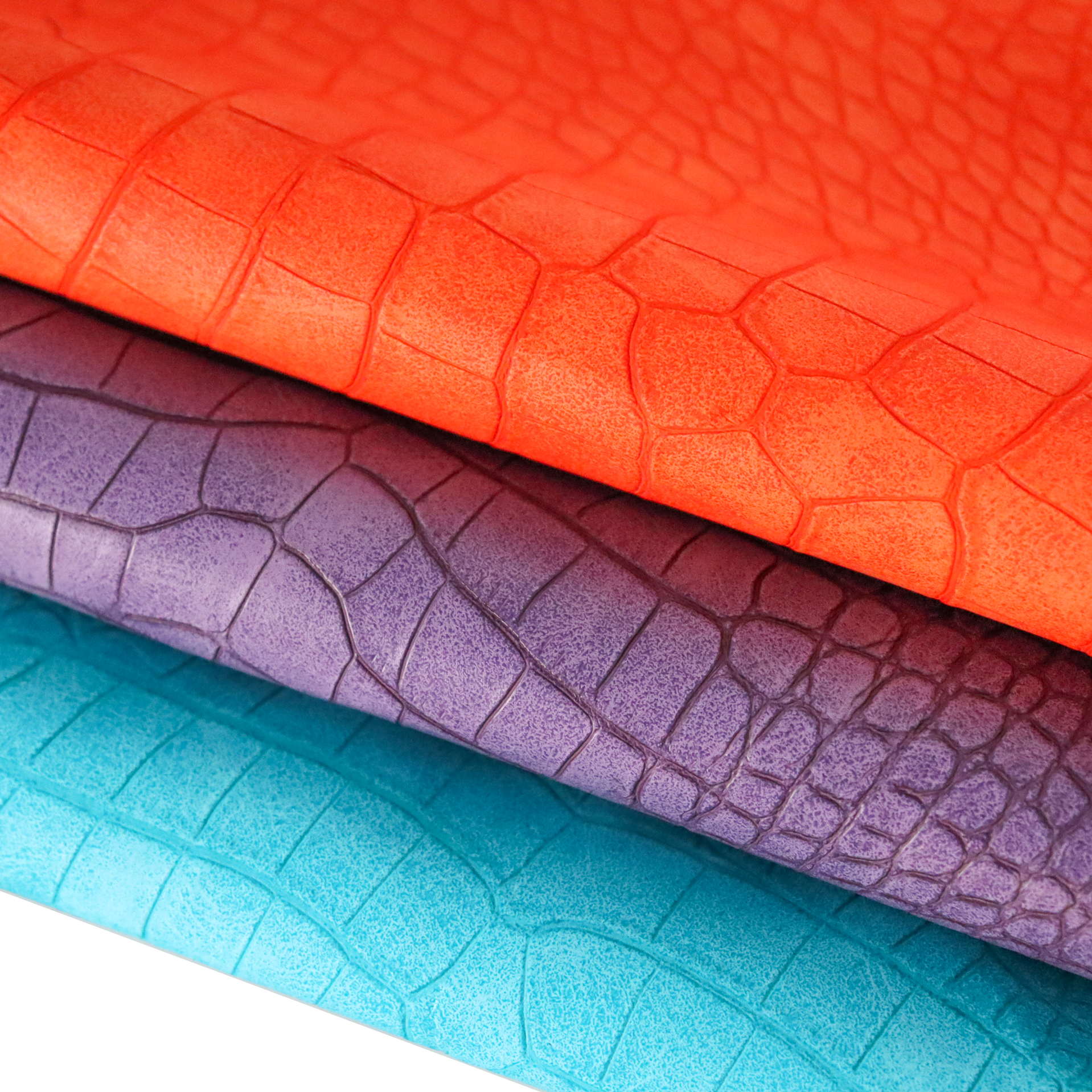
Real-world application demands balance chemical safety with high functional performance. In a supply project for an automotive interior manufacturer in Mexico involving 50,000 meters of customized synthetic leather for seat covers, door panels, and armrests, technical specifications required strict low-odor performance, flame retardancy, UV resistance, and REACH compliance. Verifying chemical input consistency ensured that the material achieved robust tensile strength, abrasion resistance, and stain resistance without releasing hazardous chemical off-gassing during vehicle operation.
Data/Solution Comparison
| Verification Standard | Target Chemical Parameters | Application Scope | Validation Method |
|---|---|---|---|
| OEKO-TEX Standard 100 | Restricted aromatic amines, heavy metals, phthalates, skin-pH neutrality | Furniture, apparel, footwear, automotive interiors | Laboratory testing of finished material samples & certificate verification |
| REACH & RoHS Directives | Substances of Very High Concern (SVHC), hazardous heavy metal limits | Commercial upholstery, office furniture, automotive panels | Third-party chemical analysis & declaration of conformity |
| GRS (Global Recycled Standard) | Recycled material trace-ability, chemical input restriction, social responsibility | Eco-friendly synthetic leather, recycled microfiber lines | Annual facility audit & transaction certificate validation |
| Fluorine-Free & Low-VOC Testing | Per- and polyfluoroalkyl substances (PFAS), organic solvent off-gassing | Indoor furniture, automotive seats, healthcare upholstery | Chamber gas chromatography & specialized chemical assays |
Frequently Asked Questions (FAQ)
What chemical test reports should buyers request from synthetic leather manufacturers?
Buyers should request comprehensive third-party test reports covering REACH SVHC compliance, RoHS chemical limits, fluorine-free test verification, volatile organic compound (VOC) emissions, and flame-retardant performance documentation before placing bulk orders.
How does solvent-free PU processing differ from traditional synthetic leather manufacturing?
Solvent-free PU processing eliminates organic solvents such as DMF during manufacturing. This eliminates toxic fumes, reduces chemical odor, lowers environmental contamination risks, and yields a material with higher peel strength and hydrolysis resistance.
Can customized functional properties be produced without hazardous chemical additives?
Yes. Specialized functional properties—such as anti-bacterial, anti-mold, UV resistance, stain resistance, and flame retardancy—can be engineered using fluorine-free and non-hazardous chemical formulations that comply with international safety standards.
Final Conclusion & Recommendations
Verifying chemical safety practices in vegan leather manufacturing involves auditing accredited certifications, requesting batch-specific chemical test reports, and ensuring complete process traceability. Working with established manufacturers capable of customizing thickness (0.7–1.4 mm), grain textures, and functional backings while maintaining ISO 9001-certified quality control minimizes supply chain risk. Standard commercial orders typically require clear minimum order quantity (MOQ) agreements, sample verification, and formal trade terms prior to bulk production. For detailed technical solutions or support, please reach out to us via vicky@bozeleather.com.
About Us

Established in 2007, Dongguan Cigno Leather Co., Ltd. operates a 100,000 square meter manufacturing facility specialized in high-performance synthetic leather, maintaining an export ratio of 60% across global markets. The company integrates dedicated R&D capabilities for eco-friendly materials, producing PU, PVC, microfiber, and solvent-free leather solutions. Holding certifications including GRS, USDA, and OEKO-TEX Standard 100, the enterprise has served over 200 international clients across automotive interior and furniture upholstery sectors.
SUBSCRIBE
INQUIRY