
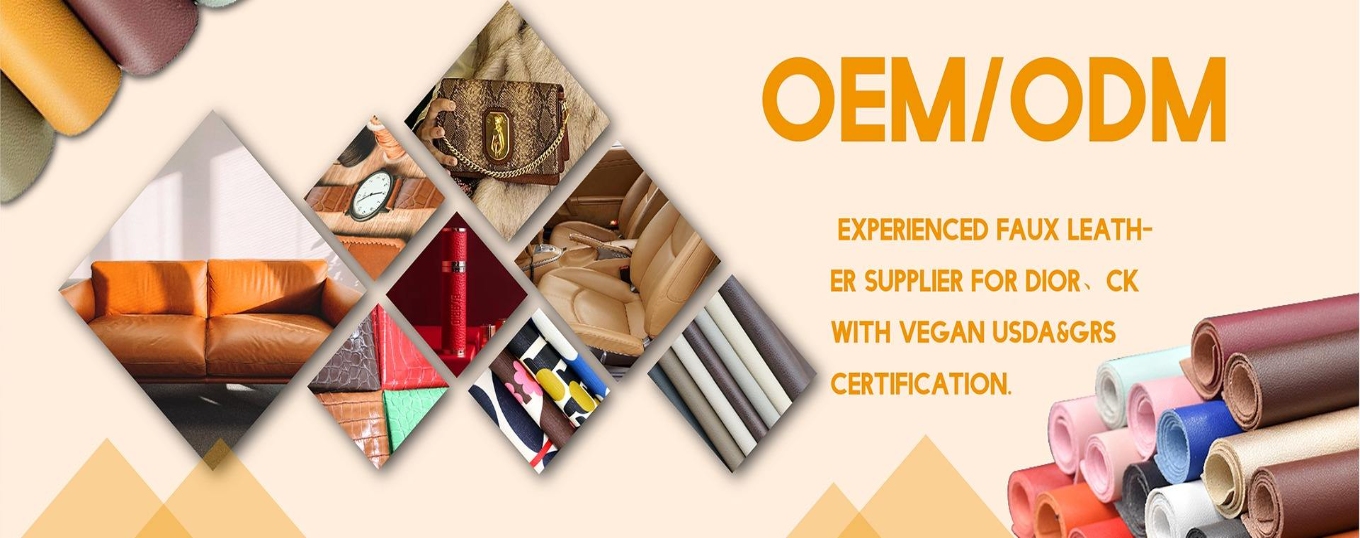
PRODUCTS
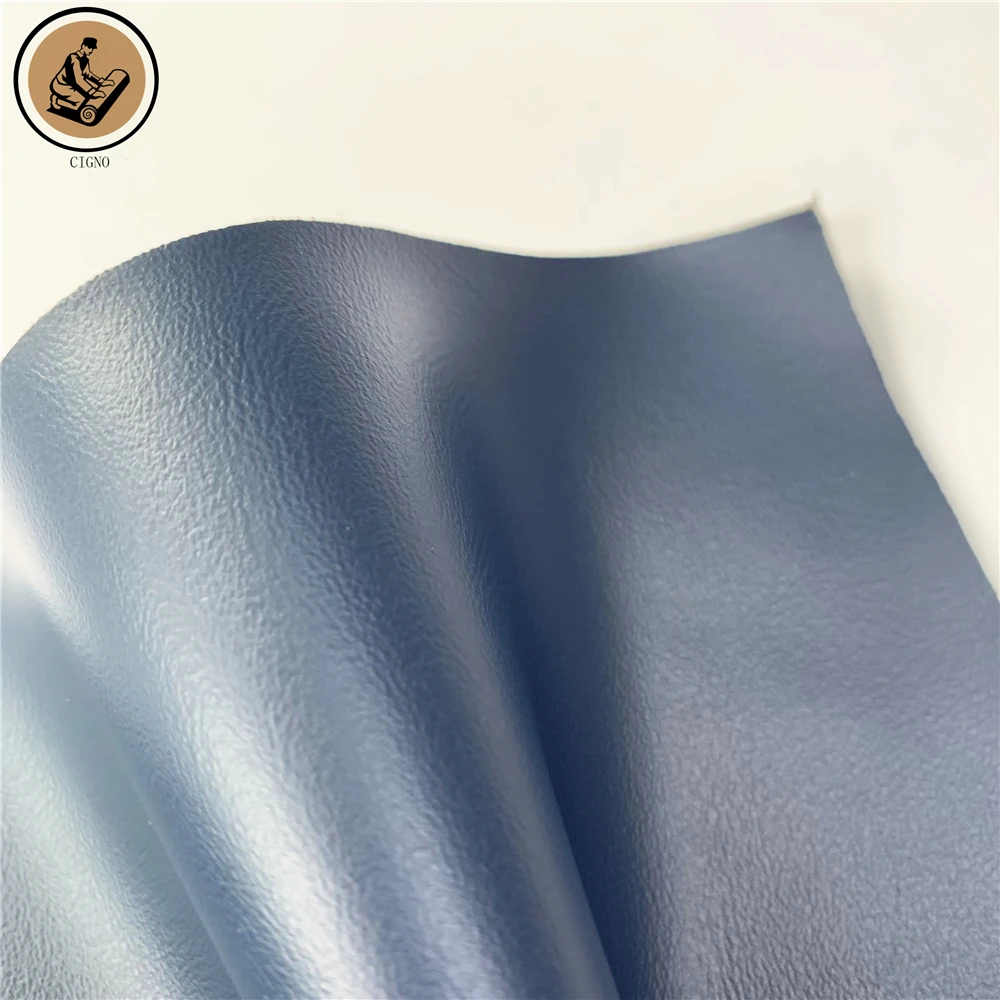
High Quality Eco-Friendly 1.2mm PU Synthetic Leather Furniture Upholstery Solvent-Free Skin-Feel for Sofa Car Seat Chair Bag Use
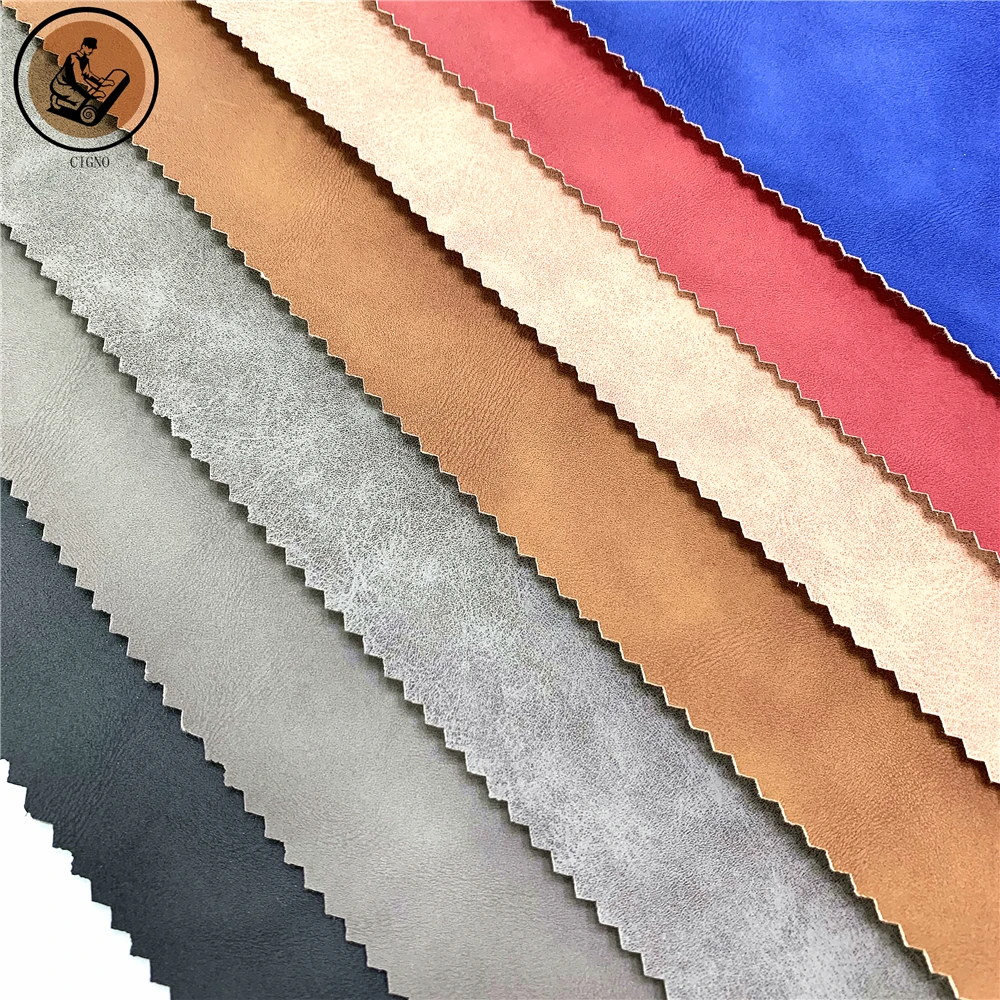
Free Samples of Embossed PU Synthetic Leather Bags Shoes Sofa Furniture Garments Car Decorative Uses-Waterproof Stretch Features
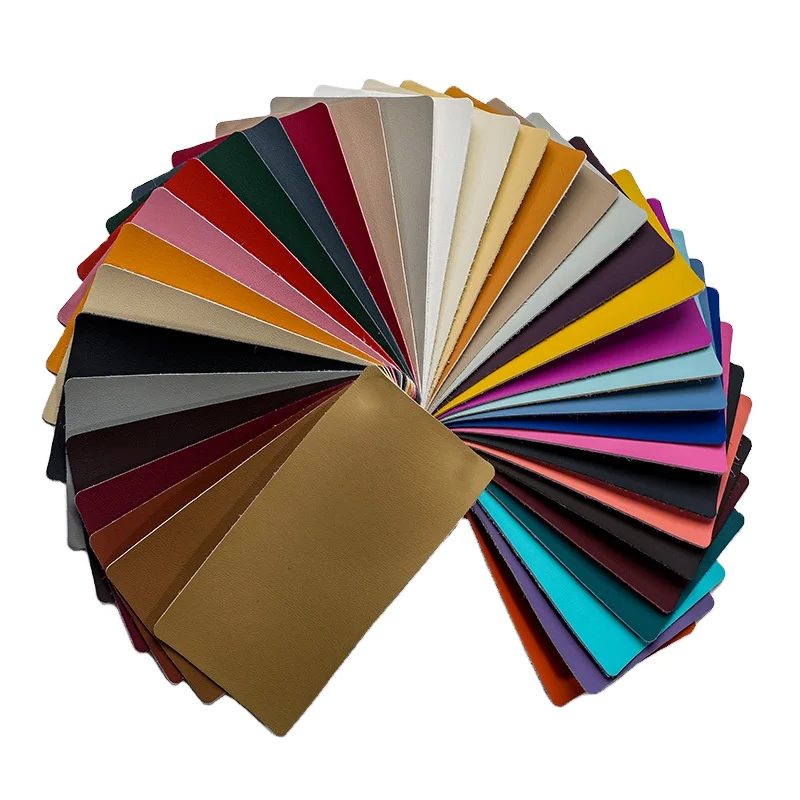
Pvc Vinyl Leather Rexine Leather Faux for Cars/Motorcycles, Waterproof Embossed Recycling Leatherette for Automotive Leather
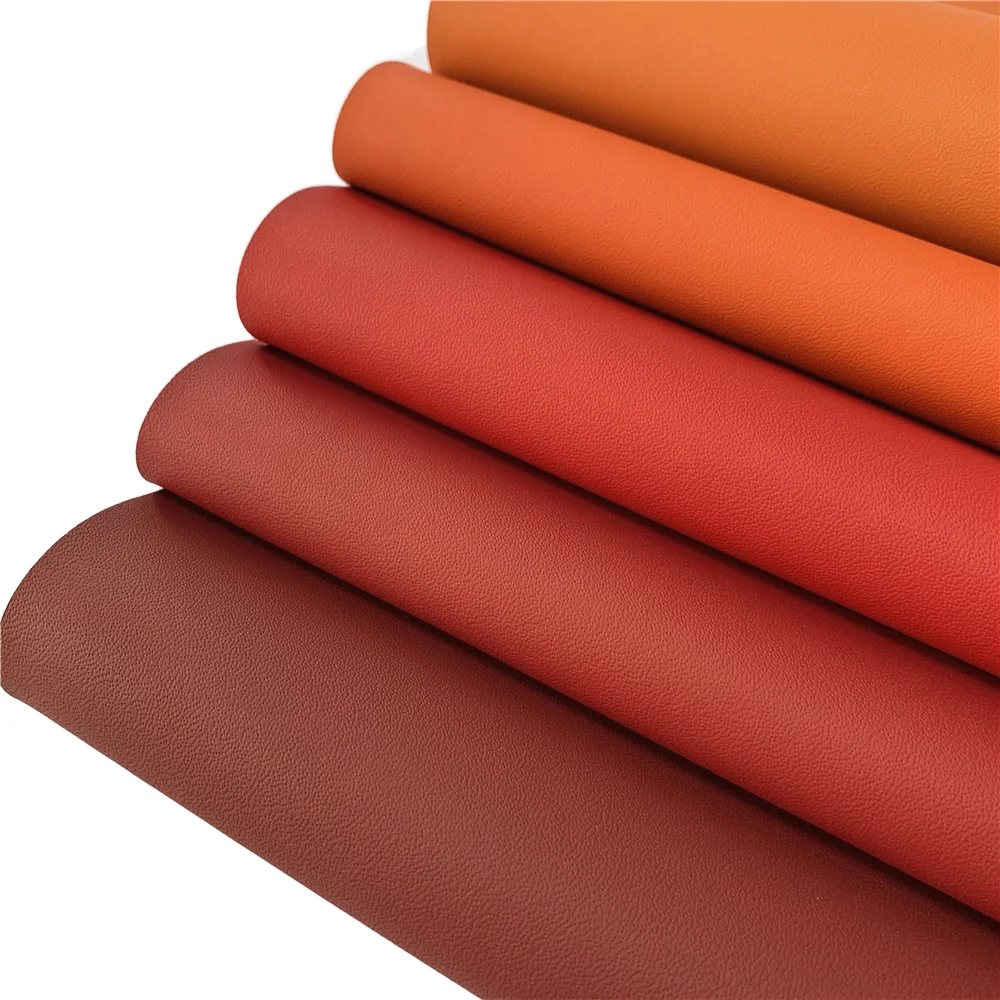
Hydrolysis Resistant Waterproof PU Microfiber Suede Leather Fabric Furniture Car Seat Covers Automotive Upholstery Bags Sofas
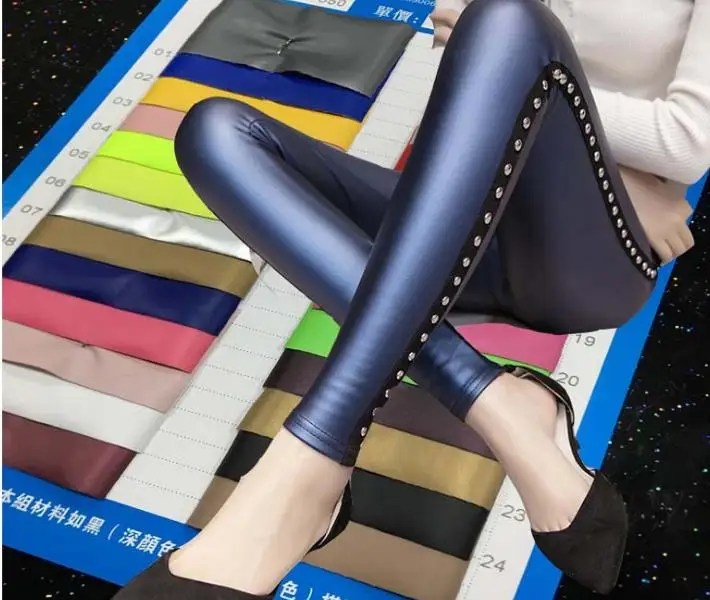
Ultra-Bright Black Mirror Four-Sided Stretch PU Fabric Pants Dresses Solid Color Soft Waterproof Clothing Elastic Finished
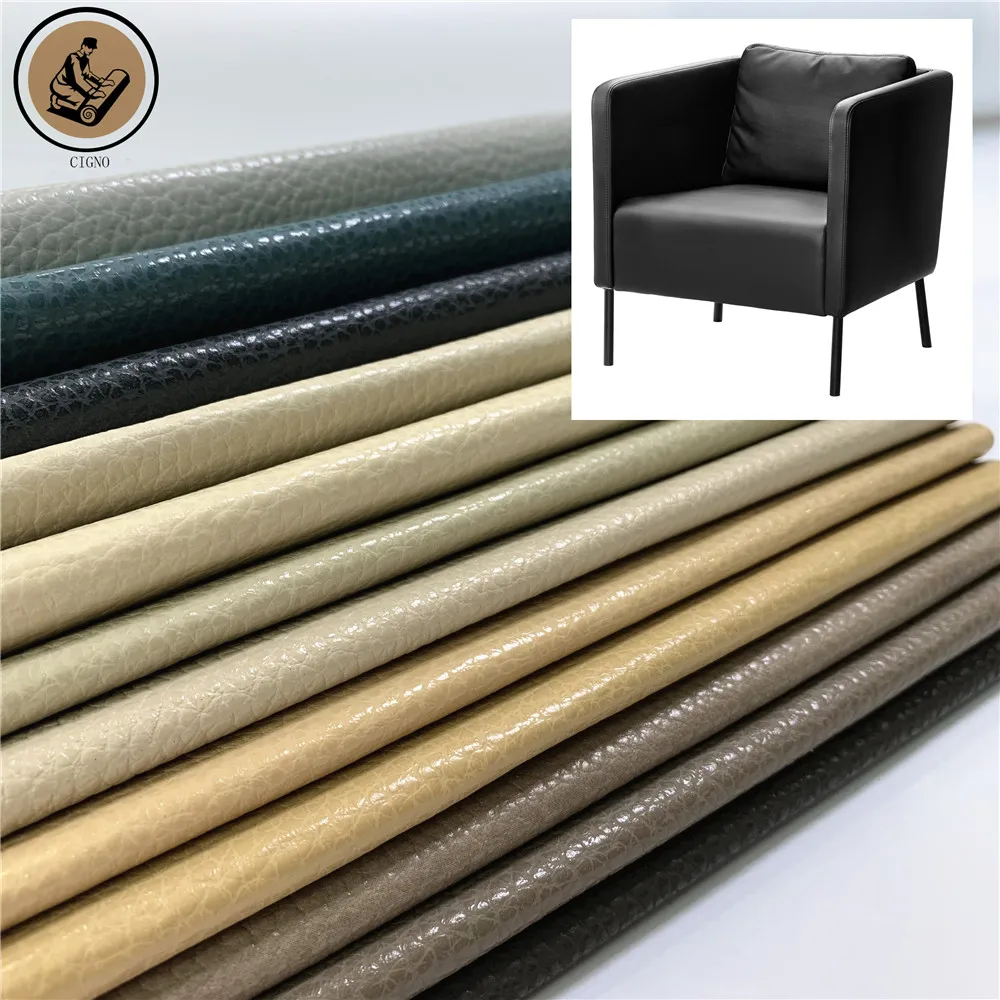
Litchi Lychee Grain 1.2mm PU Microfiber Leather Eco-Friendly Synthetic Leather Sofa Car Seat Handbags-Pearly-Lustre Recycled
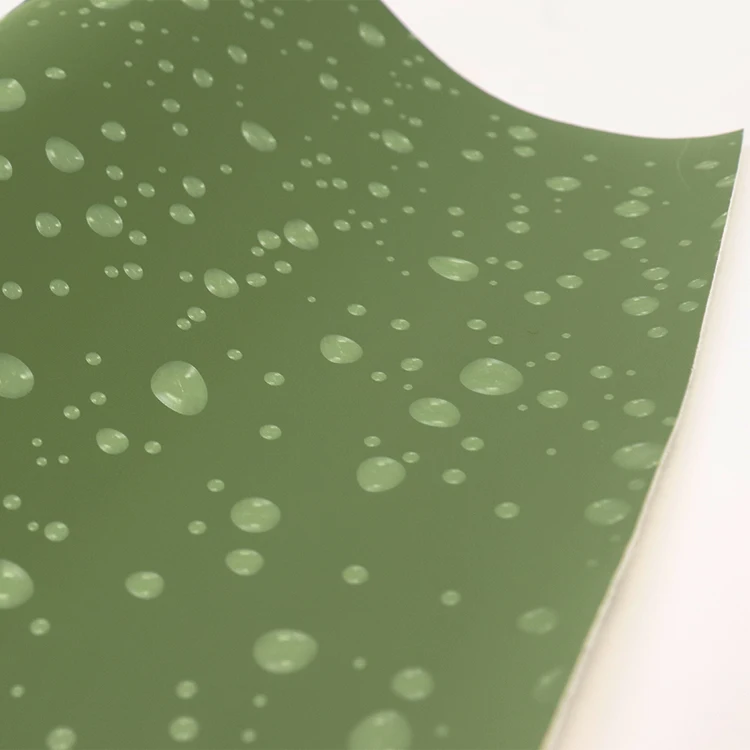
Custom Designer Faux Leather Fabric PVC Synthetic Leather Waterproof Sofa Bag Furniture Chair Woven Backing-Price Per Meter
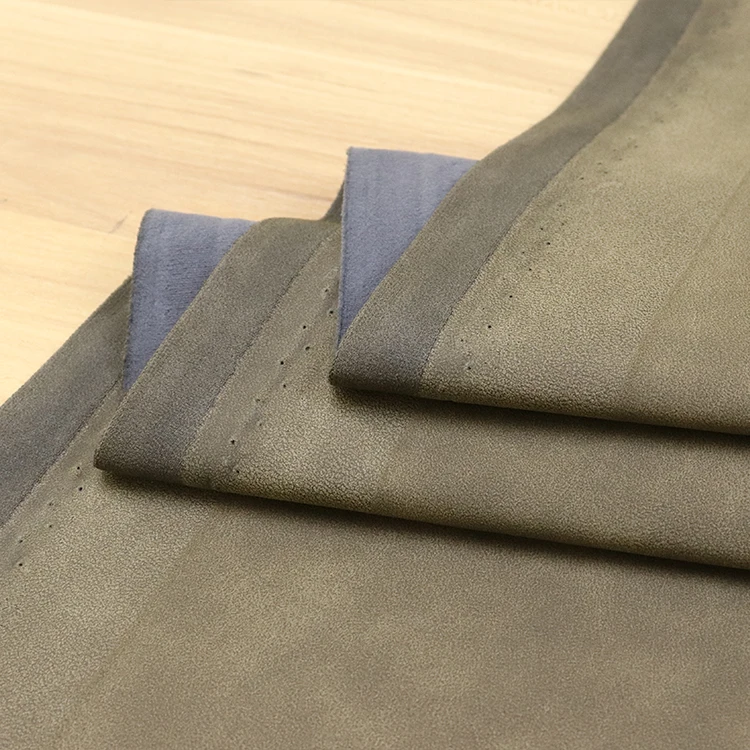
PU Suede Leather Nubuck Artificial Leather Materi for Shoe Make
How do we file a formal complaint for luxury car seat cover leather defects?
Filing a formal complaint for luxury car seat cover leather defects requires submitting a detailed claim containing the batch number, roll identification, and specific test reports. Buyers must document issues like color inconsistency, peeling, or dimensional deviations with photos and physical samples to initiate the supplier's ISO 9001 quality review process.
Core Solutions & Key Takeaways
- Document Visible Defect Indicators: Capture high-resolution photographs and physical samples showing surface irregularities, grain inconsistency, or peeling strength failures.
- Verify Batch and Roll Tracking: Retrieve the original production batch records, invoice numbers, and inspection certificates to trace the material back to the manufacturing line.
- Align with International Material Standards: Reference certified performance metrics such as GRS, USDA, or Oeko-Tex 100 compliance benchmarks when describing technical defects.
- Utilize Application-Specific Scenarios: Address how the defect impacts performance in Automotive and Furniture Upholstery, focusing on wear resistance, UV exposure, or tailoring failures.
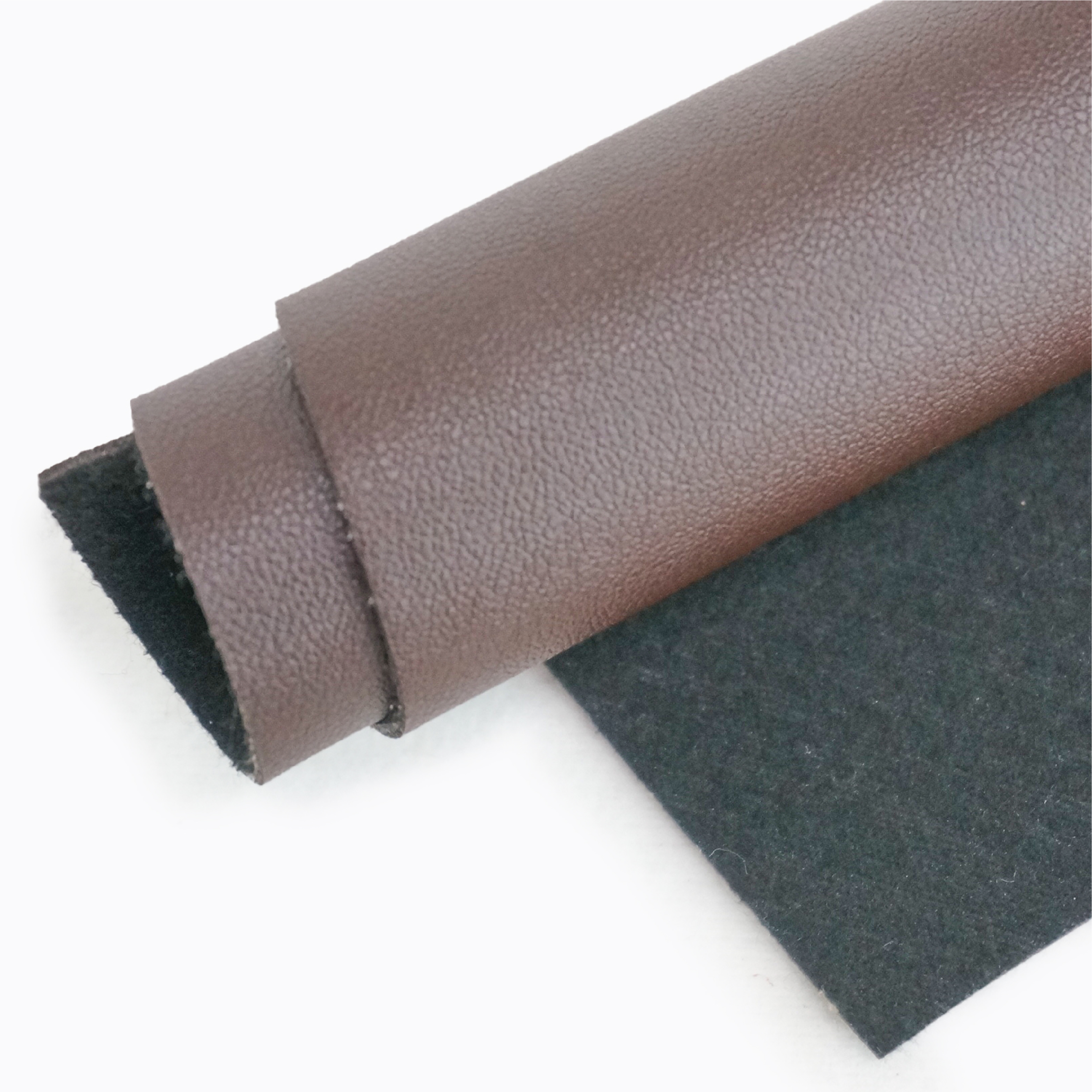
Detailed Architectural/Principle Analysis
When resolving material quality disputes for Premium Nappa Synthetic Leather for Luxury Car Seat Covers, the technical evaluation relies on standardized laboratory testing. For premium automotive interiors, synthetic leather must meet strict physical parameters including a thickness of 0.9–1.4 mm and high abrasion resistance. Defect classification generally falls into physical performance failures (e.g., premature cracking, low peeling strength under tension) or aesthetic deviations (e.g., off-shade color matching, uneven nappa grain embossing).
To establish a valid technical claim, the buyer's quality control department should conduct testing based on the parameters specified in the initial procurement contract. Our quality inspection framework under the ISO 9001 quality management system covers raw material inspection, color matching confirmation, laboratory testing, and finished product inspection. Presenting objective data from standardized tests—such as tensile strength, scratch resistance, and flame-retardant performance—accelerates the verification process and leads to faster technical resolution.
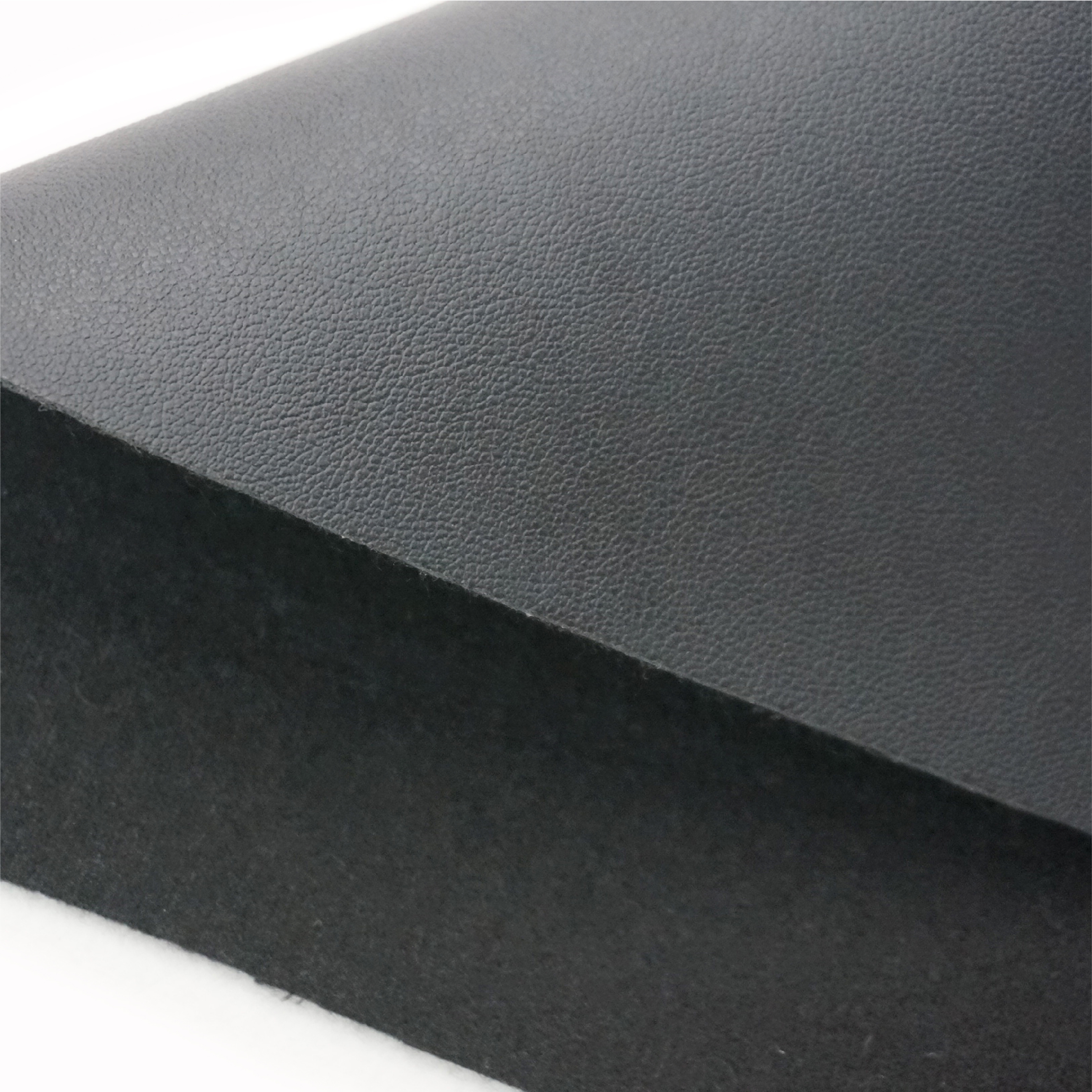
In a historical cooperation case involving an Automotive Interior Manufacturer in Mexico, a shipment of 50,000 meters of customized synthetic leather for automotive seats required strict alignment on color, grain, thickness, and backing. By establishing clear performance baselines for low odor, UV resistance, and abrasion resistance prior to shipment, the project maintained complete color consistency and met delivery schedules. When defects are suspected, comparing the delivered batch against the approved pre-production sample remains the primary method for resolving quality complaints.
Data/Solution Comparison
| Defect Category | Technical Indicator / Tolerance | Testing Standard Reference | Required Documentation for Complaint |
|---|---|---|---|
| Color Deviation | Delta E > 1.0 from approved sample | Spectrophotometer test under D65 light source | Colorimeter test report, side-by-side photos |
| Thickness Variance | Outside the 0.9–1.4 mm range | Standard thickness gauge measurements | Micrometer measurement photos at multiple roll points |
| Physical Durability Failure | Premature peeling, cracking, or low scratch resistance | Taber abrasion test, peeling strength test | Laboratory test report, video of mechanical stress failure |
| Chemical / Environmental Issues | Excessive odor, failing flame retardancy | Flame-retardant and low-VOC chamber tests | Third-party laboratory certification reports |
Frequently Asked Questions (FAQ)
What is the minimum documentation needed to file a leather defect claim?
Every claim must include the purchase invoice, batch numbers, clear photos of the defect, roll identification tags, and a laboratory report detailing how the material failed to meet the specified technical parameters (such as thickness, width, or color consistency).
How long does the quality complaint investigation process take?
Upon receiving a formal complaint with complete documentation, the technical support team initiates a batch trace. Under our standard business model, we offer a 24-hour response to quality complaints. The complete technical verification and resolution plan are typically finalized within 7 to 15 days.
What remedies are available if the leather is confirmed to be defective?
Based on our standard after-sales quality support, verified product quality issues are resolved by providing material replacement, replenishment in the next shipment, financial compensation, or custom technical solutions depending on the severity and scale of the defect.
Final Conclusion & Recommendations
To ensure a smooth resolution of any material quality issues, buyers should verify that all incoming synthetic leather shipments undergo incoming quality control (IQC) before cutting or processing. Documenting deviations immediately against standard specifications—such as a width of 54/55 inches or thickness limits of 0.9–1.4 mm—prevents downstream manufacturing errors and simplifies the claim process. For detailed technical solutions or support, please reach out to us via vicky@bozeleather.com.
About Us
Dongguan Cigno Leather Co., Ltd. is a professional manufacturer specializing in high-quality faux leather based in Dongguan, China. Established in 2007, the company operates with a workforce of 50 employees and a factory area of 100,000 sqm to deliver advanced synthetic materials worldwide. We hold internationally recognized certifications including GRS, USDA, and Oeko-Tex 100, ensuring our synthetic leather meets strict global standards for safety and sustainability. The company focuses on the development of eco-friendly and multifunctional synthetic leather materials, offering customized colors, textures, and thicknesses to serve automotive interior and furniture manufacturers across global markets.
SUBSCRIBE
INQUIRY