
PRODUCTS
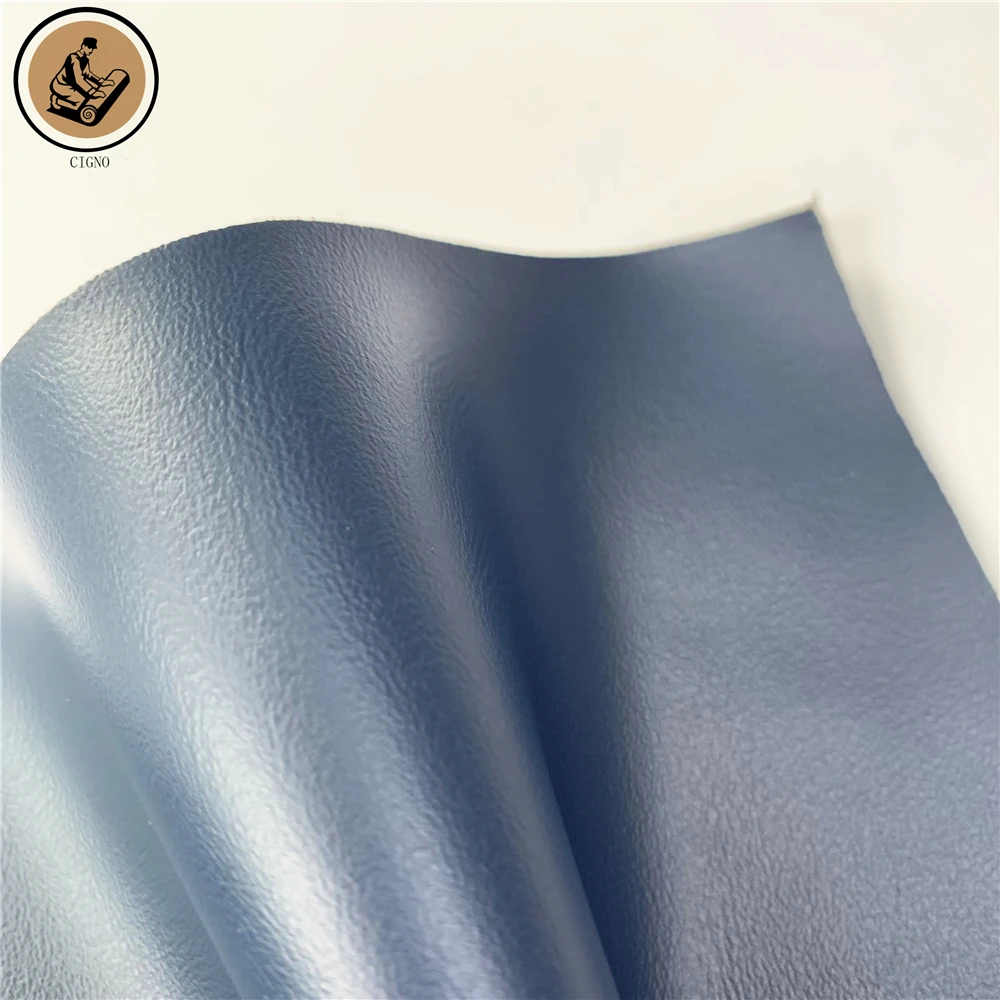
High Quality Eco-Friendly 1.2mm PU Synthetic Leather Furniture Upholstery Solvent-Free Skin-Feel for Sofa Car Seat Chair Bag Use
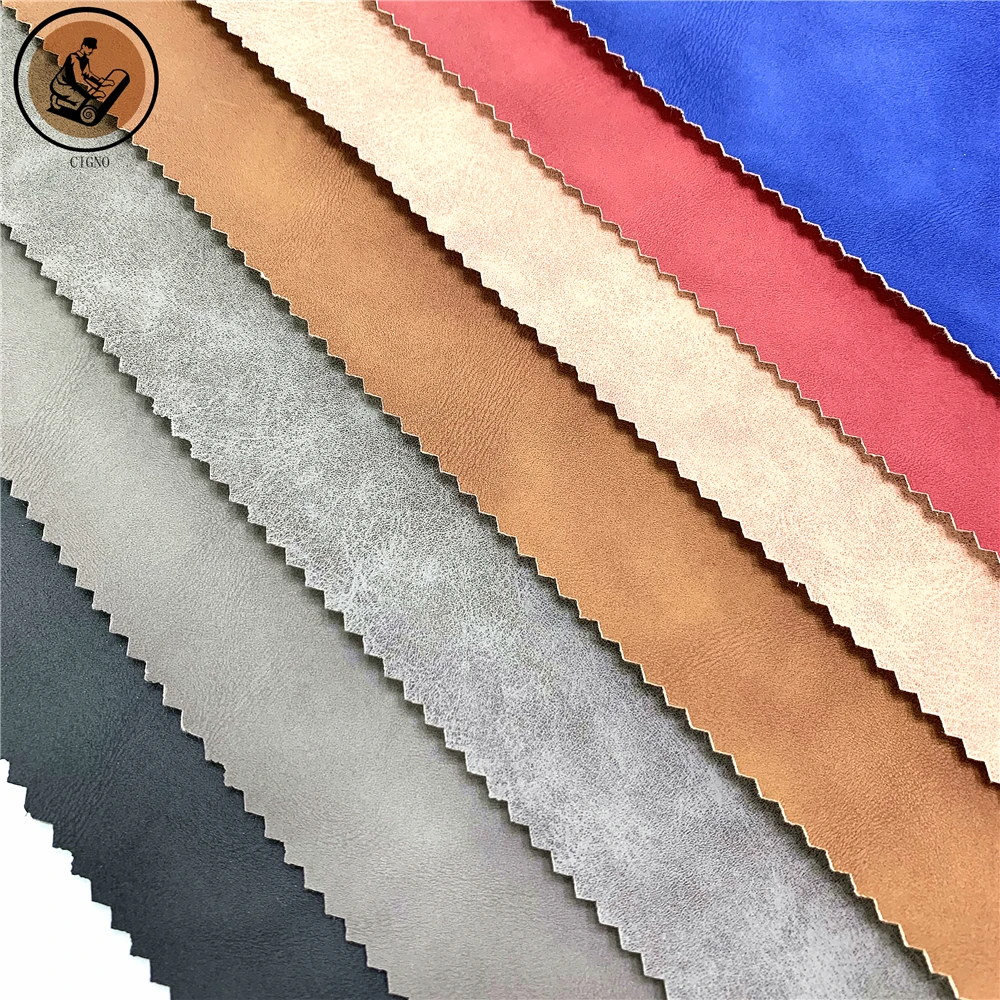
Free Samples of Embossed PU Synthetic Leather Bags Shoes Sofa Furniture Garments Car Decorative Uses-Waterproof Stretch Features
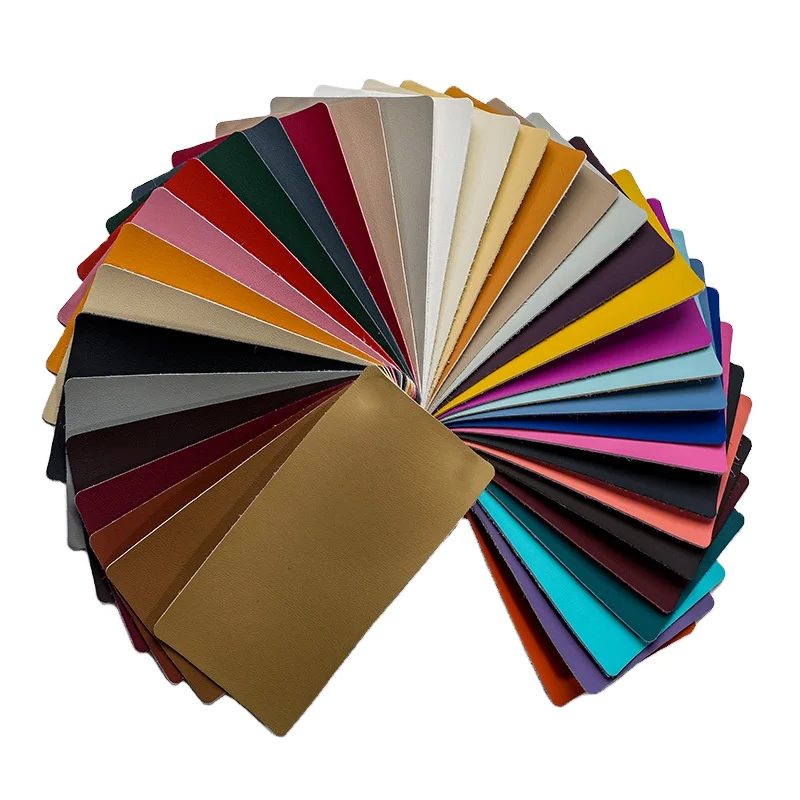
Pvc Vinyl Leather Rexine Leather Faux for Cars/Motorcycles, Waterproof Embossed Recycling Leatherette for Automotive Leather
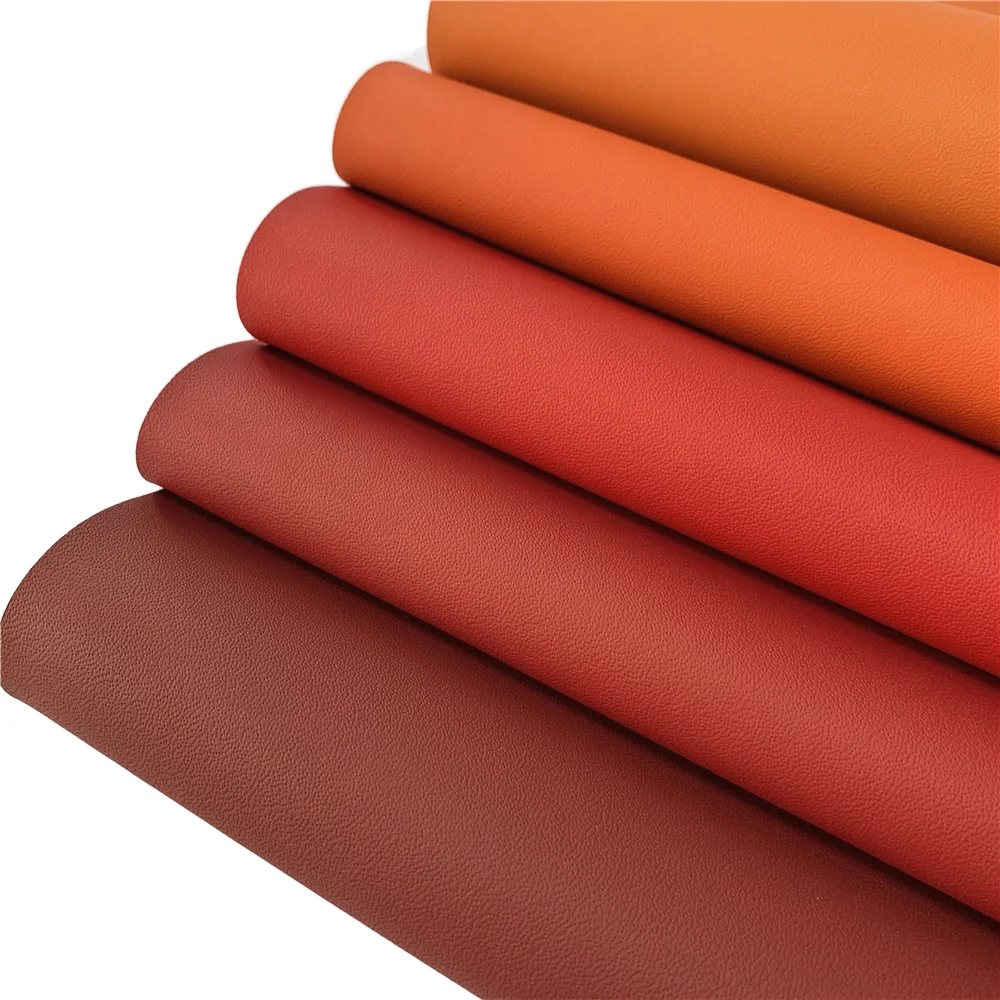
Hydrolysis Resistant Waterproof PU Microfiber Suede Leather Fabric Furniture Car Seat Covers Automotive Upholstery Bags Sofas
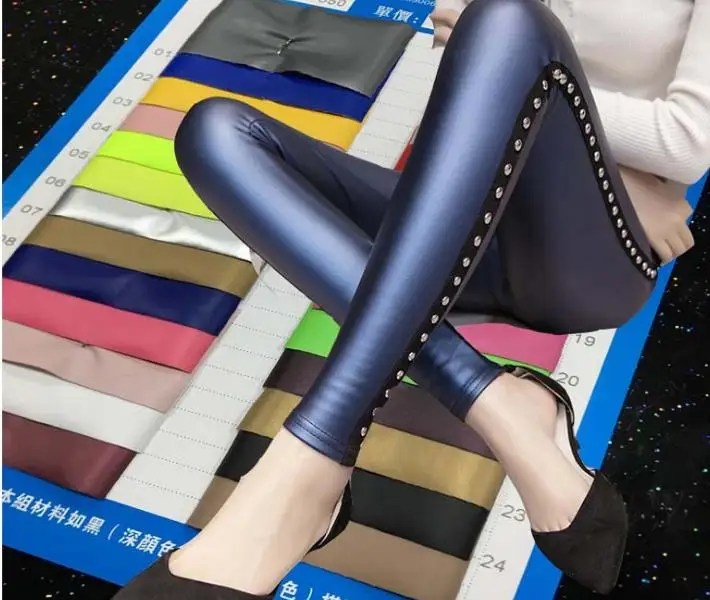
Ultra-Bright Black Mirror Four-Sided Stretch PU Fabric Pants Dresses Solid Color Soft Waterproof Clothing Elastic Finished
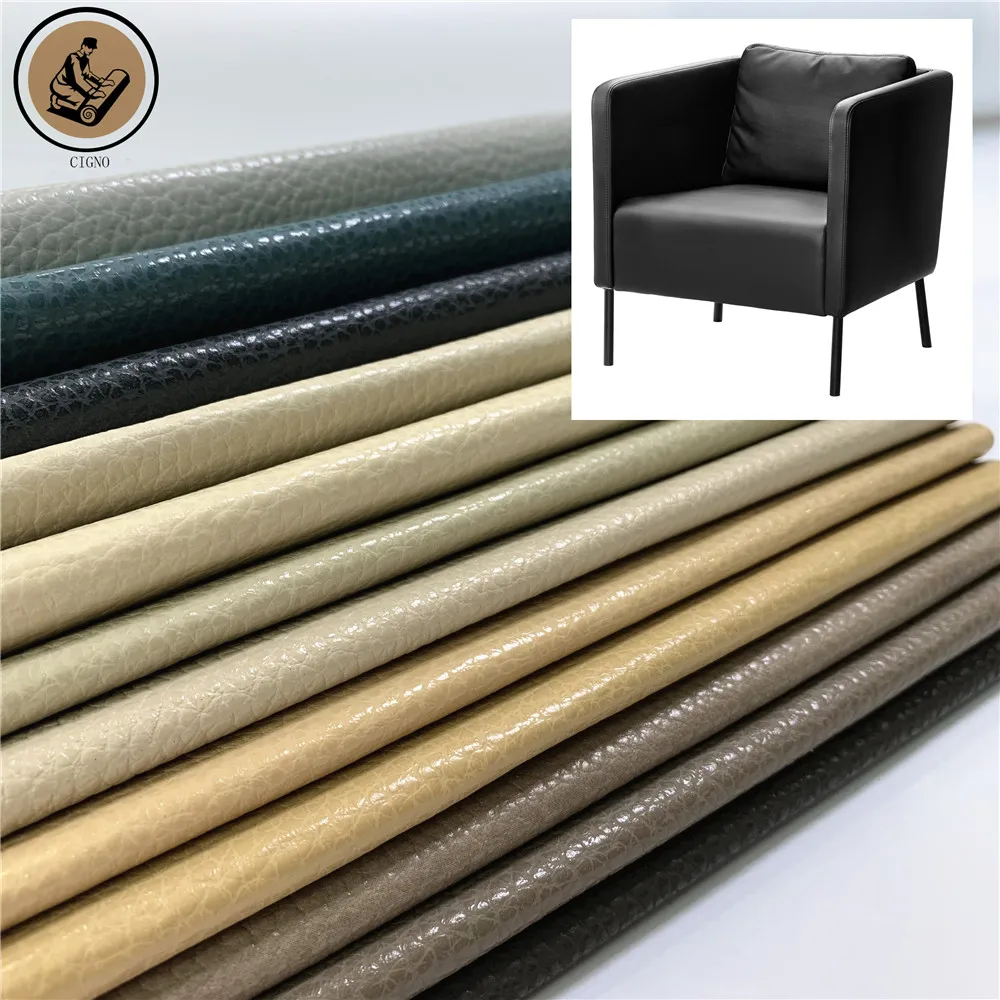
Litchi Lychee Grain 1.2mm PU Microfiber Leather Eco-Friendly Synthetic Leather Sofa Car Seat Handbags-Pearly-Lustre Recycled
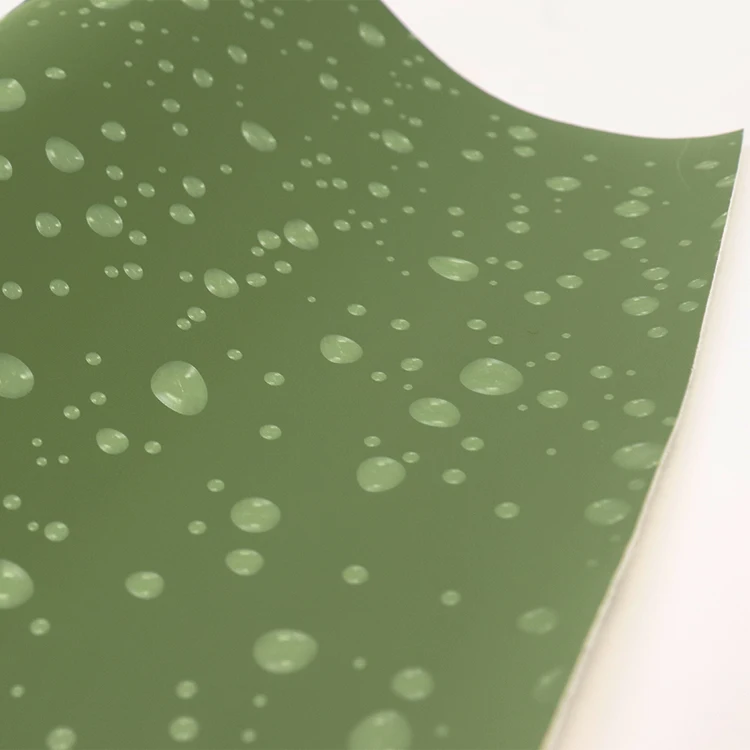
Custom Designer Faux Leather Fabric PVC Synthetic Leather Waterproof Sofa Bag Furniture Chair Woven Backing-Price Per Meter
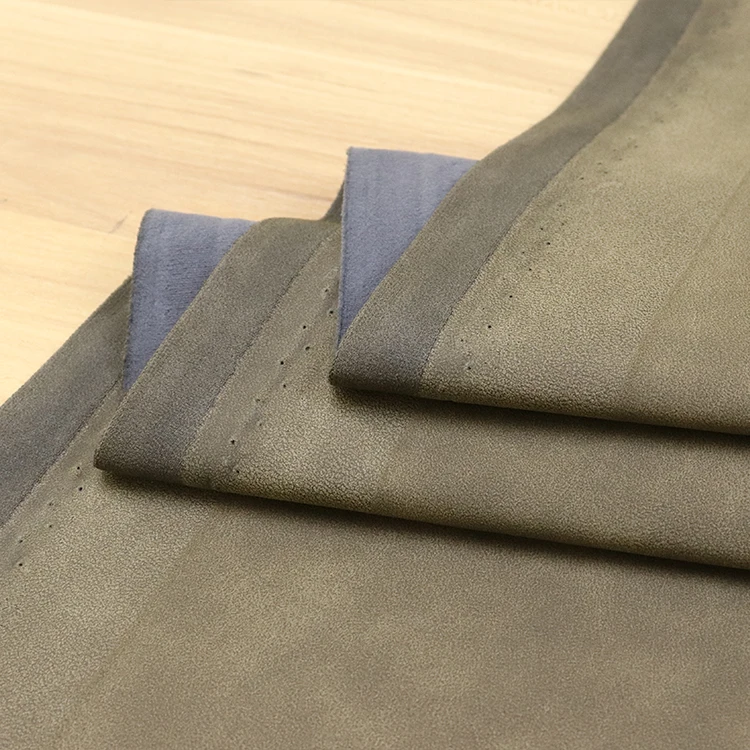
PU Suede Leather Nubuck Artificial Leather Materi for Shoe Make
How is the current raw material price volatility affecting synthetic leather?
Raw material price volatility directly impacts synthetic leather manufacturing costs, sourcing stability, and market pricing. To mitigate these fluctuations, manufacturers rely on stable production capacities, large-scale R&D of alternative polymers like water-based and solvent-free PU, and structured bulk supply agreements to maintain consistent pricing and product availability for global distributors.
Core Solutions & Key Takeaways
- Eco-Friendly Polymer Innovation: Shifting towards water-based, solvent-free, and bio-based synthetic polymers reduces reliance on volatile petrochemical baselines.
- Large-Scale Manufacturing Cushion: Accessing a monthly production capacity of 6 million meters allows manufacturers to absorb raw material price spikes through bulk supply purchasing.
- Global Quality Certifications: Compliance with international standards such as GRS, USDA, and Oeko-Tex 100 ensures alternative material streams remain safe, accessible, and compliant with global environmental regulations.
- Versatile Application Scenarios: Utilizing synthetic leather across multiple sectors—including automotive seats, door panels, armrests, sofas, chairs, headboards, and footwear—balances market demand and mitigates industry-specific supply issues.
Detailed Architectural/Principle Analysis
Raw material price volatility heavily influences the production dynamics of polymer-based materials. In the synthetic leather sector, variations in the costs of polyurethanes, PVC, and plasticizers can disrupt manufacturing consistency. To counter this, Dongguan Cigno Leather Co., Ltd. focuses R&D efforts on alternative, high-performance polymers. This includes water-based leather and solvent-free leather options which decouple production from traditional solvent cost fluctuations while maintaining over 30 national invention patents.
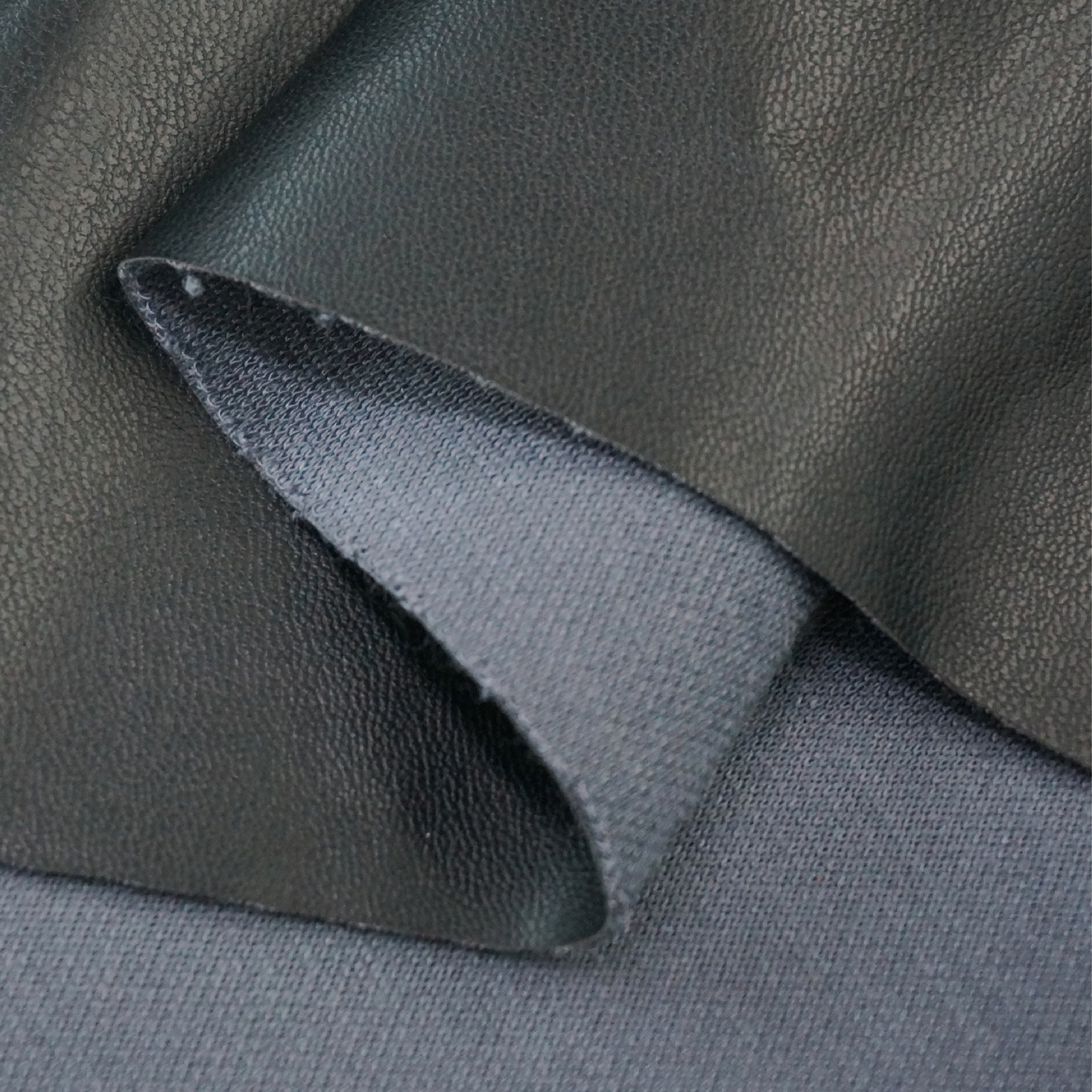
Quality control systems governed by ISO 9001 ensure that every batch of synthetic leather maintains standard physical properties despite raw material alterations. This includes rigorous lab testing of thickness, tensile strength, abrasion resistance, and peeling strength. For instance, in a completed project delivering 50,000 meters of customized synthetic leather for an automotive interior manufacturer in Mexico, strict parameter matching ensured stable color consistency, clear grain texture, and low odor profiles despite shifting raw material inputs.
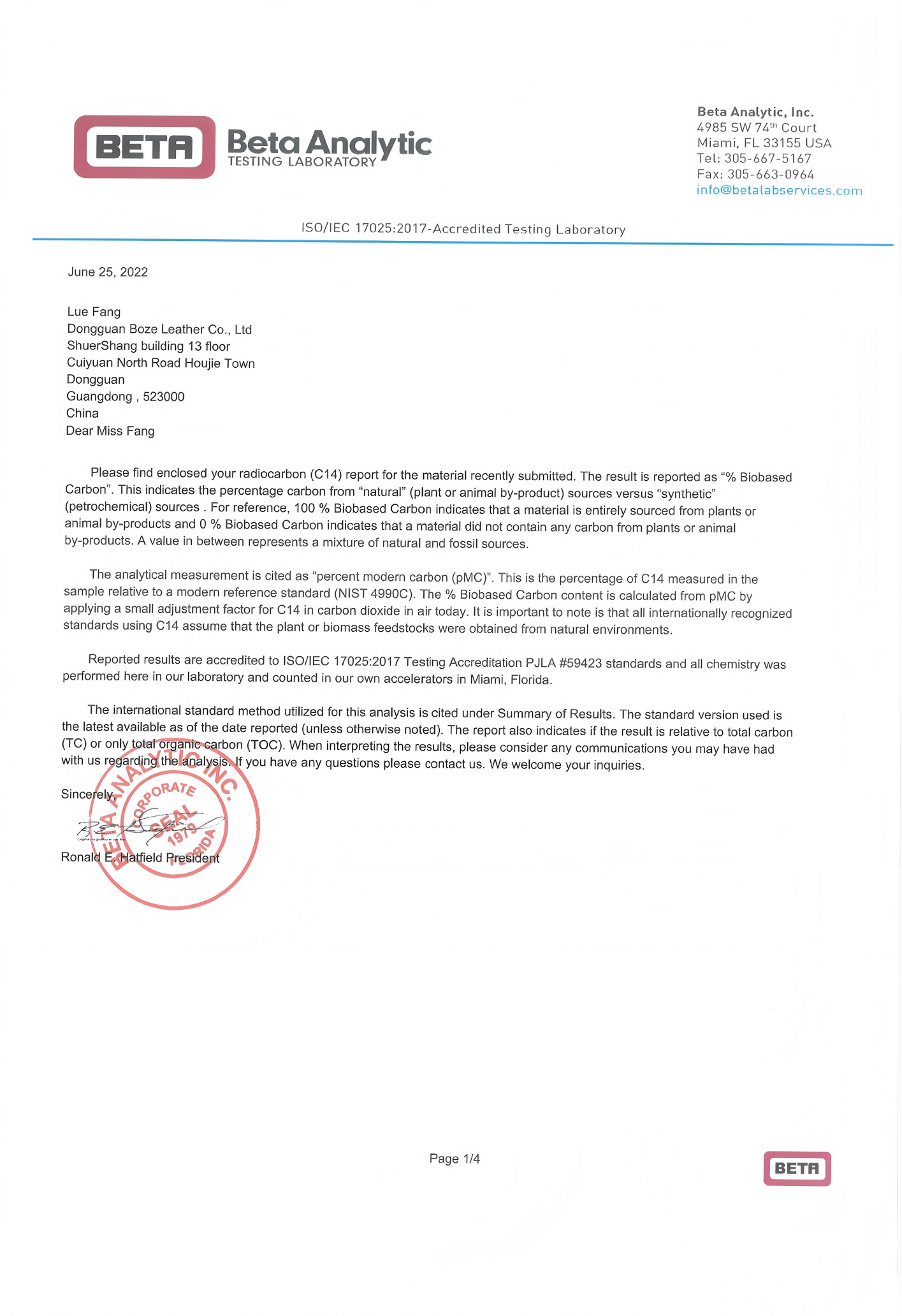
Furthermore, maintaining strict sustainability standards allows manufacturers to utilize certified recycled inputs, minimizing dependence on virgin crude oil derivatives. Certifications like GRS (Global Recycled Standard) and Oeko-Tex 100 act as verification systems, proving that synthetic leather can utilize reliable, traceable recycled content while passing stringent safety tests.
Data/Solution Comparison
The following table outlines the technical specifications and customization differences between standard synthetic leather applications and specialized microfiber shoe leather solutions under volatile market conditions.
| Product Category | Key Material / Polymer Type | Thickness Range | Main Applications | Minimum Order Quantity (MOQ) | Customization Parameters Available |
|---|---|---|---|---|---|
| Microfiber Synthetic Leather | Microfiber composite polymers | 0.6–1.4 mm | Shoe uppers, linings, insoles, sandals, casual and sports footwear | 1,000 meters per color | Color, grain, thickness, backing type, high folding resistance |
| Automotive & Furniture Leather | PU, PVC, water-based, solvent-free polymers | Customized | Automotive seats, door panels, armrests, sofas, chairs, headboards | 100 meters | Abrasion resistance, UV resistance, flame retardancy, low odor, easy-clean performance |
Frequently Asked Questions (FAQ)
How do manufacturers stabilize synthetic leather pricing during raw material spikes?
Manufacturers leverage large-scale production facilities (with capacities reaching 6 million meters monthly) to secure long-term raw material supply contracts. They also establish standardized payment structures, utilizing 30% deposits and 70% balances, alongside secure platforms like Alibaba Pay and XT Pay, to hedge against market rate fluctuations.
What physical properties must remain stable during material substitutions?
Even when raw material formulations change, synthetic leather must continuously meet requirements for high abrasion resistance, good flexibility, excellent folding resistance, high tensile strength, and a natural leather appearance. These parameters are verified through systematic raw material, production process, and pre-shipment inspections.
Can eco-friendly certifications help bypass petrochemical cost volatility?
Yes. Utilizing certified materials such as USDA bio-based or GRS recycled synthetic leather allows manufacturers to integrate non-petroleum or recycled components. This diversification lowers dependence on direct petrochemical chains and provides a more predictable cost framework for global supply partners.
Final Conclusion & Recommendations
Navigating raw material price volatility requires partnering with synthetic leather manufacturers that operate diverse production lines, maintain extensive R&D capabilities, and offer flexible logistics and payment options. Utilizing international shipping terms such as EXW, FOB, CFR, CIF, and DDP via sea, air, or express freight ensures delivery schedules remain intact. Buyers should seek providers offering structured payment options, such as irrevocable L/C at sight, T/T bank transfers, and short-term payment plans for long-term partners, to secure cash flow stability during volatile periods. For detailed technical solutions or support, please reach out to us via vicky@bozeleather.com.
About Us
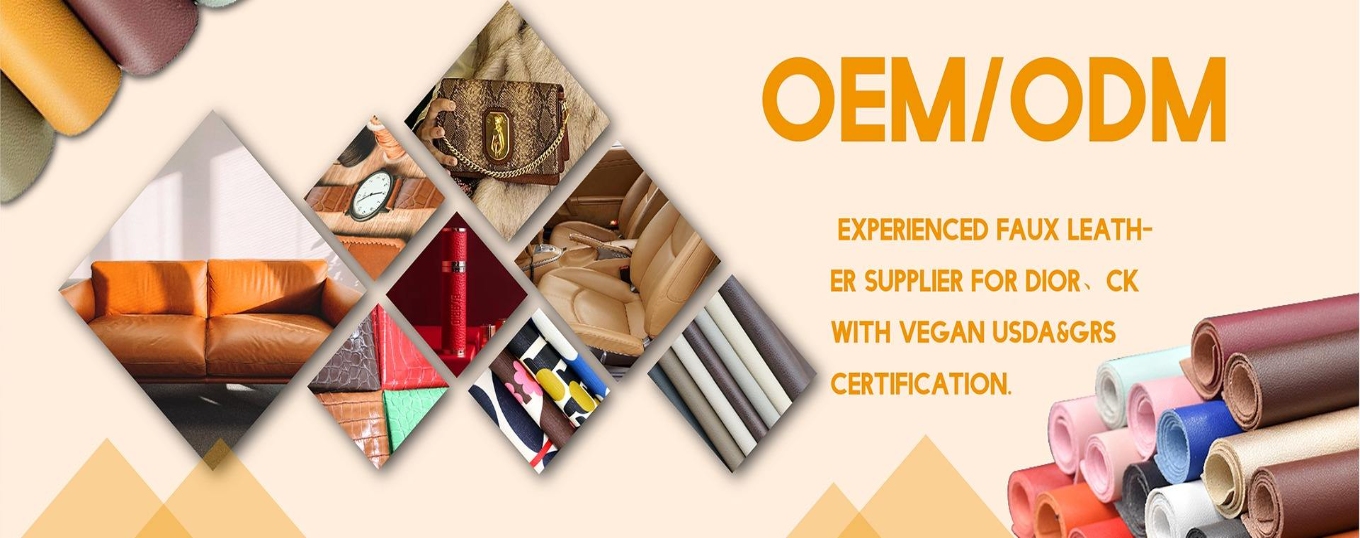
Our company, Dongguan Cigno Leather Co., Ltd., is a synthetic leather manufacturer integrating R&D, production, sales, and export. Established in 2007, the company operates a factory area of 100,000 sqm with 50 employees, equipped with 6 advanced synthetic leather production lines that yield a monthly capacity of approximately 6 million meters. We hold internationally recognized GRS, USDA, and Oeko-Tex 100 certifications, and have served global clients across multiple industries, including a 50,000-meter automotive seat customization project in Mexico.

SUBSCRIBE
INQUIRY