
PRODUCTS
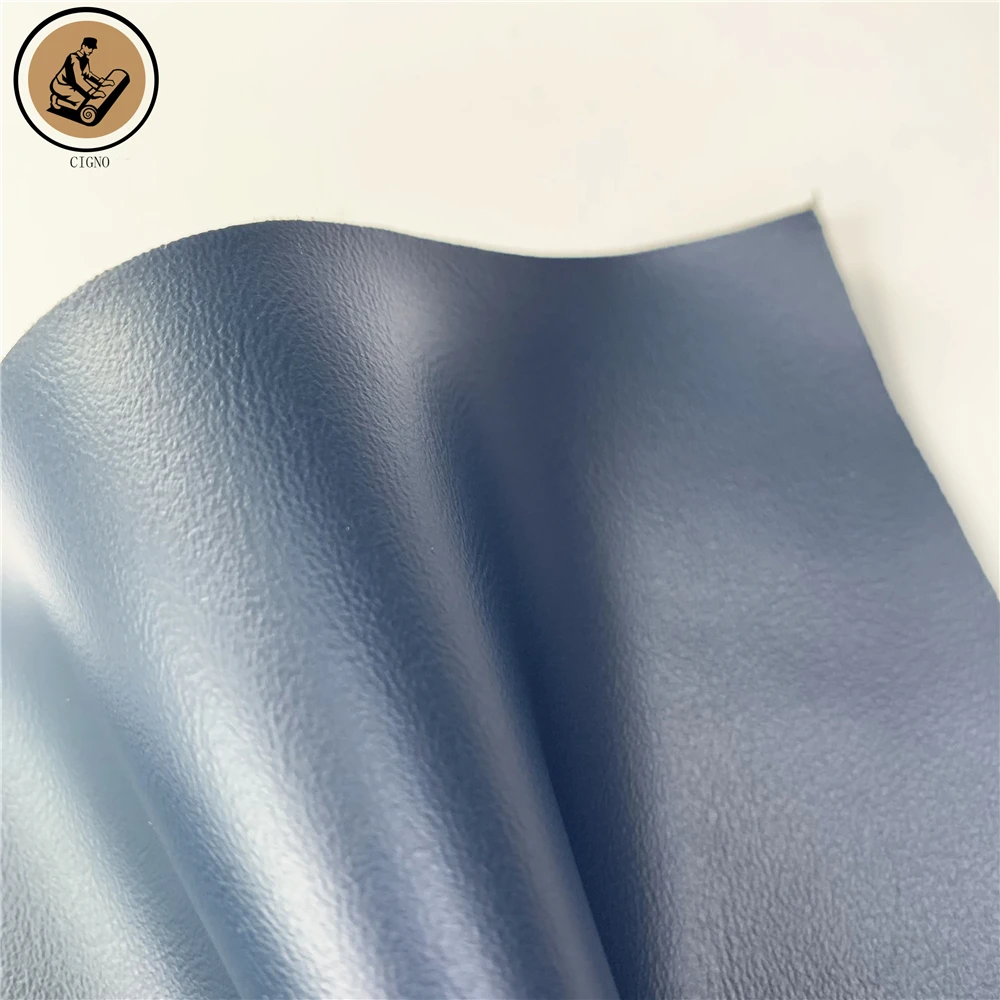
High Quality Eco-Friendly 1.2mm PU Synthetic Leather Furniture Upholstery Solvent-Free Skin-Feel for Sofa Car Seat Chair Bag Use
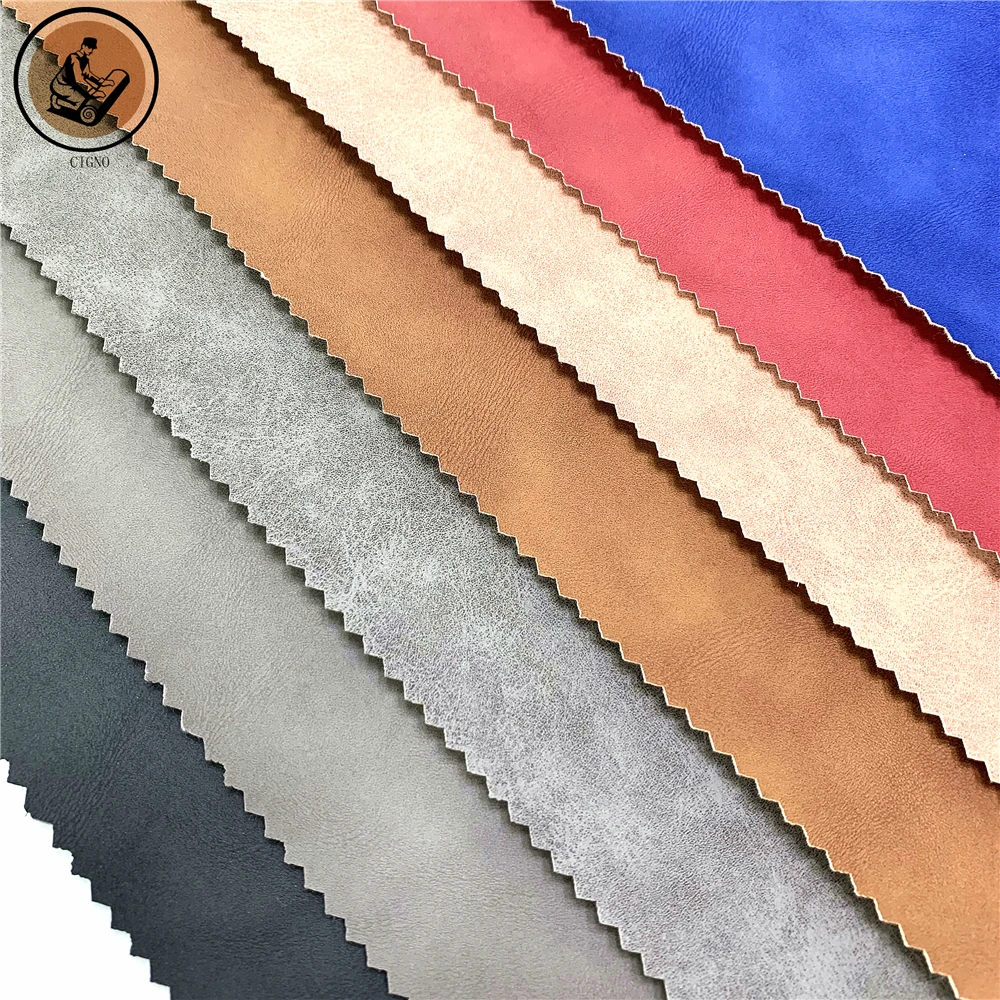
Free Samples of Embossed PU Synthetic Leather Bags Shoes Sofa Furniture Garments Car Decorative Uses-Waterproof Stretch Features
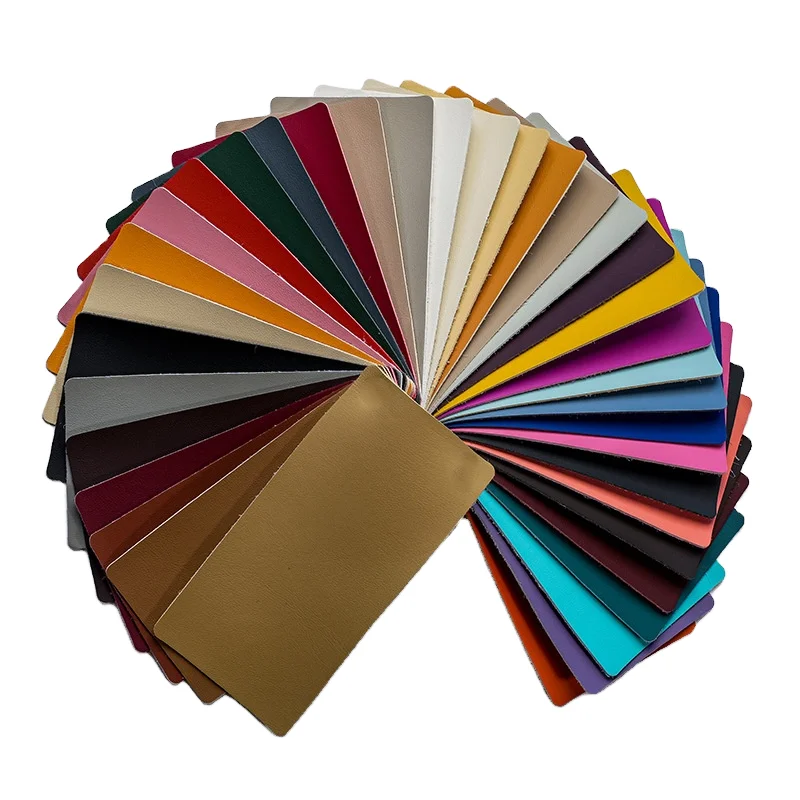
Pvc Vinyl Leather Rexine Leather Faux for Cars/Motorcycles, Waterproof Embossed Recycling Leatherette for Automotive Leather
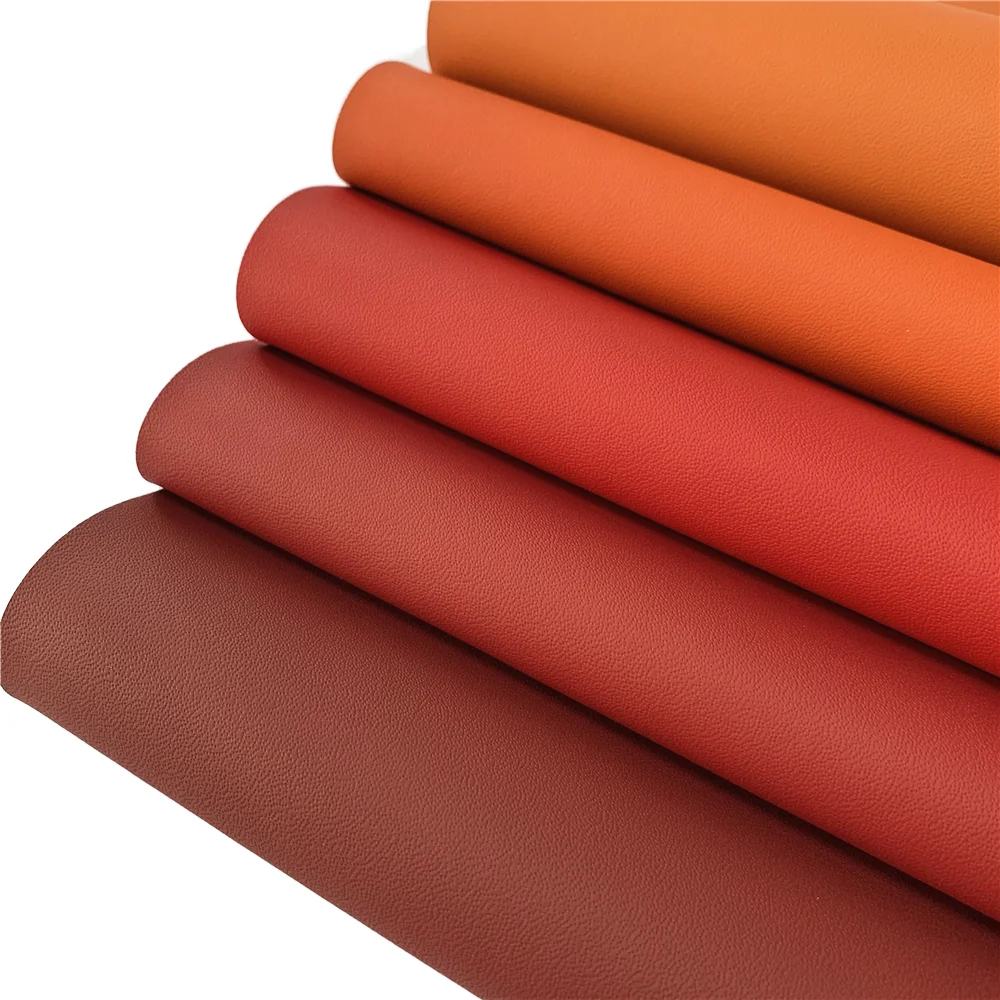
Hydrolysis Resistant Waterproof PU Microfiber Suede Leather Fabric Furniture Car Seat Covers Automotive Upholstery Bags Sofas
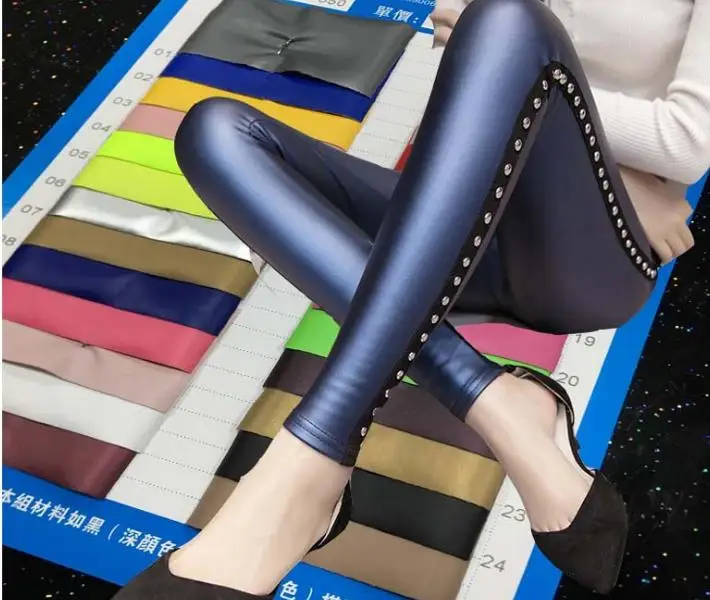
Ultra-Bright Black Mirror Four-Sided Stretch PU Fabric Pants Dresses Solid Color Soft Waterproof Clothing Elastic Finished
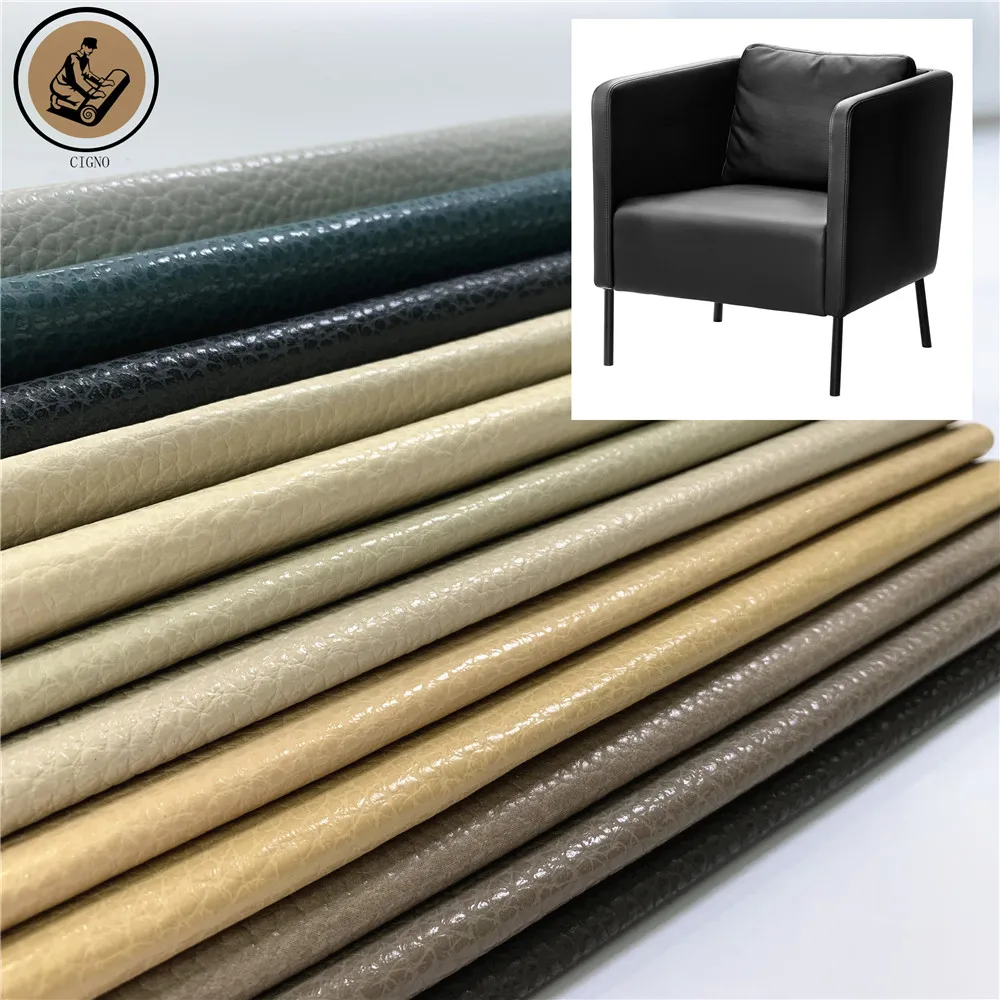
Litchi Lychee Grain 1.2mm PU Microfiber Leather Eco-Friendly Synthetic Leather Sofa Car Seat Handbags-Pearly-Lustre Recycled
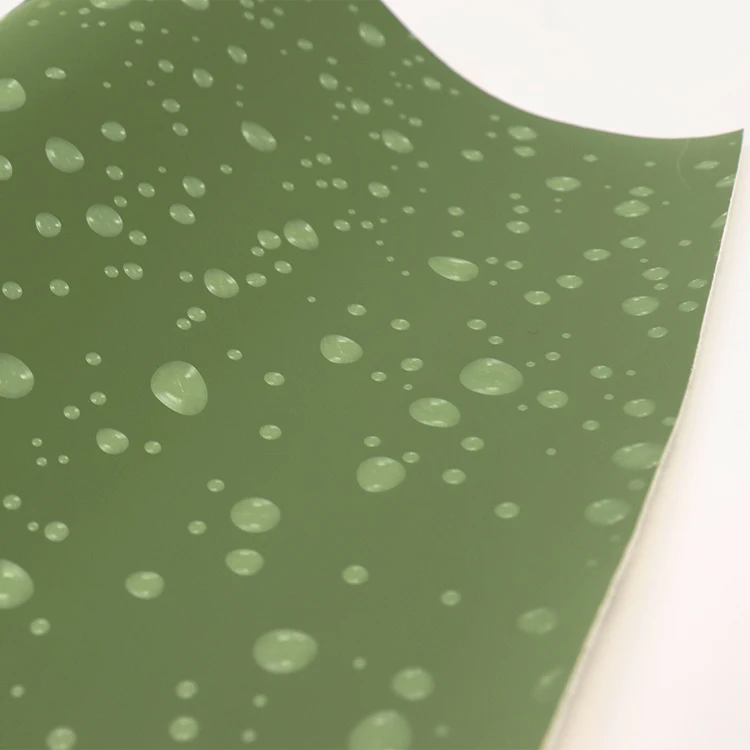
Custom Designer Faux Leather Fabric PVC Synthetic Leather Waterproof Sofa Bag Furniture Chair Woven Backing-Price Per Meter
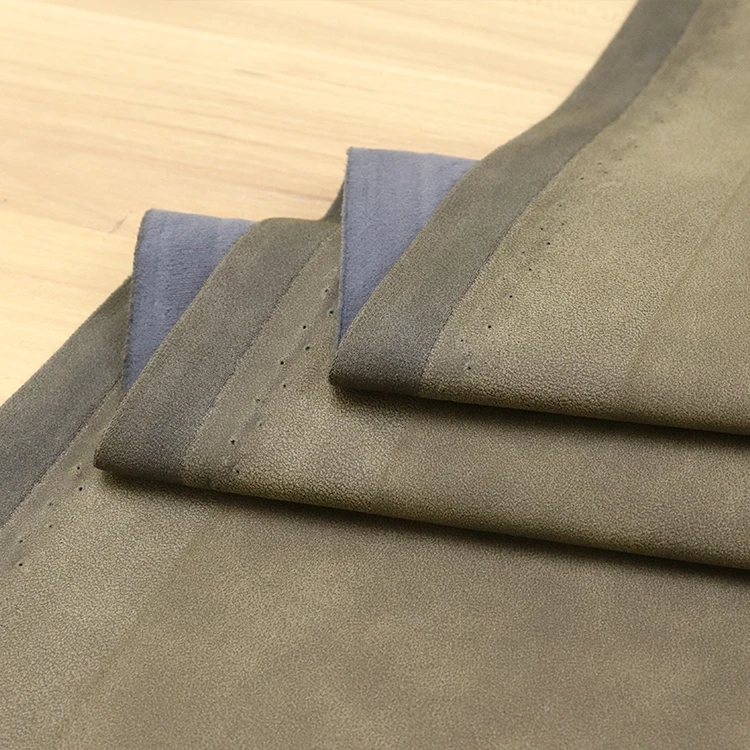
PU Suede Leather Nubuck Artificial Leather Materi for Shoe Make
How long should I use an artificial leather for furniture sample before approving it?
Use an artificial leather sample for furniture under the conditions and care expected in its intended application before approving it. The supplied product data does not specify a sample-testing duration or furniture-specific durability threshold, so no fixed number of days can be recommended. Check the sample’s appearance, feel, and relevant performance requirements, then request supplier test results for properties that cannot be verified through a short trial.
Core Solutions & Key Takeaways
- Set the approval criteria before testing: identify the required color, grain, thickness, backing, and functional properties.
- Evaluate the sample in the intended furniture application. The company lists sofas, chairs, and headboards among its upholstery uses.
- Check practical surface and handling characteristics, including appearance, flexibility, scratch resistance, stain resistance, and ease of cleaning, where relevant to the project.
- Do not treat a short sample trial as proof of long-term performance. The supplied product information does not give a recommended testing period or furniture-specific test results.
Detailed Architectural/Principle Analysis
Sample approval should answer whether the material matches the specification and the intended use. Compare the sample with the agreed color, texture, thickness, and backing. Then inspect its surface and hand feel, and assess any required performance characteristics using suitable tests or supplier documentation.
Furniture upholstery requirements vary by application. Dongguan Cigno Leather Co., Ltd. lists synthetic leather for sofas, chairs, and headboards, with customization available for color, texture, thickness, and properties such as abrasion resistance, scratch resistance, UV resistance, flame retardancy, waterproofing, stain resistance, and easy cleaning. Select checks that match the actual furniture specification rather than assuming every feature applies.
The product data describes microfiber synthetic leather for footwear, with a thickness of 0.6–1.4 mm and a width of 54/55 inches. Those parameters are specific to that product listing and should not be used as furniture sample requirements. The company also lists GRS, USDA, and OEKO-TEX 100 certifications for synthetic leather; certification names alone do not establish that a particular sample meets a project’s performance criteria.
A reported automotive-seat project involved customized color, grain, thickness, and backing, with requirements including abrasion resistance, UV resistance, flame retardancy, low odor, and easy cleaning. The customer reported stable color consistency and clear grain. This is an automotive example, not a furniture test result, but it illustrates the value of checking a sample against a defined specification.
Data/Solution Comparison
| Approval check | What to assess | Evidence or decision basis |
|---|---|---|
| Visual and tactile match | Color, grain, surface appearance, and hand feel | Compare with the approved specification or reference sample |
| Physical fit | Thickness, width, and backing, where specified | Confirm against the furniture project requirements; no furniture dimensions are provided in the data |
| Application performance | Relevant properties such as abrasion, scratch, UV, flame, water, stain, or cleaning performance | Use applicable test results or agreed project checks; no fixed sample-trial duration is provided |
| Production consistency | Whether the approved appearance and specification can be maintained | Request color matching confirmation and inspection details for the order |
Frequently Asked Questions (FAQ)
Is there a recommended number of days to test a furniture sample?
No duration is specified in the supplied information. Define the checks and acceptance criteria for the intended furniture use instead of relying on an unsupported fixed period.
Can a short trial establish long-term durability?
A short trial can reveal visible or handling issues, but the supplied data does not state that it predicts long-term durability. Request relevant test results for required performance properties.
What should I confirm before approving the sample?
Confirm the specified color, grain, thickness, backing, surface appearance, and any required functional properties. Make sure the checks reflect the furniture application and the project’s acceptance criteria.
Final Conclusion & Recommendations
Approve an artificial leather sample for furniture after it passes documented checks against the intended application and agreed specification; the available data does not support a universal trial duration. Dongguan Cigno Leather Co., Ltd. states that its quality control includes raw material, production, laboratory, finished-product, and pre-shipment inspection, with a minimum order quantity of 100 meters and a stated delivery time of 7–30 days for its business model. For detailed technical solutions or support, contact vicky@bozeleather.com.
About Us
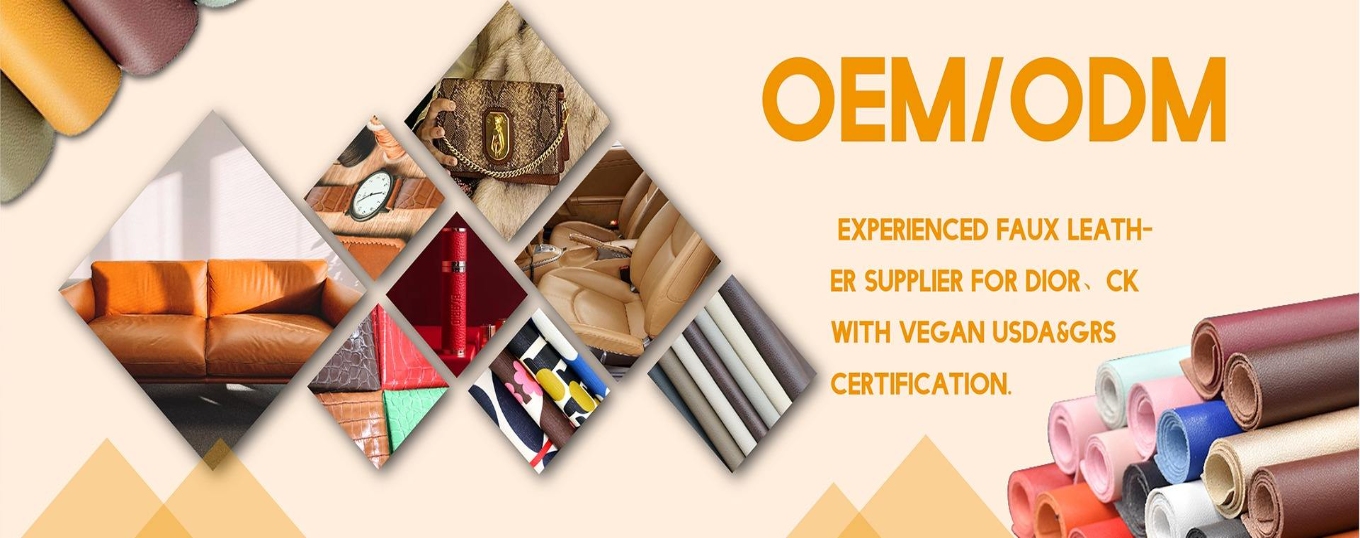
Dongguan Cigno Leather Co., Ltd. was established in 2007 and manufactures synthetic leather in Dongguan, China, including vegan, recycled, PVC, and microfiber leather for furniture, automotive interiors, apparel, handbags, and footwear. The company describes its R&D work as focused on eco-friendly and multifunctional materials, with customization available for colors, textures, thicknesses, and performance. Its listed certifications include GRS and OEKO-TEX 100, and its cooperation cases cover automotive interiors and medical equipment.

SUBSCRIBE
INQUIRY