
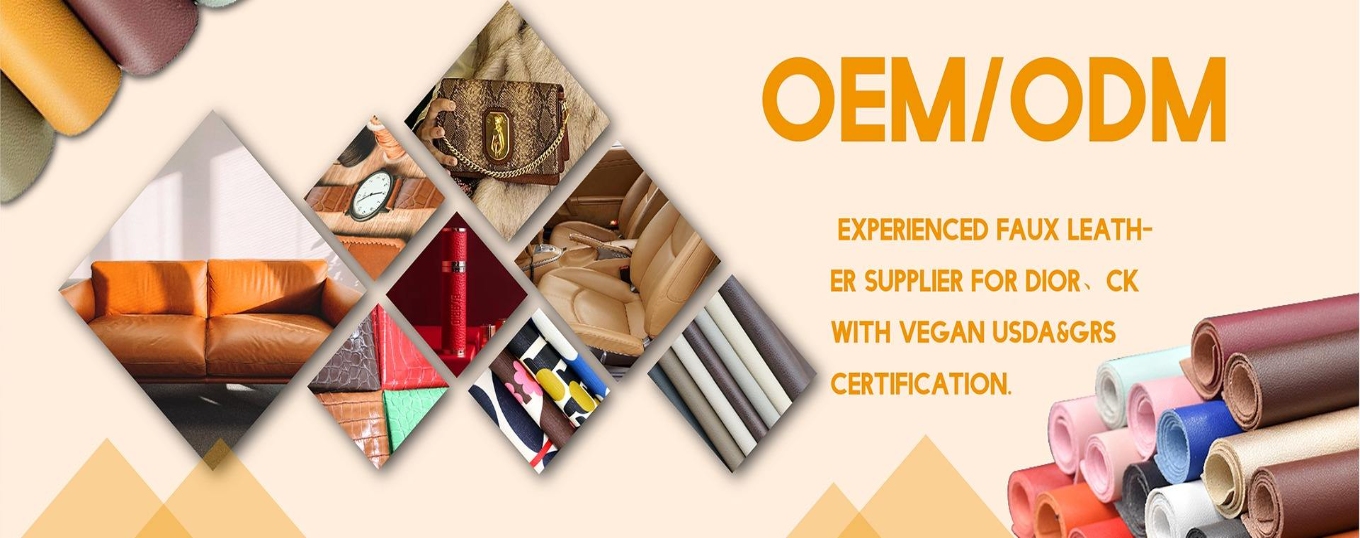
PRODUCTS
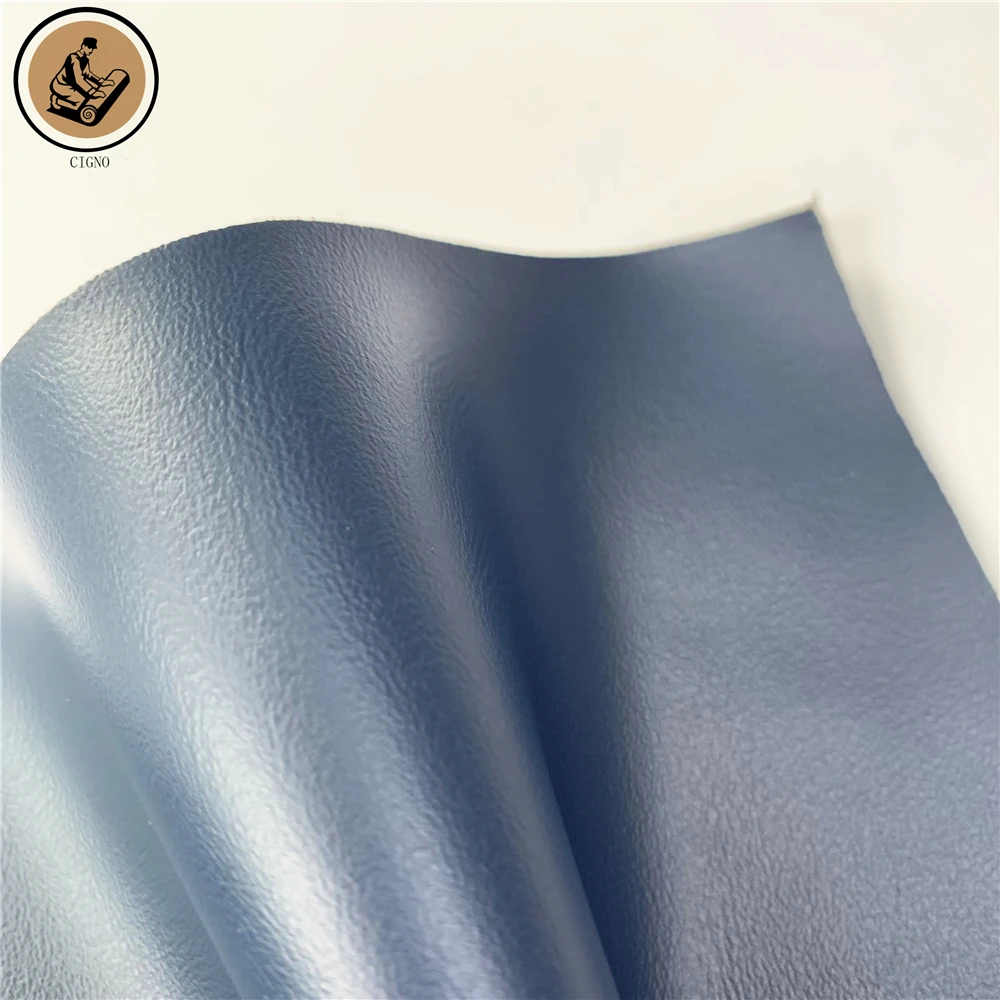
High Quality Eco-Friendly 1.2mm PU Synthetic Leather Furniture Upholstery Solvent-Free Skin-Feel for Sofa Car Seat Chair Bag Use
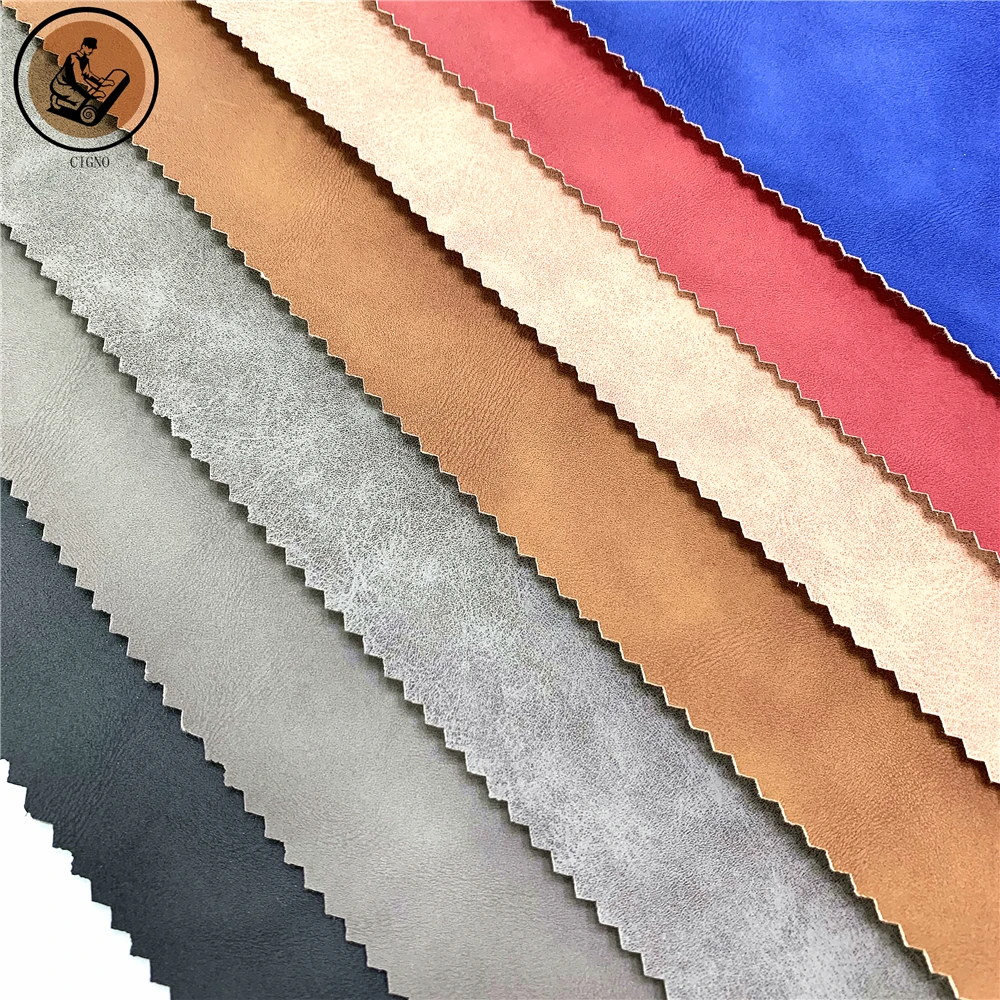
Free Samples of Embossed PU Synthetic Leather Bags Shoes Sofa Furniture Garments Car Decorative Uses-Waterproof Stretch Features
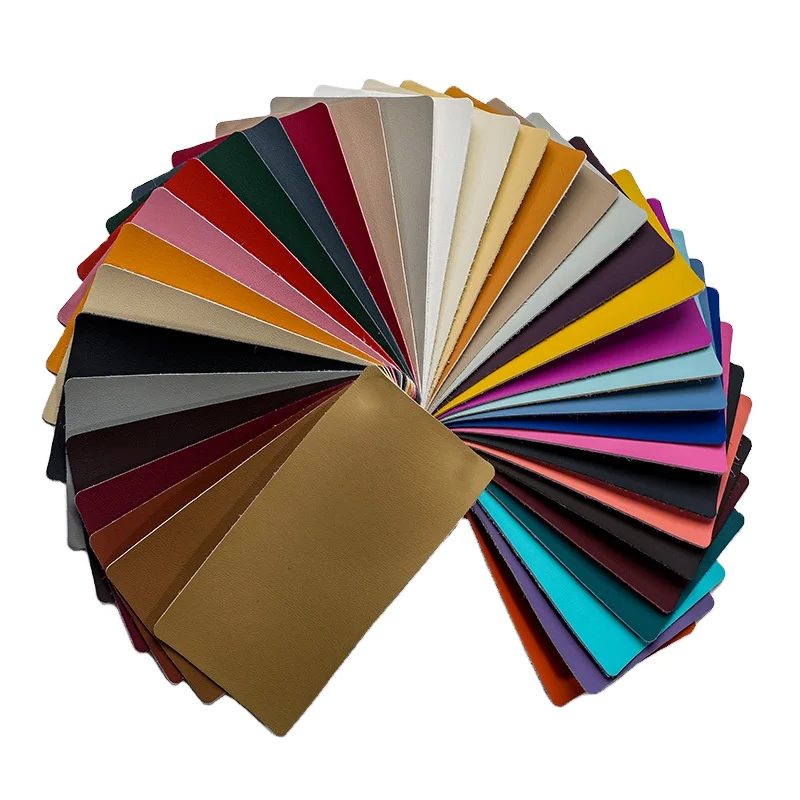
Pvc Vinyl Leather Rexine Leather Faux for Cars/Motorcycles, Waterproof Embossed Recycling Leatherette for Automotive Leather
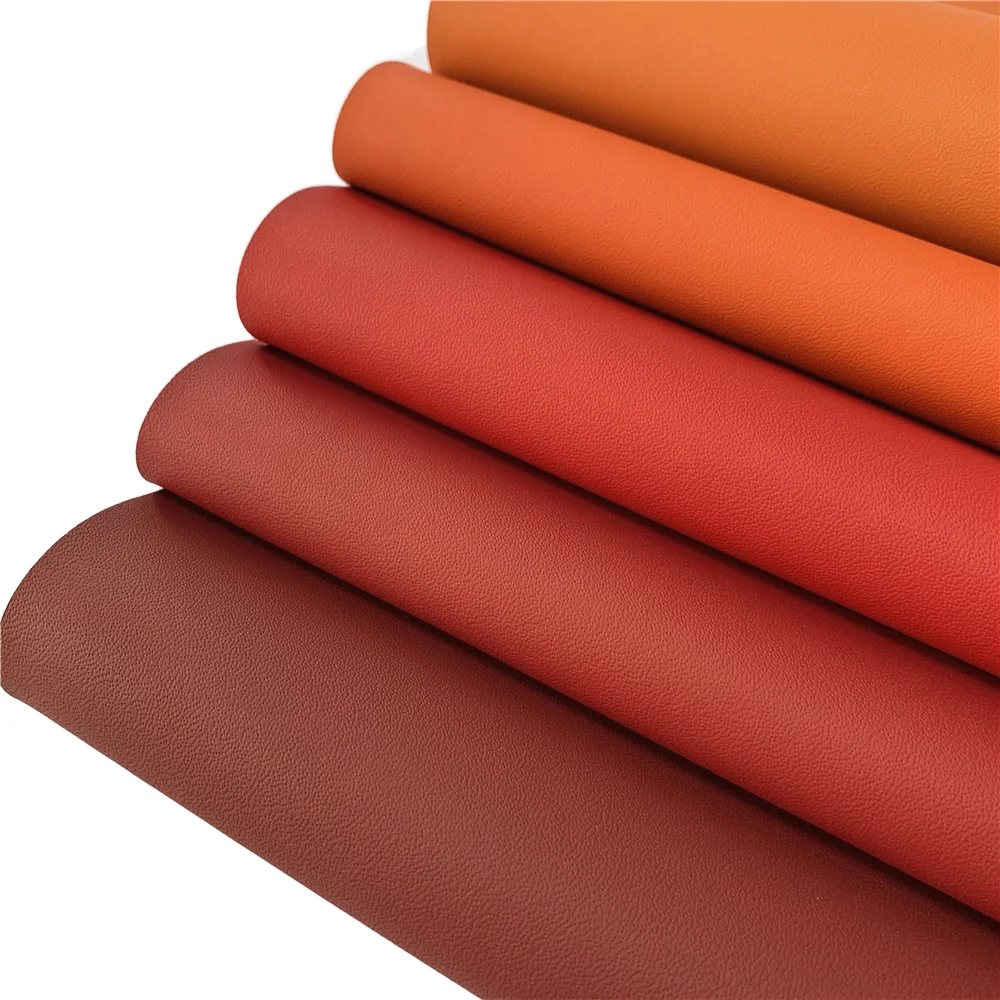
Hydrolysis Resistant Waterproof PU Microfiber Suede Leather Fabric Furniture Car Seat Covers Automotive Upholstery Bags Sofas
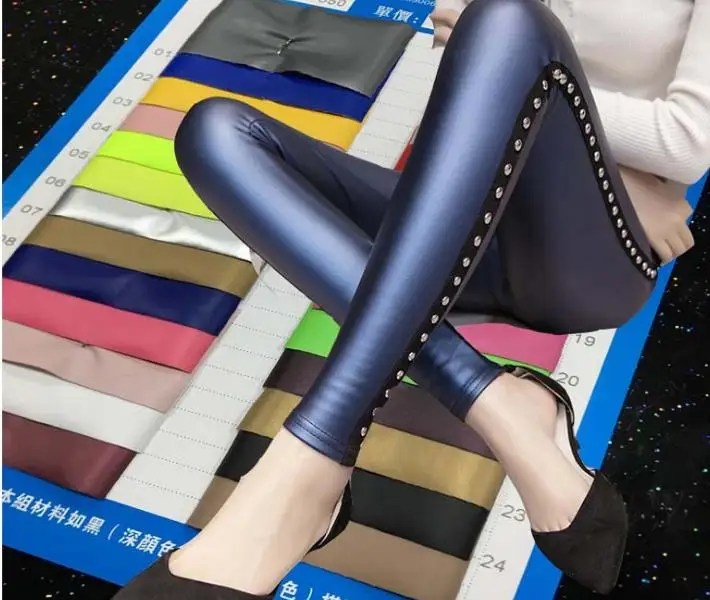
Ultra-Bright Black Mirror Four-Sided Stretch PU Fabric Pants Dresses Solid Color Soft Waterproof Clothing Elastic Finished
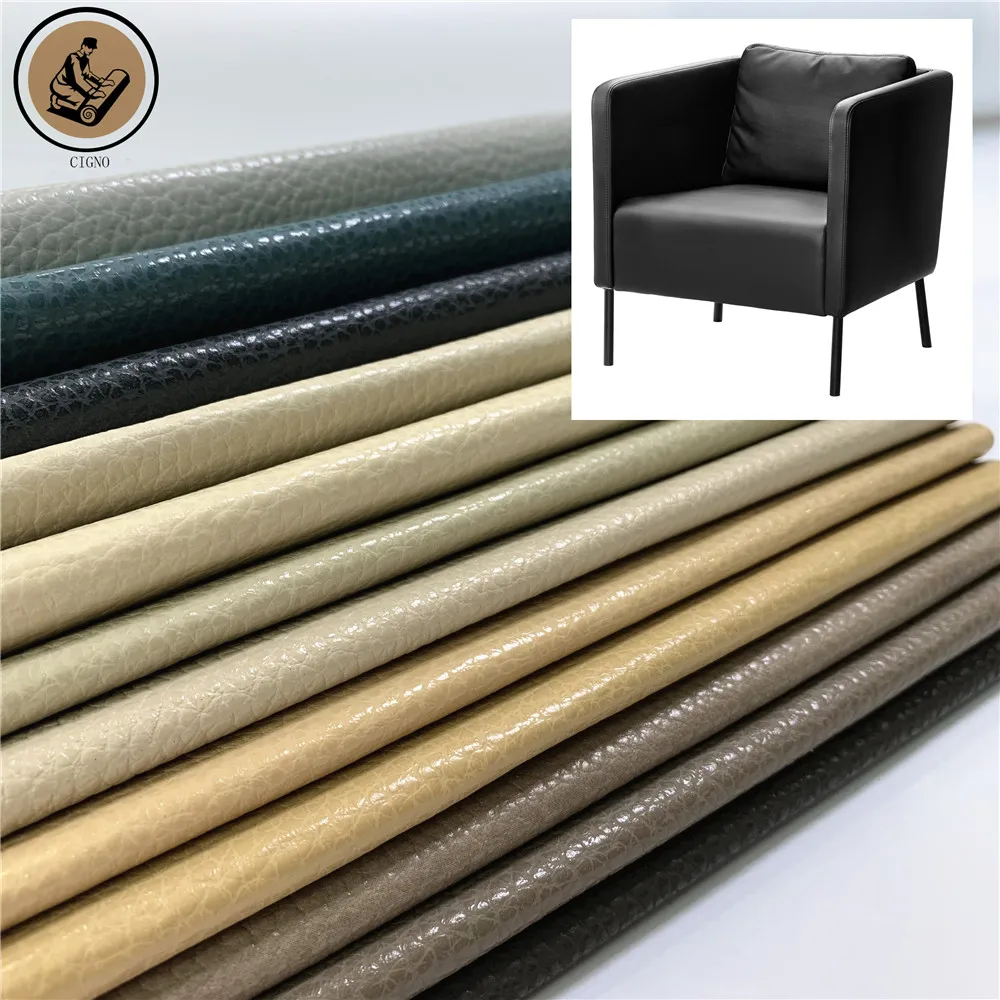
Litchi Lychee Grain 1.2mm PU Microfiber Leather Eco-Friendly Synthetic Leather Sofa Car Seat Handbags-Pearly-Lustre Recycled
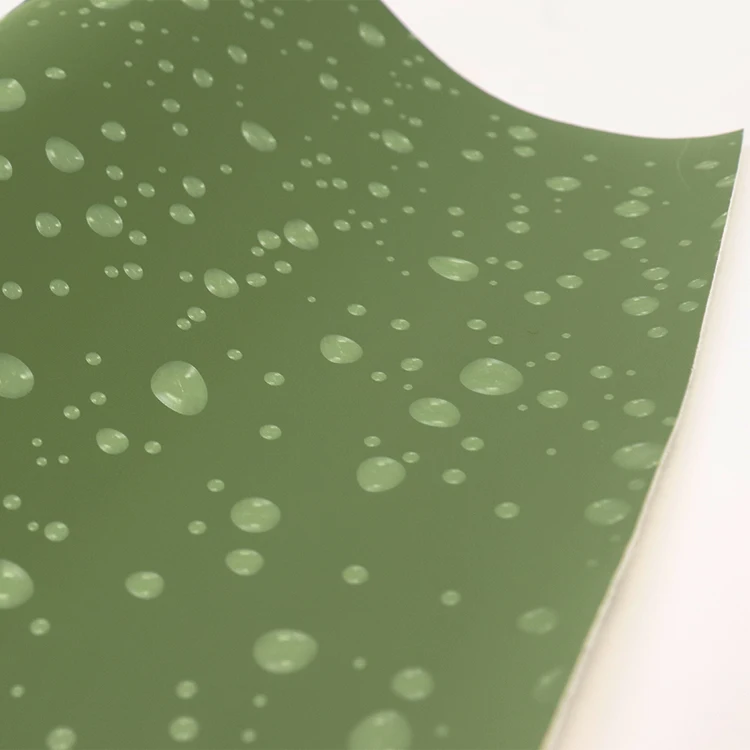
Custom Designer Faux Leather Fabric PVC Synthetic Leather Waterproof Sofa Bag Furniture Chair Woven Backing-Price Per Meter
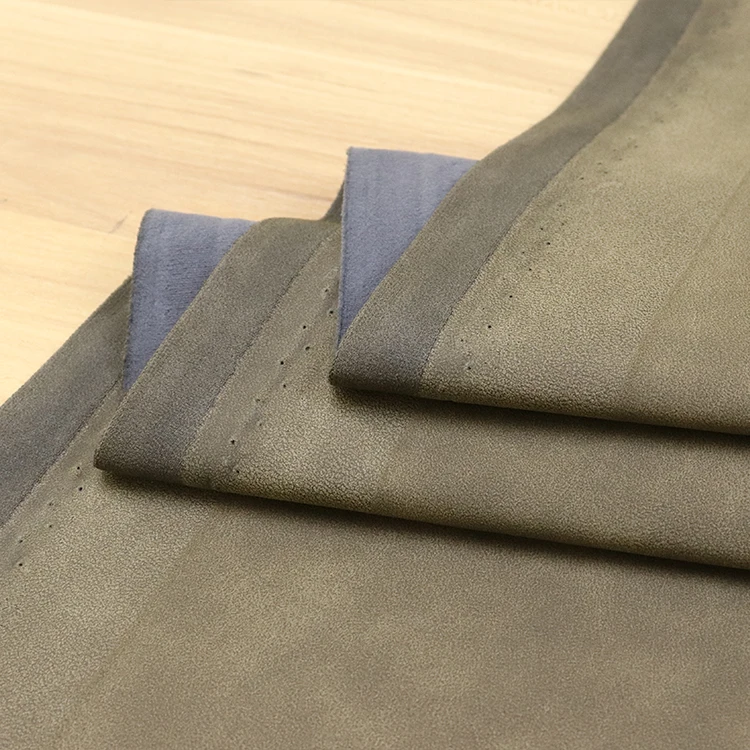
PU Suede Leather Nubuck Artificial Leather Materi for Shoe Make
How many Martindale rubs should artificial leather for furniture have to prevent cracking?
To prevent surface cracking and ensure product longevity, high-quality artificial leather for furniture must withstand a minimum of 30,000 to 50,000 Martindale rubs for residential applications, and 100,000 or more rubs for heavy-duty commercial use. Opting for PVC synthetic leather with customized knit or woven backings and a thickness of 0.7–1.2 mm significantly mitigates material fatigue and cracking under high-stress mechanical friction.
Core Solutions & Key Takeaways
- Friction Thresholds: Maintaining a threshold of 30,000 to 100,000 Martindale cycles protects the surface polymer layer from early disintegration and cracking under load.
- Optimized Thickness: Implementing a thickness of 0.7–1.2 mm for furniture and sofa upholstery ensures sufficient physical material depth to absorb compressive and shearing forces.
- Backing Reinforcement: Utilizing customized knitted, woven, or non-woven fabric backings increases overall tensile and peeling strength, providing structural stability.
- Functional Treatments: Incorporating mildew resistance, flame retardancy, and stable color consistency protects synthetic upholstery in demanding physical and environmental conditions.
Detailed Architectural/Principle Analysis
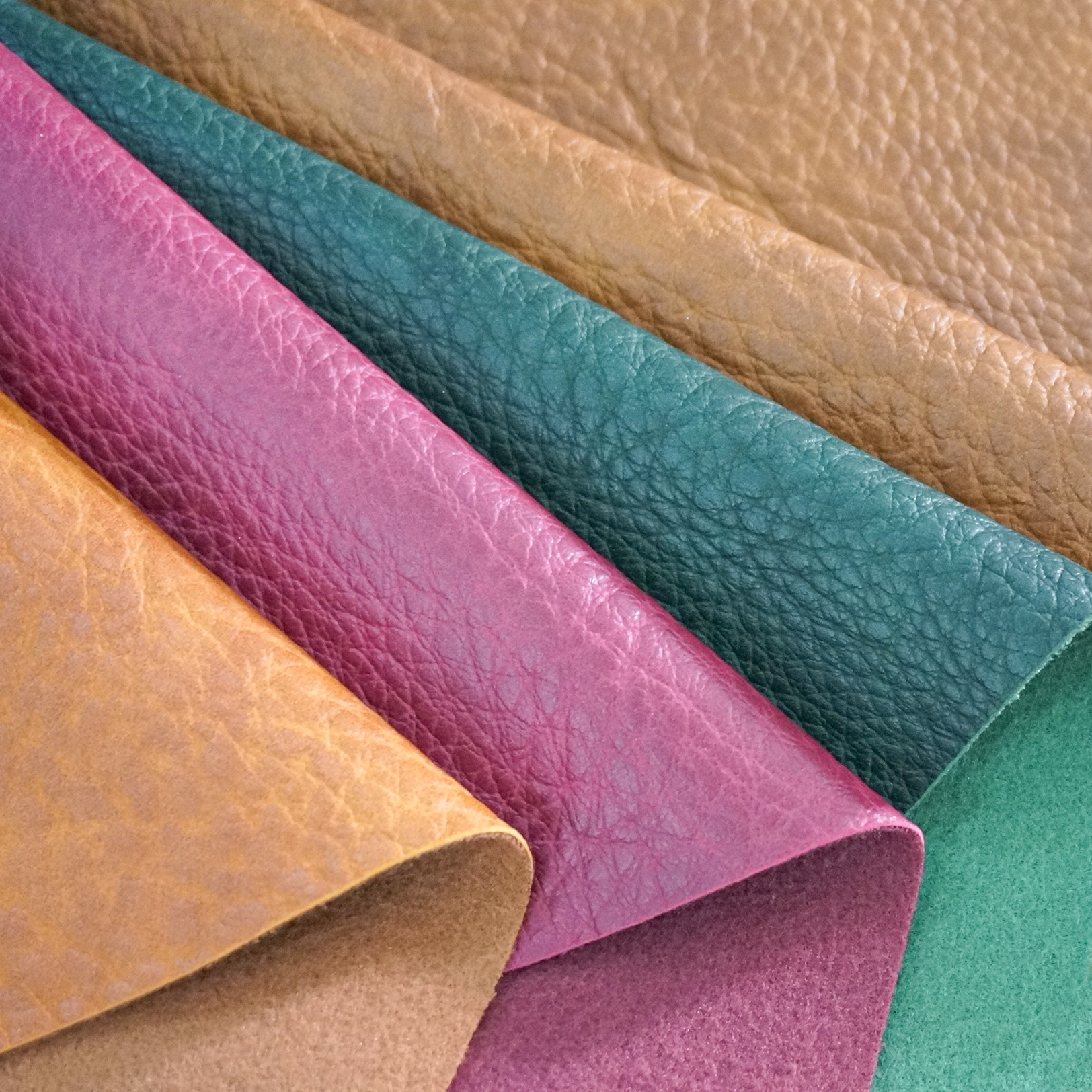
The mechanical longevity of artificial leather for furniture depends heavily on the relationship between the top PVC polymer layer and its structural backing. During repetitive friction tests, such as the Martindale method, localized shear stresses accumulate on the polyurethane or polyvinyl chloride coating. If the surface layer lacks adequate thickness (below 0.7 mm) or utilizes low-density polymers, these stresses cause micro-tears that rapidly expand into visible cracks. Selecting materials verified by rigorous standard tests guarantees reliable performance under continuous load.
To achieve high abrasion thresholds, advanced manufacturing utilizes specific base cloth designs. Knitted fabrics offer high elasticity suitable for contoured seating, whereas woven and non-woven fabrics provide high structural stability for flat cushions and heavy-duty armrests. This engineering approach was successfully demonstrated in a physical supply case of 50,000 meters of synthetic upholstery leather delivered to an automotive interior manufacturer in Mexico, where requirements specified strict abrasion resistance, UV resistance, and low odor profiles to prevent surface cracking in extreme cabin conditions.
Furthermore, physical resilience is linked to chemical stability. Materials backed by certified environmental standards—such as GRS (Global Recycled Standard, Certificate B04213-G4), USDA Biobased (Certificate 521076632086130490), and Oeko-Tex 100 (Certificate SH015 120749)—exhibit stable polymer bonding. This chemical stability prevents plasticizer migration, a primary cause of synthetic leather hardening and subsequent cracking over time.
Data/Solution Comparison
| Material Specification Parameter | Standard Grade PVC Leather | Heavy-Duty Commercial Grade |
|---|---|---|
| Thickness Range | 0.7 mm – 0.9 mm | 1.0 mm – 1.2 mm (Customizable) |
| Available Backing Materials | Knitted fabric, non-woven fabric | Woven fabric, customized heavy backing |
| Primary Furniture Applications | Headboards, wall panels, office chairs | Sofas, heavy-traffic commercial seating |
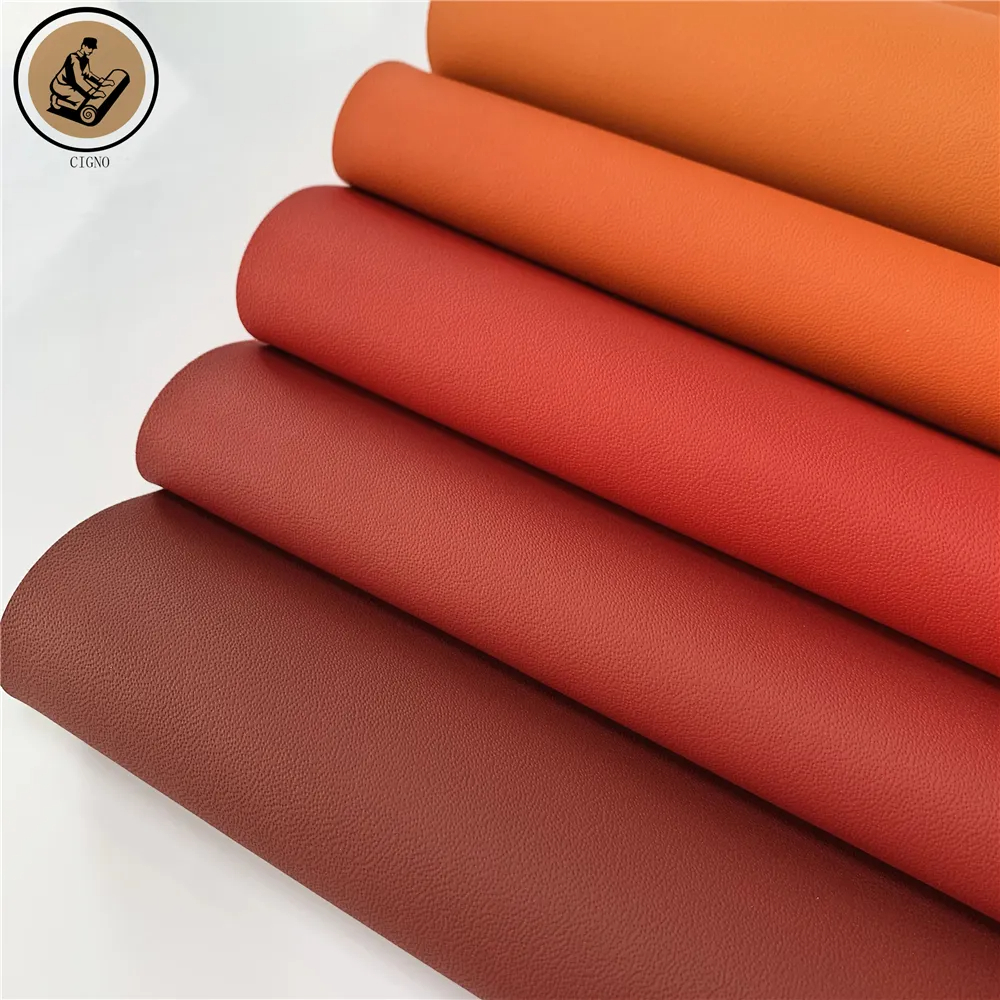
| Surface Grain & Finish Options | Nappa, lychee, soft matte, semi-gloss | Crocodile, geometric, customized embossing |
| Key Performance Capabilities | Waterproof, stain resistant, easy cleaning | High abrasion, scratch resistance, flame retardancy |
| Minimum Order Quantity (MOQ) | 100 meters | 100 meters |
Frequently Asked Questions (FAQ)
What backing material provides the best resistance to surface cracking?
Knitted and woven fabric backings offer the highest resistance. Knitted backing provides stretch and recovery for rounded, contoured furniture, while woven backing offers superior tensile and peeling strength for flat, high-tension surfaces, effectively absorbing physical load to prevent surface layer splitting.
Does a thicker synthetic leather guarantee fewer cracks?
Generally, yes. A thickness between 0.7 mm and 1.2 mm provides a deeper wear layer. Thicker PVC layers distribute localized friction forces more evenly, protecting the underlying structural fibers and reducing the risk of fatigue-induced cracking.
What quality control tests verify that artificial leather will not crack early?
Comprehensive quality inspections involve raw material analysis, color matching, production line monitoring, and laboratory testing. Specific checks for thickness, tensile strength, peeling strength, and scratch resistance must be performed prior to shipment to ensure consistent batch performance.
Final Conclusion & Recommendations
Selecting the appropriate artificial leather for furniture requires balancing Martindale performance with structural configurations like thickness and backing material. Ordering from certified production lines that implement a 100% full quality inspection process ensures reliable long-term performance. Secure procurement options include T/T bank transfer, irrevocable L/C at sight, and Alibaba Trade Assurance, with logistics supported by sea freight, air freight, and international express delivery. Standard production lead times run between 15 to 30 days based on customized design specifications. For detailed technical solutions or support, please reach out to us via vicky@bozeleather.com.
About Us
Established in 2007, Dongguan Cigno Leather Co., Ltd. operates a manufacturing facility covering 100,000 sqm dedicated to high-performance synthetic materials. The company focuses on the development of eco-friendly and multifunctional synthetic leather materials, maintaining a monthly production capacity of 6 million meters. Holding GRS, USDA, and Oeko-Tex 100 certifications, the enterprise serves global brands across furniture, automotive, and footwear industries.

SUBSCRIBE
INQUIRY