
PRODUCTS
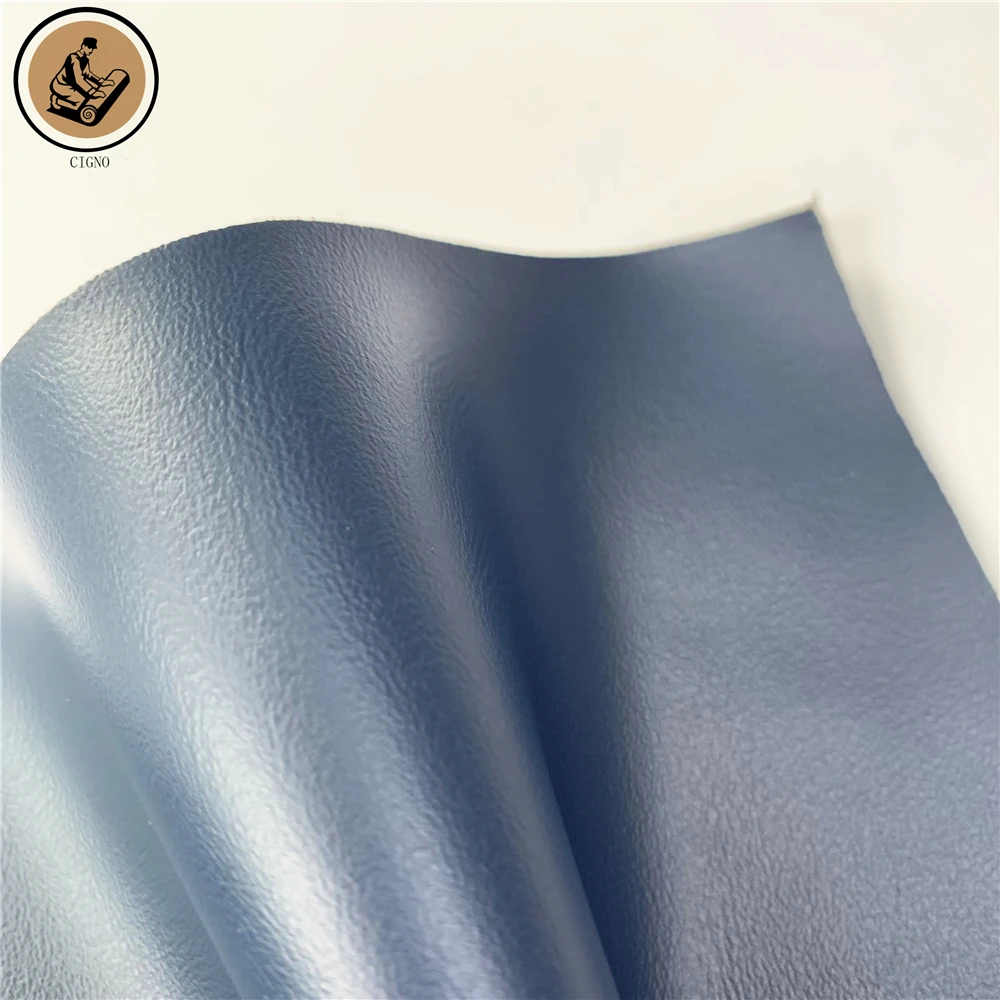
High Quality Eco-Friendly 1.2mm PU Synthetic Leather Furniture Upholstery Solvent-Free Skin-Feel for Sofa Car Seat Chair Bag Use
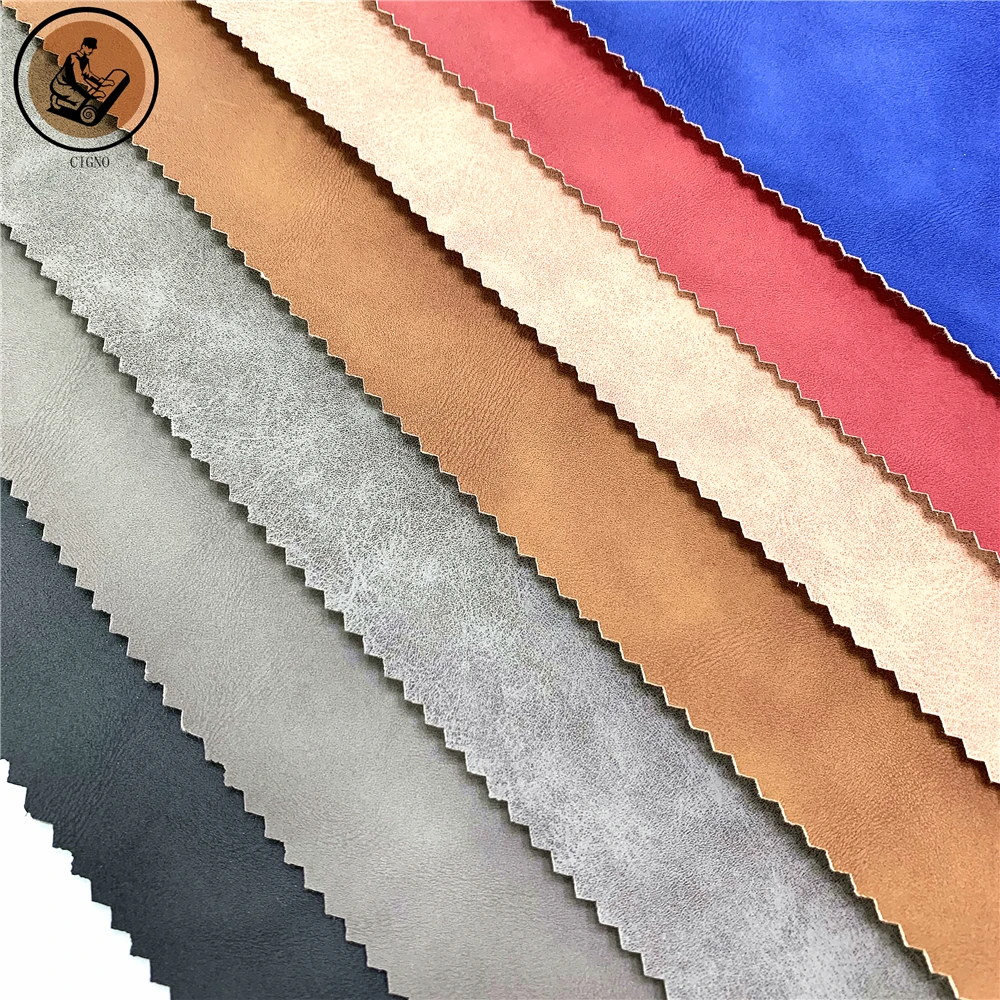
Free Samples of Embossed PU Synthetic Leather Bags Shoes Sofa Furniture Garments Car Decorative Uses-Waterproof Stretch Features
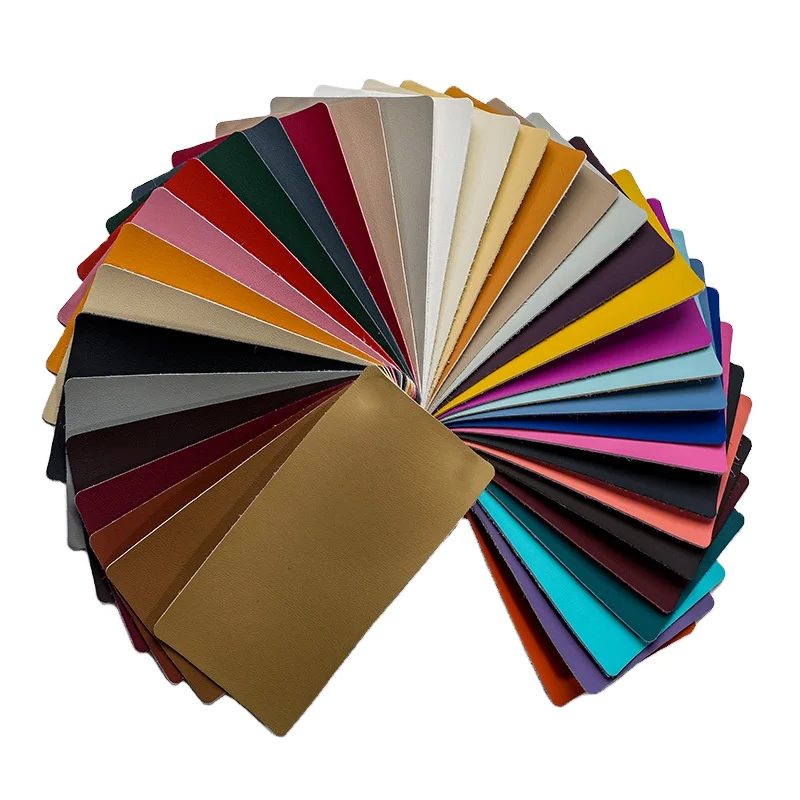
Pvc Vinyl Leather Rexine Leather Faux for Cars/Motorcycles, Waterproof Embossed Recycling Leatherette for Automotive Leather
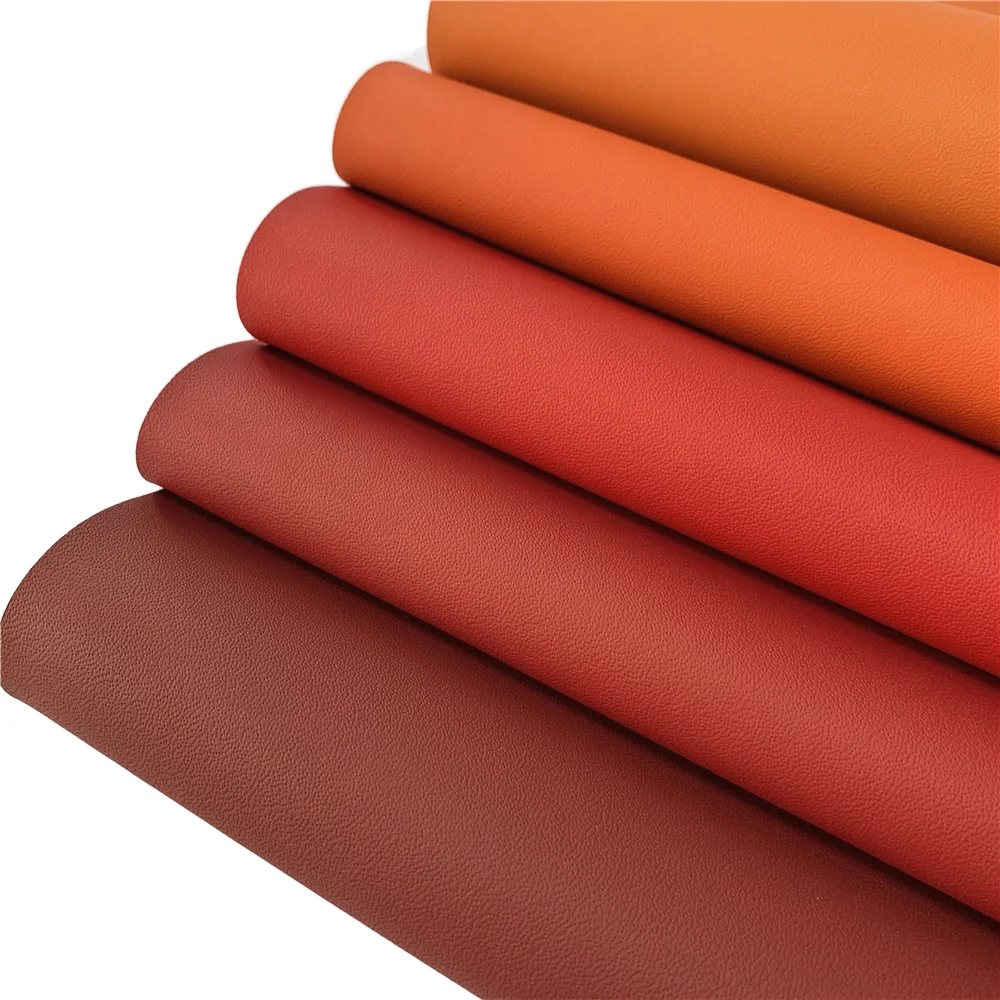
Hydrolysis Resistant Waterproof PU Microfiber Suede Leather Fabric Furniture Car Seat Covers Automotive Upholstery Bags Sofas
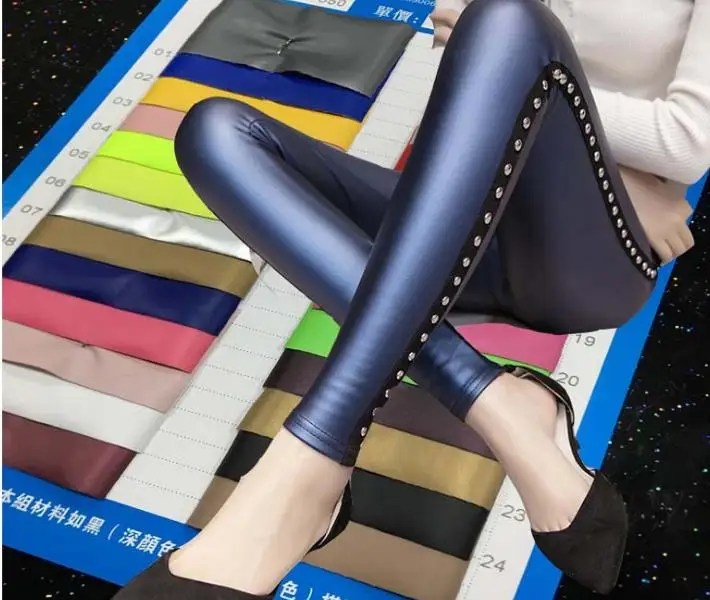
Ultra-Bright Black Mirror Four-Sided Stretch PU Fabric Pants Dresses Solid Color Soft Waterproof Clothing Elastic Finished
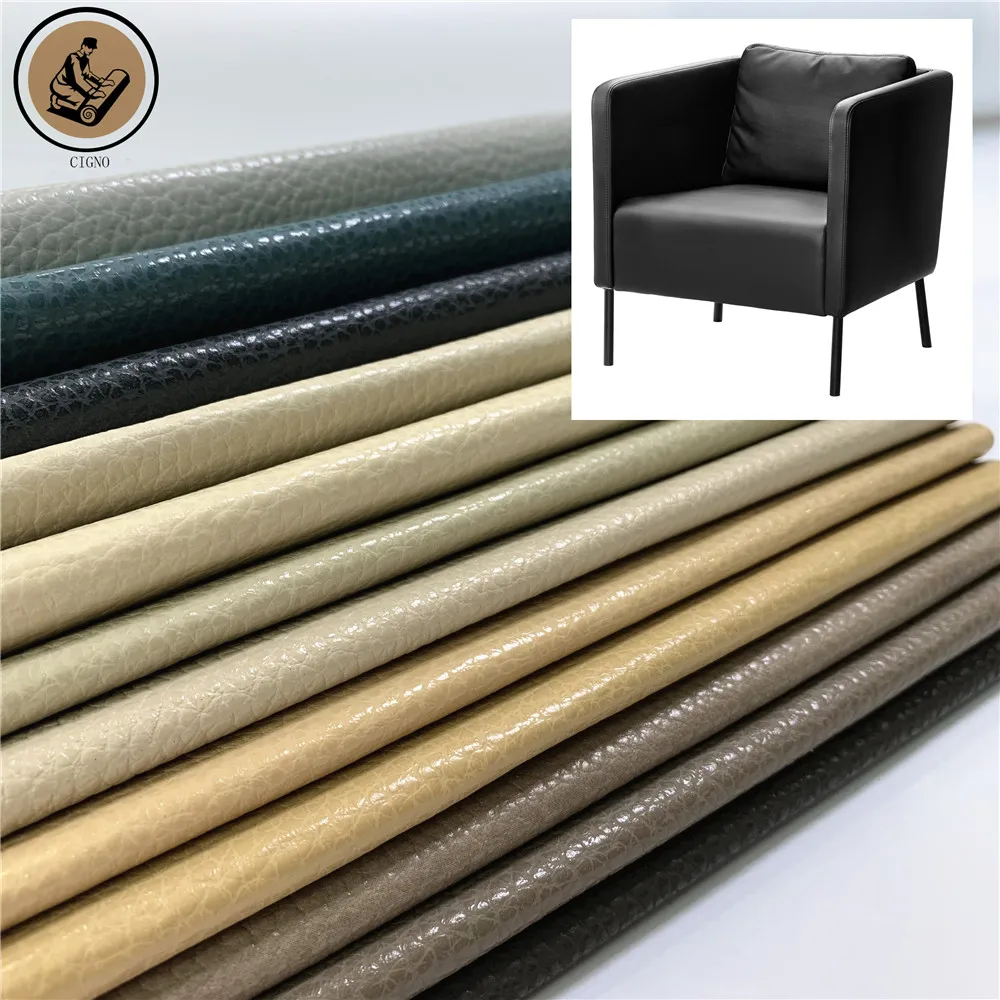
Litchi Lychee Grain 1.2mm PU Microfiber Leather Eco-Friendly Synthetic Leather Sofa Car Seat Handbags-Pearly-Lustre Recycled
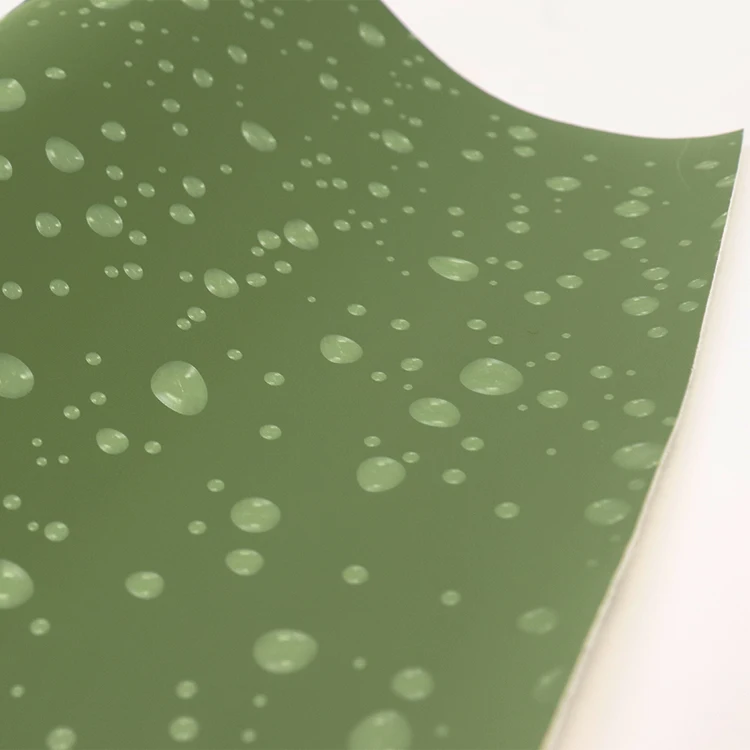
Custom Designer Faux Leather Fabric PVC Synthetic Leather Waterproof Sofa Bag Furniture Chair Woven Backing-Price Per Meter
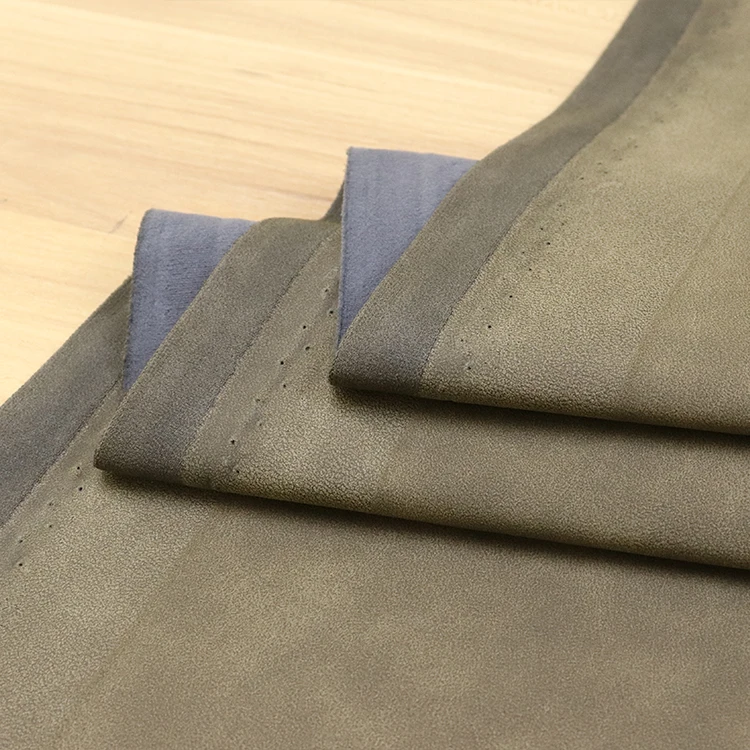
PU Suede Leather Nubuck Artificial Leather Materi for Shoe Make
How many upholstery leather samples should I compare before choosing a final grade?
Comparing 3 to 5 upholstery leather samples per target specification provides an optimal baseline for evaluating technical performance, physical texture, and color consistency. This range allows manufacturers and designers to contrast varying backing fabrics, surface finishes like PVC, PU, or microfiber, and functional treatments such as flame retardancy or scratch resistance without overburdening testing workflows.
Core Solutions & Key Takeaways
- Sample Baseline Selection: Compare 3 to 5 synthetic leather formulations across uniform thickness thresholds (0.8–1.4 mm) to isolate performance variables accurately.
- Application-Targeted Criteria: Match material specifications directly against end-use requirements for automotive seat covers, armrests, door panels, or residential upholstery.
- Laboratory & Physical Verification: Subject sample candidates to standardized testing for tensile strength, peeling strength, abrasion resistance, and UV stability.
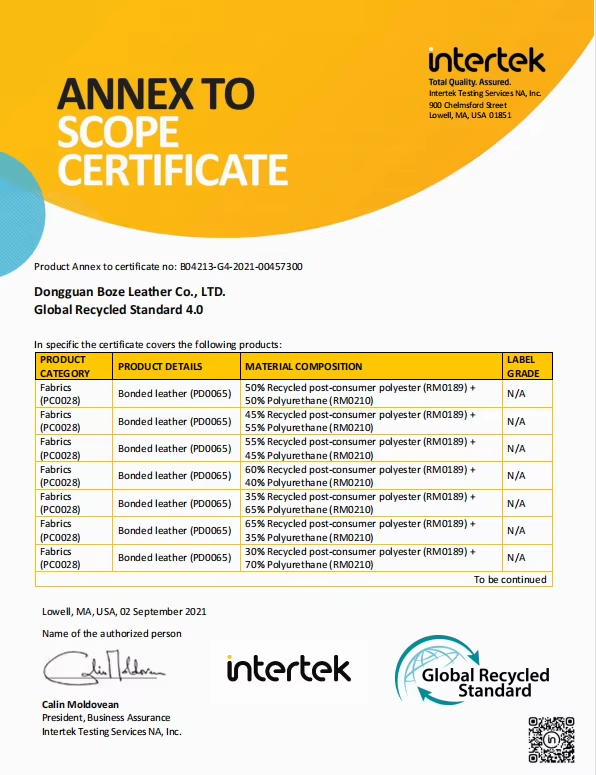
- Regulatory & Compliance Auditing: Ensure potential material grades carry verified international standards such as GRS, USDA bio-based, and Oeko-Tex 100 certifications.
Detailed Architectural/Principle Analysis
Selecting the correct upholstery material grade requires an evaluation process based on physical parameters and lab-tested performance metrics. When assessing synthetic leather options for car seat covers and furniture, testing 3 to 5 distinct material swatches allows technical teams to evaluate structural variations—including PVC, PU, and microfiber substrates—under identical environmental conditions. Key physical attributes to verify during sample comparison include a roll width of 54/55 inches, a thickness range of 0.8–1.4 mm, surface grain precision, and backing fabric compatibility.
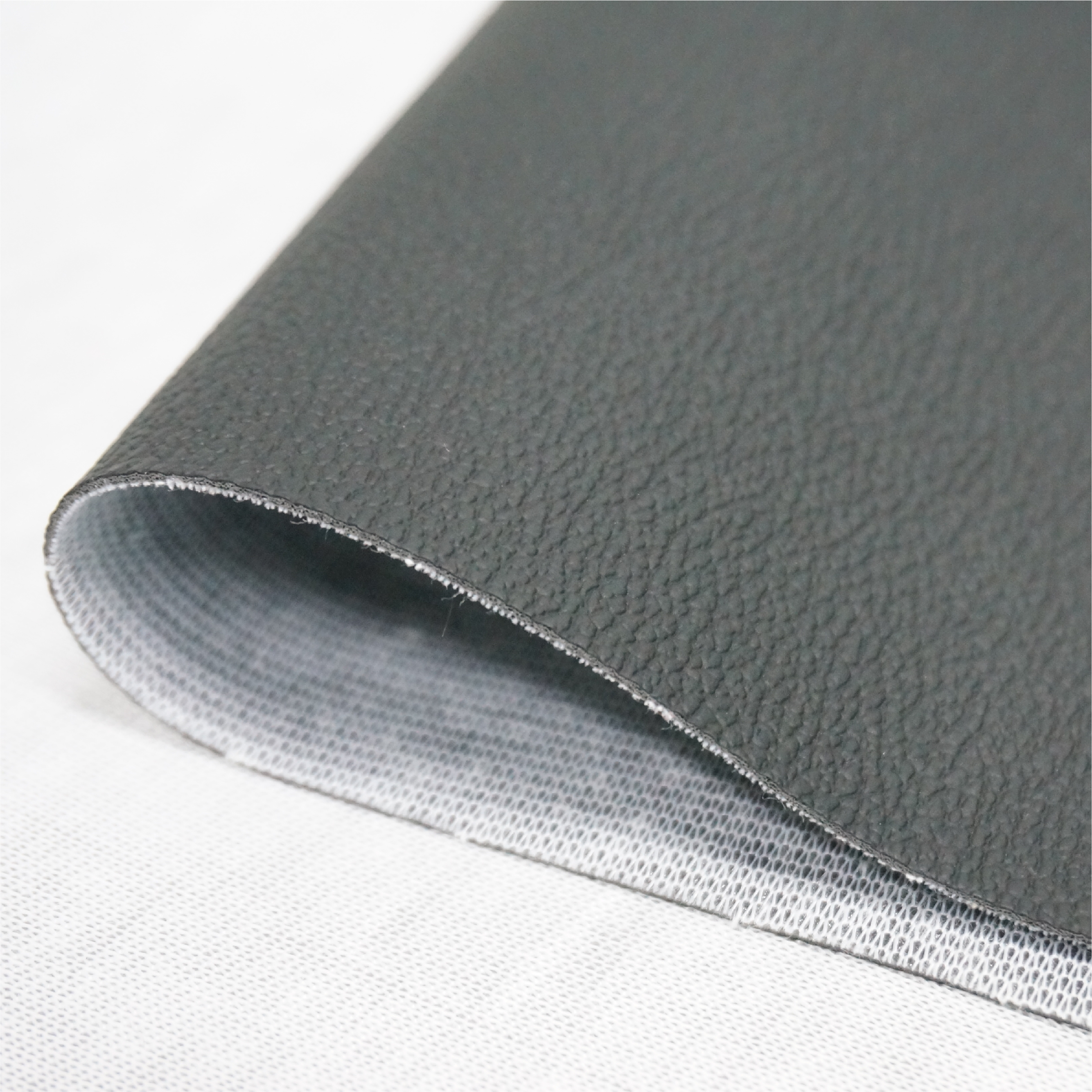
Practical integration demonstrates the value of strict multi-sample testing. In a project executed for an automotive interior manufacturer in Mexico, a supply contract of 50,000 meters of customized synthetic leather was finalized after side-by-side sample evaluations. The selection process benchmarked color consistency, grain retention, low-odor characteristics, abrasion resistance, flame retardancy, and easy-clean properties across seat cushion, door panel, and headrest configurations.
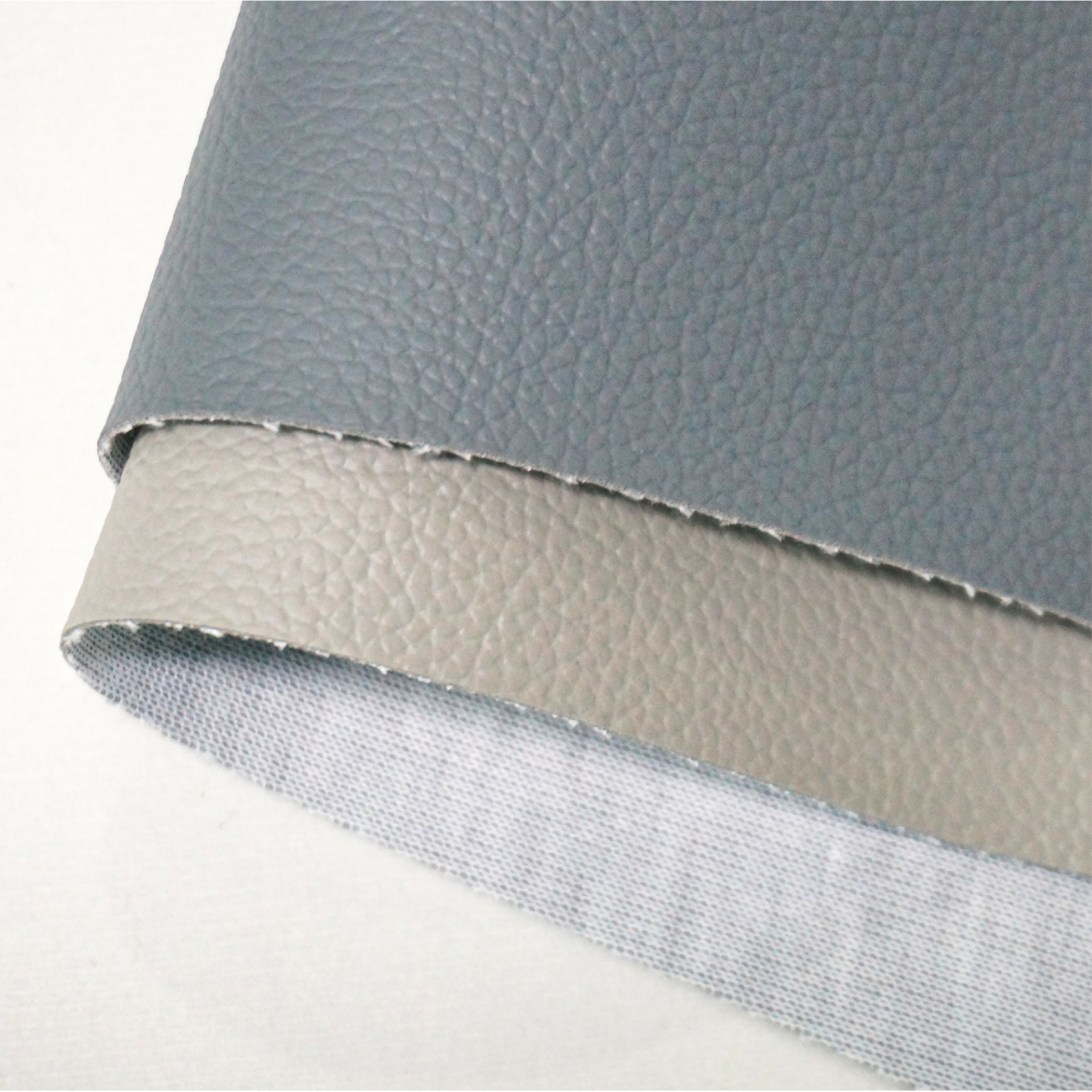
Quality assurance protocols under ISO 9001 guidelines mandate comprehensive laboratory inspections prior to bulk manufacturing. Comparing samples requires inspecting raw materials, verifying color matching under standardized lighting, and conducting mechanical stress tests for tensile and peeling strength. Materials must also be audited for specialized functional treatments, such as antibacterial, anti-mold, fluorine-free, REACH, and RoHS compliance.
Data/Solution Comparison
The table below highlights standard engineering parameters across three primary synthetic leather grades used in automotive and furniture upholstery comparisons:
| Material Category | Thickness Range | Primary Technical Attributes | Typical Upholstery Applications |
|---|---|---|---|
| Microfiber Leather | 0.8–1.4 mm | High tensile strength, scratch resistance, superior flexibility, stable color consistency | Premium automotive seat covers, headrests, steering wraps |
| PU Leather | 0.8–1.2 mm | Soft hand-feel, good flexibility, customizable grain textures, water-based options | Furniture upholstery, chairs, decorative interior panels |
| PVC Leather | 0.9–1.4 mm | High abrasion resistance, flame retardant options, easy cleaning, stain resistance | Heavy-duty seating, automotive door panels, commercial upholstery |
Frequently Asked Questions (FAQ)
What minimum order quantity (MOQ) is required for customized sample runs?
Customized color, grain, and backing development requires an MOQ of 1,000 meters per color, whereas standardized swatches can be dispatched immediately for preliminary visual and physical evaluation.
What functional tests should be prioritized when evaluating upholstery samples?
Testing must focus on abrasion resistance, scratch resistance, waterproofing, peeling strength, tensile strength, flame retardancy, and color fastness under UV exposure.
What are the standard delivery timelines following sample approval?
Mass production delivery schedules range between 15 to 30 days after formal order confirmation, depending on total volume and specific functional backing requirements.
Final Conclusion & Recommendations
Limiting sample comparisons to 3 to 5 qualified candidates streamlines material selection while ensuring all physical, aesthetic, and mechanical targets are satisfied. Establishing sample evaluation under standardized ISO 9001 testing protocols prevents quality variances in full-scale production runs. For detailed technical solutions or support, please reach out to us via vicky@bozeleather.com.
About Us
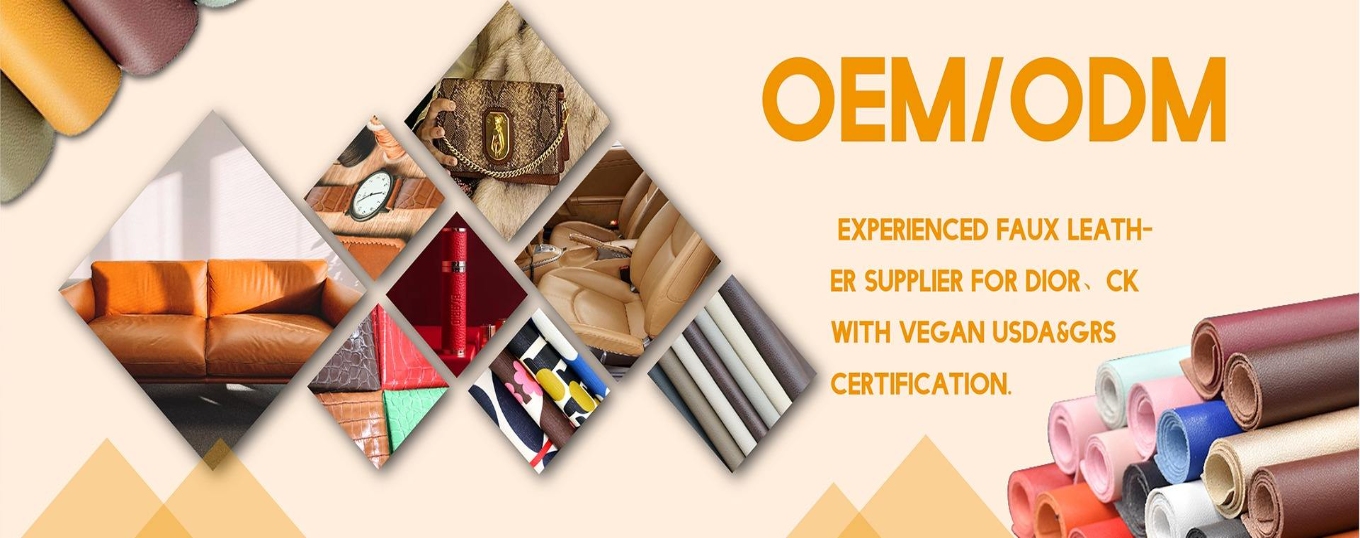
Established in 2007, Dongguan Cigno Leather Co., Ltd. operates a 100,000 sqm manufacturing facility equipped with 6 synthetic leather production lines, achieving a monthly output of 6,000,000 meters. The enterprise maintains over 30 national invention patents and holds internationally recognized certifications including GRS, USDA, and Oeko-Tex 100. Providing OEM and ODM services to clients across North America, Europe, and Asia, the company supplies synthetic leather solutions engineered for automotive interior, furniture, and industrial upholstery applications.

SUBSCRIBE
INQUIRY