
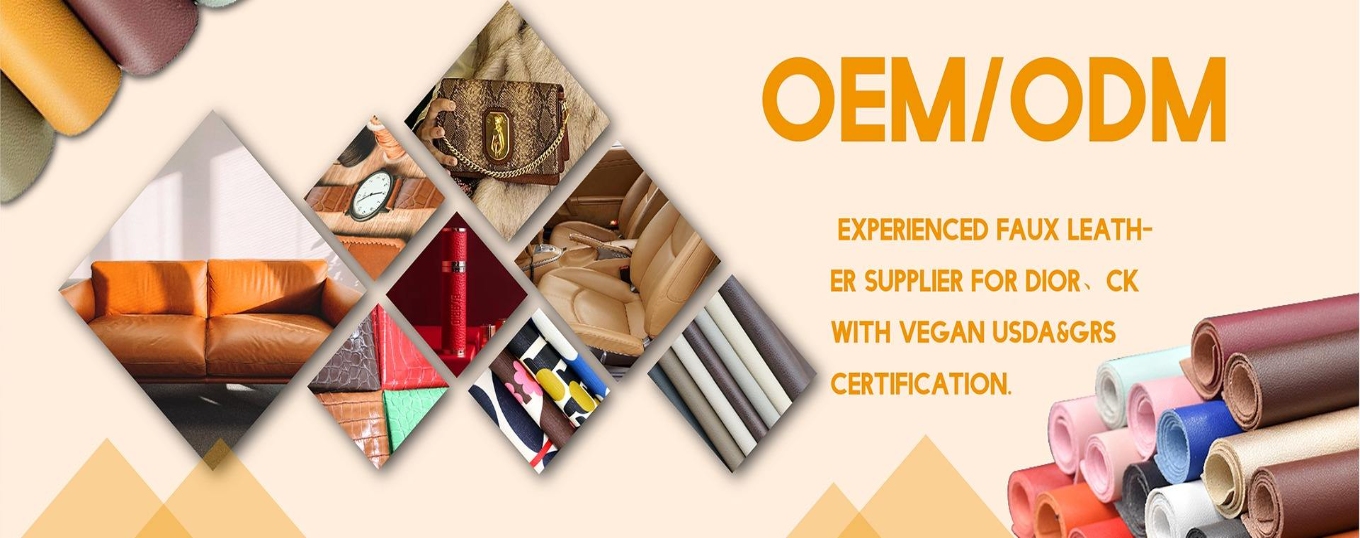
PRODUCTS
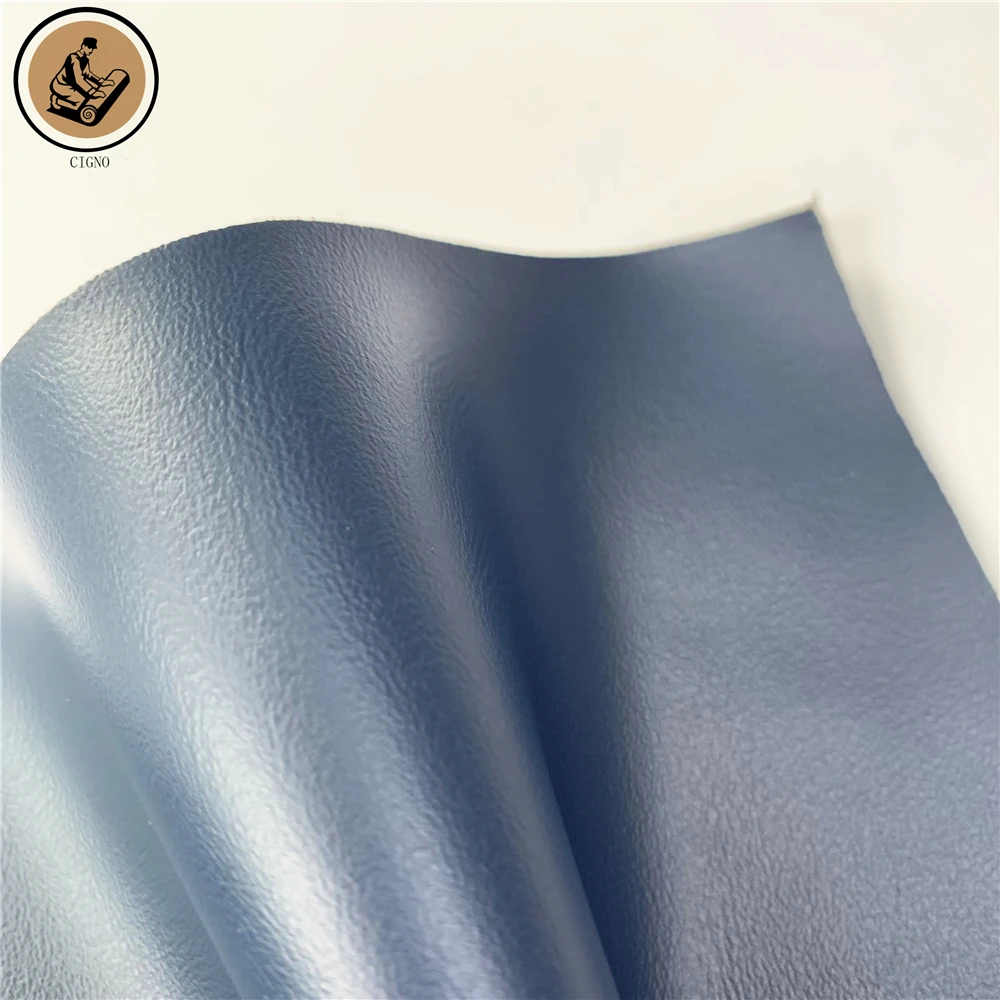
High Quality Eco-Friendly 1.2mm PU Synthetic Leather Furniture Upholstery Solvent-Free Skin-Feel for Sofa Car Seat Chair Bag Use
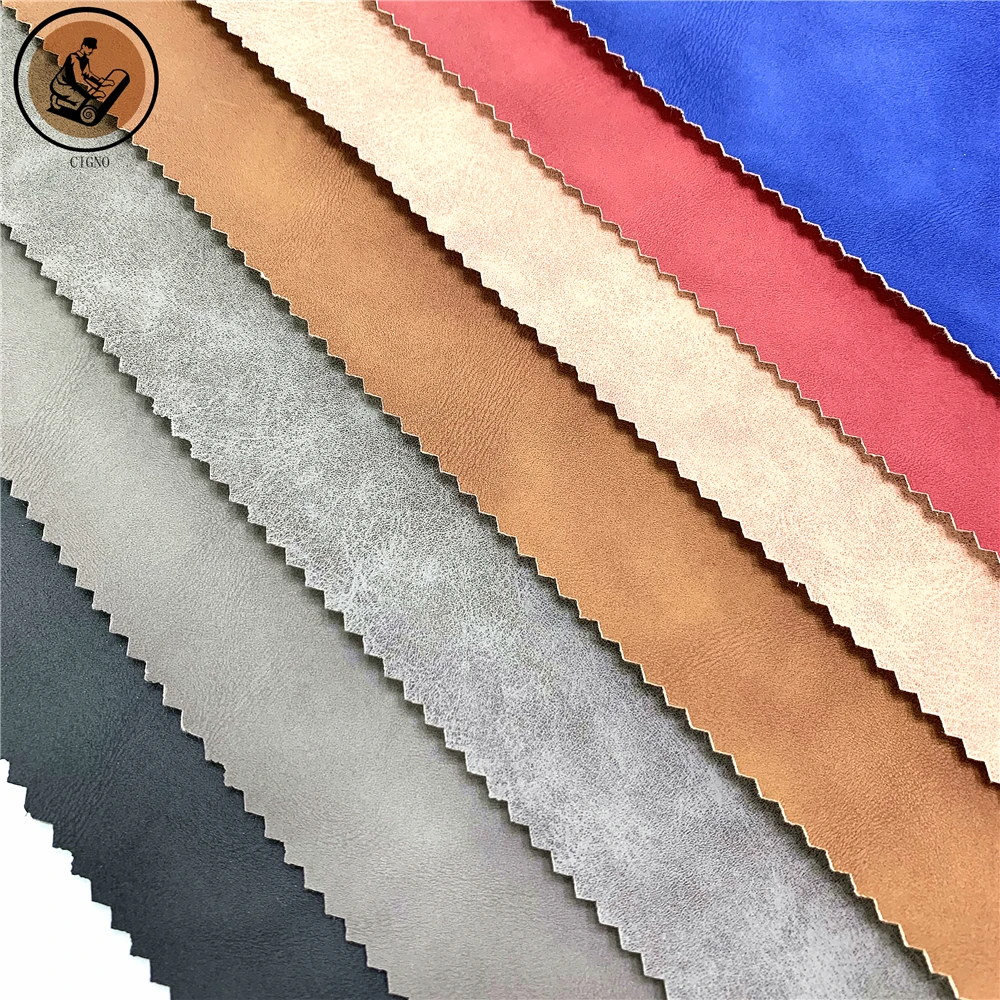
Free Samples of Embossed PU Synthetic Leather Bags Shoes Sofa Furniture Garments Car Decorative Uses-Waterproof Stretch Features
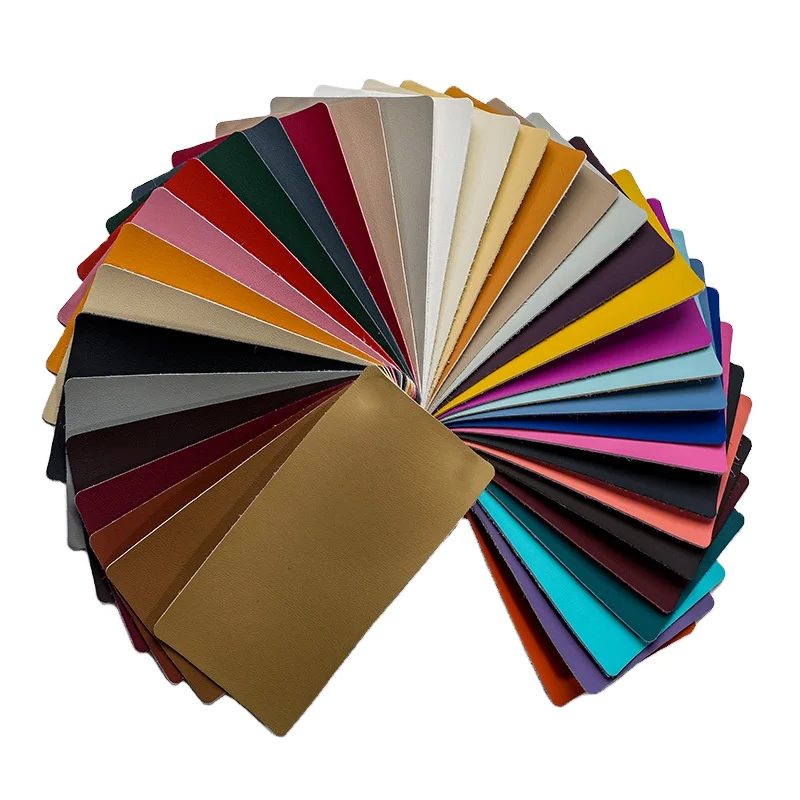
Pvc Vinyl Leather Rexine Leather Faux for Cars/Motorcycles, Waterproof Embossed Recycling Leatherette for Automotive Leather
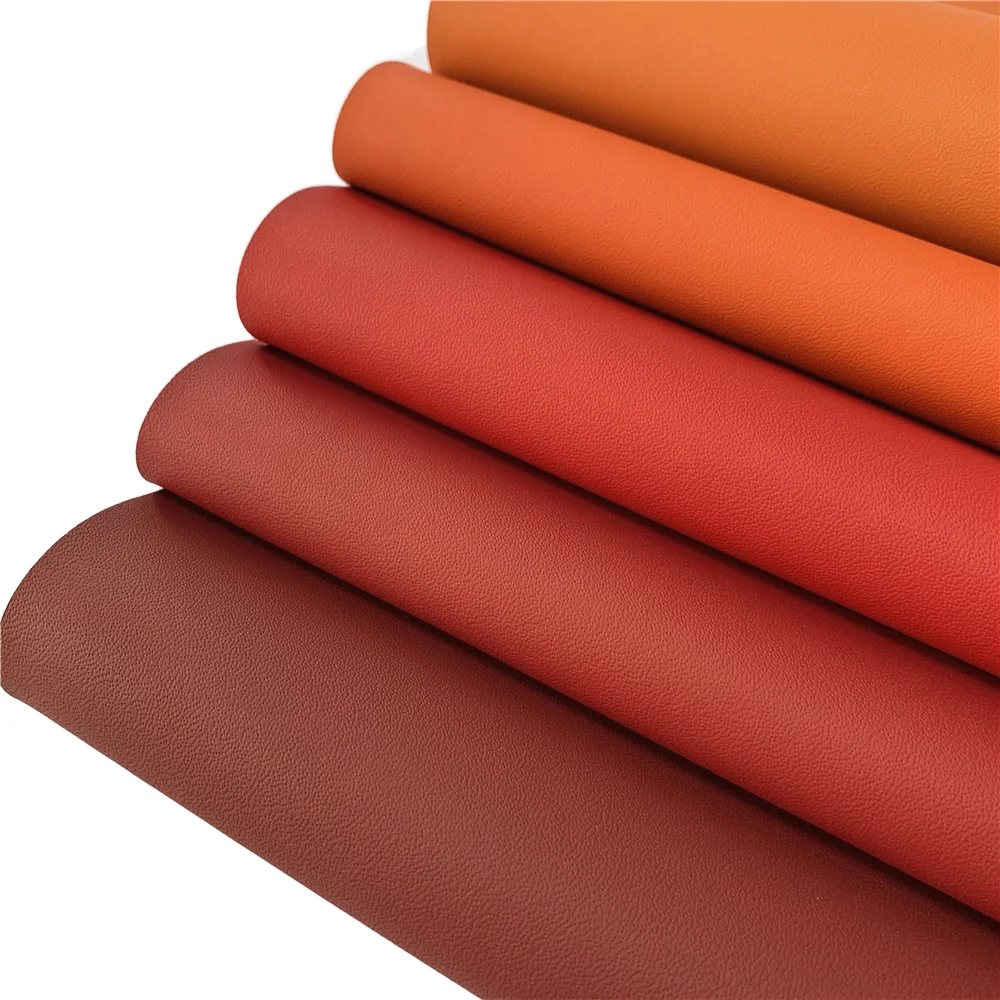
Hydrolysis Resistant Waterproof PU Microfiber Suede Leather Fabric Furniture Car Seat Covers Automotive Upholstery Bags Sofas
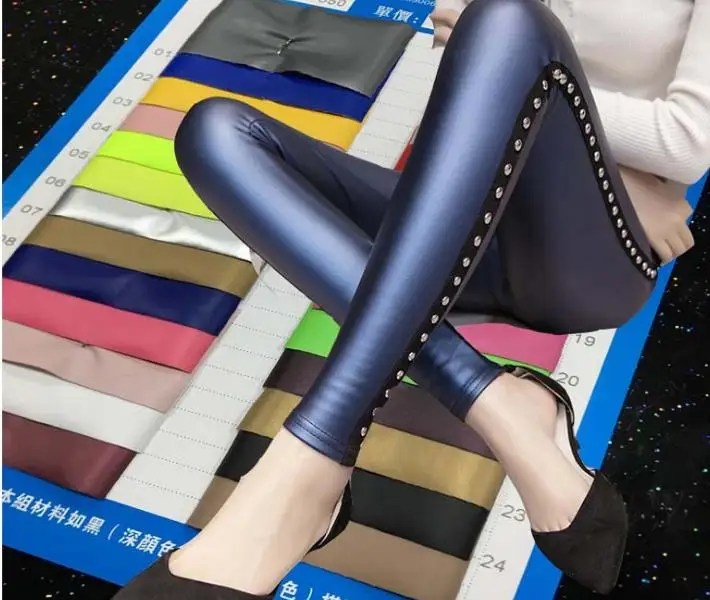
Ultra-Bright Black Mirror Four-Sided Stretch PU Fabric Pants Dresses Solid Color Soft Waterproof Clothing Elastic Finished
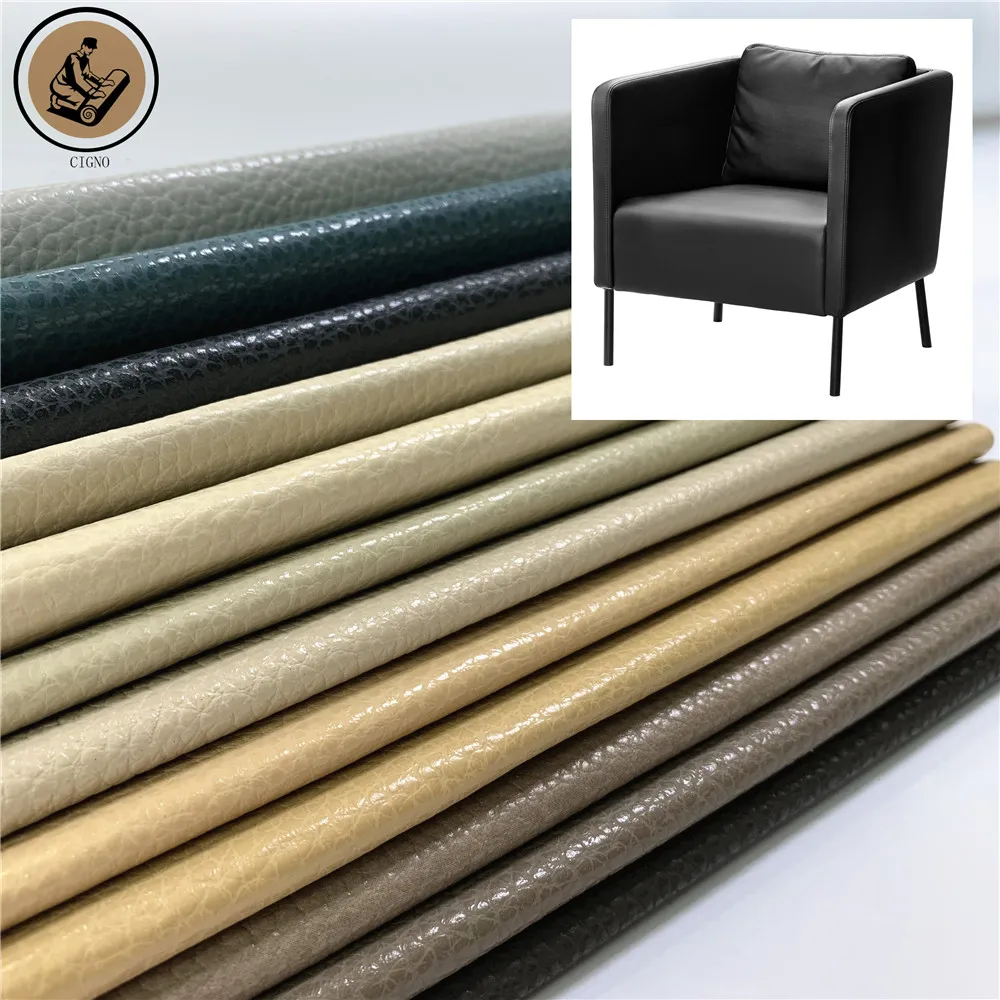
Litchi Lychee Grain 1.2mm PU Microfiber Leather Eco-Friendly Synthetic Leather Sofa Car Seat Handbags-Pearly-Lustre Recycled
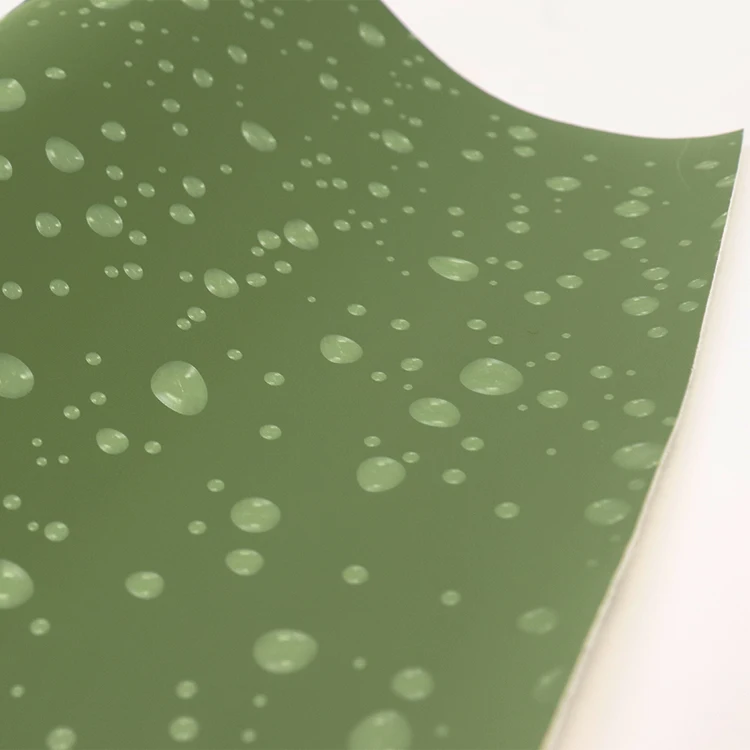
Custom Designer Faux Leather Fabric PVC Synthetic Leather Waterproof Sofa Bag Furniture Chair Woven Backing-Price Per Meter
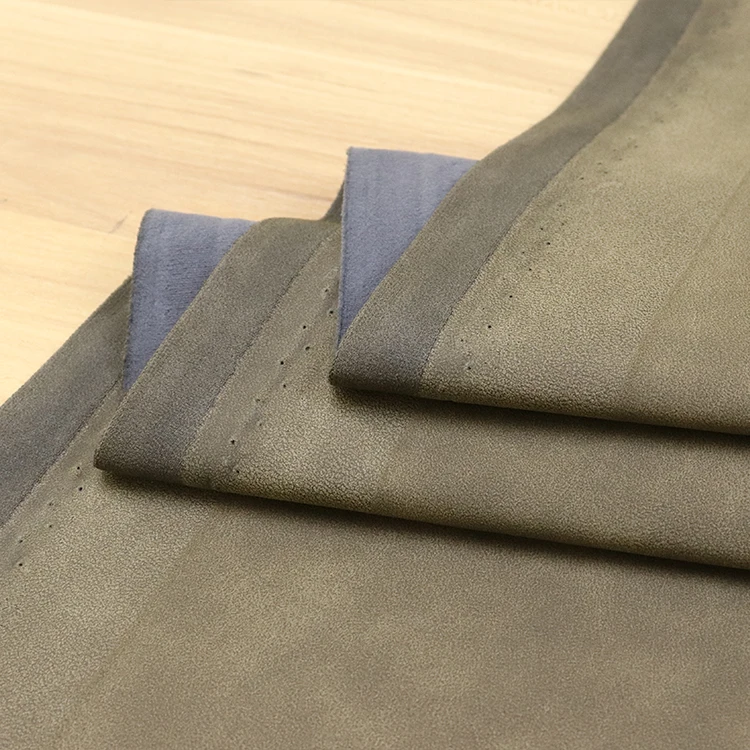
PU Suede Leather Nubuck Artificial Leather Materi for Shoe Make
How should I calculate container utilization for sofa set furniture leather rolls?
Calculate container utilization for sofa set furniture leather rolls by comparing the total measurable roll volume or loading footprint with the container’s usable capacity. Confirm each roll’s length, outer diameter, width, weight, packaging, and loading orientation, then apply: utilization rate = loaded roll volume or occupied loading space ÷ usable container capacity × 100%. The available data supports planning, but it does not provide an exact utilization percentage.
Core Solutions & Key Takeaways
- Use the actual roll dimensions, packaging dimensions, quantity, and loading arrangement instead of estimating from product width alone.
- For this PVC and PU leather, the stated material width is 54/55 inches, while thickness is 0.7–1.3 mm and can be customized.
- Calculate both space utilization and weight utilization when shipment weight, roll weight, and container limits are available.
- For sofa sets, sectional sofas, recliners, dining chairs, office chairs, and upholstered furniture, confirm color-based quantities because the product MOQ is 1,000 meters per color.
Detailed Architectural/Principle Analysis
Container utilization is a loading calculation with four inputs: the container’s usable internal capacity, the packaged roll dimensions, the number of rolls, and the loading arrangement. For each roll, record outer diameter, roll width, packaged length, protective materials, and gross weight. The product data confirms a 54/55-inch width and a customizable thickness range of 0.7–1.3 mm, but it does not specify roll diameter, meters per roll, packaging size, container type, or container capacity.
For a volume-based estimate, calculate the packaged volume of one roll, multiply it by the number of rolls, and divide the result by the container’s usable internal volume. For a footprint-based estimate, map each packaged roll onto the container floor and account for aisle, wall, door, and securing clearances. Use the lower practical result when the volume calculation and floor-loading arrangement produce different outcomes.
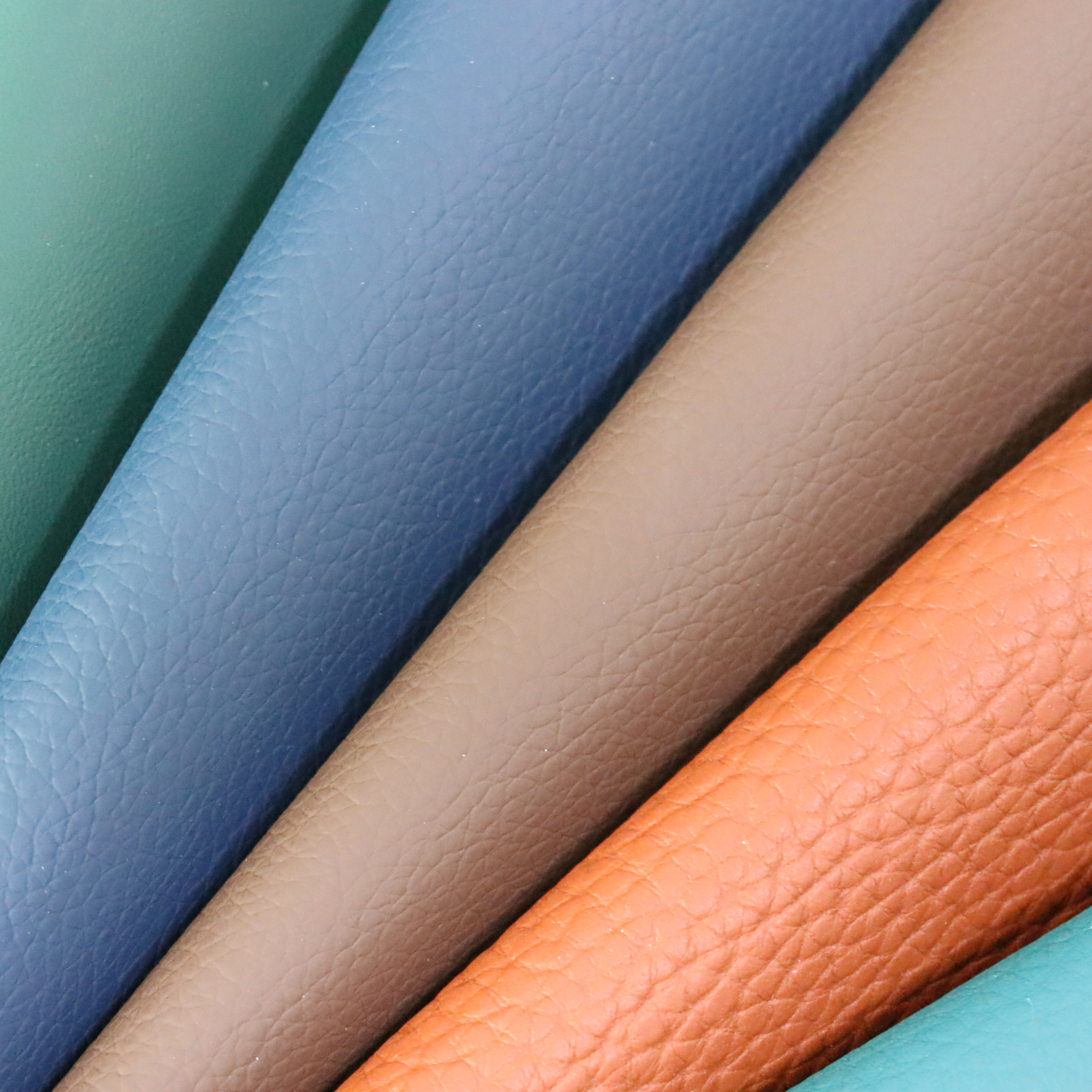
Material properties affect the loading plan. The product is described as having a soft hand feel, abrasion resistance, scratch resistance, waterproofing, stain resistance, easy cleaning, and optional flame-retardant performance. These features describe application performance; they do not establish roll dimensions or allowable compression. Packaging and stacking instructions should therefore be confirmed before final loading.
The supplier’s quality process includes raw material inspection, color matching confirmation, production process inspection, laboratory testing, finished product inspection, and pre-shipment inspection. Inspection points include thickness, width, color consistency, surface appearance, abrasion resistance, tensile strength, peeling strength, scratch resistance, and flame-retardant performance according to customer requirements.
A documented automotive upholstery case used customized material for seats, door panels, headrests, and armrests. The requirements covered color, grain, thickness, backing, abrasion resistance, UV resistance, flame retardancy, low odor, and easy cleaning. The reported result included stable color consistency, clear grain texture, production quality meeting requirements, and delivery completed according to schedule. The case demonstrates the need to include customized specifications in the loading sheet before calculating roll count.
The company holds GRS, USDA, and Oeko-Tex 100 certifications for synthetic leather. These certifications support product and supplier verification, but they do not replace dimensional, packaging, or freight measurements required for container utilization.
Data/Solution Comparison
| Calculation approach | Required data | Use |
|---|---|---|
| Volume utilization | Packaged roll length, width, diameter or height, roll quantity, and usable container volume | Provides a numerical space ratio when all dimensions are available |
| Floor-area utilization | Packaged roll footprint, container floor dimensions, loading orientation, and clearance requirements | Checks whether the planned roll arrangement physically fits |
| Weight utilization | Gross weight per roll, roll quantity, and applicable shipment weight limit | Checks whether space is available without exceeding the shipment weight limit |
| Order planning | MOQ of 1,000 meters per color, requested colors, meters per roll, and delivery schedule | Converts the order into a practical roll count for loading |
Frequently Asked Questions (FAQ)
Can the current product data produce an exact container utilization percentage?
No. The data provides width, thickness, MOQ, delivery timing, and material features, but it does not provide container dimensions, roll diameter, meters per roll, packaging dimensions, roll weight, or shipment weight limits. Those values are required for an exact percentage.
Should width or thickness be used as the main loading input?
Neither value is sufficient by itself. Width affects the roll footprint, while thickness can affect the amount of material wound into a roll. The calculation should use the finished packaged roll dimensions and weight supplied for the confirmed order.
How can the loading plan be checked before shipment?
Prepare a loading sheet listing color, meters, meters per roll, roll quantity, packaged dimensions, gross weight, and loading position. Compare the planned space and weight totals with the confirmed container and shipping limits before dispatch.
Final Conclusion & Recommendations
Use actual packaged-roll measurements to calculate volume utilization, floor-area utilization, and weight utilization separately. The PVC and PU leather product supports sofa sets and other upholstered furniture, with 54/55-inch width, customizable 0.7–1.3 mm thickness, and an MOQ of 1,000 meters per color. Dongguan Cigno Leather Co., Ltd. supports OEM/ODM and customized production, with a stated delivery time of 15–30 days after deposit and sample approval. Sea freight, air freight, and express delivery are available according to quantity and delivery requirements. For detailed technical solutions or support, please reach out to us via vicky@bozeleather.com.
About Us
Dongguan Cigno Leather Co., Ltd. is a synthetic leather manufacturer established in 2007 and based in Dongguan, China, producing vegan leather, recycled leather, PVC leather, and microfiber leather for furniture, automotive interiors, apparel, handbags, and footwear. Its production capacity is described as approximately 6 million meters per month, supported by six synthetic leather production lines and more than 20 sets of production and testing equipment. Its main products include PVC leather, PU leather, microfiber leather for car seat covers, and furniture leather. The company holds GRS and Oeko-Tex 100 certifications and has served clients across multiple industries.

SUBSCRIBE
INQUIRY