PRODUCTS
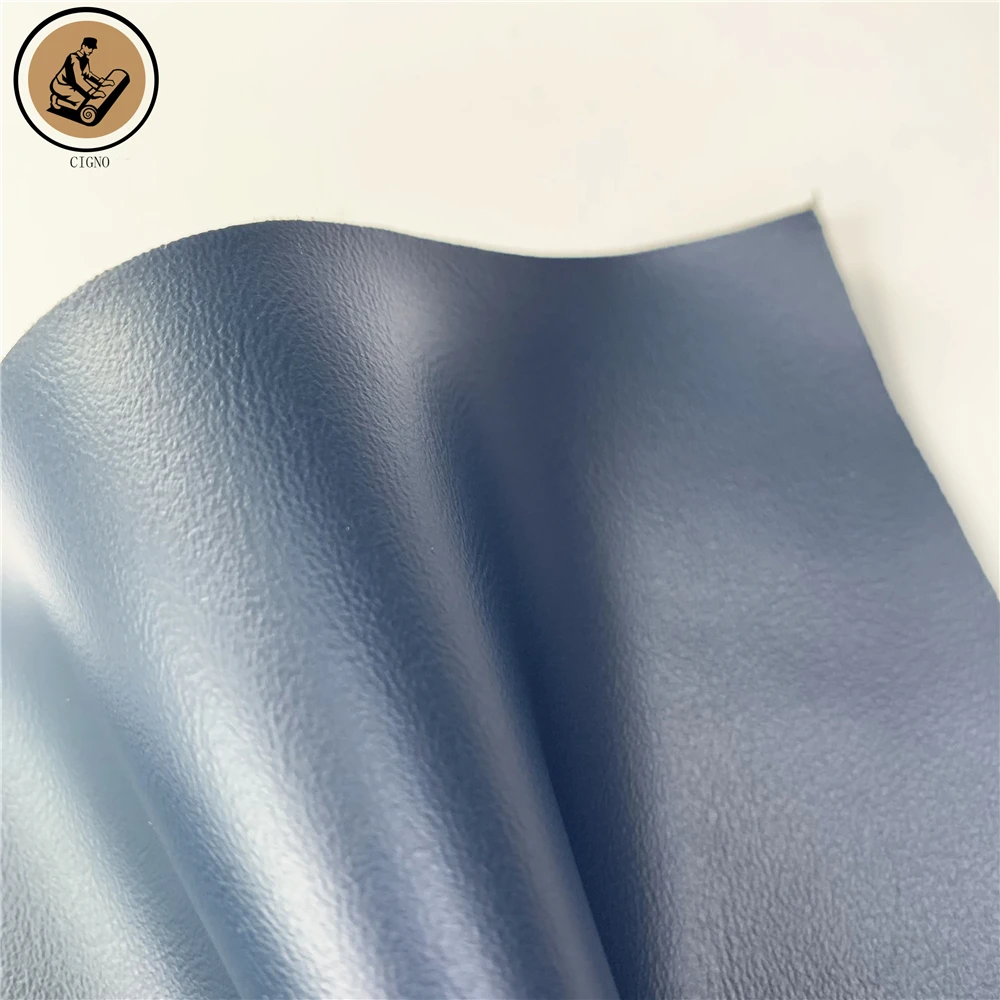
High Quality Eco-Friendly 1.2mm PU Synthetic Leather Furniture Upholstery Solvent-Free Skin-Feel for Sofa Car Seat Chair Bag Use
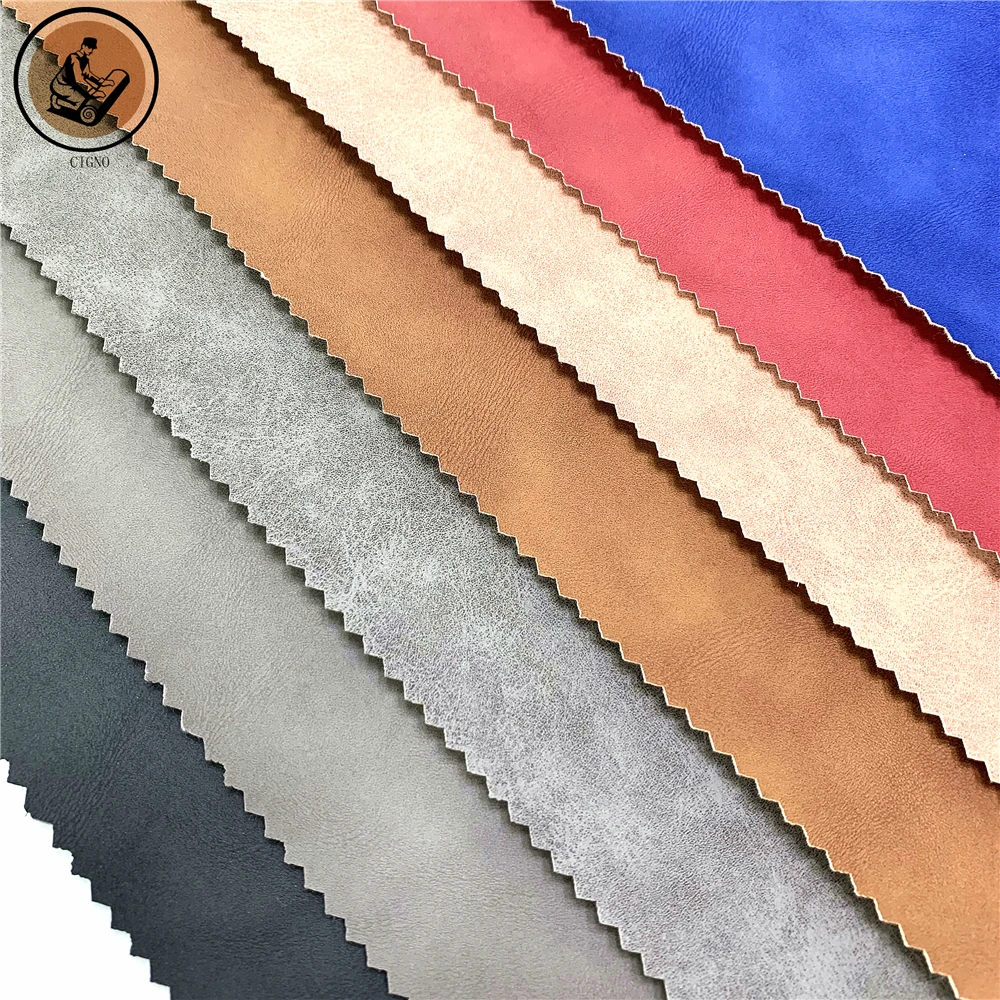
Free Samples of Embossed PU Synthetic Leather Bags Shoes Sofa Furniture Garments Car Decorative Uses-Waterproof Stretch Features
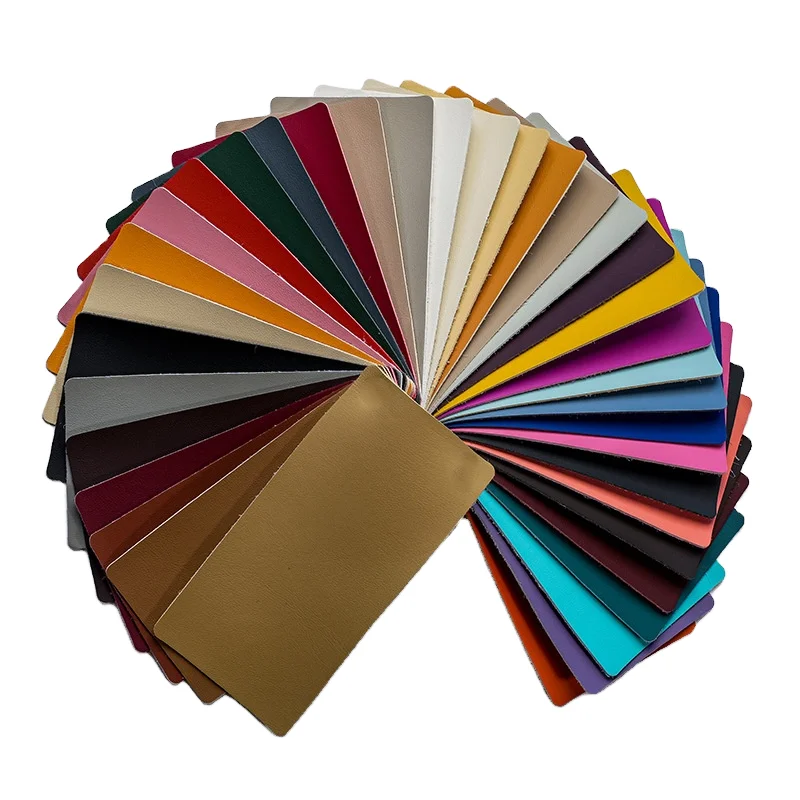
Pvc Vinyl Leather Rexine Leather Faux for Cars/Motorcycles, Waterproof Embossed Recycling Leatherette for Automotive Leather
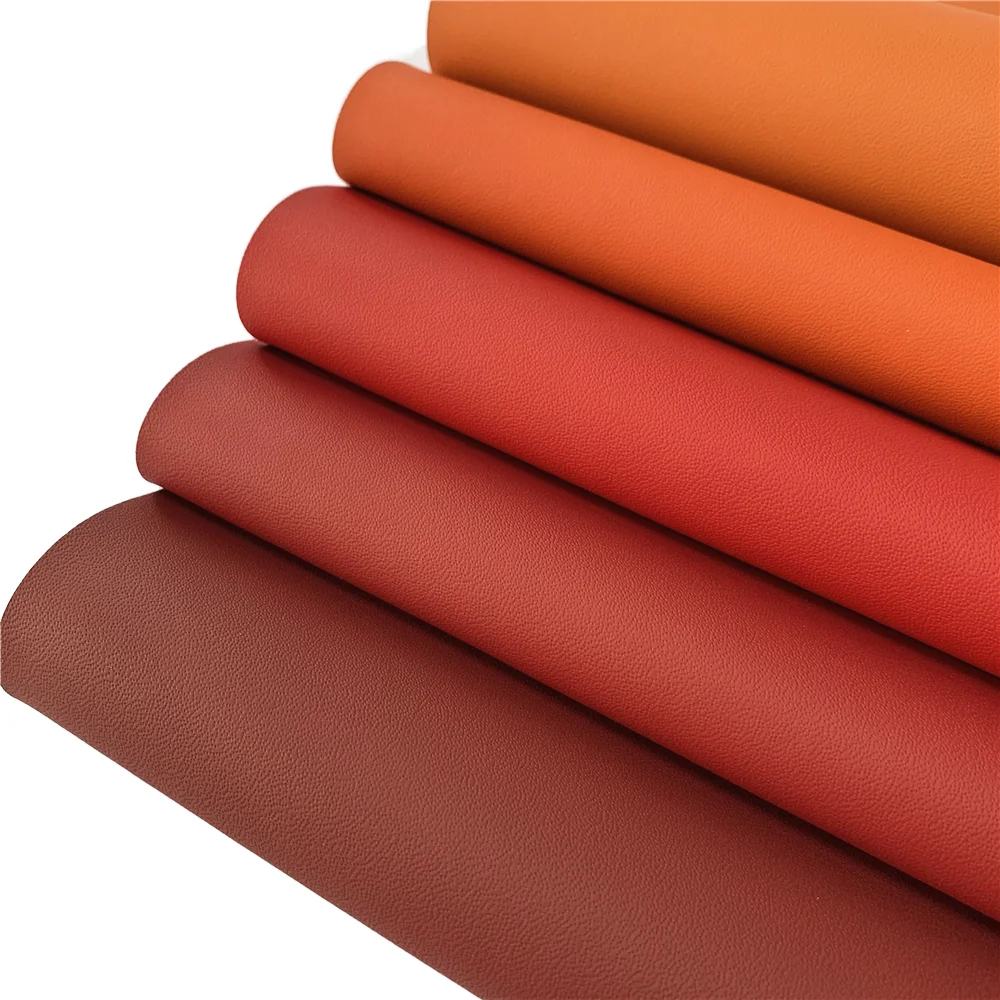
Hydrolysis Resistant Waterproof PU Microfiber Suede Leather Fabric Furniture Car Seat Covers Automotive Upholstery Bags Sofas
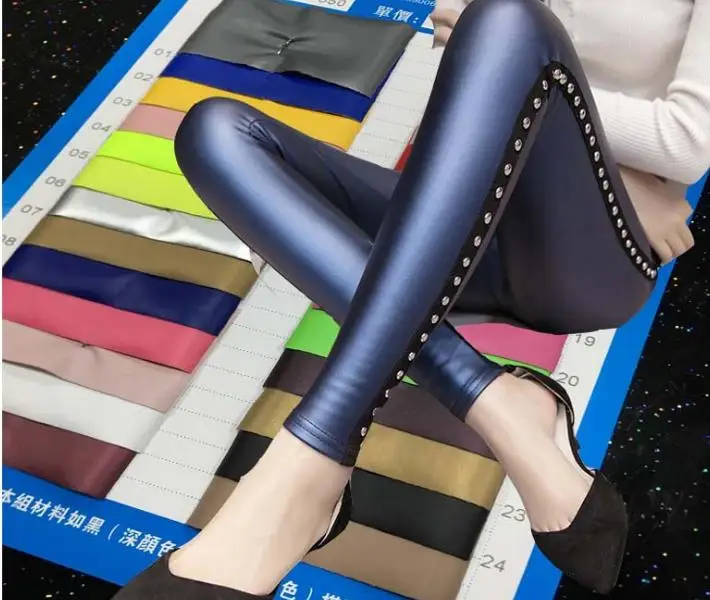
Ultra-Bright Black Mirror Four-Sided Stretch PU Fabric Pants Dresses Solid Color Soft Waterproof Clothing Elastic Finished
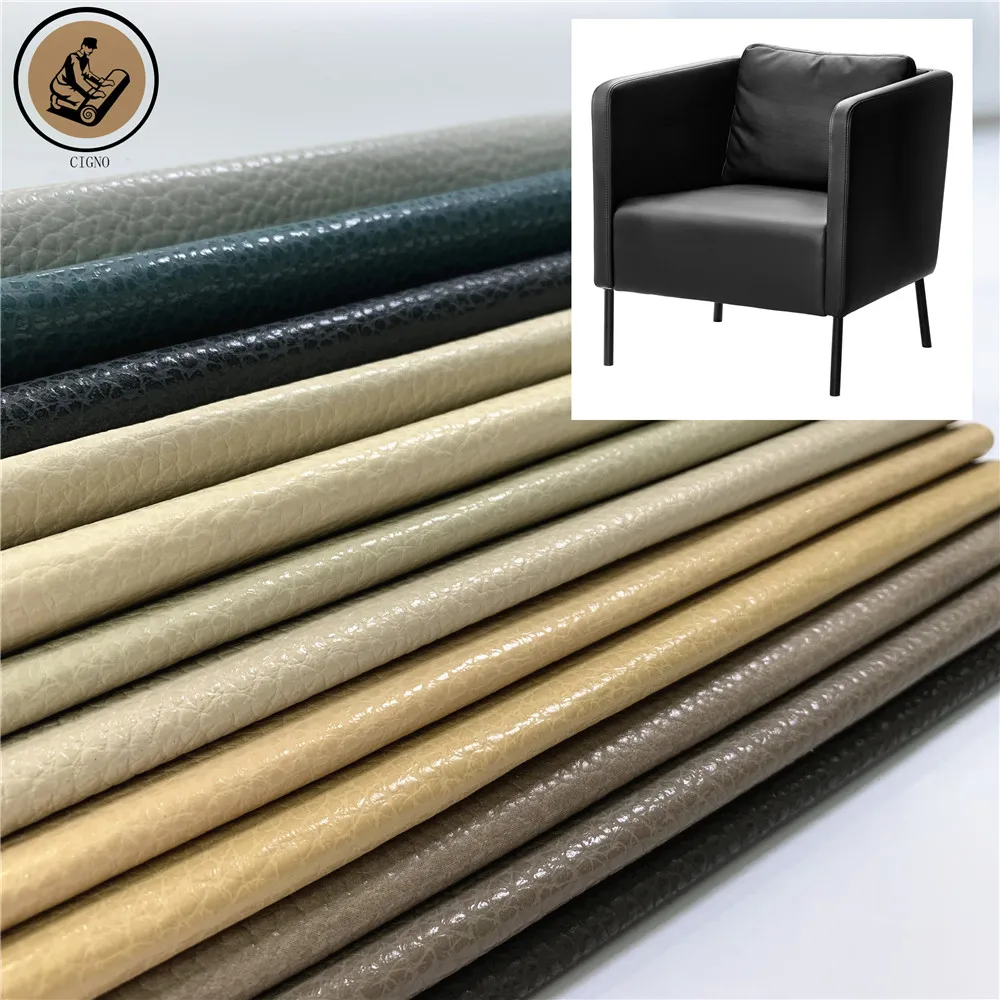
Litchi Lychee Grain 1.2mm PU Microfiber Leather Eco-Friendly Synthetic Leather Sofa Car Seat Handbags-Pearly-Lustre Recycled
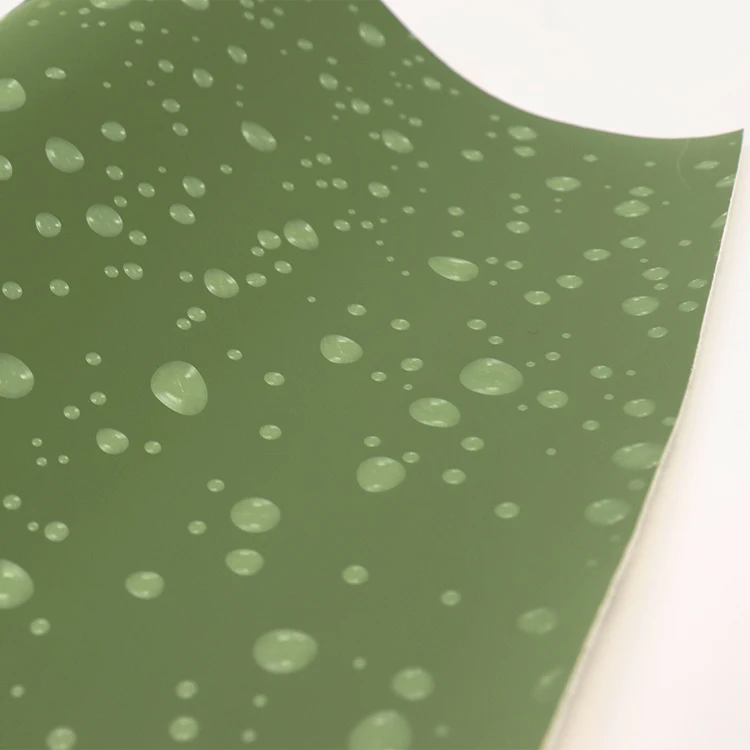
Custom Designer Faux Leather Fabric PVC Synthetic Leather Waterproof Sofa Bag Furniture Chair Woven Backing-Price Per Meter
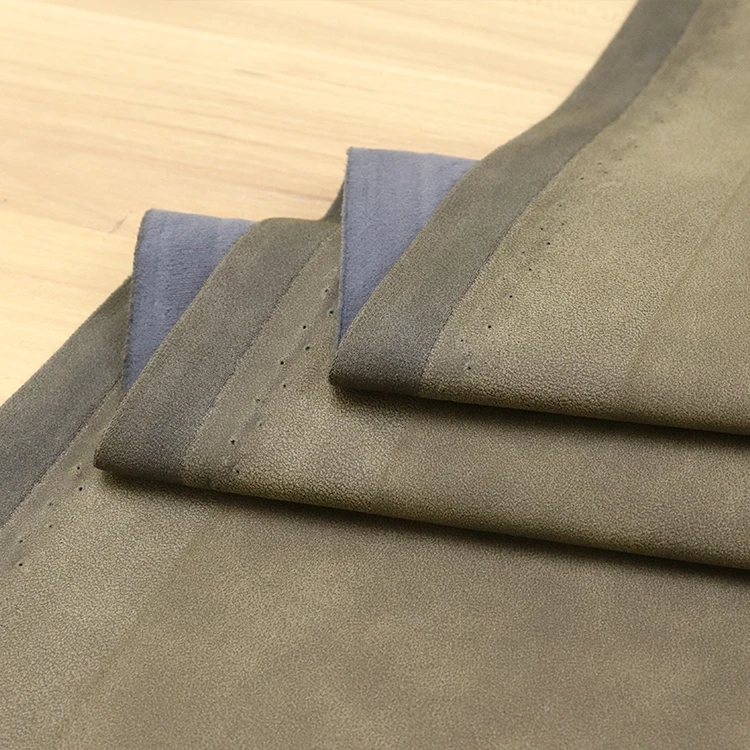
PU Suede Leather Nubuck Artificial Leather Materi for Shoe Make
How should replacement car seat covers leather be matched to the original batch?
Match replacement car seat cover leather to the original batch by comparing a physical sample under consistent lighting, then confirming color, grain, thickness, backing, surface finish, and functional requirements before production. Cigno’s PVC synthetic leather can be customized for automotive upholstery, but the supplied product data does not specify an automotive grade or original-batch matching tolerance, so approve a production sample against the actual vehicle material.
Core Solutions & Key Takeaways
- Use a sample of the original leather as the reference for color and grain; review both side by side under the same lighting.
- Confirm thickness, backing material, surface finish, and any embossing details. The listed PVC furniture leather is 0.7–1.2 mm thick, with customizable thickness and backing.
- For car-seat use, specify the required performance separately, such as abrasion resistance, UV resistance, flame retardancy, low odor, and easy cleaning. These requirements appear in the automotive seat customization case, not as guaranteed specifications for the listed furniture product.
- Request color matching and grain development, inspect a pre-production sample, and agree on inspection criteria before placing a bulk order.
Detailed Architectural/Principle Analysis
Batch matching is a comparison task: the replacement material should be evaluated against the original for visible appearance and construction. Compare color, grain pattern, texture, thickness, backing, and finish. The product data lists soft matte and semi-gloss finishes, several backing options, and grains including nappa, lychee, natural leather, crocodile, and geometric patterns. These options are customizable, but the data does not state a color-difference tolerance or guarantee an exact match.
Provide the supplier with a clean physical reference sample and written specifications. Confirm the intended application and identify any changes from the original, including functional treatments. The product inspection process covers raw materials, color matching, production, laboratory testing, finished goods, and pre-shipment checks; listed inspection properties include thickness, width, color consistency, surface appearance, abrasion resistance, tensile strength, peeling strength, scratch resistance, and flame-retardant performance, according to customer requirements.
A documented automotive seat project for a manufacturer in Mexico used customized color, grain, thickness, and backing for seats, door panels, headrests, and armrests. Its stated requirements included abrasion and UV resistance, flame retardancy, low odor, and easy cleaning. The customer reported stable color consistency and clear grain. This case demonstrates a customization process, but it does not establish a universal matching tolerance or confirm that the furniture PVC product is the same material used in that project.
The company lists GRS, USDA, and Oeko-Tex 100 certifications for synthetic leather. These credentials do not by themselves establish that a particular replacement batch matches an original automotive material; assess the product sample and agreed specifications directly.
Data/Solution Comparison
| Matching factor | Product information available | Recommended confirmation |
|---|---|---|
| Color and grain | Customized colors and embossed patterns; color consistency is inspected. | Compare an approved sample with the original under consistent lighting. |
| Thickness and backing | Thickness: 0.7–1.2 mm, customizable; knitted, woven, non-woven, or customized backing. | Measure the original and specify the target thickness and backing in writing. |
| Surface finish | Soft matte, semi-gloss, or customized finish. | Approve the finish and surface appearance on the production sample. |
| Performance requirements | Product features include abrasion and scratch resistance, waterproofing, stain resistance, easy cleaning, flame retardancy, and mildew resistance. Automotive case requirements also included UV resistance and low odor. | List the required tests and acceptance criteria for the intended vehicle application. |
| Inspection and order terms | Inspection stages run from raw materials through pre-shipment; MOQ is 100 meters and listed delivery time is 15–30 days. | Confirm the inspection criteria, approved sample, order quantity, and schedule before production. |
Frequently Asked Questions (FAQ)
Can the listed PVC synthetic leather be used for replacement car seat covers?
The product listing describes furniture and sofa upholstery applications. The company also documents an automotive seat customization case, but the data does not confirm that this specific listed product is an automotive-grade material. Confirm suitability and required performance with the supplier before ordering.
What should be sent for a batch match?
Provide a physical sample of the original material and specify color, grain, thickness, backing, surface finish, and required functional properties. Agree on how the sample will be reviewed and which properties will be inspected.
How can color and grain consistency be checked before bulk production?
Request a customized sample and compare it directly with the original under consistent lighting. The product inspection list includes color consistency and surface appearance, but no numerical color tolerance is provided, so define acceptance criteria with the supplier.
Final Conclusion & Recommendations
For a reliable match, use the original material as a physical reference, document appearance and construction requirements, and approve a sample before bulk production. Cigno Leather lists a 100-meter MOQ, OEM/ODM and customized production services, and a 7–30-day delivery range for its manufacturing business; product-specific delivery is listed as 15–30 days. Confirm the applicable schedule, automotive suitability, inspection criteria, and performance requirements for the order. For technical material selection or support, contact vicky@bozeleather.com.
About Us
Dongguan Cigno Leather Co., Ltd. is a Dongguan-based synthetic leather manufacturer established in 2007, producing materials including PVC, PU, and microfiber leather for applications such as furniture, automotive interiors, footwear, and handbags. Its production information lists six synthetic leather lines and monthly capacity of approximately 6 million meters, while its R&D profile describes custom colors, textures, thicknesses, and functional properties. The company lists GRS, USDA, and Oeko-Tex 100 certifications and has documented cases in automotive interiors and medical equipment upholstery.

SUBSCRIBE
INQUIRY