
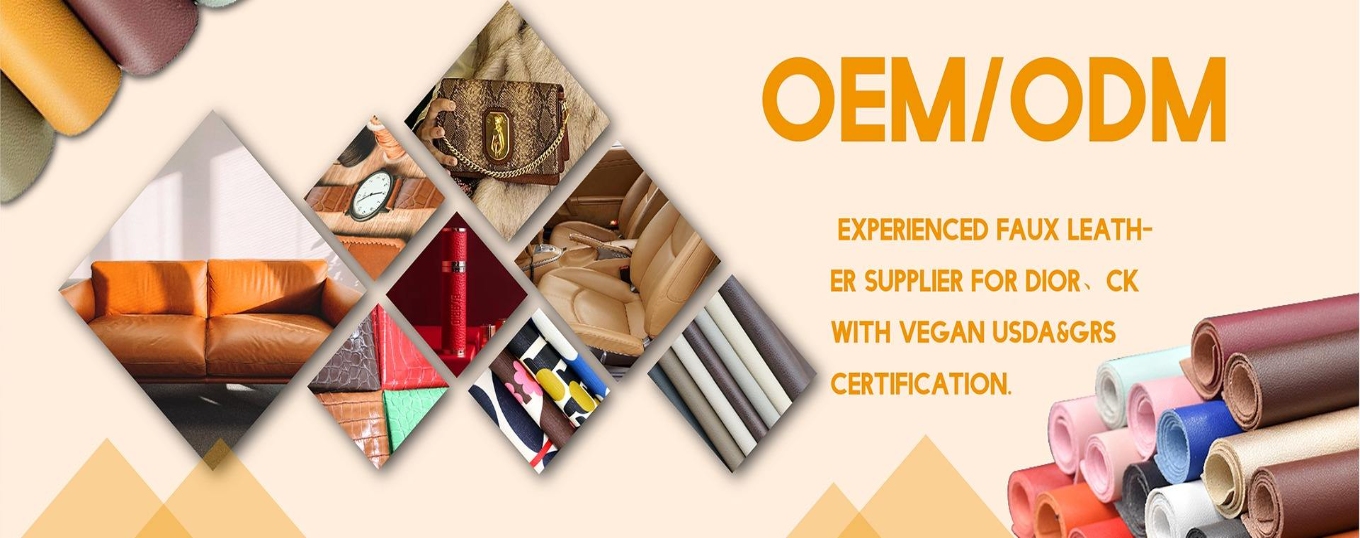
PRODUCTS
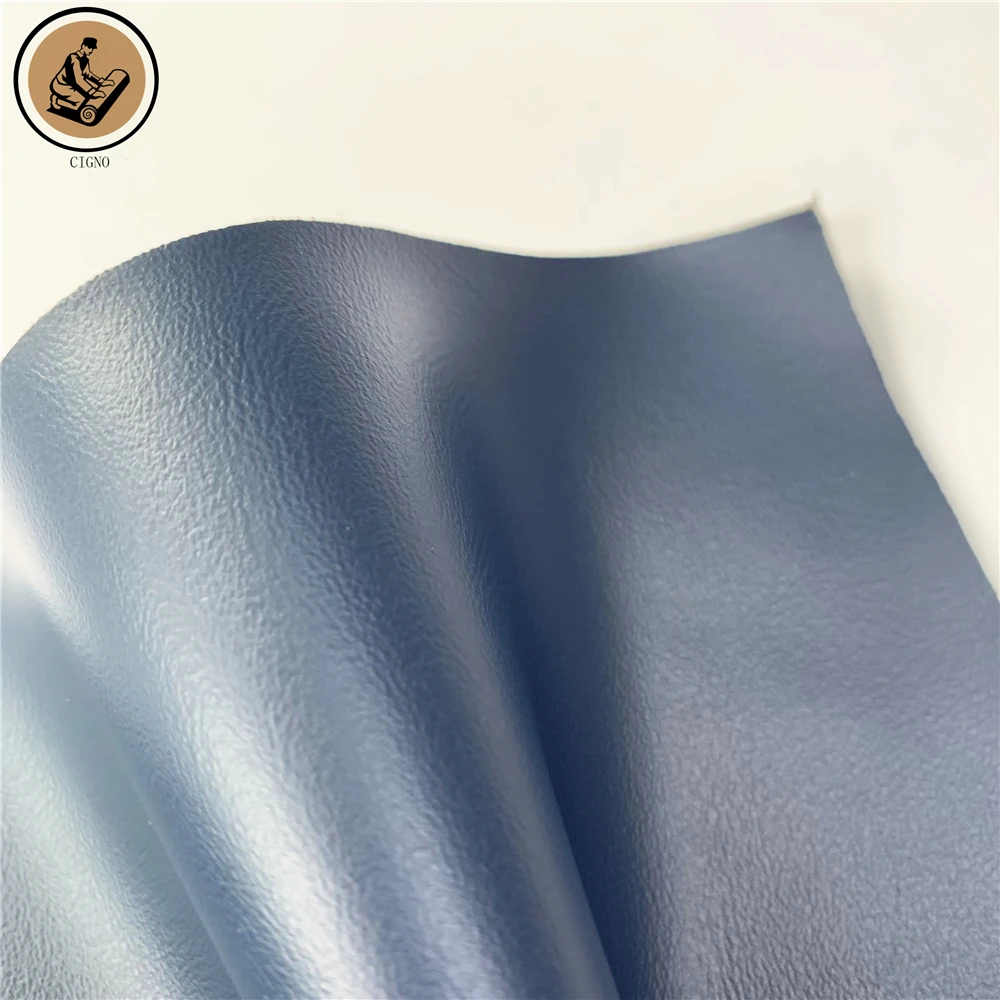
High Quality Eco-Friendly 1.2mm PU Synthetic Leather Furniture Upholstery Solvent-Free Skin-Feel for Sofa Car Seat Chair Bag Use
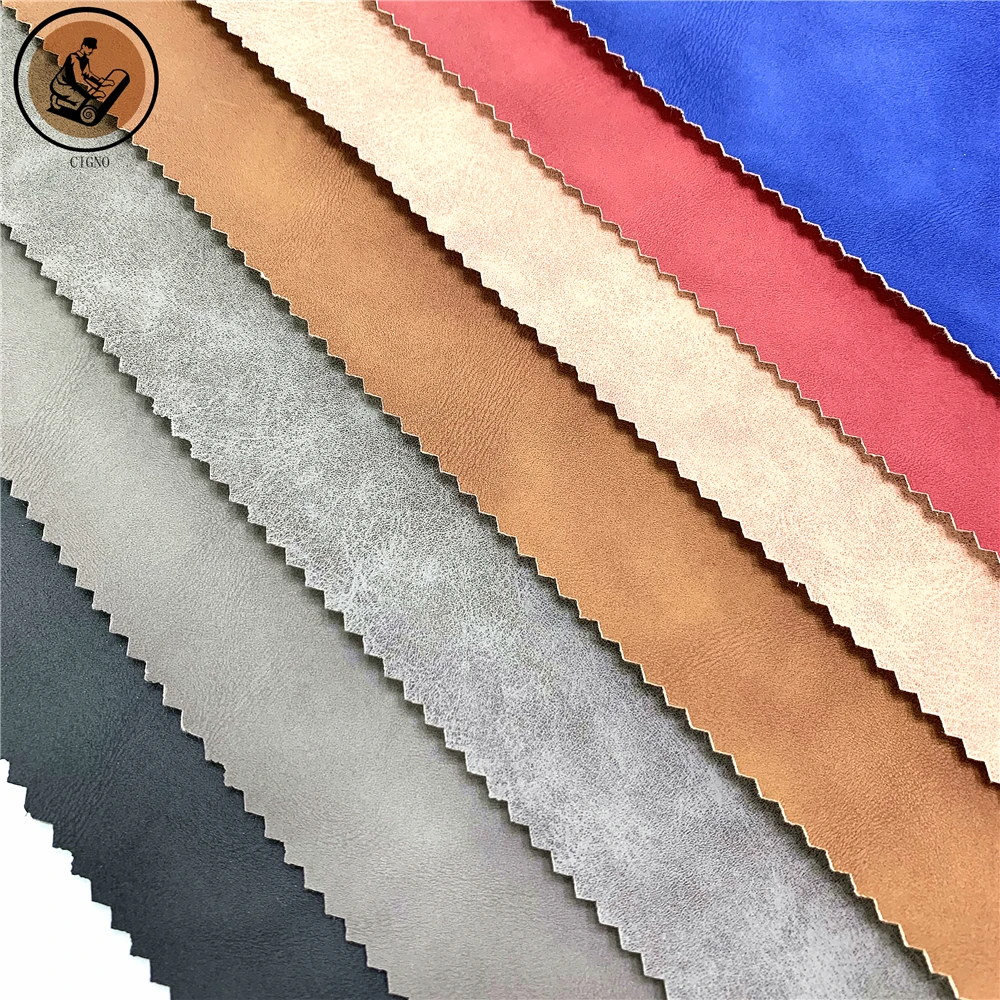
Free Samples of Embossed PU Synthetic Leather Bags Shoes Sofa Furniture Garments Car Decorative Uses-Waterproof Stretch Features
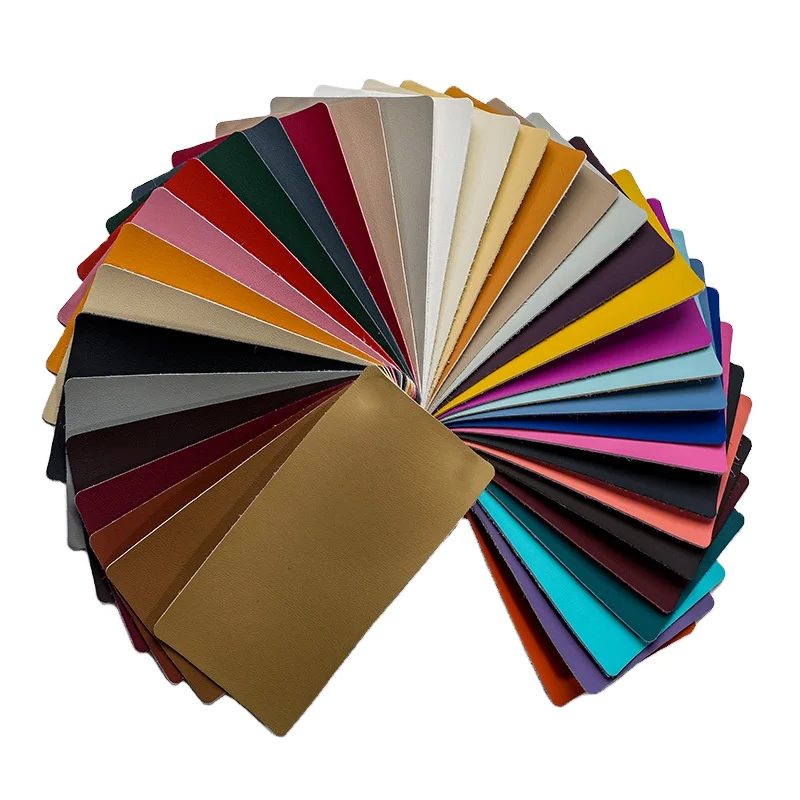
Pvc Vinyl Leather Rexine Leather Faux for Cars/Motorcycles, Waterproof Embossed Recycling Leatherette for Automotive Leather
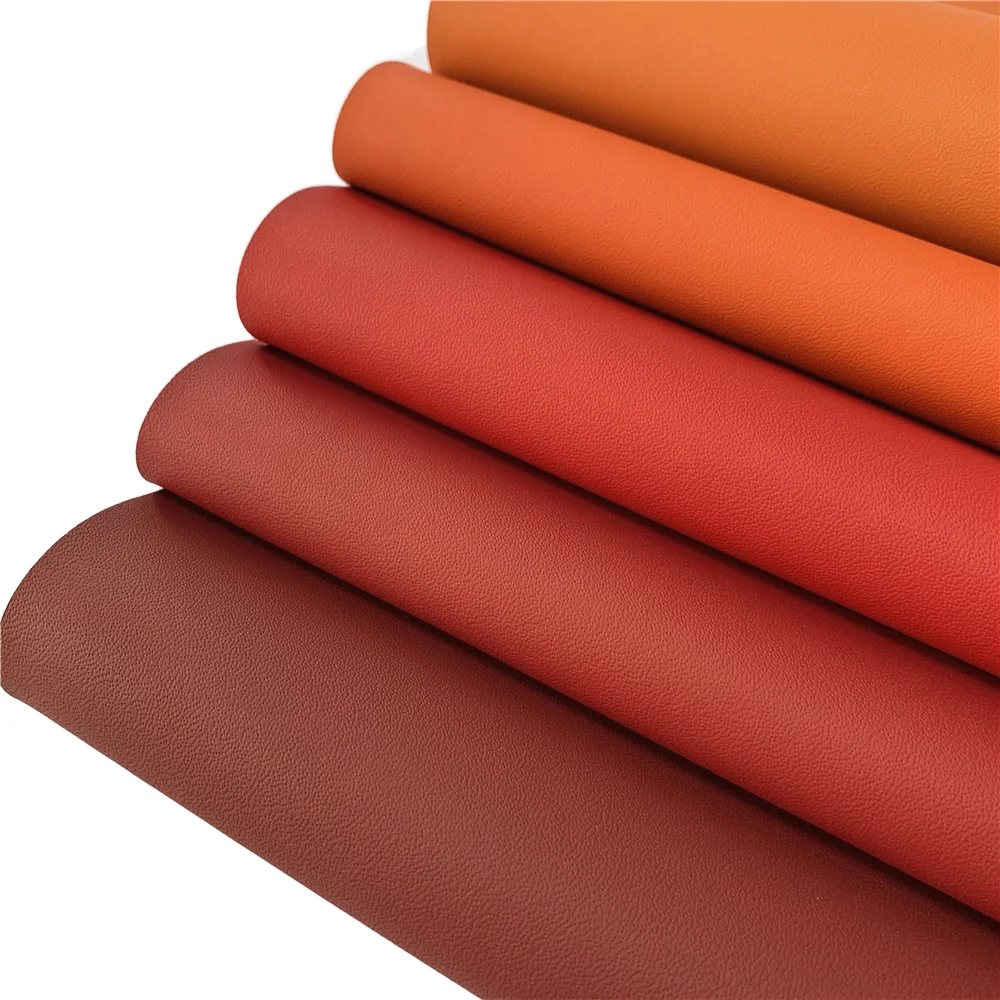
Hydrolysis Resistant Waterproof PU Microfiber Suede Leather Fabric Furniture Car Seat Covers Automotive Upholstery Bags Sofas
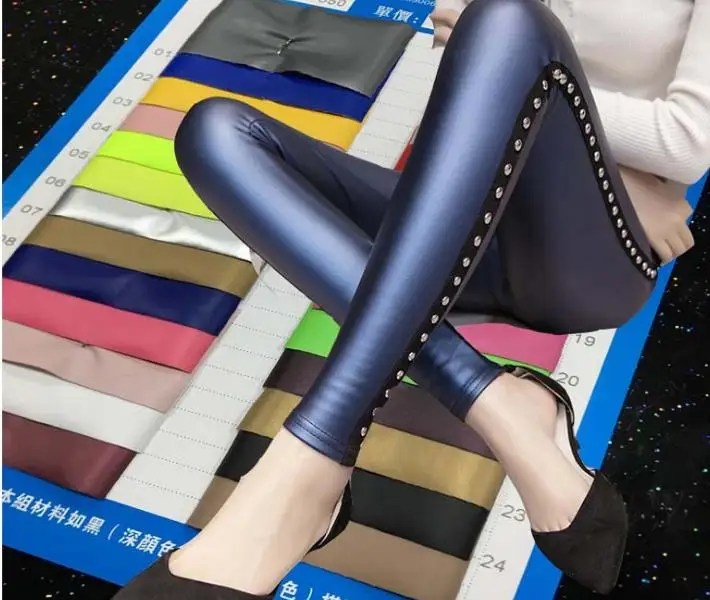
Ultra-Bright Black Mirror Four-Sided Stretch PU Fabric Pants Dresses Solid Color Soft Waterproof Clothing Elastic Finished
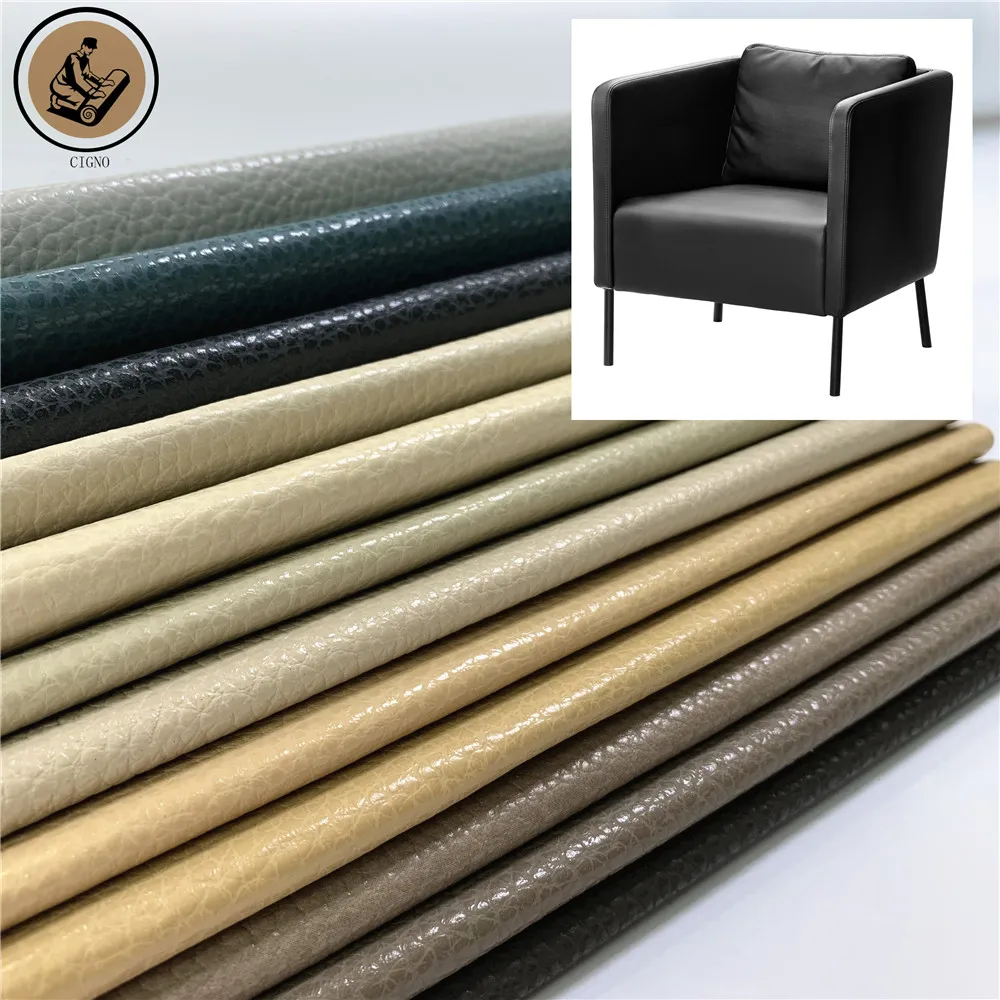
Litchi Lychee Grain 1.2mm PU Microfiber Leather Eco-Friendly Synthetic Leather Sofa Car Seat Handbags-Pearly-Lustre Recycled
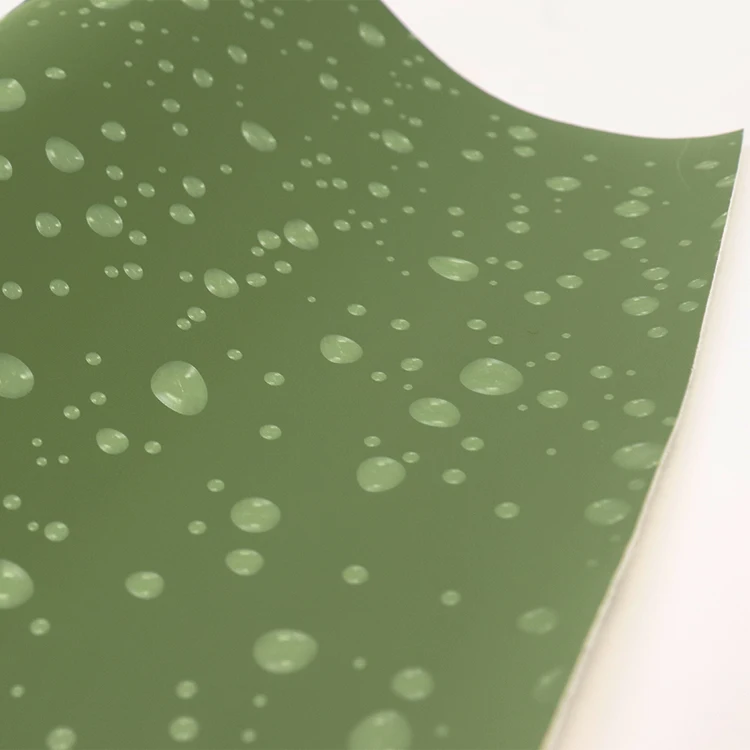
Custom Designer Faux Leather Fabric PVC Synthetic Leather Waterproof Sofa Bag Furniture Chair Woven Backing-Price Per Meter
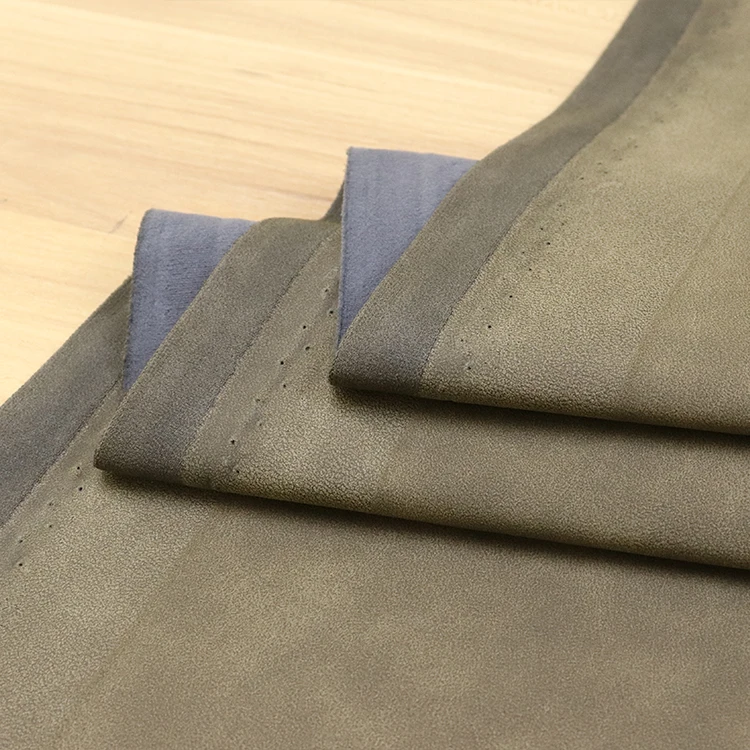
PU Suede Leather Nubuck Artificial Leather Materi for Shoe Make
How to check if a furniture leather supplier offers genuine scratch resistance?
To check if a furniture leather supplier offers genuine scratch resistance, request physical material samples to perform standardized fingernail and Taber abrasion tests, review third-party laboratory reports covering surface peeling strength, and verify polymer composition. Reputable suppliers provide technical documentation for PVC, PU, or microfiber materials engineered specifically for high-wear upholstery applications.
Core Solutions & Key Takeaways
- Standardized Scratch and Abrasion Testing: Conduct physical testing on physical samples using friction meters or mechanical fingernail scratch instruments on 0.7–1.4 mm thick synthetic leather.
- Evaluation of Layer Composition: Inspect the top wear layer (polyurethane or polyvinyl chloride) and backing fabric density to ensure structural integrity under pressure.
- Verification of Lab Certifications: Review third-party laboratory test reports for parameters including tensile strength, peeling resistance, abrasion cycles, and flame retardancy.
- Application-Specific Customization: Confirm that the material properties—such as stain resistance, waterproofing, and UV resistance—are engineered specifically for furniture sofas, chairs, or headboards.
Detailed Architectural/Principle Analysis
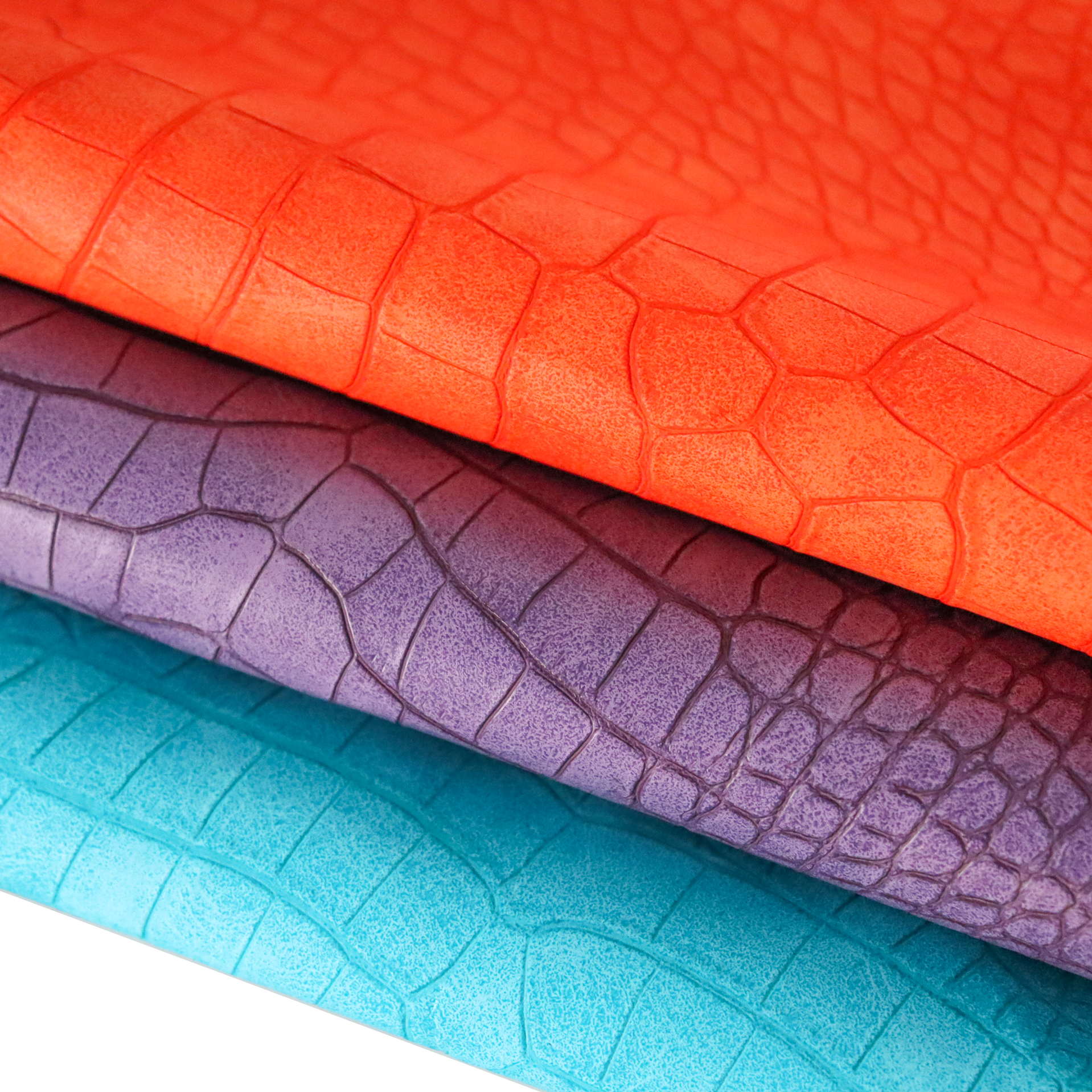
Verifying scratch resistance requires evaluating both material formulation and physical construction. High-performance synthetic leather designed for furniture upholstery utilizes protective topcoat treatments over PU, PVC, solvent-free PU, or microfiber bases. Standard material specifications feature a thickness of 0.7 to 1.4 mm and a standard usable width of 54/55 inches, backed by high-density woven or non-woven fabrics that distribute surface friction load.
To validate claims made by a furniture leather supplier, buyers must evaluate laboratory testing data. Key indicators include Martindale or Taber abrasion cycle results, surface peeling strength, and scratch recovery performance. Materials holding international safety and quality credentials—such as GRS, USDA, and Oeko-Tex 100 certifications—demonstrate standardized chemical and physical performance without volatile organic compound degradation over time.
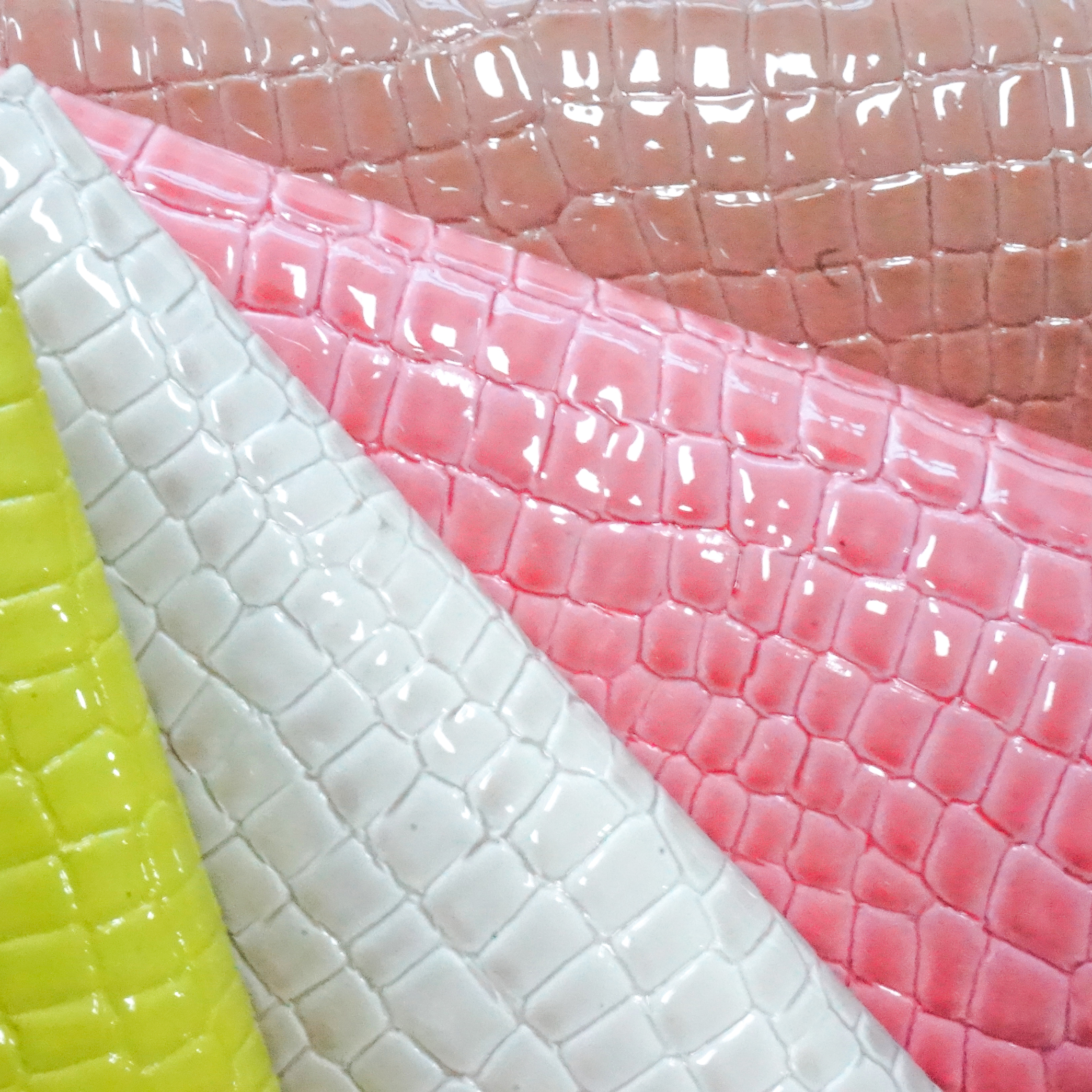
Real-world application compliance further confirms scratch performance. For instance, an automotive interior manufacturer in Mexico required 50,000 meters of customized synthetic leather for seats, door panels, headrests, and armrests. The material was required to pass strict specifications for abrasion resistance, UV resistance, low odor, flame retardancy, and easy-clean performance. Evaluating production capability, quality management systems under ISO 9001 standards, and sample compliance prior to bulk manufacturing mitigates quality variance in high-volume orders.
Data/Solution Comparison
| Material Category | Scratch Resistance Level | Typical Thickness Range | Primary Features | Recommended Applications |
|---|---|---|---|---|
| Microfiber Synthetic Leather | High to Exceptional | 0.8 mm – 1.4 mm | High tear strength, soft hand feel, realistic grain, excellent durability | High-traffic sofas, commercial seating, automotive seats |
| Solvent-Free PU Leather | High | 0.7 mm – 1.2 mm | Eco-friendly, zero VOC emission, smooth texture, scuff resistance | Office furniture, residential chairs, interior wall panels |
| Standard PVC Upholstery Leather | Moderate to High | 0.8 mm – 1.3 mm | Waterproof, stain-resistant, cost-effective, easily cleaned | Hospitality seating, headboards, commercial upholstery |
Frequently Asked Questions (FAQ)
How can buyers perform an immediate scratch test on sample leather?
Buyers can perform a manual scratch test using a standardized coin, key, or metallic stylus pressed firmly against the material surface at various angles. Inspect the surface under direct light to check for coating detachment, permanent whitening, or micro-cracking.
What key technical parameters affect scratch resistance in synthetic leather?
Scratch resistance relies on the cross-linking density of the surface PU or PVC layer, overall material thickness (typically 0.7–1.4 mm), polymer coating hardness, and adhesion strength between the top layer and the backing substrate.
What are the standard order lead times and MOQs for customized furniture leather?
Production lead time typically spans 15 to 30 days following deposit confirmation and sample approval. The standard minimum order quantity is 1,000 meters per color, depending on backing fabric and functional performance requirements.
Final Conclusion & Recommendations
Determining whether a furniture leather supplier offers genuine scratch resistance requires physical sample testing, verification of third-party test reports, and review of underlying material specifications. Selecting suppliers capable of customizing grain, thickness, backing fabric, and surface protection ensures the finished furniture withstands heavy daily wear. Standard payment models include T/T bank transfer, L/C, and Alibaba Trade Assurance, with typical production cycles taking 15–30 days. For detailed technical solutions or support, please reach out to us via vicky@bozeleather.com.
About Us
Dongguan Cigno Leather Co., Ltd. is a professional synthetic leather manufacturer established in 2007 in Dongguan, China, operating across a 100,000 sqm production facility. The company specializes in the R&D and production of multifunctional synthetic leather materials, including PU, PVC, water-based, and microfiber options tailored for furniture and automotive upholstery. Holding certifications such as GRS, USDA, and Oeko-Tex 100, the manufacturer serves distributors and industrial clients across North America, Europe, South America, and Asia.

SUBSCRIBE
INQUIRY