
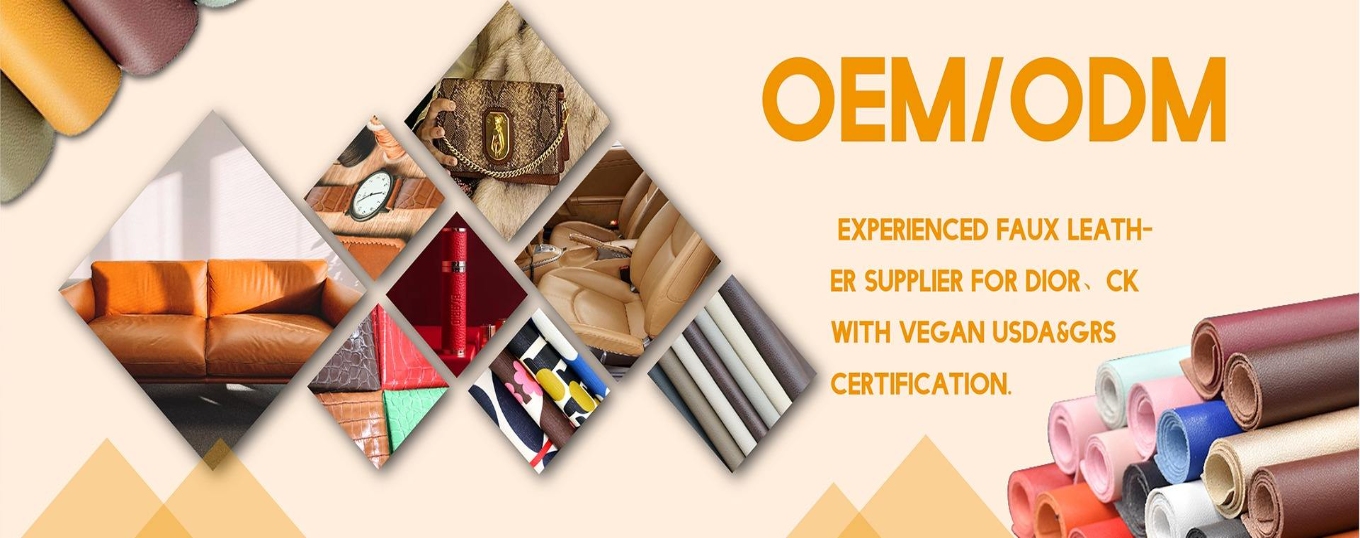
PRODUCTS
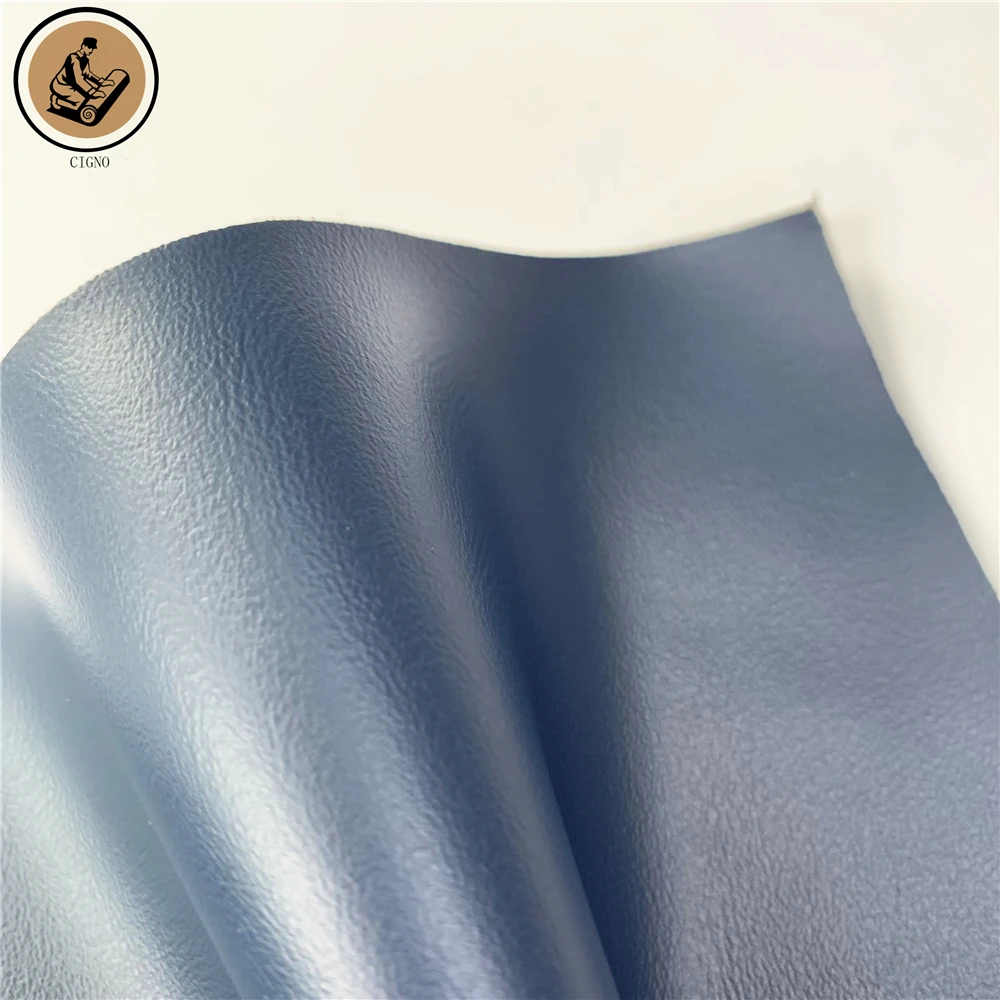
High Quality Eco-Friendly 1.2mm PU Synthetic Leather Furniture Upholstery Solvent-Free Skin-Feel for Sofa Car Seat Chair Bag Use
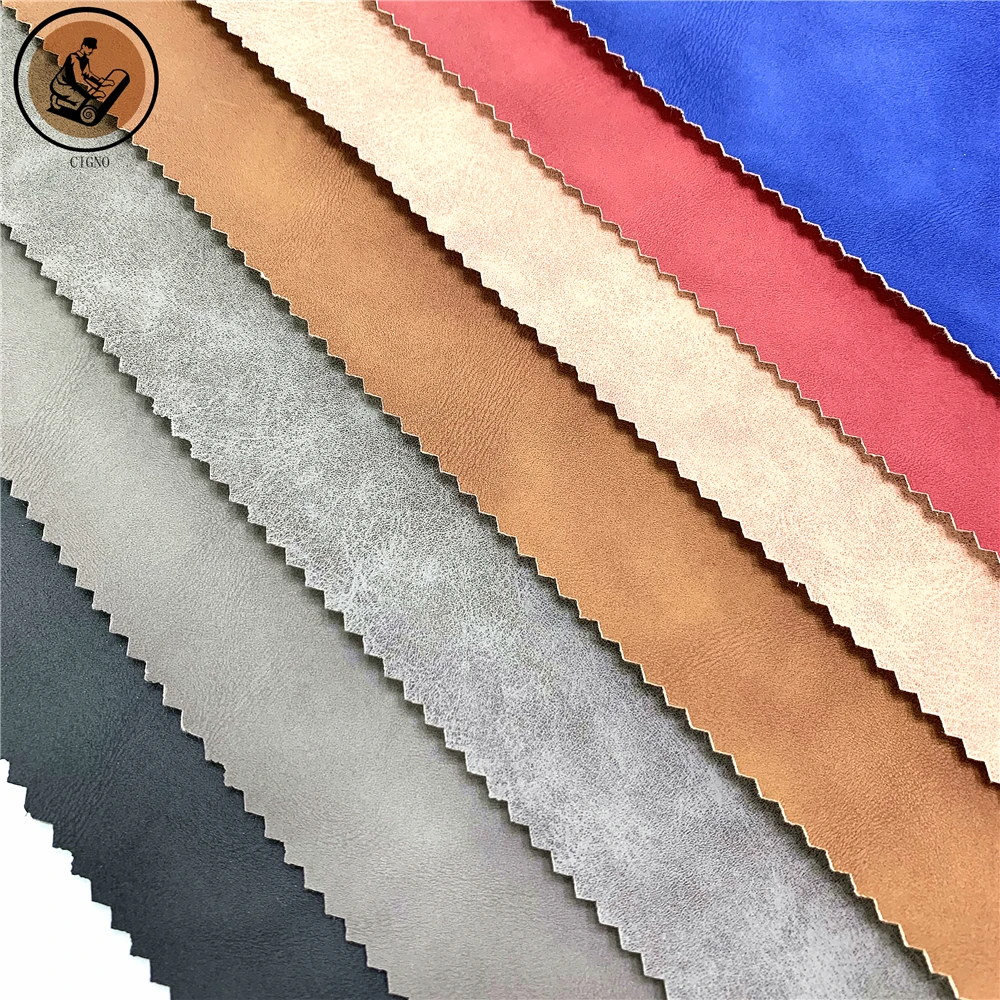
Free Samples of Embossed PU Synthetic Leather Bags Shoes Sofa Furniture Garments Car Decorative Uses-Waterproof Stretch Features
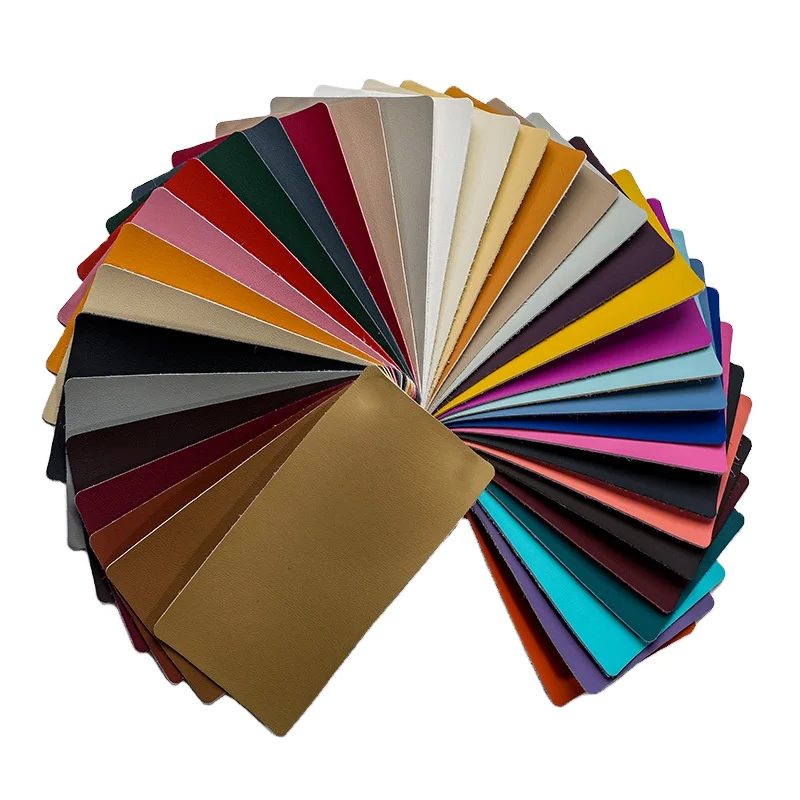
Pvc Vinyl Leather Rexine Leather Faux for Cars/Motorcycles, Waterproof Embossed Recycling Leatherette for Automotive Leather
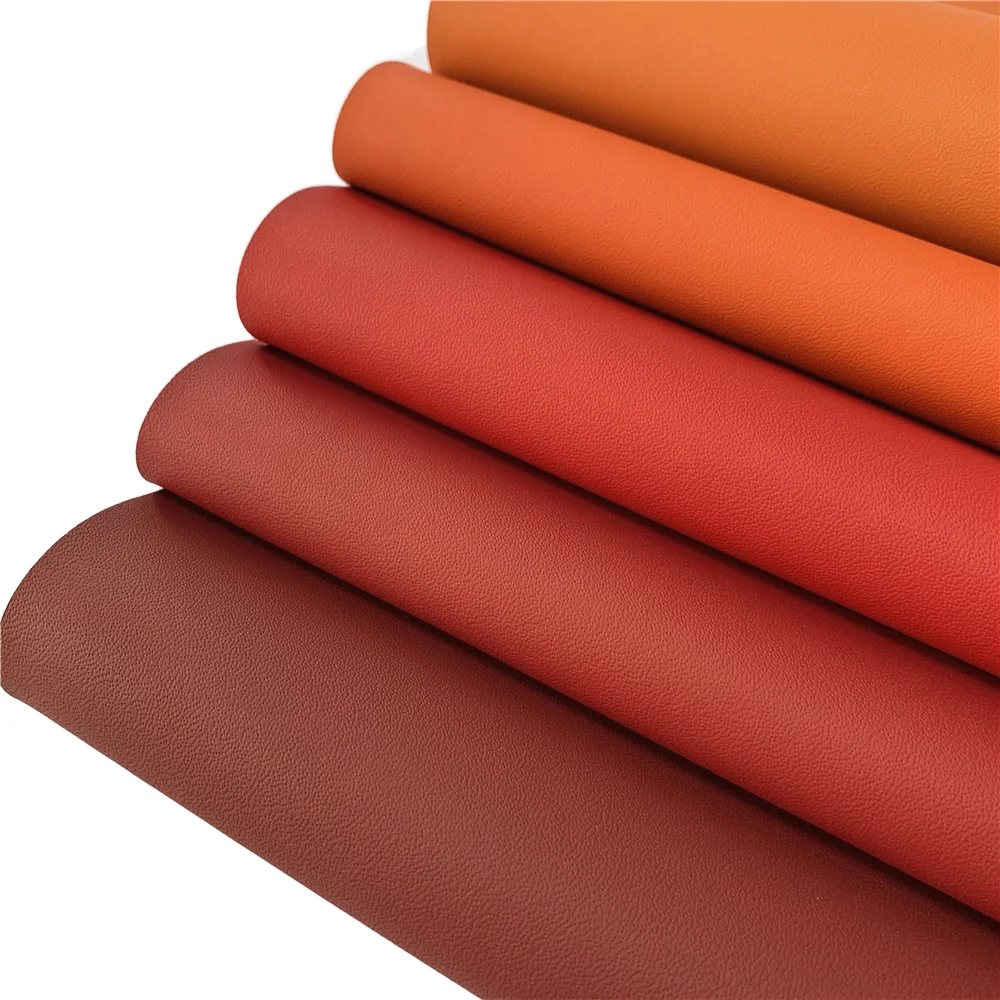
Hydrolysis Resistant Waterproof PU Microfiber Suede Leather Fabric Furniture Car Seat Covers Automotive Upholstery Bags Sofas
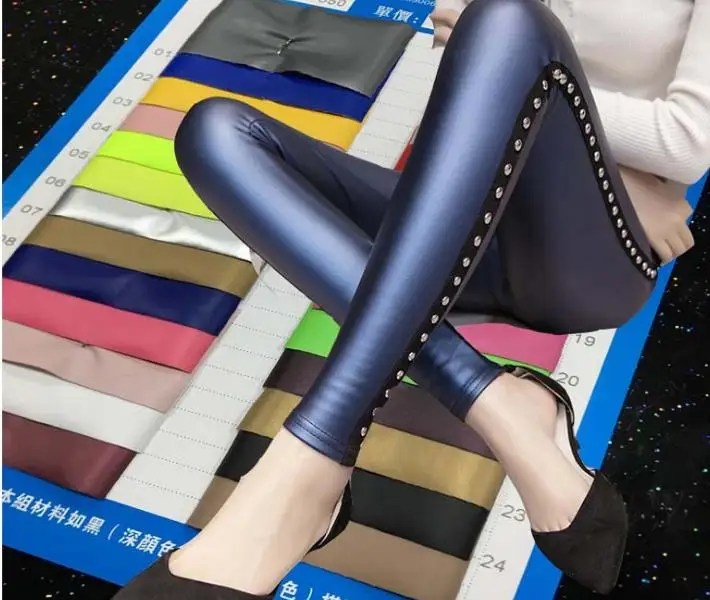
Ultra-Bright Black Mirror Four-Sided Stretch PU Fabric Pants Dresses Solid Color Soft Waterproof Clothing Elastic Finished
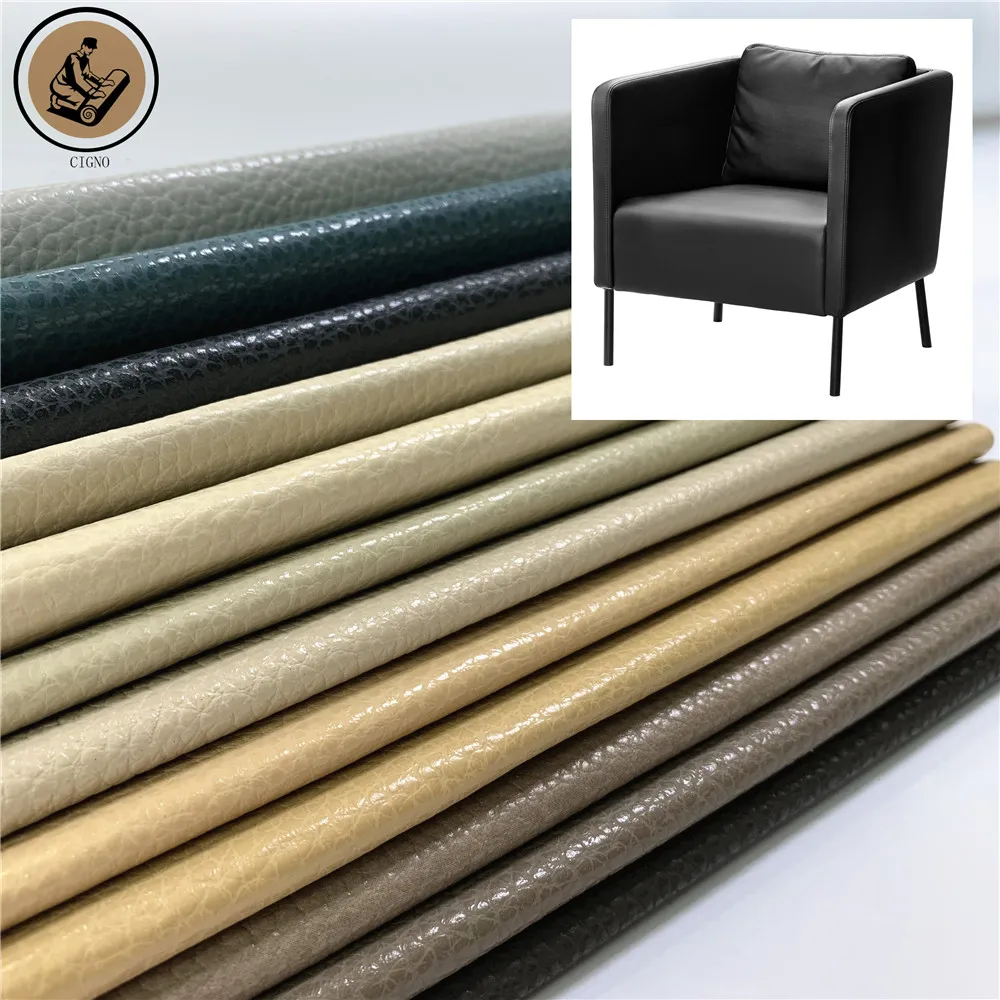
Litchi Lychee Grain 1.2mm PU Microfiber Leather Eco-Friendly Synthetic Leather Sofa Car Seat Handbags-Pearly-Lustre Recycled
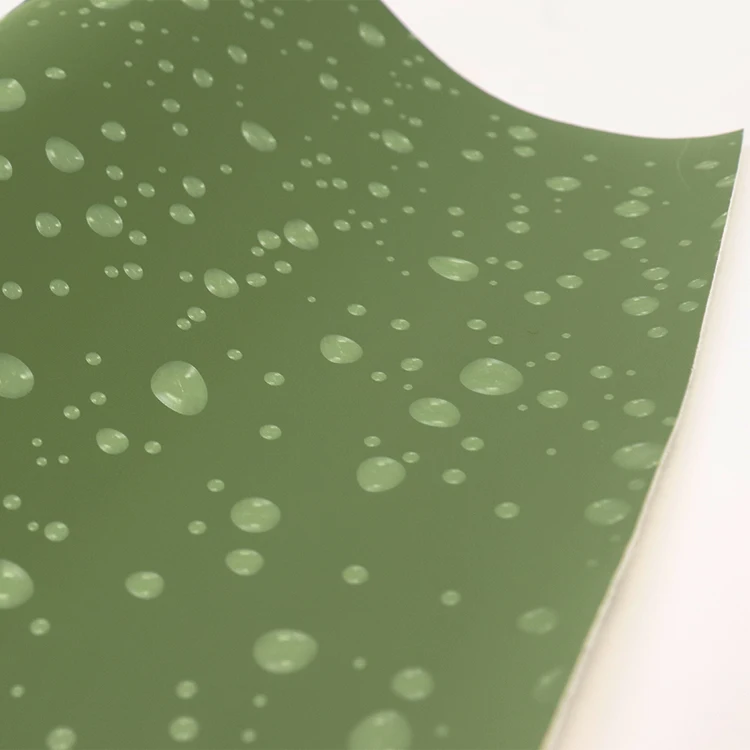
Custom Designer Faux Leather Fabric PVC Synthetic Leather Waterproof Sofa Bag Furniture Chair Woven Backing-Price Per Meter
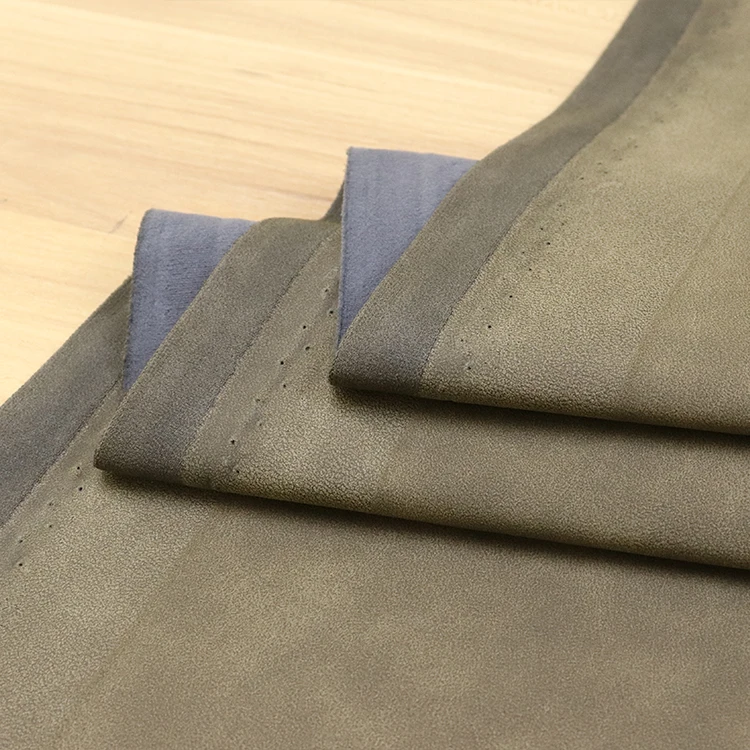
PU Suede Leather Nubuck Artificial Leather Materi for Shoe Make
How to choose the right thickness of microfiber leather for car seats?
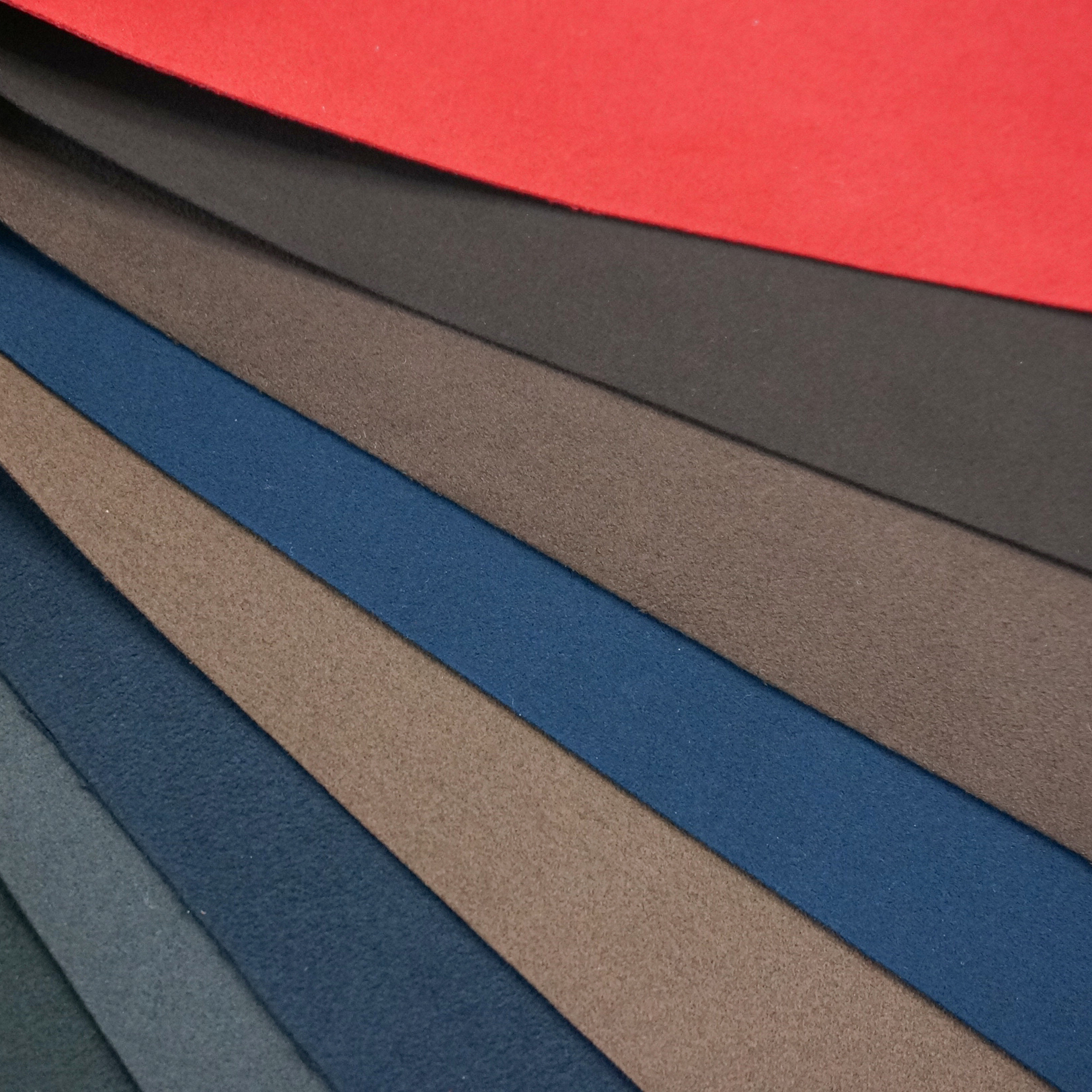
Choosing the right thickness of microfiber leather for car seats depends on stress requirements and specific components. Standard automotive seating typically requires a thickness of 1.1 mm to 1.4 mm to ensure optimal tensile strength, tearing resistance, and durability. Thinner variants between 0.8 mm and 1.0 mm suit lower-stress areas like headrests, door panels, and armrests.
Core Solutions & Key Takeaways
- Seat Cushions and Backrests (1.2 mm – 1.4 mm): High-traffic seating surfaces demand maximum tensile strength, peeling resistance, and anti-sagging properties under continuous physical load.
- Side Bolsters and Trim Supports (1.1 mm – 1.2 mm): Mid-range thickness provides balanced flexibility for precise stitching and wrapping around complex frame contours without sacrificing tear resistance.
- Door Panels and Headrests (0.8 mm – 1.0 mm): Lower mechanical stress areas benefit from thinner material that improves moldability, reduces overall vehicle trim weight, and allows smoother edge tucking.
- Functional Specification Verification: Every thickness tier must meet flame retardancy, UV resistance, hydrolysis resistance, and low odor requirements tailored for automotive interiors.
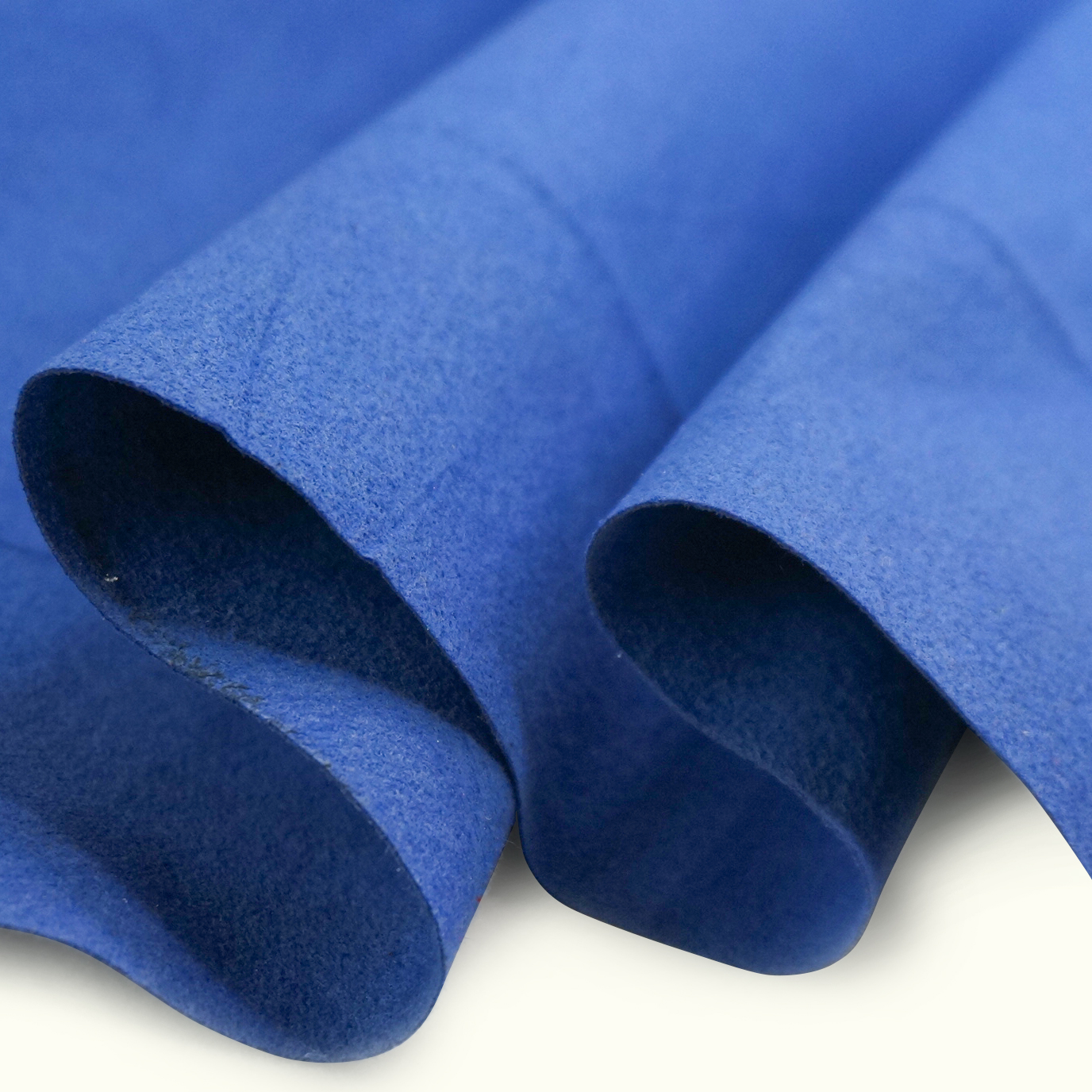
Detailed Architectural & Engineering Analysis
Selecting synthetic leather for automotive seating involves balancing material thickness, mechanical durability, and interior ergonomics. Dongguan Cigno Leather Co., Ltd. manufactures technical microfiber synthetic leather ranging from 0.8 mm to 1.4 mm in thickness with standard widths of 54/55 inches. The micro-bundle structure of synthetic fibers simulates natural collagen matrixes, providing high tearing strength and hydrolysis resistance across all thickness variants.
In a commercial project for an automotive interior manufacturer in Mexico, a custom order of 50,000 meters of microfiber leather was engineered for vehicle seats, door panels, headrests, and armrests. The specification required strict color consistency, clear grain structure, low odor, flame retardancy, and enhanced UV stability. By matching thicker 1.3 mm material to seating areas and 0.9 mm material to armrests and door trims, the project achieved optimal seam strength and tactile comfort across all cabin components.
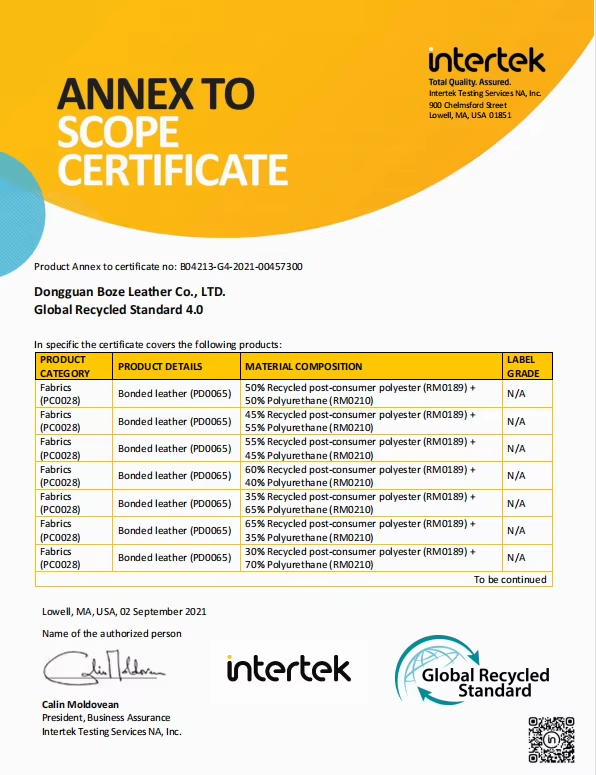
Material quality control operates under ISO 9001 quality management systems. Synthetic leather batches undergo standardized testing for thickness tolerance, abrasion resistance, peeling strength, and flame-retardant properties. International certifications including GRS, USDA, and Oeko-Tex 100 verify material safety and environmental compliance for global automotive supply chains.
Data/Solution Comparison
| Thickness Range | Primary Automotive Application | Mechanical Stress Level | Key Performance Attributes |
|---|---|---|---|
| 0.8 mm – 1.0 mm | Headrests, door panels, instrument panel trims, armrests | Low to Moderate | High flexibility, easy wrapping around tight curves, lightweight profile |
| 1.1 mm – 1.2 mm | Seat side bolsters, rear seating backs, door armrest pads | Moderate to High | Balanced elongation, reliable seam strength, smooth surface finish |
| 1.3 mm – 1.4 mm | Main seat cushions, center seat panels, heavy-duty commercial seats | High to Extreme | Maximum tear and tensile strength, superior abrasion resistance, hydrolysis resistance |
Frequently Asked Questions (FAQ)
Q: Does thicker microfiber leather always ensure higher quality for car seats?
A: Thickness alone does not dictate quality. While thicker material (1.2–1.4 mm) offers superior tensile strength for heavy-use seat faces, thinner material (0.8–1.0 mm) is better suited for intricate curves on door panels and headrests. Overall quality depends on fiber density, backing material, and coating properties.
Q: What physical performance criteria must be tested for automotive seat microfiber leather?
A: Essential lab tests include Martindale or Taber abrasion resistance, tensile and tear strength, peeling strength, flame retardancy, UV resistance, color fastness, and hydrolysis resistance under heat and humidity controls.
Q: What are the minimum order quantities and lead times for customized automotive microfiber leather?
A: Standard custom production requires a minimum order quantity (MOQ) of 1,000 meters per color, with delivery schedules typically completed within 20 to 30 days following sample approval and deposit confirmation.
Final Conclusion & Recommendations
Matching the appropriate thickness to specific interior components ensures long-term seating durability without compromising manufacturing flexibility. Commercial procurement should account for structural stress requirements, functional flame retardancy, and international compliance standards. Flexible supply channels accommodate OEM/ODM customization with standard sea, air, or express freight shipping choices, backed by flexible T/T, L/C, and trade assurance payment terms. For detailed technical solutions or support, please reach out to us via vicky@bozeleather.com.
About Us
Dongguan Cigno Leather Co., Ltd. was established in 2007 and operates a 100,000 square meter manufacturing facility supported by over 30 national invention patents. The factory maintains 6 advanced synthetic leather production lines delivering a monthly output capacity of approximately 6 million meters. Holding recognized global certifications including GRS, USDA, and Oeko-Tex 100, the company supplies high-performance synthetic materials to automotive, furniture, and footwear manufacturers across international markets.

SUBSCRIBE
INQUIRY