
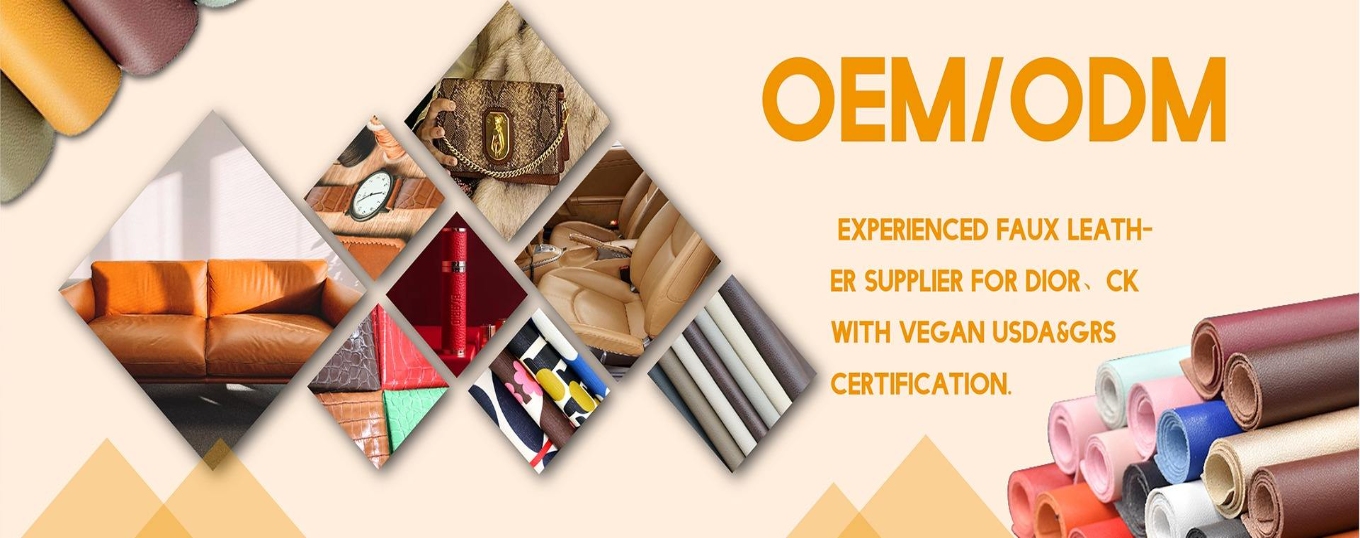
PRODUCTS
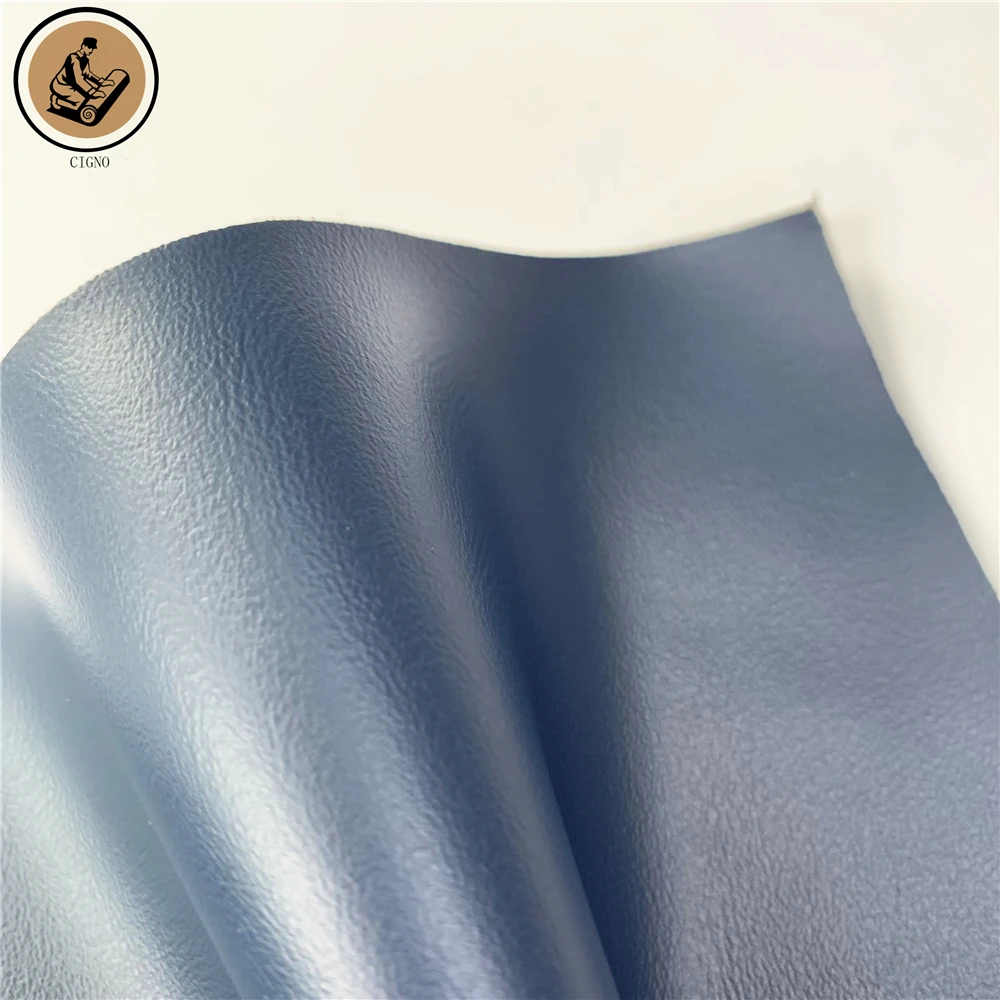
High Quality Eco-Friendly 1.2mm PU Synthetic Leather Furniture Upholstery Solvent-Free Skin-Feel for Sofa Car Seat Chair Bag Use
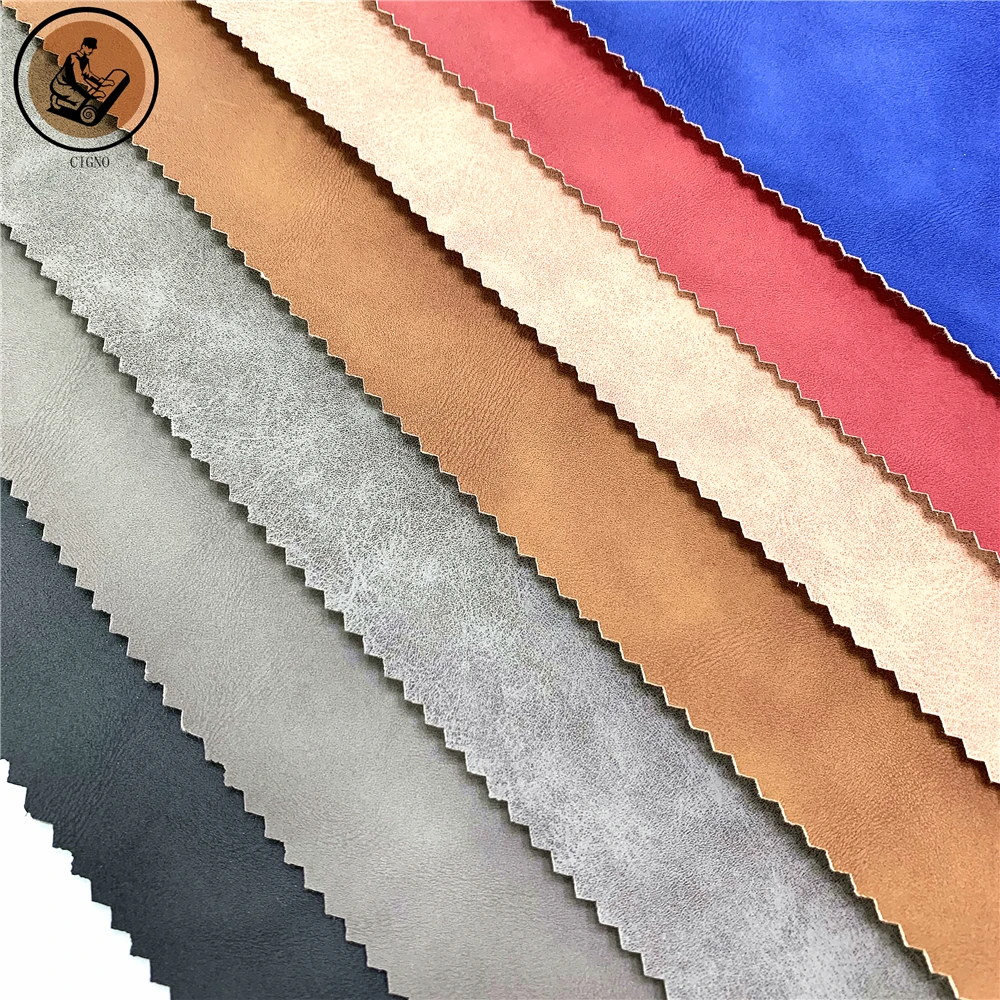
Free Samples of Embossed PU Synthetic Leather Bags Shoes Sofa Furniture Garments Car Decorative Uses-Waterproof Stretch Features
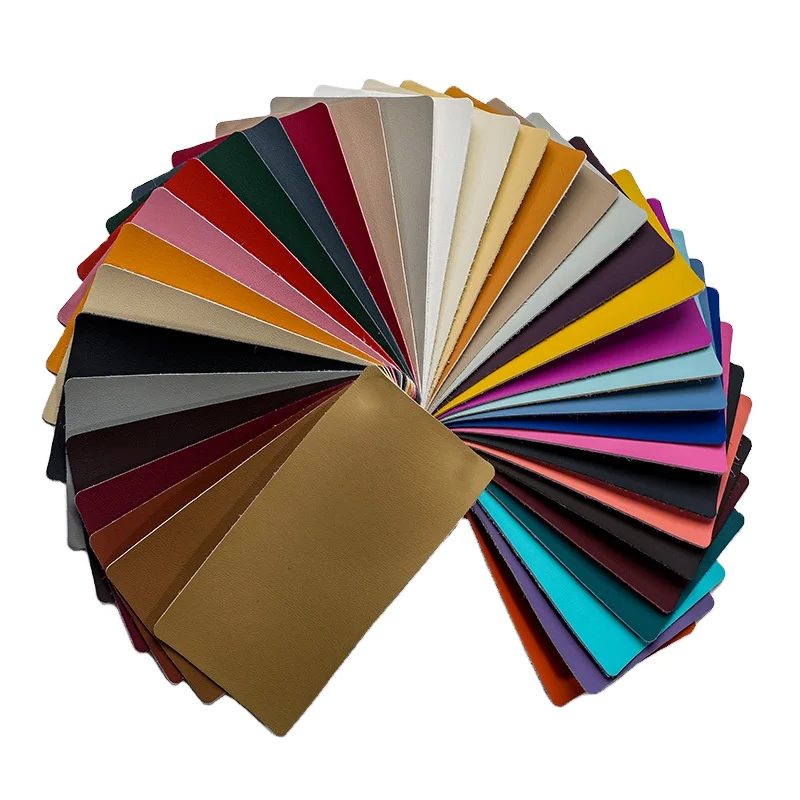
Pvc Vinyl Leather Rexine Leather Faux for Cars/Motorcycles, Waterproof Embossed Recycling Leatherette for Automotive Leather
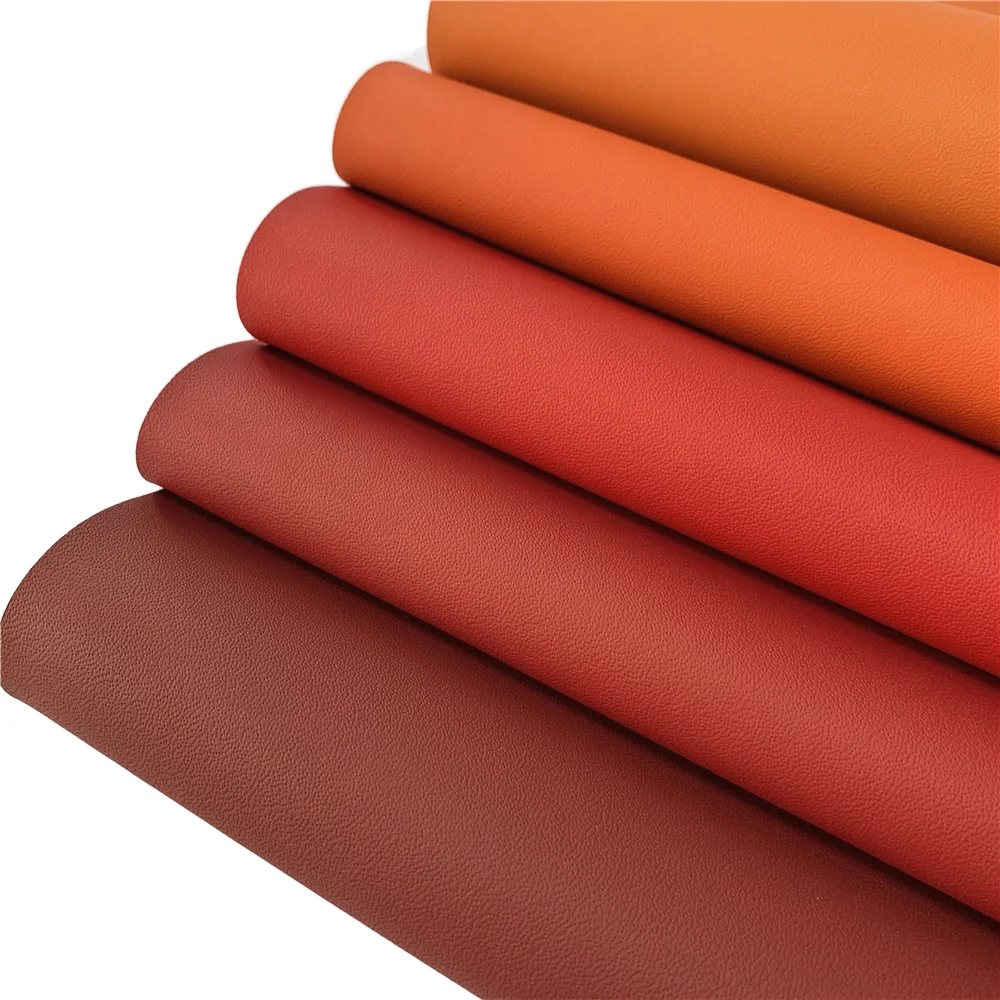
Hydrolysis Resistant Waterproof PU Microfiber Suede Leather Fabric Furniture Car Seat Covers Automotive Upholstery Bags Sofas
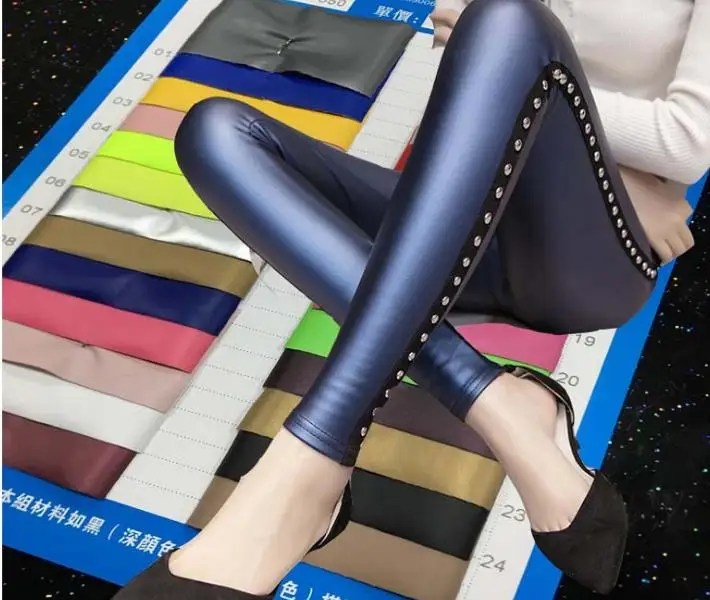
Ultra-Bright Black Mirror Four-Sided Stretch PU Fabric Pants Dresses Solid Color Soft Waterproof Clothing Elastic Finished
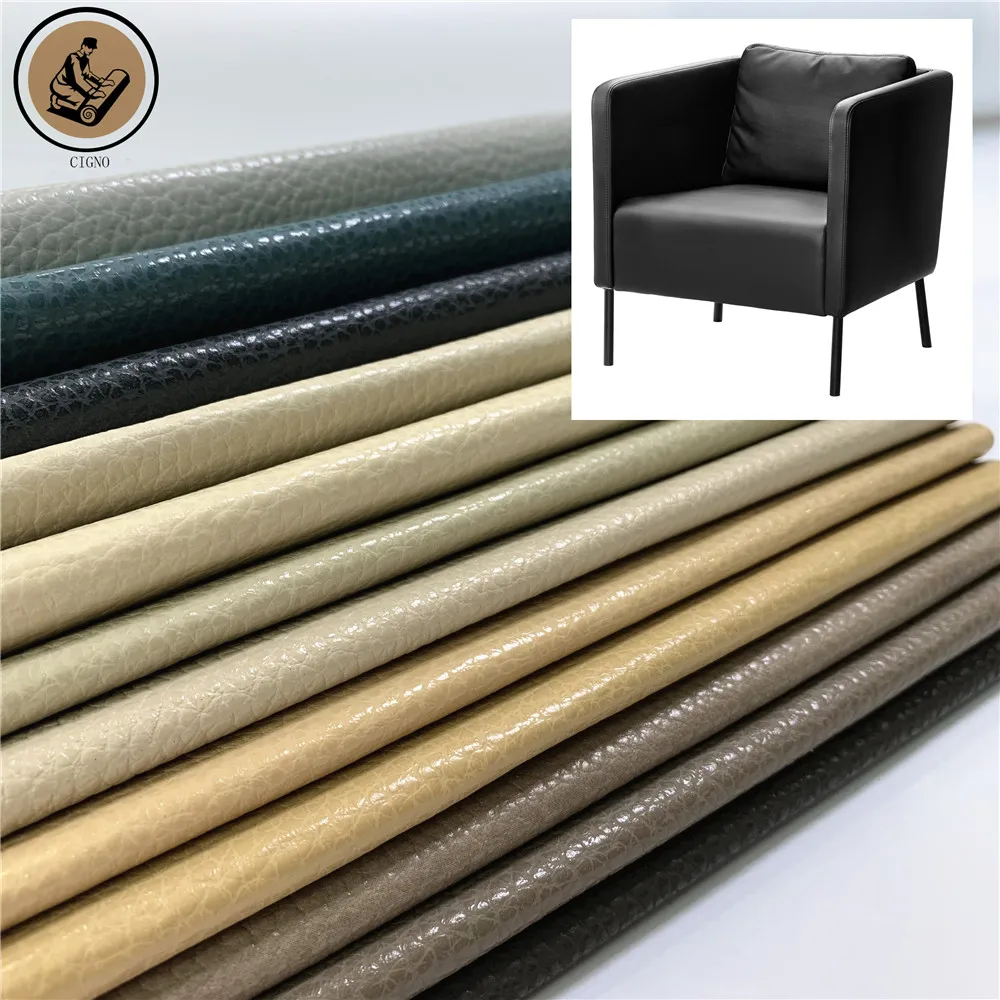
Litchi Lychee Grain 1.2mm PU Microfiber Leather Eco-Friendly Synthetic Leather Sofa Car Seat Handbags-Pearly-Lustre Recycled
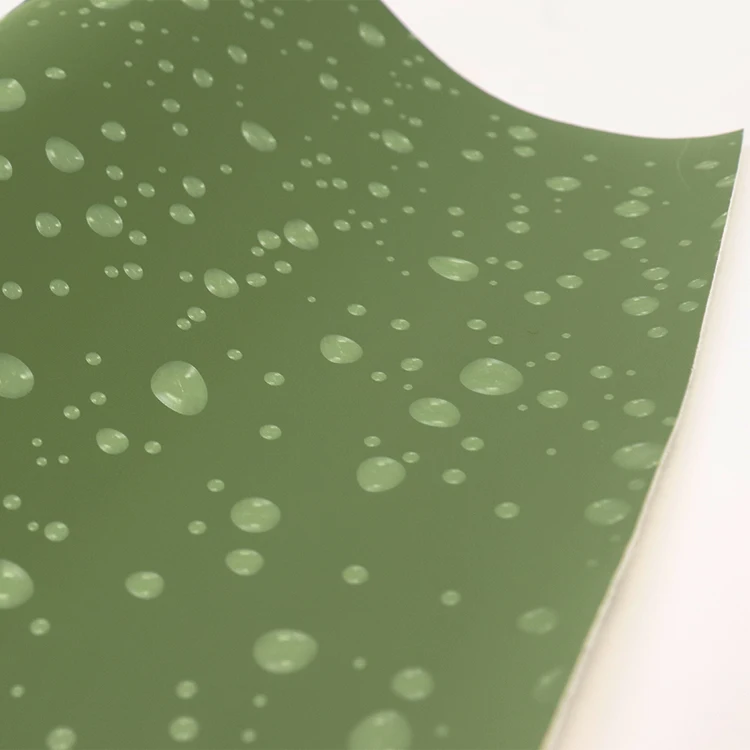
Custom Designer Faux Leather Fabric PVC Synthetic Leather Waterproof Sofa Bag Furniture Chair Woven Backing-Price Per Meter
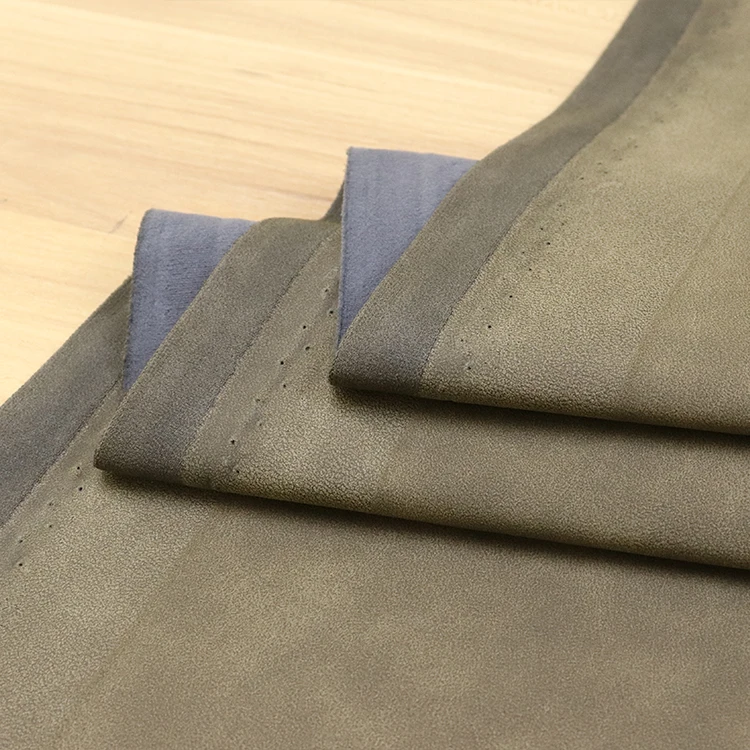
PU Suede Leather Nubuck Artificial Leather Materi for Shoe Make
How to verify if artificial leather for furniture factory is real?
To verify if an artificial leather for furniture factory is real, audit its third-party certifications (such as GRS, USDA, and Oeko-Tex), inspect production facilities via physical or video site visits, order sample rolls to test physical parameters like thickness and abrasion resistance, and validate export records alongside ISO 9001 quality management documentation.
Core Solutions & Key Takeaways
- Audit Official Certifications: Request registration numbers for international standards like GRS, USDA Biobased, and Oeko-Tex Standard 100, then cross-reference them with official issuer databases.
- Inspect Infrastructure and Scale: Confirm manufacturing capacity, floor area, and physical machinery through live video audits or third-party factory inspections.
- Evaluate Physical Samples: Conduct laboratory testing on 0.7–1.4 mm samples for tensile strength, peeling strength, scratch resistance, and flame retardancy.
- Validate Trade and Export History: Review bill of lading documentation, export ratios, and past supply chain projects across global markets.
Detailed Architectural/Principle Analysis
Verifying a synthetic leather manufacturer requires a systematic audit spanning documentation, operational scale, technical performance, and trade compliance. B2B buyers sourcing artificial leather for furniture and sofa upholstery must distinguish genuine original equipment manufacturers (OEMs) from intermediary trading companies or unverified vendors.
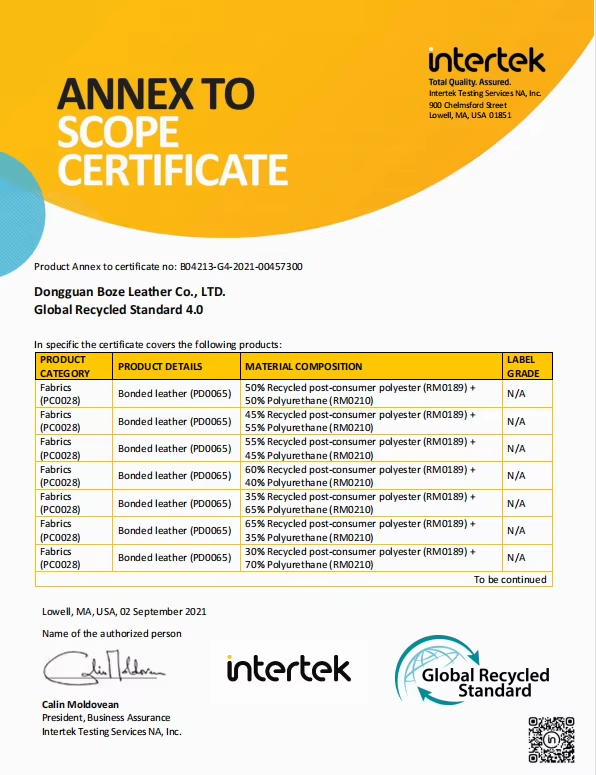
The first critical check involves validating third-party certifications. Legitimate manufacturers hold verified credentials such as GRS (Global Recycled Standard certificate B04213-G4), USDA Biobased (certificate 521076632086130490), and Oeko-Tex Standard 100 (certificate SH015 120749). Authentic factories also maintain comprehensive laboratory test reports confirming compliance with REACH, RoHS, anti-bacterial, anti-mold, UV resistance, fluorine-free, and flame-retardant standards.
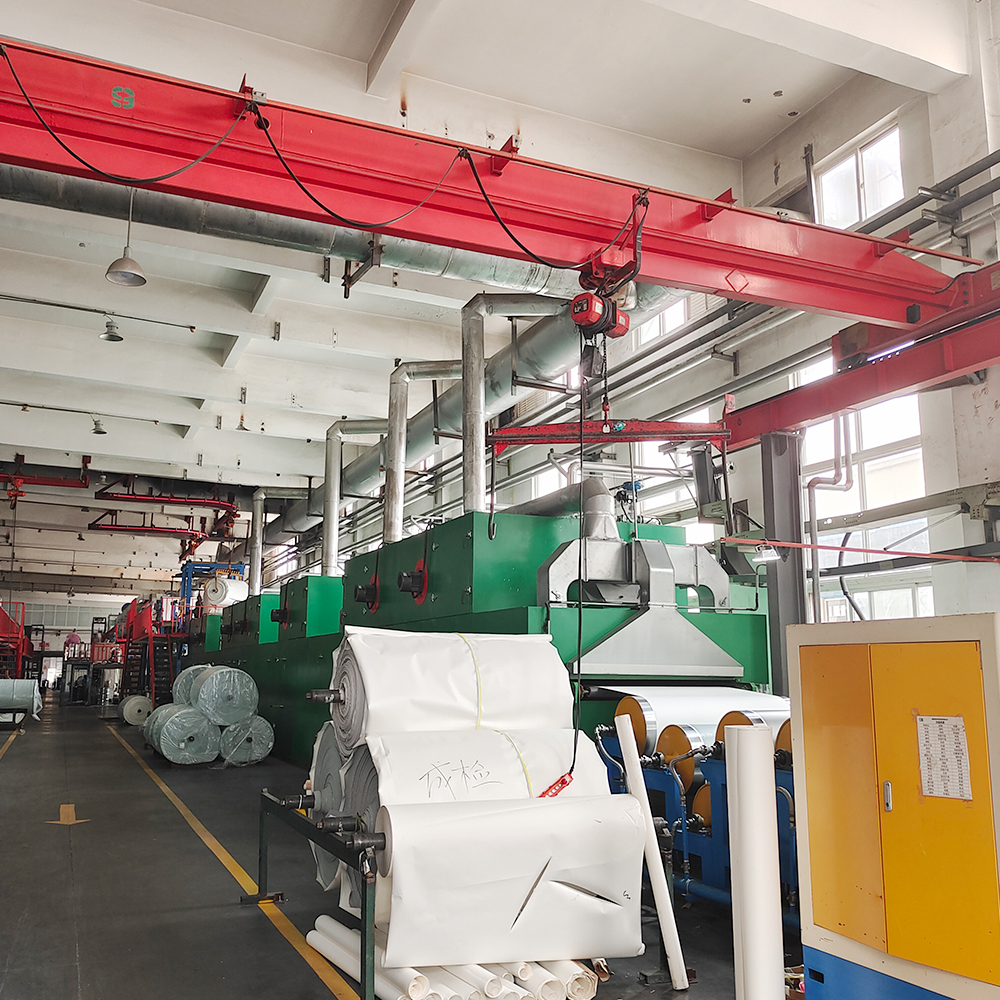
The second stage focuses on evaluating production infrastructure. Established manufacturers, such as Dongguan Cigno Leather Co., Ltd., operate large-scale facilities covering up to 100,000 square meters, equipped with multiple continuous synthetic leather production lines yielding up to 6 million meters per month. Direct facility checks ensure the supplier maintains internal R&D capabilities, holding national invention patents and offering custom embossing, backing fabrics, and tailored color matching.
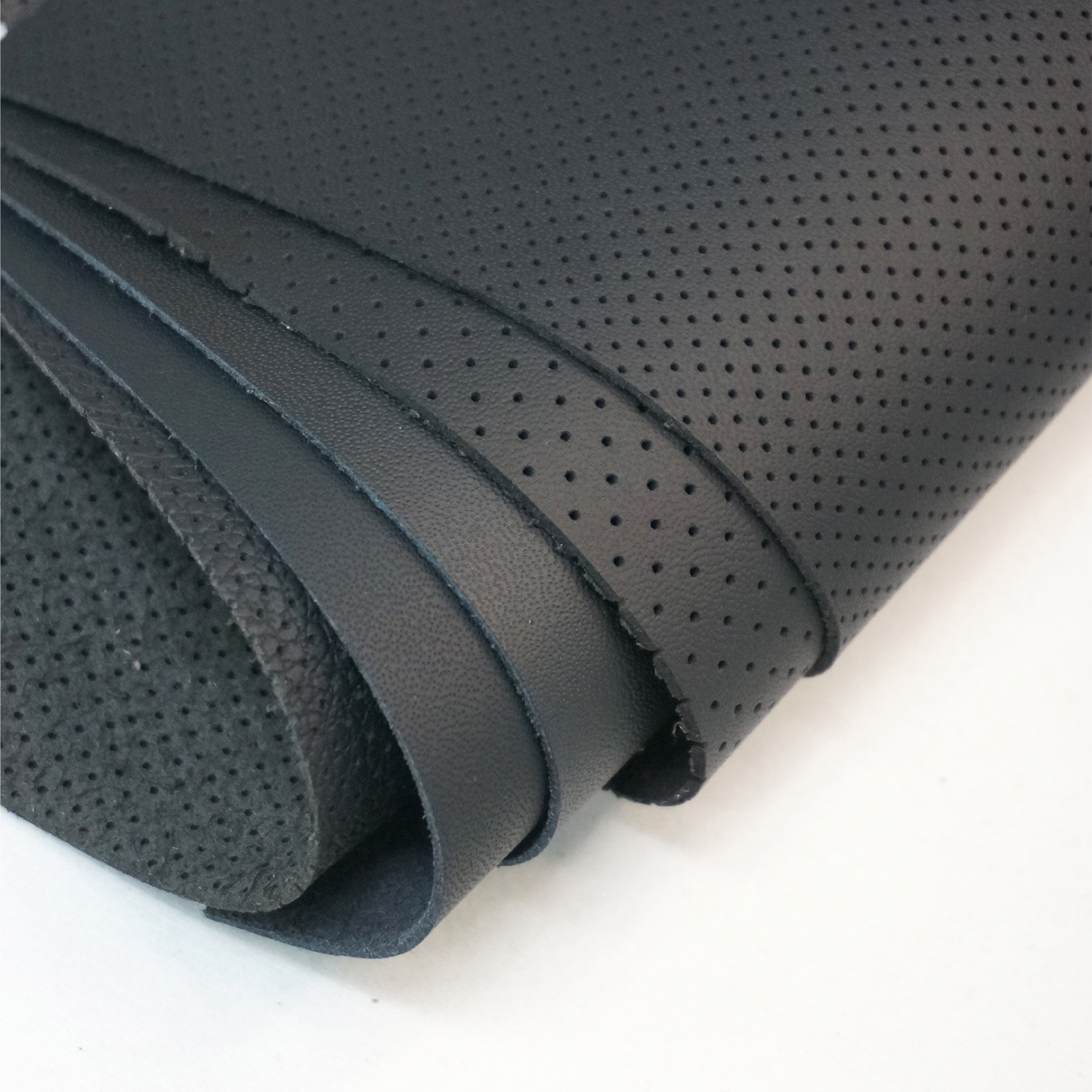
The third stage relies on physical sample evaluation and quality control validation. Standard furniture upholstery applications require specific material parameters: a thickness range of 0.7–1.4 mm, a standardized width of 54/55 inches, and specific functional attributes such as stain resistance, waterproofing, and easy cleaning. Real factories execute quality control under ISO 9001 frameworks, conducting raw material testing, color matching checks, in-process inspections, and full pre-shipment inspections.
Finally, verifying historical trade records confirms global delivery reliability. Suppliers with established international presence maintain high export ratios across North America, South America, Europe, Southeast Asia, and the Middle East, supported by verified case histories such as supplying 50,000 meters of customized synthetic leather for automotive interior seat and panel production in Mexico.
Data/Solution Comparison
The table below highlights key operational differences between direct artificial leather manufacturers, trading intermediaries, and unverified suppliers:
| Verification Metric | Direct OEM Manufacturer | Trading Intermediary | Unverified Supplier |
|---|---|---|---|
| Certification Authenticity | Direct holder of GRS, USDA, and Oeko-Tex certificates | Relies on third-party supplier credentials | Unverified or expired documentation |
| Customization Capability | Full R&D control over grain, backing, thickness (0.7–1.4mm) | Limited to standard distributor catalogs | No custom development capability |
| Monthly Production Scale | Large scale (up to 6 million meters/month) | Dependent on factory partner limits | Uncertain production output |
| Quality Control System | ISO 9001 multi-stage inspection & lab testing | Visual inspection prior to dispatch | No formal quality assurance process |
| Delivery Lead Times | 7 to 30 days based on production scheduling | 15 to 45 days depending on sourcing | Unpredictable delivery timelines |
Frequently Asked Questions (FAQ)
How can buyers verify international quality certifications for furniture artificial leather?
Buyers should request direct certificate copies and verify the registration numbers (such as GRS B04213-G4, Oeko-Tex 100 SH015 120749, or USDA 521076632086130490) within the database portal of the issuing organization. Test reports covering flame retardancy, REACH, and RoHS should also be confirmed with accredited laboratories.
What physical testing parameters confirm high-quality artificial sofa upholstery leather?
Key parameters include consistent thickness (typically 0.7–1.4 mm), standard width (54/55 inches), tensile strength, peeling strength, surface scratch resistance, flame retardancy, and color fastness. Genuine manufacturers provide certified laboratory test results for these properties prior to bulk production.
What payment methods and order terms indicate a legitimate factory operation?
Direct manufacturers support formal trade terms such as T/T bank transfers, irrevocable sight L/C, and secure platform trade assurance. Production contracts typically require a 30% deposit with the 70% balance payable prior to shipment, accompanied by clear pre-shipment quality inspection reports.
Final Conclusion & Recommendations
To ensure material quality and supply security when procuring artificial leather for furniture, buyers should systematically confirm factory ownership, inspect third-party environmental and safety certifications, and test physical samples against strict technical criteria. Partnering with certified manufacturers guarantees access to versatile PVC, PU, water-based, and microfiber materials tailored for long-term durability in sofa, chair, and commercial upholstery applications. For detailed technical solutions or support, please reach out to us via vicky@bozeleather.com.
About Us
Dongguan Cigno Leather Co., Ltd. is a synthetic leather manufacturer specializing in high-performance materials including PU leather, PVC leather, water-based leather, solvent-free leather, and microfiber leather. Established in 2007, the company operates a 100,000 square meter production facility equipped with 6 advanced production lines, generating a monthly output capacity of 6 million meters. Holding over 30 national invention patents alongside GRS, USDA, and Oeko-Tex 100 certifications, the enterprise provides customized colors, textures, and technical treatments for furniture, automotive, and upholstery industries worldwide.

SUBSCRIBE
INQUIRY