
PRODUCTS
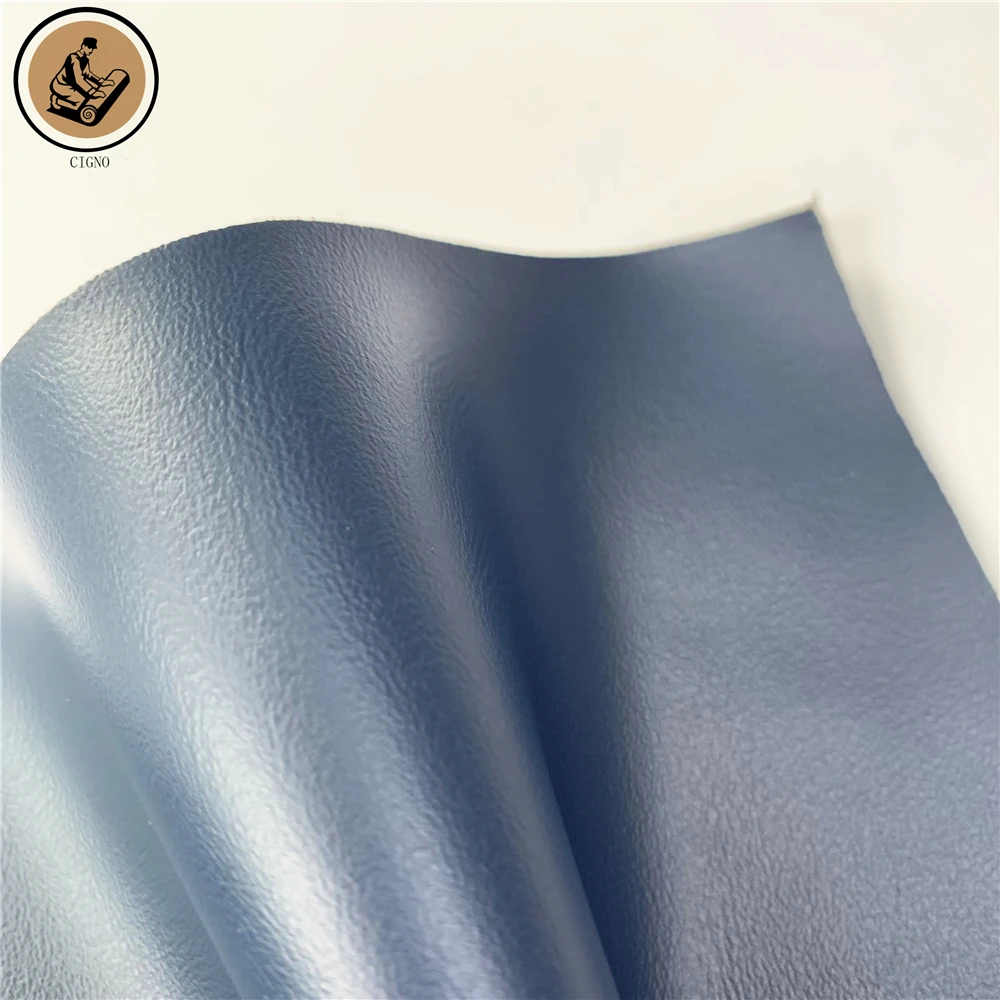
High Quality Eco-Friendly 1.2mm PU Synthetic Leather Furniture Upholstery Solvent-Free Skin-Feel for Sofa Car Seat Chair Bag Use
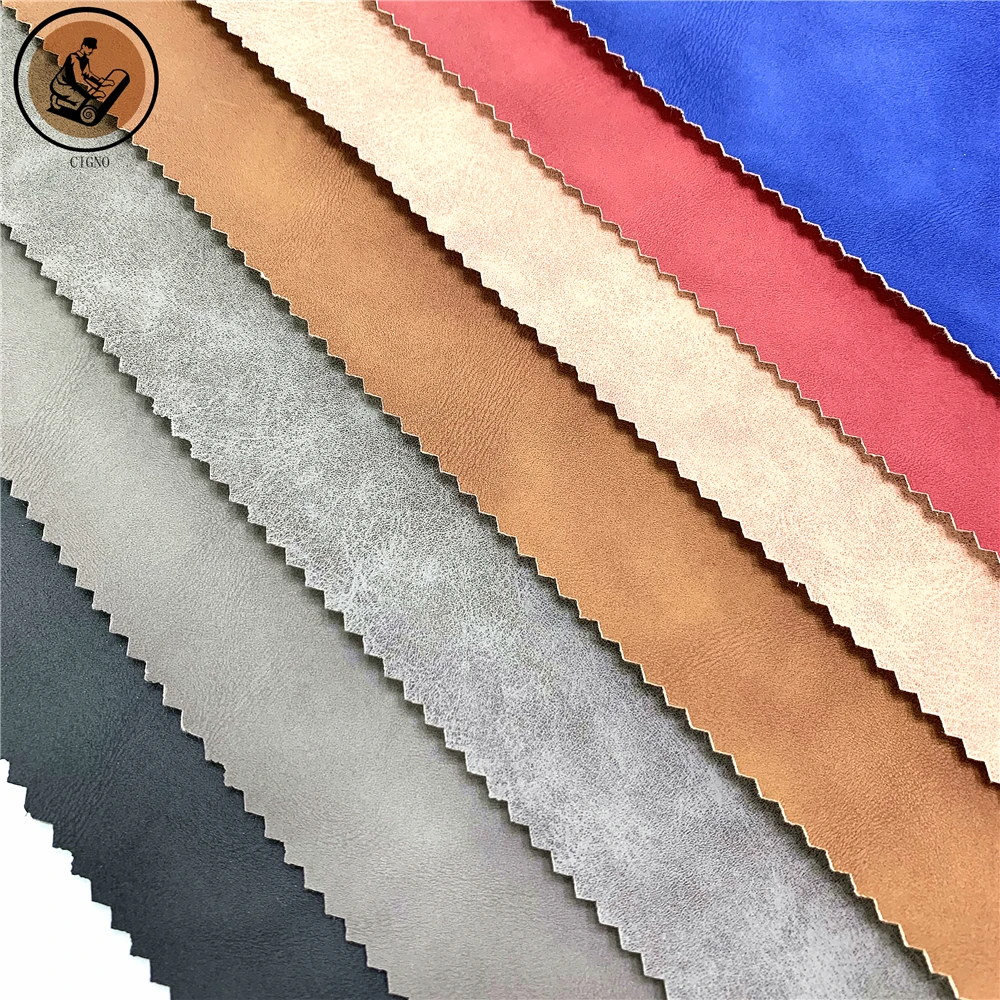
Free Samples of Embossed PU Synthetic Leather Bags Shoes Sofa Furniture Garments Car Decorative Uses-Waterproof Stretch Features
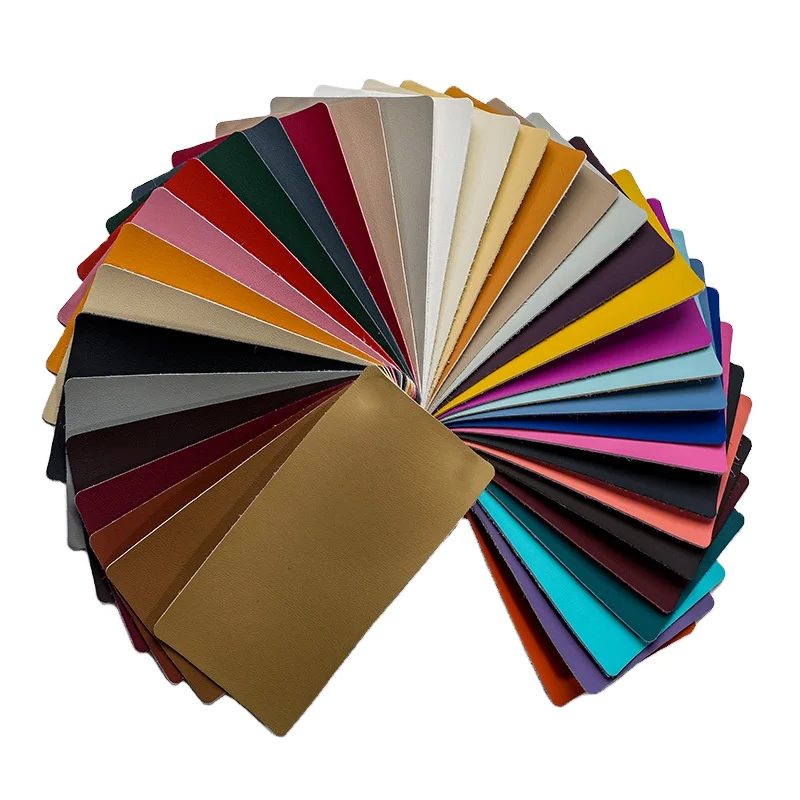
Pvc Vinyl Leather Rexine Leather Faux for Cars/Motorcycles, Waterproof Embossed Recycling Leatherette for Automotive Leather
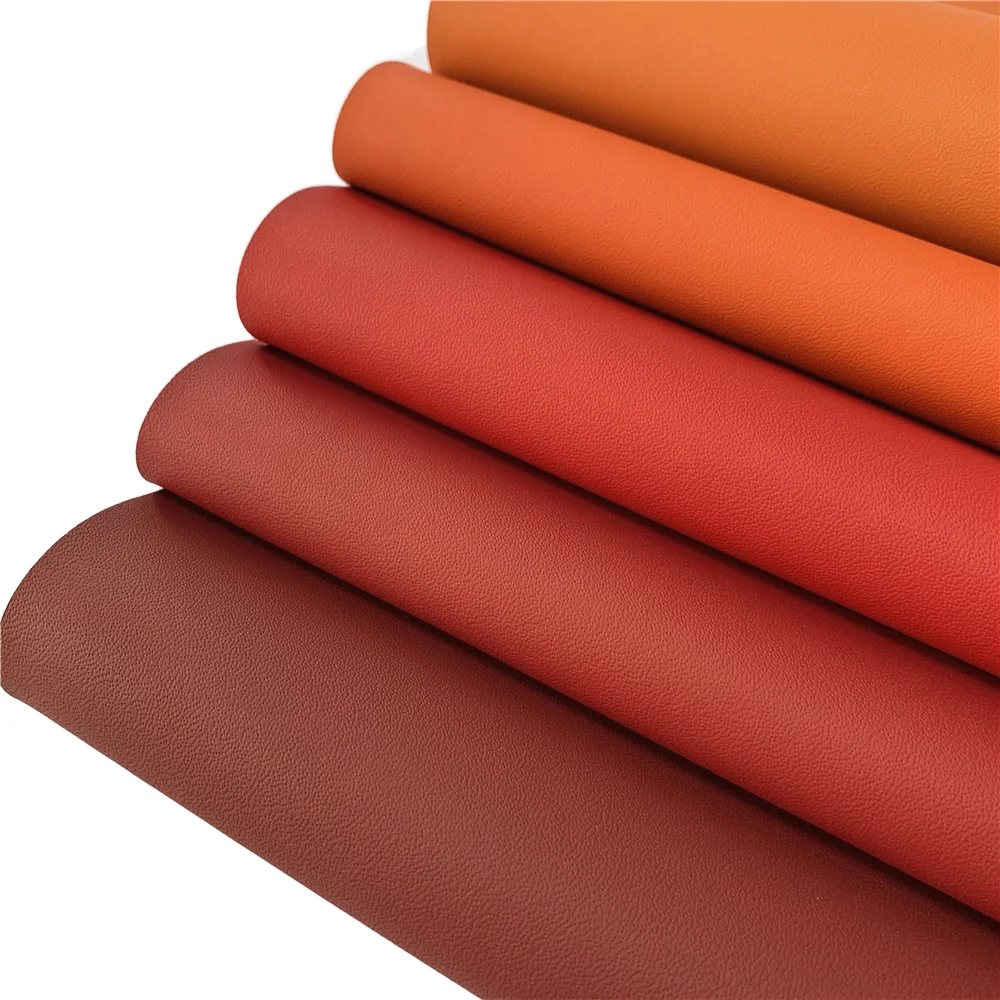
Hydrolysis Resistant Waterproof PU Microfiber Suede Leather Fabric Furniture Car Seat Covers Automotive Upholstery Bags Sofas
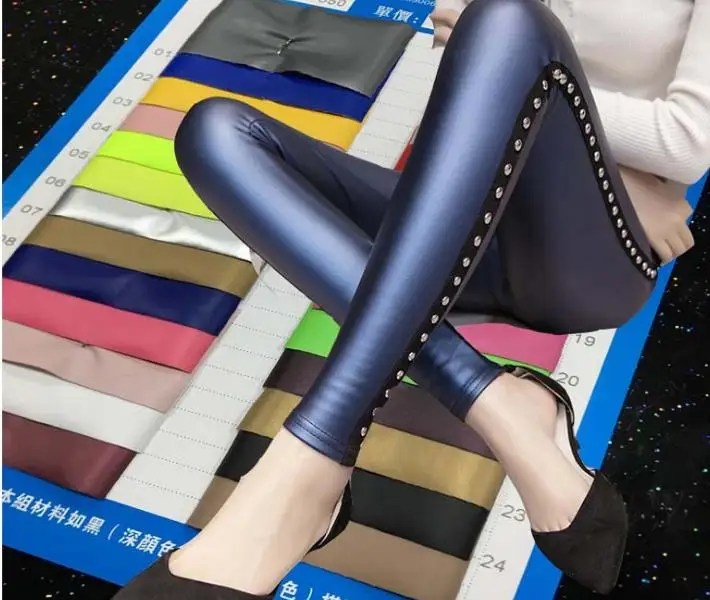
Ultra-Bright Black Mirror Four-Sided Stretch PU Fabric Pants Dresses Solid Color Soft Waterproof Clothing Elastic Finished
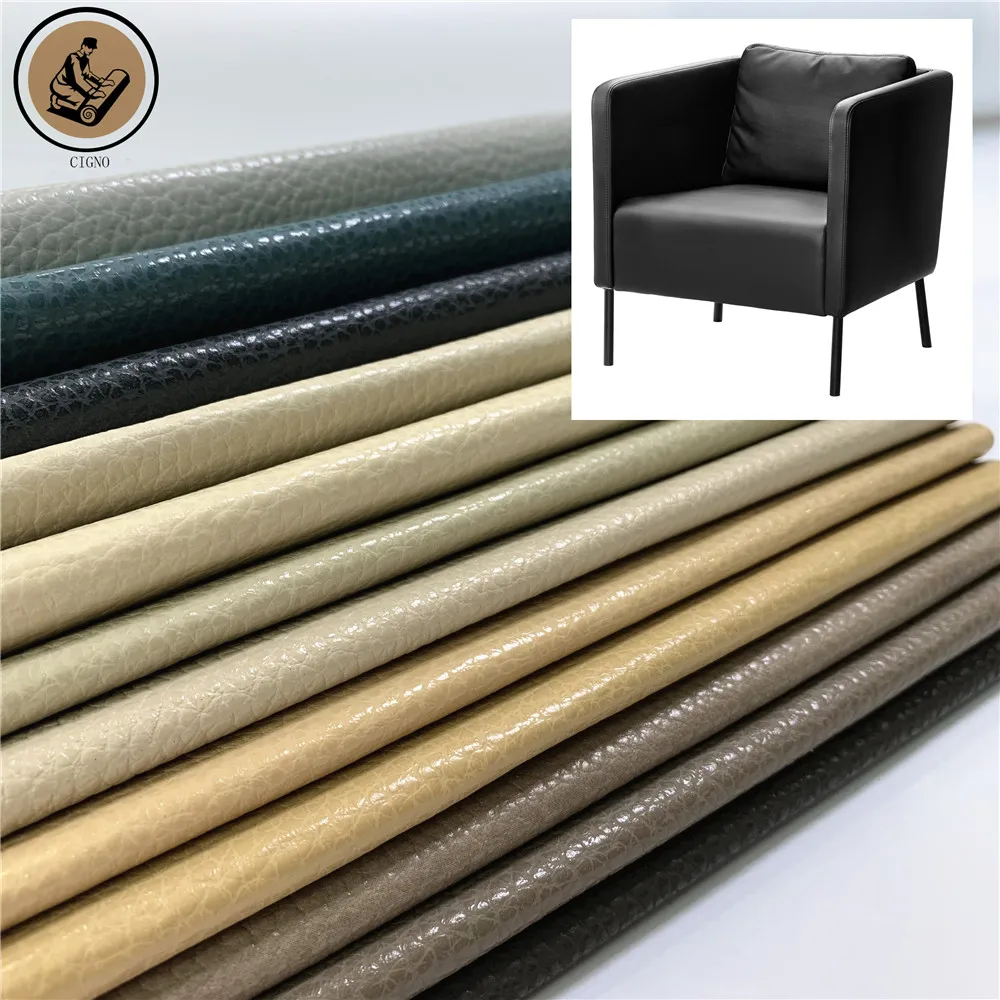
Litchi Lychee Grain 1.2mm PU Microfiber Leather Eco-Friendly Synthetic Leather Sofa Car Seat Handbags-Pearly-Lustre Recycled
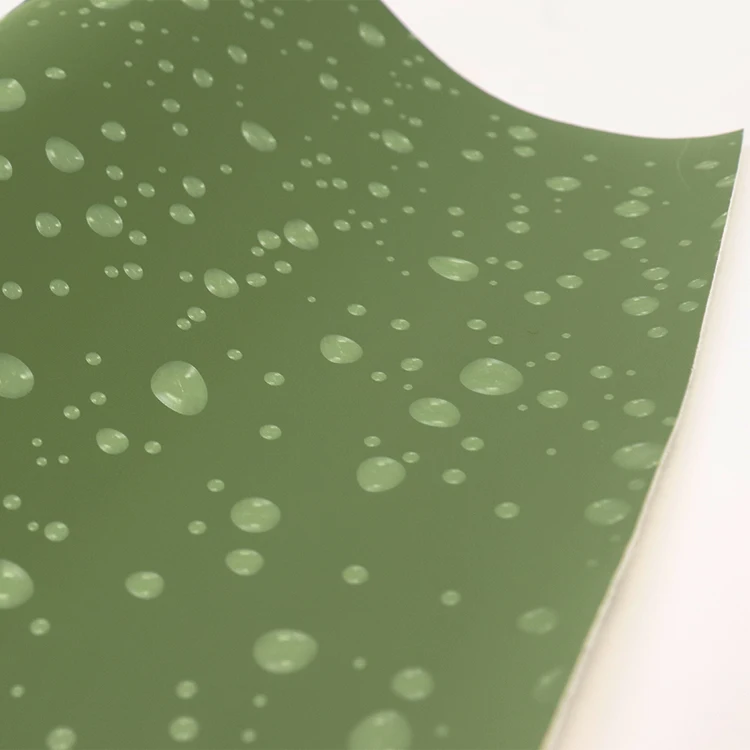
Custom Designer Faux Leather Fabric PVC Synthetic Leather Waterproof Sofa Bag Furniture Chair Woven Backing-Price Per Meter
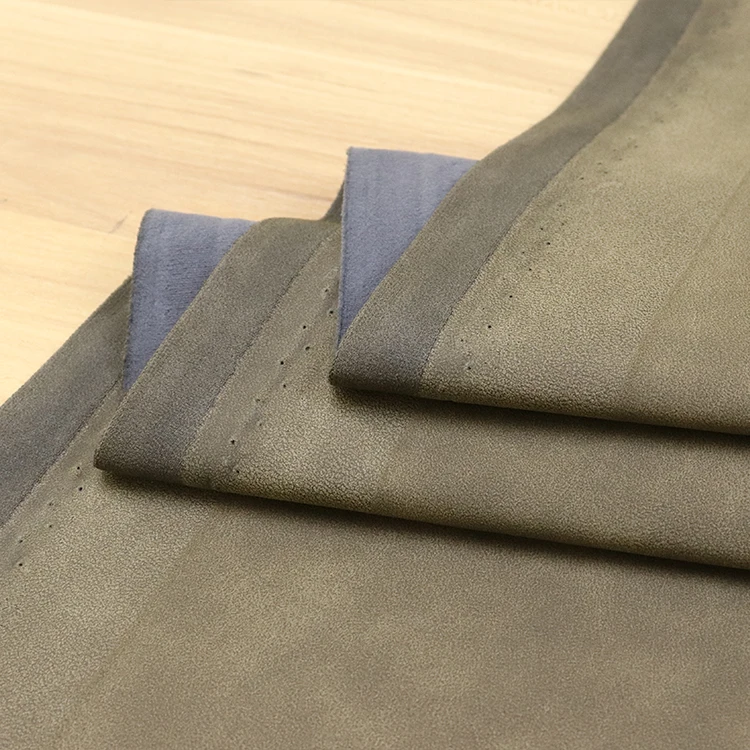
PU Suede Leather Nubuck Artificial Leather Materi for Shoe Make
Is it possible to emboss our brand logo on vegetan leather?
Embossing a brand logo on vegetan leather is highly possible and commonly done to customize fashion accessories. High-quality vegan leather, such as polyurethane (PU) or microfiber, possesses the thermal plasticity and structural stability required to hold crisp, permanent embossed logo details under controlled heat and pressure without damaging the synthetic fibers.
Core Solutions & Key Takeaways
- Material Compatibility: Microfiber, PU, and bio-based vegetan leather support high-definition debossing and embossing due to their uniform synthetic structures.
- Custom Backing Fabrics: Matching the right backing fabric (such as woven or non-woven backings) ensures the embossed logo retains its shape without over-stretching.
- Versatile Application Scenarios: This customization is widely used in high-end consumer goods, including handbags, backpacks, wallets, luggage, and automotive upholstery.
- Parameter Control: Precise calibration of temperature, pressure, and dwell time prevents surface melting while ensuring deep, legible logo impressions.
Detailed Architectural/Principle Analysis
The process of embossing brand logos on vegetan leather relies on the material's thermoplastic properties. When localized heat and pressure are applied using a metal die, the synthetic polymers—typically polyurethane or water-based resins—soften and conform to the shape of the mold. Upon cooling, the polymer chains re-establish their bonds, permanently locking the debossed or embossed pattern into the material surface.
For premium handbag and luggage production, selecting a high-performance vegan leather is vital. Quality materials offer scratch resistance, excellent tensile strength, and high peeling strength, ensuring the embossed edges do not crack or degrade over time. Industry-certified synthetic leathers, such as those holding GRS (Global Recycled Standard), USDA bio-based, or Oeko-Tex 100 certifications, are manufactured under strict quality standards. These certifications ensure the polymer chemistry is stable, preventing hazardous off-gassing or structural degradation during the high-temperature embossing process.
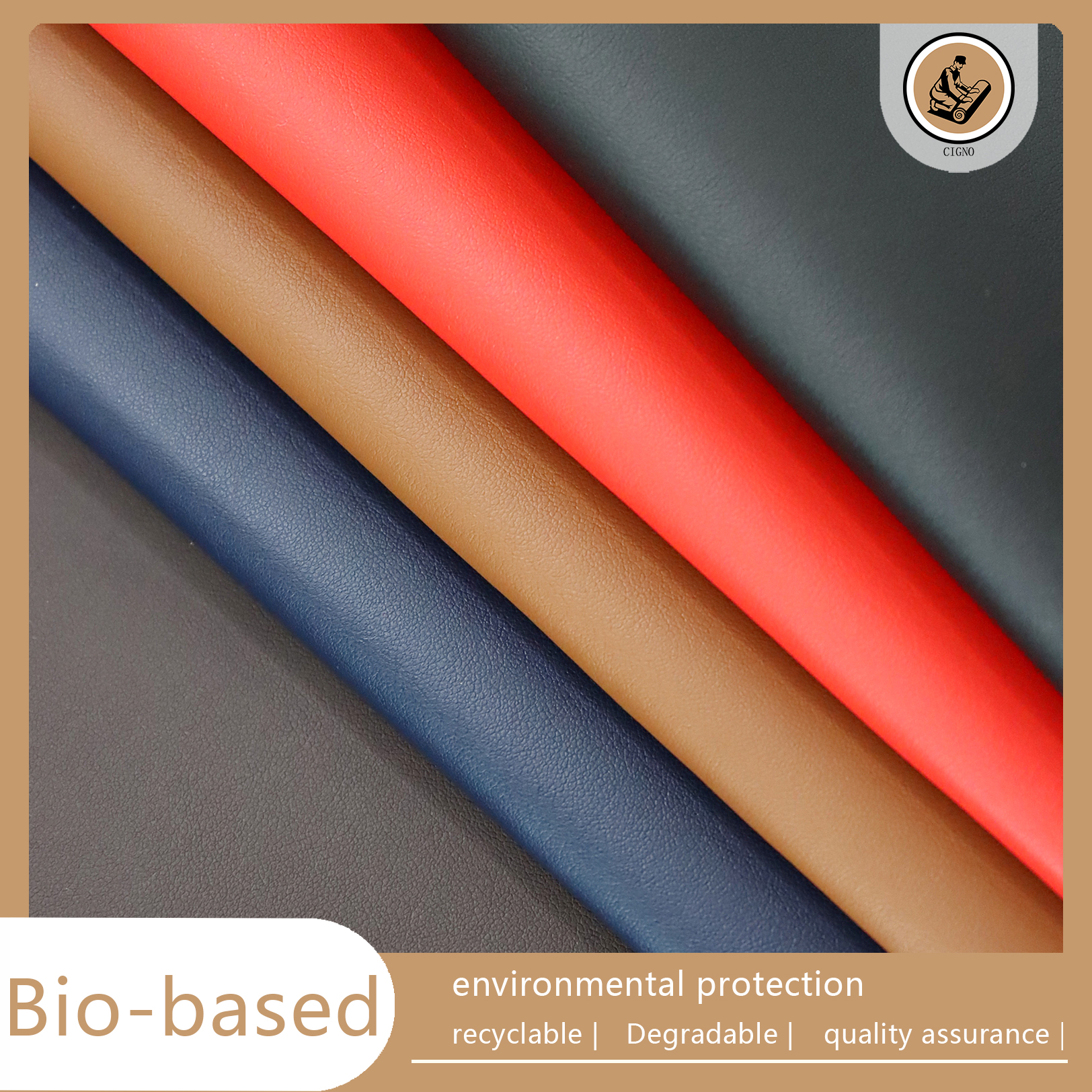
In practical application, manufacturers must adjust their machinery based on the specific vegan leather variant. For instance, in a recent cooperation case involving an automotive interior manufacturer in Mexico, 50,000 meters of customized synthetic leather were delivered for seats and armrests. The project required strict compliance with low-odor, UV-resistant, and abrasion-resistant standards. Because the material was engineered with stable color consistency and clear grain texture, it accommodated precise mechanical graining and branding without compromising the physical protective layers of the synthetic leather.
Data/Solution Comparison
Different types of vegetan leather react differently to the embossing process. The table below compares the key characteristics of various vegan leather bases for logo customization:
| Leather Base Type | Embossing Definition | Recommended Temp Range | Shape Retention | Best Application Scenario |
|---|---|---|---|---|
| Microfiber Vegan Leather | Excellent (High Detail) | 120°C - 140°C | Excellent | High-end handbags, footwear, automotive seats |
| Standard PU Leather | Good | 110°C - 130°C | Good | Fashion backpacks, wallets, belts |
| Water-Based / Bio-Based | Excellent | 115°C - 135°C | Excellent | Eco-friendly luxury packaging, apparel accessories |
| PVC Leather | Medium | 130°C - 150°C | Medium | Heavy-duty upholstery, commercial seating |
Frequently Asked Questions (FAQ)
Q1: Will heat embossing damage the waterproof or scratch-resistant coating of vegan leather?
A1: If performed within the recommended temperature limits (typically 110°C to 140°C depending on the substrate), the embossing process will not compromise the surface coatings. Proper mold depth and dwell time prevent burning or thinning of the protective polyurethane topcoat.
Q2: What is the Minimum Order Quantity (MOQ) for custom-embossed vegetan leather?
A2: Customized production runs, including custom grains, specific backing fabrics, and specialized colors, generally require a minimum order quantity of 500 to 1,000 meters per color to ensure industrial line calibration and color consistency.
Q3: Can we achieve metallic or colored logos on vegan leather instead of a blind deboss?
A3: Yes. Foil stamping can be combined with the embossing process. By placing a thin metallic foil between the heated die and the vegetan leather, the logo is transferred and fused directly into the grain, creating a gold, silver, or colored metallic finish.
Final Conclusion & Recommendations
Embossing is an efficient and durable method to showcase branding on vegetan leather. Success relies on choosing the correct material thickness, backing fabric, and polymer base to withstand the mechanical stress of the press. Working with certified manufacturers who operate under ISO 9001 quality management systems ensures raw material consistency, precise color matching, and reliable physical testing (such as tensile strength and peeling resistance) before mass production. For technical inquiries regarding material selection, color development, or custom grain matching for your brand, please reach out to us via vicky@bozeleather.com.
About Us
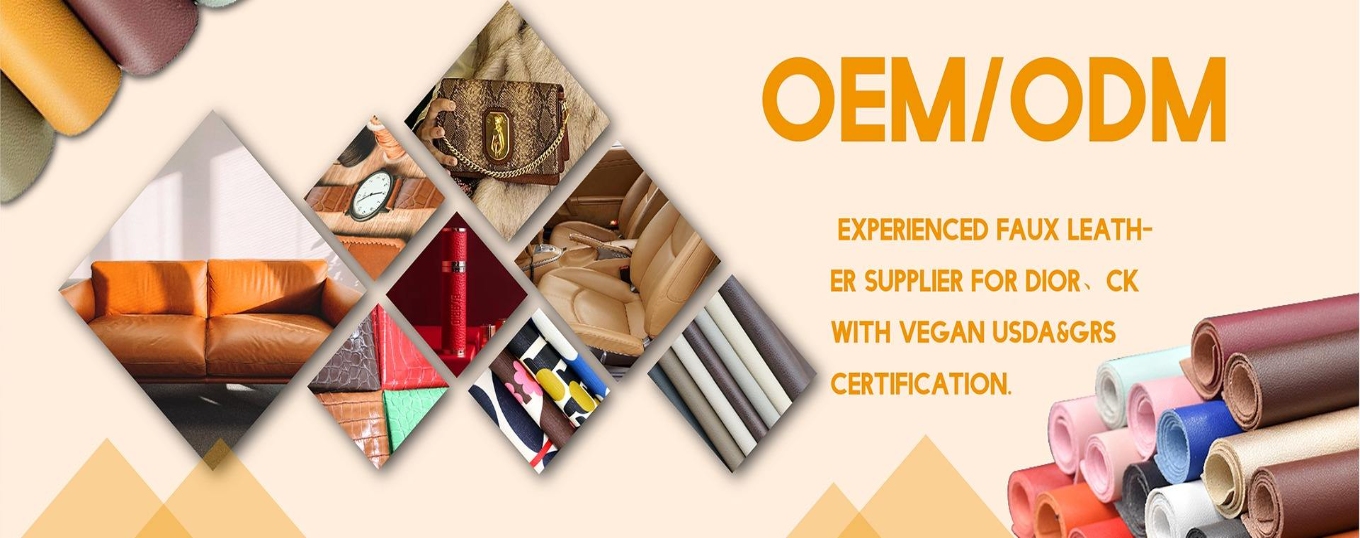
Dongguan Cigno Leather Co., Ltd. is a professional manufacturer specializing in high-quality faux leather, established in 2007 with a team of 50 employees and a factory footprint of 100,000 square meters. The company focuses on the development of eco-friendly and multifunctional synthetic leather materials, producing innovative polymer options with a monthly capacity of 6,000,000 meters. Holding internationally recognized GRS, USDA, and Oeko-Tex 100 certifications, they provide robust OEM/ODM customized production services for the global furniture, automotive, and fashion accessory markets.
SUBSCRIBE
INQUIRY