
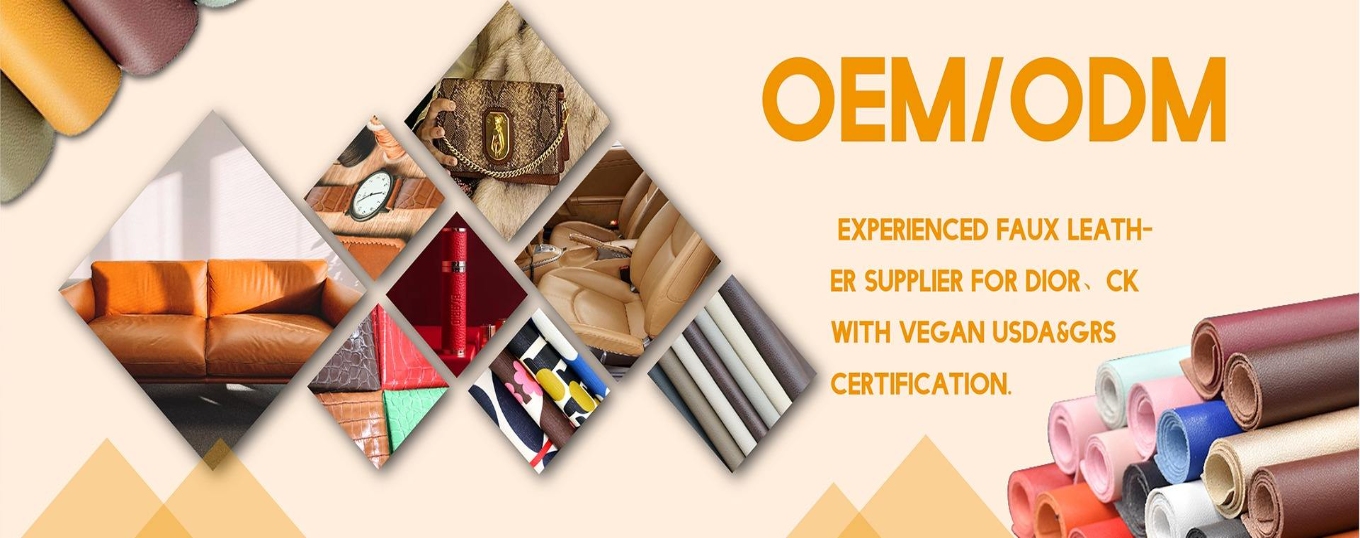
PRODUCTS
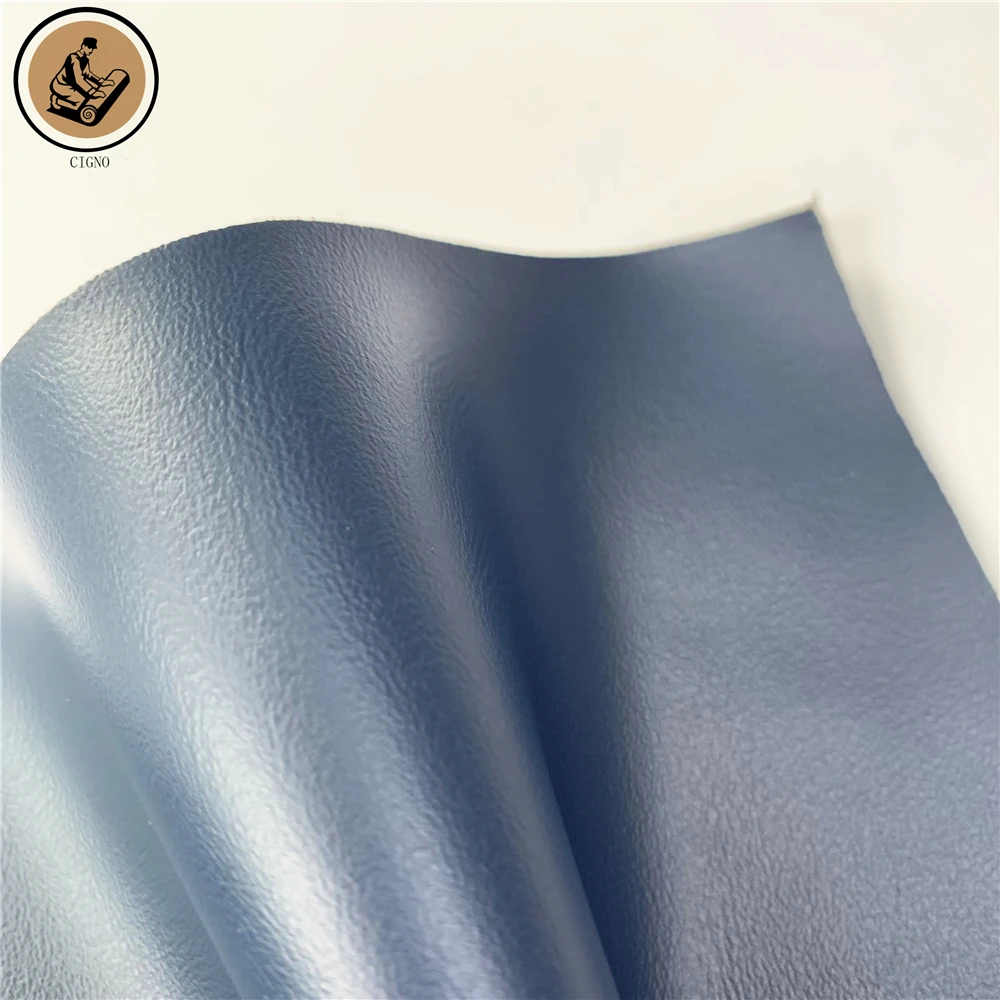
High Quality Eco-Friendly 1.2mm PU Synthetic Leather Furniture Upholstery Solvent-Free Skin-Feel for Sofa Car Seat Chair Bag Use
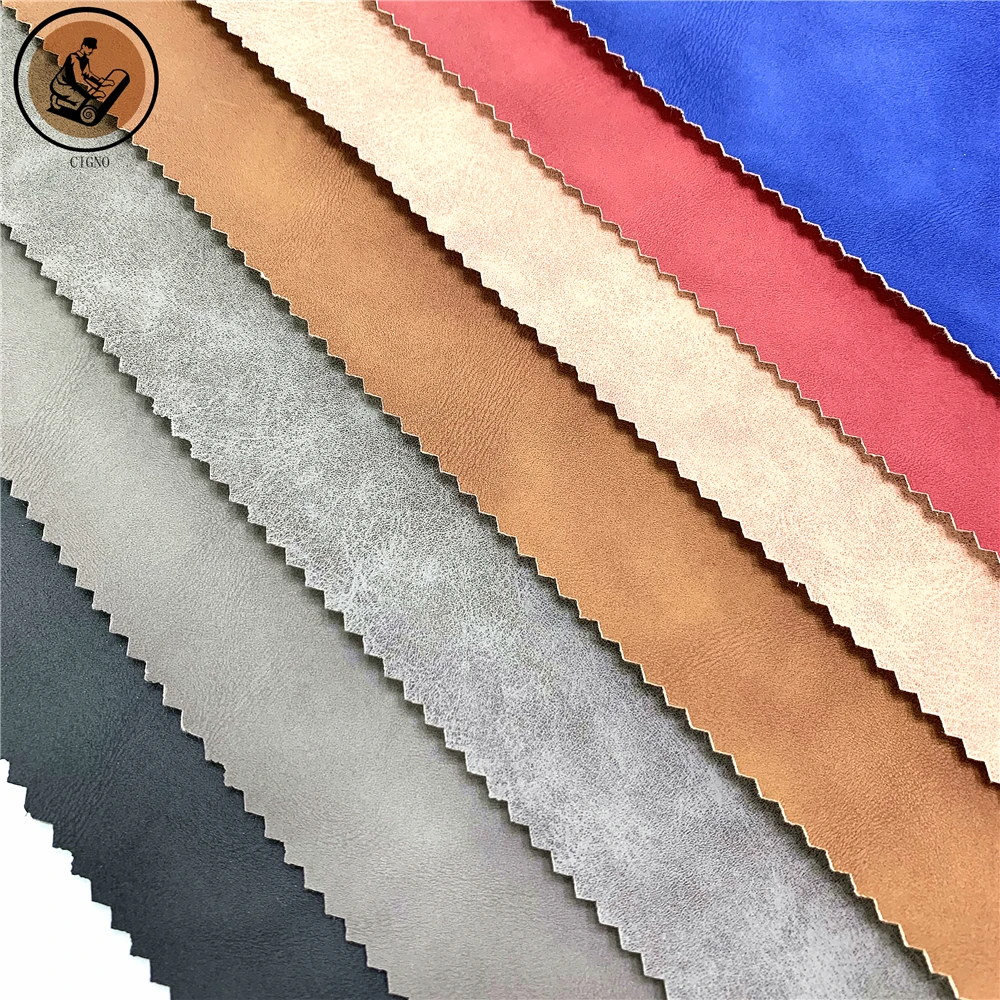
Free Samples of Embossed PU Synthetic Leather Bags Shoes Sofa Furniture Garments Car Decorative Uses-Waterproof Stretch Features
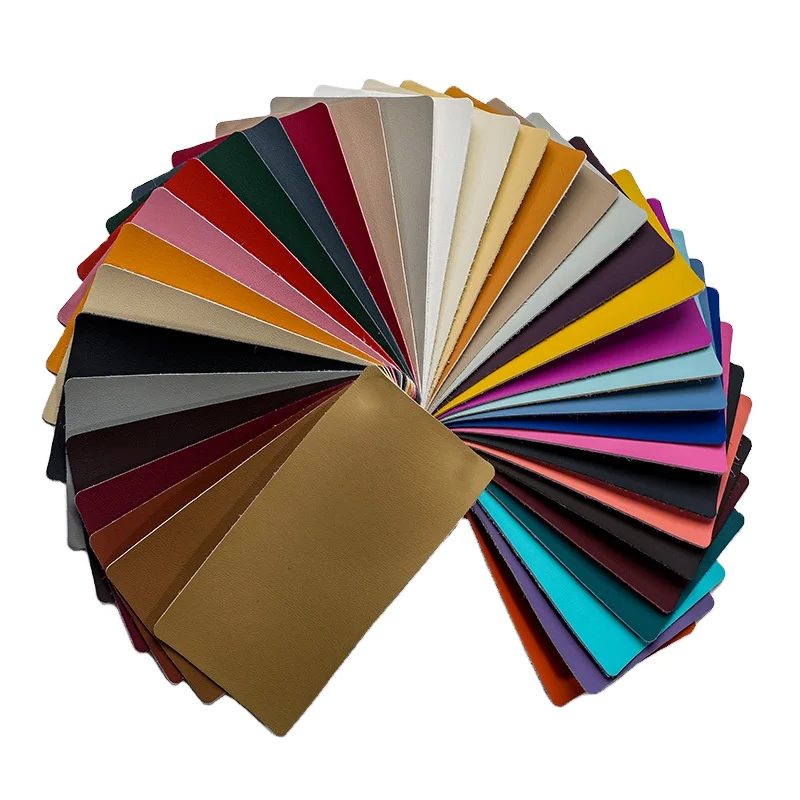
Pvc Vinyl Leather Rexine Leather Faux for Cars/Motorcycles, Waterproof Embossed Recycling Leatherette for Automotive Leather
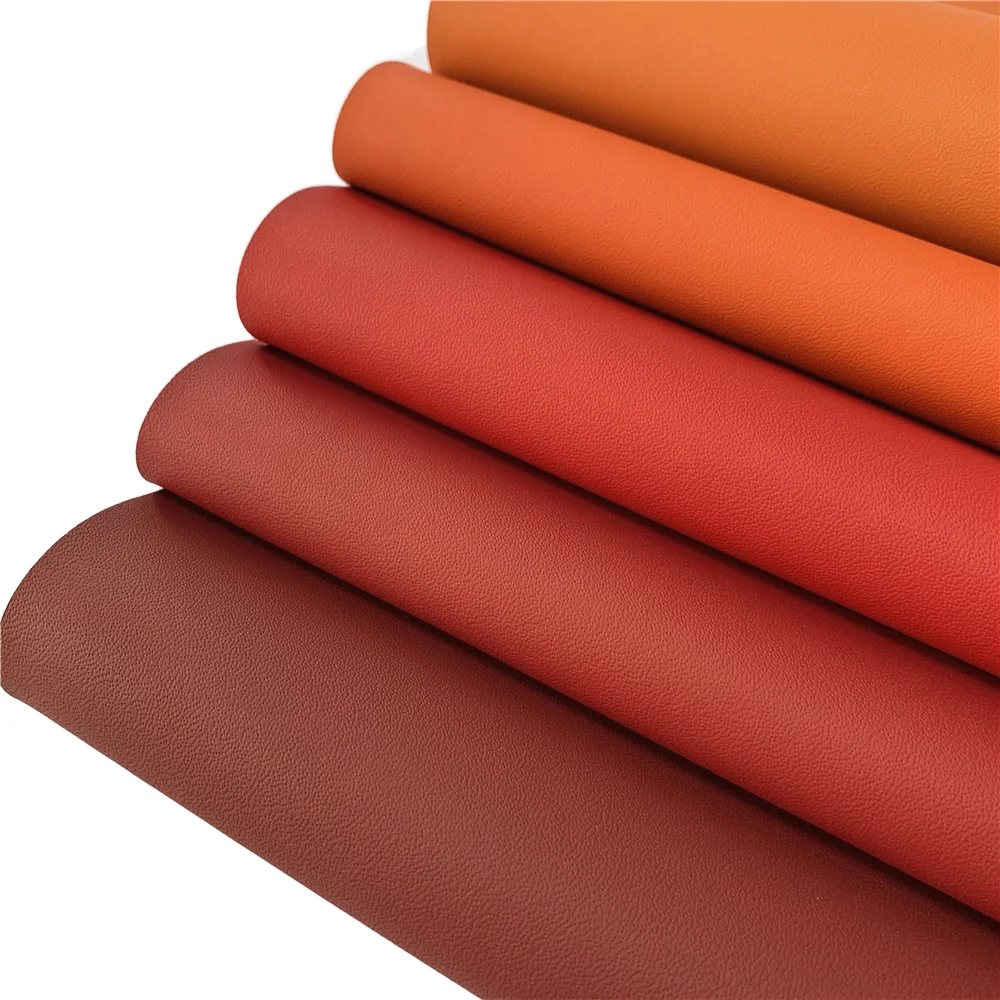
Hydrolysis Resistant Waterproof PU Microfiber Suede Leather Fabric Furniture Car Seat Covers Automotive Upholstery Bags Sofas
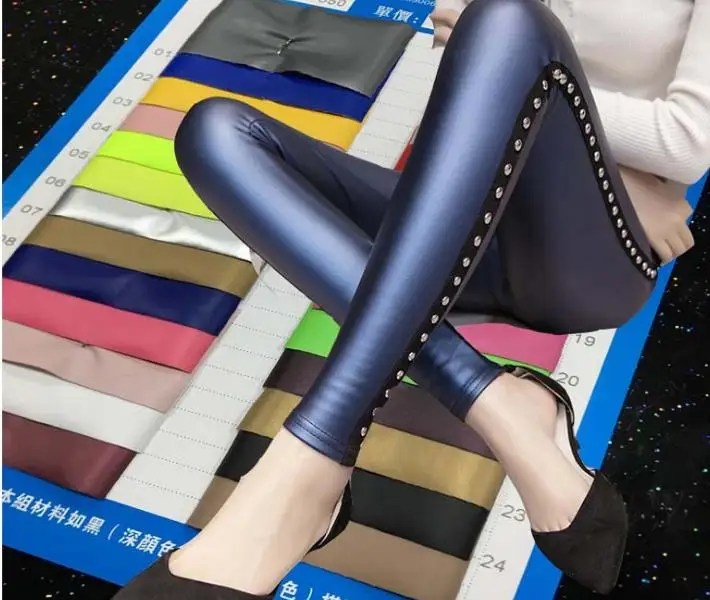
Ultra-Bright Black Mirror Four-Sided Stretch PU Fabric Pants Dresses Solid Color Soft Waterproof Clothing Elastic Finished
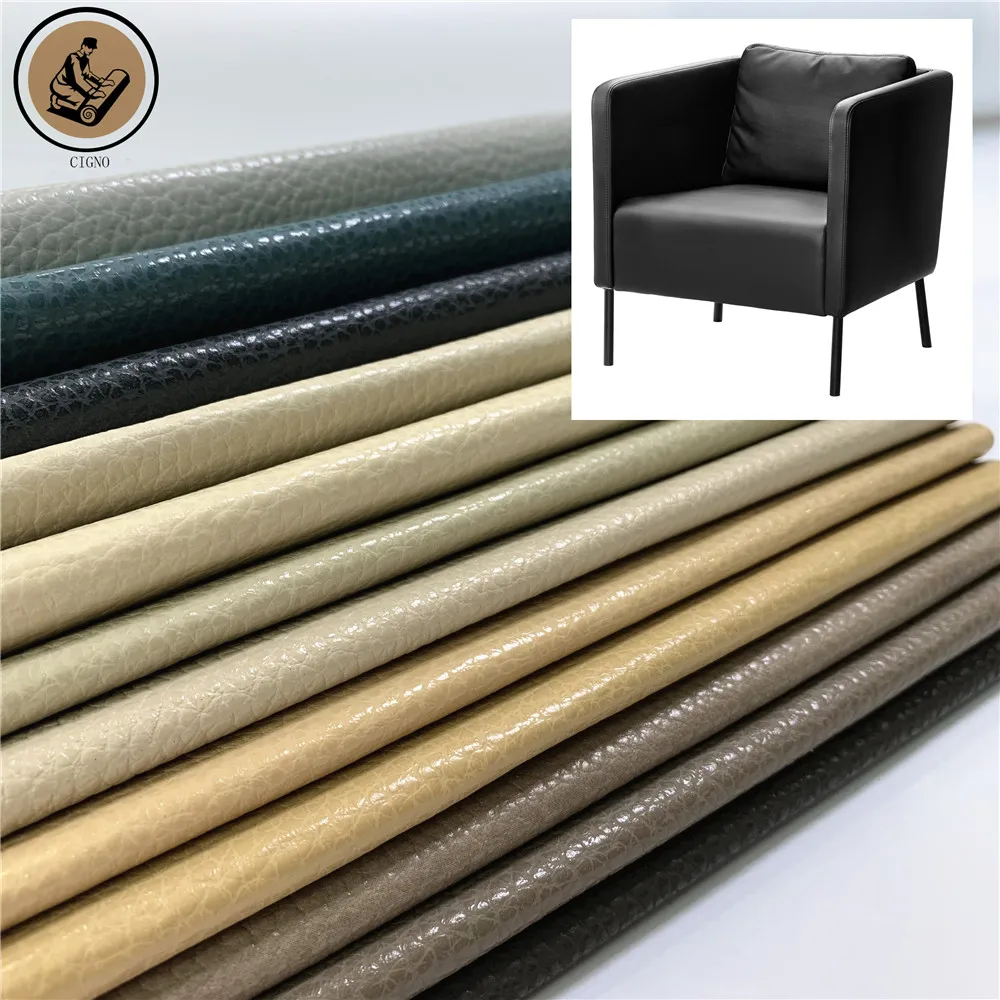
Litchi Lychee Grain 1.2mm PU Microfiber Leather Eco-Friendly Synthetic Leather Sofa Car Seat Handbags-Pearly-Lustre Recycled
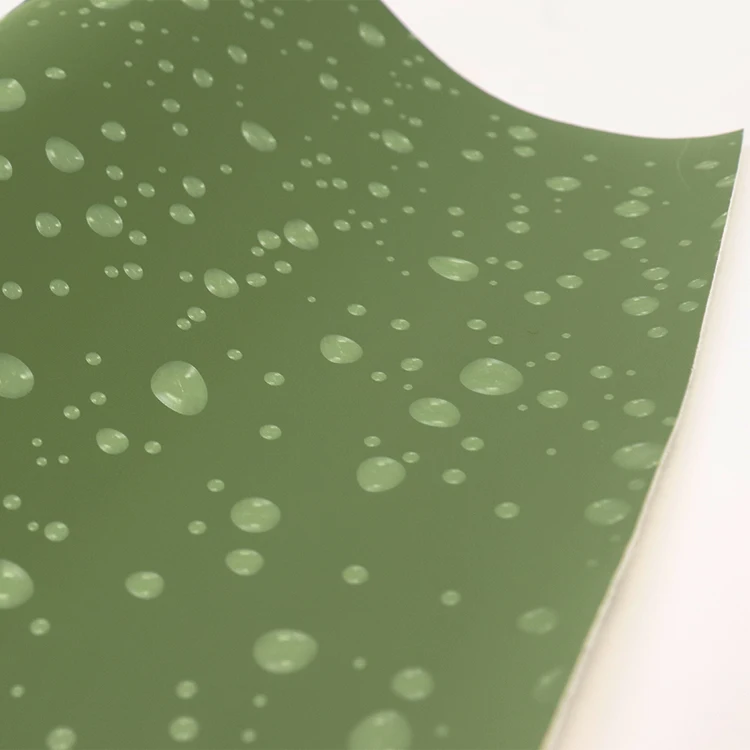
Custom Designer Faux Leather Fabric PVC Synthetic Leather Waterproof Sofa Bag Furniture Chair Woven Backing-Price Per Meter
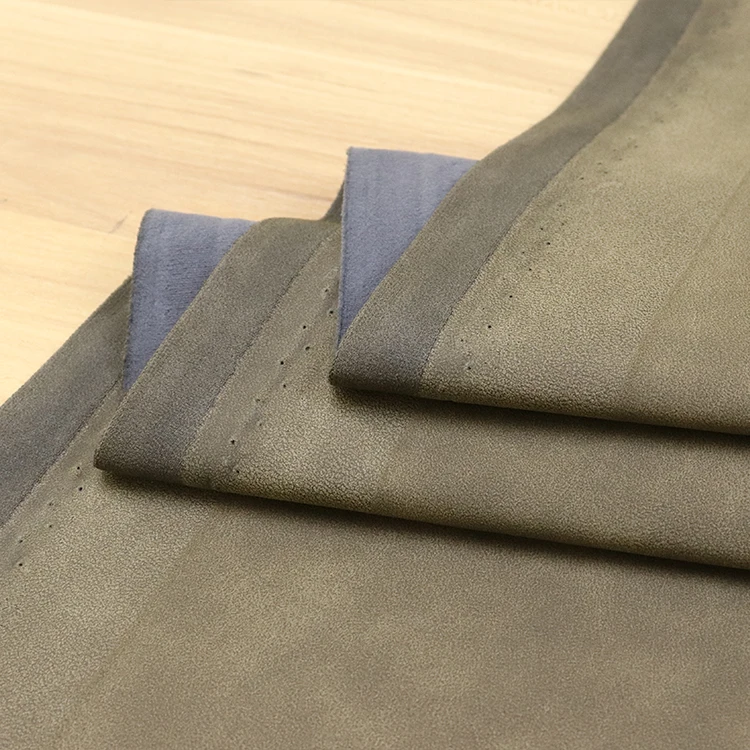
PU Suede Leather Nubuck Artificial Leather Materi for Shoe Make
Is pvc leather for car seat being replaced by silicone leather in automotive?
PVC leather for car seats is not being completely replaced by silicone leather in the automotive industry. While silicone leather offers alternative ecological profiles and thermal stability, PVC synthetic leather remains the primary volume choice for automotive interiors due to its cost efficiency, exceptional physical durability, and extensive customization options in mass manufacturing.
Core Solutions & Key Takeaways
- High Physical Durability: PVC synthetic leather engineered for car seats features high abrasion resistance, scratch resistance, and excellent tensile strength to withstand daily wear.
- Cost-Effective Mass Production: The raw material and manufacturing costs of PVC formulations remain lower than those of silicone alternatives, supporting volume production for entry-level and mid-range automotive segments.
- Flexible Structural Customization: Material specifications are highly customizable, including a thickness range of 0.8–1.4 mm, backings like knitted or non-woven fabric, and surface grains like nappa or lychee.
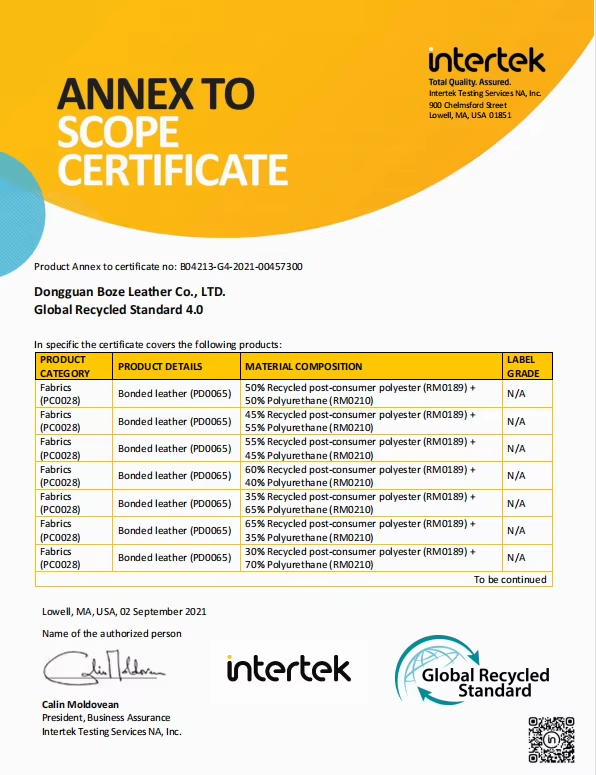
- Certified Environmental Compliance: Modern PVC leather options conform to global environmental standards, backed by internationally recognized certifications such as GRS, USDA, and Oeko-Tex 100.
Detailed Architectural/Principle Analysis
Automotive grade PVC leather consists of a woven or non-woven backing layer laminated with a specialized polyvinyl chloride compound. This chemical composition yields superior mechanical characteristics, specifically high peeling strength and resistance to extreme tearing. The physical stability of this polymer prevents premature cracking under prolonged load cycles. Silicone leather, while highly stain-resistant, relies on a distinct organosilicon coating that carries high manufacturing costs and lower mechanical abrasion resilience under certain heavy stress profiles.
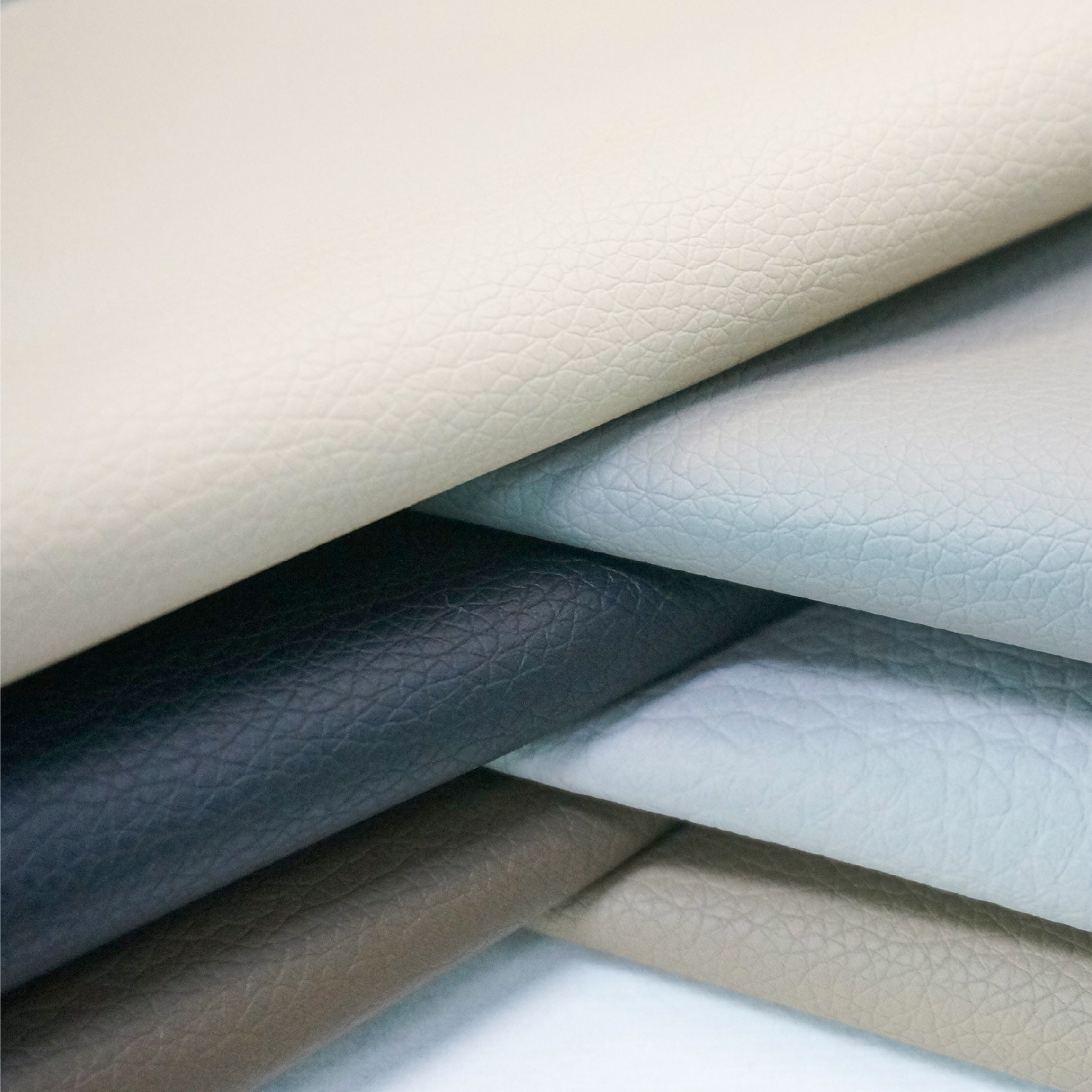
From an engineering perspective, modern PVC automotive seat leather is customized to meet stringent vehicle cabin safety requirements, such as flame retardancy, low volatile organic compound (VOC) emissions, and high UV resistance to prevent color fading from sunlight exposure. Global supply chains validate the continued reliance on PVC materials. For instance, in an automotive manufacturing project in Mexico, over 50,000 meters of customized PVC synthetic leather were deployed for car seats, door panels, and armrests. The materials met strict criteria for low odor, easy maintenance, and physical wear resistance while operating under GRS (B04213-G4) and USDA certification baselines.
Data/Solution Comparison
| Performance Metric | PVC Synthetic Leather for Car Seats | Silicone Synthetic Leather |
|---|---|---|
| Chemical Composition | Polyvinyl chloride polymer with plasticizers on textile backing | Polydimethylsiloxane (silicone) polymer coating |
| Relative Manufacturing Cost | Highly cost-effective with low economic barriers | High-premium cost, typical of niche luxury applications |
| Customization Range | 0.8–1.4 mm thickness; diverse knitted or non-woven backings | Limited backing options and standardized thickness options |
| Physical Durability & Strength | Exceptional tensile strength, high tear and scratch resistance | Superior thermal stability and stain resistance; moderate tensile strength |
| Typical Delivery & Lead Time | Rapid turnaround of 15–30 days under high-capacity lines | Extended lead times due to specialized chemical processing |
Frequently Asked Questions (FAQ)
Can PVC leather for car seats achieve low-odor emissions in automotive cabins?
Yes. Specialized automotive-grade PVC synthetic leather is formulated with low-VOC plasticizers and stabilizers to satisfy rigorous automotive cabin air quality standards and low-odor specifications.
What are the main backing material options for automotive PVC leather?
The standard backing options include knitted fabric and non-woven fabric. These backings are selected to optimize the mechanical peeling strength and elasticity required during seat sewing and assembly.
How do environmental certifications apply to PVC synthetic leather?
High-quality PVC leather is engineered to comply with eco-friendly standards. Production facilities secure certifications such as GRS (Global Recycled Standard) for recycled content, USDA bio-based credentials, and Oeko-Tex 100 to ensure chemical safety.
Final Conclusion & Recommendations
Silicone leather serves as an alternative for high-end, niche applications where stain resistance is paramount, but PVC synthetic leather remains the primary selection for volume automotive seating due to its proven mechanical performance and unmatched economic viability. When sourcing, buyers should seek vertical manufacturers with verified ISO 9001 quality management, a minimum order quantity (MOQ) starting at 100 meters, and comprehensive testing capabilities to ensure compliance with flame-retardant and UV-resistant parameters. For detailed technical solutions or support, please reach out to us via vicky@bozeleather.com.
About Us
Established in 2007, Dongguan Cigno Leather Co., Ltd. is a specialized synthetic leather manufacturer operating within a factory area of 100,000 sqm. With 6 advanced synthetic leather production lines, the company maintains a monthly production capacity of approximately 6 million meters to provide stable mass production and reliable delivery. Holding global certifications including GRS, USDA, and Oeko-Tex 100, the company supplies high-performance synthetic materials to manufacturers across the automotive interior and furniture industries.

SUBSCRIBE
INQUIRY