
PRODUCTS
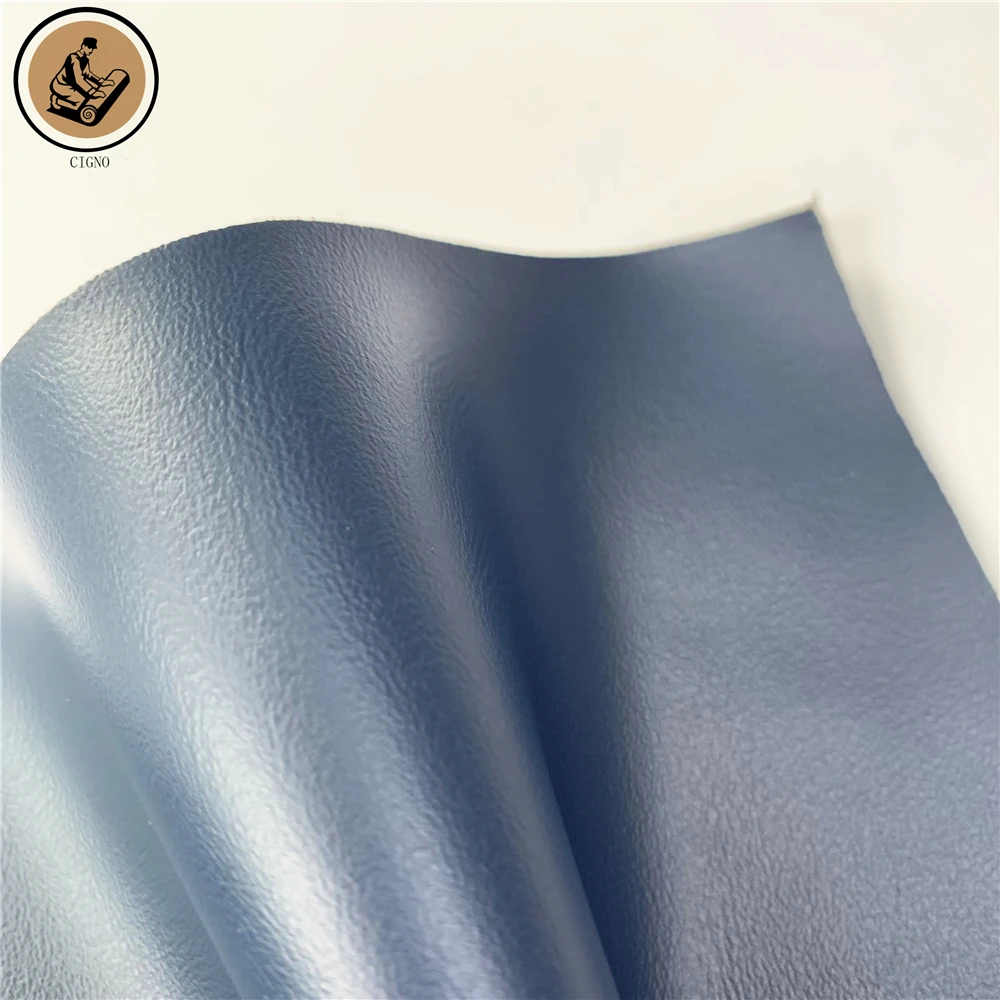
High Quality Eco-Friendly 1.2mm PU Synthetic Leather Furniture Upholstery Solvent-Free Skin-Feel for Sofa Car Seat Chair Bag Use
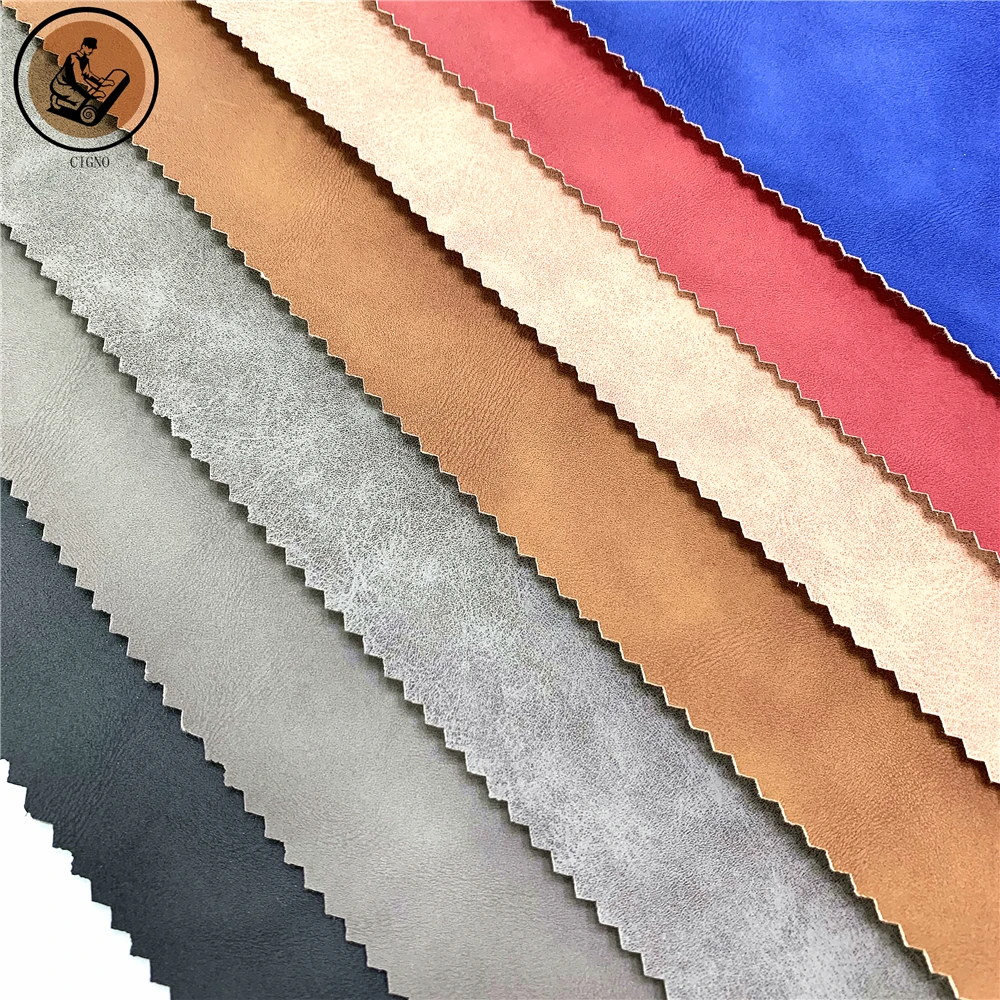
Free Samples of Embossed PU Synthetic Leather Bags Shoes Sofa Furniture Garments Car Decorative Uses-Waterproof Stretch Features
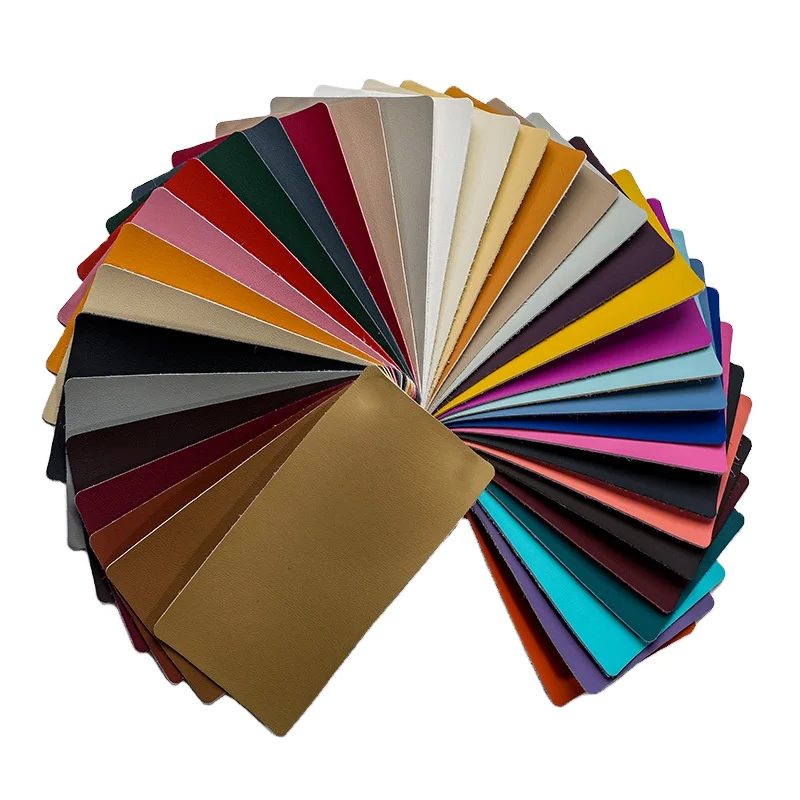
Pvc Vinyl Leather Rexine Leather Faux for Cars/Motorcycles, Waterproof Embossed Recycling Leatherette for Automotive Leather
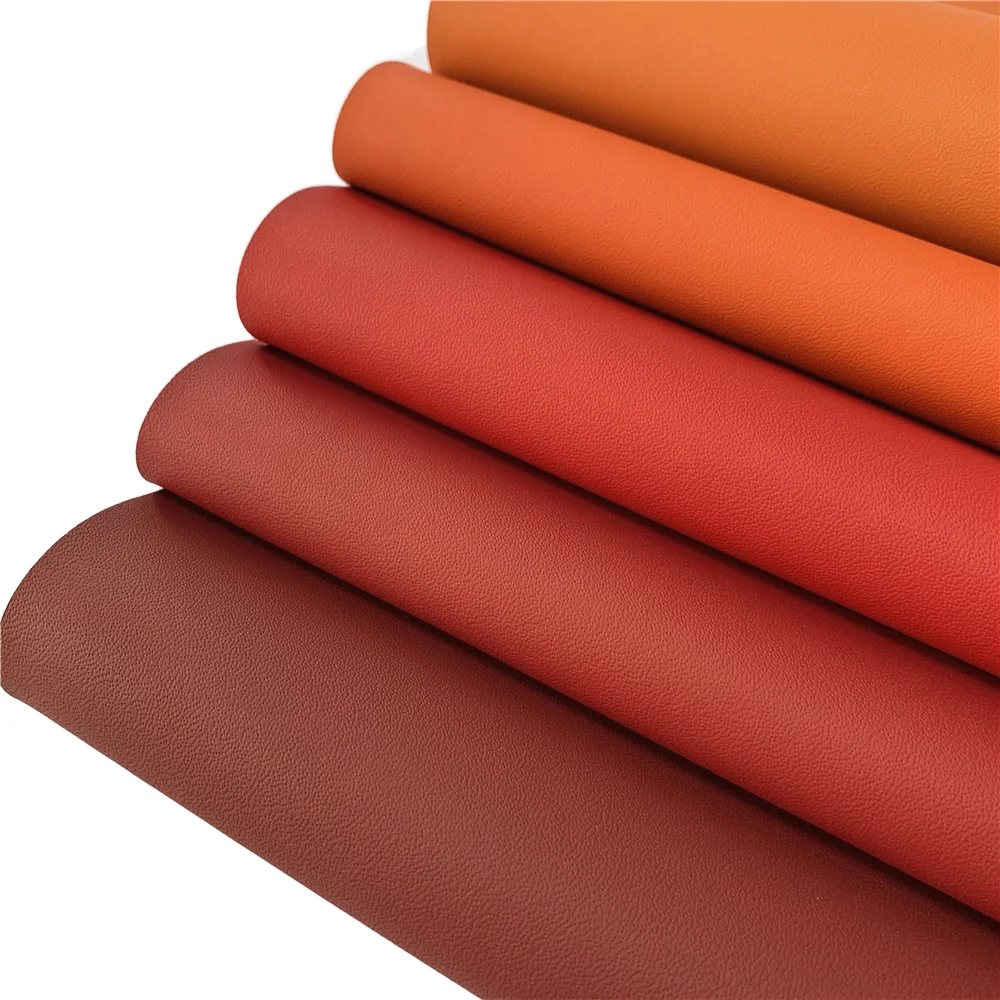
Hydrolysis Resistant Waterproof PU Microfiber Suede Leather Fabric Furniture Car Seat Covers Automotive Upholstery Bags Sofas
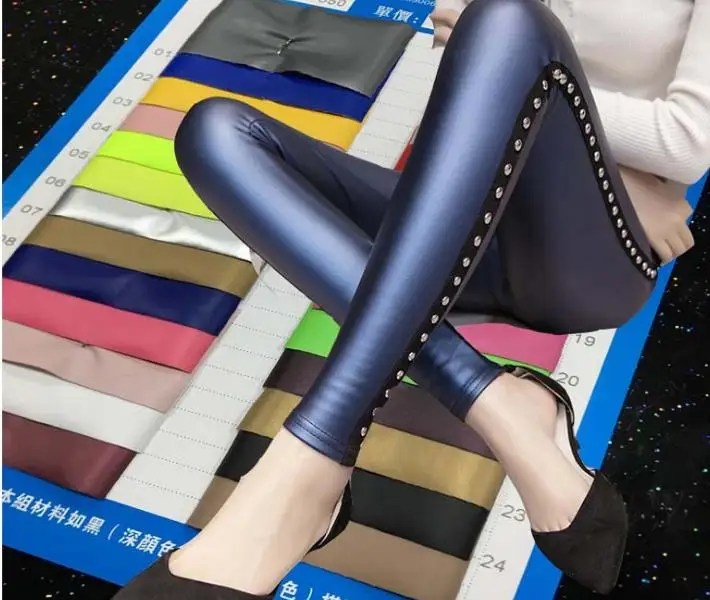
Ultra-Bright Black Mirror Four-Sided Stretch PU Fabric Pants Dresses Solid Color Soft Waterproof Clothing Elastic Finished
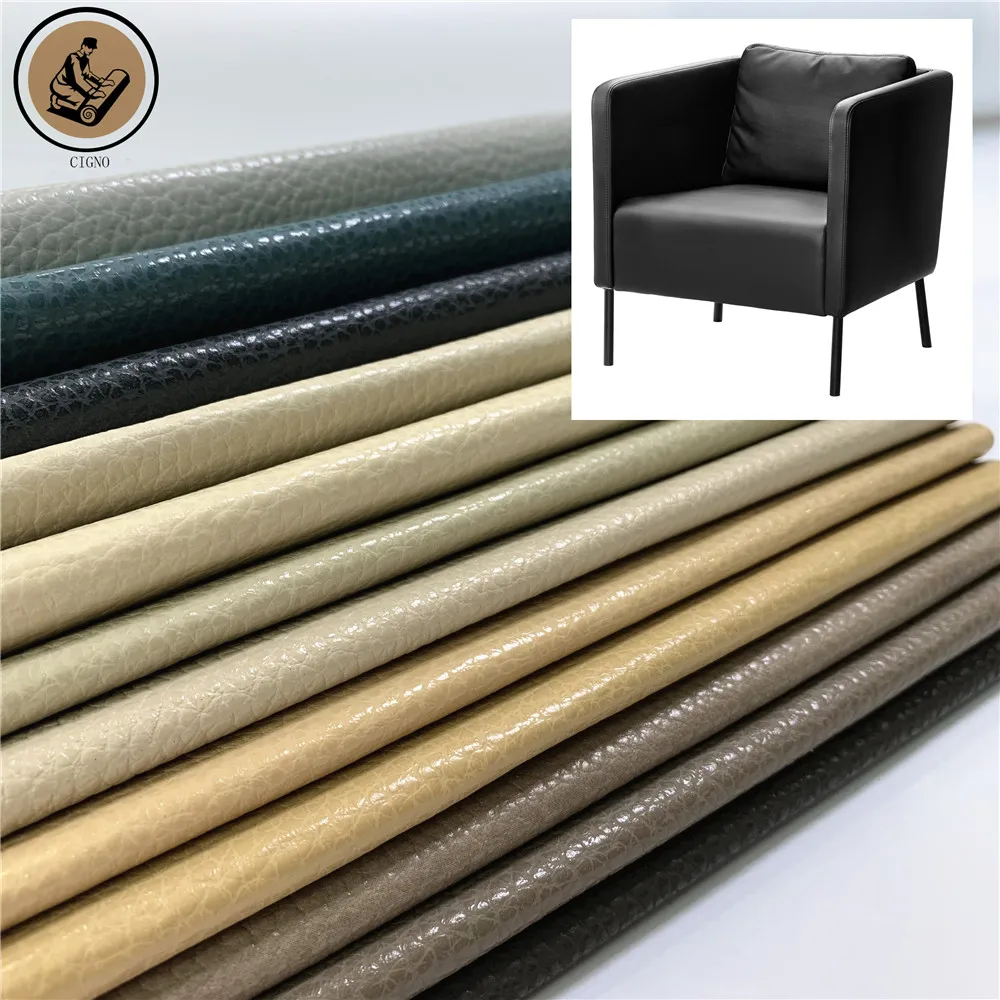
Litchi Lychee Grain 1.2mm PU Microfiber Leather Eco-Friendly Synthetic Leather Sofa Car Seat Handbags-Pearly-Lustre Recycled
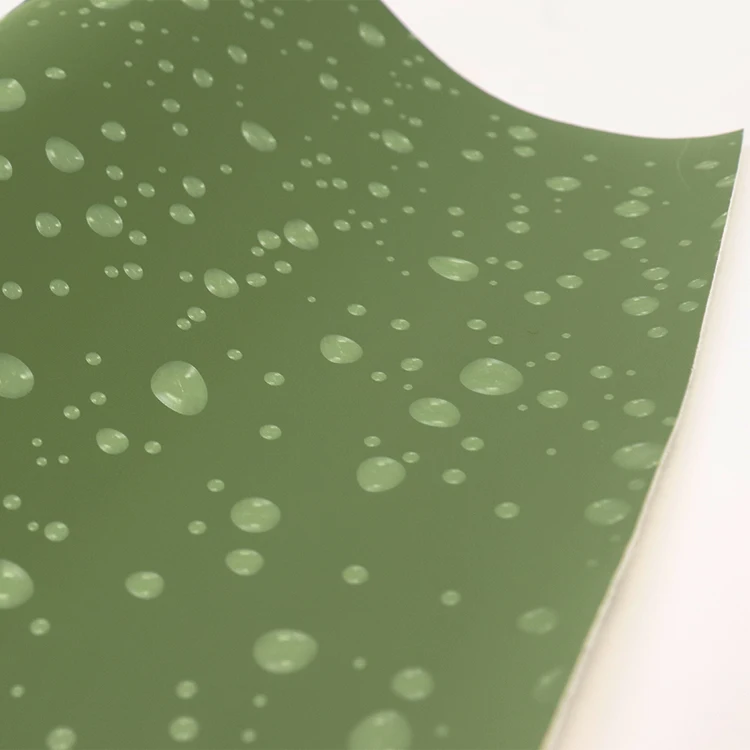
Custom Designer Faux Leather Fabric PVC Synthetic Leather Waterproof Sofa Bag Furniture Chair Woven Backing-Price Per Meter
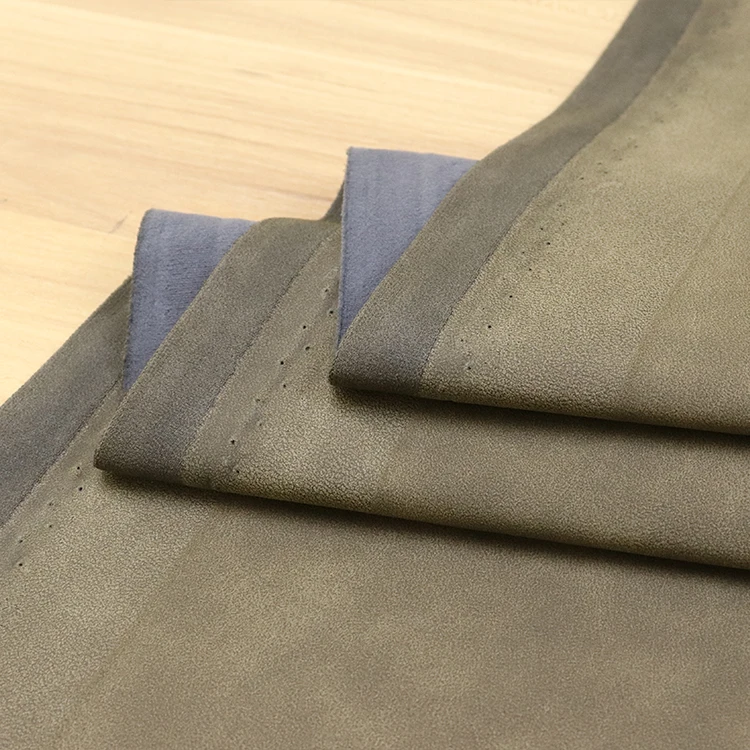
PU Suede Leather Nubuck Artificial Leather Materi for Shoe Make
Is there a shift from PVC to polyurethane for car seat covers leather?
A significant transition from PVC to polyurethane (PU) and advanced synthetic alternatives is underway in the automotive upholstery industry. While PVC remains valued for cost-effectiveness, polyurethane and microfiber leather dominate modern car seat covers due to superior flexibility, enhanced breathability, environmental compliance, and better resistance to extreme temperatures.
Core Solutions & Key Takeaways
- Material Evolution: Manufacturers are replacing traditional PVC with polyurethane and high-performance microfiber leather to meet demanding automotive standards.
- Performance Advantages: Polyurethane-based synthetic leather delivers superior scratch resistance, low-temperature flexibility, and a realistic leather tactile feel.
- Sustainability and Compliance: Modern polyurethane alternatives satisfy strict international ecological standards, offering fluorine-free and low-VOC profiles.
- Application Scope: These materials are widely utilized in high-wear zones including automotive seats, door panels, armrests, and headrests.
Detailed Architectural/Principle Analysis
The transition from PVC to polyurethane (PU) in automotive interiors is driven by chemical stability and physical performance requirements. PVC leather relies heavily on plasticizers to achieve flexibility, which can migrate over time, leading to material hardening, cracking, and fogging on interior glass. In contrast, polyurethane is inherently flexible due to its molecular structure, eliminating the need for volatile plasticizers and resulting in a low-odor interior environment.
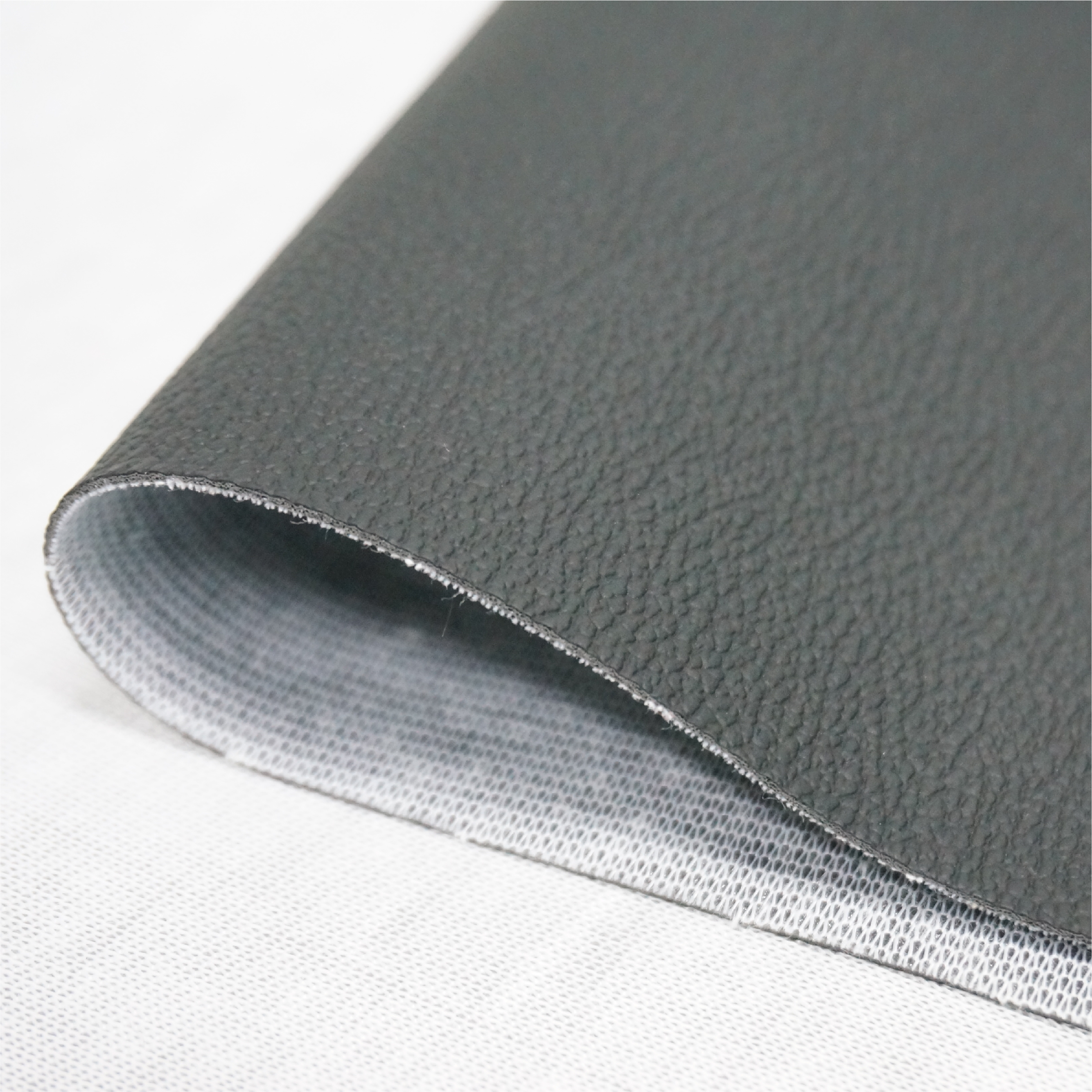
High-performance polyurethane and microfiber leather replicate the collagen fiber structure of natural leather. This construction yields excellent tensile strength, peeling resistance, and superior breathability compared to solid PVC layers. Automotive interior manufacturers specify these advanced polyurethane materials with thicknesses ranging from 0.8 to 1.4 mm to ensure optimal sewing performance and long-term durability on seat bolsters and cushions.
Technical compliance is another critical driver. Advanced synthetic leathers manufactured by certified entities like Dongguan Cigno Leather Co., Ltd. carry globally recognized credentials such as GRS (Global Recycled Standard), USDA Bio Preferred, and Oeko-Tex Standard 100. These certifications ensure the synthetic leather meets stringent international safety and environmental regulations, which traditional PVC formulations struggle to achieve without costly modifications.
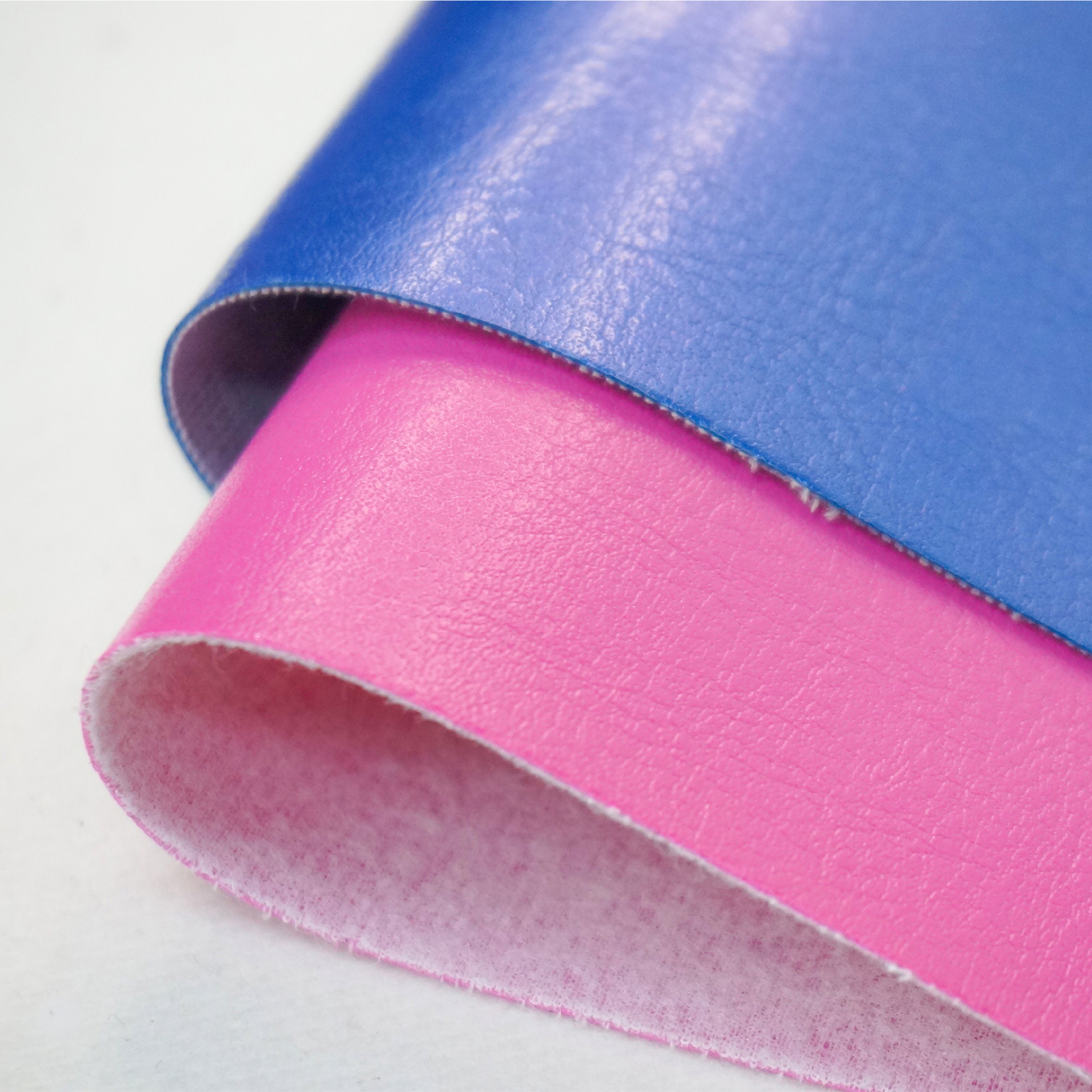
Real-world implementation highlights the viability of this material shift. For instance, in an automotive interior project in Mexico, an interior manufacturer successfully integrated 50,000 meters of customized synthetic leather for automotive seats, door panels, and headrests. The customized material met strict specifications for abrasion resistance, UV stability, flame retardancy, low odor, and easy-cleaning performance, demonstrating the practical advantages of high-tier synthetic leather over basic PVC options.
Data/Solution Comparison
The following table compares key technical parameters of PVC, standard polyurethane (PU), and high-performance microfiber leather used in automotive upholstery applications:
| Technical Parameter | Traditional PVC Leather | Polyurethane (PU) Leather | Microfiber Polyurethane Leather |
|---|---|---|---|
| Standard Thickness | 0.8 – 1.2 mm | 0.8 – 1.4 mm | 1.0 – 1.4 mm |
| Flexibility & Touch | Stiff, temperature-sensitive | Soft, medium elasticity | Highly flexible, natural leather feel |
| Abrasion Resistance | Moderate (prone to cracking) | High | Excellent (scratch-resistant) |
| VOC & Odor Level | Higher (due to plasticizers) | Low to ultra-low | Ultra-low (solvent-free options) |
| Environmental Certifications | Limited | Oeko-Tex 100, USDA | GRS, USDA, Oeko-Tex 100 |
| Common Applications | Low-cost seating trim, backing | Seat covers, armrests, door panels | Premium seats, steering wheels |
Frequently Asked Questions (FAQ)
What are the main performance benefits of polyurethane over PVC for car seats?
Polyurethane offers superior cold-crack resistance, a softer and more realistic leather texture, better breathability, and higher scratch resistance. It does not release plasticizers, preventing the material from becoming brittle over time.
Can polyurethane synthetic leather match the flame-retardant needs of the automotive industry?
Yes. Advanced polyurethane synthetic leather is engineered with specialized flame-retardant additives to pass strict automotive safety standards. Manufacturers can provide accompanying test reports for flame retardancy, anti-mold, and UV resistance.
What is the typical minimum order quantity (MOQ) for automotive-grade synthetic leather?
For customized colors, grains, and finishes tailored for automotive seat covers, the standard minimum order quantity is 1,000 meters per color, with delivery timelines ranging between 15 and 30 days after order confirmation.
Final Conclusion & Recommendations
The automotive industry continues to transition toward polyurethane and microfiber synthetic leathers to satisfy consumer demands for comfort, longevity, and environmental sustainability. For purchasing managers and tier-one suppliers, transitioning to certified polyurethane materials ensures compliance with global standards while upgrading the tactile quality of vehicle interiors. For inquiries regarding custom color matching, grain development, or technical specifications, please contact us via vicky@bozeleather.com.
About Us
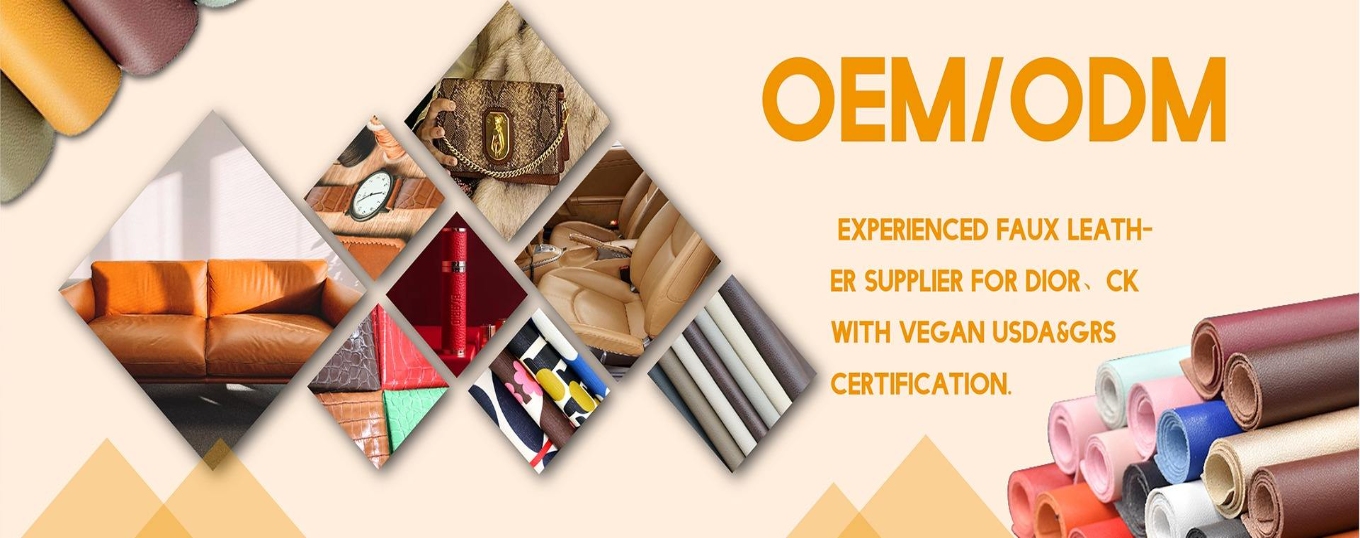
Dongguan Cigno Leather Co., Ltd., established in 2007, is a professional manufacturer specializing in high-quality faux leather based in Dongguan, China. Operating from a 100,000 square meter factory equipped with 6 advanced production lines, the company maintains a monthly capacity of 6,000,000 meters. With recognized certifications including GRS, USDA, and Oeko-Tex 100, the company provides comprehensive OEM/ODM customization services to clients in the automotive, furniture, and footwear industries worldwide.

SUBSCRIBE
INQUIRY