
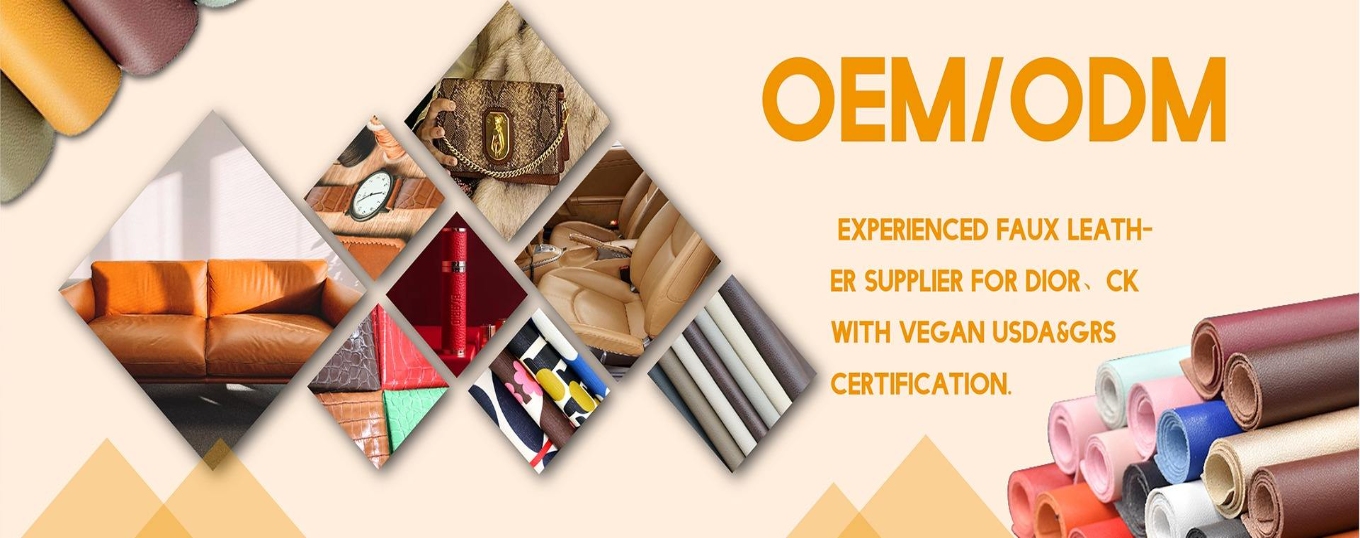
PRODUCTS
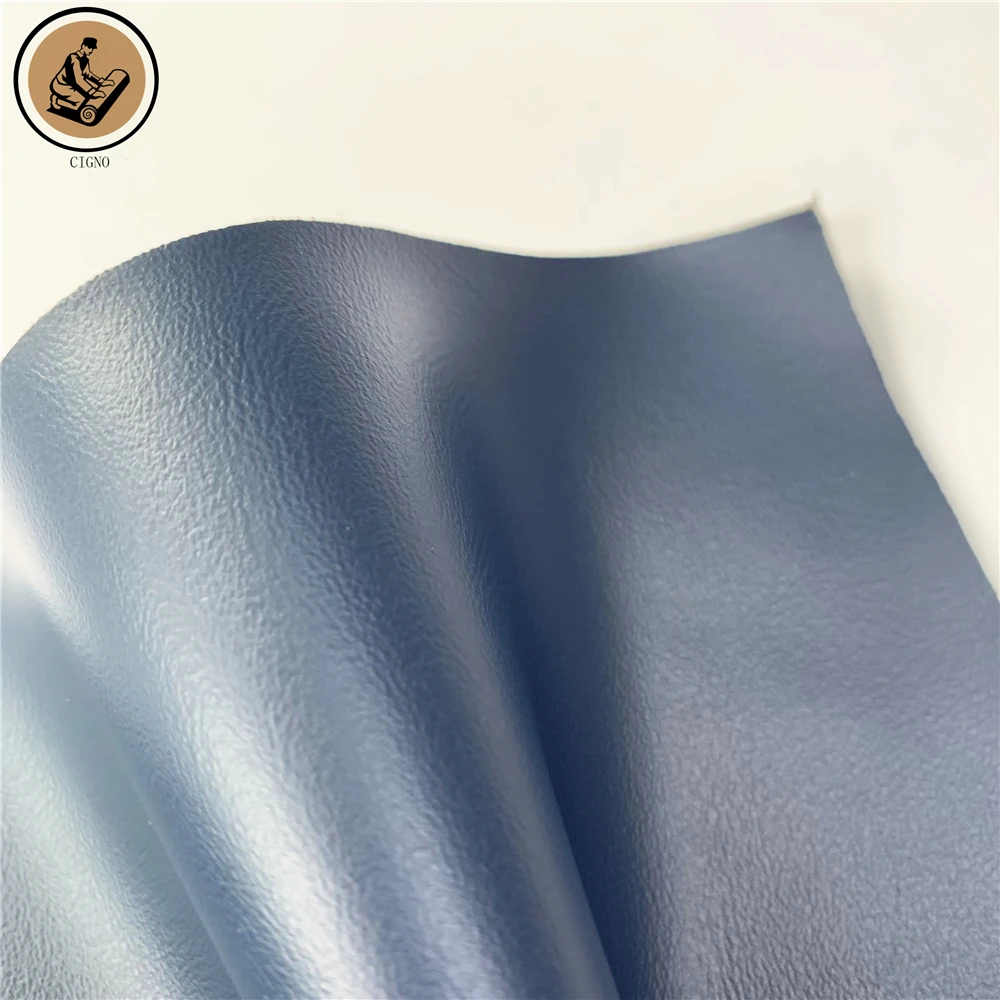
High Quality Eco-Friendly 1.2mm PU Synthetic Leather Furniture Upholstery Solvent-Free Skin-Feel for Sofa Car Seat Chair Bag Use
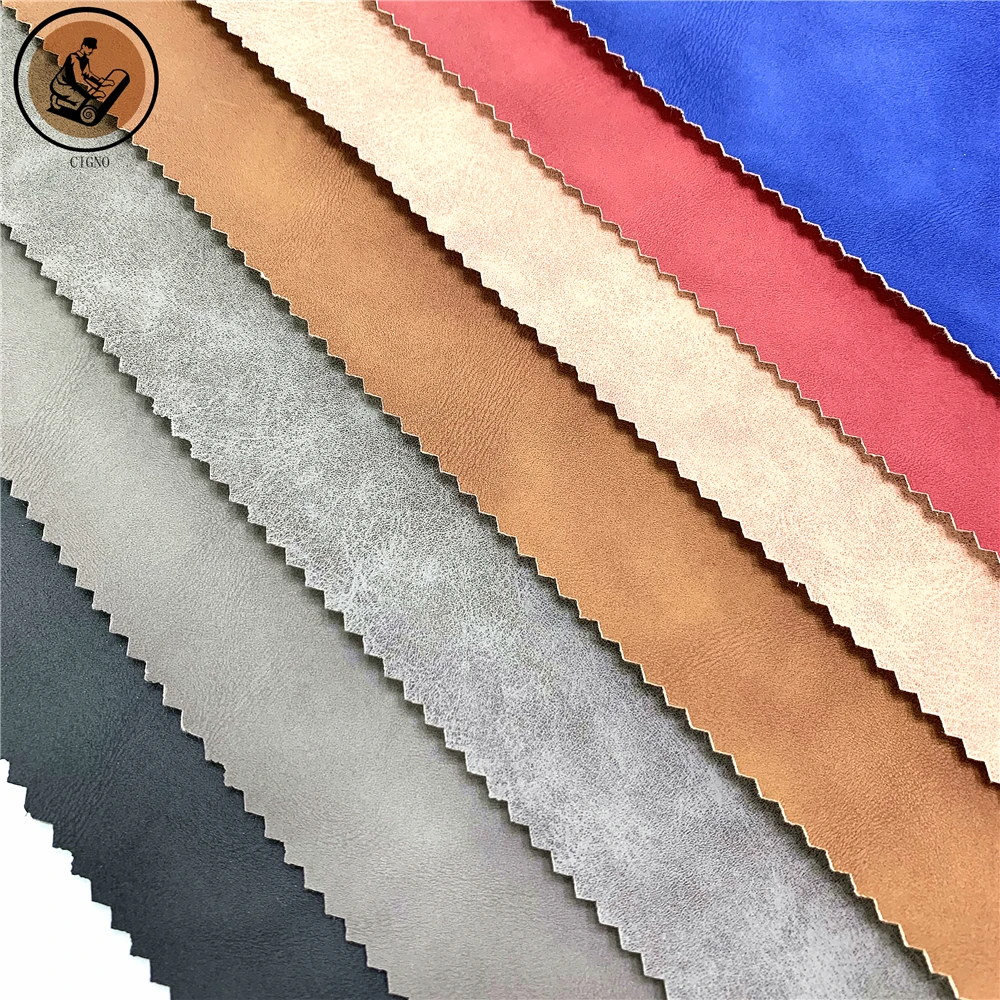
Free Samples of Embossed PU Synthetic Leather Bags Shoes Sofa Furniture Garments Car Decorative Uses-Waterproof Stretch Features
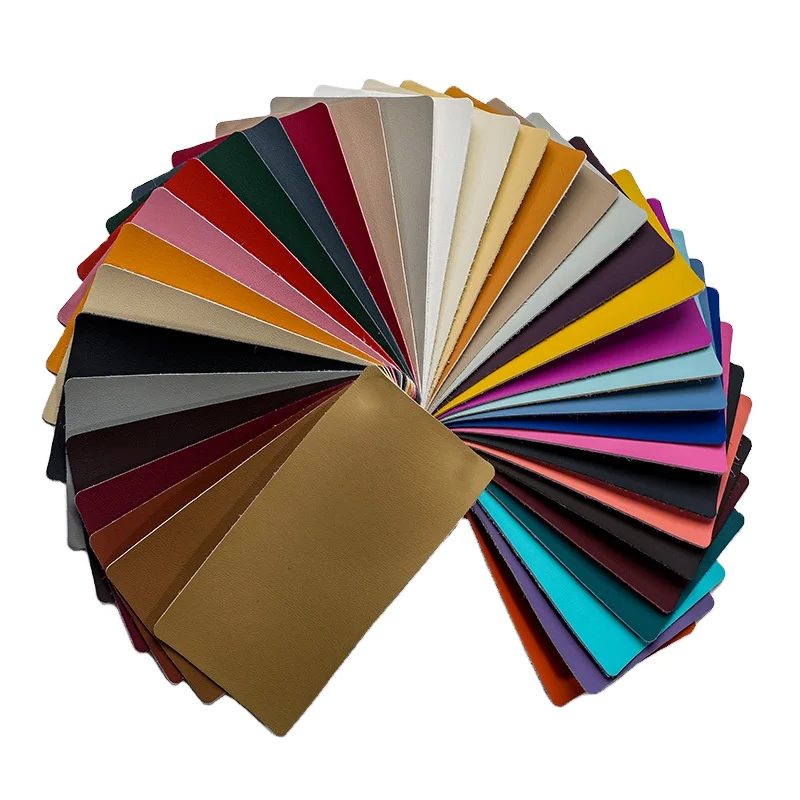
Pvc Vinyl Leather Rexine Leather Faux for Cars/Motorcycles, Waterproof Embossed Recycling Leatherette for Automotive Leather
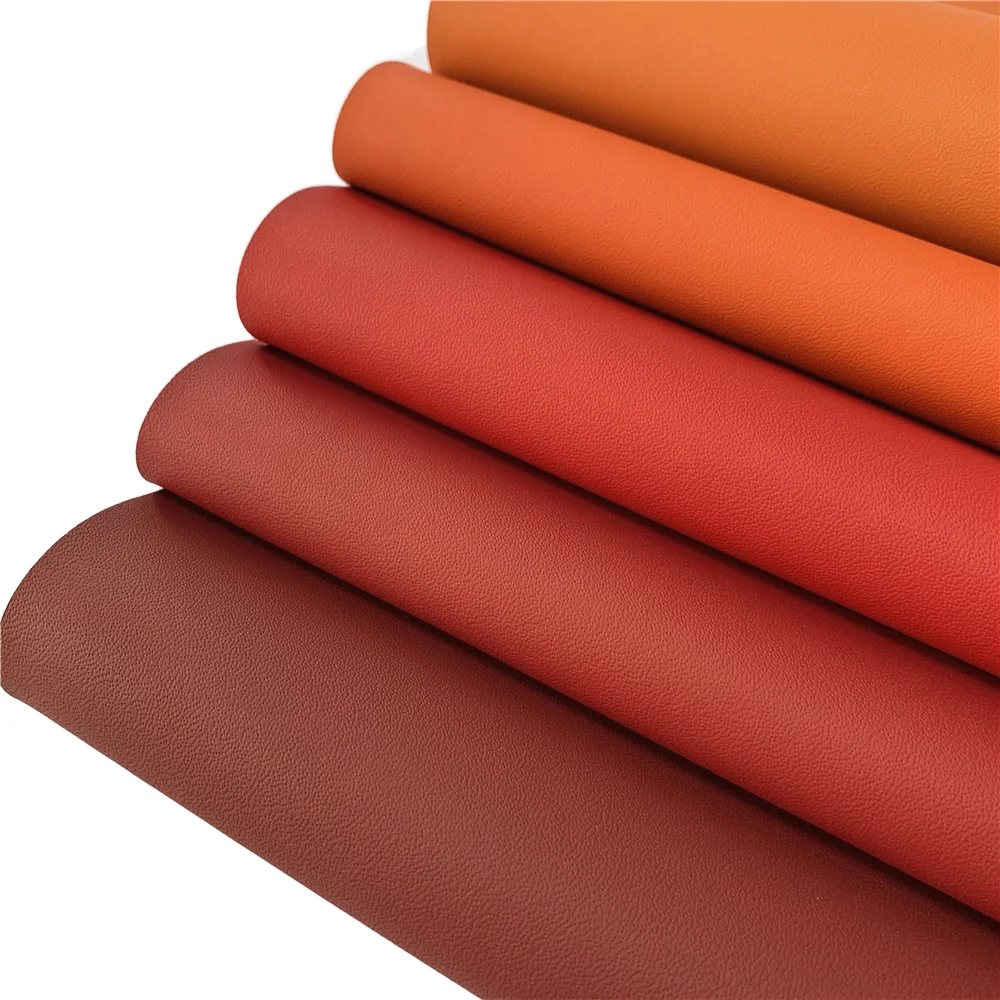
Hydrolysis Resistant Waterproof PU Microfiber Suede Leather Fabric Furniture Car Seat Covers Automotive Upholstery Bags Sofas
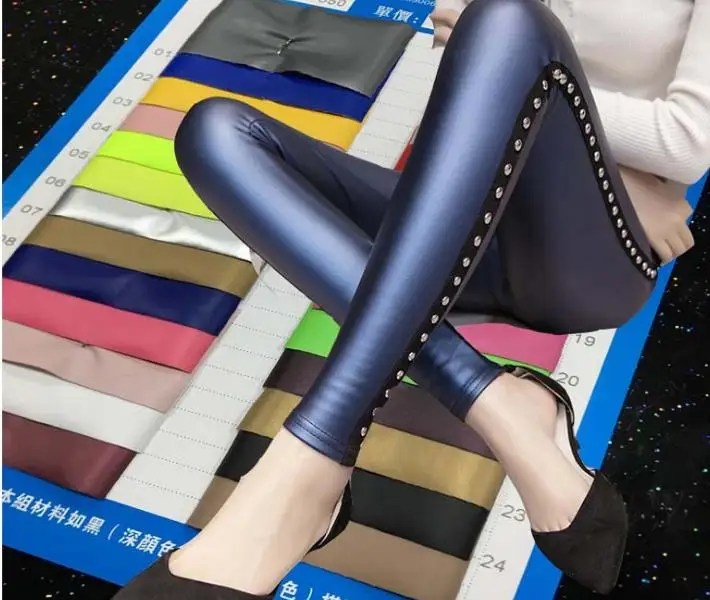
Ultra-Bright Black Mirror Four-Sided Stretch PU Fabric Pants Dresses Solid Color Soft Waterproof Clothing Elastic Finished
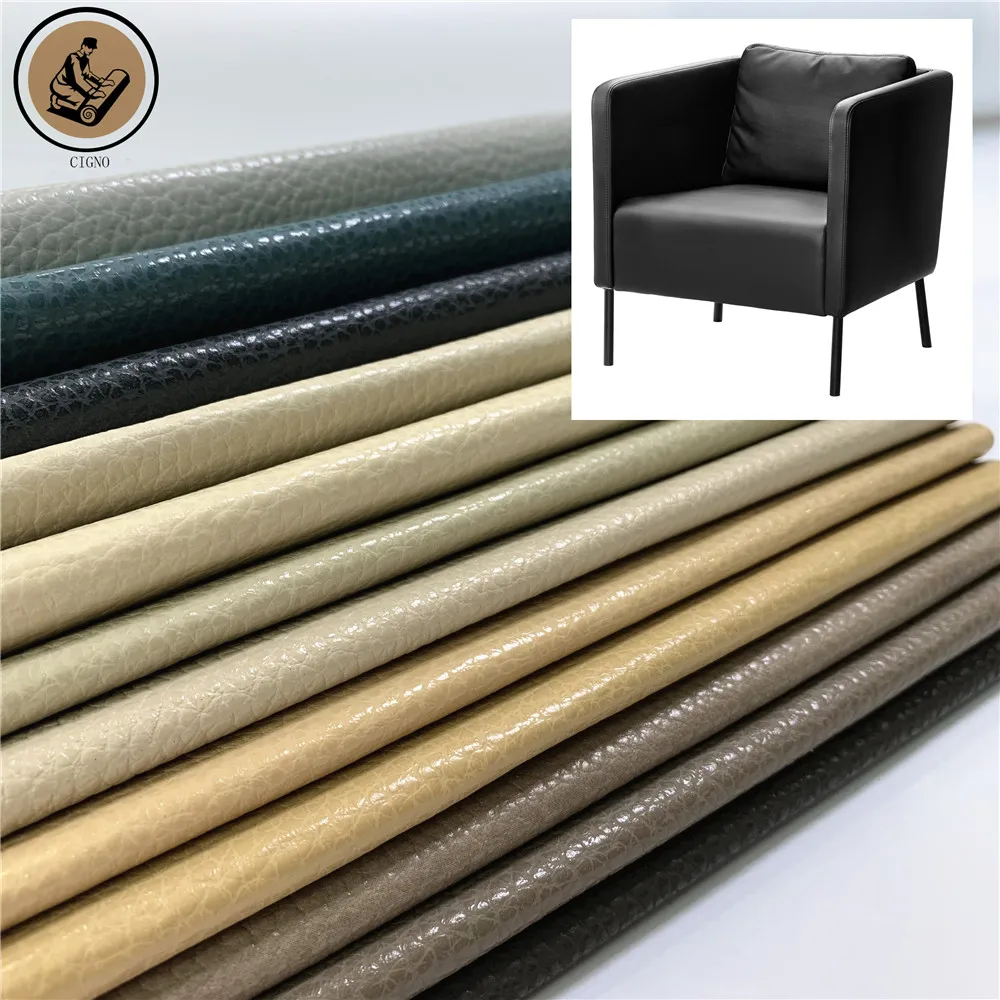
Litchi Lychee Grain 1.2mm PU Microfiber Leather Eco-Friendly Synthetic Leather Sofa Car Seat Handbags-Pearly-Lustre Recycled
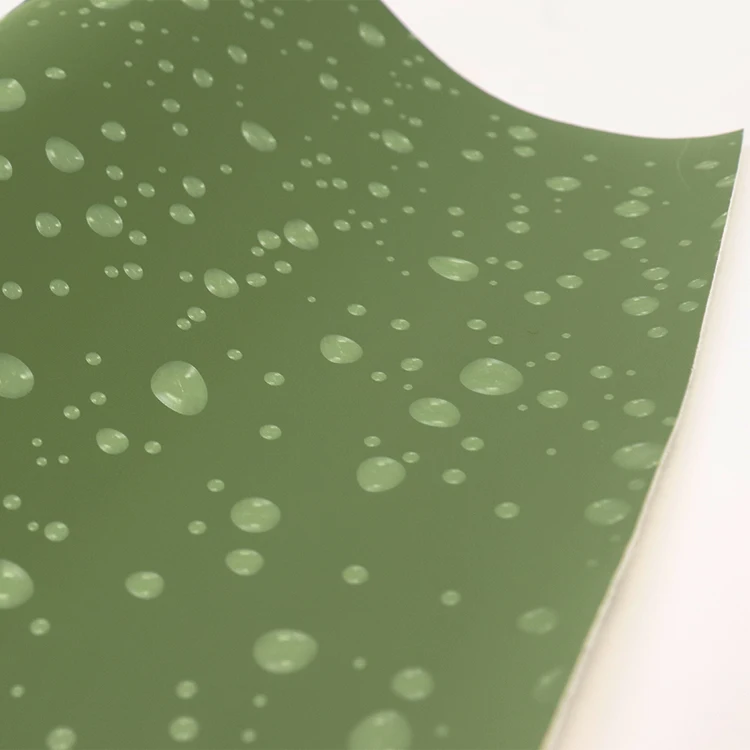
Custom Designer Faux Leather Fabric PVC Synthetic Leather Waterproof Sofa Bag Furniture Chair Woven Backing-Price Per Meter
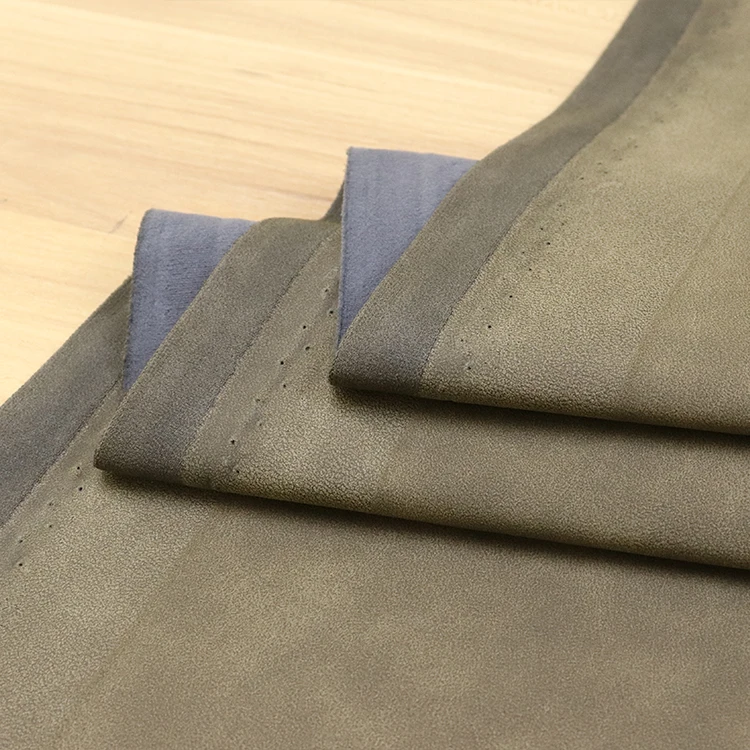
PU Suede Leather Nubuck Artificial Leather Materi for Shoe Make
Is this vegetan leather prone to water spotting during daily heavy use?
No, this vegan leather is not prone to water spotting during daily heavy use. Engineered as a high-performance synthetic material, it is inherently water-resistant and scratch-resistant. Unlike traditional vegetable-tanned animal leather, which absorbs moisture and stains easily, this synthetic alternative maintains its surface integrity and color consistency when exposed to water, making it highly durable for everyday applications.
Core Solutions & Key Takeaways
- Inherent Water Resistance: Developed using advanced polyurethane (PU), microfiber, water-based, or bio-based polymers, the material prevents liquid penetration, eliminating the risk of water marks.
- Enhanced Surface Durability: The synthetic leather features a protective topcoat designed for abrasion resistance, scratch resistance, and easy-clean performance.
- Versatile Application Scenarios: This material is optimized for heavy-use items, including bag manufacturing (handbags, backpacks, wallets, luggage) and demanding automotive and furniture upholstery, such as car seat covers, door panels, and sofas.
- Ethical and Practical Alternative: It replicates the aesthetic of genuine leather while offering machine-washable properties and robust environmental resistance without utilizing animal-based inputs.
Detailed Architectural/Principle Analysis
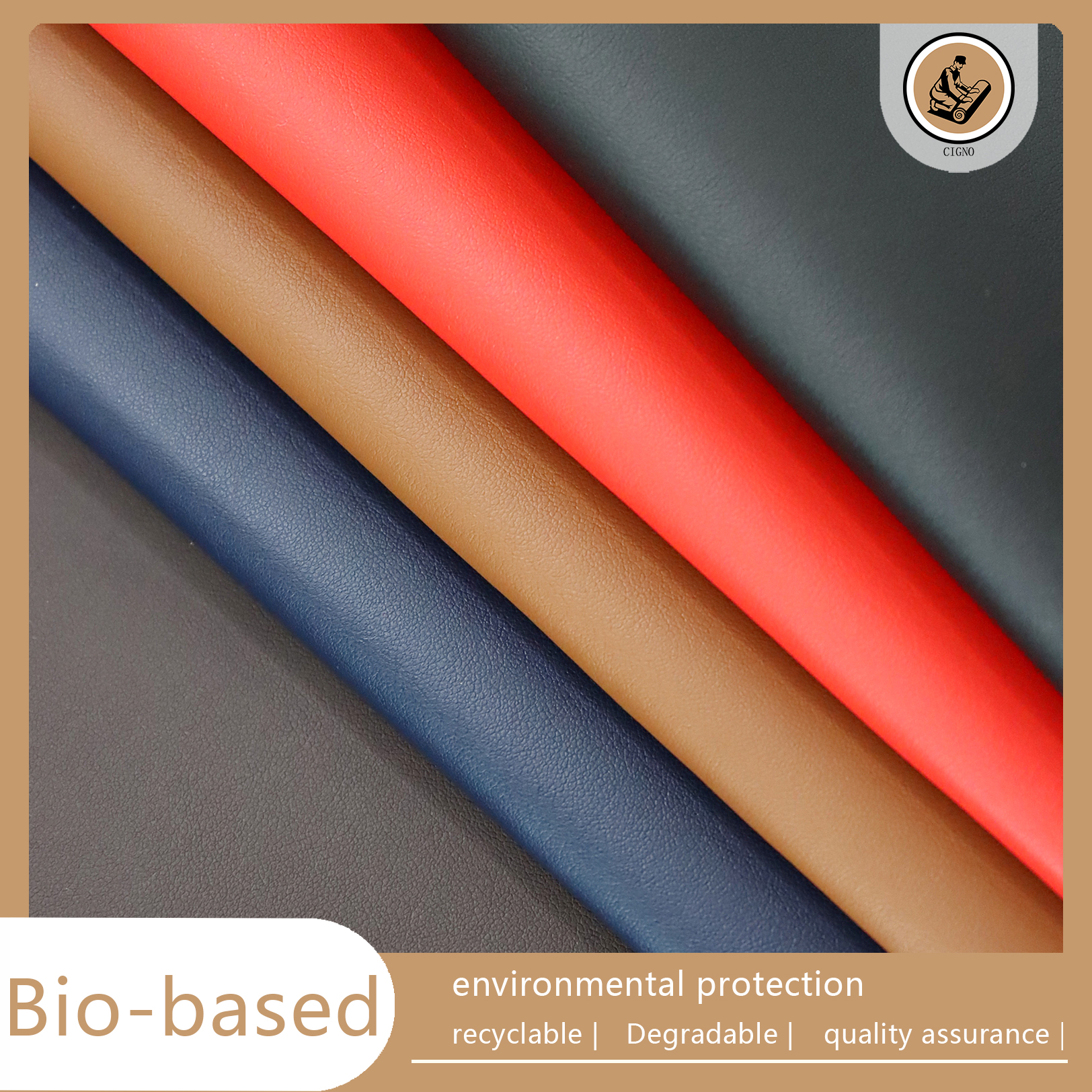
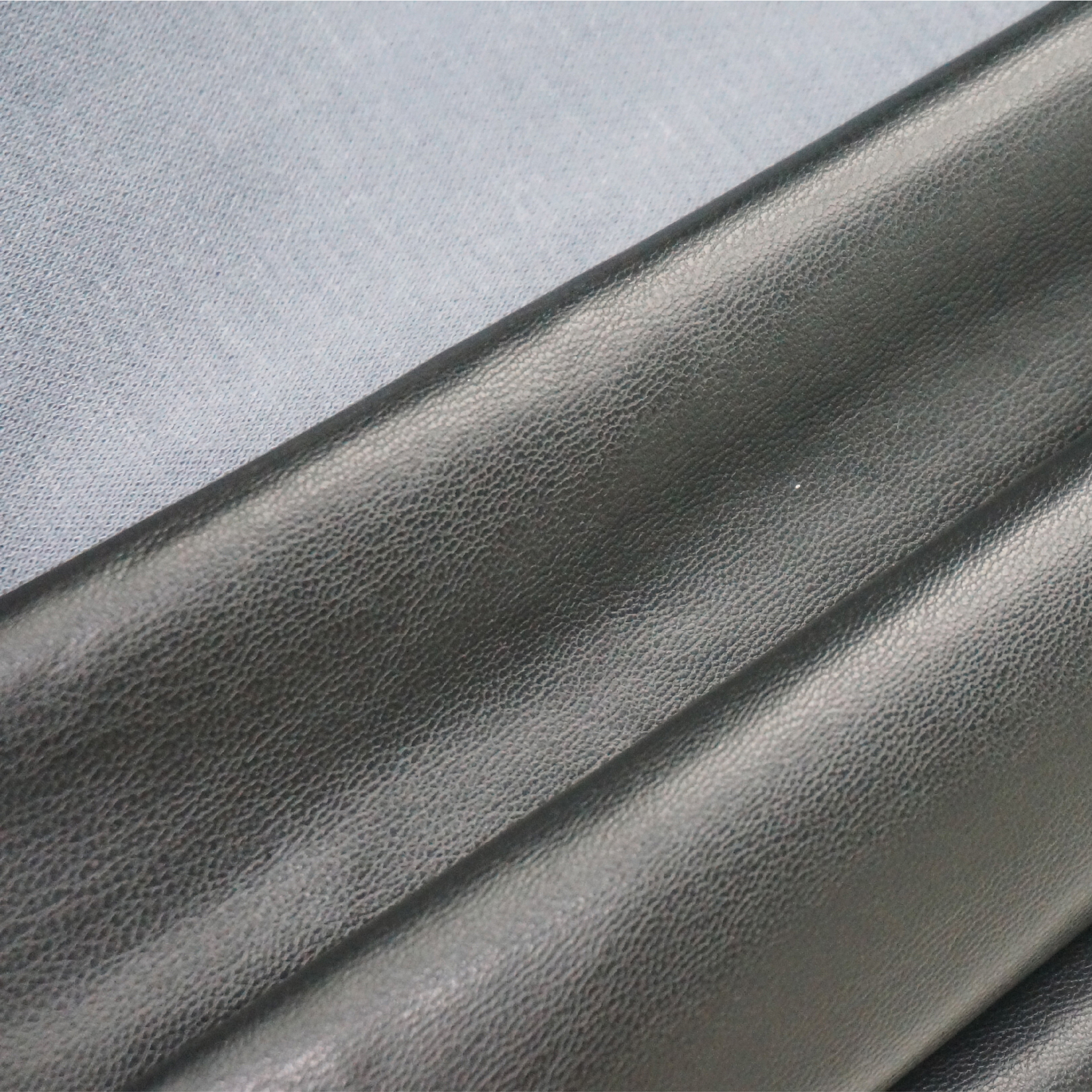
Traditional vegetable-tanned animal leather relies on porous organic structures that readily absorb environmental moisture, leading to swelling, fiber distortion, and permanent water spotting. In contrast, the vegan leather manufactured by Dongguan Cigno Leather Co., Ltd. utilizes non-porous polymer chemistry. Whether formulated from PU, microfiber, or bio-based options, the surface layer forms a continuous, hydrophobic barrier that forces water to bead up and roll off rather than penetrate the substrate.
This molecular configuration ensures that the material survives daily heavy use, such as exposure to rain or accidental spills, without structural degradation. In a performance case from Mexico, an automotive interior manufacturer utilized 50,000 meters of this customized synthetic leather for automotive seats and armrests. The material successfully met rigorous requirements for low odor, UV resistance, easy-clean performance, and stable color consistency under high-exposure conditions, demonstrating its superior resilience compared to traditional materials.
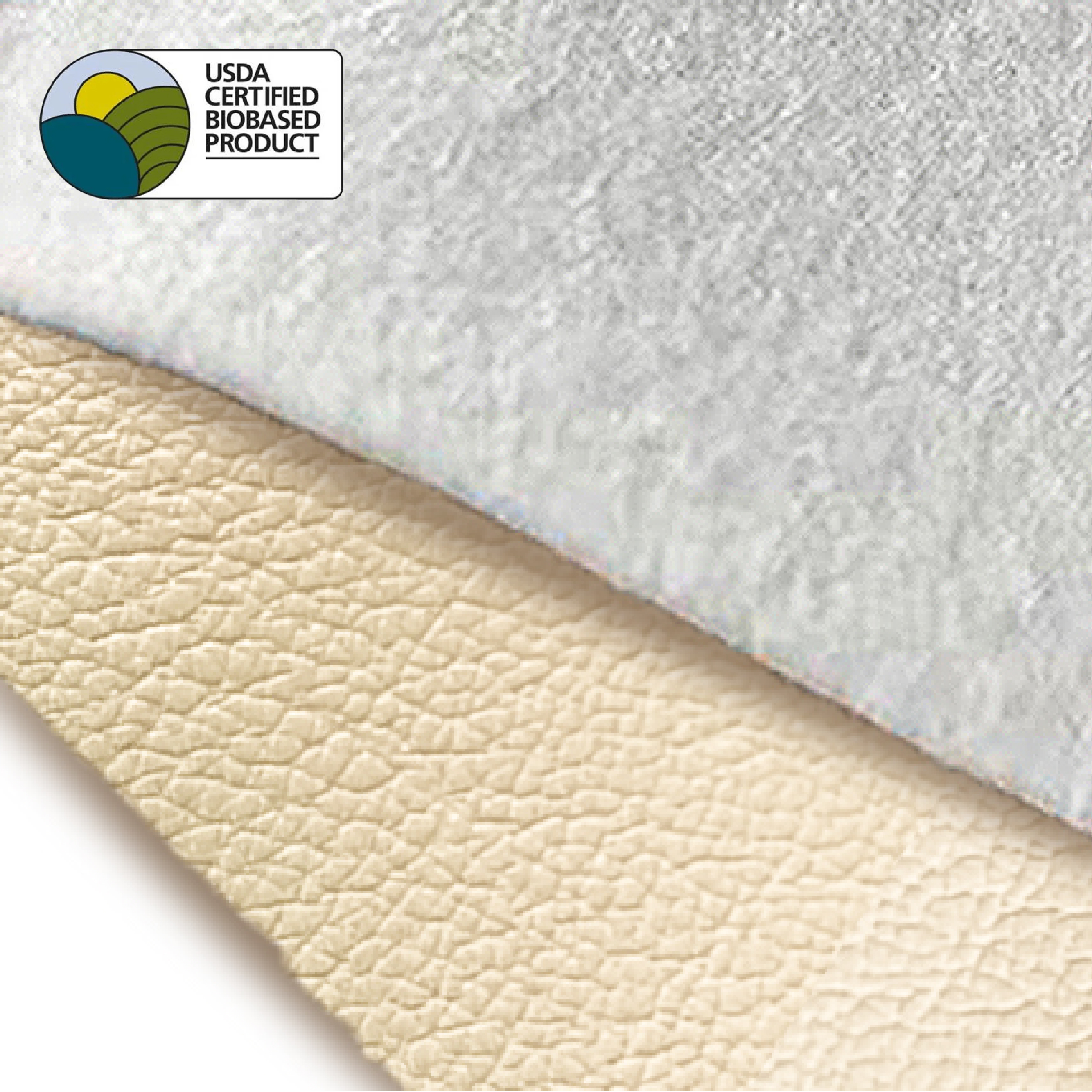
Furthermore, the environmental and safety profiles of these materials are verified by international standards. The synthetic leather holds global certifications including USDA bio-based certification, Global Recycled Standard (GRS) for sustainable material composition, and Oeko-Tex 100 for chemical safety. It also complies with strict industry regulations, offering verified test reports for antibacterial, anti-mold, fluorine-free, and flame-retardant performance, making it a reliable choice for global consumer brands.
Data/Solution Comparison
The following table outlines the performance differences between synthetic vegan leather and traditional animal-based vegetable-tanned leather under daily usage conditions:
| Performance Metric | Synthetic Vegan Leather (PU/Microfiber) | Traditional Vegetable-Tanned Leather |
|---|---|---|
| Water Spotting Susceptibility | Extremely Low (Hydrophobic surface) | High (Porous, absorbs liquids easily) |
| Maintenance Requirement | Low (Wipe clean, machine-washable options) | High (Requires specialized oils and conditioning) |
| Scratch & Abrasion Resistance | High (Engineered protective topcoat) | Moderate (Prone to scuffs and permanent marking) |
| Color Consistency | Excellent (Controlled industrial dyeing) | Variable (Natural shading and aging/patina) |
| Environmental Credentials | GRS and USDA Certified options available | High chemical and water consumption during tanning |
Frequently Asked Questions (FAQ)
Q1: How should I clean water spills or stains on this vegan leather bag?
A1: Liquid spills can be wiped away immediately with a dry or slightly damp cloth. Because the surface is non-porous and water-resistant, stains do not penetrate the material, making soap and water sufficient for routine maintenance.
Q2: Can this material withstand prolonged exposure to sunlight and outdoor elements?
A2: Yes, the synthetic material is engineered with UV-resistant properties. Unlike natural leather, which cracks and fades when exposed to sunlight, this vegan leather maintains its flexibility and color integrity during outdoor and heavy-use applications.
Q3: What customized options are available for bulk manufacturing orders?
A3: We support custom development for grains, colors, thicknesses, and backing fabrics. Performance characteristics such as flame retardancy, antibacterial properties, and specific environmental standards can also be tailored to client requirements.
Final Conclusion & Recommendations
Synthetic vegan leather represents a highly durable, low-maintenance, and water-resistant alternative to traditional animal hides, completely eliminating the risk of water spotting during daily heavy use. For manufacturing brands seeking to produce high-durability handbags, luggage, or automotive upholstery, choosing GRS and USDA-certified synthetic leather ensures both ecological compliance and superior physical performance. We support bulk orders with a minimum order quantity (MOQ) of 500 to 1,000 meters per color, delivering stable mass production with strict quality inspections. For detailed technical solutions or support, please reach out to us via vicky@bozeleather.com.
About Us
Dongguan Cigno Leather Co., Ltd., established in 2007, is a professional manufacturer specializing in high-quality faux leather based in Dongguan, China. The enterprise operates a factory area of 100,000 square meters, utilizes advanced production lines to achieve a monthly capacity of 6,000,000 meters, and focuses on the development of eco-friendly and multifunctional synthetic leather materials. Holding GRS, USDA, and Oeko-Tex 100 certifications, the company has served over 200 global brands in the fashion, furniture, and automotive interior industries.

SUBSCRIBE
INQUIRY