PRODUCTS
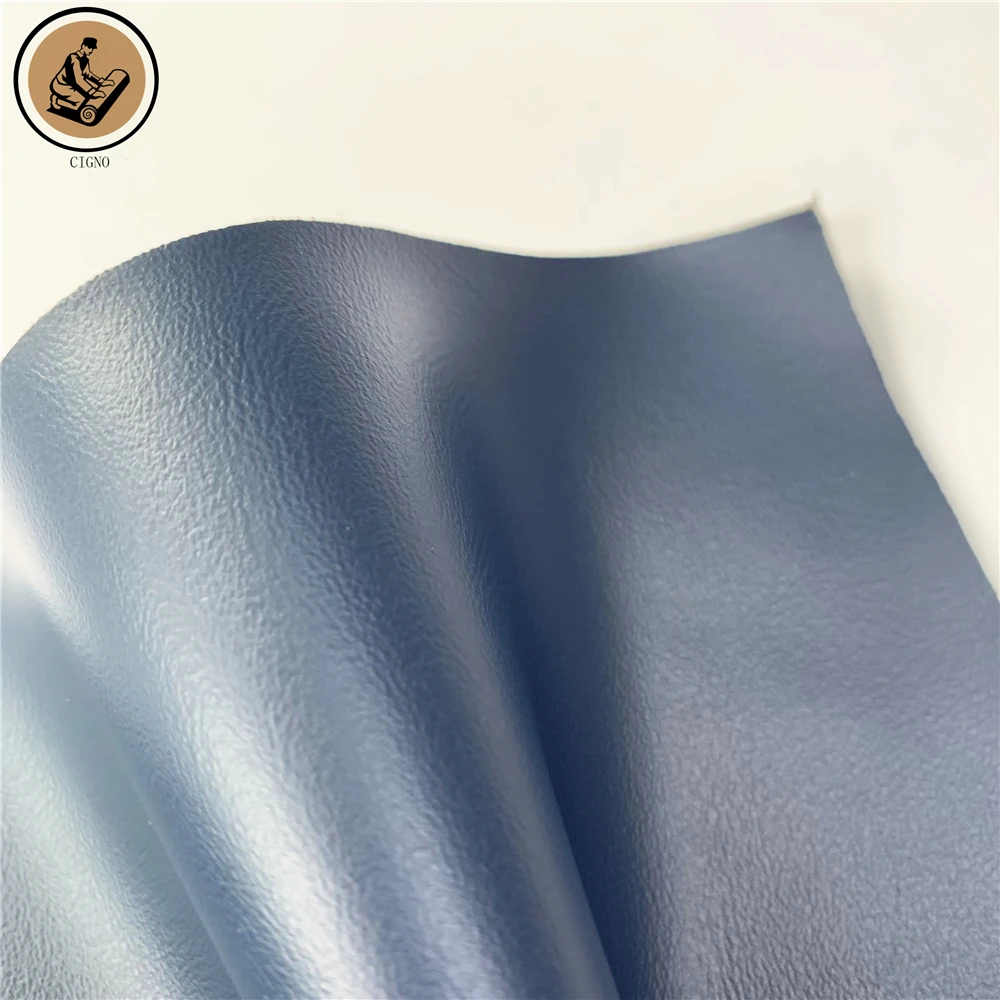
High Quality Eco-Friendly 1.2mm PU Synthetic Leather Furniture Upholstery Solvent-Free Skin-Feel for Sofa Car Seat Chair Bag Use
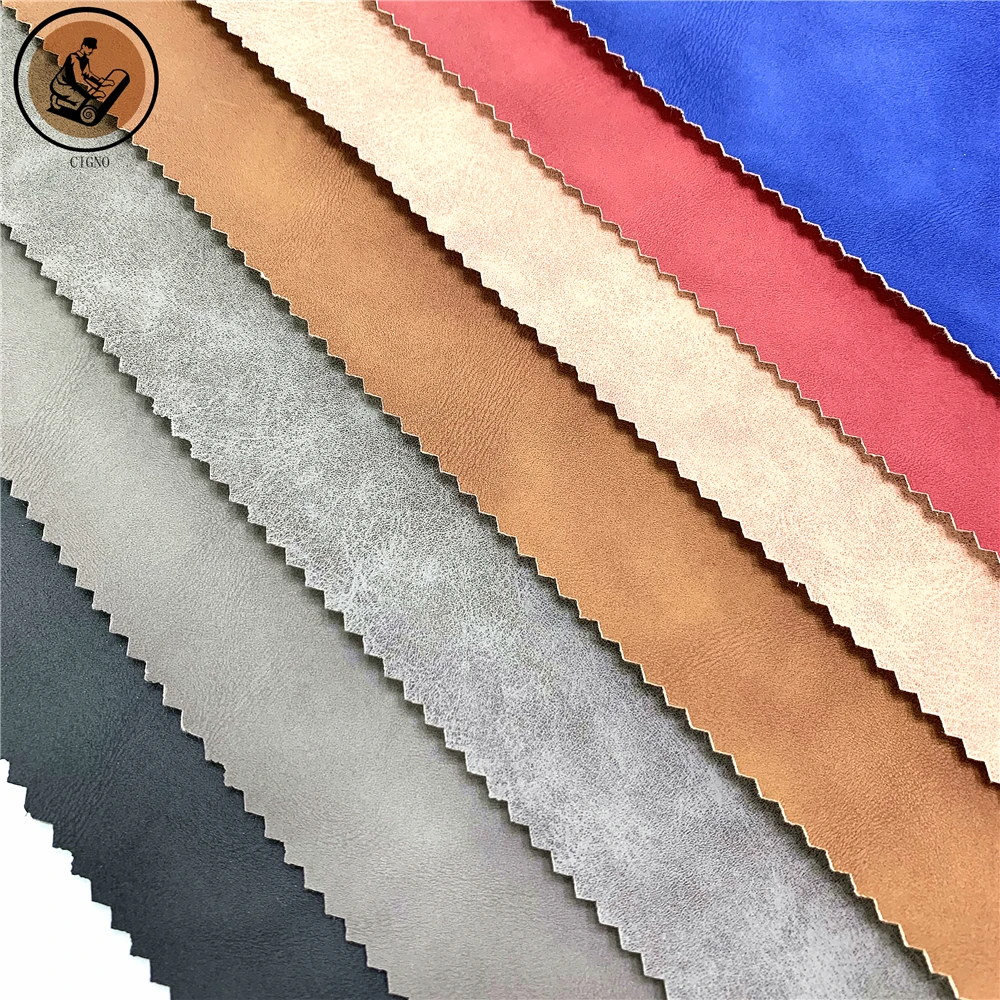
Free Samples of Embossed PU Synthetic Leather Bags Shoes Sofa Furniture Garments Car Decorative Uses-Waterproof Stretch Features
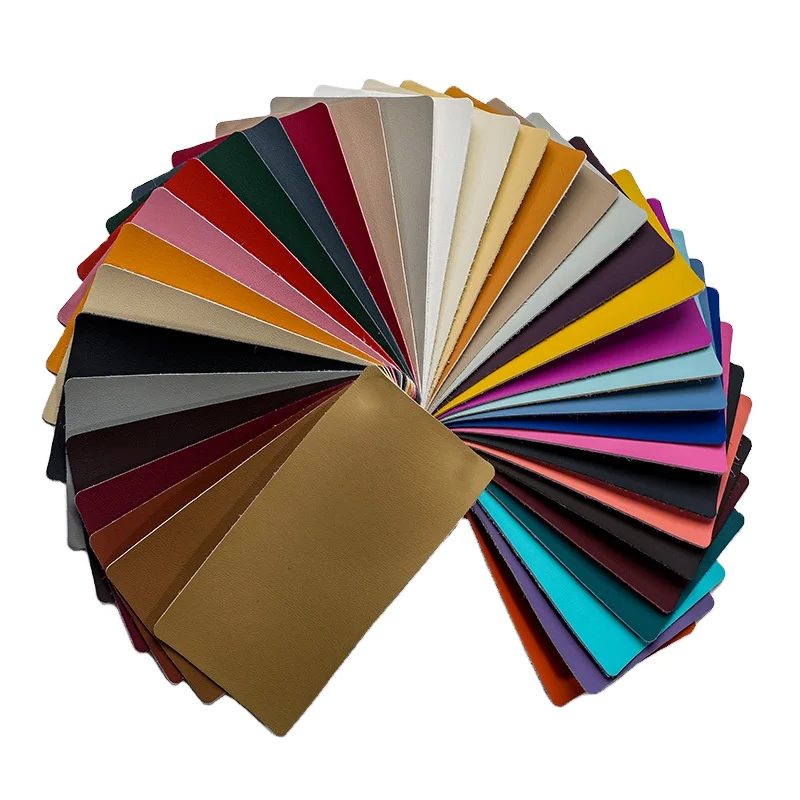
Pvc Vinyl Leather Rexine Leather Faux for Cars/Motorcycles, Waterproof Embossed Recycling Leatherette for Automotive Leather
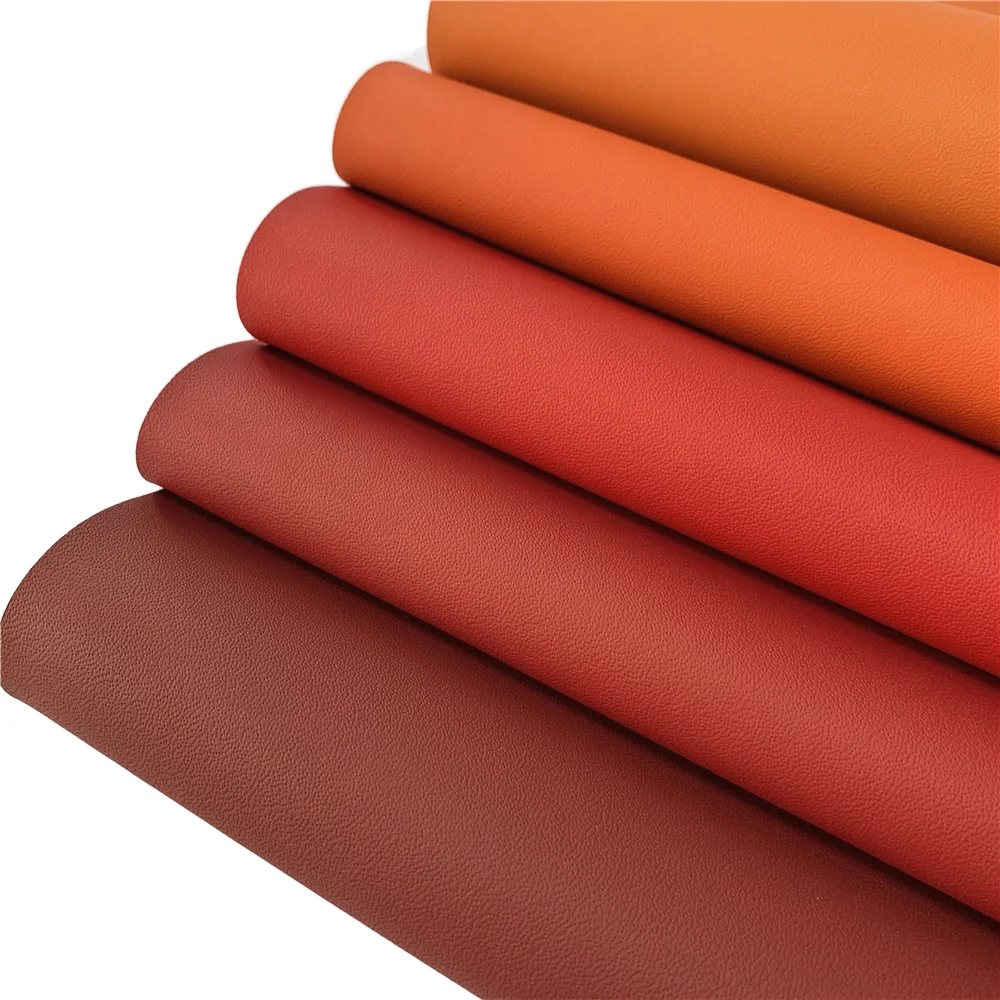
Hydrolysis Resistant Waterproof PU Microfiber Suede Leather Fabric Furniture Car Seat Covers Automotive Upholstery Bags Sofas
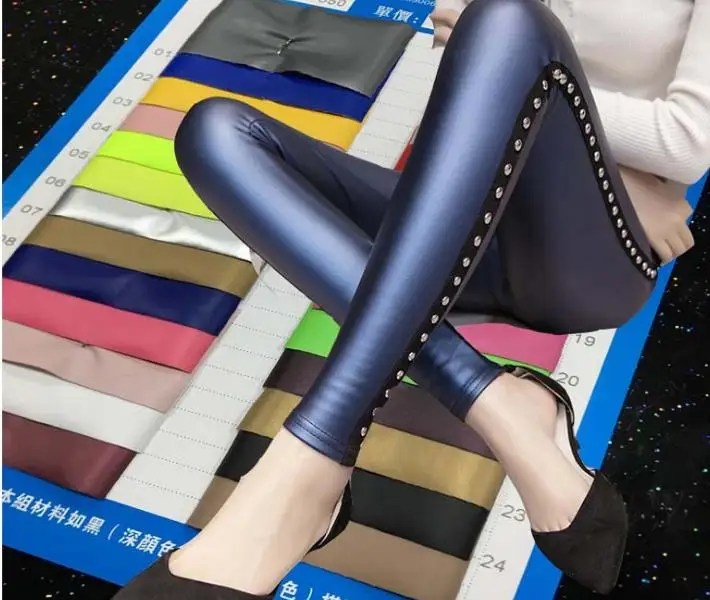
Ultra-Bright Black Mirror Four-Sided Stretch PU Fabric Pants Dresses Solid Color Soft Waterproof Clothing Elastic Finished
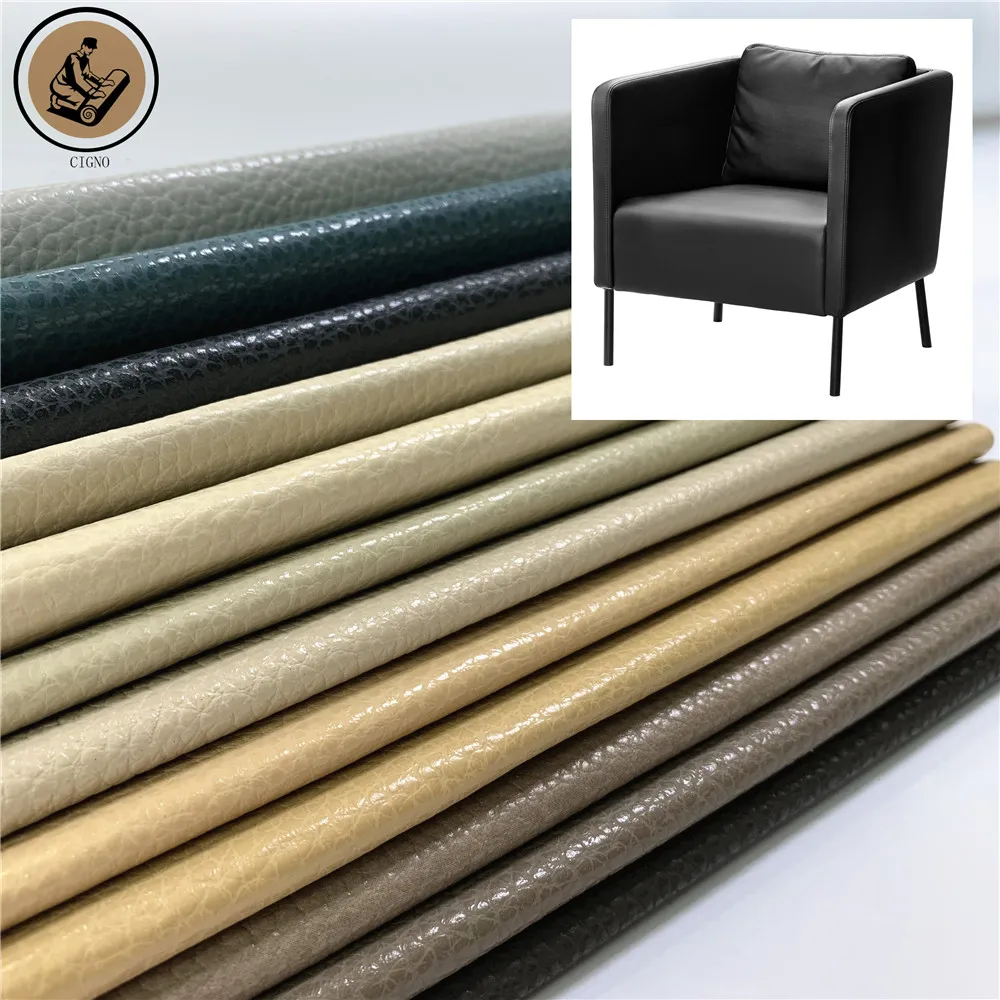
Litchi Lychee Grain 1.2mm PU Microfiber Leather Eco-Friendly Synthetic Leather Sofa Car Seat Handbags-Pearly-Lustre Recycled
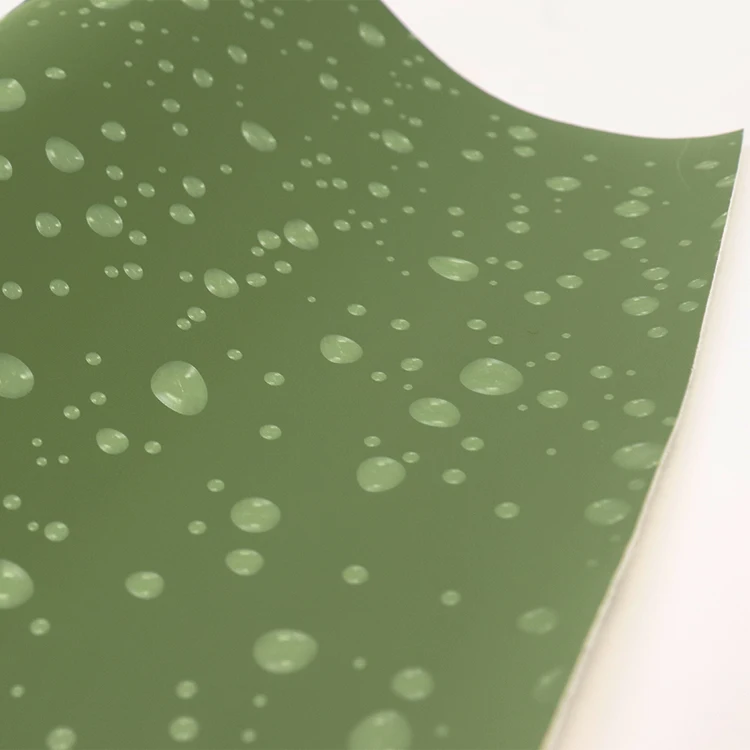
Custom Designer Faux Leather Fabric PVC Synthetic Leather Waterproof Sofa Bag Furniture Chair Woven Backing-Price Per Meter
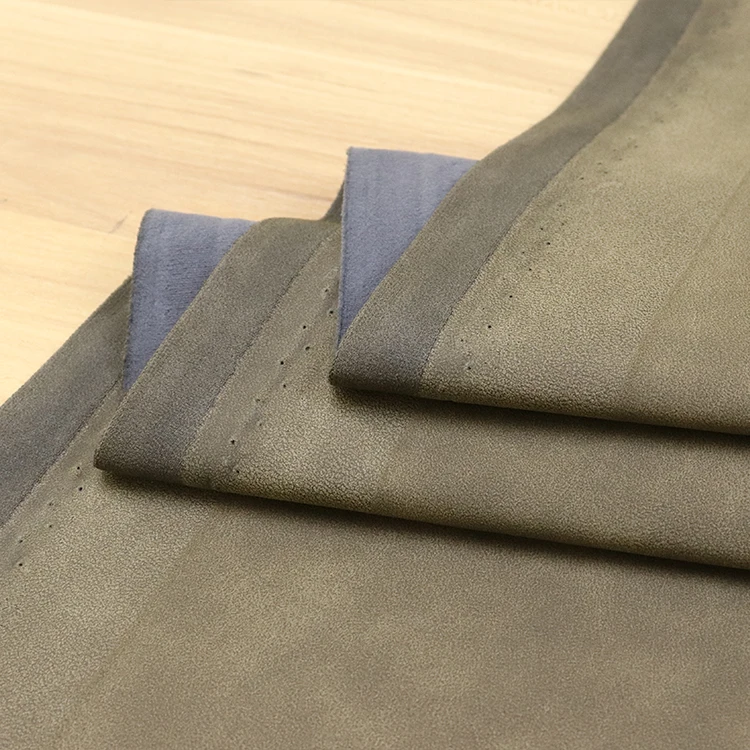
PU Suede Leather Nubuck Artificial Leather Materi for Shoe Make
What are the storage requirements for pvc leather for car seat during shipping?
Shipping pvc leather for car seat requires strict temperature control between 10°C and 30°C, dry conditions with low humidity, and protection from direct sunlight to prevent degradation. Rolls of PVC synthetic leather must be stored horizontally on flat surfaces, avoiding vertical stacking or heavy pressure to prevent permanent creasing, surface deformation, and moisture accumulation during transit.
Core Solutions & Key Takeaways
- Temperature and Climate Management: Maintaining shipping temperatures below 30°C prevents the 0.8–1.4 mm PVC synthetic leather coating from softening or becoming sticky.
- Moisture Control: Keeping relative humidity low protects knitted fabric and non-woven fabric backings from absorbing moisture, avoiding mold development and adhesive failure.
- Horizontal Storage: Storing rolls horizontally on flat pallets prevents permanent crushing of specialized textures such as nappa, lychee, perforated, or geometric embossed patterns.
- UV Protection: Keeping the shipment sealed and shielded from direct sunlight preserves the matte or semi-gloss finish and the original color consistency of the material.
Detailed Architectural/Principle Analysis
The stability of PVC synthetic leather during long-distance transit depends heavily on its material structure. The compound consists of a PVC polymer layer bonded to a textile backing. When subjected to extreme temperatures inside closed shipping containers, the thermoplastic PVC layer can undergo thermal expansion, making it highly susceptible to pressure marks and structural deformation. This is particularly critical for high-performance automotive interior components, including seats, door panels, headrests, and armrests, which demand precise surface finishes.
Moisture absorption poses another severe threat. If temperature fluctuations inside the container cause condensation, the non-woven or knitted backing absorbs water, triggering microbial growth. Implementing strict moisture-proof wrapping and loading desiccants inside the container maintains structural integrity. During a previous project, an automotive interior manufacturer in Mexico successfully imported 50,000 meters of customized automotive seat leather by enforcing these shipping standards. The material retained its certified flame-retardant, low-odor, and high abrasion-resistant properties without any quality degradation upon arrival. GRS, USDA, and Oeko-Tex 100 certified synthetic leathers are thoroughly tested to withstand standardized transport stresses when these environmental limits are respected.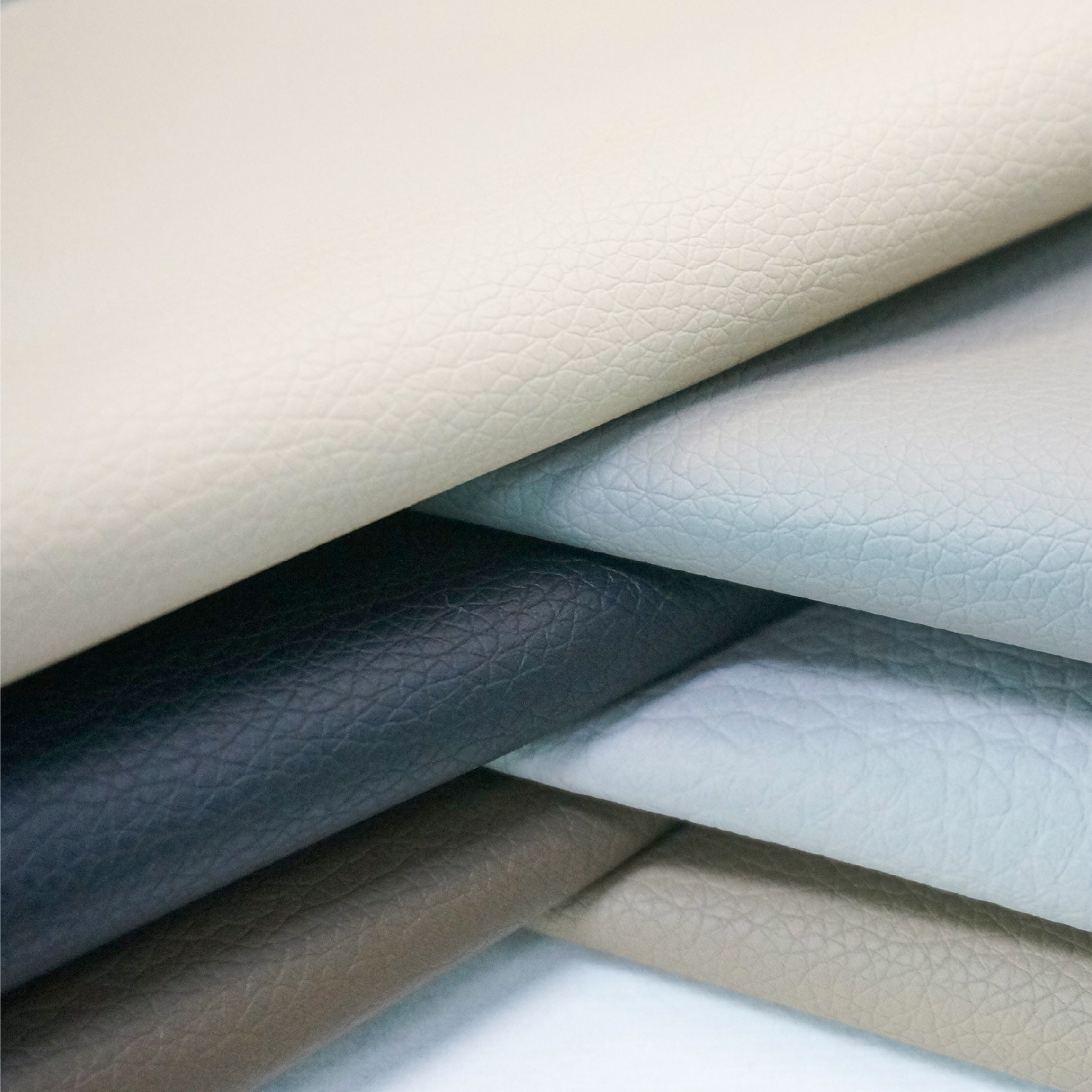
Data/Solution Comparison
| Storage Parameter | Recommended Shipping Standard | Risk of Deviation |
|---|---|---|
| Temperature | 10°C to 30°C | Softening of PVC layer, sticking of semi-gloss surfaces, and odor emission |
| Relative Humidity | Below 60% | Mold growth on backing fabric and reduction in peeling strength |
| Stacking Method | Horizontal on flat pallets (max 3 layers) | Permanent creasing and flattening of embossed grain textures |
| UV Exposure | Zero direct sunlight (opaque packaging) | Fading, surface yellowing, and degradation of UV-resistant properties |
| Shipping Terms | FOB, CFR, CIF, or DDP (Sealed containers) | Environmental contamination and mechanical damage during handling |
Frequently Asked Questions (FAQ)
How does high temperature affect pvc leather for car seat rolls?
Temperatures exceeding 40°C soften the polymer structure of the PVC coating. This causes adjacent layers on the roll to fuse together, leading to surface tearing and permanent loss of grain definition when the roll is unwrapped.
What precautions protect knitted and non-woven backings from moisture?
Rolls must be wrapped in heavy-duty polyethylene protective film before loading. Container desiccants must be placed strategically to capture moisture and prevent condensation from dampening the textile backing.
Can customized grains like nappa or lychee recover from shipping pressure?
No, severe pressure marks and flattened embossed grains are generally permanent. Storing rolls horizontally without overloading is the only reliable method to preserve the structural aesthetics of these premium textures.
Final Conclusion & Recommendations
Protecting PVC synthetic leather during transit requires a combination of temperature regulation, moisture prevention, and structured horizontal loading. Utilizing robust transport frameworks under FOB, CIF, or DDP terms ensures that the material arrives in optimal condition, ready for direct manufacturing. Quality control under the ISO 9001 quality management system guarantees that every batch is inspected before shipment to meet these rigorous transport challenges. For detailed technical solutions or support, please reach out to us via vicky@bozeleather.com.
About Us
Dongguan Cigno Leather Co., Ltd. is a professional synthetic leather manufacturer based in Dongguan, China. Established in 2007, the company operates an extensive factory area of 100,000 sqm to produce high-performance PVC, PU, and microfiber leather. The enterprise holds internationally recognized GRS, USDA, and Oeko-Tex 100 certifications, validating its strict quality standards and commitment to eco-friendly production. Having successfully supplied global markets and completed large projects like custom automotive seat leather deliveries to Mexico, the company remains a trusted manufacturing partner for the international automotive interior and furniture industries.
SUBSCRIBE
INQUIRY